Key Takeaways
-
Retaining walls transform sloped terrain into functional, usable outdoor spaces with multiple design and landscape options.
-
Professional installation requires careful site assessment, proper drainage, and strategic material selection to ensure long-term stability.
-
Choosing the right material like VERSA-LOK concrete blocks, natural stone, or timber depends on aesthetic preferences, budget, and local climate conditions.
-
Integrated landscape design can turn retaining walls into multi-functional features that include seating, lighting, and garden spaces.
-
Well-designed retaining walls provide critical erosion control, protecting property from storm damage and soil displacement.
-
Professionally installed retaining walls can increase property value by 70-100% of installation costs through enhanced curb appeal.
-
Strategic wall placement can create privacy, reduce noise, and improve overall outdoor living environment by defining distinct landscape zones.
If you’ve ever looked at your sloped yard and wondered how to turn that challenging terrain into something beautiful and functional, you’re not alone. Many homeowners in the Chicago area face the same challenge—hillsides that erode during storms, uneven ground that limits where you can place a patio or garden, and wasted space that feels impossible to use. The solution that landscape professionals recommend time and again is a properly designed and installed retaining wall. These structures do so much more than just hold back soil—they create level terraces for outdoor living, protect your plantings from flooding, prevent erosion, and add stunning visual appeal to your property.
Retaining walls have become a cornerstone of modern landscaping, especially here in the greater Chicago metropolitan area where terrain variations are common. Whether you’re a suburban homeowner looking to maximize your outdoor space, a commercial property manager seeking to enhance curb appeal, or a new home builder wanting to deliver turnkey outdoor features, understanding retaining walls can help you make informed decisions about your landscape investment. Let’s explore why these structures are so transformative and how they can completely reimagine what’s possible in your yard.
What Makes Retaining Walls Essential for Sloped Properties
Retaining walls serve a crucial structural purpose by holding back soil on sloped terrain, creating level, usable spaces where gravity would otherwise cause erosion and instability. Think of them as the foundation that allows you to build the outdoor living areas you’ve always wanted—patios for entertaining, gardens bursting with color, or terraced lawns where kids can play safely. Without these walls, sloped properties often remain underutilized, with soil washing away during heavy rains and plantings struggling to establish roots on unstable ground.
The engineering behind retaining walls is fascinating yet straightforward. These structures resist the lateral pressure of soil, which can be substantial depending on the slope angle and soil type. In Chicago’s climate, where we experience freeze-thaw cycles, choosing materials that can withstand temperature fluctuations is critical. Modern retaining wall systems like VERSA-LOK concrete blocks are specifically designed to be stackable, interlocking, and resistant to our harsh winters, making them an excellent choice for long-term durability.
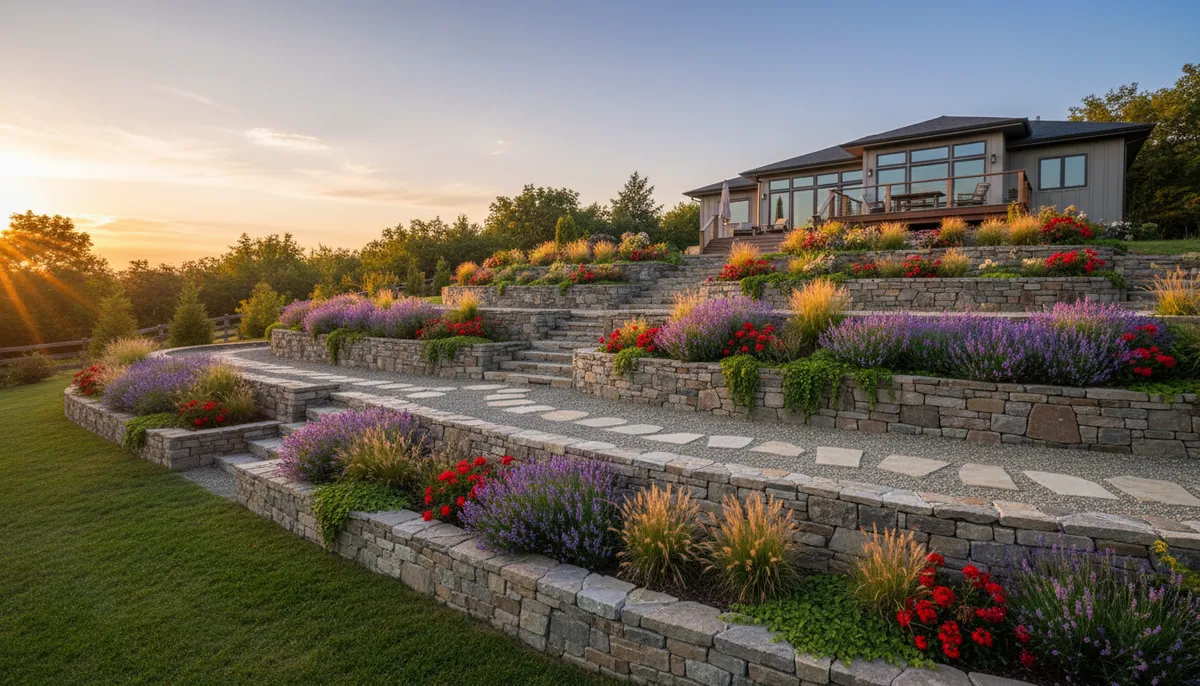
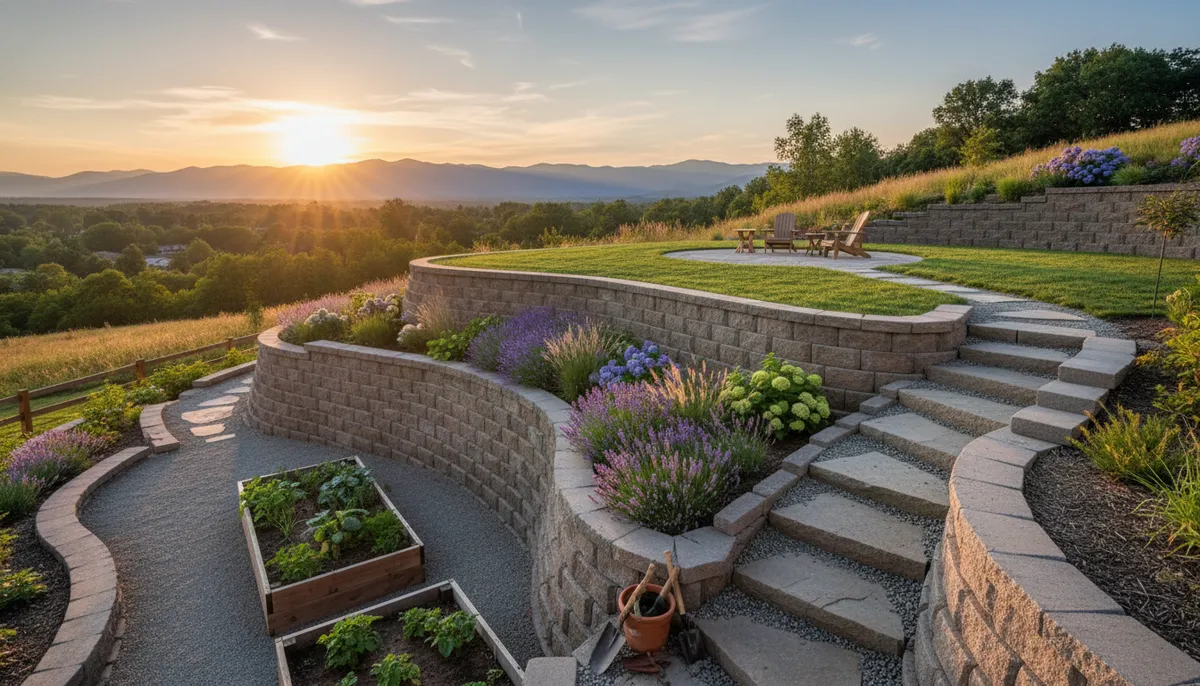
Beyond the practical engineering, retaining walls fundamentally change how you can use your property. A steep hillside becomes three distinct terraces—one for dining, one for gardening, and one for a fire pit gathering area. That erosion-prone bank transforms into a stunning backdrop of natural stone with cascading plantings. The possibilities multiply once you’ve conquered the slope, and that’s what makes these structures so valuable for homeowners and businesses alike.
The Most Popular Materials for Retaining Wall Construction
Choosing the right material for your retaining wall affects not only the aesthetic appeal but also the longevity and maintenance requirements of your investment. Let’s look at the most common options that landscaping professionals work with and what makes each one unique:
VERSA-LOK Concrete Block Systems
VERSA-LOK blocks have become incredibly popular in the landscaping industry, and for good reason. These engineered concrete blocks interlock without the need for mortar, creating a solid, flexible wall system that can handle our Chicago weather beautifully. The blocks come in various colors and textures, allowing you to match your home’s exterior or create a complementary contrast. They’re freeze-thaw resistant, which is absolutely essential in our climate, and they can be configured to create curves, corners, and even seating areas. Installation is relatively straightforward for experienced professionals, and the system includes proper drainage channels to prevent water buildup behind the wall.
Natural Boulder and Stone
For those who prefer a more organic, natural look, boulders and natural stone create retaining walls that look like they’ve been part of the landscape forever. Large boulders can be strategically placed to hold back soil while creating dramatic visual interest, and the irregular shapes and earth tones blend seamlessly with surrounding plantings. Natural stone walls work particularly well in suburban settings where you want a softer, less structured appearance. The trade-off is that these materials typically require more skilled installation and may cost more than manufactured options, but the timeless beauty often makes it worthwhile.
Treated Timber
Treated pine timber offers a warm, traditional aesthetic that works beautifully in certain landscape styles. These walls create clean horizontal lines and can be quite cost-effective for shorter walls and garden bed borders. However, timber does have a shorter lifespan than stone or concrete options, typically lasting 10-20 years depending on maintenance and exposure. They’re a great choice for terraced gardens and can be easily integrated with steps and pathways. Just keep in mind that in our climate, you’ll want to ensure proper drainage to prevent premature deterioration.
Decorative Stone Veneer
For those who want the look of natural stone with the structural reliability of concrete, stone veneer systems offer the best of both worlds. These walls feature a concrete block core for strength and a stone facing for beauty. You get the aesthetic appeal of quarried stone with better consistency in sizing and installation efficiency. This option works wonderfully for properties where you want to match existing stonework or create a high-end appearance without the premium cost of full natural stone construction.
Different Types of Retaining Walls for Various Landscape Needs
Not all retaining walls serve the same purpose, and understanding the different types can help you communicate effectively with your landscape designer about what you need. Here are the main categories you’ll encounter:
- Structural Retaining Walls: These are the workhorses that hold back significant amounts of soil on steep slopes, typically over four feet in height. They require careful engineering, proper drainage systems, and often need permits depending on your local regulations. These walls create dramatic level changes and can transform unusable hillsides into prime outdoor living space.
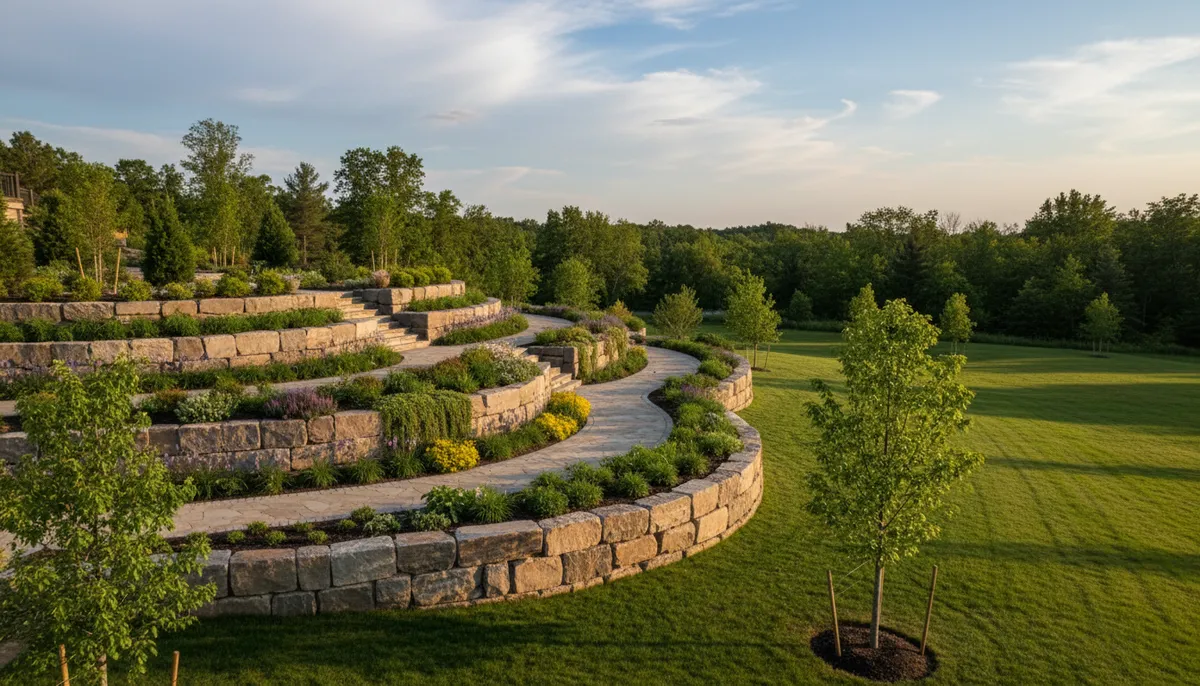
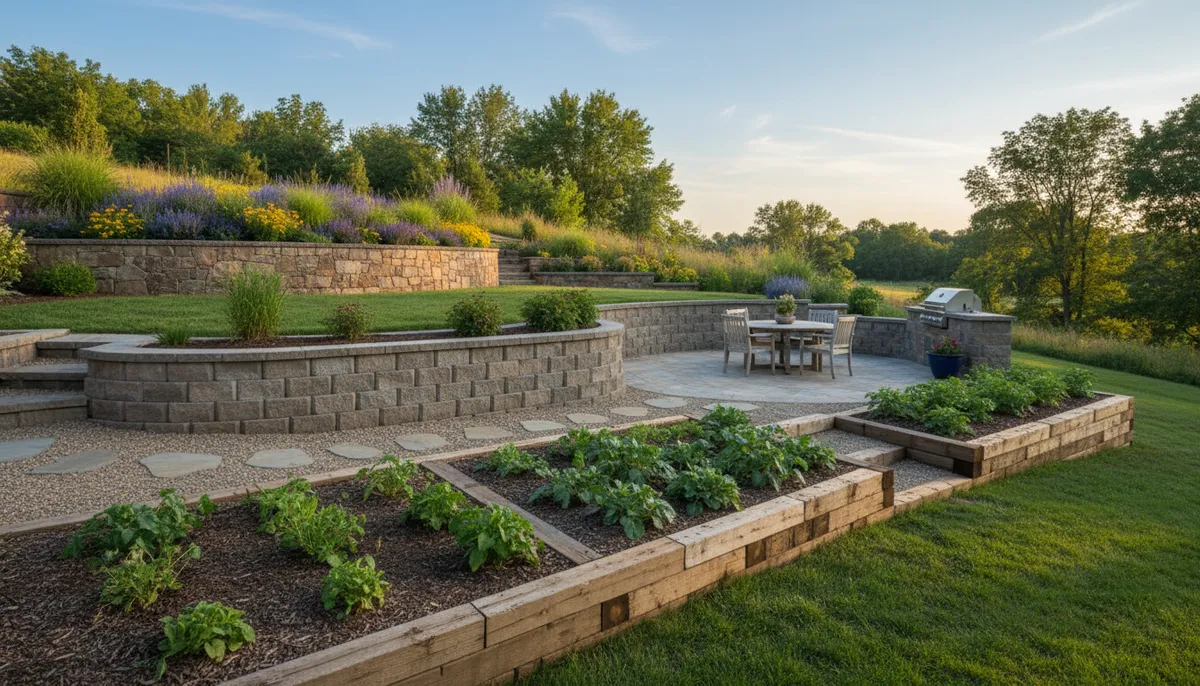
- Tiered Retaining Walls: When you have a very steep slope, a series of shorter walls creates more visual interest and is often structurally superior to one tall wall. Tiered systems create natural terraces at different elevations, perfect for gardens at various levels or for creating distinct outdoor rooms. The stepping effect also adds dimension and beauty to your landscape.
- Garden Retaining Walls: These shorter walls (usually 18-36 inches) define planting beds, create raised gardens, and add vertical interest to relatively flat properties. They’re perfect for separating different landscape zones and can significantly improve drainage for your plantings while making maintenance easier on your back.
- Seating Walls: A clever dual-purpose option, seating walls provide the functionality of a retaining wall while creating built-in seating around patios, fire pits, or outdoor kitchens. These walls are typically 18-24 inches tall—perfect sitting height—and can be topped with cap stones for comfort. They’re a favorite feature in outdoor entertainment areas.
How Retaining Walls Integrate With Complete Landscape Designs
The real magic happens when retaining walls become part of a comprehensive landscape plan rather than standalone structures. Experienced landscape designers think about how these walls interact with every other element in your outdoor space to create a cohesive, functional, and beautiful environment. This integrated approach is what transforms a yard from ordinary to extraordinary.
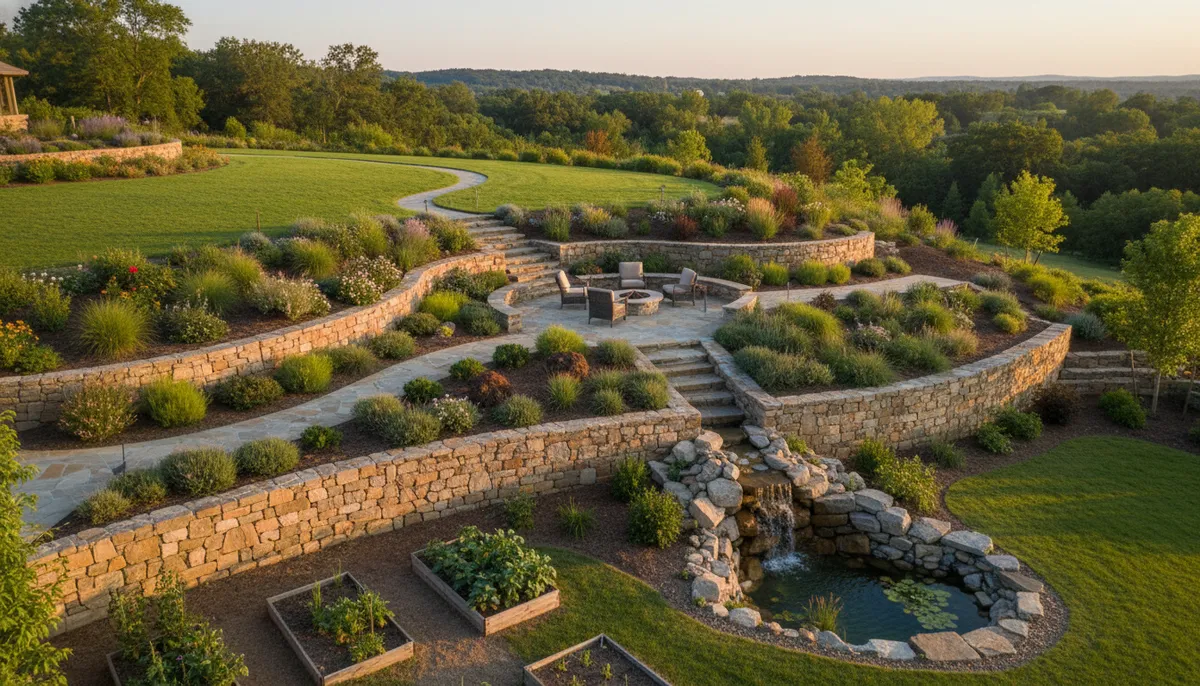
Consider how a Retaining Wall might connect to your patio area. The wall creates the level surface where your Pavers are installed, providing both the structural foundation and a beautiful backdrop. You might incorporate steps into the wall design, leading up to a upper terrace where you’ve placed a Fire Pit gathering area. Lighting can be built into the wall caps or installed along the base, creating ambiance and safety for evening use. This is where working with professionals who understand the full scope of landscape construction really pays off.
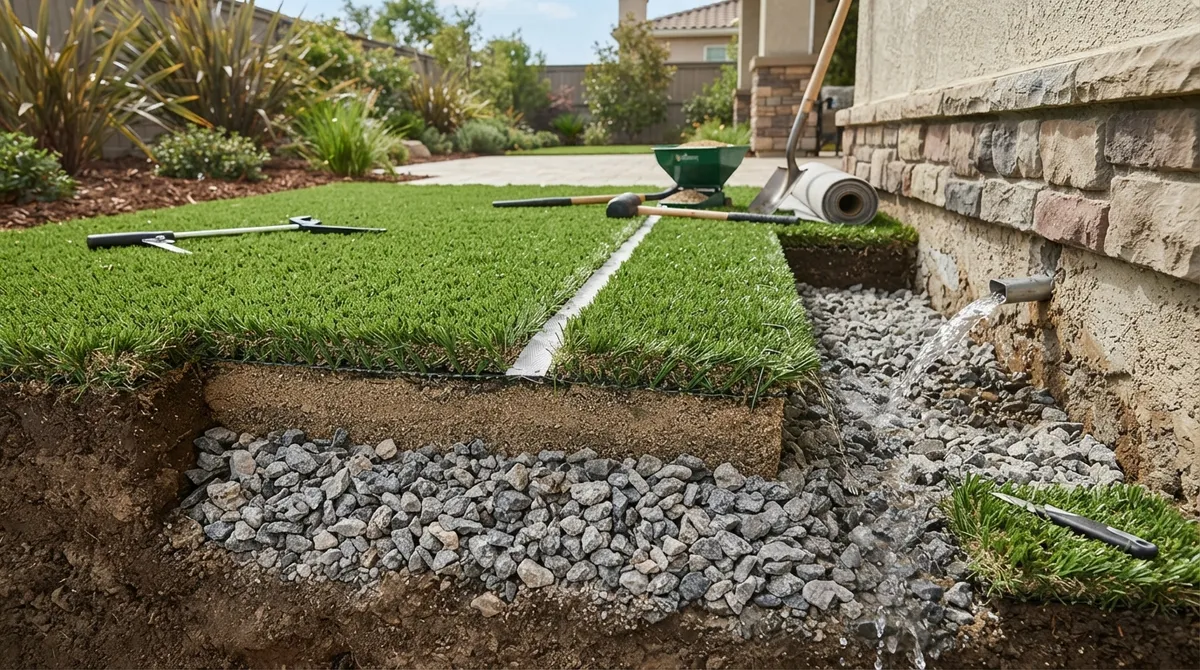
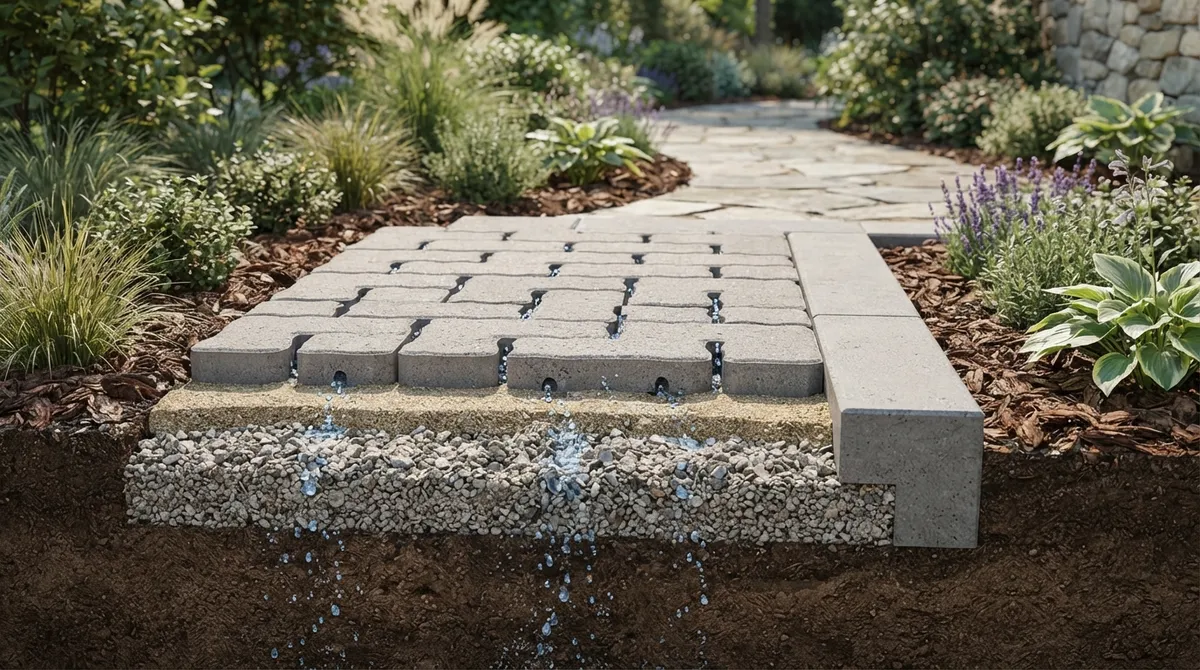
Drainage integration is another critical consideration that often gets overlooked. Your retaining wall needs a proper drainage system behind it to prevent water pressure buildup, and that drainage should be coordinated with your overall property drainage plan. Smart landscape designers will use the terracing created by retaining walls to manage stormwater, directing it away from your home’s foundation and into appropriate drainage areas or rain gardens. This kind of thoughtful planning prevents problems and ensures your investment lasts for decades.
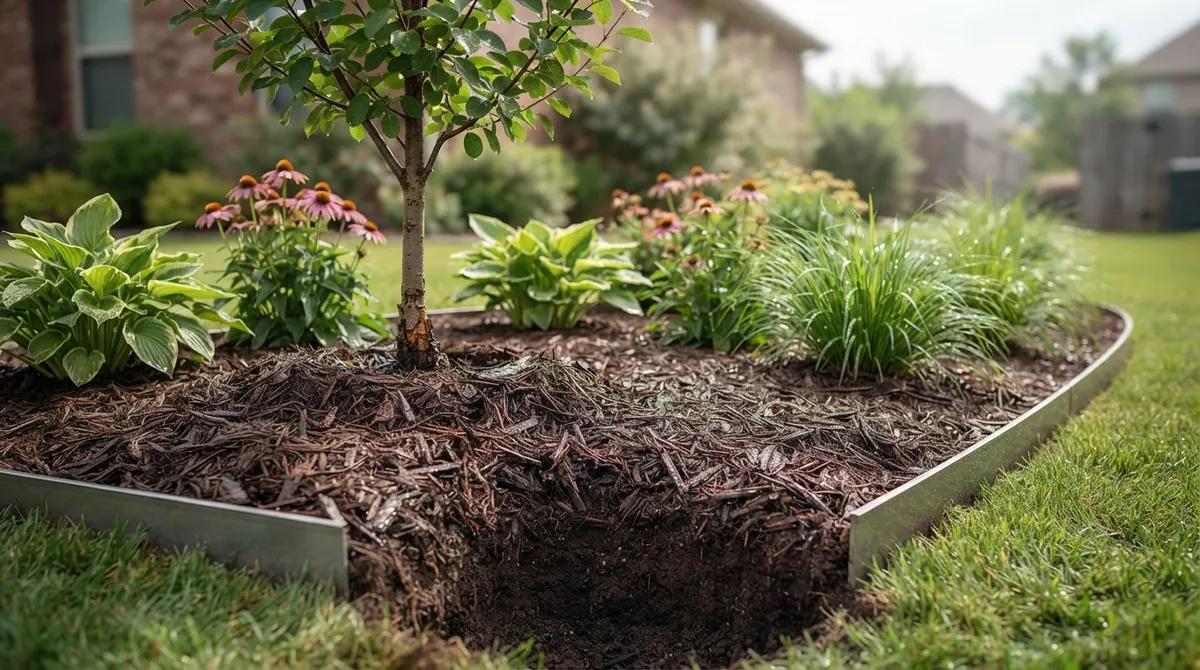
The plantings around and above your retaining walls deserve special attention too. The right Softscapes can soften the hard edges of the wall, add seasonal color, and help with erosion control in the areas above the wall. Cascading plants that drape over the wall face, groundcovers that spread across the terraces, and ornamental grasses that add movement and texture all work together to create that finished, professional appearance that makes your landscape feel complete.
The Installation Process: What to Expect From Professional Installation
Understanding what’s involved in retaining wall installation helps you appreciate the skill required and sets realistic expectations for your project timeline. Professional installation follows a careful process that ensures both beauty and structural integrity:
- Site Assessment and Design: Your project begins with a thorough evaluation of your property’s slope, soil type, drainage patterns, and existing features. This information guides the design process, determining wall height, placement, material selection, and necessary drainage solutions.
- Permits and Approvals: Depending on your wall’s height and location, you may need permits from your local municipality. Professional landscapers handle this process, ensuring compliance with building codes and setback requirements. This step protects your investment and prevents future complications.
- Excavation and Base Preparation: Proper installation starts below ground. The area is excavated to the appropriate depth, and a compacted gravel base is installed. This base layer is critical for stability and drainage—shortcuts here lead to problems later.
- Wall Construction: The wall is built course by course, with attention to level, backfill, and drainage at every step. Geogrid reinforcement may be added for taller walls, anchoring them deep into the hillside. Each block or stone is positioned carefully to ensure proper alignment and stability.
- Drainage Installation: A perforated drain pipe is placed behind the wall at the base, surrounded by gravel to channel water away. This drainage system prevents the hydrostatic pressure that can push walls outward over time.
- Backfilling and Compaction: The area behind the wall is backfilled with gravel and soil in layers, with each layer compacted to prevent settling. This process is methodical and can’t be rushed—proper compaction is essential for long-term stability.
The timeline for installation varies based on wall size and complexity, but most residential retaining walls can be completed in 3-7 days. Larger commercial projects or extensive tiered systems may take longer. Weather can affect the schedule, especially in Chicago where spring and fall are the optimal seasons for this type of work. Your landscape contractor will provide a detailed timeline and keep you informed throughout the process.
The Benefits That Go Beyond Just Holding Back Soil
When you invest in quality retaining walls, you’re getting so much more than just a structural solution to a slope problem. Let’s talk about the wide-ranging benefits that make these features such a valuable addition to any property:
Increased Usable Space
This is often the primary motivation—turning unusable hillside into functional outdoor living areas. That steep slope becomes a flat patio perfect for outdoor dining, a level lawn where kids can play, or terraced gardens that are easier to maintain. You’re literally creating square footage of usable space that didn’t exist before, effectively expanding your property’s footprint without adding to your lot size.
Erosion Control and Storm Protection
Erosion is a serious problem on sloped properties, especially during our Chicago storms with heavy rainfall. Retaining walls stop soil from washing away, protecting your plantings, preventing sediment from running into streets and storm drains, and keeping your property intact. They also provide flood protection by directing water flow and preventing saturation in areas where you don’t want it. This protective function saves you money on soil replacement, replanting, and potential foundation issues over time.
Enhanced Property Value and Curb Appeal
A professionally designed and installed retaining wall system significantly boosts your property’s value. According to landscape professionals, well-executed hardscaping can provide returns of 70-100% of the installation cost when you sell your home. Beyond the financial return, the visual impact is immediate and striking. A beautiful retaining wall creates definition, adds architectural interest, and demonstrates that the property has been professionally maintained and improved. For commercial properties, this enhanced curb appeal translates directly to customer perception and business success.
Improved Drainage and Water Management
When properly designed, retaining walls become part of your property’s comprehensive drainage solution. They can direct water away from your foundation, create channels for runoff, and prevent standing water in low-lying areas. This improved water management protects your home’s foundation, keeps your lawn and gardens healthier, and reduces mosquito breeding areas. It’s environmental management that works with nature rather than against it.
Privacy and Noise Reduction
Taller retaining walls create natural privacy screens, especially valuable in urban and suburban settings where homes are close together. They block sightlines from neighboring properties and streets, creating more intimate outdoor spaces. As a bonus, solid walls also provide some noise reduction, buffering street sounds and creating a more peaceful backyard environment.
Design Flexibility and Creative Possibilities
Retaining walls open up creative possibilities that wouldn’t exist on a simple flat lot. You can create distinct outdoor rooms at different elevations, incorporate water features that cascade between levels, build in seating areas and planters, and add Lighting & Sound elements that transform your space into an evening entertainment destination. The vertical dimension adds visual interest and allows for layered plantings that create depth and beauty impossible on flat terrain.
Maintenance Requirements to Keep Your Walls Looking Great
The good news is that quality retaining walls require relatively little maintenance compared to other landscape features. However, a little attention goes a long way in ensuring they continue to look beautiful and function properly for decades. Here’s what you should keep in mind:
- Regular Inspections: Walk your walls seasonally, looking for any signs of settling, bulging, or cracking. Catching minor issues early prevents major problems later. Look for standing water near the base, which might indicate drainage problems.
- Keep Drainage Clear: Ensure that drainage outlets remain clear of debris, leaves, and soil. The drainage system behind your wall is critical to its longevity, so don’t let it become clogged.
- Clean Surfaces: Depending on your material choice, occasional cleaning may be needed. Concrete blocks can be power washed to remove dirt and mildew, while natural stone may just need brushing to remove debris. This keeps your walls looking fresh and prevents organic growth that can stain.
- Address Weed Growth: Weeds can sometimes grow in the joints between blocks or stones. Pull them promptly before roots can cause any displacement. Using polymeric sand in the joints during installation helps prevent this issue.
- Monitor Plantings: Trees and large shrubs planted too close to retaining walls can cause problems as roots grow. Keep plantings at appropriate distances and trim back any aggressive growth that might impact the wall structure.
- Winter Care: In our Chicago climate, proper winter drainage is essential. Make sure water isn’t pooling and freezing near your walls, as the freeze-thaw cycle can cause damage over time. Good initial drainage design prevents most winter issues.
Most professional retaining wall installations come with warranties covering both materials and labor—often for at least one year. At Serenity Landscape Group, we stand behind our work and provide ongoing support to ensure your landscape investment continues to perform beautifully season after season. If you notice any concerns, addressing them quickly with your landscape professional prevents small issues from becoming expensive repairs.
Choosing the Right Retaining Wall for Your Specific Property
With so many options available, how do you decide what’s right for your property? The answer depends on several factors that you should discuss with your landscape designer during the planning phase. Let’s walk through the key considerations:
Height and Structural Requirements
The amount of slope you need to retain is the primary factor. Walls under four feet have different structural requirements than taller walls, and this affects material choice, engineering needs, and cost. Your landscape professional will measure the elevation change and recommend appropriate solutions. Remember that tiered walls with multiple shorter sections often work better than one very tall wall, both structurally and aesthetically.
Your Home’s Architectural Style
Your retaining wall should complement your home’s architecture. A modern home might pair beautifully with clean-lined concrete blocks in contemporary colors, while a traditional brick home might call for natural stone or timber. The goal is visual harmony that makes your entire property feel cohesive and intentional. Bring photos of your home’s exterior to your design consultation so your landscaper can recommend materials that will enhance rather than clash with your existing architecture.
Budget Considerations
Retaining wall costs vary significantly based on materials, height, accessibility, and complexity. Concrete block systems are typically the most cost-effective for larger projects, while natural stone tends to be more expensive but creates that premium, timeless look. Be upfront about your budget with your landscape designer—they can often suggest creative solutions that achieve your goals while respecting your financial parameters. Remember that investing in quality installation pays off in longevity and reduced maintenance costs.
Long-Term Maintenance Preferences
Some materials require more maintenance than others. If you want something truly low-maintenance, concrete block systems are hard to beat. Natural stone requires minimal care but may need occasional re-pointing if mortared. Timber walls need the most attention over time, requiring treatments and eventual replacement. Consider your willingness to perform ongoing maintenance when making your material selection.
Local Climate and Soil Conditions
Here in the greater Chicago area, we need materials that can handle freeze-thaw cycles, heavy snow loads, and clay soils that expand and contract. Your landscape professional understands these local conditions and will recommend solutions proven to perform in our climate. Don’t skimp on drainage systems—they’re essential in our region where we can get several inches of rain in a single storm.
Conclusion: Transform Your Landscape With Professional Retaining Wall Design
Retaining walls represent one of the most transformative investments you can make in your property’s outdoor space. They solve practical problems like erosion and unusable slopes while simultaneously creating beautiful, functional areas where you can truly enjoy outdoor living. From creating level patios for entertaining to terraced gardens that showcase your plantings, from protecting your property during storms to adding significant value and curb appeal, these structures deliver benefits that extend far beyond their initial installation.
The key to achieving all these benefits is working with experienced professionals who understand both the structural engineering and the artistic design elements that make retaining walls successful. At Serenity Landscape Group, we’ve spent over two decades perfecting the art and science of retaining wall installation throughout the greater Chicago metropolitan area. We bring technical expertise, creative design skills, and a commitment to quality that ensures your investment will look beautiful and perform flawlessly for years to come.
Whether you’re a homeowner looking to maximize your sloped yard’s potential, a commercial property manager seeking to enhance your building’s exterior appeal, or a builder wanting to deliver complete outdoor spaces, we’d love to discuss how retaining walls can transform your property. Our comprehensive approach considers every aspect of your landscape—from Pergolas Pavilions that create shaded gathering spaces to complete drainage solutions that protect your investment.
Ready to turn that challenging slope into your favorite outdoor space? Get a Free Estimate today and let’s start planning the landscape transformation you’ve been dreaming about. We’ll visit your property, discuss your vision and goals, and create a comprehensive design that maximizes your outdoor potential while respecting your budget. Your journey to a more beautiful, functional landscape starts with a conversation—we can’t wait to hear about your project!
FAQs
Q: What is the average cost of installing a retaining wall?
A: Retaining wall costs vary widely based on height, materials, and complexity, typically ranging from $20-$100 per square foot. Concrete block systems are usually the most budget-friendly option, while natural stone tends to be more expensive. Your best bet is to get a detailed estimate from a professional landscaper who can assess your specific site conditions and design requirements.
Q: Do I need a permit to build a retaining wall on my property?
A: In most cases, retaining walls over a certain height (typically 3-4 feet) require permits from your local municipality. Requirements vary by location, so it’s important to check with your city or county building department. Professional landscaping companies typically handle permit applications as part of their service, ensuring your project meets all local codes and regulations.
Q: How long do retaining walls typically last?
A: With proper installation and maintenance, concrete block retaining walls can last 50-100 years, while natural stone walls can last even longer—sometimes centuries. Timber walls have a shorter lifespan of 10-20 years depending on the wood treatment and climate. The key to longevity is proper drainage design, quality materials, and professional installation that accounts for local soil and weather conditions.
Q: Can I plant flowers and shrubs around my retaining wall?
A: Absolutely! Plantings enhance the beauty of retaining walls and help them blend into the landscape. Choose plants appropriate for the sun exposure and soil conditions at each level of your terraced areas. Just keep larger trees and shrubs at a safe distance (several feet) from the wall to prevent root systems from impacting the structure over time.
Q: What’s the difference between a retaining wall and a freestanding wall?
A: A retaining wall is specifically engineered to hold back soil and resist lateral pressure from the ground behind it, requiring proper drainage and structural design. A freestanding wall, on the other hand, stands independently without retaining soil and serves decorative or privacy purposes. Retaining walls need more substantial foundations and drainage systems because they’re performing a critical structural function in your landscape.