Key Takeaways
-
Hardscaping adds measurable property value and is a smart investment—the global hardscape market is projected to grow from USD 98.7 billion in 2024 to USD 172.5 billion by 2033, with annual growth rates of 8.35% through 2031.
-
Hire a licensed, insured contractor with ICPI Certification or similar industry credentials and always get a written estimate and references before starting your project to avoid costly mistakes.
-
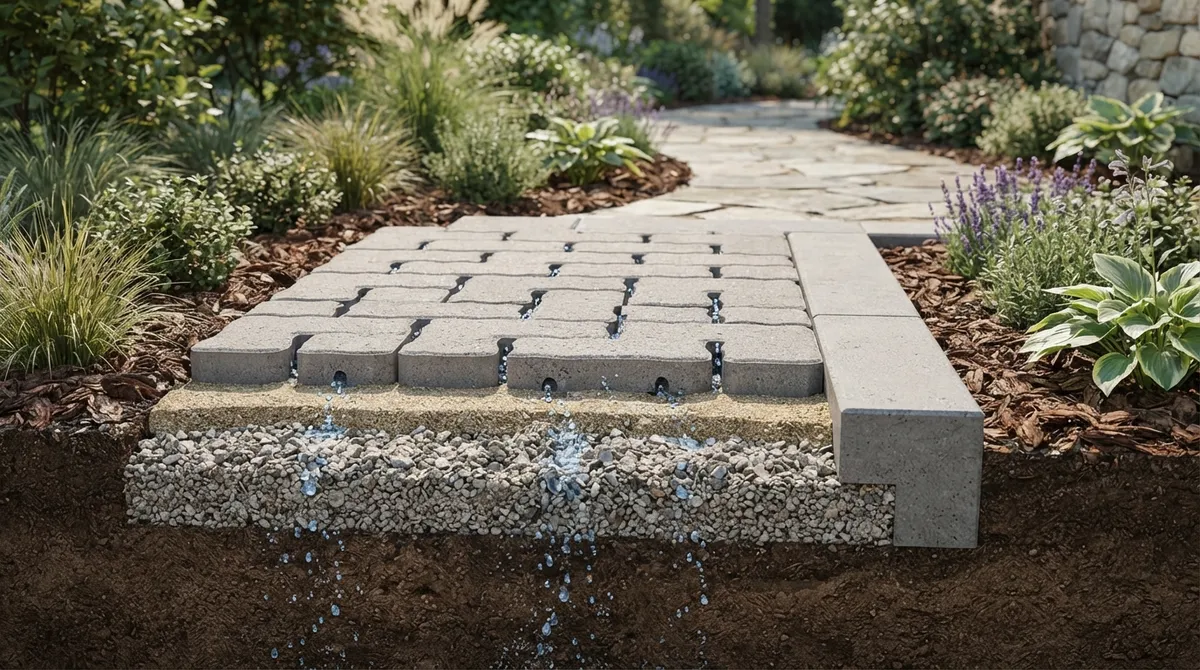
Plan drainage solutions into your hardscape design using permeable pavers, French drains, or dry creek beds, which is especially critical in regions like Chicago with heavy spring rains.
-
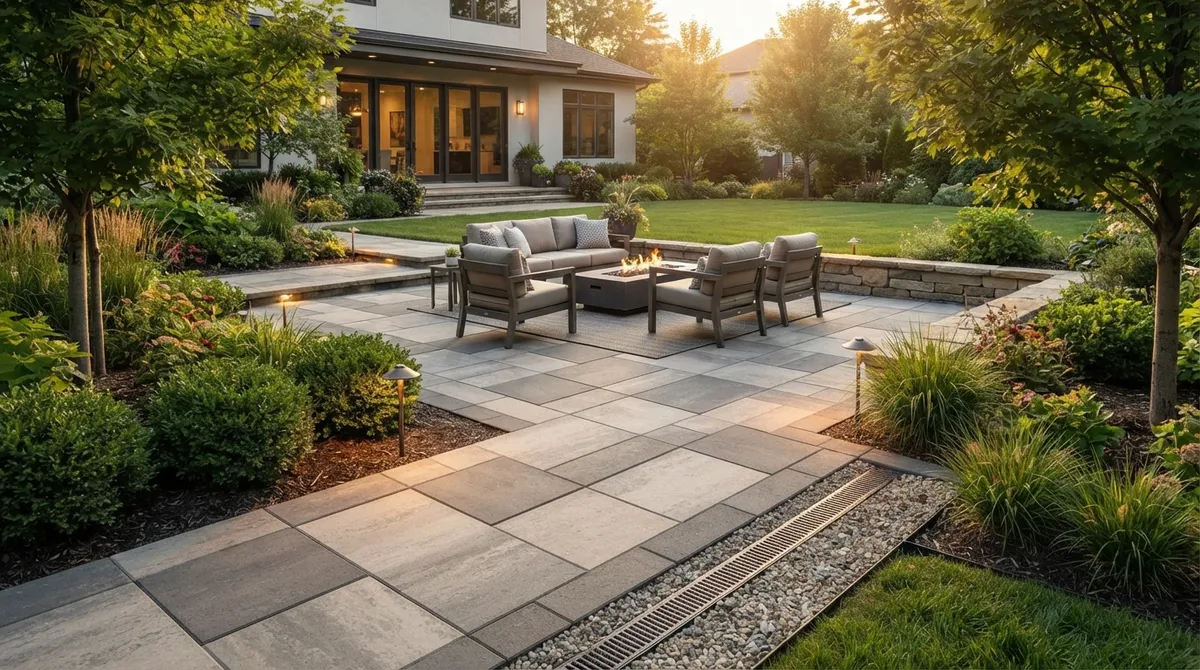
Combine hardscaping with softscaping (plants and turf) plus lighting and maintenance for a cohesive outdoor space that functions as an extension of your home and creates usable areas for gathering.
-
Concrete pavers are recommended for Chicago-area homes because they withstand freeze-thaw cycles better than some alternatives, while material choice depends on durability needs and maintenance preferences.
-
Most larger hardscape projects like retaining walls and driveways require permits, and local building codes vary significantly by municipality—hire a contractor who knows your area’s specific requirements and handles paperwork.
Ever look at your backyard and feel like something is missing? Maybe your grass is gorgeous, but there’s no place to sit, grill, or gather with friends. That’s where hardscape services come in, and honestly, they might be the missing puzzle piece you didn’t know you needed. Hardscaping is all about the solid, non-living parts of your outdoor space, like patios, walkways, retaining walls, and fire pits. Think of it as the bones that hold your whole landscape together.
Here in the Chicago area, hardscaping has become a huge part of how homeowners and business owners use their outdoor spaces. It’s not just about looks anymore. It’s about creating a space you actually want to spend time in. In this article, we’ll walk through what hardscape services really cover, why they matter, and how to choose the right team for your project. Grab a cup of coffee, and let’s dig in together.
What Are Hardscape Services, Exactly?
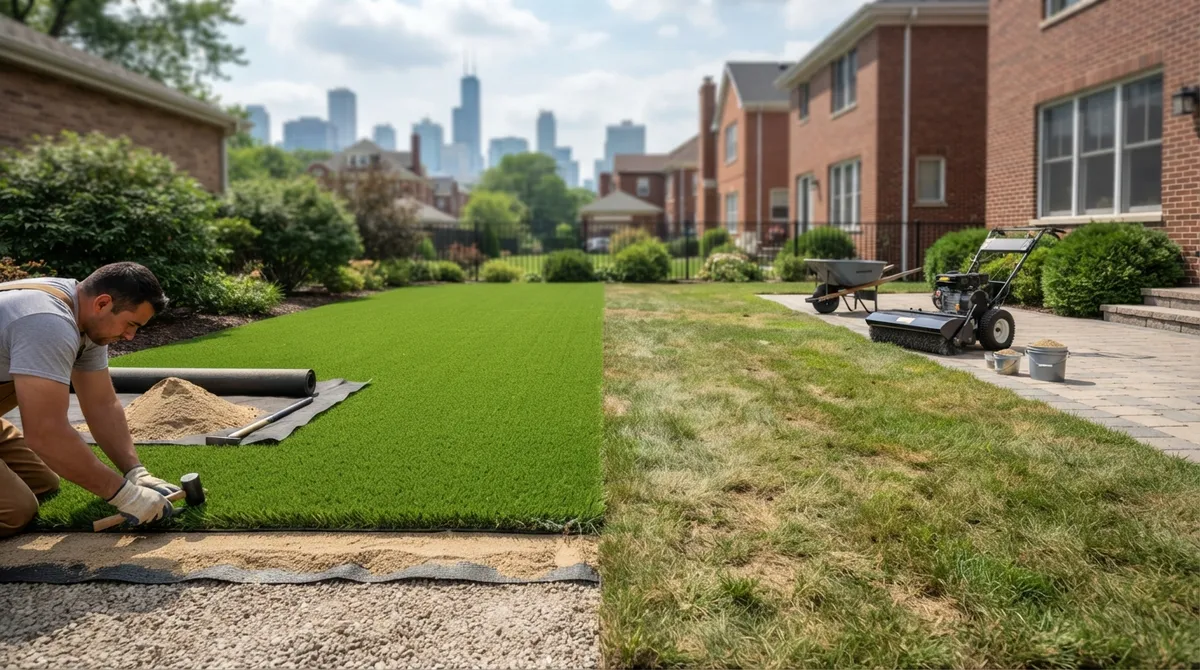
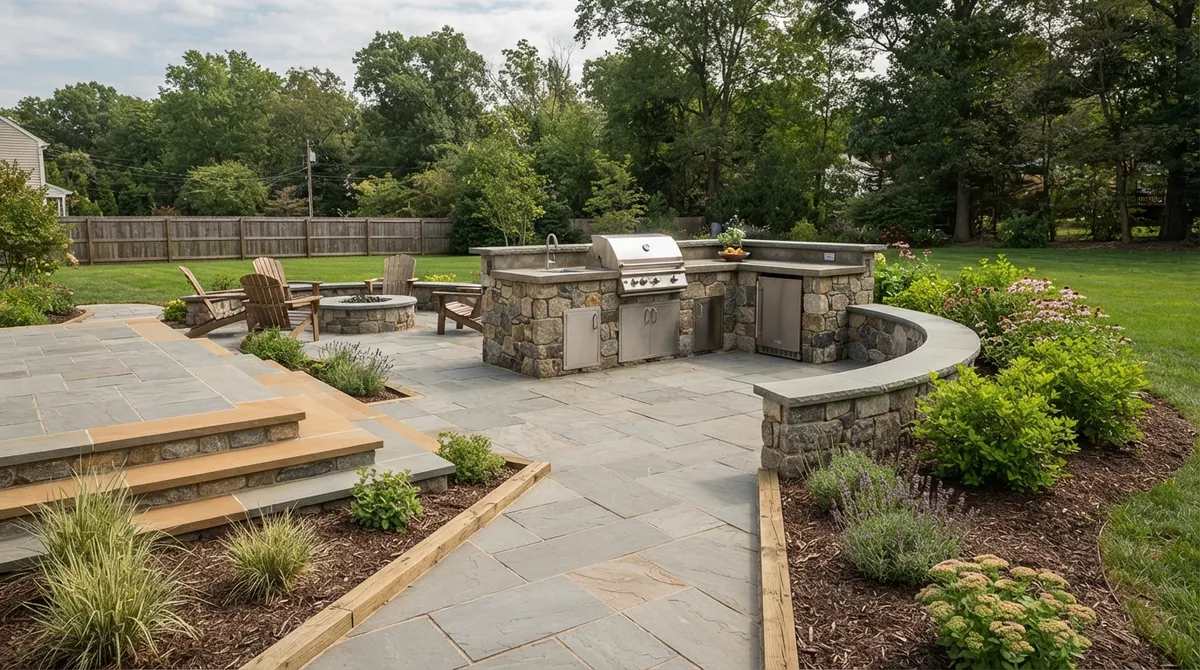
Hardscape services cover the design, installation, and upkeep of the hard, non-living features in your yard. This is different from softscaping, which involves plants, trees, shrubs, and grass. Together, hardscaping and softscaping create a complete, balanced outdoor space.
Think of softscaping as the living, breathing part of your yard. Hardscaping is the structure that supports it. A beautiful garden bed needs a path to walk through it. A cozy lawn needs a patio to sit and enjoy it from. That’s the relationship between the two.
If you’re still not sure which approach fits your goals, our guide on how to choose between landscaping vs hardscaping for your yard breaks it down in simple terms.
Common Features Included in Hardscape Projects
Hardscape services can cover a wide range of features, depending on your space and goals. Here are some of the most popular options homeowners and business owners choose:
- Patios and outdoor living areas for relaxing and entertaining
- Walkways and pathways that connect different parts of your yard
- Driveways made from pavers, concrete, or natural stone
- Retaining walls that manage slopes and prevent erosion
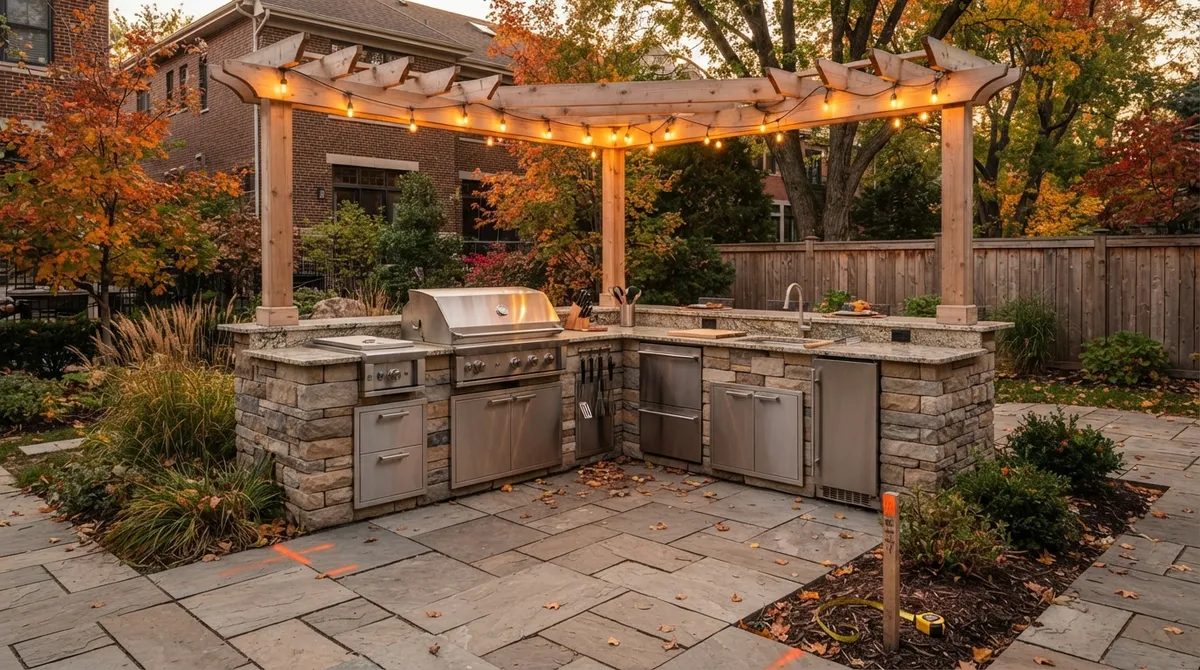
- Fire pits and outdoor kitchens for year-round gatherings
- Seating walls, pergolas, and shade structures
Each of these features can stand alone or work together as part of a bigger design. Many of our clients start with one project, like a patio, and later add a fire pit or pergola to complete the look.
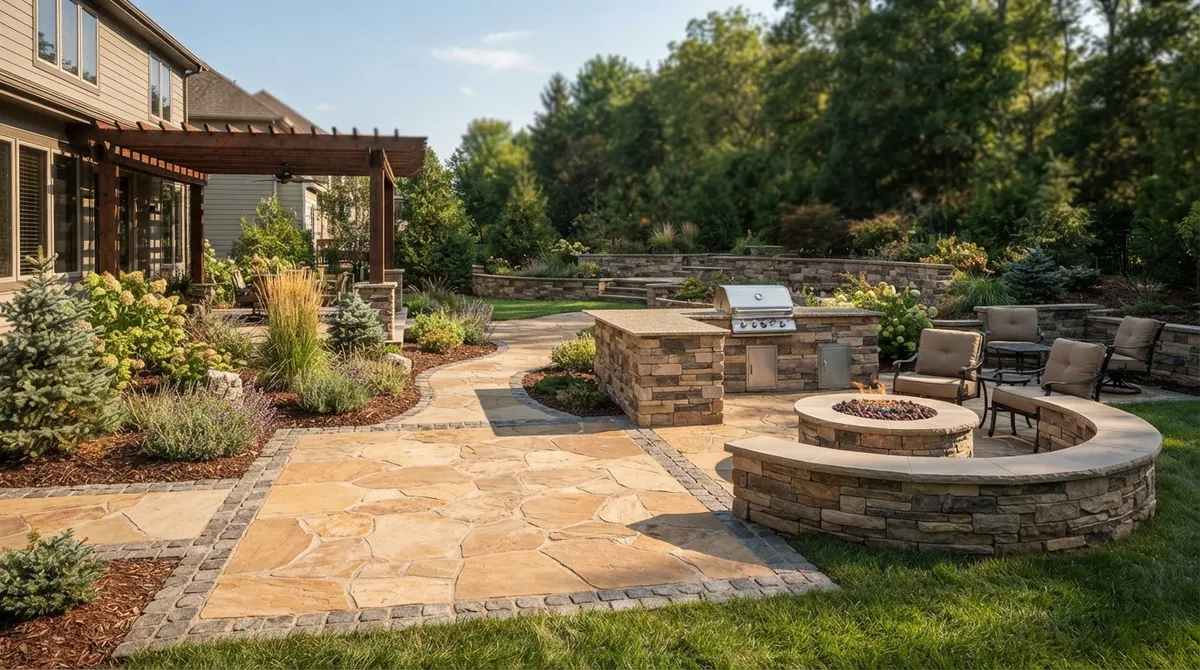
Why Hardscaping Matters More Than You Might Think
Hardscaping isn’t just a nice-to-have anymore. It’s a smart investment that adds real value to your property. The global hardscape service market was worth about USD 98.7 billion in 2024, and it’s expected to grow to roughly USD 172.5 billion by 2033. That’s a strong signal that more people are investing in these outdoor upgrades.
Closer to home, the U.S. landscaping services industry is valued at USD 176.7 billion in 2026. The broader landscaping market grew by an average of 6.5% each year between 2020 and 2025, according to the National Association of Landscape Professionals. Hardscaping is a big reason for that growth, with some studies projecting an 8.35% annual growth rate for hardscape services through 2031.
So what does this mean for you? It means hardscaping is becoming a bigger priority for homeowners, businesses, and developers alike. People want outdoor spaces that work as hard as their indoor ones.
Benefits for Different Types of Property Owners
Different people want different things from their outdoor space. Here’s how hardscape services can help based on your situation:
- Homeowners gain more usable outdoor living space and higher property value
- Condo owners get low-maintenance, space-efficient rooftop or patio designs
- Commercial property managers improve curb appeal and manage stormwater
- Builders deliver move-in ready outdoor features that help homes sell faster
- Small business owners create inviting spaces that draw in more foot traffic
Types of Hardscape Services You Can Choose From
Not every hardscape project looks the same. Depending on your needs, you might choose one service or combine several. Here’s a simple breakdown of what’s typically offered.
- Design and planning, where a professional maps out your project and picks materials
- Installation, which includes building patios, walkways, walls, and other structures
- Maintenance and repair, keeping existing hardscape features looking their best
- Drainage and grading work, so water flows away from your home properly
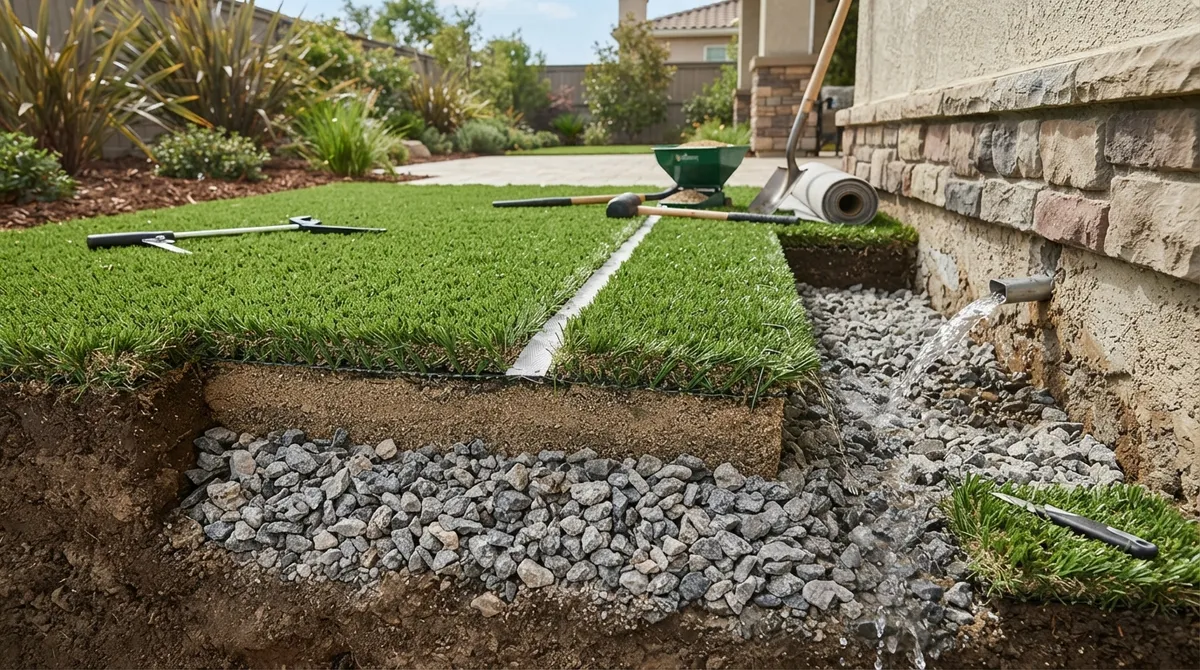
Good hardscape design always considers water. Features like permeable pavers, French drains, and dry creek beds help manage runoff, especially important in a region like Chicago where spring rains can be intense. If you want to see how drainage planning fits into a bigger project, check out our piece on how retaining walls transform sloped yards into usable spaces.
Popular Hardscape Materials Compared
Picking the right material can feel overwhelming. Here’s a quick look at some common choices and what makes each one special.
| Material | Best For | Durability | Maintenance Level |
|---|---|---|---|
| Natural Stone | Patios, walkways, upscale designs | Very High | Low |
| Concrete Pavers | Driveways, patios, walkways | High | Low to Moderate |
| Brick | Walkways, traditional-style homes | High | Moderate |
| Wood | Decks, pergolas, fences | Moderate | High |
| Composite | Decks, low-maintenance areas | High | Low |
Our team often recommends pavers for Chicago-area homes because they hold up well against freeze-thaw cycles. If you want a deeper dive into paver options, take a look at our article on what makes clay brick pavers the best choice for your outdoor space.
How Much Do Hardscape Services Cost?
This is probably the question on everyone’s mind. The honest answer is, it depends. Costs vary based on materials, project size, site conditions, and design complexity.
A simple walkway will cost less than a full outdoor kitchen with a fire pit and seating wall. Retaining walls can also add cost if your property has a steep slope or drainage challenges. The best way to get an accurate number is to have a professional walk your property and give you a detailed quote.
We always suggest getting a written estimate before starting any project. This helps you avoid surprises and plan your budget with confidence. You can get a free estimate from our team to see what your project might cost.
Factors That Affect Hardscape Pricing
Several things influence what you’ll pay for hardscape work. Here are the main ones to keep in mind:
- Size of the project area
- Type of material chosen, like natural stone versus concrete
- Site conditions, including slope, soil type, and drainage needs
- Design complexity, such as curves, patterns, or custom features
- Permits required by your local municipality
Do You Need Permits for Hardscape Projects?
Many hardscape projects do require permits, especially larger ones like retaining walls, driveways, or anything that changes drainage patterns. Local building codes in the Chicago suburbs can vary quite a bit from town to town.
A good hardscape contractor will know the permit requirements in your area and handle that paperwork for you. This saves you time and helps avoid costly mistakes down the road. Organizations like Landscape Illinois offer resources for homeowners who want to learn more about local regulations and best practices.
Steps to Take Before Starting a Hardscape Project
Planning ahead makes the whole process smoother. Here’s a simple checklist to follow:
- Define your goals and how you want to use the space
- Set a realistic budget for materials and labor
- Check with your local municipality about permit requirements
- Hire a licensed and insured hardscape contractor
- Review the design plan and material samples before work begins
- Schedule the project around favorable weather conditions
How to Choose the Right Hardscape Contractor
Not all hardscape contractors are created equal. Choosing the right one can mean the difference between a smooth project and a stressful headache. Here’s what to look for.
- Proven experience with projects similar to yours
- Proper licensing, insurance, and industry certifications
- A strong portfolio of completed work you can review
- Clear communication and transparent pricing
- Positive reviews from local clients in your area
Looking for certified professionals is a smart move. The ICPI Certified Installer designation, for example, shows that a contractor has met industry training standards for paver and hardscape installation. You can browse examples of certified, professional work in our gallery of our work to see the quality difference this makes.
Questions to Ask Before Hiring
Before you sign any contract, it helps to ask a few key questions. This protects you and sets clear expectations from the start.
- Are you licensed and insured for hardscape work in my area?
- Can you provide references from recent clients?
- Will you handle permits and inspections?
- What is the expected timeline for my project?
- Do you offer a warranty on materials and labor?
Hardscaping Trends Shaping 2026
Outdoor living continues to be a huge trend, and hardscaping is right at the center of it. More people want their yards to feel like an extension of their living room. That means outdoor kitchens, cozy fire pits, and stylish lighting are more popular than ever.
Commercial properties are also getting in on the trend. Property managers want low-maintenance designs that boost curb appeal while managing stormwater responsibly. Adding features like lighting and sound systems can also transform a space after dark, making it useful well beyond daylight hours.
For businesses, a welcoming, well-designed outdoor space can be a real draw for customers. If you manage a restaurant or retail shop, branded and pedestrian-friendly hardscaping can set your storefront apart from the rest of the block.
Combining Hardscaping With Other Landscape Services
The best outdoor spaces usually combine hardscaping with softscaping and ongoing care. Here’s how these pieces typically fit together:
- Hardscape features provide structure, like patios and walls
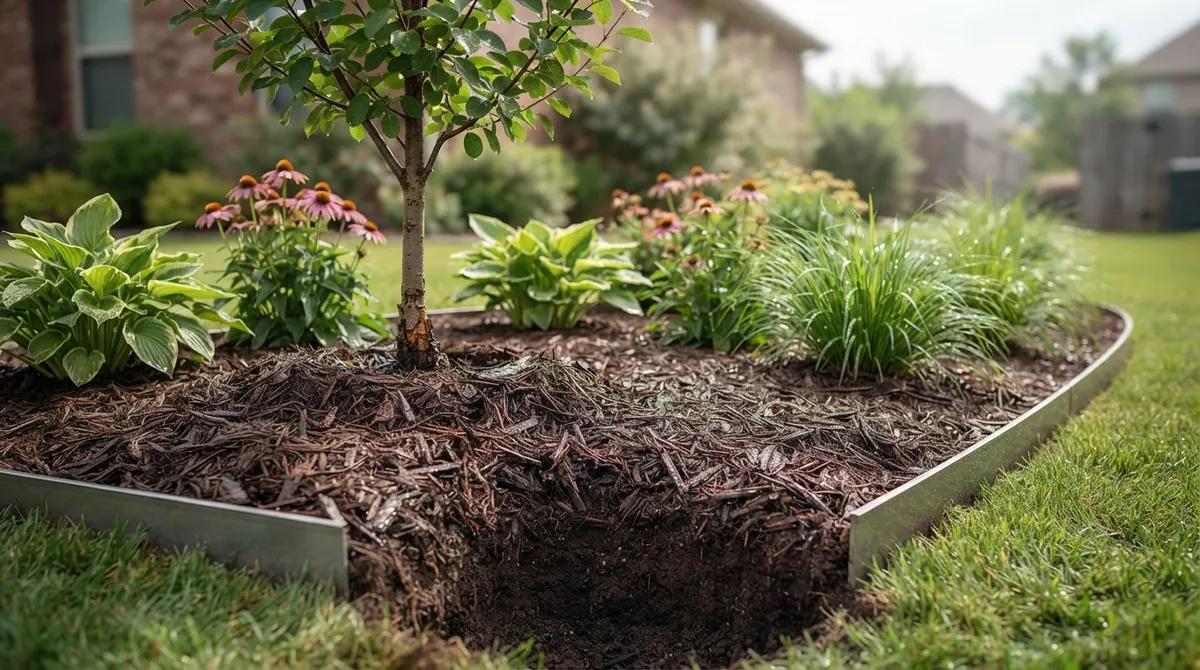
- Softscape elements add color, texture, and life through plants and turf
- Lighting and sound extend usability into the evening hours
- Ongoing maintenance keeps everything looking its best year-round
Our team at Serenity Landscape Group takes a full-picture approach, combining softscapes, retaining walls, and hardscape features into one cohesive design. This way, every part of your yard works together instead of feeling disconnected.
Is Hardscaping a Good Investment?
Yes, in most cases, hardscaping pays off. Well-designed hardscape features can boost property value, reduce yard maintenance, and create more usable outdoor space. For commercial properties, it can even help attract more customers and tenants.
The data backs this up too. With the U.S. landscaping market expected to reach USD 255.74 billion by 2031, and hardscaping growing even faster than the overall industry, it’s clear this isn’t just a passing trend. It’s becoming a standard part of how people think about their outdoor spaces.
Ready to Transform Your Outdoor Space?
Hardscape services can turn an ordinary yard into a space you actually want to live in. Whether you’re dreaming of a cozy patio, a stunning retaining wall, or a full outdoor kitchen, the right team can make it happen. At Serenity Landscape Group, we’ve spent over two decades helping homeowners and businesses across Chicagoland create outdoor spaces they love.
If you’re ready to get started, we’d love to hear about your project. Get a free estimate today, or feel free to call us at (630) 359-5139 to talk through your ideas. Your dream outdoor space is closer than you think, and we can’t wait to help bring it to life.
FAQs
Q: What are hardscape services in landscaping?
A: Hardscape services cover the design, installation, and care of non-living outdoor features like patios, walkways, driveways, and retaining walls. Think of it as the sturdy framework that supports everything else in your yard. It’s a big part of what makes an outdoor space both beautiful and functional.
Q: What is the difference between hardscaping and softscaping?
A: Hardscaping involves the solid, non-living parts of your yard, like stone patios and walls. Softscaping is all about the living elements, like plants, trees, and grass. The best outdoor spaces usually blend both for a balanced, welcoming feel.
Q: How much do hardscape services cost?
A: Costs really depend on the size, materials, and complexity of your project. A small walkway costs much less than a full outdoor kitchen with a fire pit. We recommend getting a personalized estimate so you know exactly what to expect.
Q: Do hardscape projects require permits or drainage planning?
A: Many hardscape projects, especially larger ones like retaining walls or driveways, do need permits. A good drainage plan is also important to prevent water problems down the road. A qualified contractor will handle all of this for you, so you don’t have to stress about it.
Q: What should homeowners look for when hiring a hardscape contractor?
A: Look for proven experience, proper licensing and insurance, and a solid portfolio of past projects. It also helps to check for industry certifications and read reviews from local clients. A trustworthy contractor will always communicate clearly and give you honest pricing from the start.