If you’ve ever admired a stunning patio, driveway, or walkway in the Chicago area, chances are you were looking at landscape pavers. These versatile, durable materials have become the go-to choice for homeowners and business owners throughout the region, and for good reason. Landscape pavers offer a perfect blend of beauty, strength, and practicality that’s hard to beat, especially when you consider Chicago’s challenging climate with its freezing winters, heavy snowfall, and hot summers.
Whether you’re dreaming of a backyard retreat where you can host summer barbecues or a front walkway that welcomes guests with style, landscape pavers deliver results that last. Unlike poured concrete that can crack under freeze-thaw cycles or asphalt that fades and deteriorates, pavers stand up to our Midwest weather while maintaining their visual appeal year after year. Let’s explore what makes these hardscaping elements so special and why they’re the smart investment for your Chicago property.
Why Chicago Homeowners Choose Landscape Pavers Over Other Materials
When it comes to outdoor surfaces in the Chicago area, you have several options, but landscape pavers consistently outperform alternatives. The secret lies in their unique construction and installation method. Each paver is an individual unit, which means the surface can flex slightly with ground movement without cracking. This flexibility is crucial in our region where soil freezes and thaws repeatedly throughout winter and spring.
Traditional concrete slabs can’t handle this constant movement. They develop unsightly cracks that worsen over time, creating trip hazards and allowing water to seep underneath. Landscape pavers, on the other hand, distribute weight across multiple units and include sand-filled joints that allow for natural expansion and contraction. If a paver does get damaged, you can simply replace that one piece rather than tearing out an entire section.
Durability That Matches Chicago’s Tough Climate
Chicago winters are no joke, and your outdoor surfaces need to withstand months of snow, ice, salt, and temperature swings. Landscape pavers are manufactured to handle these harsh conditions. High-quality pavers are made from concrete or natural stone that’s compressed under extreme pressure, creating a surface that’s actually stronger than poured concrete. They can support heavy loads without crumbling, which makes them perfect for driveways where cars park and turn.
The freeze-thaw resistance of landscape pavers is particularly impressive. Water that seeps into traditional concrete can freeze, expand, and cause cracks. Pavers have much lower water absorption rates, and the joints between them allow trapped moisture to escape rather than building up pressure. This means your paver patio or walkway will look just as good after ten Chicago winters as it did on day one.
Endless Design Possibilities for Your Outdoor Space
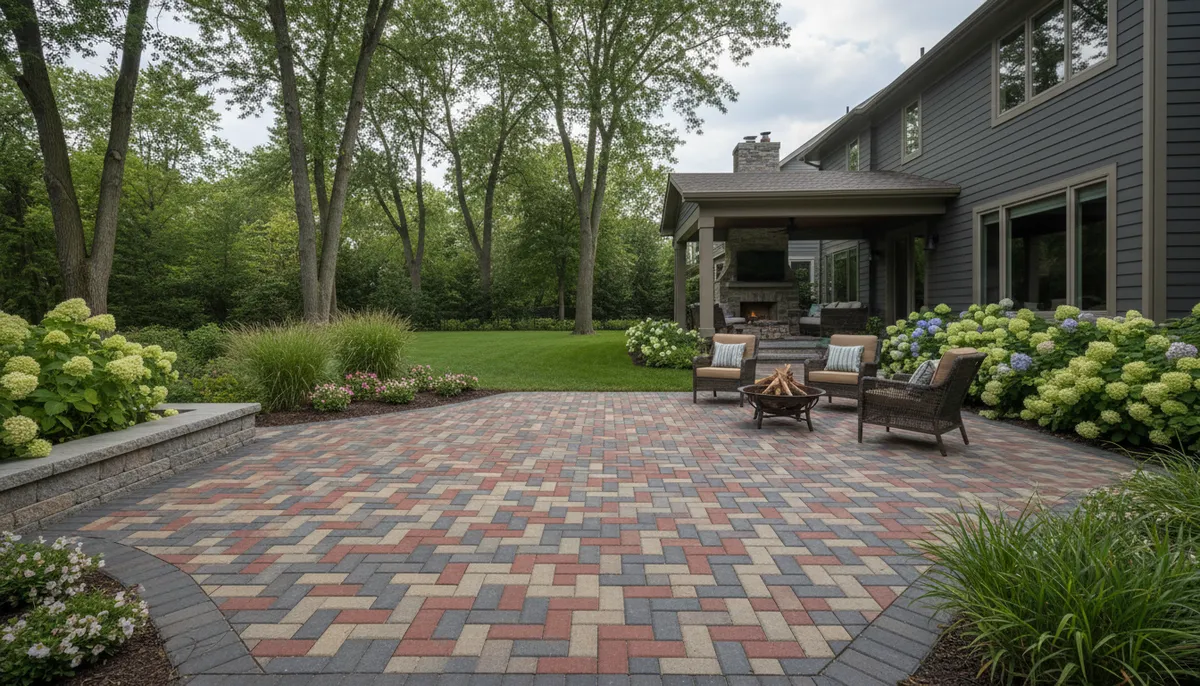
One of the most exciting aspects of landscape pavers is the sheer variety of styles, colors, patterns, and textures available. You can create a classic look with traditional brick pavers, achieve a modern aesthetic with sleek concrete pavers in neutral tones, or go for a natural appearance with stone pavers that mimic bluestone or travertine. The design flexibility means your outdoor space can reflect your personal style and complement your home’s architecture.
Popular paver patterns in the Chicago area include:
- Herringbone pattern for a classic, elegant look that provides excellent interlock strength
- Running bond pattern for a clean, contemporary feel that’s easy to install
- Circular patterns for patios and focal points that create visual interest
- Random patterns with mixed sizes for a natural, Old World charm
- Basketweave pattern for traditional appeal and strong structural stability
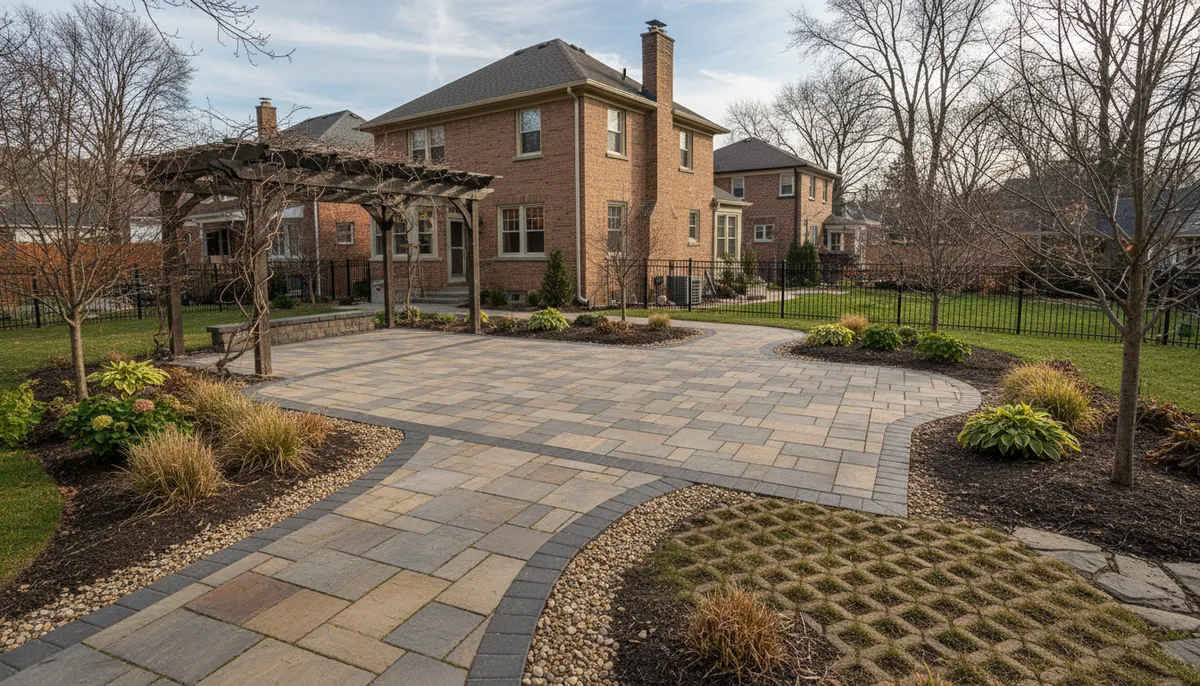
Understanding the Types of Landscape Pavers Available
Not all landscape pavers are created equal, and choosing the right type for your project depends on your budget, aesthetic preferences, and functional needs. The three main categories you’ll encounter are concrete pavers, brick pavers, and natural stone pavers, each with distinct characteristics that make them suitable for different applications.
| Paver Type | Durability | Cost Range | Best Uses | Maintenance |
|---|---|---|---|---|
| Concrete Pavers | Very High | $8-$15 per sq ft | Patios, driveways, walkways | Low – occasional sealing |
| Brick Pavers | High | $10-$18 per sq ft | Walkways, patios, courtyards | Low – may need joint sand refresh |
| Natural Stone Pavers | Very High | $15-$30 per sq ft | Pool decks, upscale patios | Medium – periodic sealing recommended |
Concrete Pavers: Versatile and Budget-Friendly
Concrete pavers are the most popular choice for Chicago homeowners because they offer exceptional value. Modern manufacturing techniques allow concrete pavers to mimic the look of natural stone, brick, or even wood at a fraction of the cost. They’re made by pouring a mixture of cement, aggregates, and pigments into molds, then curing them under high pressure to create incredibly strong units.
The color options for concrete pavers are virtually limitless. You can find everything from warm earth tones that complement traditional homes to cool grays and charcoals for modern designs. Many concrete pavers also feature textured surfaces that provide slip resistance, which is essential for pool decks and areas that get wet. Quality concrete pavers from reputable manufacturers can last 30 to 50 years with minimal maintenance.
Brick Pavers: Timeless Beauty and Character
Clay brick pavers bring a warmth and character that’s hard to replicate with other materials. These pavers are made from natural clay that’s fired in kilns at extremely high temperatures, creating a product that’s color-through, meaning the color goes all the way through the brick rather than just on the surface. This means wear and tear won’t reveal a different color underneath, and the pavers will maintain their appearance for decades.
Brick pavers are particularly popular for historic homes in Chicago neighborhoods where maintaining architectural authenticity matters. They develop a beautiful patina over time that adds to their charm. While they cost slightly more than concrete pavers, their longevity and classic appeal make them a worthwhile investment for walkways, courtyards, and patio installations.
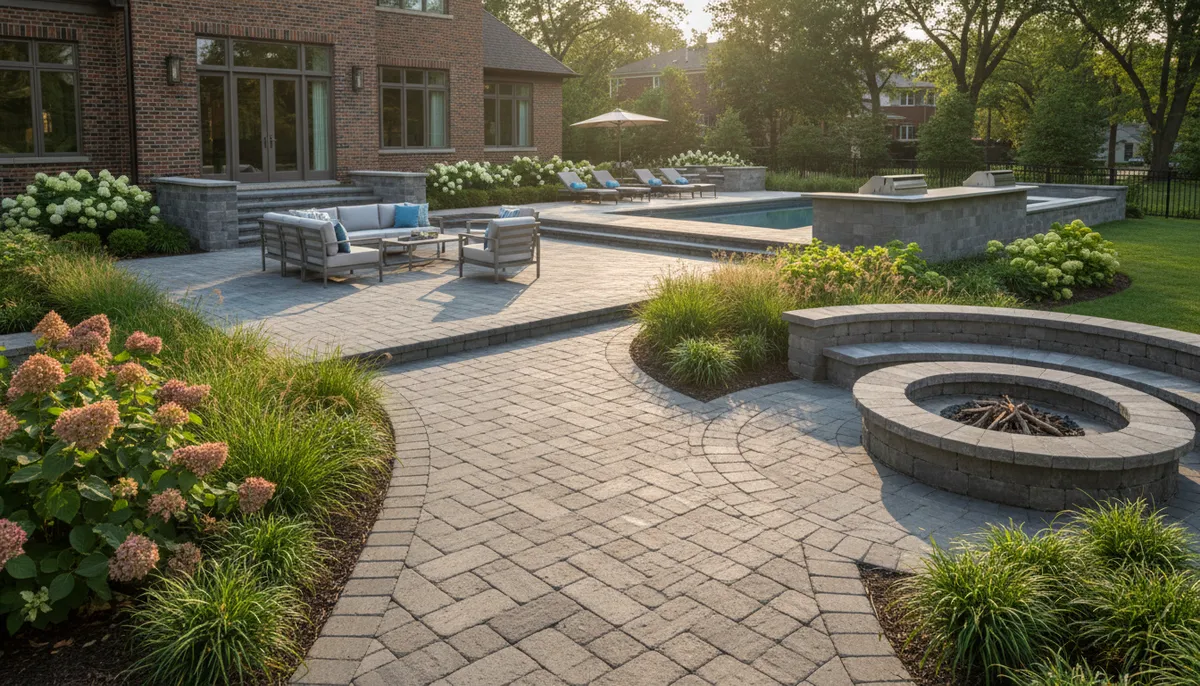
Where to Use Landscape Pavers Around Your Chicago Property
The versatility of landscape pavers means you can use them in virtually any outdoor area that needs a durable, attractive surface. From your front entrance to your backyard oasis, pavers enhance both function and curb appeal. Understanding where pavers work best helps you make smart decisions about your landscaping investments.
Paver Patios: Your Outdoor Living Room
A paver patio transforms your backyard into an extension of your living space. Unlike wooden decks that require regular staining and can rot or splinter, paver patios offer a low-maintenance surface that’s perfect for furniture, grills, and entertaining. The solid foundation feels stable underfoot, and you don’t have to worry about gaps where things can fall through or wood that becomes slippery when wet.
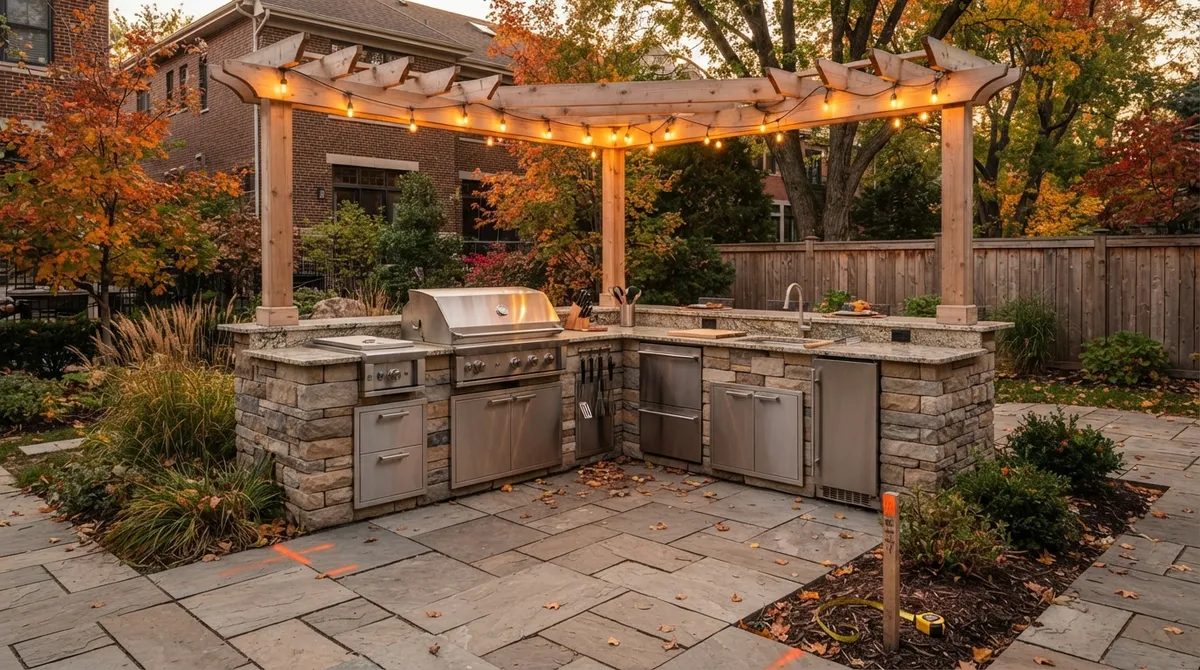
Chicago homeowners love paver patios because they can integrate features like fire pits, built-in seating, and outdoor kitchens directly into the design. The pavers provide a level, heat-resistant surface that’s ideal for these amenities. You can also create distinct zones within your patio using different paver colors or patterns, defining areas for dining, lounging, and cooking without physical barriers.
Paver Driveways: First Impressions That Last
Your driveway is one of the first things people notice about your property, and a paver driveway makes a statement. While asphalt and concrete driveways show their age quickly with cracks, stains, and fading, paver driveways maintain their beauty year after year. The individual units can handle the weight of vehicles without cracking, and if you ever need to access utilities underneath, pavers can be removed and replaced without visible patches.
The slip resistance of textured pavers is especially valuable on driveways during Chicago’s snowy winters. The surface provides better traction than smooth concrete when covered with ice or snow. Many homeowners also appreciate that paver driveways allow water to drain through the joints rather than pooling, reducing ice formation and helping prevent water damage to your foundation.
Walkways and Pathways: Safe and Inviting Connections
Paver walkways create safe, attractive paths that connect different areas of your property. Front walkways welcome guests to your door, while backyard paths lead visitors through your garden or to a secluded seating area. The slightly textured surface of pavers provides excellent slip resistance, which is crucial for walkways that may become wet or icy.
Key benefits of paver walkways include:
- Stable, level surfaces that reduce trip hazards compared to loose gravel or mulch
- Better drainage than solid concrete, preventing puddles and ice patches
- Easy integration with landscape lighting for safe nighttime navigation
- Customizable widths and curves that follow your landscape’s natural flow
- Long-term cost savings compared to walkways that require frequent replacement
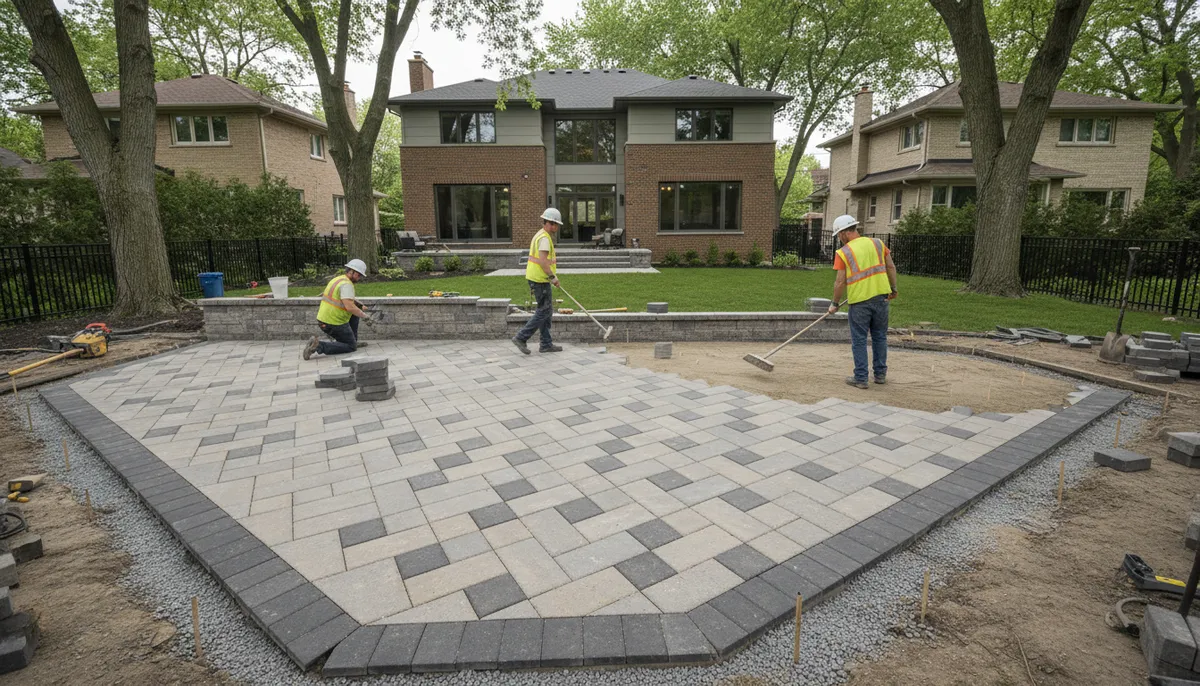
The Installation Process: What to Expect
Understanding how landscape pavers are installed helps you appreciate why they perform so well and what to look for when hiring a professional. Proper installation is absolutely critical to the longevity and appearance of your paver project. Shortcuts during installation can lead to settling, shifting, and premature failure, which is why working with experienced professionals makes all the difference.
Step-by-Step Installation Overview
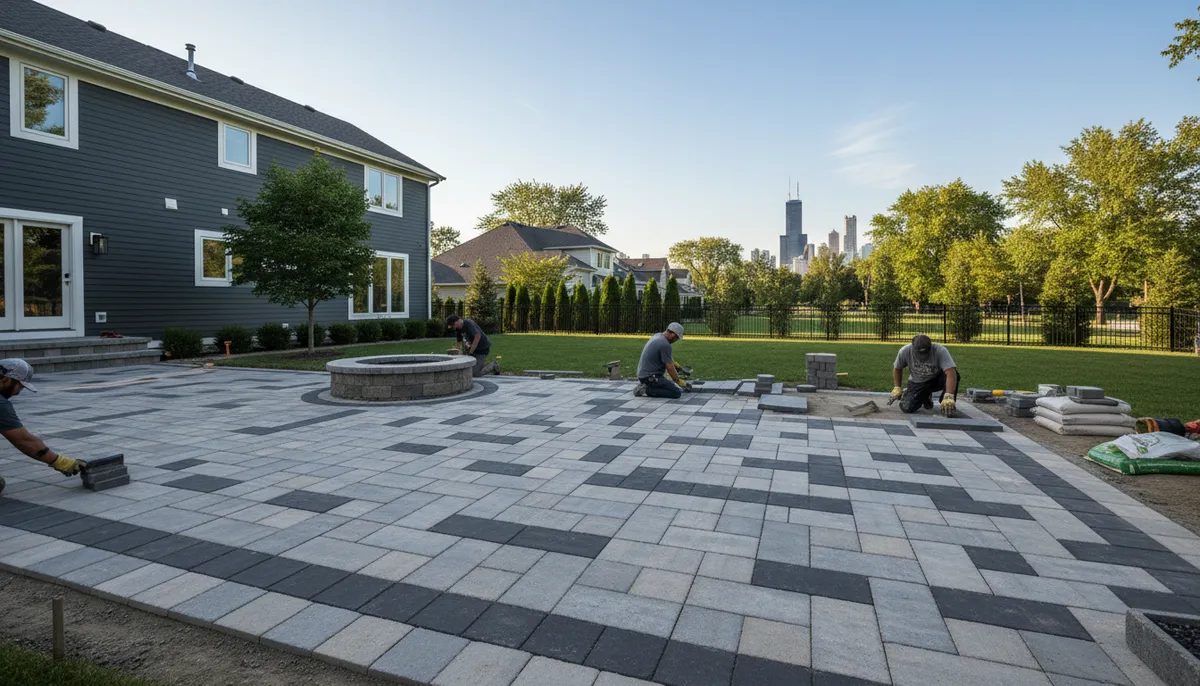
Professional paver installation follows a proven sequence that ensures stability and drainage. First, the area is excavated to the proper depth, typically 7 to 9 inches for patios and walkways, or 12 to 14 inches for driveways. This excavation removes unstable soil and organic material that could decompose and cause settling. The depth accounts for all the base layers plus the pavers themselves.
Here’s what happens during a typical paver installation:
- Excavation and grading to establish proper slope for drainage away from structures
- Compaction of the subgrade with a plate compactor to create a firm foundation
- Installation of a crushed stone base layer, typically 4 to 6 inches deep, compacted in lifts
- Addition of a leveling layer of coarse sand, typically 1 inch, screeded to perfect grade
- Placement of edge restraints to prevent lateral paver movement over time
- Hand-setting of pavers in the desired pattern, cutting edge pieces as needed
- Compaction of the paver surface to seat them firmly into the sand bed
- Joint filling with polymeric sand that hardens to lock pavers together
Why Professional Installation Matters
While DIY paver installation might seem tempting, the reality is that proper installation requires specialized knowledge, equipment, and experience. The base preparation is especially critical because it affects everything that comes after. Too little compaction leads to settling, while poor drainage design can cause water to pool or flow toward your foundation. Professional installers understand Chicago’s soil conditions and climate factors that affect base stability.
Companies like Serenity Landscape Group bring over two decades of experience to every paver project, ensuring proper base preparation, accurate grading, and expert paver placement. This expertise means your investment will look beautiful and perform flawlessly for decades. Professional installers also have relationships with quality suppliers and can help you select pavers that meet your aesthetic goals and budget.
Maintaining Your Landscape Pavers for Long-Term Beauty
One of the biggest advantages of landscape pavers is their low maintenance requirements, but a little care goes a long way toward keeping them looking their best. Regular maintenance is simple and takes minimal time compared to the upkeep required for wooden decks, stamped concrete, or asphalt surfaces. Most homeowners find that basic cleaning and occasional joint sand replenishment are all that’s needed.
Regular Cleaning and Care
Keeping your pavers clean is straightforward. For routine maintenance, simply sweep away debris and rinse with a garden hose. For tougher dirt or stains, use a pressure washer on a medium setting, being careful not to blast out the joint sand. Many Chicago homeowners pressure wash their pavers once or twice a year, typically in spring after winter’s mess and in fall before the leaves accumulate.
For specific stains, gentle cleaning solutions work well. Oil stains from grills or vehicles can be treated with degreaser, while organic stains from leaves or berries usually respond to a mild detergent solution. Avoid harsh chemicals that might affect the paver color or finish. Most surface staining stays on top of the pavers rather than penetrating deeply, making it relatively easy to remove.
Sealing for Enhanced Protection
While sealing isn’t absolutely necessary for paver longevity, it offers several benefits. A quality sealer enhances color, makes cleaning easier, and provides additional protection against stains, UV fading, and efflorescence. Sealed pavers also resist weed growth in the joints and make it harder for ants to establish colonies between pavers.
Most professionals recommend sealing pavers every 2 to 3 years, though this varies based on traffic levels and sun exposure. The process is straightforward: clean the pavers thoroughly, let them dry completely, and apply sealer according to manufacturer instructions. Water-based sealers are popular because they’re environmentally friendly and don’t create a slippery surface.
Winter Care in the Chicago Climate
Chicago winters require special attention to keep pavers in top condition. Fortunately, pavers handle winter weather better than most surfaces. When removing snow, use a plastic shovel rather than metal to avoid scratching the surface. For ice control, calcium chloride is the safest choice for pavers, as it’s less corrosive than rock salt and works at lower temperatures. Avoid using sand for traction, as it can stain some pavers and scratch sealed surfaces when walked on.
If you notice individual pavers becoming uneven after winter’s freeze-thaw cycles, it’s usually an easy fix. The affected pavers can be lifted, the base adjusted, and the pavers reset. This is one of the major advantages over concrete slabs, where settling creates permanent problems that are expensive to repair.
Cost Considerations for Paver Projects in Chicago
Understanding the investment required for landscape pavers helps you budget appropriately and make informed decisions. While pavers typically cost more upfront than poured concrete or asphalt, their longevity, low maintenance, and superior appearance make them an excellent value over time. The total cost depends on several factors including paver type, project size, site conditions, and design complexity.
| Project Type | Average Cost Range | Factors Affecting Price |
|---|---|---|
| Paver Patio (200 sq ft) | $2,500 – $5,000 | Paver style, pattern complexity, site prep |
| Paver Walkway (50 linear ft) | $1,500 – $3,500 | Width, curves, edging materials |
| Paver Driveway (400 sq ft) | $6,000 – $12,000 | Base depth, paver thickness, borders |
What Influences Your Project Cost
Several factors affect the final price of your paver project. The paver material itself is the most obvious variable, with basic concrete pavers being the most budget-friendly and premium natural stone commanding higher prices. However, installation costs often equal or exceed material costs because proper base preparation is labor-intensive and requires specialized equipment.
Site conditions significantly impact installation costs. Areas with poor drainage, heavy clay soil, or existing structures that need removal require more preparation work. Slopes and curves add complexity that increases labor time. Access to the site matters too because equipment and materials need to be transported to the work area. Projects in tight backyard spaces that require hand-carrying materials cost more than open, easily accessible locations.
Return on Investment
While landscape pavers require an upfront investment, they deliver excellent returns. Real estate professionals consistently note that quality hardscaping increases property value, with many paver projects returning 70 to 80 percent of their cost in added home value. Beyond resale value, pavers enhance your daily enjoyment of your property, creating functional outdoor spaces where you can relax and entertain.
The long lifespan of pavers also contributes to their value. A well-installed paver patio or driveway can last 30 to 50 years with minimal maintenance, while concrete might need replacement after 15 to 20 years. When you factor in the replacement costs of cheaper alternatives, pavers often prove to be the more economical choice over time. Plus, you get to enjoy a more attractive surface for all those years.
Choosing Colors and Styles That Complement Your Home
Selecting the right pavers involves more than just picking your favorite color. The best paver choices complement your home’s architectural style, coordinate with existing landscape elements, and suit the intended use of the space. Taking time to consider these factors ensures a cohesive, attractive result that enhances your entire property.
Matching Pavers to Your Home’s Architecture
Your home’s style provides important clues about which pavers will look best. Traditional homes with brick exteriors pair beautifully with warm-toned clay brick pavers or concrete pavers in similar hues. Modern homes with clean lines and neutral colors shine with sleek concrete pavers in grays, charcoals, or tans arranged in simple patterns. Victorian or historic homes benefit from pavers that echo period-appropriate materials and colors.
Consider your home’s exterior colors when selecting paver shades. Pavers should complement rather than match exactly. If your home features warm beiges and browns, choose pavers with similar warm undertones. Cool-toned homes with grays and blues look great with pavers in the gray family. Creating subtle contrast adds visual interest without clashing.
Popular Color Schemes in Chicago
Chicago’s diverse architectural landscape means you’ll see a wide range of paver colors throughout the area, but certain palettes remain consistently popular. Warm earth tones including tans, browns, and terra cottas work well with the traditional brick homes common in many Chicago neighborhoods. These colors create a welcoming, established look that feels at home in suburban settings.
Neutral grays have surged in popularity for contemporary and transitional homes. Gray pavers provide a sophisticated backdrop that makes colorful plantings pop and furniture stand out. Charcoal and slate tones add drama and hide dirt well, making them practical choices for high-traffic areas. Multi-colored blends that combine several complementary shades create visual depth and disguise natural color variation between paver batches.
Environmental Benefits of Permeable Pavers
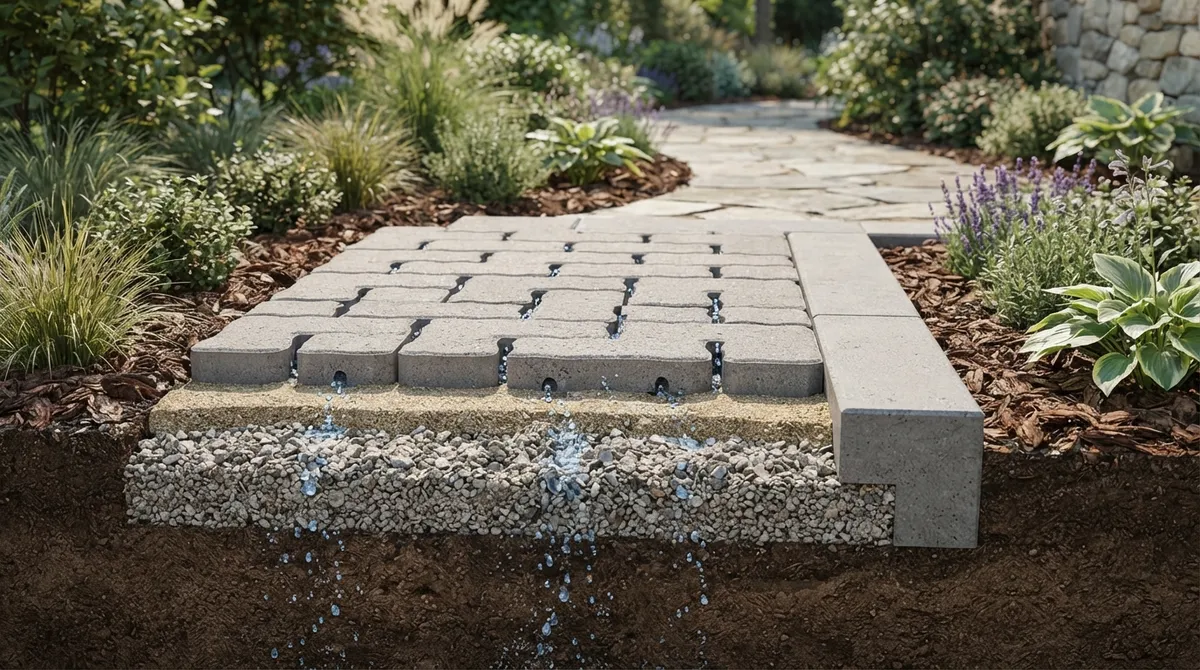
An increasingly popular option for environmentally conscious Chicago homeowners is permeable pavers, which allow water to drain through the surface rather than running off into storm sewers. These special pavers feature wider joints filled with small stones or gravel that create channels for water infiltration. Permeable paver systems help manage stormwater, reduce flooding, filter pollutants, and recharge groundwater supplies.
How Permeable Pavers Work
Permeable paver systems work by creating a pathway for rainwater and snowmelt to soak into the ground naturally. The pavers themselves may have spacers built into their design, or they’re installed with wider joints than traditional pavers. Below the surface, the base consists of clean crushed stone rather than dense compacted aggregate. This open-graded stone creates voids where water can collect and slowly infiltrate the soil beneath.
Benefits of permeable pavers include:
- Reduced strain on municipal stormwater systems during heavy rains
- Lower risk of ice formation because water drains away rather than pooling
- Natural filtration of pollutants before they reach waterways
- Compliance with many municipal stormwater management requirements
- Potential eligibility for stormwater fee reductions or incentive programs
- Cooler surface temperatures compared to traditional pavement that reduces heat island effect
Where Permeable Pavers Make Sense
Permeable pavers work exceptionally well for driveways, parking areas, and patios where water runoff is a concern. They’re particularly valuable in areas with heavy clay soil that drains poorly, as the stone base provides storage capacity while waiting for slow soil infiltration. Many Chicago suburbs have stormwater regulations that encourage or require permeable surfaces, making these pavers both environmentally responsible and code-compliant.
It’s worth noting that permeable pavers require slightly more maintenance than traditional pavers to keep the joints open and functioning properly. Vacuuming or pressure washing the surface annually prevents sediment buildup that can clog the drainage pathways. However, this maintenance is simple and most homeowners find it well worth the environmental and practical benefits these systems provide.
Working with Professional Landscape Designers
While some homeowners feel confident choosing and planning their paver projects independently, working with professional landscape designers brings valuable expertise to the process. Designers understand how to create spaces that function well, look beautiful, and complement your home’s architecture. They can also help you avoid costly mistakes and identify opportunities you might not have considered.
What Professional Designers Bring to Your Project
Professional landscape designers have trained eyes that see possibilities beyond the obvious. They consider factors like sun patterns throughout the day, how people naturally move through spaces, and how to create focal points that draw the eye. Their experience with materials means they can recommend pavers that suit your specific needs, whether that’s slip resistance around a pool or durability for a high-traffic driveway.
Designers also handle the technical aspects that ensure your project succeeds. They create accurate measurements, develop proper grading plans for drainage, and produce detailed layouts that installers can follow. This precision prevents problems and ensures the finished project matches your vision. Many designers also have established relationships with quality suppliers and contractors, which can streamline the process and sometimes even reduce costs through professional discounts.
The Design Process
Working with a landscape designer typically begins with a consultation where you discuss your goals, budget, and preferences. The designer visits your property to assess existing conditions, take measurements, and note important features like slopes, drainage patterns, and utilities. They’ll ask about how you plan to use the space, your maintenance preferences, and your aesthetic tastes.
From there, the designer creates a plan that might include sketches, 3D renderings, or detailed drawings showing the proposed layout, paver selection, and any additional features like retaining walls or outdoor lighting. You’ll have opportunities to review and refine the design until it perfectly matches your vision. This collaborative process ensures you’re thrilled with the results before installation even begins.
Common Mistakes to Avoid with Paver Projects
Even with professional help, it’s useful to understand common paver project pitfalls so you can avoid them. Learning from others’ mistakes saves time, money, and frustration. Whether you’re planning a DIY project or overseeing professional work, awareness of these issues helps ensure success.
Skimping on Base Preparation
The most critical mistake in any paver project is inadequate base preparation. A properly prepared base requires sufficient depth, the right materials, and thorough compaction. Trying to save money by using too little base material or skipping compaction steps almost always leads to settling, shifting, and uneven surfaces within a few years. The base represents the foundation of your entire project, and shortcuts here undermine everything that follows.
Chicago’s climate makes base preparation even more critical because freeze-thaw cycles stress the entire paver system. A shallow or poorly compacted base allows water to accumulate underneath, where it freezes, expands, and causes heaving. Investing in proper base depth and quality materials pays dividends for decades.
Ignoring Drainage Planning
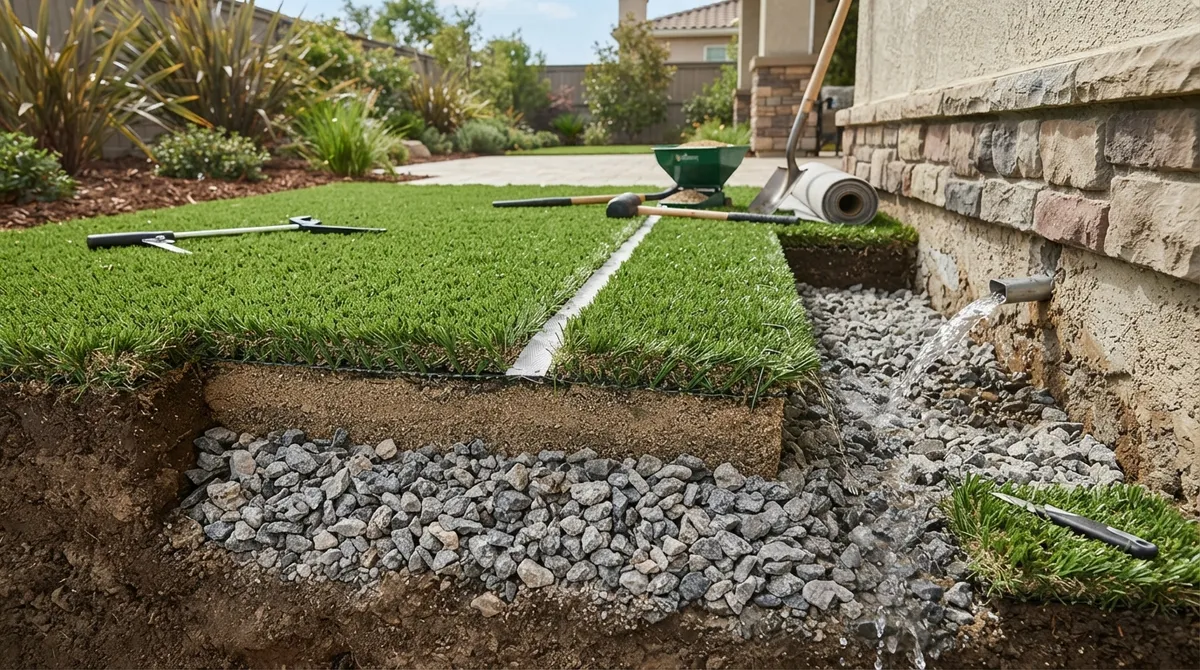
Another common error is failing to plan for drainage. Water needs somewhere to go, and if your paver surface doesn’t slope away from buildings, water will pool or flow toward foundations. Proper grading directs water to appropriate drainage areas, protecting both your pavers and your home’s foundation. Even a small slope of about 1 inch per 8 feet makes a significant difference.
Mistakes to watch out for:
- Creating low spots where water collects instead of draining away
- Sloping pavers toward house foundations or basement walls
- Failing to account for water coming from adjacent areas like roofs or lawns
- Not installing edge drains in areas where water has nowhere to go
- Overlooking how paver placement affects existing yard drainage patterns
Choosing the Wrong Paver for the Application
Not all pavers work equally well in all situations. Using thin patio pavers for a driveway leads to cracking under vehicle weight. Installing smooth pavers around a pool creates a slippery, dangerous surface. Selecting pavers that aren’t rated for Chicago’s climate can result in premature deterioration, spalling, or color fading.
Take time to understand paver specifications and ratings. Look for compressive strength ratings appropriate to your use, whether that’s pedestrian traffic, vehicular loads, or commercial applications. Check that pavers are rated for freeze-thaw resistance if they’ll be exposed to Chicago weather. Consider slip resistance ratings for areas that will get wet. Matching the right paver to its intended use ensures long-term performance and safety.
Transform Your Outdoor Space with Quality Landscape Pavers
Landscape pavers represent one of the best investments you can make in your Chicago property. They combine practical durability with aesthetic beauty, creating outdoor spaces that enhance your lifestyle and increase your home’s value. Whether you’re envisioning a spacious patio for entertaining, a welcoming front walkway, or a stunning driveway that makes a lasting impression, quality pavers deliver results that last for decades.
The key to paver success lies in choosing the right materials for your specific needs and ensuring proper installation from the ground up. Working with experienced professionals who understand Chicago’s unique climate challenges makes all the difference between a project that looks great for a few years and one that remains beautiful for generations. At Serenity Landscape Group, we bring over twenty years of expertise to every paver installation, ensuring your outdoor space becomes a source of pride and enjoyment.
Your outdoor environment should be a place of beauty, functionality, and serenity. Quality landscape pavers provide the foundation for creating that perfect space where you can relax after a long day, host memorable gatherings with friends and family, or simply enjoy the changing seasons. With proper planning, quality materials, and expert installation, your paver project will transform your property into something truly special.
Ready to explore how landscape pavers can enhance your Chicago home? We’d love to help you bring your vision to life. Request your free estimate today and discover how Serenity Landscape Group can create the outdoor space you’ve been dreaming about. Let’s work together to design and install pavers that you’ll love for years to come.
FAQs
Q: How long do landscape pavers last in Chicago’s climate?
A: Quality landscape pavers typically last 30 to 50 years in Chicago when properly installed and maintained. Their individual unit construction and freeze-thaw resistance help them withstand our harsh winters much better than poured concrete or asphalt. The key is ensuring proper base preparation and choosing pavers rated for extreme weather conditions.
Q: Do landscape pavers require a lot of maintenance?
A: Not at all! Landscape pavers are wonderfully low-maintenance. Regular sweeping and an occasional rinse with a garden hose keep them looking fresh. Most Chicago homeowners pressure wash once or twice a year and may reseal every 2-3 years for added protection. Compared to wooden decks that need yearly staining or concrete that cracks and stains, pavers are incredibly easy to care for.
Q: Can I install landscape pavers myself or should I hire a professional?
A: While small, simple projects might be DIY-friendly, professional installation is strongly recommended for most paver projects. Proper base preparation, accurate grading for drainage, and correct installation techniques require specialized knowledge and equipment. Professional installers ensure your investment performs well for decades, while improper DIY installation often leads to settling, shifting, and costly repairs within just a few years.
Q: What’s the best type of paver for a driveway in Chicago?
A: For driveways in Chicago, choose concrete pavers or brick pavers specifically rated for vehicular traffic with a minimum thickness of 2.5 inches. Look for pavers with high compressive strength ratings and freeze-thaw resistance. Textured surfaces provide better traction during snowy winters. Permeable pavers are also an excellent choice because they prevent ice formation by allowing water to drain through rather than pooling on the surface.
Q: How much do landscape pavers cost compared to concrete?
A: Landscape pavers typically cost $8 to $30 per square foot installed, compared to $6 to $12 for poured concrete. While the upfront cost is higher, pavers offer better long-term value because they last longer, require less maintenance, and won’t develop the cracks common in concrete. Plus, if damage occurs, you can replace individual pavers rather than tearing out entire sections, which makes repairs much more affordable.