Key Takeaways
-
Driveway pavers can last 25-50 years with proper installation, far outlasting asphalt (15-20 years) or concrete (20-30 years), and individual damaged pieces can be replaced without disturbing the entire surface.
-
Driveway pavers cost $5-$15 per square foot for basic installation ($2,800-$7,500 total), making them a long-term investment that outperforms cheaper alternatives through lower maintenance and repair costs.
-
Choose concrete pavers for affordability and versatility, porcelain for modern aesthetics, or permeable pavers for eco-friendly drainage—each material serves different needs and budgets in 2026.
-
Professional ICPI-certified installation is critical because proper base preparation, alignment, drainage planning, and material selection prevent sinking, shifting, and cracking over time.
-
Driveway pavers can be seamlessly expanded later by matching size, color, and pattern—a major advantage over poured concrete or asphalt that often look patched when extended.
-
Spring and early fall are ideal installation seasons in Chicago, and pavers should be paired with complementary landscape features like retaining walls and plantings for cohesive outdoor design.
Your driveway is the first thing people see when they arrive at your home. It sets the tone for everything that follows. A cracked, faded, or plain concrete slab can drag down your curb appeal — and your property value. But there’s a better option that more Chicago-area homeowners are choosing in 2026: driveway pavers.
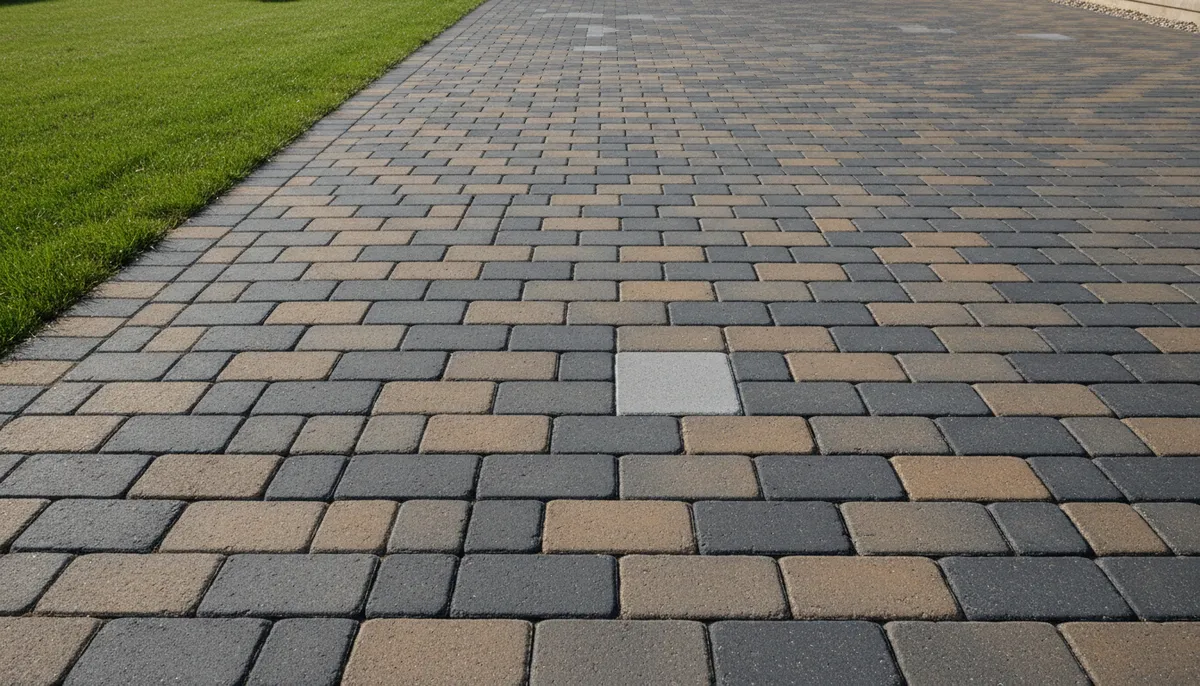
Driveway pavers are interlocking blocks made from materials like concrete, brick, or porcelain. They create a beautiful, durable surface that outperforms plain asphalt and concrete in almost every way. From suburban family homes in Aurora to commercial properties in the heart of Chicago, pavers are transforming driveways across the region.
Whether you’re a homeowner looking to boost curb appeal, a property manager wanting low-maintenance hardscaping, or a developer finishing a new build, this guide is for you. Let’s explore everything you need to know about driveway pavers — and why they might be the best investment you make in your outdoor space this year.
What Are Driveway Pavers and Why Do They Matter?
Driveway pavers are individual units — blocks, bricks, or slabs — that are laid in a specific pattern to create a solid, attractive driving surface. Unlike a poured concrete slab, each piece is separate. That means if one unit cracks or shifts, you can replace just that piece. No jack-hammering the whole driveway.
This flexibility is one of the biggest reasons homeowners love them. Pavers also offer excellent load-bearing strength. They can handle heavy vehicles without cracking or buckling over time. And because they interlock, they flex slightly with the ground — which is especially important in the Chicago area, where freeze-thaw cycles can wreak havoc on rigid surfaces.
For a deeper look at paver options and installation, visit our professional paver services page to see what’s possible for your property.
Popular Driveway Paver Materials to Consider
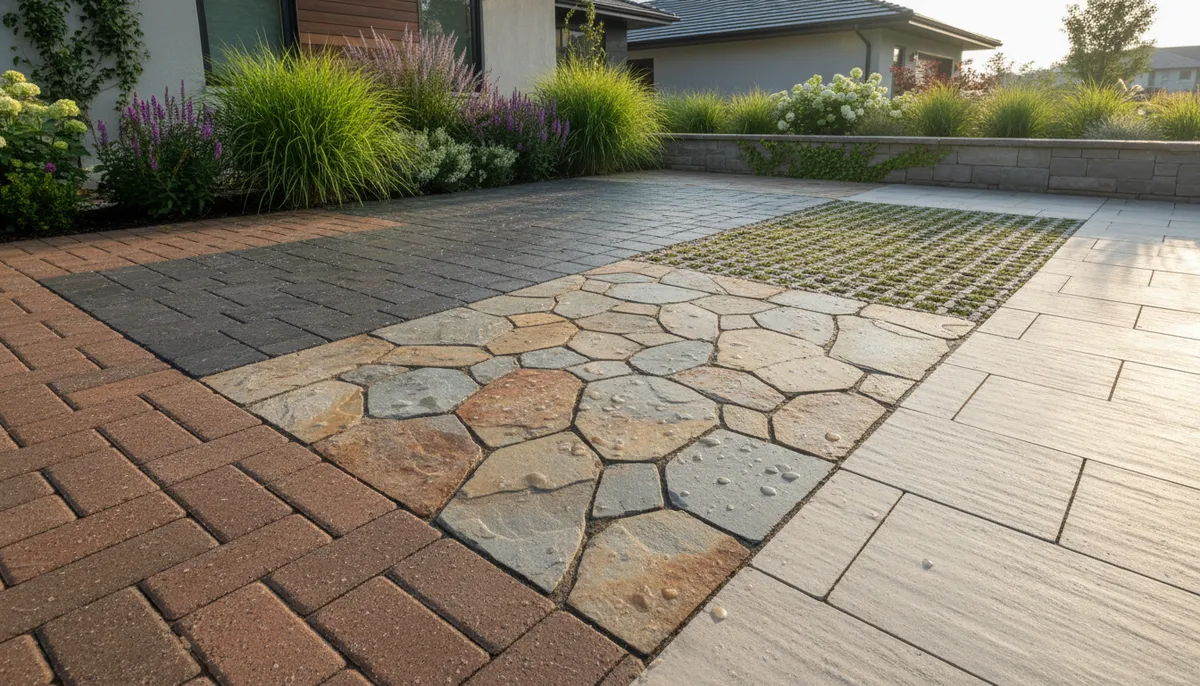
Choosing the right material is one of the most important decisions in any driveway paver project. Each option has its own look, feel, and performance profile. Here’s a quick breakdown of the most popular choices in 2026:
| Paver Material | Cost Per Sq. Ft. | Best For | Key Benefit |
|---|---|---|---|
| Concrete Pavers | $10 – $20 | Suburban homes, new builds | Versatile, affordable, durable |
| Brick Pavers | $15 – $30 | Classic or traditional homes | Timeless look, easy to repair |
| Porcelain Pavers | $15 – $30 | Modern or contemporary homes | Sleek, stain-resistant, low maintenance |
| Permeable Pavers | $10 – $25 | Eco-friendly or flood-prone areas | Reduces runoff, great for drainage |
| Heated Paver Systems | $12 – $25 | Cold climates like Chicago | Snow-free driveway, safer in winter |
Each material serves a different purpose. Concrete pavers are the most popular because they’re cost-effective and incredibly versatile. Porcelain pavers are trending in 2026 for their sleek, modern aesthetic. And permeable pavers are gaining serious traction as sustainability becomes a bigger priority for homeowners and commercial property managers alike.
The Top Benefits of Installing Driveway Pavers
Not sure if driveway pavers are worth the investment? Here are some compelling reasons why so many property owners are making the switch:
- Durability: Pavers handle heavy vehicle traffic and harsh weather without cracking like poured concrete.
- Easy repairs: Individual blocks can be replaced without disturbing the entire surface.
- Improved drainage: Especially with permeable options, pavers reduce puddles, runoff, and erosion.
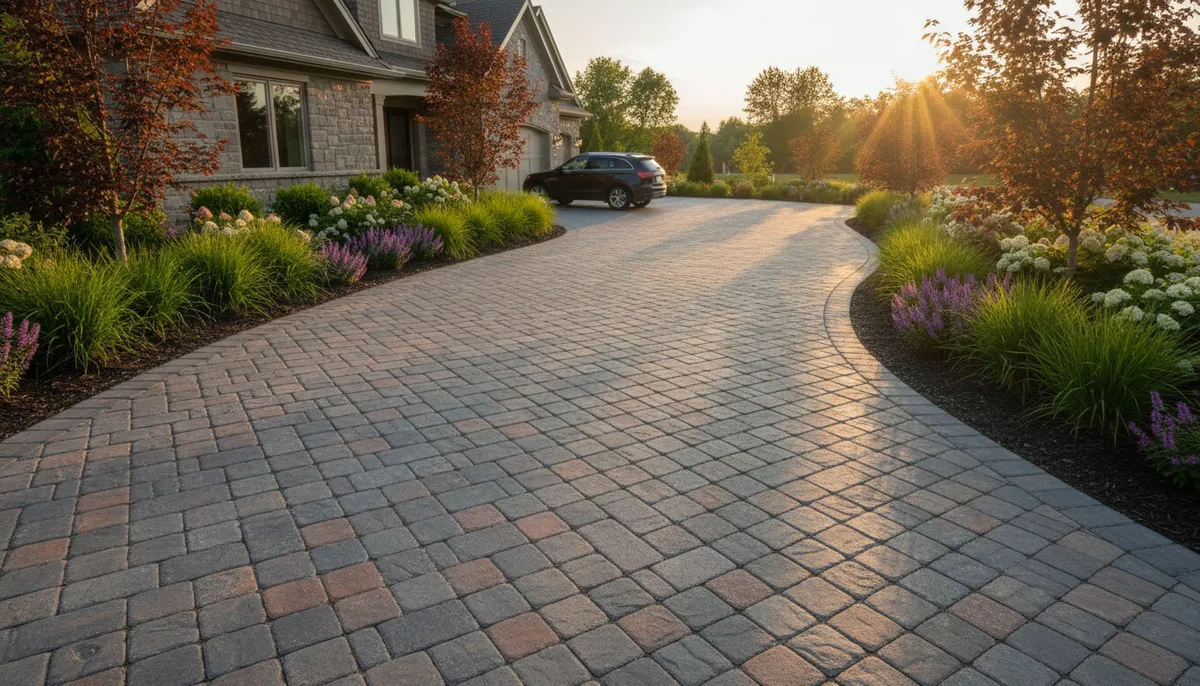
- Better curb appeal: Pavers come in dozens of colors, shapes, and patterns to complement your home’s style.
- Increased property value: A well-installed paver driveway can boost your home’s resale value significantly.
- Safer surfaces: Textured pavers provide better traction than smooth concrete, reducing slip hazards.
- Low long-term maintenance: With proper installation, pavers require very little upkeep over the years.
Compared to plain asphalt or concrete, driveway pavers simply offer more. They look better, last longer, and perform better — especially in a climate like Chicago’s, where the ground shifts and winters are tough. The ICPI Certified Installer program also ensures that contractors meet professional installation standards for lasting results, which is something to look for when hiring your paver team.
How Much Do Driveway Pavers Cost in 2026?
Budget is always a key consideration. Here’s what you can expect to spend on a paver driveway installation in 2026:
- Average total project cost: $2,800 to $7,500
- Cost per square foot: $5 to $15 for basic paving
- Brick and paver driveways: $10 to $30 per square foot
- Heated paver systems: $12 to $25 per square foot
These figures vary depending on the size of your driveway, the material you choose, and the complexity of the design. A larger, more elaborate pattern with premium materials will naturally cost more. But it’s worth remembering that pavers are a long-term investment. Their durability and low maintenance costs often make them more affordable over time than cheaper alternatives that need frequent repairs.
If you’re ready to get a clear picture of what your project might cost, request a free estimate from our team and we’ll walk you through everything.
Top Driveway Paver Trends in 2026
The landscaping world is always evolving, and driveway design is no exception. Here are the biggest trends shaping paver driveways in 2026:
- Light-colored pavers — Homeowners are choosing lighter tones to reflect heat and keep driveways cooler in summer, especially important in urban areas dealing with heat islands.
- Permeable and eco-friendly pavers — Sustainability is a top priority. Permeable pavers allow water to seep through, reducing runoff and supporting natural groundwater recharge.
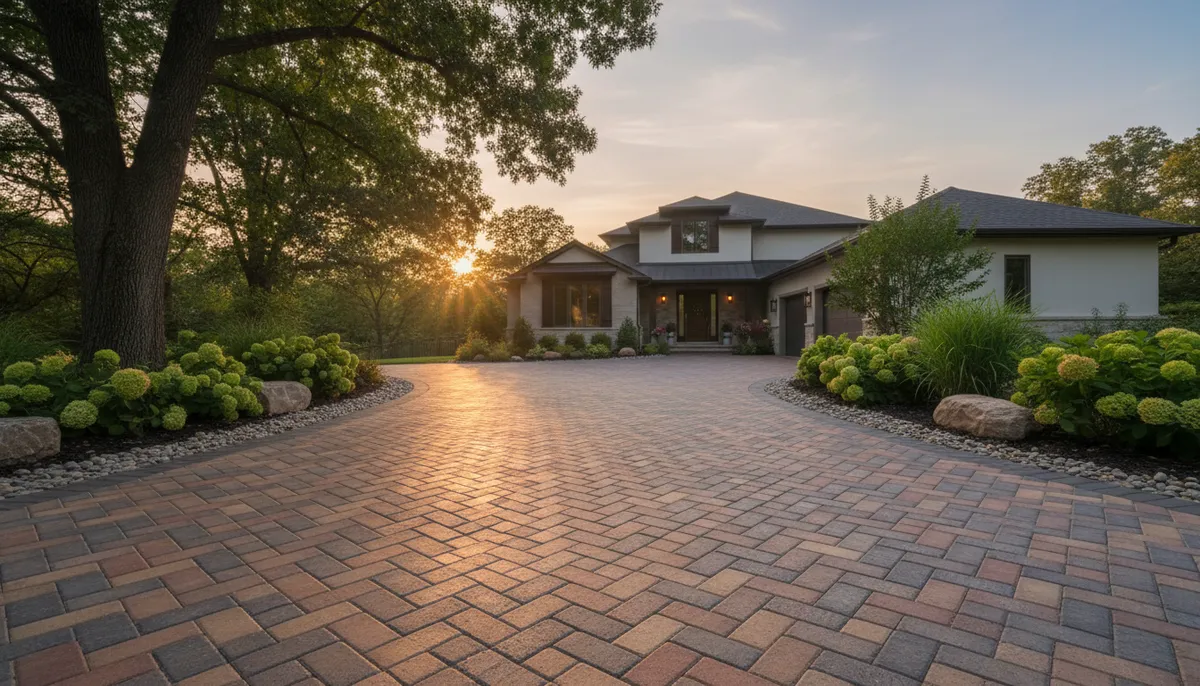
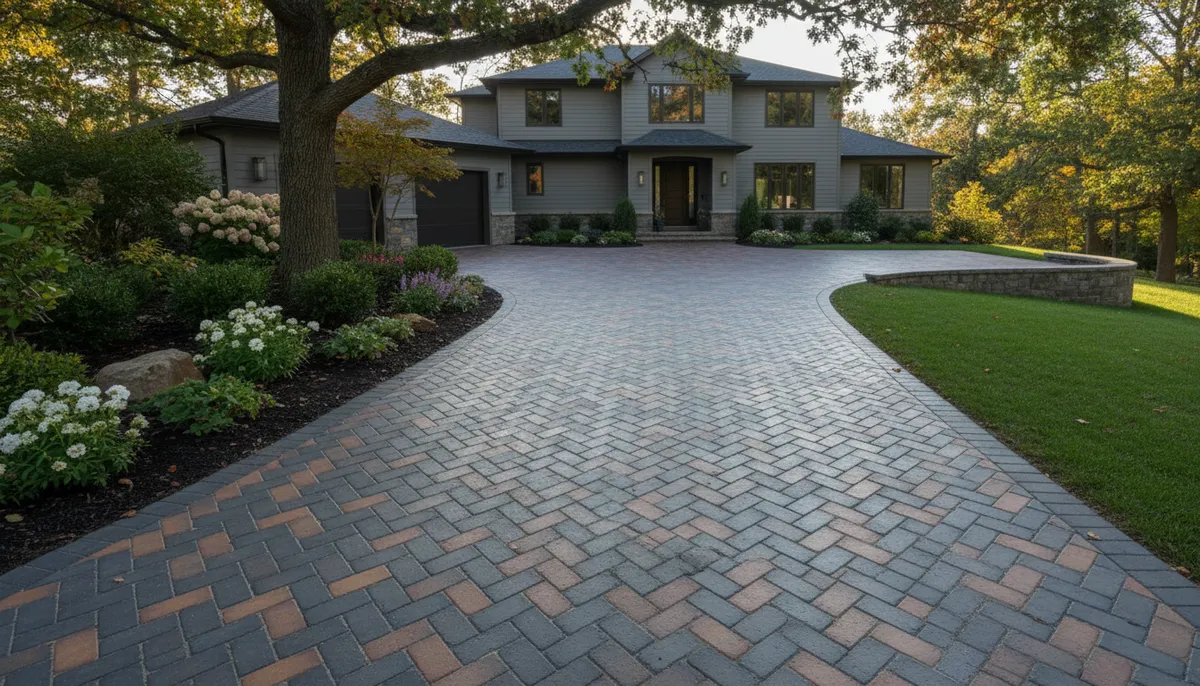
- Bold patterns and herringbone layouts — Decorative patterns are having a major moment. Herringbone, basket weave, and fan designs add visual interest and personality.
- Porcelain and large-format slabs — Modern homes are embracing the clean, seamless look of large porcelain pavers for a sleek, upscale feel.
- Integration with smart landscapes — More homeowners are combining paver driveways with smart irrigation, landscape lighting and sound, and other tech-forward outdoor features.
These trends reflect a broader shift in how people think about their driveways — not just as functional surfaces, but as design statements. The good news is that with the right contractor, you can have both function and style.
Can You Expand an Existing Driveway with Pavers?
Yes! One of the most practical advantages of driveway pavers is how easily they can be extended. If you need more parking space or want to redesign your driveway layout, pavers make expansion simple.
A skilled contractor can match the size, color, and pattern of your existing pavers to create a seamless look. This is much harder to do with poured concrete or asphalt, where new sections often look patched or mismatched. With pavers, an expansion can look like it was always part of the original plan.
For new home builders in Aurora and surrounding suburbs, this is a huge selling point. Building a driveway with pavers from the start gives future homeowners the flexibility to expand as their needs change — without tearing everything up and starting over.
Why Professional Installation Matters
You might be tempted to go the DIY route. But proper driveway paver installation requires skill, experience, and the right equipment. Here’s why professional installation is worth it:
- Base preparation is critical. A stable, properly compacted base prevents sinking, shifting, and uneven surfaces over time.
- Alignment and pattern work require precision. Even small errors in layout can compound and create major problems down the road.
- Drainage must be planned in advance. Professional contractors slope surfaces correctly so water flows away from your home, not toward it.
- Material selection needs expertise. The wrong paver for your soil type or climate can lead to premature wear or cracking.
Working with an experienced team — like the professionals at Serenity Landscape Group, with over 20 years serving the greater Chicago area — gives you peace of mind that your driveway will look great and last for decades.
You can also consult resources like Landscape Illinois to learn more about professional landscaping standards in your area and verify the credentials of contractors you’re considering hiring.
Pavers vs. Concrete vs. Asphalt: Which Is Best?
This is one of the most common questions homeowners ask. Here’s an honest side-by-side comparison:
| Feature | Pavers | Concrete | Asphalt |
|---|---|---|---|
| Durability | Excellent | Good | Moderate |
| Repairability | Easy (individual pieces) | Difficult (must patch or replace slab) | Moderate |
| Curb Appeal | High (many design options) | Moderate | Low |
| Drainage | Excellent (permeable options) | Poor | Poor |
| Winter Performance | Very Good | Moderate (prone to cracking) | Moderate (softens in heat) |
| Property Value Impact | High | Moderate | Low |
The verdict? Driveway pavers win in almost every category. They’re the premium choice for homeowners who care about quality, aesthetics, and long-term value. To see real-world examples of beautiful paver installations, check out our gallery of our work for inspiration.
How to Choose the Right Driveway Paver Contractor
Finding the right contractor makes all the difference. Here’s what to look for when hiring someone to install your driveway pavers:
- Experience and portfolio: Look for a contractor with proven experience and a portfolio of completed paver projects similar to yours.
- Proper licensing and insurance: Always verify that your contractor is licensed and fully insured before work begins.
- Clear written estimates: Get detailed written quotes that outline materials, labor, timeline, and total costs.
- References and reviews: Ask for references from past clients and read online reviews to gauge satisfaction levels.
- Knowledge of local conditions: Your contractor should understand Chicago’s soil types and climate to choose the right materials and installation methods.
Want to understand how a professional landscaping project comes together from start to finish? Visit our project process page to learn how we handle every step with care and precision.
Pavers Work Beautifully with the Rest of Your Landscape
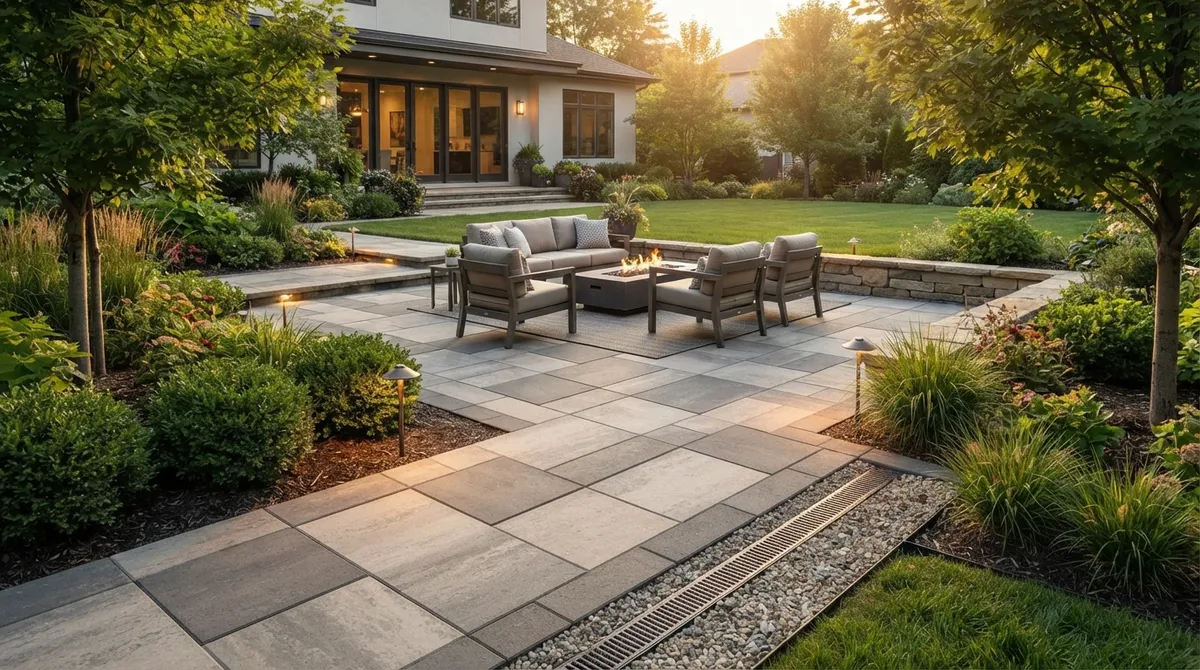
A stunning driveway doesn’t exist in isolation. The best outdoor spaces bring everything together — pavers, plants, lighting, walls, and more. A paver driveway pairs beautifully with retaining walls to manage slopes and erosion, and with softscape plantings that soften the hardscape edges and add natural beauty.
Commercial property managers looking to create welcoming, professional-looking exteriors can also combine driveway pavers with commercial lawn maintenance for a polished, well-kept appearance year-round. And if you’re dreaming of a full outdoor entertaining area, why not add a fire pit or a beautiful pergola or pavilion to complete the space?
The right landscaping team helps you see the big picture — and creates a cohesive plan that makes your entire outdoor space feel intentional, beautiful, and uniquely yours.
Ready to Transform Your Driveway?
Driveway pavers are one of the smartest upgrades you can make to your home or commercial property. They’re durable, beautiful, eco-friendly, and built to handle Chicago’s demanding climate season after season. Whether you want a classic brick look, a modern porcelain finish, or a permeable system that’s kind to the environment, there’s a paver solution that fits your goals and budget.
You don’t have to figure it all out on your own. The experienced team at Serenity Landscape Group is here to help you choose the right materials, design the perfect layout, and install your driveway pavers with the precision and care your property deserves. Get your free estimate today and take the first step toward a driveway — and an outdoor space — you’ll be proud of for years to come.
FAQs
Q: What are the best driveway paver materials for Chicago-area homes in 2026?
A: Concrete and brick pavers remain the most popular choices because they’re durable and versatile in cold climates. Porcelain pavers are trending for modern homes, while permeable pavers are a great eco-friendly option — especially helpful in areas prone to heavy rainfall or flooding. A local landscaping professional can help you find the perfect match for your home’s style and soil conditions.
Q: How long do driveway pavers last compared to asphalt or concrete?
A: With proper installation and basic maintenance, driveway pavers can last 25 to 50 years — far longer than asphalt (15–20 years) or poured concrete (20–30 years). The real bonus? If individual pavers crack or shift, you can replace just those pieces without touching the rest of the driveway. That’s a huge win for long-term value!
Q: Are permeable pavers a good choice for environmentally conscious homeowners?
A: Absolutely! Permeable pavers are designed to let water seep through the surface and into the ground below, which reduces runoff, prevents puddles, and supports natural drainage. They’re a fantastic choice for eco-minded homeowners and commercial properties looking to meet stormwater management requirements. They’re also a great fit for the greater Chicago area, where heavy rains can cause drainage challenges.
Q: Can I expand my existing driveway with pavers later?
A: Yes, and it’s one of the biggest advantages of choosing pavers in the first place! Because pavers come in standard sizes and colors, a skilled contractor can extend your driveway seamlessly by matching the original style. Whether you need extra parking space or a new layout, expansion is much cleaner and easier than with poured concrete or asphalt.
Q: When is the best time to install driveway pavers in the Chicago area?
A: Spring and early fall are generally the ideal seasons for paver installation in the Chicago area. The moderate temperatures allow for proper base compaction and curing without the extreme heat of summer or the frozen ground of winter. That said, many experienced contractors can work in a range of conditions — it’s always best to consult your landscaping team for timing advice specific to your project.