Key Takeaways
-
Proper base construction with compacted aggregate layers is critical for lasting results; a weak base causes sinking, shifting, and heave regardless of surface quality.
-
Concrete pavers offer design variety and uniform patterns, while natural stone provides unique character—choose based on your style preference and budget, not a generic 'best' option.
-
Installed paver patios typically cost $8–$30 per square foot; final pricing depends on material choice, site prep complexity, design intricacy, and access constraints.
-
Freeze-thaw cycles and clay soils in Chicago-area climates require proper drainage design and grading to prevent water damage; good grading slopes surfaces away from your home.
-
Different projects need different strengths: driveways require strong interlocking pavers with deep bases, while patios prioritize comfort underfoot and walkways should handle regular foot traffic.
-
Routine maintenance—sweeping, checking joints twice yearly, and topping off joint material—prevents weeds and keeps surfaces looking sharp with minimal effort.
Picture your backyard on a warm September evening. The patio feels solid underfoot, the walkway curves just right, and the whole space feels like a natural extension of your home. Now picture the opposite: puddles after every rain, wobbly stones, and weeds popping up everywhere. What separates these two outcomes? Smart choices about pavers and stone, plus the work hidden under the surface.
If you are planning a patio, walkway, driveway, or pool deck in the Chicago area, you have probably wondered where to start. Do you want the clean look of concrete pavers or the rustic charm of natural stone? How much will it cost? How do you keep it looking great through our freeze-thaw winters?
Don’t worry. This friendly guide walks you through each decision, step by step. You will learn how the materials differ, what drives cost, how a lasting installation is built, and how to care for it. Let’s dig in!
What Are Pavers and Stone in Landscaping?
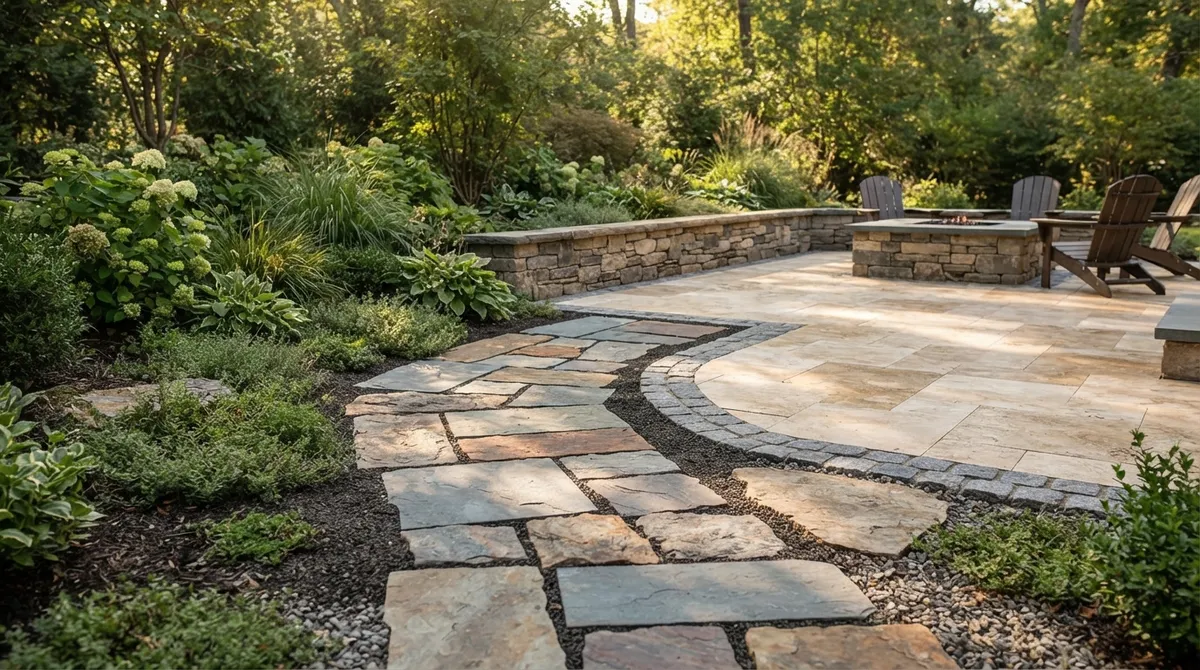
In landscaping, “pavers and stone” means the hardscape materials used to build patios, walkways, driveways, steps, pool decks, and garden features. These are the solid, non-living parts of your yard that give it structure.
There are two main families:
- Pavers: Manufactured units, usually made of concrete or clay brick, produced in set shapes, sizes, and colors.
- Natural stone: Quarried material such as flagstone, bluestone, or slate, cut or split from the earth.
Both can look stunning. The right pick depends on your style, budget, and site. If you want a deeper look at one popular option, our guide on how pavers transform outdoor space with style and durability is a great companion read.
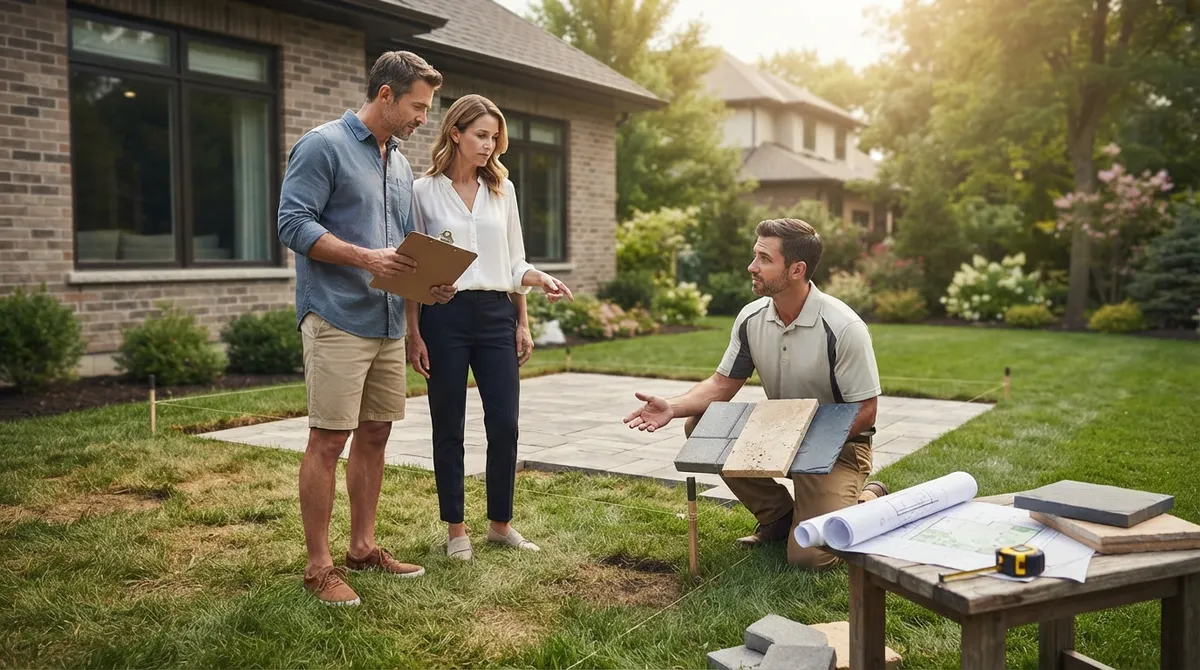
Step 1: Decide How You Will Use the Space
Before you fall in love with a color, think about what the area needs to do. A quiet garden path has very different needs than a driveway that holds a heavy SUV every day.
Ask yourself these questions:
- Will people walk on it, or will vehicles drive on it?
- Will you entertain here, with tables, grills, or a fire pit?
- Will it get wet, such as around a pool or downspout?
- Do you need it to be low-maintenance?
- Does your HOA or city have rules about materials or drainage?
Your answers shape everything that follows. For example, a driveway needs a deeper, stronger base than a garden path. If a driveway is on your list, take a look at how to plan your driveway paver installation for lasting beauty.
Step 2: Compare Pavers and Natural Stone
Here is the honest truth: there is no single “best” material. There is only the best match for your yard. Here is a simple side-by-side look.
| Feature | Concrete Pavers | Clay Brick Pavers | Natural Stone |
|---|---|---|---|
| Look | Many shapes, colors, and textures | Classic, warm, traditional tones | Unique color and texture in every piece |
| Consistency | Very uniform, easy to pattern | Uniform with rich color depth | Naturally varied |
| Installation | Usually dry-laid over aggregate and bedding sand | Usually dry-laid | Dry-laid or mortar-set, often with more cutting |
| Best uses | Patios, driveways, walkways, pool decks | Patios, walkways, historic-style designs | Patios, steps, walls, garden paths |
| Typical upkeep | Sweep, refill joints as needed | Sweep, refill joints as needed | Sweep, material-specific cleaning |
Concrete pavers shine when you want variety and a precise pattern. Natural stone shines when you want one-of-a-kind character. Clay brick brings timeless warmth. Learn more about that option in what makes clay brick pavers the best choice for your outdoor space.
Still torn between the two main families? Our breakdown of concrete vs. natural stone can help you decide.
Step 3: Match the Material to Your Project
Different spaces ask for different strengths. Here are some quick pointers.
Patios
Patios are the heart of outdoor living. Both pavers and natural stone work beautifully. Choose a surface texture that feels comfortable for furniture and bare feet. If you are dreaming big, see how to design a stunning paver patio for your yard.
Walkways
Walkways set the first impression of your home. Pavers make crisp, classic lines. Flagstone gives a more relaxed, cottage feel. Browse walkway paver design ideas for inspiration.
Driveways
Driveways need strong, interlocking pavers and a carefully built base. Skimping here causes ruts and sinking later.
Pool Decks
Look for surfaces with good grip when wet, and stones that stay comfortable in the sun.
Step 4: Plan for the Real Cost
Let’s talk budget, because it matters. Costs vary a lot by material, location, access, and design. These are U.S. planning ranges, not quotes for your property.
- HomeAdvisor’s 2025 data puts a typical installed paver patio at about $8 to $25 per square foot, with an average project near $3,800 for 280 square feet.
- HomeGuide reports a broader range of about $10 to $30 per square foot, with labor and base materials often adding roughly $7 to $13 per square foot.
- Different sources include different scopes, so avoid treating any two numbers as an exact match.
What pushes the price up or down?
- Material choice: Natural stone and premium pavers usually cost more than basic concrete units.
- Site prep: Sloped yards, poor soil, or old concrete removal add work.
- Design complexity: Curves, inlays, and lots of cuts take more time.
- Access: Tight gates or no equipment access raise labor costs.
- Extras: Steps, walls, lighting, and drainage add to the total.
The best way to get a real number is a site visit. You can request a free estimate and get pricing built around your actual yard.
Step 5: Understand What Lies Beneath
Here is a secret that surprises many homeowners: the stone you see is only part of the story. What lasts for decades is the base underneath. A pretty surface on a weak base will sink, shift, and heave.
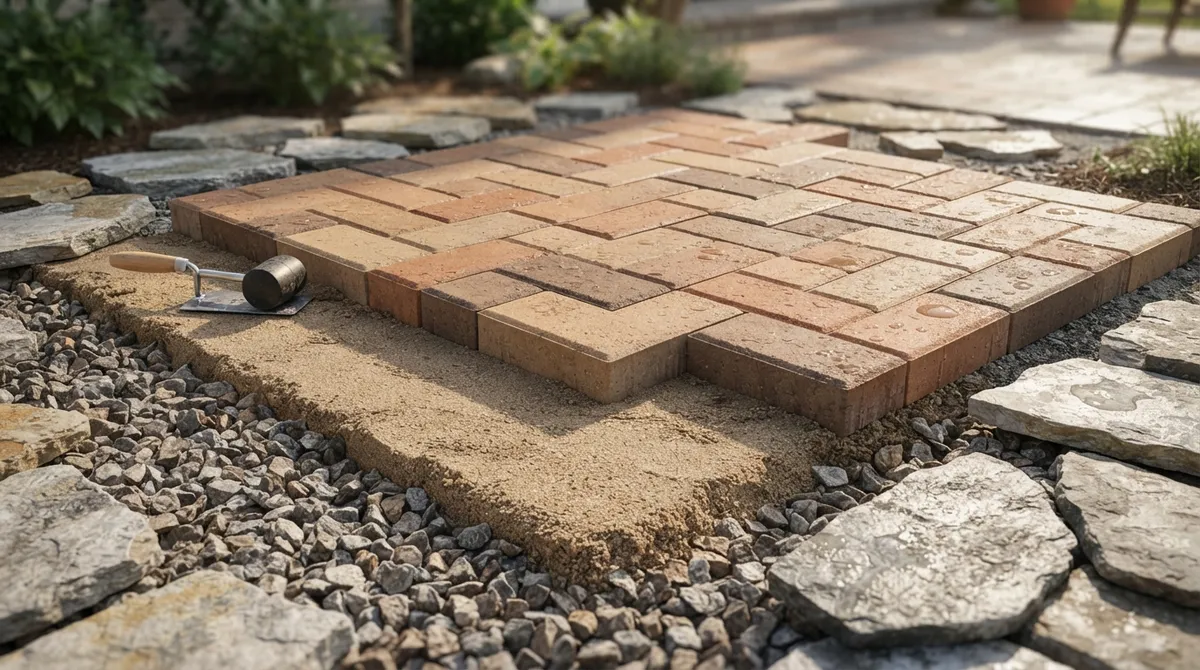
A well-built installation generally includes these layers:
- Excavation: Removing soil and organic material to the proper depth.
- Compacted aggregate base: Crushed stone laid and compacted in lifts to create a stable foundation.
- Bedding layer: A thin, even layer that the pavers or stone rest on.
- Pavers or stone: Set in the chosen pattern.
- Edge restraint: A firm border that keeps everything from spreading.
- Joint material: Fills the gaps and locks the surface together.
How deep should the base be? There is no one-size-fits-all answer. Depth depends on soil conditions, climate, drainage, and expected loads. A patio needs less than a driveway, and clay-heavy soils need extra care. Our Chicago-area soil and freeze-thaw cycles make proper base design especially important.
Working with an installer who follows industry standards helps a lot. The ICPI Certified Installer program is one respected resource for finding trained paver professionals. You can also learn about our approach on our process page.
Step 6: Get Drainage and Grading Right
Water is the biggest enemy of any hardscape. Your finished surface should slope gently away from your home and never leave puddles. Good grading protects your foundation and keeps your patio safe and usable.
Depending on your site and local codes, you may need extra drainage such as catch basins, drain lines, or a dry well. Planning this early saves headaches later.
Consider Permeable Pavers
Permeable paving systems are designed to let rainwater soak through open joints into a specially built aggregate base. They can be a smart choice for managing stormwater, which matters to many suburban homeowners and commercial property managers. Keep in mind:
- They are different from standard pavers with sand-filled joints.
- They need correct system design to work properly.
- Joints and surface openings must be kept from clogging with debris.
Step 7: Choose the Right Installation Method
Installation methods vary by material and project. Many interlocking concrete pavers are dry-laid over aggregate and bedding sand, which allows slight flexibility with the seasons. Natural stone may be dry-laid or set in mortar over a solid substrate, depending on the stone, the design, and the use.
Natural stone often takes more cutting and fitting. That is where experience pays off. If you are weighing a DIY approach, read how to choose professional paver installation for your dream outdoor space to see what a pro brings to the table. And to sidestep common errors, check out these 7 hardscaping mistakes to avoid.
Step 8: Add Features That Make It Shine
Pavers and stone are a wonderful canvas. Once the foundation is set, you can layer in features that turn a simple surface into a destination.
- Fire pits for cozy fall evenings
- Retaining walls to tame slopes and create level living areas
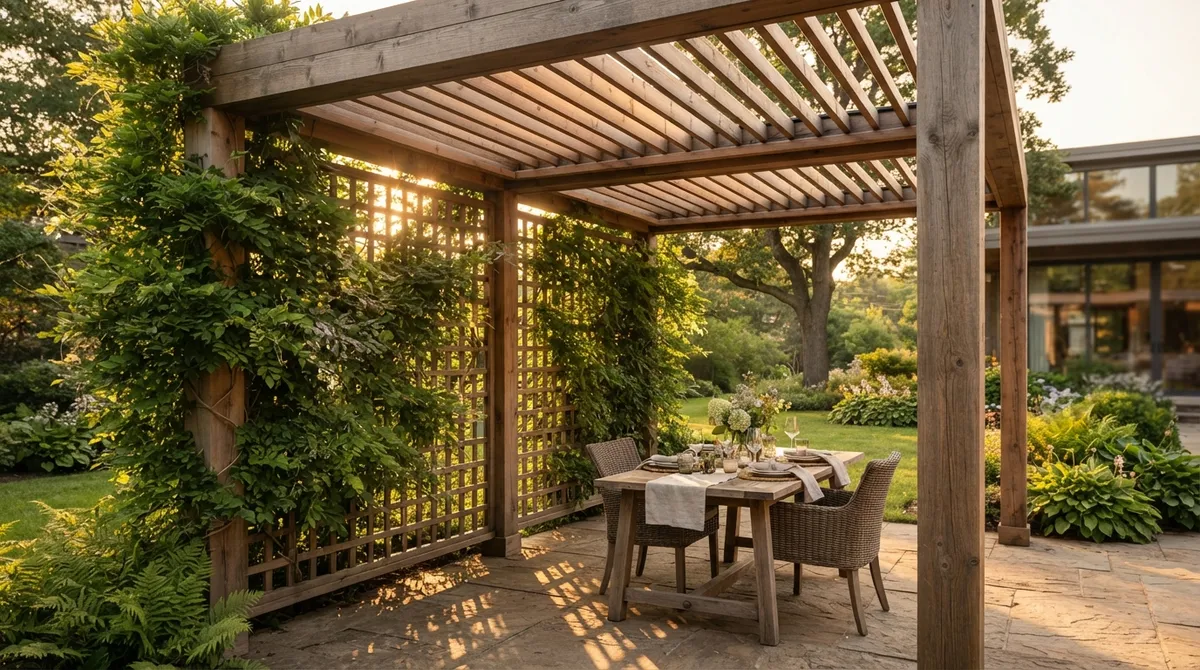
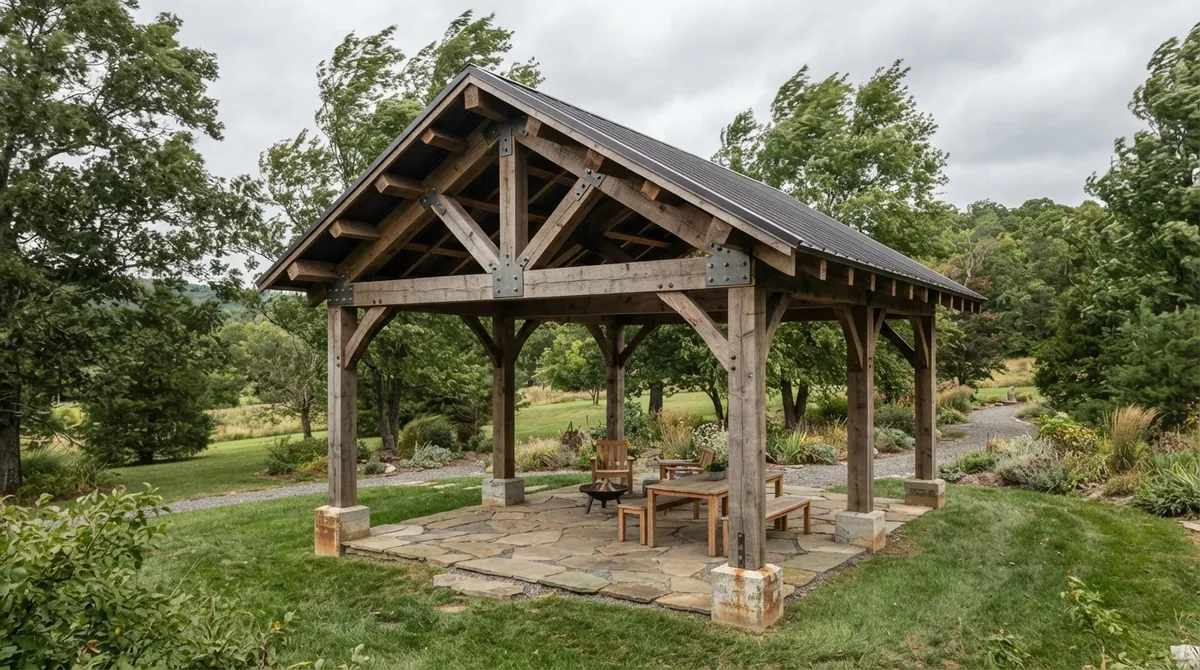
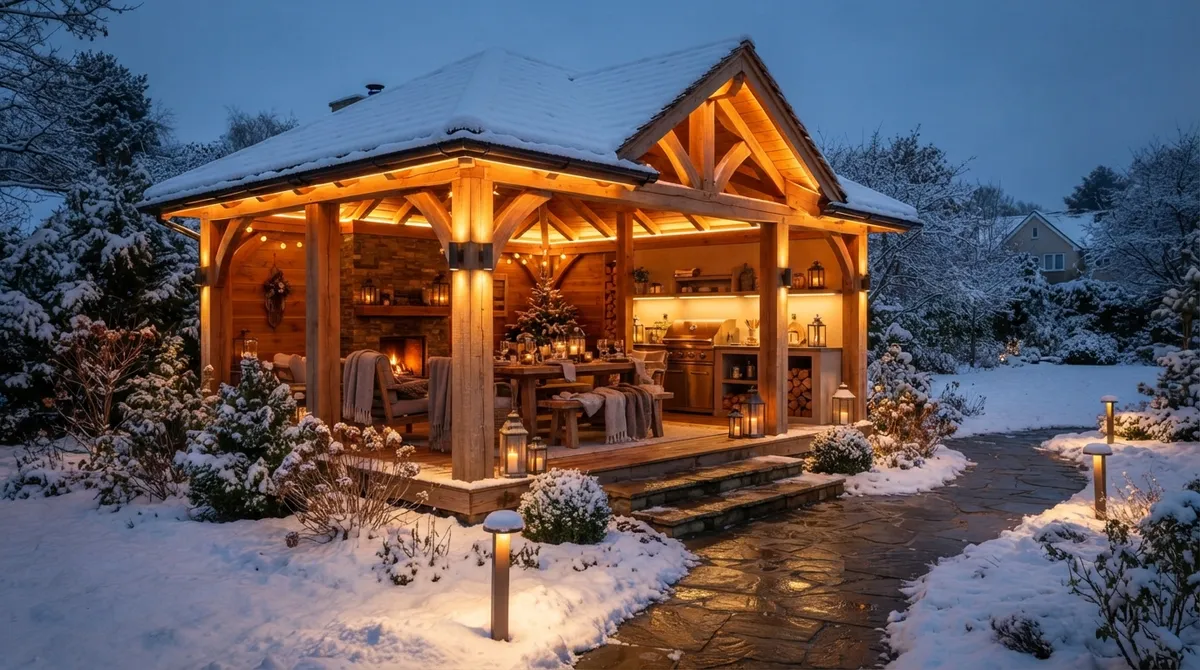
- Pergolas and pavilions for shade and structure
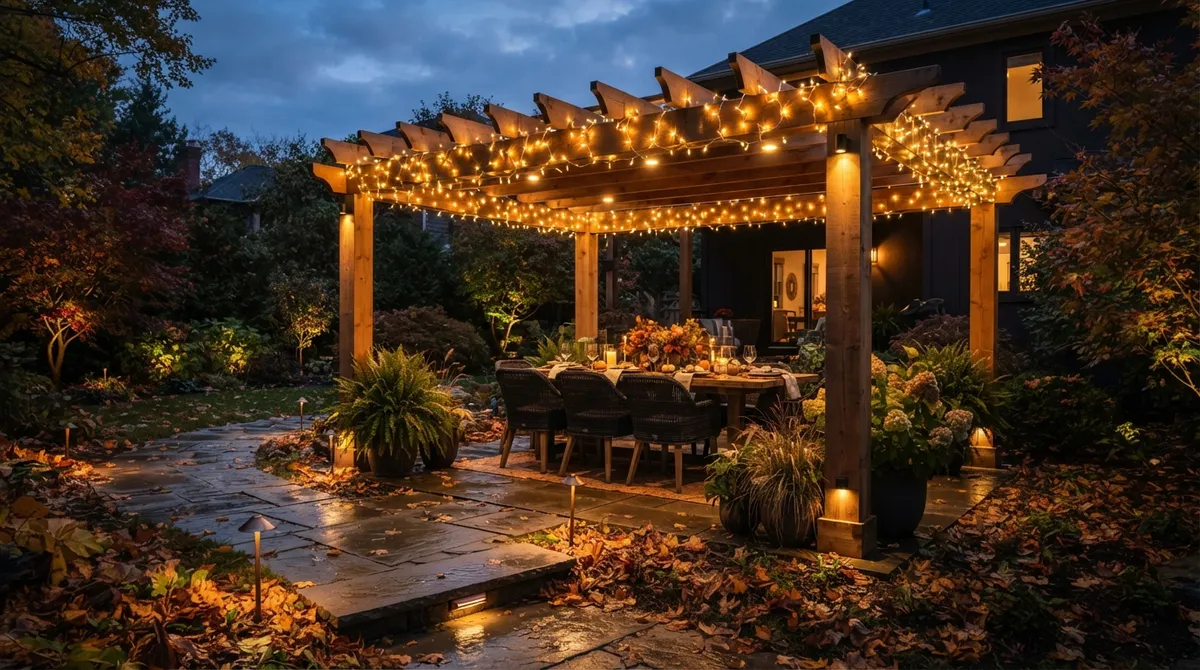
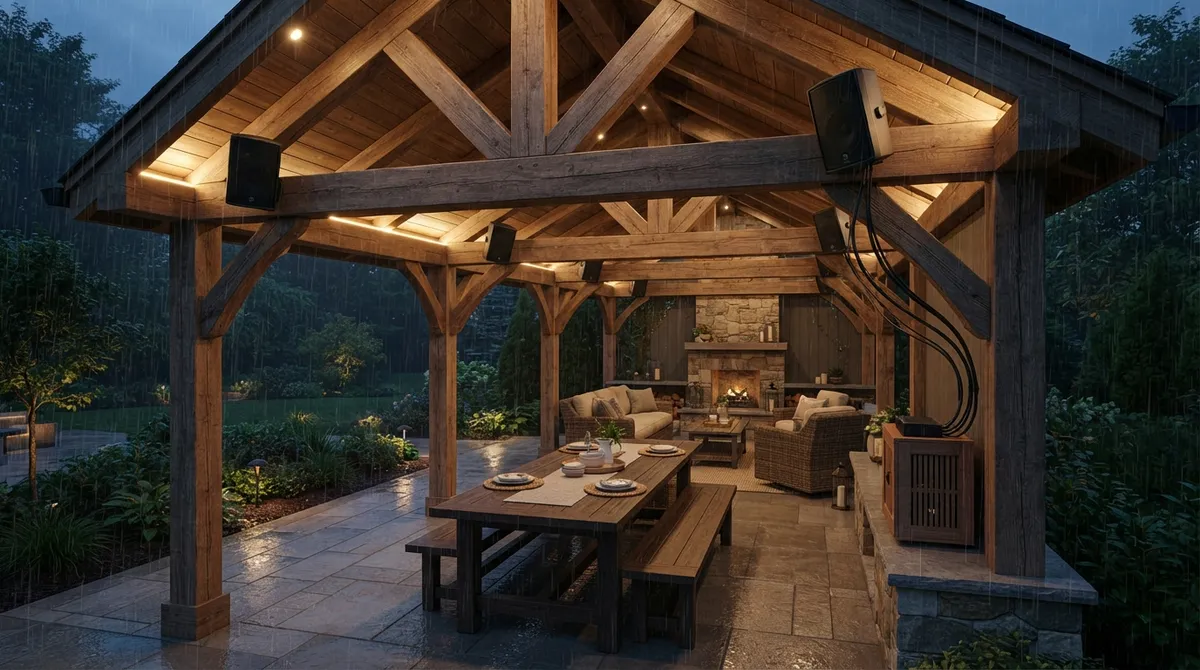
- Lighting and sound to enjoy your space after dark
Natural stone is also gorgeous for walls and accents. If that idea sparks your interest, see why stonework is the secret to a stunning outdoor space.
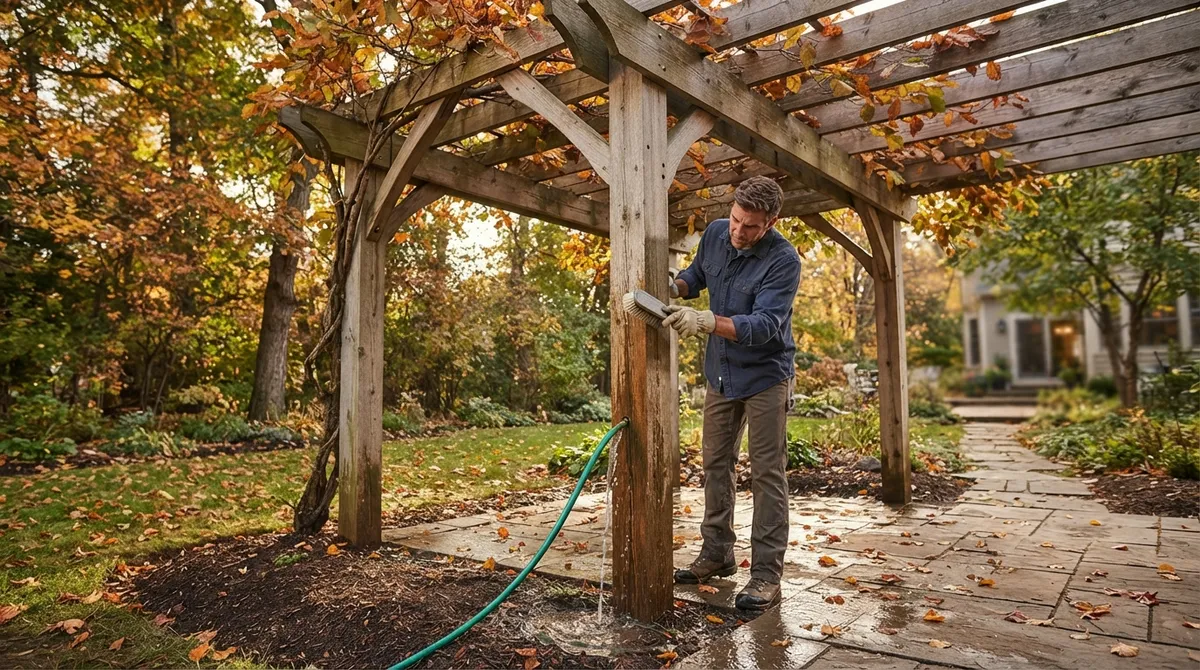
Step 9: Plan Your Care and Maintenance
The good news is that pavers and stone are fairly easy to care for. A little routine attention goes a long way.
- Sweep regularly to remove dirt, leaves, and debris.
- Check joints and edges a couple of times a year. Joint material may need to be topped off.
- Treat stains promptly with a cleaner that is safe for your specific material.
- Watch for weeds. Keeping joints full and surfaces clean helps discourage them.
- Follow sealing guidance carefully. Sealing is optional or product-specific, so follow the manufacturer’s advice. Not every paver needs it.
For commercial properties, a steady maintenance plan protects your curb appeal and reduces trip hazards. Our commercial lawn maintenance team can help keep the whole property looking sharp.
Why Local Know-How Matters in Chicagoland
Our region brings hot summers, icy winters, heavy clay soils, and plenty of rain. Those conditions put real stress on hardscapes. A design that works in a mild climate may not hold up here. That is why local experience, proper base construction, and smart drainage are so important.
You can also look for professionals connected with groups like Landscape Illinois, which supports the green industry across the state. And if you want to see what great results look like, our gallery of our work shows finished projects across the area. Curious about local favorites? Read what makes landscape pavers the best choice for Chicago homes.
Ready to Start Your Pavers and Stone Project?
Choosing pavers and stone does not have to feel overwhelming. Start with how you will use the space, compare materials, set a realistic budget, and insist on a strong base and smart drainage. Do those things, and you will end up with an outdoor space you love for many years.
At Serenity Landscape Group, we have spent over two decades helping homeowners, builders, and business owners across the greater Chicago area turn their outdoor visions into reality. We handle everything from design to installation, so you get one cohesive plan and a space that looks great season after season.
Ready to take the next step? Get a Free Estimate today, or call us at (630) 359-5139 to talk through your ideas. We would love to help you create a beautiful outdoor space you can enjoy all year long.
FAQs
Q: What is the difference between pavers and natural stone?
A: Pavers are manufactured units, usually concrete or clay brick, made in uniform shapes and colors. Natural stone, like flagstone or bluestone, is quarried, so every piece looks a little different. Pavers are easy to pattern, while natural stone offers one-of-a-kind character.
Q: How much does it cost to install a paver patio per square foot?
A: U.S. estimates from 2025 range from about $8 to $25 per square foot, and some guides report up to $30. Your final price depends on material, site prep, design, and access. A free site visit is the best way to get an accurate number.
Q: Do pavers need to be sealed?
A: Not always! Sealing is optional or product-specific, so follow the manufacturer’s guidance for your pavers. Routine sweeping and checking the joints often matter more than sealing.
Q: How do you prevent weeds from growing between pavers?
A: Start with a properly built base and well-filled joints, since weeds struggle in tight, clean joints. Sweep away debris regularly and top off the joint material as needed. A little steady care keeps most weeds away.
Q: Are permeable pavers good for managing rainwater?
A: They can be! Permeable paving systems use open joints and a specially designed base to let water soak into the ground. They work best when properly designed and when the joints are kept free of clogging debris.