Key Takeaways
-
Watch your planned spot at morning, midday, and late afternoon, photographing from the same position, since trees, fences, and buildings change how sun lands on your patio more than general compass rules do.
-
Decide how you will use the space before choosing a direction: an eastern spot suits morning coffee, while protection from low western sun matters most for late-afternoon and evening dining.
-
Rafter direction shapes shade: east-west rafters generally block high midday sun better, while north-south rafters let in more midday light and block some low morning and afternoon rays.
-
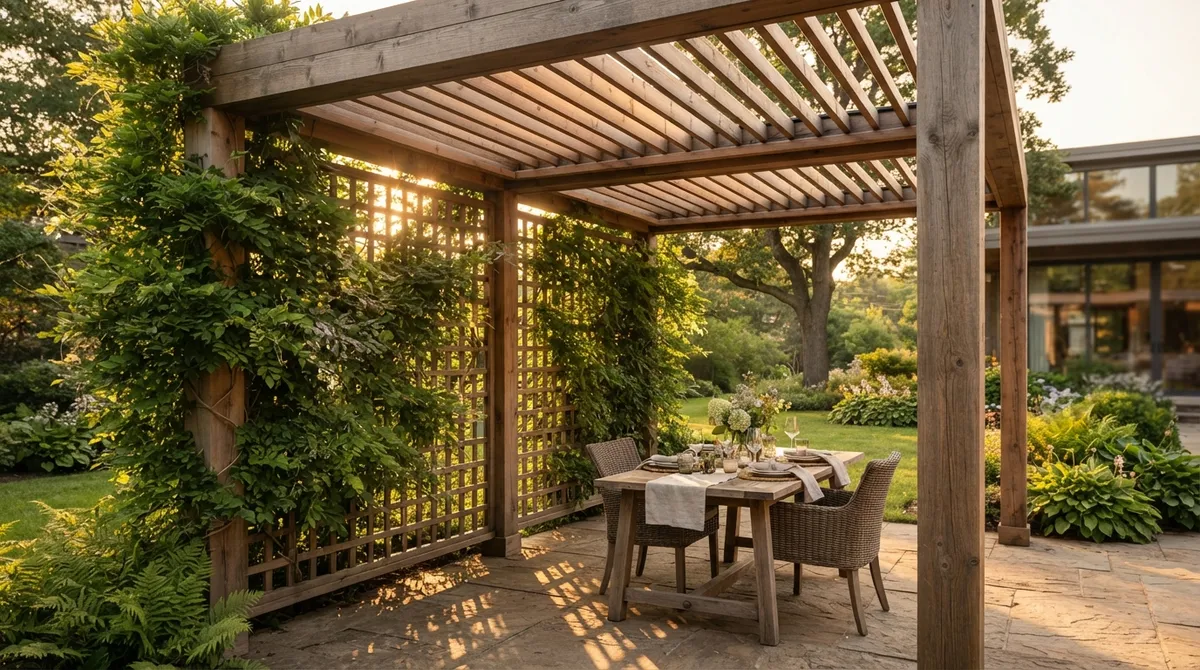
Low-angle east or west sun can slip under an overhead roof, so add vertical screens, adjustable side shades, lattice, or tall plantings on the exposed side rather than changing the roof.
-
Choose adjustable louvers or retractable canopies if you want seasonal flexibility, opening them for cooler-season light and closing them for summer shade, while checking wind and snow ratings.
-
Before building, check drainage, permits, setbacks, HOA rules, and underground utilities, since a sunny spot over a soggy or restricted area will still disappoint.
Picture this: it’s a warm July afternoon in the Chicago suburbs, and you’re sitting under your new pergola with a cold drink. Except the sun is blasting right through the slats, and you’re squinting like you forgot your sunglasses. Sound familiar? Or maybe the opposite happens in January, when you’d love a little winter light on your patio but the structure keeps everything in shadow.
Good news: you can avoid both problems. Smart pergola placement for seasonal sunlight comes down to understanding where the sun travels, when you actually use the space, and how your pergola is built. In this friendly guide, we’ll walk through the whole process step by step, from watching the sun in your yard to picking the right roof style. Whether you have a roomy suburban backyard, a tight city patio, or a restaurant seating area, these tips will help you build a spot you’ll love in every season.
Why Pergola Placement for Seasonal Sunlight Matters
A pergola is a long-term investment. Once it’s built, moving it is a big project. That’s why getting the location right from the start pays off for years.
Here in the Chicago area, the sun changes a lot from season to season. In the Northern Hemisphere, the sun rides high in summer and sits lower in winter. That means a well-placed pergola can soften the harsh summer rays while still letting in some gentler winter light. The exact results depend on your latitude, the direction your structure faces, and its dimensions.
Placement also affects comfort, energy use, and how often you’ll actually use your outdoor space. A pergola in the wrong spot can feel too hot, too dark, or just plain unused. A pergola in the right spot becomes the favorite room of the house.
Step 1: Decide When You Will Use the Space
Before you think about compass directions, think about your habits. The best pergola placement starts with how and when you’ll enjoy the space.
- Morning coffee crowd: You may want gentle morning sun, so an eastern spot could work well.
- Dinner and entertaining crowd: Late afternoon and evening use means you’ll need protection from low western sun.
- All-day lounging: You’ll want a balance, with flexible shade that can change through the day.
- Year-round users: If you hope to use the space in spring and fall, you may want more light and warmth in the cooler months.
Write down your top two or three uses. This simple list will guide every other choice you make.
Step 2: Watch the Sun Across the Day and Seasons
Generic rules like “face it south” sound nice, but every yard is different. Trees, neighboring homes, fences, and garages all change how the sun lands on your patio. The best way to know is to watch.
Track Your Sun at Several Times of Day
- Visit your planned spot in the morning, around midday, and in the late afternoon.
- Take a photo each time from the same spot, so you can compare.
- Note where direct sun lands and where shade already exists.
- Mark the edges of sunny areas with stakes or chalk if you like.
- Repeat during different seasons if you can, or use a sun-path app to preview them.
Check Existing Shade From Trees and Buildings
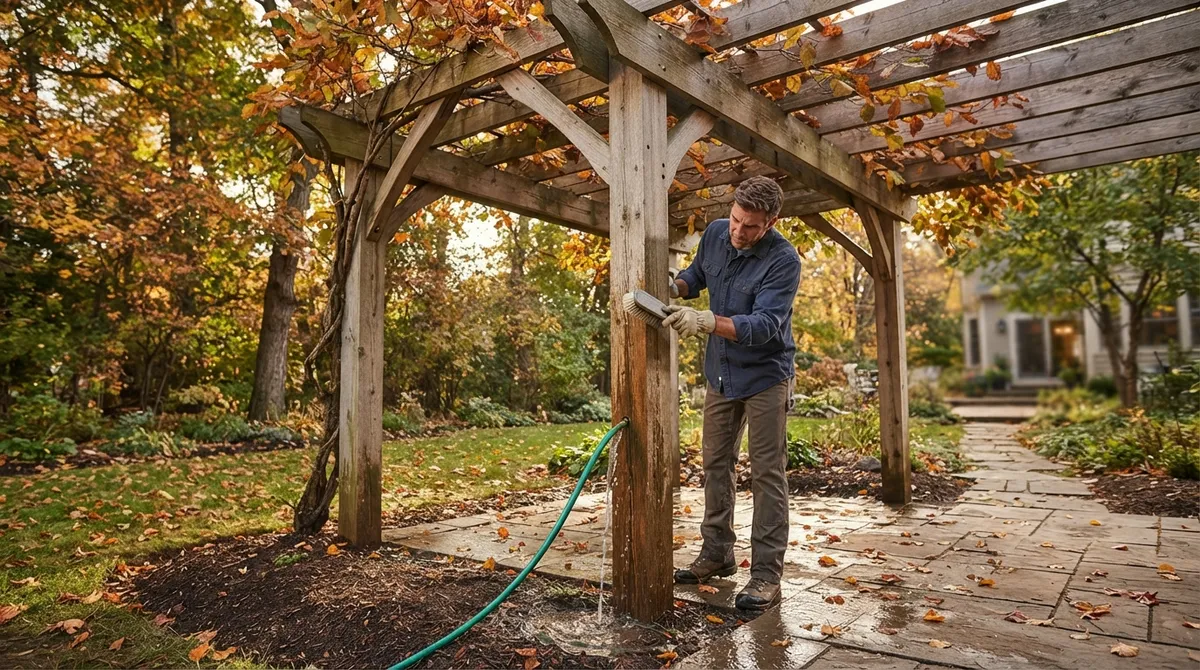
Existing shade can change your plan. A large tree might cool your patio all summer, but remember that deciduous trees drop their leaves in fall. A spot that feels shady in July can suddenly be bright and open in November. Buildings and fences cast longer shadows in winter, too, so a corner that seems sunny now might sit in shade later.
Solar path apps and sun calculators can help you preview sun angles for your exact address. They’re a nice backup when you can’t wait a full year to observe.
Step 3: Match the Sun to Your Goals
Once you know how the sun moves, you can match it to your goals. Here’s a simple way to think about common situations.
| Your Goal | Sun Concern | Placement Idea |
|---|---|---|
| Cool summer dinners | Low western sun in late afternoon | Place the seating where the structure or a nearby wall blocks western rays, or add a side screen |
| Sunny breakfast nook | Morning light from the east | Locate the seating to catch gentle morning sun, with an option to shade it later |
| Winter light and warmth | Lower sun angle in colder months | Use open or adjustable roofing so light can reach the seating area |
| Full-day comfort | Changing sun all day | Combine overhead shade with adjustable side protection |
Keep in mind that this table shows general tendencies, not strict rules. Your own yard may behave differently, so always test your ideas against what you observe on site.
Step 4: Choose the Right Roof Style for Your Sun Goals
Placement is only half the story. The roof of your pergola decides how much shade you actually get.
Open-Slat Pergolas Give Filtered Shade
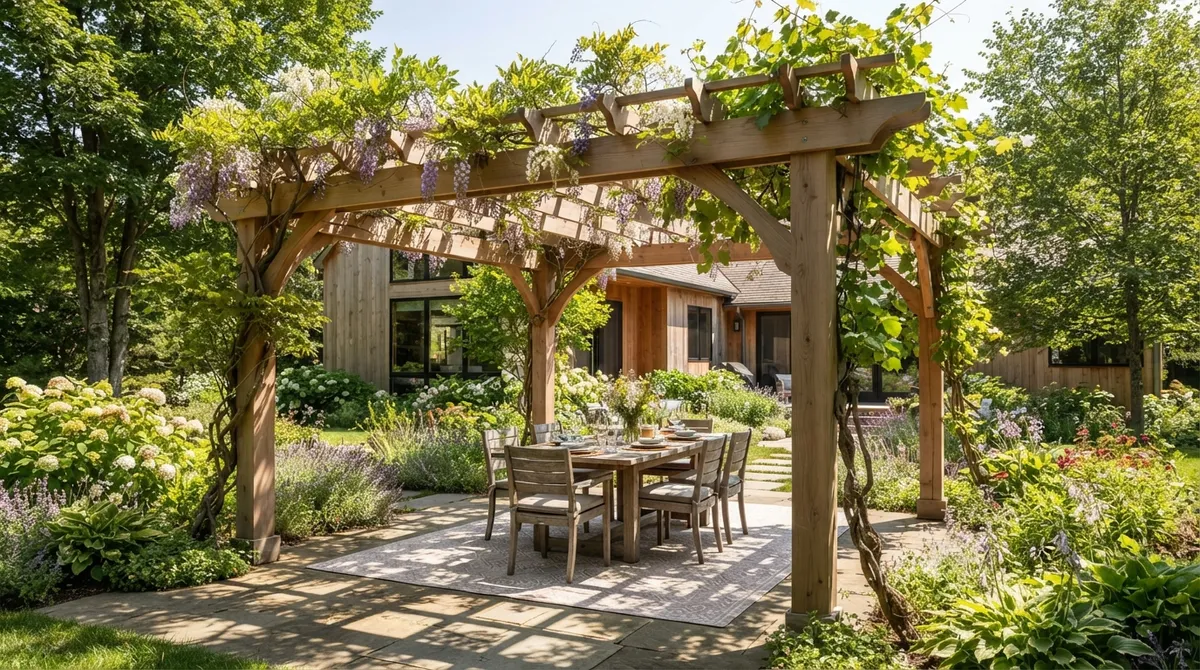
A traditional open-slat pergola gives you filtered, moving shade rather than full coverage like a solid roof. How much shade you get depends on the slat depth, the spacing between slats, the direction the roof runs, and the sun angle. Closer spacing and deeper slats create more shade. Wider spacing lets in more light.
Which Way Should the Rafters Run?
Rafter direction can shape how shade falls on your seating. As a general tendency:
- East–west rafters are often recommended for stronger protection from high midday sun.
- North–south rafters can let in more midday sun, while helping block some low-angle morning and afternoon rays.
These are guidelines, not promises. The best choice depends on where your seating sits and what you want to block, so it’s smart to confirm the effect for your own site before building.
Adjustable Louvers and Retractable Covers
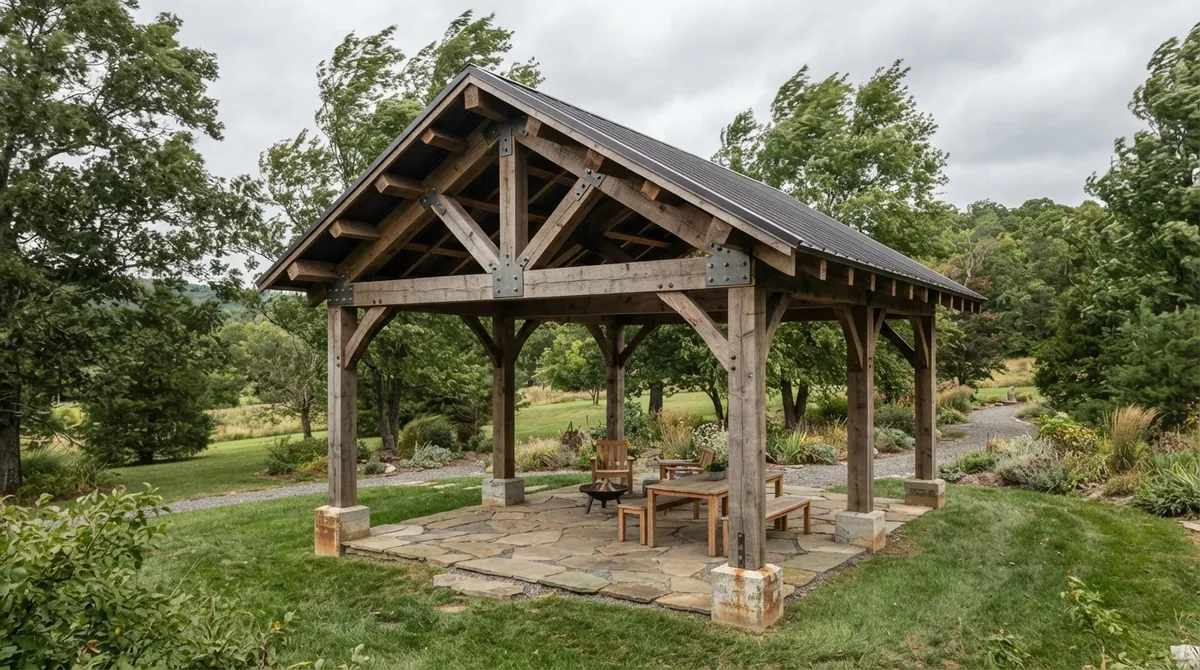
If you want the most seasonal flexibility, adjustable louvers or retractable canopies are worth a look. You can open them to welcome cooler-season light, then adjust or close them for summer shade. Just check product specifications and think about local wind, snow, and weather conditions, since Chicago-area weather can be demanding.
Curious about styles? Our guide to 13 stunning pergola designs to transform your outdoor space in 2026 shows plenty of ideas, and you can browse our pergolas and pavilions page to see what’s possible.
| Roof Option | Shade Level | Seasonal Flexibility | Best For |
|---|---|---|---|
| Open fixed slats | Light to moderate, filtered | Low | Dappled light and a classic look |
| Closely spaced slats | Moderate to strong | Low | Extra summer relief |
| Retractable canopy | Adjustable | High | Changing needs through the year |
| Adjustable louvers | Adjustable | High | Fine control of light and shade |
Step 5: Handle Low-Angle Morning and Evening Sun
Here’s a sneaky problem many homeowners discover too late. Low-angle sun from the east or west can slip right under an overhead roof. Even a beautifully shaded pergola can feel hot at 6 p.m. if the sun comes in sideways.
The fix usually isn’t changing the roof. Instead, try one of these:
- A vertical screen or lattice panel on the exposed side
- Adjustable blinds or side shades that roll down when needed
- Layered plantings, such as tall shrubs or climbing vines, along the sunny edge
- A privacy wall or fence section that doubles as a sun block
Our softscapes services can add living shade with plants, which also helps cool the air around your seating area. You can read more in our post on 6 shade structures that cool Chicago yards in 2026.
Step 6: Think Beyond the Sun
Sun is a big factor, but it’s not the only one. A pergola in the perfect sunny spot still needs to work with the rest of your property.
Consider Drainage, Access, and Layout
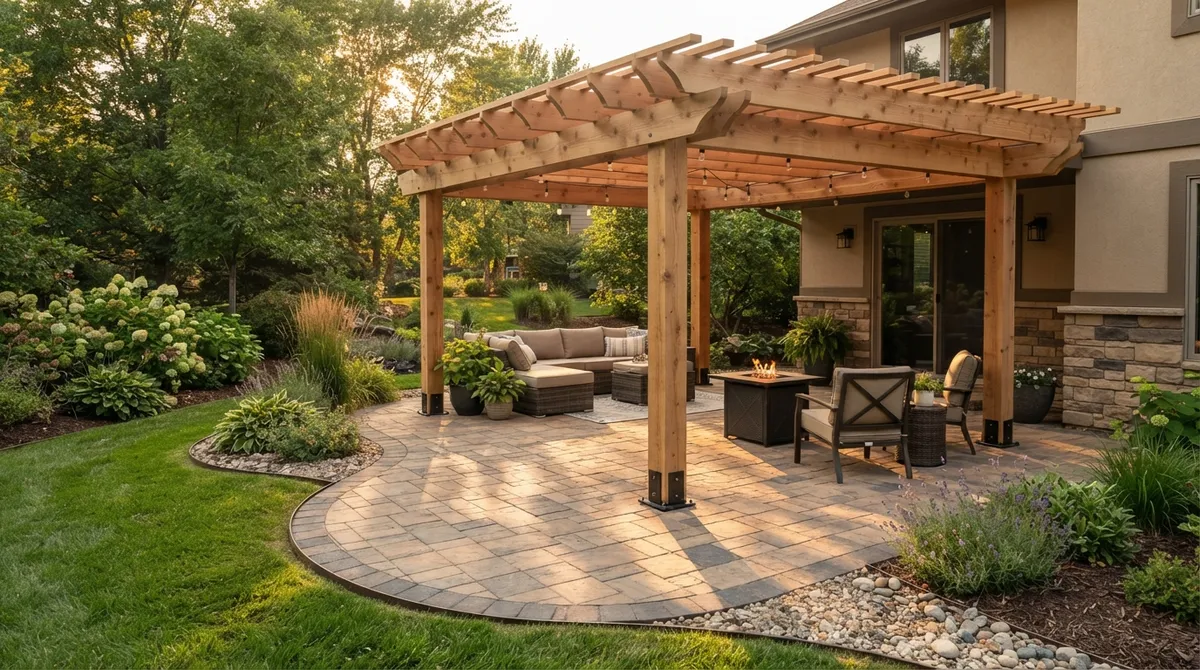
Check how water moves across your yard. A pergola over a low, soggy area is no fun. Think about how people will walk to and from the structure, and whether it connects well to your house, grill, or garden. A solid base also matters. Many homeowners pair their pergola with a paver patio so the whole area feels connected and stays level. Our article on integrating a pergola with a paver patio has helpful ideas.
Rules, Setbacks, and Utilities
Before you build, check local permits, property setbacks, and HOA rules. Many Chicago suburbs and city neighborhoods have specific requirements. Also locate underground utilities so nothing gets hit during digging. Structural needs, such as footings that handle wind and snow loads, should be reviewed too. For trusted standards in the region, you can explore resources from Landscape Illinois and the ICPI Certified Installer program, which help homeowners find qualified professionals and understand best practices for hardscape work.
Add Lighting and Comfort Features
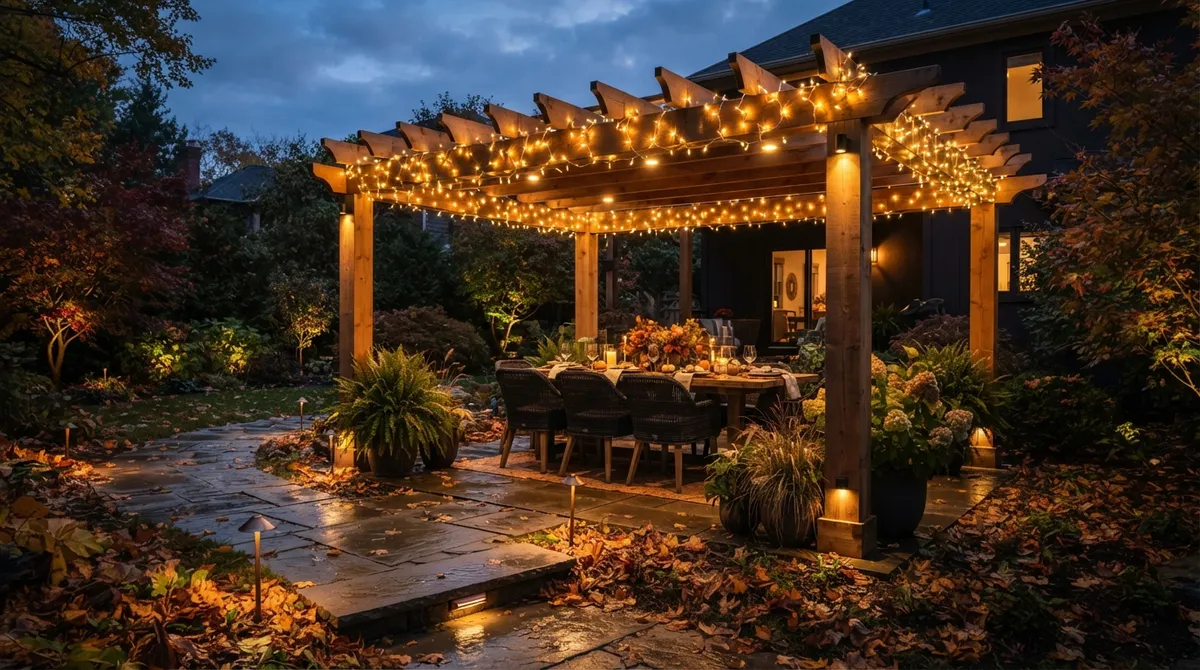
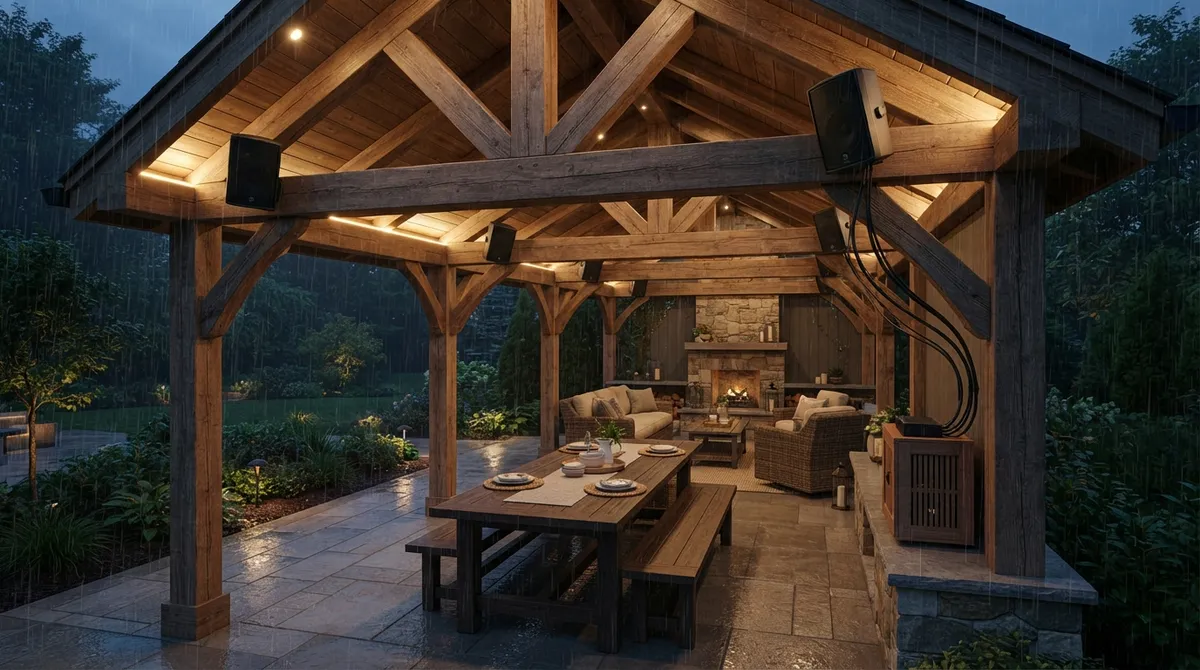
Once you’ve nailed the sun, think about the evening. Good lighting lets you enjoy your pergola long after sunset, especially as days get shorter in autumn. Take a peek at our ideas for pergola lighting for shorter autumn days, and explore our lighting and sound options to set the mood.
Tips for Different Property Types
Every property has its own challenges. Here’s how the ideas above might apply to a few common situations in the Chicago area.
- Suburban homeowners: You often have room to experiment. Try placing temporary shade, like a patio umbrella, in a few spots to test comfort before committing.
- Urban condo and rooftop owners: Space is tight and wind can be strong. Look for lighter structures, adjustable covers, and check building rules and weight limits early.
- Commercial property managers: Consider guest comfort at peak hours and how shade affects outdoor seating, curb appeal, and nearby plantings.
- Restaurant and shop owners: Match the shade to your busiest hours. An evening patio needs west-side protection more than a morning-only space.
- New home builders: Plan the pergola location early so the patio, lighting, and plantings all work together as one turnkey outdoor feature.
When to Bring in a Professional
You can do a lot of the sun-watching on your own, but a landscaping professional brings a bigger picture. A good pro looks at the sun path, nearby trees and buildings, drainage, access, and how you plan to use the space, all at the same time. They can also help with permits, setbacks, and structural details so your pergola is safe and long-lasting.
At Serenity Landscape Group, we’ve spent over two decades helping Chicago-area homeowners and businesses design outdoor spaces that feel good in every season. Our team handles everything from design to installation, so your pergola, patio, and plantings work together. Want to see how we work? Check out our process page or browse our gallery of our work for inspiration.
Quick Checklist Before You Build
- List how and when you’ll use the space.
- Observe the sun at several times of day and, if possible, across seasons.
- Note shade from trees, fences, and buildings, including how leaves change it.
- Choose a roof style that fits your shade goals.
- Plan for low morning and evening sun with screens or adjustable shades.
- Check drainage, access, permits, setbacks, and utilities.
- Ask a professional to review your plan.
Ready to Find the Perfect Spot?
Great pergola placement for seasonal sunlight isn’t about following a single rule. It’s about learning how the sun moves across your yard, matching that to how you live, and building a structure with the right mix of shade and flexibility. Take your time, snap a few photos, and enjoy the process. Your future self, relaxing in the perfect pocket of light, will thank you.
If you’d like expert eyes on your space, we’d love to help. Get a free estimate from Serenity Landscape Group, or call us at (630) 359-5139 to chat about your pergola project and start creating an outdoor space you’ll enjoy all year long.
FAQs
Q: Where should I place a pergola to get afternoon shade?
A: Start by watching where the afternoon sun lands in your yard. Often, placing the seating so a wall, taller plantings, or a side screen blocks the low western sun works best. Since every yard is different, it’s smart to test the spot before you build.
Q: Does a pergola give full shade or only partial shade?
A: A traditional open-slat pergola gives filtered, moving shade, not full coverage like a solid roof. How much shade you get depends on slat depth, spacing, roof direction, and sun angle. Adding a canopy, louvers, or plants can boost the shade.
Q: How can I block low morning or evening sun under a pergola?
A: Low-angle sun can slip under an overhead roof, so the best fix is usually on the sides. Try a vertical screen, adjustable blinds, lattice, or tall plantings along the sunny edge. These little additions make a big difference in comfort.
Q: Are adjustable louvers better than fixed slats for seasonal sunlight?
A: Adjustable louvers or retractable covers give you more flexibility, since you can open them for cooler-season light and adjust them for summer shade. Fixed slats cost less and look classic, but they can’t change with the seasons. Check product specs and local wind and weather conditions before choosing.
Q: How can I track the sun in my yard before installing a pergola?
A: Visit the spot in the morning, midday, and late afternoon, and take photos from the same position each time. You can also use a sun-path app or calculator to preview sun angles for your address. A landscaping professional can help confirm your findings.