Key Takeaways
-
Pavers offer unmatched durability, lasting 25-50 years with minimal maintenance and the ability to replace individual damaged pieces without disrupting the entire surface.
-
Professional installation is crucial, as proper base preparation and joint sand application prevent settling, drainage issues, and weed growth.
-
Choose from concrete, brick, or natural stone pavers to match your aesthetic, with each type offering unique benefits for different outdoor spaces like driveways, patios, and walkways.
-
Paver designs provide incredible flexibility with thousands of color, texture, and pattern combinations that can complement your home’s architecture and personal style.
-
Chicago’s freeze-thaw cycles make pavers an ideal choice, as their modular design allows slight movement and prevents cracking unlike traditional concrete slabs.
Have you ever looked at your driveway, patio, or walkway and wished it had more personality? Maybe you’ve noticed cracks in your concrete or feel like your outdoor space just doesn’t reflect your style. Pavers offer a beautiful solution that combines lasting durability with endless design possibilities, and they’re transforming outdoor spaces across Chicago and beyond in 2026.
Whether you’re dreaming of a welcoming front entrance, a backyard patio perfect for summer gatherings, or a driveway that boosts your home’s curb appeal, pavers give you the freedom to create something truly unique. Unlike plain concrete, pavers come in countless colors, shapes, and patterns that let your personality shine through while standing up to our challenging Midwest weather.
In this guide, we’ll walk you through everything you need to know about pavers—from the different types available to design ideas that work beautifully in Chicago’s climate. You’ll discover why so many homeowners and business owners are choosing pavers over traditional materials, and how to make the best choices for your specific outdoor project.
What Are Pavers and Why Choose Them
Pavers are individual units made from concrete, brick, or natural stone that fit together to create a solid surface for driveways, patios, walkways, and more. Think of them as building blocks for your outdoor spaces—each piece locks together to form a strong, flexible surface that looks amazing and performs beautifully year after year.
What makes pavers special is their combination of strength and flexibility. Unlike a solid concrete slab that can crack when the ground shifts or freezes, pavers move slightly with the earth beneath them. This means they hold up better through Chicago’s freeze-thaw cycles, and if one paver does get damaged, you can simply replace that single piece instead of tearing up an entire section.
Key Benefits of Choosing Pavers
- Long-lasting durability: Quality pavers can last 25 to 50 years or more with proper installation and minimal maintenance
- Weather resistance: They handle freeze-thaw cycles, heavy rain, and temperature swings much better than poured concrete
- Easy repairs: Damaged pavers can be replaced individually without disturbing surrounding areas
- Design flexibility: Thousands of color, texture, and pattern combinations let you create a truly custom look
- Increased property value: Professional paver installations typically boost home resale value and curb appeal
- Low maintenance: Simple cleaning and occasional sealing keep pavers looking fresh for decades
Many homeowners tell us their paver patios or driveways became the feature that makes their property stand out in the neighborhood. The investment pays off not just in beauty, but in functionality that lasts.
Types of Pavers for Every Project
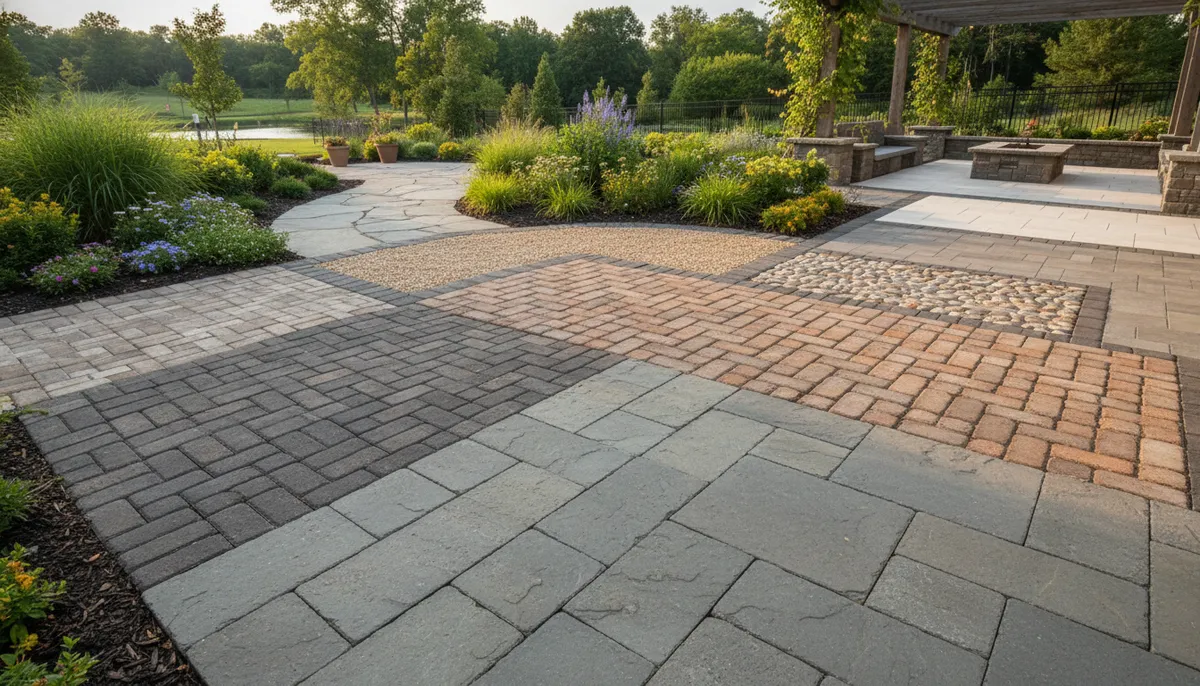
Not all pavers are created equal, and choosing the right type makes a big difference in how your finished project looks and performs. Let’s explore the three main categories you’ll encounter when planning your outdoor space.
Concrete Pavers
Concrete pavers are the most popular choice for good reason. They’re manufactured to exact specifications, which means consistent size, color, and quality across your entire project. Modern concrete pavers come in an incredible variety of styles—some mimic natural stone so convincingly you’d never guess they’re manufactured.
These pavers offer excellent strength and typically cost less than natural stone while still delivering beautiful results. They’re perfect for driveways, patios, pool decks, and walkways throughout the Chicago area.
Brick Pavers
Brick pavers bring timeless charm and a classic look that never goes out of style. Made from fired clay, they develop character over time and work beautifully in traditional landscape designs. Their warm, earthy tones complement Chicago’s classic architecture perfectly.
While slightly more porous than concrete, quality brick pavers still offer excellent durability. They’re especially popular for walkways, courtyards, and patios where you want that historic, established feel.
Natural Stone Pavers
Natural stone pavers represent the premium option, offering one-of-a-kind beauty that comes straight from the earth. Bluestone, limestone, granite, and sandstone each bring their own unique character, colors, and textures. No two natural stone pavers look exactly alike, which creates truly distinctive outdoor spaces.
These pavers work wonderfully for upscale patios, elegant walkways, and high-end commercial properties. They require more investment upfront but deliver unmatched natural beauty and exceptional longevity.
| Paver Type | Best For | Price Range | Lifespan |
|---|---|---|---|
| Concrete | Driveways, patios, pool decks | $ | 25-50 years |
| Brick | Walkways, courtyards, patios | $$ | 25-100 years |
| Natural Stone | Upscale patios, elegant walkways | $$$ | 50+ years |
Popular Paver Applications for Your Property
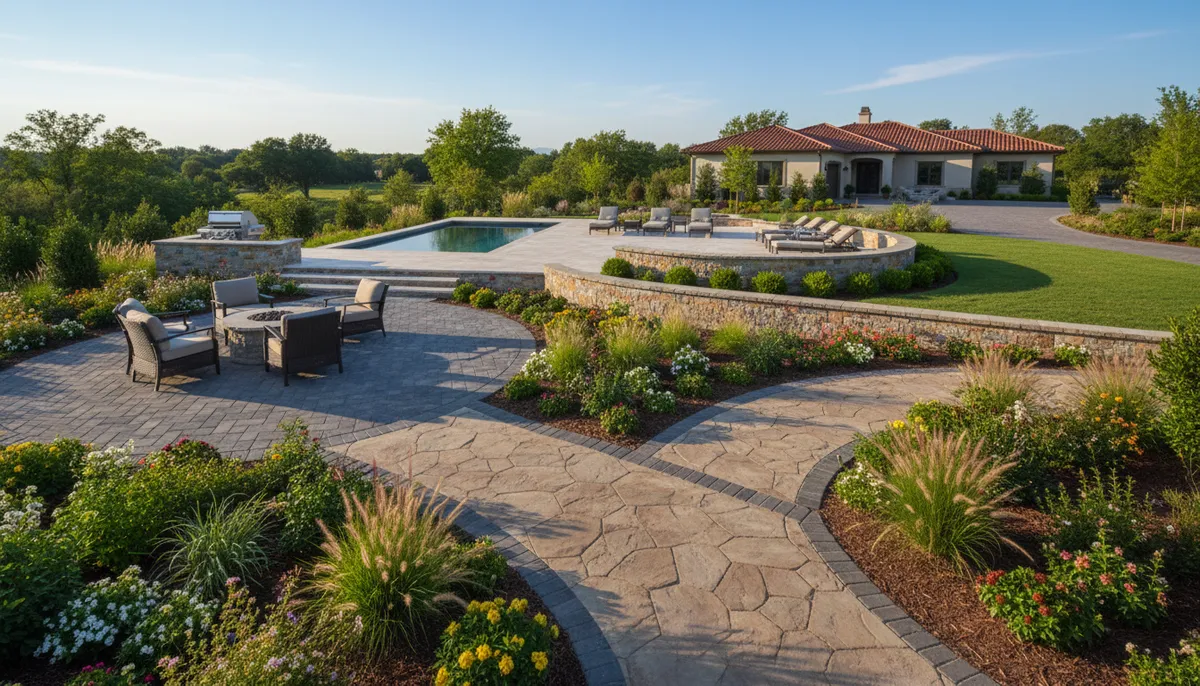
Pavers shine in so many different applications around your home or business. Here are the most popular ways people use them to transform their outdoor spaces in 2026.
Paver Patios
A paver patio creates an outdoor room where you can relax, entertain, and enjoy beautiful Chicago evenings. Unlike wood decks that require constant staining and maintenance, paver patios need minimal care while offering unlimited design possibilities.
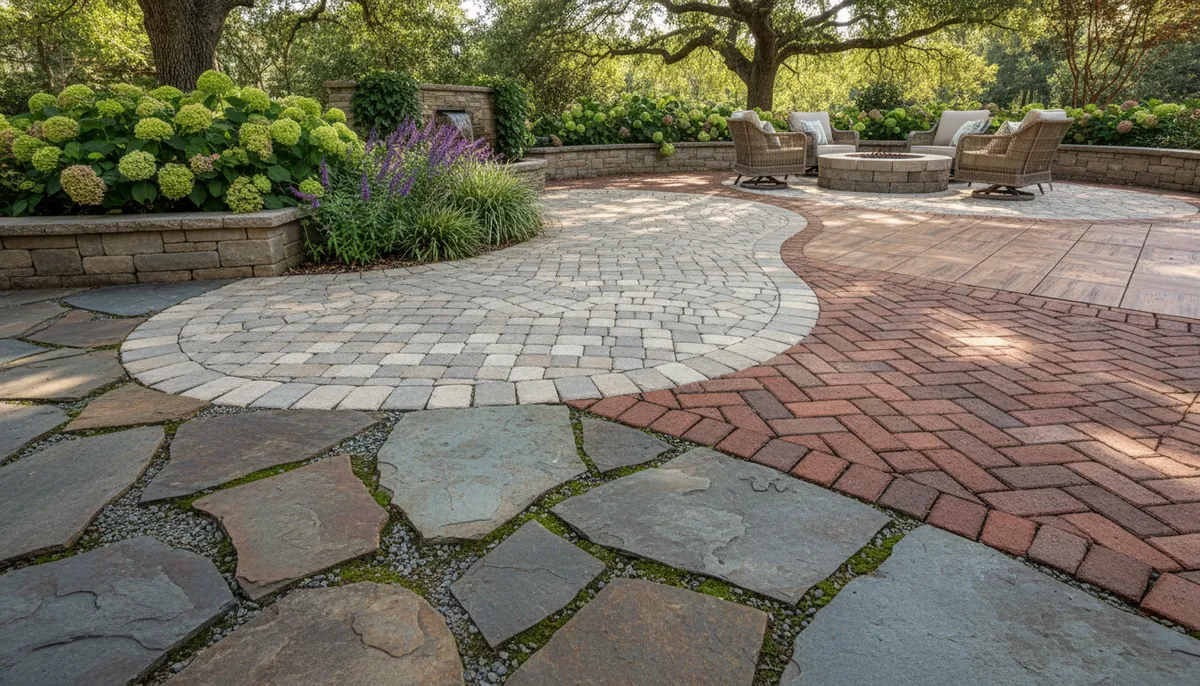
You can create circular patterns, herringbone designs, or modern linear layouts. Many homeowners integrate their paver patios with outdoor fire pits or seating walls to create complete outdoor living spaces.
Paver Driveways
Your driveway is one of the first things people notice about your property. Paver driveways make a strong first impression while handling the weight of vehicles and the stress of Chicago winters better than traditional concrete.
You can choose from simple, elegant patterns or create intricate designs with contrasting colors and borders. The flexibility of pavers means your driveway can complement your home’s architecture perfectly.
Walkways and Pathways
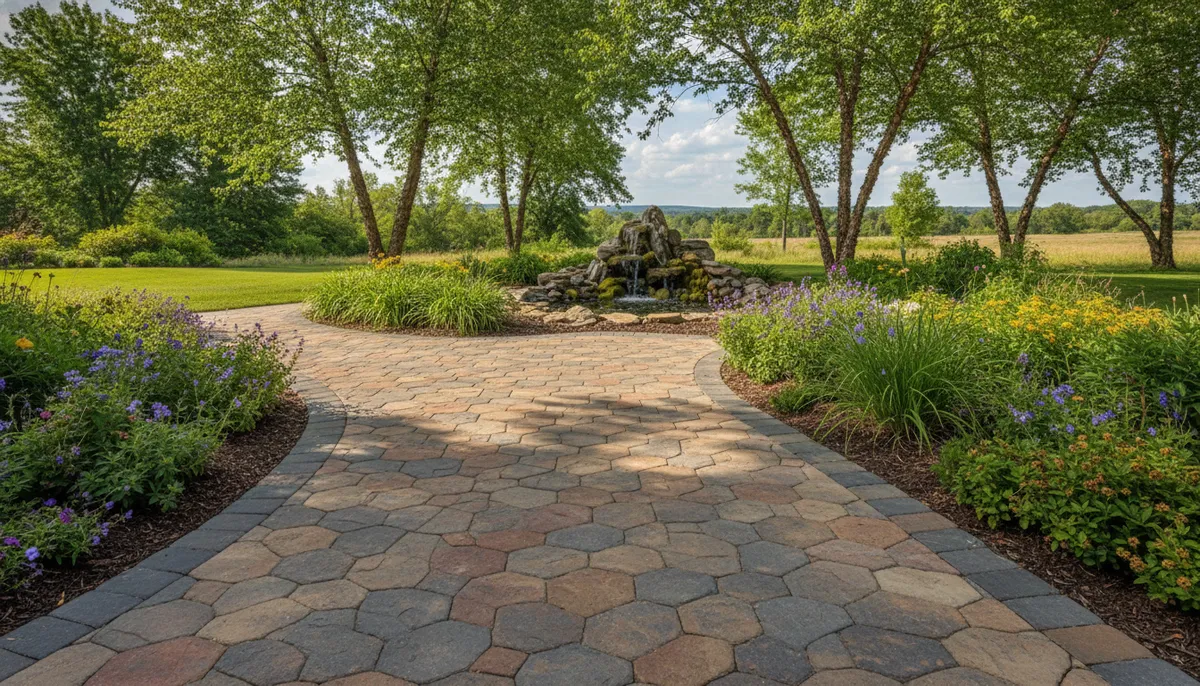
Paver walkways guide visitors through your landscape while adding visual interest and preventing muddy paths. They work beautifully leading from your driveway to your front door, connecting different areas of your backyard, or creating garden paths that invite exploration.
Curved walkways feel natural and inviting, while straight paths create formal, structured looks. The choice depends on your landscape style and personal preferences.
Pool Decks and Surrounds
Pavers make excellent pool decks because they stay cooler underfoot than concrete in summer heat, provide slip-resistant surfaces when wet, and resist damage from pool chemicals and constant moisture. Their modular nature also makes it easy to access underground pool equipment if repairs are ever needed.
Design Ideas and Pattern Options
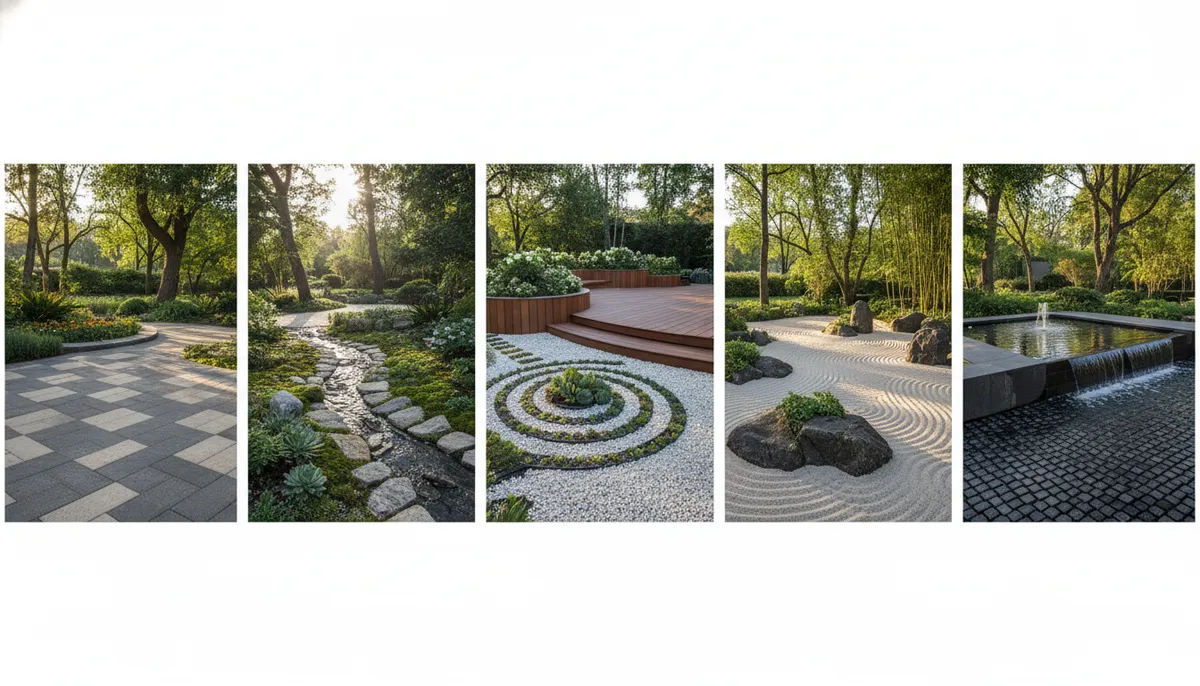
One of the most exciting parts of planning a paver project is choosing your design pattern. The pattern you select dramatically affects the overall look of your finished space.
Classic Paver Patterns
- Running Bond: The simplest pattern where pavers are laid in offset rows, similar to a brick wall. It’s clean, timeless, and works great for walkways and patios.
- Herringbone: Pavers are laid at 45 or 90-degree angles in a zigzag pattern. This creates visual interest and offers excellent structural strength for driveways.
- Basket Weave: Pairs of pavers are laid perpendicular to each other, creating a woven appearance. It’s perfect for traditional and cottage-style landscapes.
- Random: Mixed sizes and shapes create an organic, natural stone appearance. This pattern works beautifully with natural stone pavers.
Color Combinations That Work
Color choice sets the mood for your entire outdoor space. Neutral tans, grays, and browns offer versatility and timeless appeal that complements any home style. They also hide dirt better between cleanings.
For more dramatic looks, consider mixing two or three complementary colors to create borders, accents, or geometric patterns. Many Chicago homeowners choose colors that echo their home’s exterior—matching brick tones or complementing siding colors creates visual harmony.
- Light colors make small spaces feel larger and stay cooler in summer sun
- Dark colors create dramatic contrast and hide stains more effectively
- Mixed colors add depth and visual interest to large, open areas
- Consistent colors throughout create a calm, cohesive look
How Paver Installation Works
Understanding the installation process helps you appreciate why professional installation matters so much for paver projects. The foundation literally determines how your pavers will perform for decades to come.
The Professional Installation Process
- Site Preparation: The area is excavated to proper depth, removing existing materials and creating a level base. Proper depth varies by application—driveways need deeper excavation than walkways.
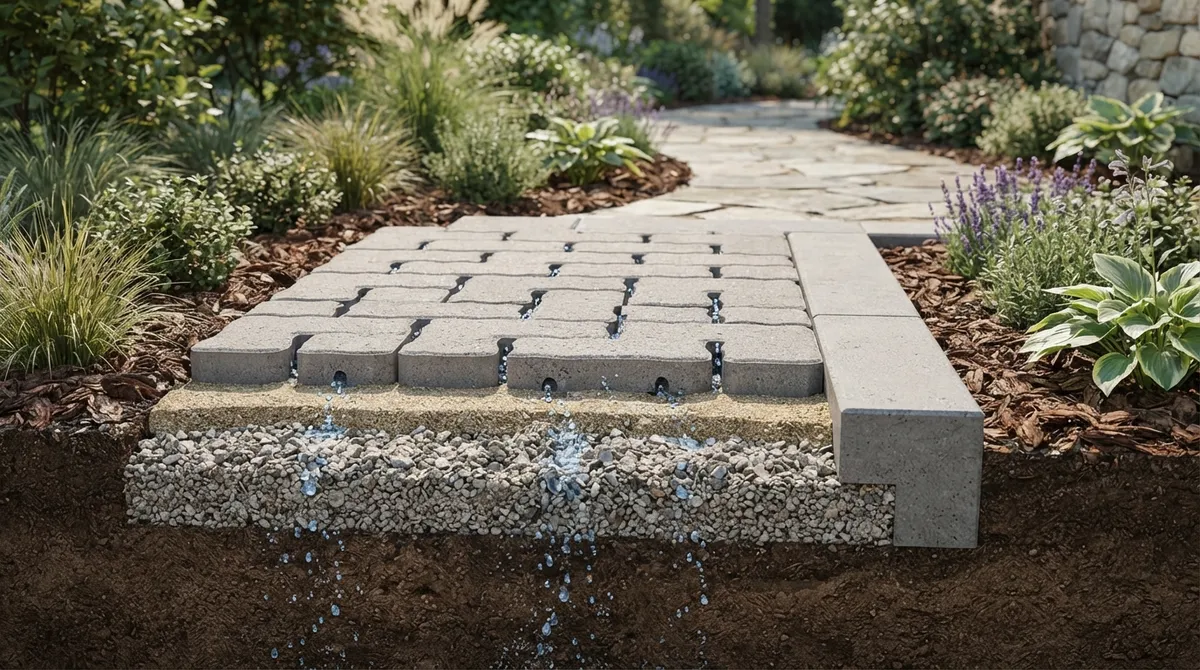
- Base Layer: Crushed stone is added and compacted to create a stable foundation. This layer provides drainage and prevents settling.
- Sand Layer: A leveling layer of sand creates the perfect bed for pavers to sit on. This layer is carefully screeded to ensure uniform height.
- Paver Installation: Pavers are laid according to your chosen pattern, with precise spacing maintained throughout. Edge restraints keep everything in place.
- Joint Sand: Polymeric sand is swept into joints between pavers, then activated with water. This sand locks pavers together and prevents weed growth.
Professional installers like those at Serenity Landscape Group understand Chicago’s specific soil conditions and drainage requirements. We’re certified through ICPI (Interlocking Concrete Pavement Institute), which means our installations meet industry best practices for lasting performance.
Why Professional Installation Matters
While DIY paver projects might seem tempting, professional installation makes a huge difference in long-term results. Improper base preparation causes settling, poor drainage leads to frost heave, and incorrect joint sand application allows weeds and ant hills to develop.
Professional installers have specialized equipment for proper compaction, understand local building codes and permit requirements, and can identify potential drainage issues before they become expensive problems. The peace of mind that comes with professional installation is worth every penny.
Maintenance Tips for Long-Lasting Beauty
One of the best things about pavers is how little maintenance they require. A few simple steps keep them looking beautiful year after year.
Regular Cleaning
Sweep your pavers regularly to remove dirt and debris. For deeper cleaning, use a pressure washer on a low setting or simply scrub with soap and water. Spring and fall cleanings usually keep pavers looking fresh.
Weed Prevention
Properly installed polymeric joint sand prevents most weed growth. If weeds do appear, pull them promptly before they establish roots. Avoid harsh chemical weed killers that can discolor pavers.
Sealing Your Pavers
Sealing isn’t required but offers benefits worth considering. Sealers protect against stains, enhance color vibrancy, and make cleaning easier. Plan to reseal every 2-3 years for best results.
| Maintenance Task | Frequency | Benefit |
|---|---|---|
| Sweeping | Weekly | Prevents dirt buildup |
| Deep Cleaning | 2x yearly | Maintains appearance |
| Weed Removal | As needed | Keeps joints clean |
| Sealing | Every 2-3 years | Protects and enhances |
Pavers vs Other Hardscape Materials
When planning your outdoor project, you’ll likely compare pavers to other options. Here’s how they stack up against common alternatives.
Pavers vs Poured Concrete
Poured concrete costs less initially but offers limited design options and tends to crack over time, especially in Chicago’s climate. Repairs require cutting out and replacing large sections. Pavers cost more upfront but last longer, offer unlimited design flexibility, and allow easy individual replacement if damage occurs.
Pavers vs Stamped Concrete
Stamped concrete attempts to mimic the look of pavers or natural stone at a lower cost. While it offers more visual interest than plain concrete, it still suffers from the same cracking issues. The stamped pattern can also wear away over time. Authentic pavers provide better long-term value and performance.
Pavers vs Natural Stone Slabs
Large natural stone slabs create beautiful, high-end looks but cost significantly more than pavers. They’re also heavier and more difficult to install. Pavers offer similar aesthetic appeal at a more accessible price point with easier installation and maintenance.
Cost Considerations for Your Paver Project
Understanding paver project costs helps you plan your budget and make informed decisions. Several factors influence the total investment required.
Factors Affecting Paver Costs
- Material choice: Concrete pavers are most affordable, brick costs more, and natural stone is the premium option
- Project size: Larger areas cost more total but usually have lower per-square-foot costs
- Pattern complexity: Intricate patterns with multiple colors require more labor and can increase costs
- Site preparation: Removing existing materials, addressing drainage, or working on slopes adds to project costs
- Edging and borders: Decorative edges, soldier courses, and contrasting borders add visual interest and cost
In the Chicago area, professionally installed paver patios typically range from $15 to $30 per square foot for concrete pavers, while natural stone installations can reach $40 to $60 per square foot or more. Driveways require deeper bases and cost slightly more per square foot than patios.
Long-Term Value
While pavers require higher initial investment than basic concrete, they typically cost less over their lifetime. Factor in the longer lifespan, easier repairs, lower maintenance costs, and increased property value. Most homeowners find pavers represent excellent long-term value.
Pavers in Chicago’s Climate
Chicago’s weather throws everything at outdoor surfaces—freezing winters, hot summers, heavy rain, and dramatic temperature swings. Pavers handle these challenges better than most alternatives.
Freeze-Thaw Resistance
When water freezes in concrete, it expands and causes cracking. Pavers resist this damage because they’re smaller individual units that can shift slightly without cracking. The joints between pavers also allow water to drain away rather than pooling on the surface.
Quality pavers manufactured to meet regional standards perform beautifully through countless freeze-thaw cycles. According to Landscape Illinois, proper installation with adequate drainage is key to long-term performance in our climate.
Snow Removal Considerations
Pavers handle snow removal equipment well when properly installed. Use plastic-edged shovels or snow blowers rather than metal blades to avoid surface damage. Many homeowners appreciate that the joints between pavers provide traction even when surfaces are wet or icy.
Integrating Pavers with Other Landscape Features
Pavers work beautifully as part of a complete landscape design. They coordinate naturally with other outdoor features to create cohesive, functional spaces.
Combining Pavers with Retaining Walls
Paver patios often work hand-in-hand with retaining walls to create level outdoor spaces on sloped properties. Matching or coordinating materials between your pavers and walls creates visual harmony throughout your landscape.
Creating Outdoor Rooms
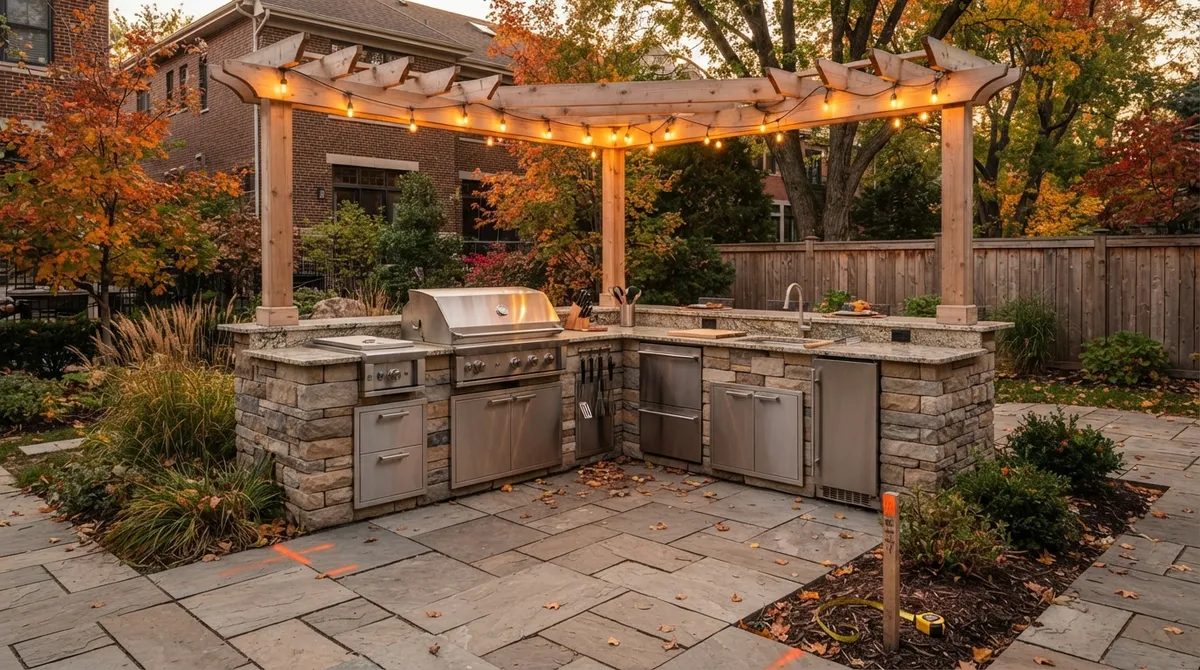
Think of your paver patio as the floor of an outdoor room. Add pergolas or pavilions for shade, incorporate seating walls for built-in furniture, and include lighting to extend usability into evening hours. These elements work together to create spaces you’ll use and enjoy throughout the seasons.
Environmental Benefits of Choosing Pavers
Beyond their beauty and durability, pavers offer environmental advantages that matter to eco-conscious homeowners and commercial property managers.
Permeable Paver Options
Permeable pavers allow water to filter through the surface into the ground below rather than running off into storm sewers. This reduces stress on municipal drainage systems, filters pollutants naturally, and helps recharge groundwater supplies.
Chicago and surrounding suburbs increasingly value permeable hardscaping solutions as part of stormwater management strategies. Some municipalities even offer incentives for installing permeable systems.
Reduced Urban Heat Island Effect
Light-colored pavers reflect more sunlight than dark asphalt, helping reduce urban heat island effects. This keeps your outdoor spaces more comfortable in summer while contributing to lower ambient temperatures in your neighborhood.
Long Lifespan Reduces Waste
The 50+ year lifespan of quality paver installations means less frequent replacement compared to other materials. When pavers do eventually need replacement, many types can be recycled or repurposed rather than ending up in landfills.
Commercial Applications for Pavers
While we’ve focused primarily on residential applications, pavers excel in commercial settings too. Business owners and property managers appreciate their combination of durability, aesthetics, and ease of maintenance.
Retail and Restaurant Spaces
Paver walkways and patios create inviting outdoor spaces that attract customers. They define outdoor seating areas, create attractive entrances, and withstand heavy foot traffic while maintaining their appearance.
Office and Industrial Properties
Corporate campuses use pavers for walkways, courtyards, and parking areas. They project professionalism while requiring minimal maintenance. The ability to access underground utilities by removing and replacing pavers makes them practical for properties with complex infrastructure.
Municipal and Institutional Projects
Parks, schools, and public spaces benefit from pavers’ durability and safety. Permeable pavers help manage stormwater, while slip-resistant surfaces keep pedestrians safe in all weather conditions.
Getting Started with Your Paver Project
Ready to transform your outdoor space with beautiful, durable pavers? Here’s how to begin your journey from vision to reality.
Planning Your Project
- Define your goals: What do you want to accomplish? Better curb appeal? Functional outdoor living space? Improved drainage?
- Set your budget: Determine how much you’re comfortable investing in your outdoor space
- Gather inspiration: Look at photos online, drive through neighborhoods, and note what appeals to you
- Consider timing: Spring and fall offer ideal installation conditions in Chicago, though summer projects work well too
- Research professionals: Look for experienced, certified installers with strong portfolios and positive reviews
Working with Professional Installers
The best paver projects result from collaboration between homeowners and experienced professionals. Share your vision and budget, then listen to their expertise about what works best for your specific property and Chicago’s climate.
At Serenity Landscape Group, we’ve completed hundreds of paver projects throughout the Chicago area over our 20+ years in business. We guide you through every decision—from choosing the right paver type and color to selecting patterns that complement your home’s architecture. Our proven process ensures your project stays on track and exceeds your expectations.
Conclusion: Transform Your Outdoor Space with Pavers
Pavers offer the perfect combination of beauty, durability, and versatility for Chicago-area outdoor spaces. Whether you’re creating a welcoming front entrance, a relaxing backyard patio, or a stunning driveway that makes your neighbors jealous, pavers deliver results that last decades while requiring minimal maintenance.
The investment you make in quality pavers and professional installation pays dividends for years to come—in increased property value, enhanced outdoor living, and the simple joy of having an outdoor space you absolutely love. From choosing the perfect color and pattern to understanding how pavers handle our challenging climate, you now have the knowledge to make confident decisions about your project.
Your dream outdoor space is closer than you think. We’d love to help you explore the possibilities and create something beautiful that you’ll enjoy for years to come. Request your free estimate today and discover how the Serenity difference can transform your property with stunning, durable pavers that stand the test of time.
FAQs
Q: How long do pavers typically last?
A: Quality pavers can last anywhere from 25 to 50 years or more when properly installed and maintained. Natural stone pavers often last even longer, sometimes 100 years or more. The key to longevity is professional installation with proper base preparation and regular basic maintenance like cleaning and occasional sealing.
Q: Do pavers crack like concrete?
A: Pavers are much less likely to crack than poured concrete because they’re individual units that can shift slightly with ground movement. If a paver does get damaged, you can simply replace that one piece without disturbing the surrounding area. This flexibility makes them ideal for Chicago’s freeze-thaw cycles.
Q: How much maintenance do pavers require?
A: Pavers are surprisingly low-maintenance! Regular sweeping and twice-yearly cleaning with soap and water or a pressure washer keep them looking great. You might want to reseal them every 2-3 years to protect against stains and enhance color, but this is optional. Pull any weeds that appear promptly to prevent root establishment.
Q: Can I install pavers myself or should I hire a professional?
A: While DIY paver installation is possible for small, simple projects, professional installation is strongly recommended for most applications. Proper base preparation, drainage, and installation techniques make the difference between a paver surface that lasts decades versus one that settles, shifts, or develops problems within a few years. Professional installers also have specialized equipment and understand local soil conditions.
Q: What’s the best type of paver for a driveway?
A: Concrete pavers are the most popular choice for driveways because they offer excellent strength, durability, and value. Look for pavers specifically rated for vehicular traffic with a minimum thickness of 2.5 inches. Herringbone or running bond patterns provide the best structural strength for supporting vehicle weight. Natural stone works beautifully too but costs significantly more.