Key Takeaways
-
Keep ordinary pavers and decorative stone away from open flames unless both the paver and fire pit manufacturer approve them, since intense heat can cause cracking, discoloring, or flaking.
-
Use only fire media explicitly approved for your fire pit, especially in gas burners; porous or damp river rock and gravel can trap water that turns to steam and makes the rock pop or fracture.
-
Build on a level, stable, noncombustible base such as patio blocks, brick, or concrete, and ensure good drainage to prevent shifting, joint opening, and moisture-related cracking.
-
Keep a fire pit at least 10 feet from anything that can burn, including mulch, plants, timber, fences, decks, and furniture, but always verify local code and your appliance manual for required distances.
-
Treat the manufacturer's manual as the primary guide for materials, spacing, air gaps, and venting, since following it protects both safety and your warranty.
-
Match each material to its heat zone (firebox, base, or surrounding patio) and remember that 'noncombustible' does not mean 'heatproof'.
There is nothing quite like a crackling fire on a cool Chicago evening. Friends gather, stories flow, and the whole yard feels warmer. But here’s the thing: the fire pit itself is only half the story. What sits underneath and around it matters just as much.
Choosing heat suitable materials around fire pits is one of the most important choices in any outdoor living project. The wrong stone can crack. The wrong base can scorch. And the wrong mulch bed nearby can turn a cozy night into a scary one.
The good news? Most of these problems are easy to avoid once you know what to look for. In this friendly guide, we’ll walk through 15 common mistakes homeowners and property managers make, and how to fix each one. Whether you’re a suburban homeowner planning a backyard retreat, a condo owner with a small patio, or a restaurant owner dreaming of a cozy dining spot, you’ll find simple, practical tips here.
Start With the Big Picture: Three Heat Zones
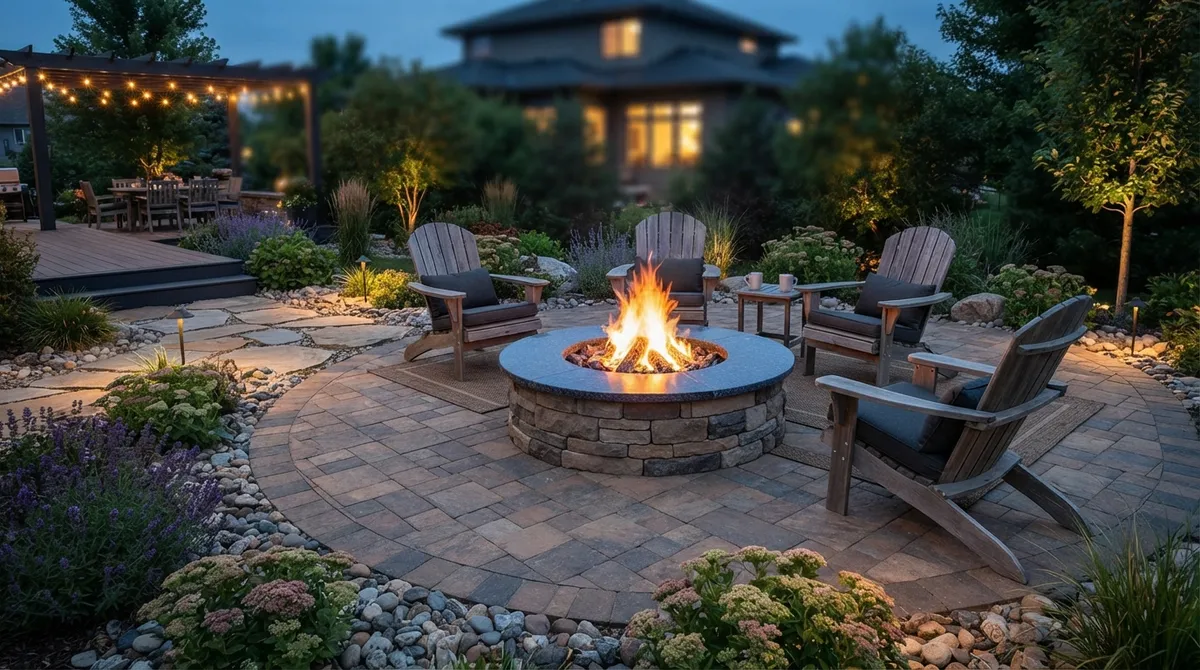
Before we dive into the mistakes, let’s set the stage. A fire pit area isn’t one big hot spot. It’s really three zones, and each one needs different materials.
- The firebox or burner: This is where the flames live. It faces direct, intense heat.
- The base under the unit: This surface sits right below the fire and takes heat from above and from the pit itself.
- The surrounding patio: This area deals with radiant heat, sparks, ash, and everyday weather.
A material that works well in zone three may not be safe in zone one. Keep this simple idea in mind as you read, and the rest will make a lot more sense.
| Zone | Heat Exposure | Typical Suitable Materials |
|---|---|---|
| Firebox / burner | Direct flame | Firebrick, manufacturer-approved refractory materials, metal liner |
| Base under the unit | High conducted and radiant heat | Noncombustible pad, concrete, or a base the pit maker approves |
| Surrounding patio | Radiant heat, sparks, ash | Concrete pavers, poured concrete, suitable natural stone |
Mistakes About the Firebox and Direct Flame
1. Putting Ordinary Pavers Right Against the Flame
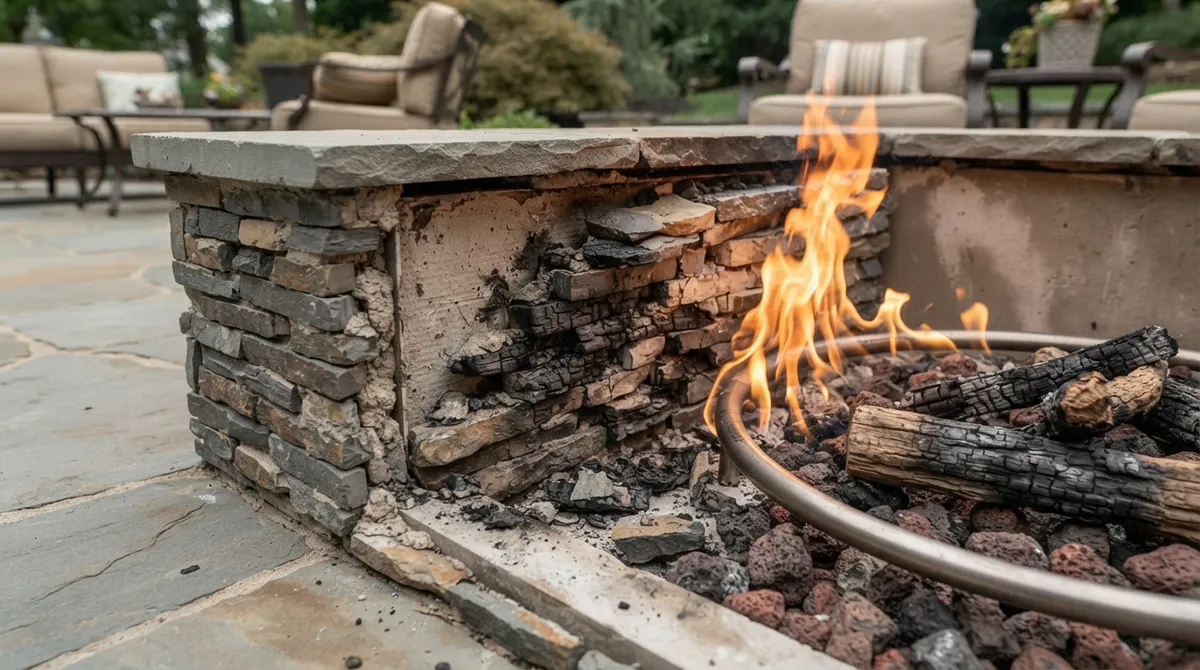
This is the big one. Regular patio pavers and decorative stone are not automatically safe for direct flame. Intense heat can cause cracking, discoloring, or flaking. Unless the product and the fire pit maker both approve it, keep open flames off ordinary pavers.
2. Skipping Firebrick or a Liner in a Masonry Pit
For surfaces that touch flames, use firebrick or other manufacturer-approved refractory materials. A properly specified metal liner or fire ring can also protect the masonry from the flame. Always follow the installation instructions for your system, including any required air gap.
3. Ignoring the Manufacturer’s Instructions
Every fire pit kit and burner system comes with its own rules. These cover materials, spacing, and venting. Treat that manual like your best friend. It beats any guess, and it protects your warranty too.
4. Using Random River Rock or Gravel in a Burner Area
Here’s a surprising one. Not all stone is heat safe. Porous or moisture-bearing rocks can trap water. When heated, that trapped water can turn to steam, and the rock can pop or even fracture. That’s why you should never use random river rock or gravel in a gas burner area. Use only fire media that is explicitly approved for your fire pit.
5. Assuming Every Stone Handles Heat the Same
Granite, limestone, sandstone, and other stones all react differently to heat and moisture. There is no single stone that is safe for every fire pit. Suitability depends on direct versus radiant heat, moisture, how the product is built, and what the maker specifies.
Mistakes About the Base and Foundation
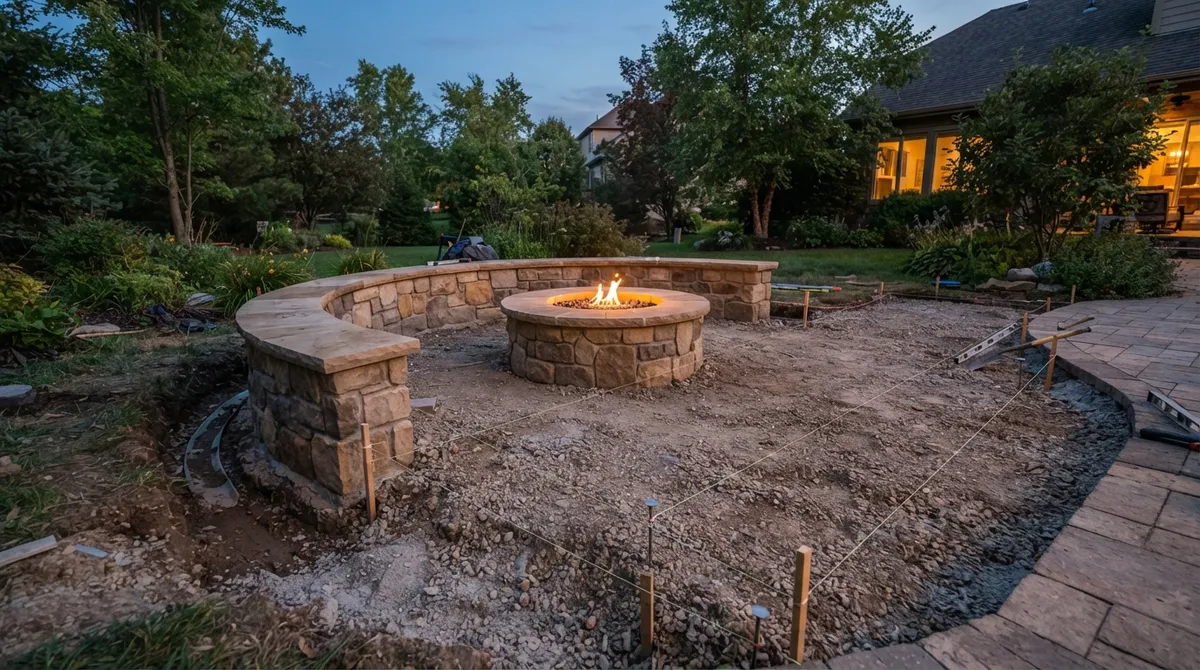
6. Building on an Uneven or Unstable Base
A fire pit needs a level, stable, noncombustible base. NFPA consumer guidance suggests a surface such as patio blocks, brick, or concrete. If the ground shifts, the pit can tilt, joints can open, and stress can build up in the stone. A solid base keeps everything steady. If you want to see how a proper base works in other projects, our guide on best base materials for turf installation shows the same “strong foundation first” thinking.
7. Forgetting About Drainage
Water is the quiet enemy of hardscape. Moisture trapped in stone or pavers can crack them when it heats up fast or freezes in winter. Good drainage helps reduce settling and moisture damage. In Chicago’s freeze-and-thaw climate, this step matters even more. Learn more about mistakes that cause water buildup in a fire pit before you build.
8. Setting a Flame Straight on a Plain Patio Surface
Even a lovely paver patio can discolor or spall under a hot pit. A fire-rated pad, liner, or a separate firebrick or gravel base can help protect the patio below. Just make sure whatever you choose works with your appliance. Our fire pit paver patio ideas show how to blend safety and style.
Mistakes About the Surrounding Patio
9. Thinking “Noncombustible” Means “Heatproof”
Concrete pavers, poured concrete, and suitable natural stone are common, smart choices around a pit. They won’t catch fire. But they can still crack, discolor, or spall if they face intense heat, fast temperature swings, or trapped moisture. Noncombustible is good. It just isn’t a magic shield.
10. Picking Materials Only for Looks
It’s easy to fall in love with a color or texture. But the best patio balances beauty with performance. If you’re weighing options, take a peek at concrete vs. natural stone to see how each one handles real-world wear. You can also explore how to choose pavers and stone for your outdoor space.
11. Overlooking Installation Quality
Even the right material fails if it’s installed poorly. Proper compaction, spacing, and edging make a huge difference. Look for pros who follow industry standards, such as installers certified through the ICPI Certified Installer program. For help picking a pro, see how to choose professional paver installation.
| Material | Best Use | Watch Out For |
|---|---|---|
| Firebrick | Inside the firebox, direct flame | Needs correct mortar and installation |
| Concrete pavers | Surrounding patio | Can discolor or crack near intense heat |
| Poured concrete | Base or patio | Can spall if moisture is trapped |
| Natural stone | Patio and seating walls | Porous types may crack when wet and hot |
| Approved fire media | Inside gas burners | Never swap in random gravel or river rock |
Mistakes About Clearance and Nearby Landscaping
12. Leaving Combustibles Too Close
Dry mulch, plants, timber edging, fences, decks, furniture, and low branches can all catch fire. NFPA consumer guidance recommends keeping a fire pit at least 10 feet from anything that can burn. But your local code and your appliance manual may require different or greater distances, so always check both. Some local documents list much smaller distances for specific systems, so never treat any single number as universal.
13. Using Mulch or Artificial Turf Too Close to the Pit
Mulch and many plants can burn. Artificial turf can melt under radiant heat or from a stray ember. Keep these softscape and turf areas well outside your required clearance zone. If you love the idea of a green yard next to a fire feature, plan the layout carefully. Our guide on artificial turf heat mistakes explains how heat affects synthetic lawns.
14. Forgetting Overhead Space
Heat rises, and so do sparks. Pergolas, pavilions, and tree branches above the pit can be a real risk. If you’re planning a covered gathering area, follow the clearance rules for your system and your town. Our pergola vs. pavilion comparison can help you pick the right structure and spot it safely.
15. Skipping Local Rules, Permits, and Safety Planning
Many towns have fire restrictions, permit rules, or setback requirements. A good landscape plan also considers wind, spark control, easy walkways, trip hazards, and quick access to gas shutoffs. NFPA guidance also suggests keeping kids and pets at least 3 feet from the fire. Before you build, check with your village or city, and let your landscaper know what you find.
Quick Checklist for Choosing Heat Suitable Materials
Here’s a simple way to keep it all straight. Before you finalize your design, run through these points:
- Match every material to its heat zone: flame, base, or patio.
- Use firebrick or approved refractory material where flames touch.
- Choose a level, noncombustible, well-drained base.
- Use only fire media approved for your burner.
- Keep mulch, plants, timber, and furniture outside the clearance zone.
- Check the appliance manual and local codes first.
How This Plays Out for Different Properties
Every property is different, so the best materials and layout can change.
Suburban homeowners often have room to spread out. That makes it easier to meet clearance rules and add seating walls. Just watch for HOA guidelines and local fire rules.
Urban condo owners with small patios or rooftops face tighter limits. Many buildings restrict open flame, so check your association rules before anything else. Gas units with approved media may be an option where allowed.
Commercial property managers and small business owners have extra duties. Guests, staff, and liability all come into play. Durable, low-maintenance hardscape and clear traffic paths matter a lot. See how pros think about this in our guide to commercial hardscape contractors.
New home builders can plan the fire feature from day one. That means building the right base, drainage, and clearances into the design instead of squeezing them in later.
Planning Ahead Saves Money
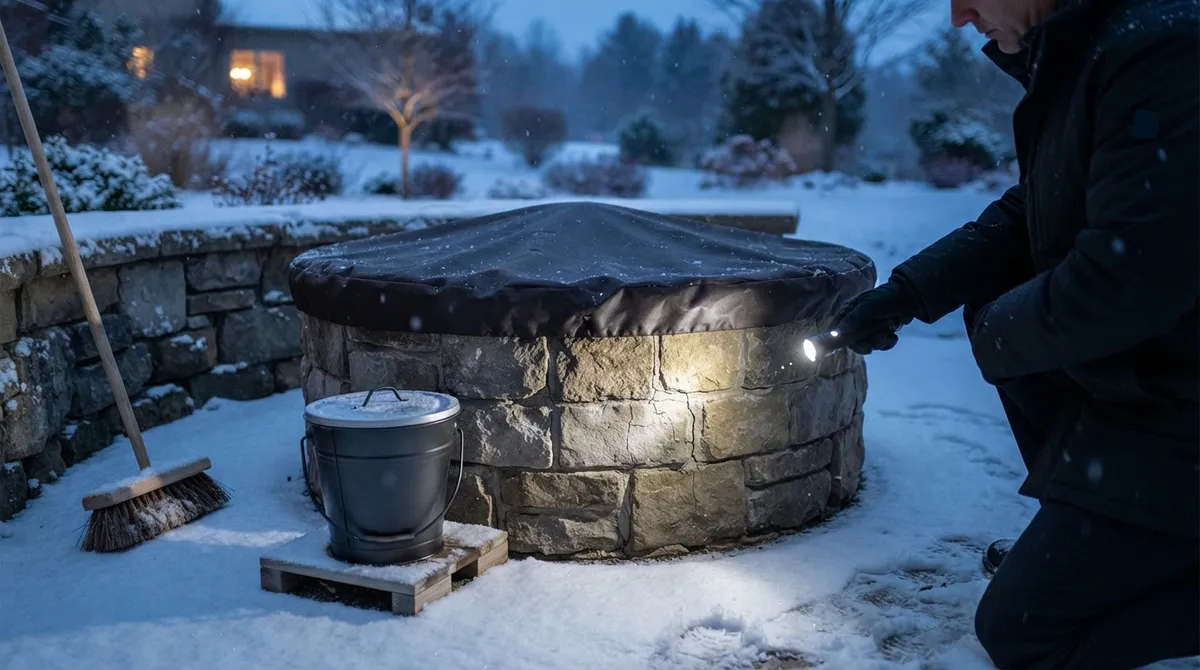
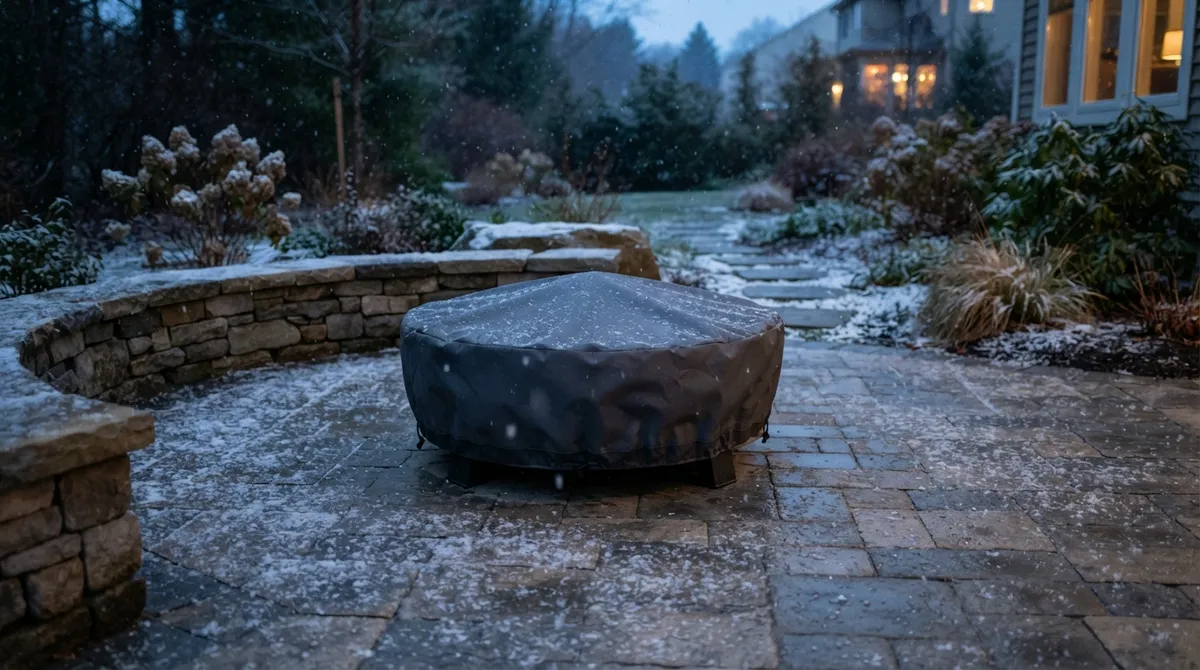
The right materials cost a little more up front. But they usually save you from cracked stone, scorched patios, and do-overs later. If you’re curious about budgeting, our breakdown of custom fire pit installation cost factors in 2026 can help. And once your pit is built, our tips on winter maintenance for masonry fire pits and choosing fire pit covers keep it looking great through the cold months.
It also helps to hire people who know the local landscape. Groups like Landscape Illinois are a helpful place to learn about industry standards and trusted professionals in our state.
Bring It All Together With a Plan
A fire pit is meant to bring people together, not cause worry. When you match each material to its heat zone, give the pit a stable base, keep combustibles away, and follow your manual and local rules, you set yourself up for years of cozy nights.
At Serenity Landscape Group, we’ve spent over two decades helping Chicago-area families and businesses design outdoor spaces that look beautiful and stay safe. From pavers and fire pits to lighting and seating, we plan the whole space so every piece works together. Ready to talk through your ideas? Get a Free Estimate today, or call us at (630) 359-5139 and let’s build a fire pit area you’ll love for years to come.
FAQs
Q: What is the best material to put under an outdoor fire pit?
A: A level, noncombustible base is the goal. Concrete, brick, or patio blocks are common choices, and a fire-rated pad or firebrick base can add extra protection. Always check that the base works with your fire pit’s instructions.
Q: Can I put a fire pit directly on concrete or pavers?
A: Sometimes, but not always. Ordinary pavers and concrete can crack, discolor, or spall under intense heat. Unless both the paver and the fire pit maker approve it, use a liner, pad, or protective base first.
Q: Which stones are safe to use around a fire pit?
A: Noncombustible stone works well for the surrounding patio, but not every stone is safe near direct flame. Porous or damp rocks can pop when heated, so use only fire media approved for your pit, especially in gas burners.
Q: How far should a fire pit be from my house, fence, or plants?
A: NFPA consumer guidance suggests at least 10 feet from anything that can burn. Your local code and appliance manual may call for a different or larger distance, so check those first.
Q: Can I use mulch or artificial turf near a fire pit?
A: It’s best to keep both outside the required clearance zone. Mulch can burn and artificial turf can melt from heat or embers. Plan your layout so these softscape areas sit safely away from the pit.