Key Takeaways
-
Premium artificial turf with heat-reducing yarn technology can be up to 20% cooler than standard synthetic grass in direct sunlight, making it the single most important choice for managing heat in Chicago.
-
Choose cool-friendly infill materials like silica sand, cork, or acrylic-coated sand instead of black crumb rubber, which absorbs and traps heat significantly more than alternatives.
-
Simple cooling methods like hosing down turf before outdoor activities or installing shade structures (pergolas, pavilions, shade sails) dramatically reduce surface temperatures during peak summer heat.
-
Professional installation is essential to avoid heat-trapping air pockets and ensure proper base preparation for drainage and airflow, which DIY installations often miss.
-
Light-colored, heat-reflective pavers surrounding turf areas reduce radiant heat buildup, while regular maintenance like brushing and rinsing keeps infill evenly distributed for better airflow.
-
Modern artificial turf stays comfortable and functional through Chicago’s demanding climate (15-20 year lifespan) when quality products are selected and simple maintenance routines are followed.
If you’ve been thinking about installing artificial turf in your Chicago yard, you’ve probably wondered: does artificial turf get hot in Chicago? It’s one of the most common questions we hear from homeowners, condo owners, and commercial property managers alike. And honestly, it’s a great question worth unpacking. Chicago summers can be brutal — humid, sunny, and relentless. So it makes total sense to ask whether synthetic grass will turn your backyard into a skillet.
The short answer? Yes, artificial turf can get warm in direct sunlight. But here’s the good news: modern turf technology has come a long way. With the right product and proper installation, artificial turf stays comfortable and functional even during Chicago’s hottest days. The key is knowing what mistakes to avoid so your turf stays cool, green, and enjoyable all summer long. Let’s walk through the nine biggest heat-related mistakes Chicago homeowners make with artificial turf — and how to steer clear of every one of them.
Why Artificial Turf Heat Is a Real Concern in Chicago
Chicago’s climate is unpredictable, to say the least. Winters are freezing, springs are wet, and summers can be hot and humid. Natural grass struggles in these conditions — it goes brown, needs constant watering, and demands endless maintenance. That’s why so many Chicago homeowners are turning to artificial turf installation as a smart, low-maintenance alternative.
However, artificial turf does absorb heat differently than natural grass. On a hot, sunny Chicago afternoon, synthetic grass can feel warmer underfoot than you might expect. The good news is that this is largely preventable with the right choices. Understanding the common mistakes will save you discomfort — and money.
Mistake 1: Choosing Low-Quality Turf Products
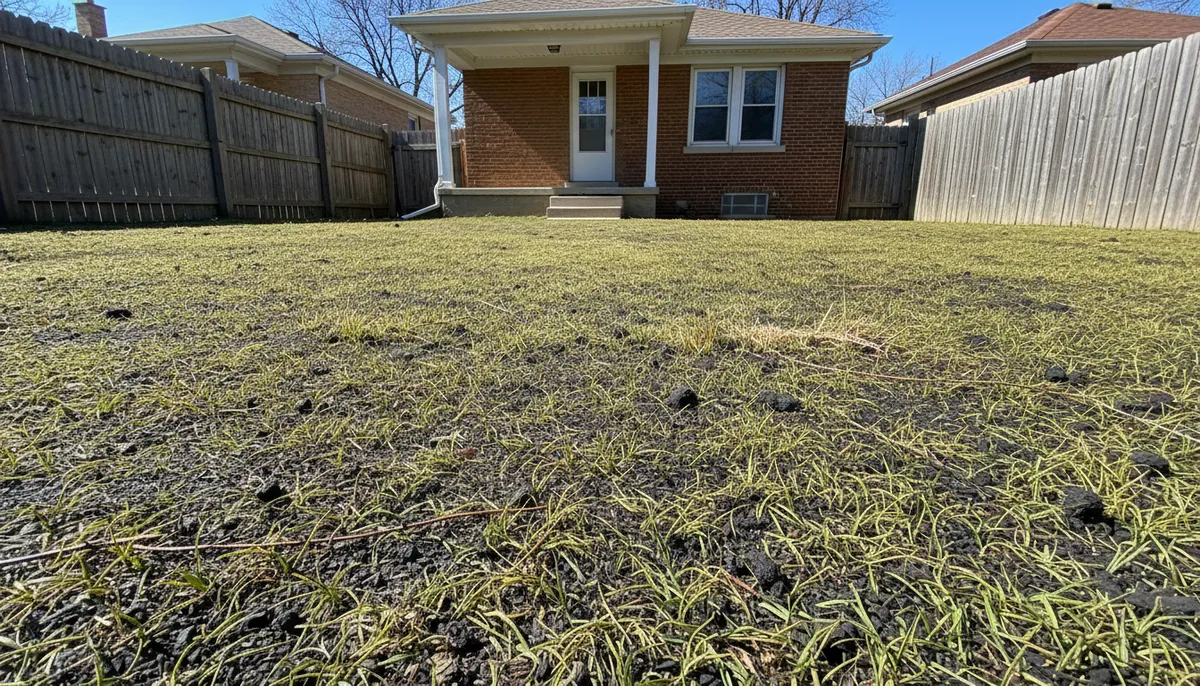
Not all artificial turf is created equal. Cheaper products tend to absorb significantly more heat than premium options. High-quality turf uses specialized yarns engineered to reduce heat absorption — some advanced products are up to 20% cooler in direct sunlight compared to standard synthetic grass.
When shopping for turf, ask your landscaper specifically about heat-reducing yarn technology. This single choice can make a dramatic difference in surface temperature during Chicago summers. Don’t let price alone guide your decision — comfort and longevity matter far more in the long run.
Mistake 2: Skipping the Right Infill Material
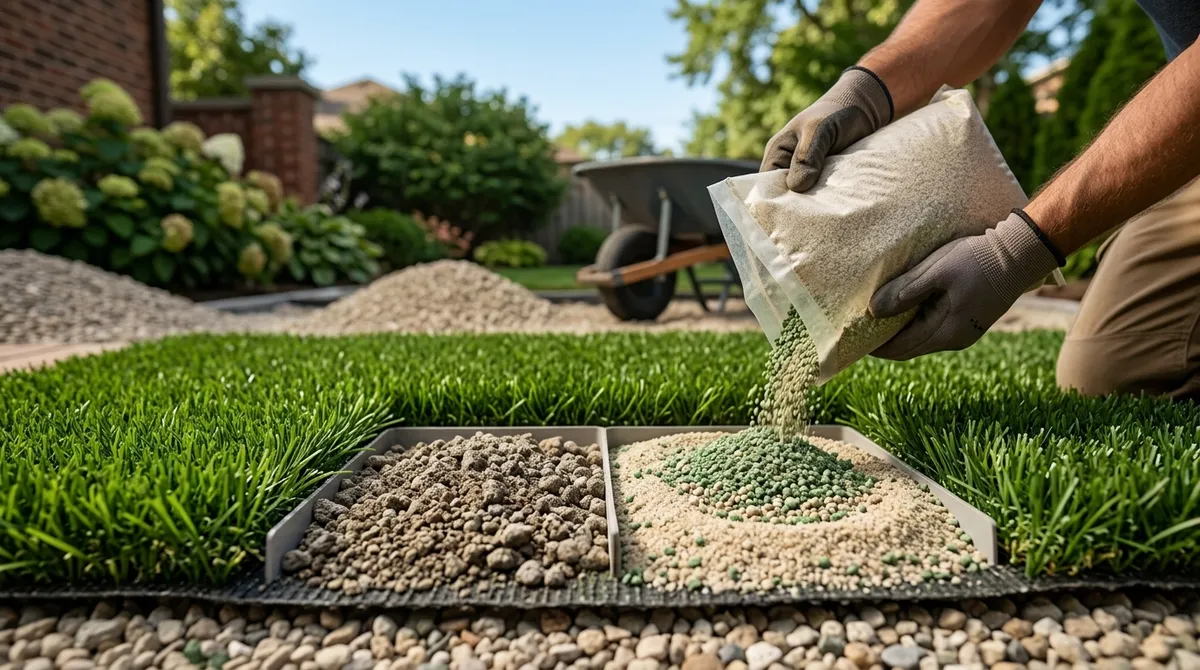
The infill material sitting between your turf fibers plays a huge role in heat management. Standard black crumb rubber infill is notorious for absorbing and retaining heat. It can make your turf feel uncomfortably hot on sunny days.
Better alternatives include:
- Silica sand infill — naturally cooler and widely used
- Cork infill — eco-friendly and heat-resistant
- Acrylic-coated sand — reflects rather than absorbs heat
- Zeolite infill — also helps neutralize odors
Talk to your landscaping professional about which infill works best for your specific Chicago climate conditions and how your space will be used.
Mistake 3: Installing Turf Without Shade Planning
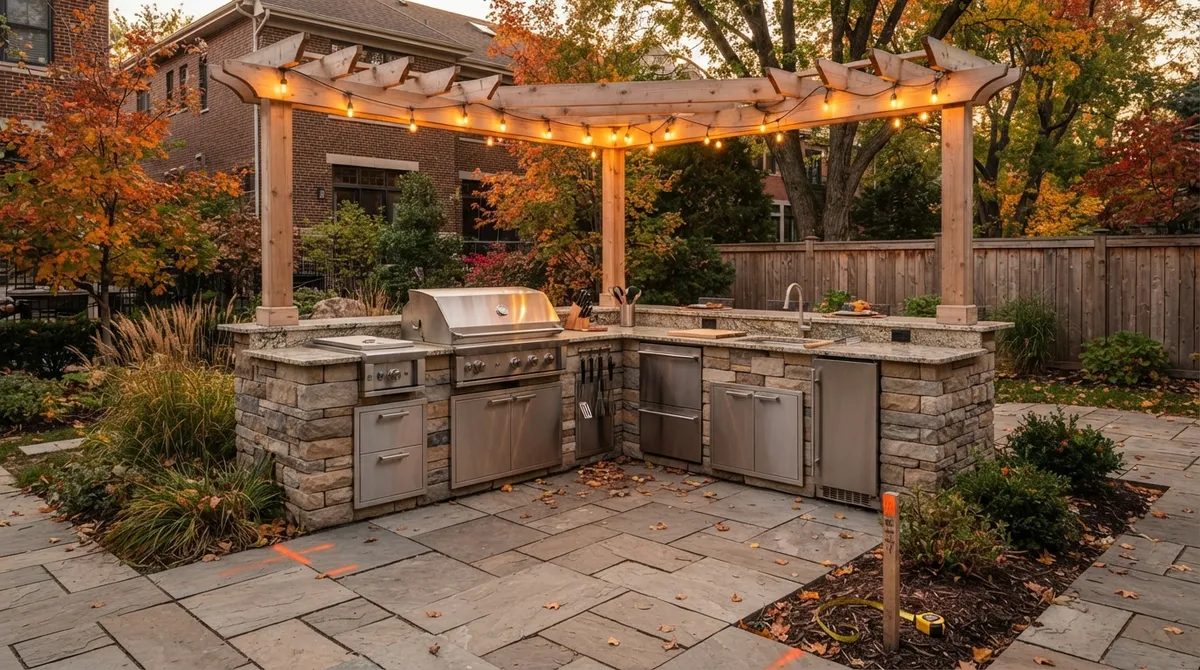
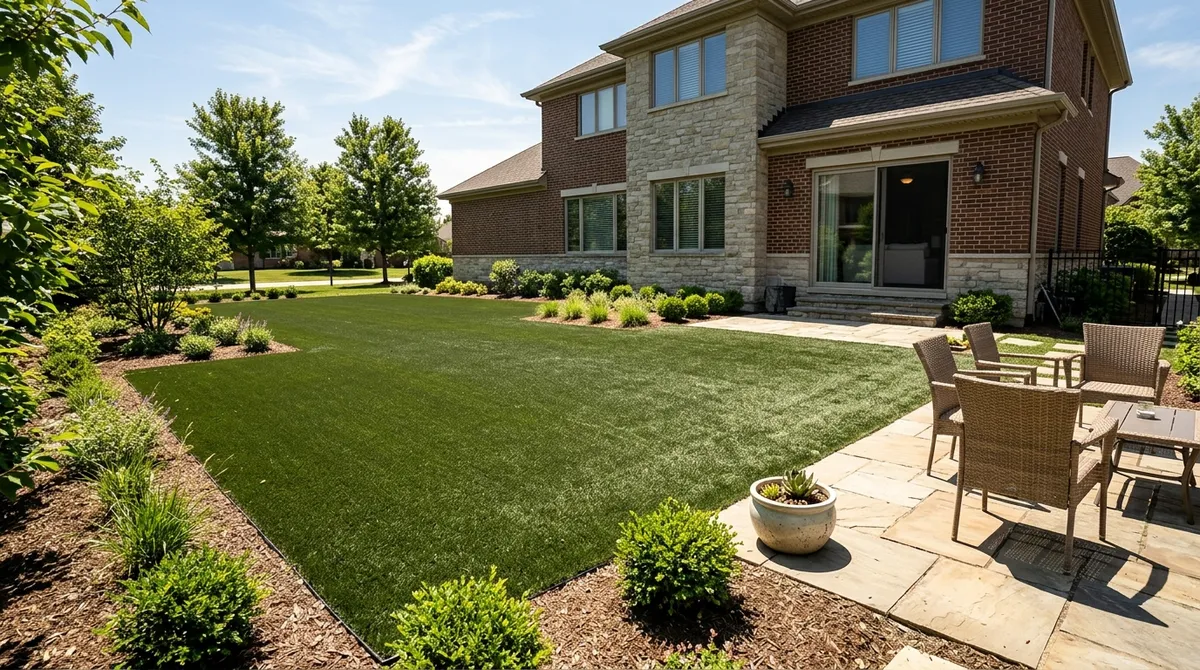
One of the simplest ways to keep artificial turf cool is shade. Yet many homeowners install turf in fully exposed areas without considering how to shade the space. A pergola or pavilion over part of your outdoor space can dramatically reduce surface temperatures on your turf.
Strategic shade planning should be part of every turf installation conversation. Trees, shade sails, pergolas, and pavilions all help keep synthetic grass cooler during peak sun hours. This creates a more comfortable outdoor environment for kids, pets, and guests.
Mistake 4: Ignoring Turf Orientation and Layout
The direction your turf faces and how it’s laid out across your property affects how much direct sun it receives. South-facing and west-facing surfaces receive the most intense afternoon sunlight in Chicago — exactly when temperatures peak.
Here’s what smart layout planning looks like:
- Map your yard’s sun exposure across morning, midday, and afternoon hours
- Identify spots that receive shade from buildings, fences, or trees
- Position high-traffic turf areas in naturally shadier zones where possible
- Discuss orientation options with your landscape designer before installation
Taking this step seriously can reduce average surface temperatures significantly without any additional investment.
Mistake 5: Forgetting Simple Cooling Tricks
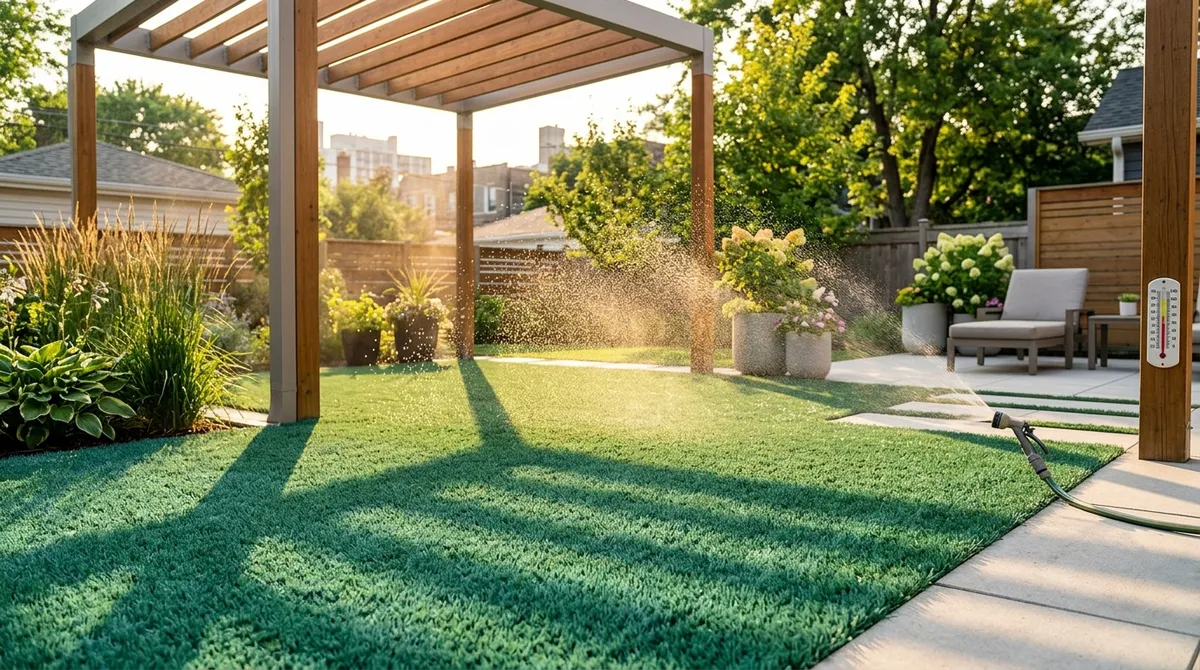
Many Chicago homeowners don’t realize how easy it is to cool down artificial turf when needed. A simple rinse with a garden hose can drop surface temperatures quickly and dramatically. This is especially helpful on the hottest summer days before kids or pets go out to play.
Quick cooling methods that really work include:
- Hosing down the turf surface before outdoor activities
- Misting systems installed around the perimeter
- Watering early morning to maintain cooler temperatures longer
- Using shade structures during peak afternoon heat
These simple habits make a real difference in usability during Chicago’s hottest months.
Mistake 6: Assuming All Chicago Climates Are the Same
Chicago’s suburbs and urban neighborhoods experience slightly different microclimates. Urban condo rooftop installations, for example, face far more intense heat than a shaded suburban backyard. Urban heat island effects can make rooftop synthetic grass significantly warmer.
Interestingly, artificial turf has found a strong foothold on Chicago rooftops — in fact, over 50,000 square feet of artificial grass has been installed on rooftops across the city. Rooftop installations require extra heat-management planning, including choosing the most heat-resistant turf products and adding shade structures where possible.
Artificial Turf vs. Natural Grass: A Chicago Climate Comparison
It helps to see the full picture when comparing your options for Chicago’s challenging climate. Check out this quick comparison:
| Feature | Artificial Turf | Natural Grass |
|---|---|---|
| Summer Heat | Warm in direct sun; manageable with cooling methods | Cooler surface; but browns and dies in heat/drought |
| Winter Durability | Withstands freezing temps; bounces back in spring | Dormant in winter; risk of damage and bare patches |
| Maintenance | Sweep, spray, sanitize — minimal effort | Mow, water, fertilize, aerate — high effort |
| Lifespan | 15–20 years with proper installation | Ongoing replanting and reseeding required |
| Water Use | Nearly zero once installed | High — especially in hot Chicago summers |
| Year-Round Appearance | Stays green in all seasons | Brown in drought, dormant in winter |
As you can see, artificial turf wins on most practical fronts for Chicago’s demanding climate. The heat factor is real but absolutely manageable with the right approach. For guidance on creating a complete outdoor plan, learning how to create a landscape design that transforms your space is a great starting point.
Mistake 7: Neglecting Surrounding Hardscape Choices
Your turf doesn’t exist in isolation. The hardscape surfaces surrounding it — patios, walkways, driveways — can actually radiate heat back onto your synthetic grass, making it feel hotter. Dark concrete and certain stone surfaces absorb a lot of heat and then release it, warming everything nearby.
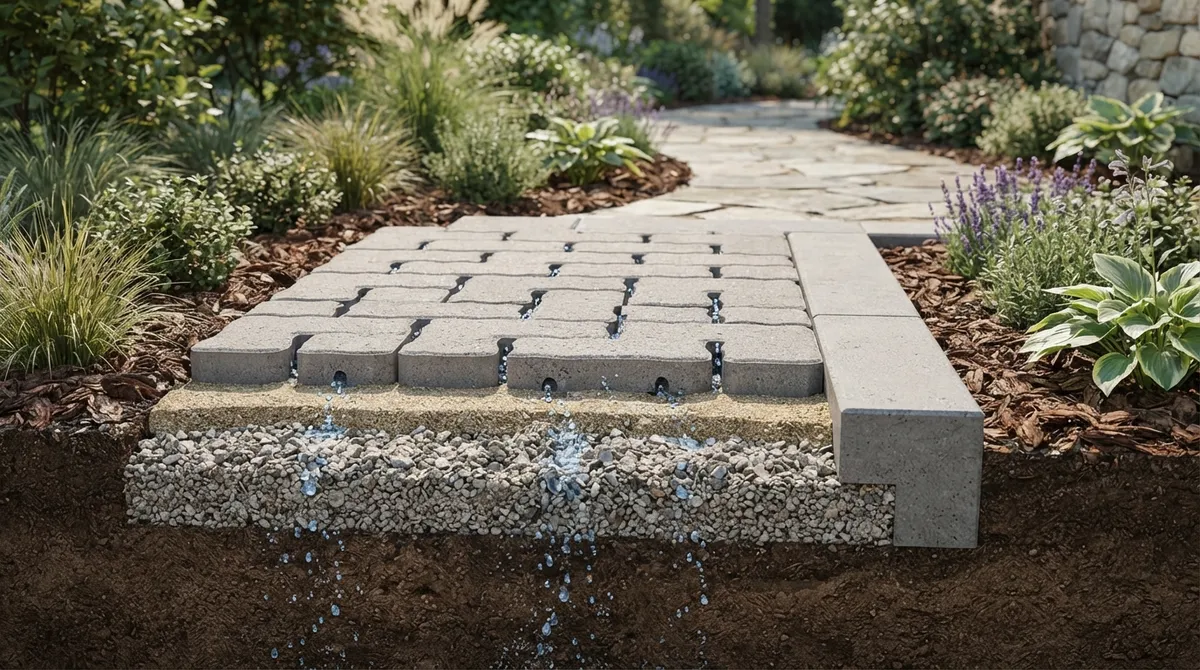
Choosing lighter-colored, heat-reflective pavers around your turf area can help reduce this effect. Permeable pavers are especially effective because they allow heat to dissipate rather than build up. This is a detail that professional landscape designers think about — and it makes a noticeable difference in outdoor comfort. You can also explore how landscape pavers are the best choice for Chicago homes to better understand your options.
Mistake 8: Skipping Professional Installation
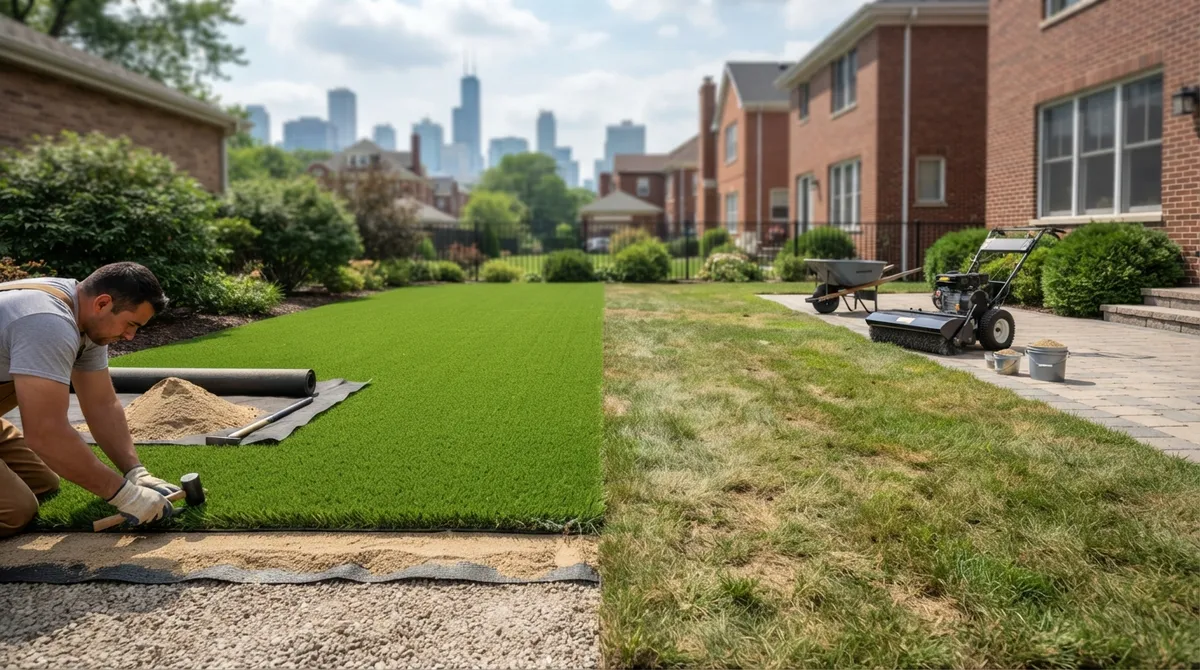
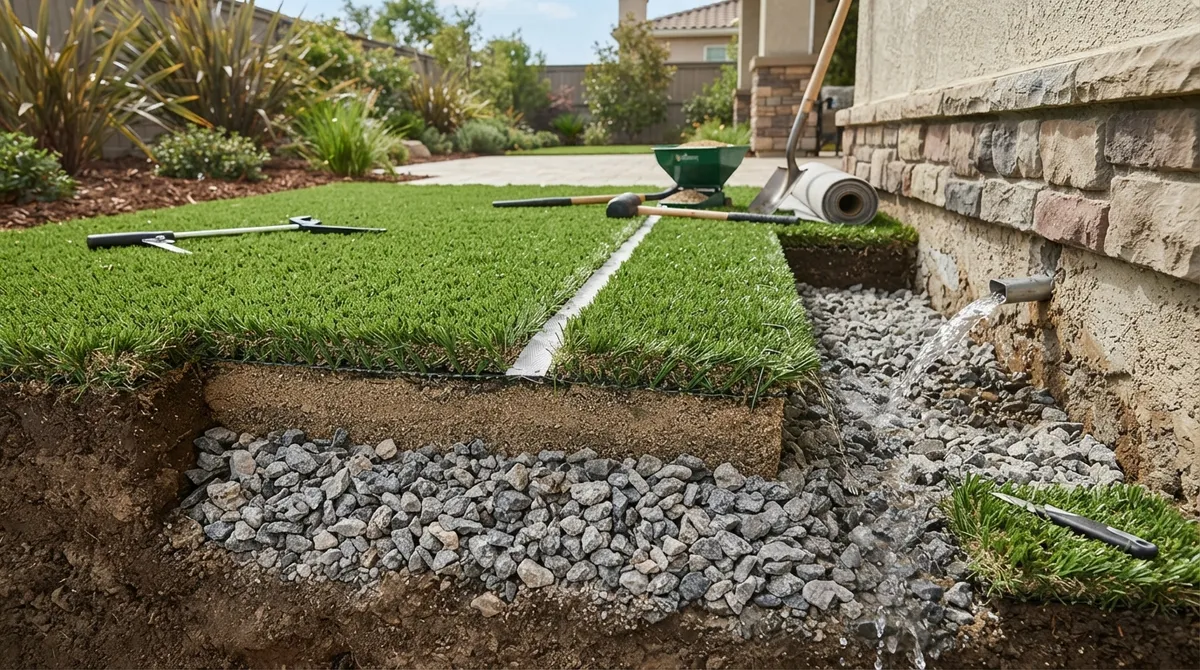
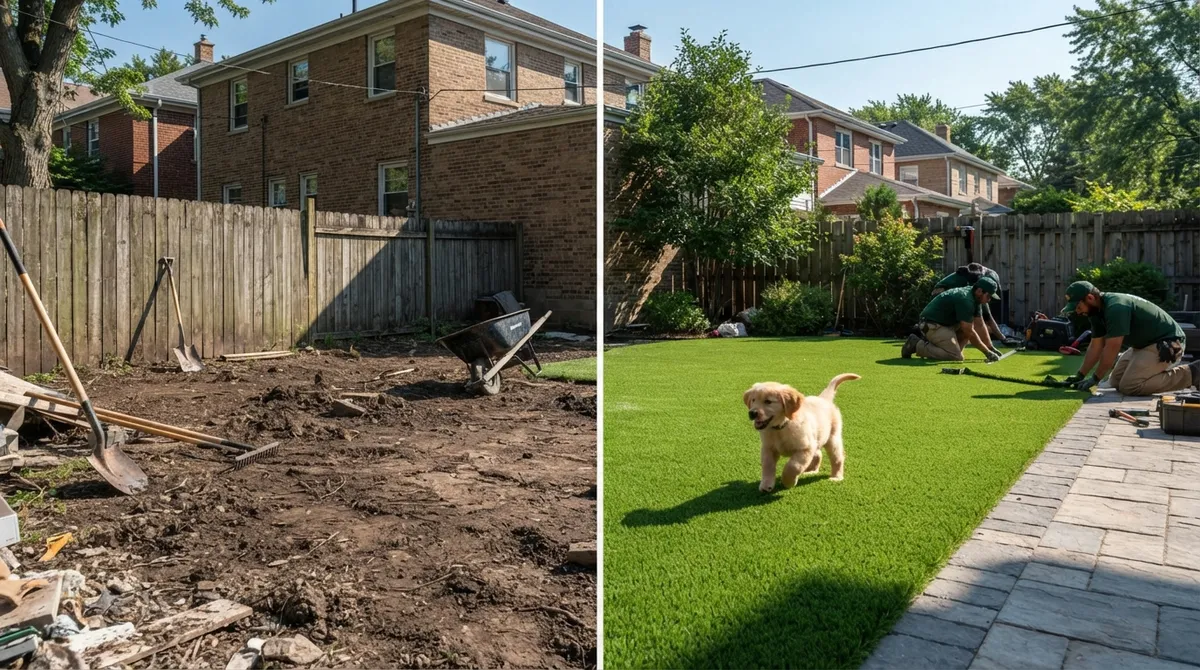
DIY turf installation might seem tempting, but improper installation can worsen heat problems. If the base isn’t prepared correctly, drainage is poor, and heat can become trapped underneath the turf. This not only makes the surface hotter but can also shorten the lifespan of your investment.
Here’s what professional installation includes that DIY often misses:
- Proper sub-base preparation for drainage and airflow
- Expert selection of heat-appropriate turf and infill products
- Correct seaming and securing to prevent heat-trapping air pockets
- Integration with surrounding landscape features for cohesive design
At Serenity Landscape Group, our team brings over 20 years of Chicago-area experience to every installation. We know how to set up your turf so it performs beautifully through every season — and stays as cool as possible in summer. You’re welcome to browse our gallery of our work to see what’s possible.
Mistake 9: Not Asking About Long-Term Maintenance
Artificial turf is low maintenance — but it’s not zero maintenance. Neglecting basic upkeep can affect how your turf manages heat over time. Debris like leaves and dirt can clog the infill and reduce airflow, which increases surface temperatures.
A simple maintenance routine keeps your turf in great shape:
- Brush or sweep regularly to keep fibers upright and infill evenly distributed
- Rinse with water to remove dust and debris
- Sanitize as needed, especially for pet areas
- Inspect for any areas where infill has shifted or compacted
Compared to the demands of natural grass in Chicago’s unpredictable weather, this routine is refreshingly simple. And it keeps your turf looking great and feeling comfortable for its full 15- to 20-year lifespan.
Heat-Resistant Turf: What to Look for in Chicago
When selecting artificial turf for a Chicago property, keep this checklist in mind:
| Feature | Why It Matters for Chicago Heat |
|---|---|
| Heat-reducing yarn technology | Can reduce surface temps by up to 20% in direct sunlight |
| Cool-friendly infill material | Avoids heat-trapping black rubber; keeps surface comfortable |
| UV-stabilized fibers | Prevents fading and degradation from Chicago’s intense summer sun |
| Proper drainage design | Allows airflow and prevents heat buildup underneath |
| Long warranty | Indicates product quality and manufacturer confidence |
Industry resources like Landscape Illinois are a great place to research landscaping standards and best practices for the Illinois climate. Consulting with a certified professional, such as an ICPI Certified Installer, can also ensure your hardscape and turf work together efficiently.
Is Artificial Turf Worth It for Chicago Homeowners?
Absolutely — when installed correctly. Chicago’s climate actually makes artificial turf a smarter choice than many people realize. Natural grass struggles in the city’s summer heat, freezing winters, and inconsistent rainfall. Synthetic grass, on the other hand, stays green and beautiful year-round with minimal effort.
The heat concern is real but manageable. Think of it this way: quality artificial turf gets warm, not scorching. With proper product selection, shade planning, and simple cooling habits, your turf will be comfortable and enjoyable throughout the season. Whether you’re a suburban homeowner looking to upgrade your backyard, an urban condo owner adding a rooftop retreat, or a commercial property manager improving curb appeal, artificial turf delivers tremendous value.
You might also want to explore complementary outdoor features like fire pits for cooler evenings, outdoor lighting and sound for ambiance, or softscapes to blend lush greenery with your turf installation for a truly complete outdoor space.
Ready to Make the Switch to Artificial Turf?
Now that you know the nine mistakes to avoid, you’re well-equipped to make a smart, confident decision about artificial turf for your Chicago property. The key takeaways are simple: choose quality products, plan for shade, pick the right infill, and always work with experienced professionals who understand Chicago’s unique climate demands.
Want to see how the whole process works? Explore our landscape design and installation process to understand exactly what to expect from start to finish. We’d love to help you create an outdoor space you’ll enjoy all year long — without the heat worries.
Ready to transform your outdoor space? Request your free estimate today and let our team design a beautiful, cool, and low-maintenance landscape you’ll love for years to come.
FAQs
Q: How hot does artificial turf actually get in Chicago summers?
A: Great question! Quality artificial turf gets warm in direct sunlight, but modern turf with heat-reducing yarn technology can be up to 20% cooler than standard synthetic grass. Think of it as warm and comfortable rather than scorching — and a quick rinse with a garden hose cools it down fast!
Q: Can artificial turf handle Chicago’s extreme winters as well as the hot summers?
A: Absolutely! One of the best things about synthetic grass is its year-round resilience. It withstands Chicago’s freezing winters without going dormant or dying, then bounces right back looking green and fresh when spring arrives. It truly is a four-season solution for Chicago properties.
Q: What type of infill is best for keeping artificial turf cool in Chicago?
A: We recommend avoiding black crumb rubber infill, which absorbs and holds heat. Instead, look for silica sand, cork, or acrylic-coated sand infills — these options stay significantly cooler in direct sunlight and make a noticeable difference in comfort on hot Chicago summer days.
Q: How long does artificial turf last in Chicago’s climate?
A: With proper installation and basic maintenance, quality artificial turf lasts 15 to 20 years even in Chicago’s challenging climate. That means one investment gives you decades of green, beautiful, low-maintenance outdoor space through Chicago winters, springs, and summers alike!
Q: Is artificial turf a good choice for Chicago rooftop or small urban spaces?
A: Yes! Artificial turf is actually a fantastic option for urban rooftop installations and compact city spaces. Over 50,000 square feet of synthetic grass has been installed on Chicago rooftops already. Just make sure you choose heat-resistant products and consider adding shade structures for maximum comfort during summer.