Key Takeaways
-
Choose native and adapted plants that thrive in your specific climate and soil conditions to minimize maintenance, pest problems, and replacement costs while supporting local wildlife.
-
Assess your space thoroughly by documenting sun exposure patterns, soil drainage, existing features, and microclimates before making any design decisions to ensure plant and hardscape placement succeeds.
-
Design outdoor spaces as distinct functional ‘rooms’ with clear purposes—dining areas, lounging spaces, play zones—connected by obvious pathways that guide natural movement through the landscape.
-
Layer hardscape elements strategically with patios, walkways, and structures positioned near the house for entertaining and functionality while considering sun exposure and traffic flow patterns.
-
Plan year-round visual interest by combining evergreens for winter structure, spring bulbs, summer bloomers, and ornamental grasses that provide color and texture through all four seasons.
-
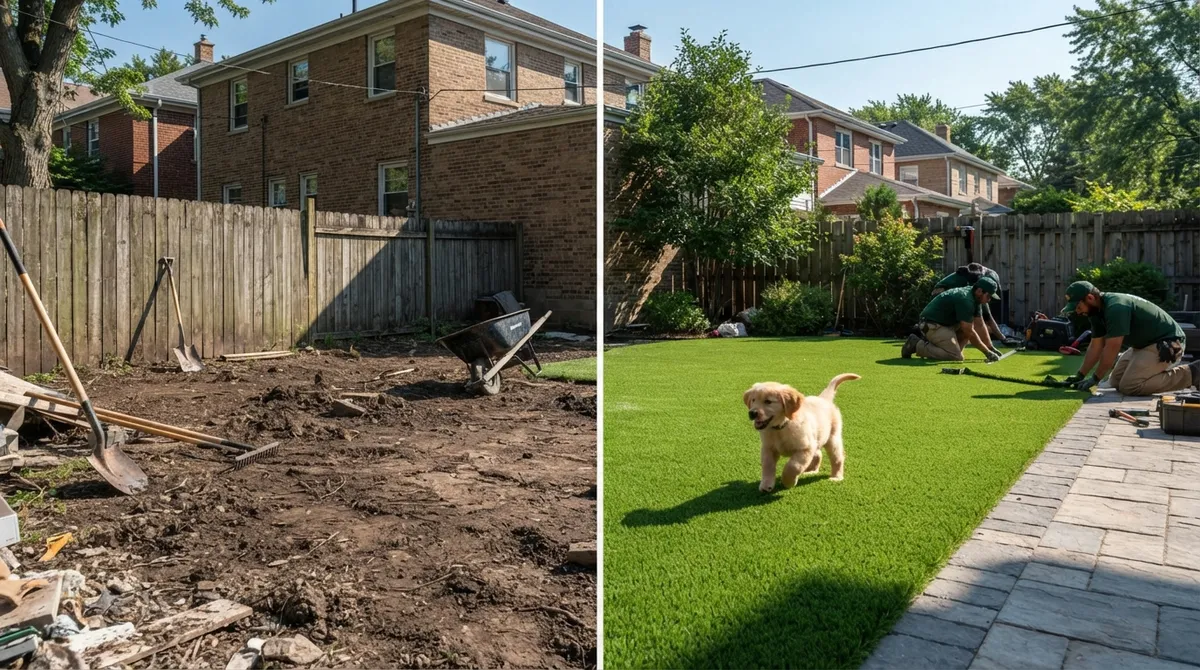
Phase your landscape design over multiple years to spread costs while maintaining a cohesive long-term vision, starting with foundational elements like grading before adding plantings and features.
-
Incorporate strategic lighting with layered path lights, uplights, and accent lights to extend usability into evening hours, improve safety, and highlight key landscape features.
-
Balance aesthetic goals like curb appeal with practical needs such as privacy, low maintenance, play areas, or drainage solutions to create landscapes that work for your lifestyle.
Creating a beautiful outdoor space starts with thoughtful landscape design. Whether you’re a homeowner looking to boost curb appeal or a business owner wanting to attract more customers, the right landscape design can completely transform how people experience your property. Think of landscape design as the blueprint for your outdoor living area—it maps out where plants, pathways, patios, and other features will go to create a cohesive and functional space you’ll love for years to come.
The process might seem overwhelming at first, but breaking it down into simple steps makes it manageable and even enjoyable. You don’t need to be a professional to understand the basics, and knowing what goes into great landscape design helps you make smart decisions about your property. In this guide, we’ll walk you through everything from assessing your space to choosing plants and hardscape features that work together beautifully.
At Serenity Landscape Group, we’ve spent over two decades helping Chicago-area residents and businesses create outdoor spaces that blend beauty with functionality. We’ve seen firsthand how proper planning and design can turn even the most challenging yards into peaceful retreats and welcoming commercial spaces. Let’s explore how you can achieve the same results for your property.
Understanding the Basics of Landscape Design
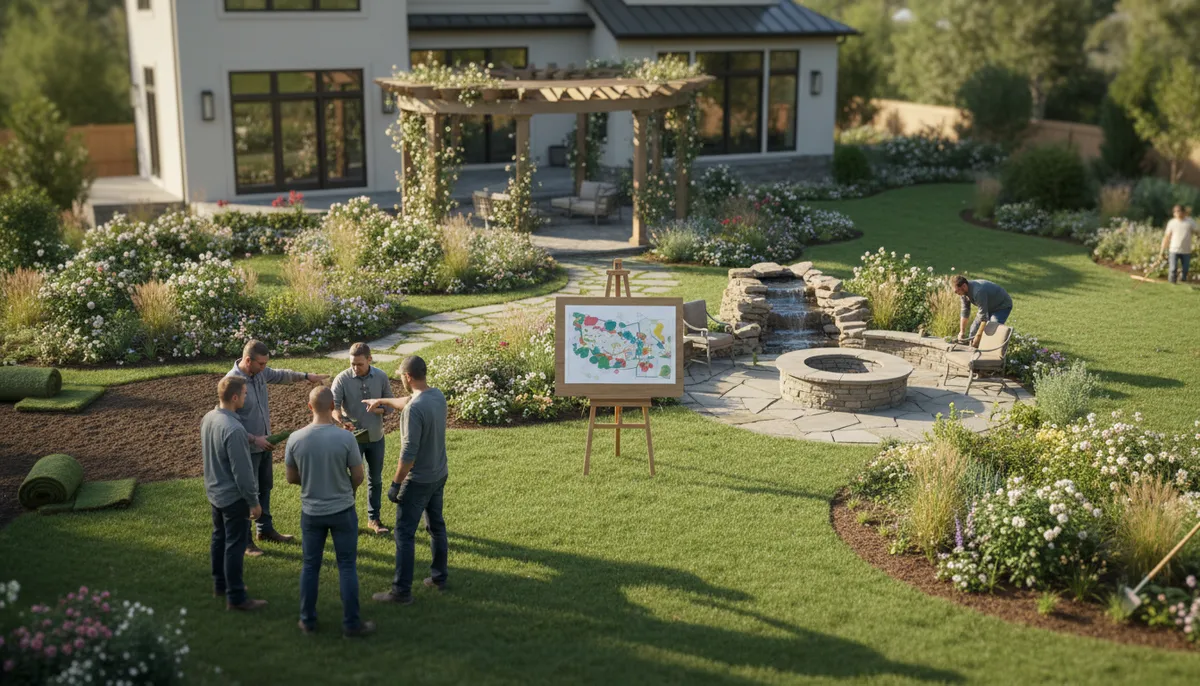
Before you start digging or planting anything, it’s important to understand what landscape design actually involves. At its core, landscape design is the art and science of arranging outdoor elements to create attractive and functional spaces. This includes everything from selecting plants and trees to planning pathways, patios, lighting, and water features.
Good landscape design considers both aesthetics and practicality. You want your outdoor space to look beautiful, but it also needs to work for your lifestyle. Maybe you need a play area for kids, a space for entertaining guests, or low-maintenance plantings because you’re busy running a business. The best designs balance these needs with visual appeal.
Three key principles guide professional landscape design:
- Unity: All elements should work together to create a cohesive look, using repeated colors, textures, or shapes throughout the space
- Balance: Visual weight should be distributed evenly, whether through symmetrical arrangements or varied plantings that feel harmonious
- Proportion: Elements should relate to each other and the overall space in size and scale, avoiding features that overwhelm or get lost
Think about your landscape as outdoor rooms. Just like you wouldn’t randomly place furniture in your house, outdoor elements need intentional placement. A well-designed landscape guides people through the space, creates focal points that draw the eye, and provides areas for different activities.
Assessing Your Current Outdoor Space
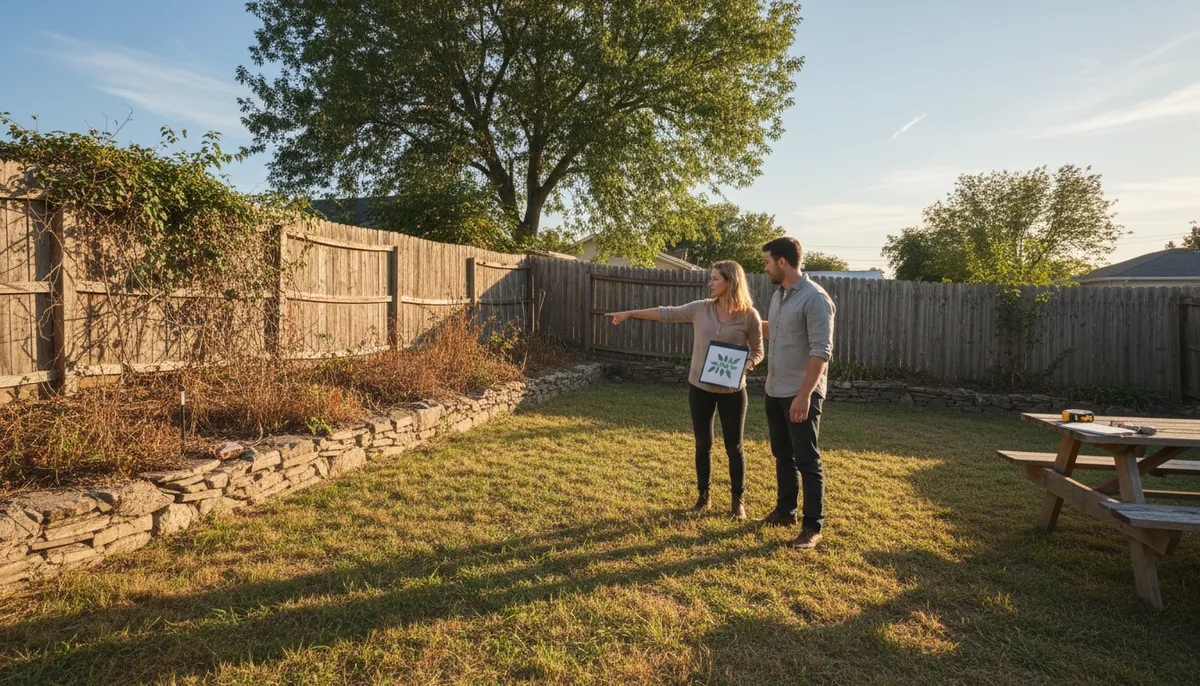
The first practical step in creating your landscape design is thoroughly evaluating what you’re working with. Grab a notebook and spend time in your yard at different times of day. Notice where the sun hits in the morning versus afternoon, where shadows fall, and which areas stay wet after rain.
Start by measuring your property and sketching a rough map. You don’t need to be an artist—simple shapes and measurements work fine. Mark existing features like trees, structures, slopes, and utility lines. Also note where water drains and which areas have the best soil.
Key Elements to Document
- Sun exposure patterns throughout the day
- Soil type and drainage conditions
- Existing plants, trees, and structures you want to keep
- Problem areas like erosion, poor drainage, or dead spots
- Views you want to highlight or hide
- How you currently use the space and how you’d like to use it
Pay attention to microclimates on your property. That sunny south-facing wall creates a warmer spot perfect for heat-loving plants, while the shady north side might need different selections. Understanding these variations helps you place plants where they’ll thrive naturally, reducing maintenance down the road.
Chicago’s climate presents unique challenges with cold winters, humid summers, and clay-heavy soil common in many areas. If you’re dealing with slopes, poor drainage, or other tricky conditions, professional input can save you time and money. The team at Serenity Landscape Group has tackled every type of property challenge in the greater Chicago area, from tiny urban lots to sprawling suburban yards.
Defining Your Landscape Goals and Budget
Once you understand your space, it’s time to get clear about what you want to achieve. Different properties have different needs. A family home might prioritize play areas and privacy, while a commercial property focuses on curb appeal and low maintenance.
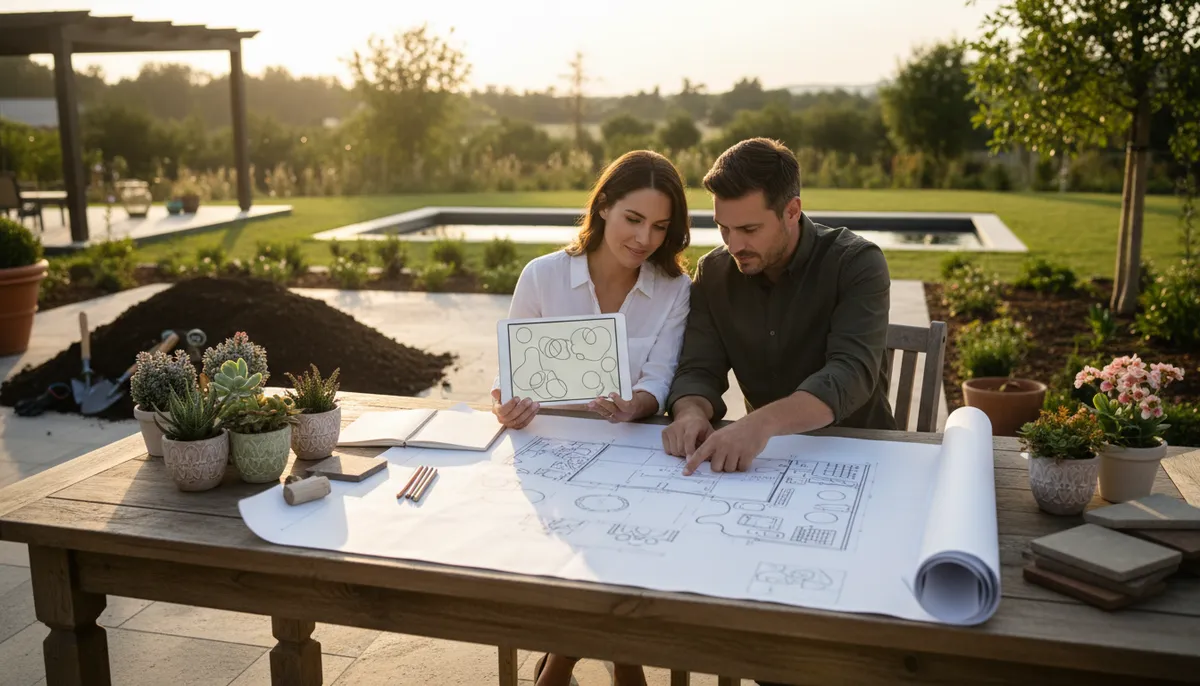
Write down your top priorities. Do you want to increase your home’s value? Create an entertaining space? Reduce lawn maintenance? Improve privacy from neighbors? Having clear goals helps you make decisions when you face choices about where to invest your resources.
Common Landscape Design Goals
- Boosting curb appeal and property value
- Creating outdoor entertaining and dining areas
- Adding privacy screening from neighbors or streets
- Reducing water usage and maintenance requirements
- Attracting wildlife like birds and butterflies
- Improving drainage and erosion control
- Extending usable outdoor living space
Budget plays a huge role in landscape design. Professional installations range widely depending on scope, materials, and features. A basic refresh with new plantings might cost a few thousand dollars, while comprehensive designs with pavers, retaining walls, and built-in features can represent a larger investment.
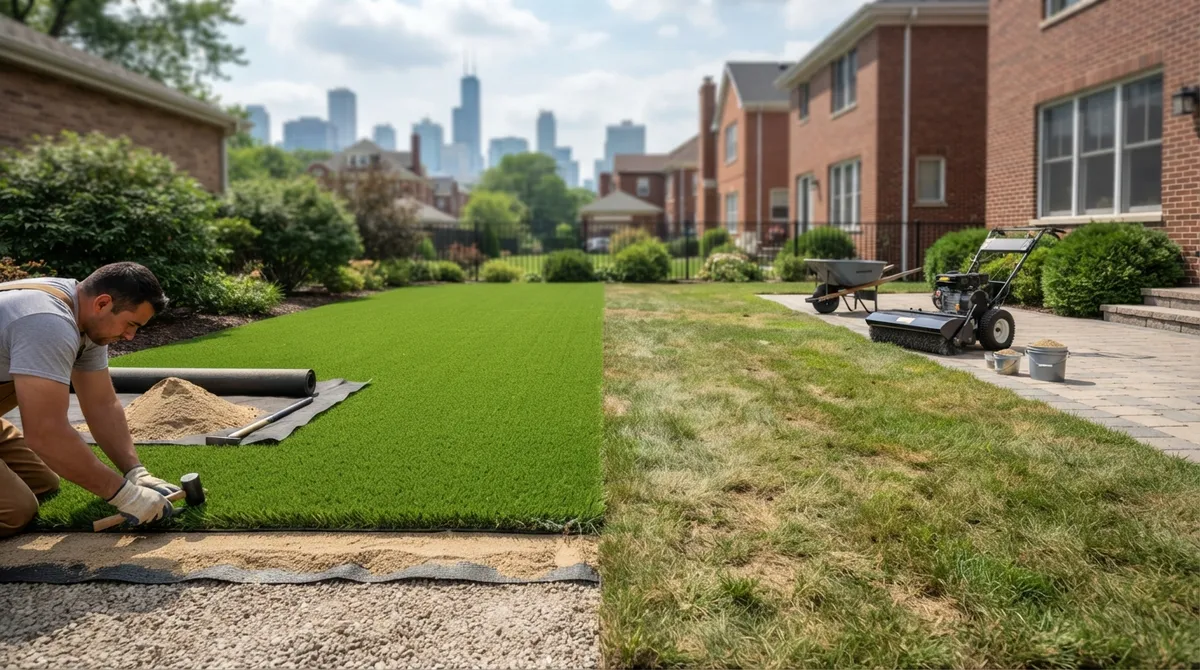
The good news is that landscape design can be phased over time. You might start with foundational elements like grading and drainage, then add plantings one year and hardscape features the next. This approach spreads costs while still following a cohesive plan that builds toward your ultimate vision.
Choosing Plants That Thrive in Your Climate
Plant selection makes or breaks landscape design. Beautiful plants that can’t handle Chicago winters or struggle in your soil type will leave you frustrated and facing expensive replacements. Smart plant choices, on the other hand, reward you with color, texture, and interest throughout the seasons with minimal fuss.
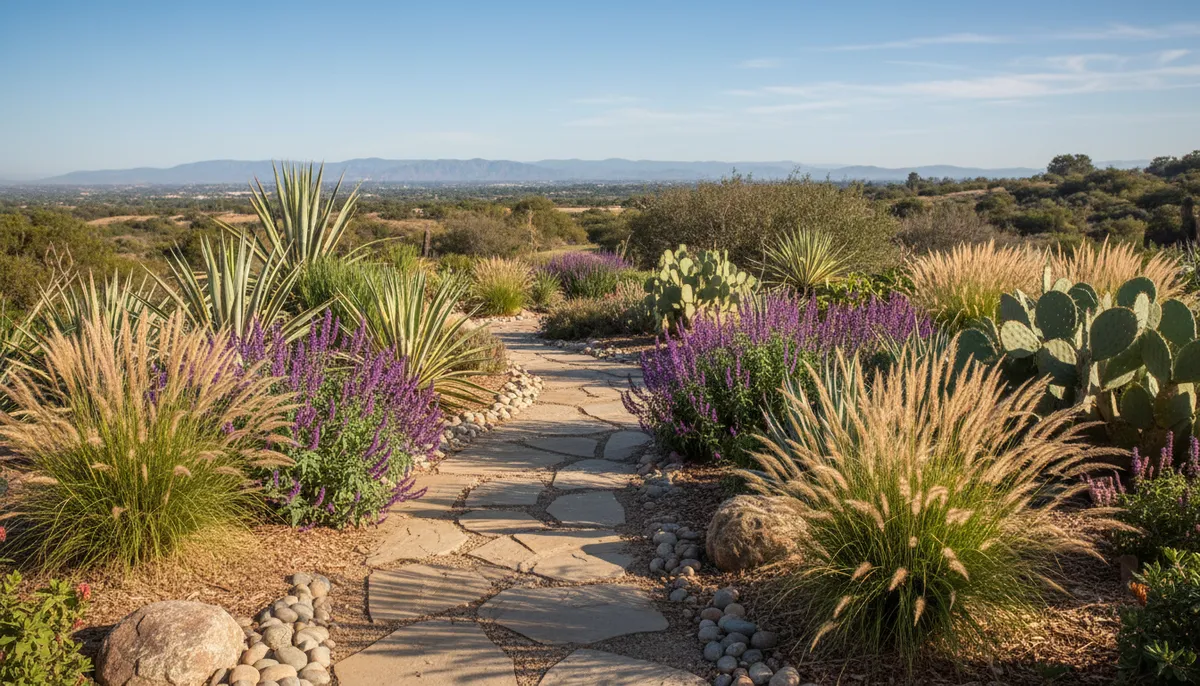
Start by focusing on native and adapted plants. Native species evolved in our climate and naturally resist local pests and diseases. They typically need less water once established and provide food and habitat for local wildlife. Adapted plants come from similar climates and perform equally well with minimal intervention.
| Plant Type | Best Uses | Chicago-Friendly Examples |
|---|---|---|
| Trees | Shade, structure, focal points | Sugar Maple, Oak, Serviceberry |
| Shrubs | Foundation plantings, privacy screens | Viburnum, Boxwood, Spirea |
| Perennials | Color, seasonal interest | Coneflower, Hosta, Black-eyed Susan |
| Grasses | Texture, movement, winter interest | Little Bluestem, Switchgrass, Feather Reed Grass |
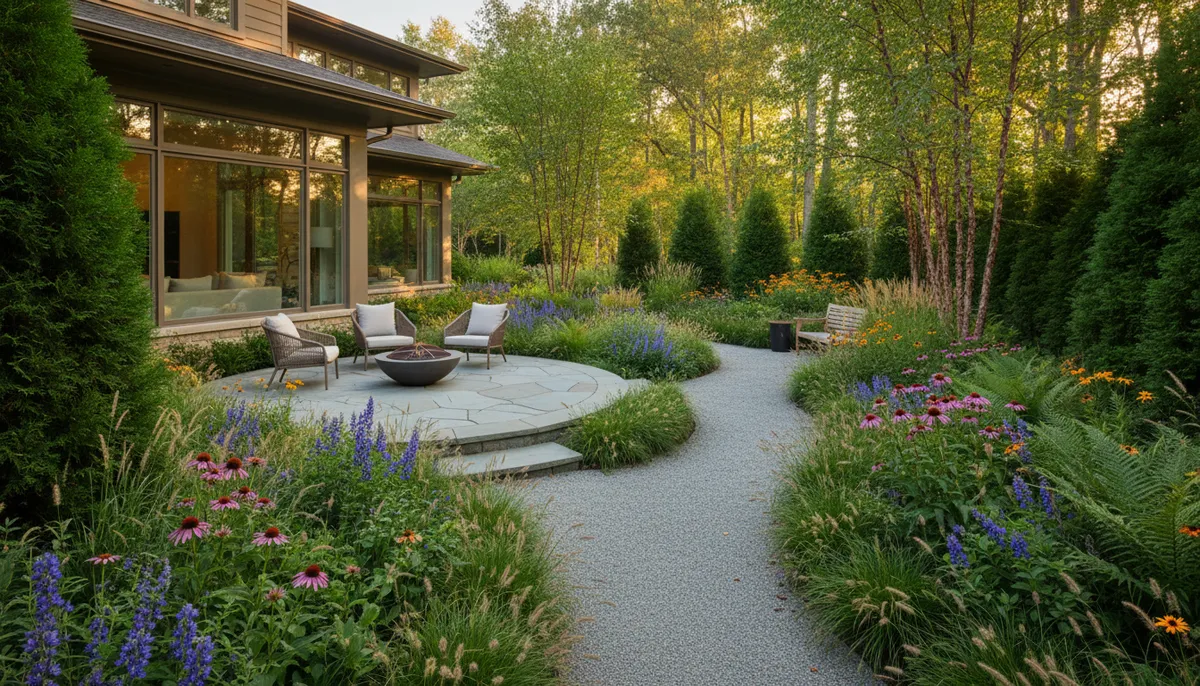
Think about bloom times when selecting plants. You want something flowering or looking attractive in every season. Spring bulbs and early perennials give way to summer bloomers, which transition to fall asters and grasses that look stunning through winter.
Layering Plants for Visual Interest
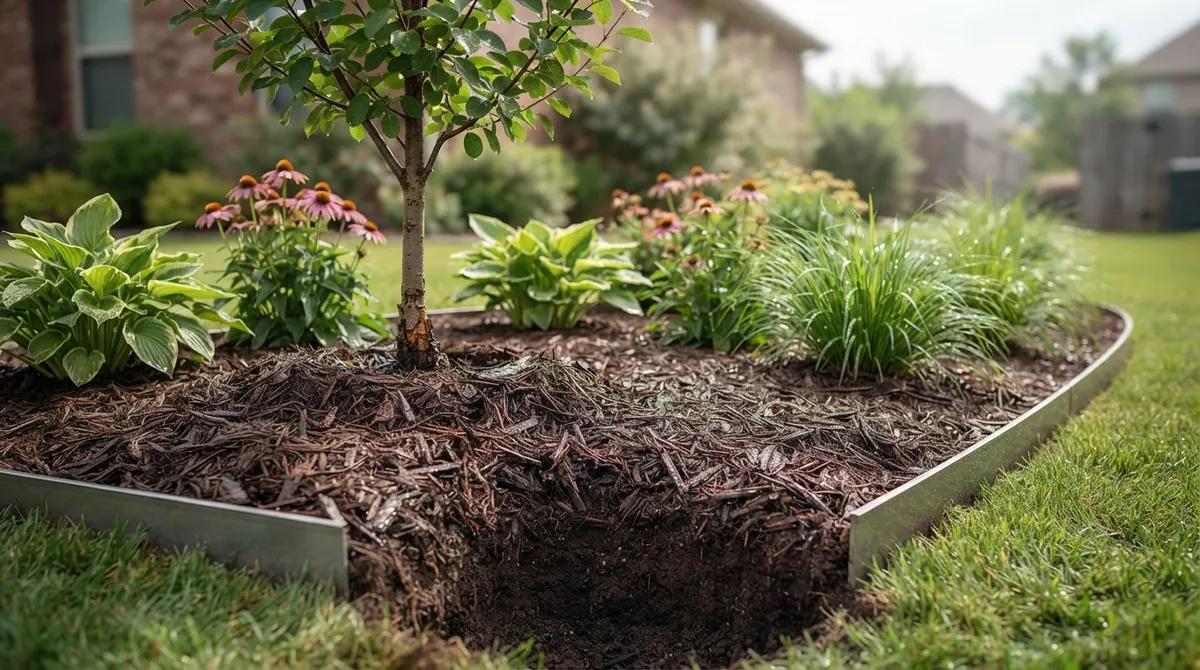
- Tall trees create the overhead canopy and define space
- Medium shrubs form the middle layer and provide privacy
- Low perennials and groundcovers fill the foreground
- Mix different textures, leaf shapes, and colors
- Include evergreens for year-round structure
Don’t forget about maintenance requirements. Some plants need regular pruning, deadheading, or division, while others practically take care of themselves. Be honest about how much time you’ll spend on upkeep, and choose accordingly. The softscape professionals can help match plants to your maintenance preferences.
Incorporating Hardscape Elements
Hardscape refers to the non-living elements in your landscape—patios, walkways, walls, and structures. These features provide structure, define spaces, and extend your outdoor living area. They’re also where you can really personalize your design and add significant value to your property.
Patios and decks create destinations in your yard. Think about how you’ll use the space. A dining area needs room for a table and chairs plus circulation space. A lounge area might feature built-in seating around a fire pit. Consider proximity to your house, sun exposure, and privacy when choosing locations.
Walkways guide movement through your landscape. They should be wide enough for comfortable passage—at least three feet for primary paths. Materials range from simple mulch or gravel to decorative pavers and natural stone. Your choice affects both aesthetics and maintenance, with some materials requiring periodic replenishment or weed control.
Popular Hardscape Features
- Patios: Ground-level outdoor living spaces for dining and entertaining
- Walkways: Paths connecting different areas and guiding traffic
- Retaining walls: Functional structures that manage slopes and create level planting areas
- Fire pits: Gathering spots that extend the outdoor season into cooler months
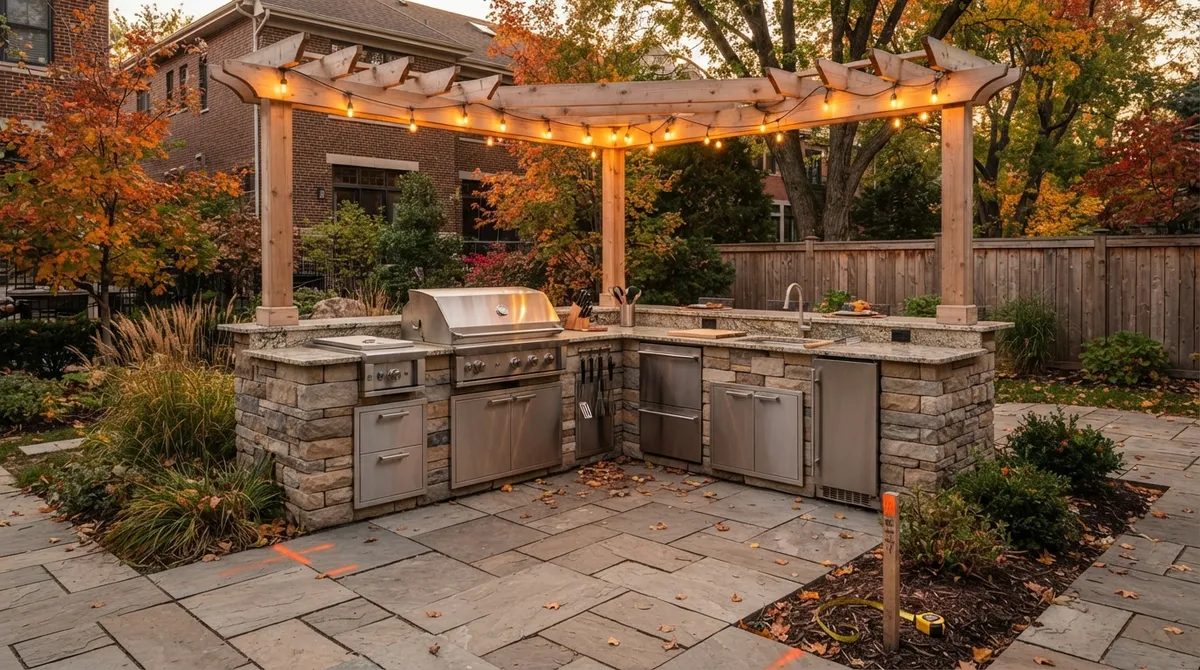
- Pergolas and pavilions: Overhead structures providing shade and architectural interest
- Water features: Fountains, ponds, or streams adding sound and movement
Material choice significantly impacts your design’s look and feel. Natural stone feels timeless and organic but costs more than concrete pavers. Brick offers classic charm and durability. Composite materials provide modern options with minimal maintenance. Consider how materials work with your home’s architecture—you want cohesion between house and landscape.
For commercial properties, hardscape often dominates the design. Durable surfaces handle foot traffic, while strategic plantings soften the look. The right combination creates an inviting entrance that draws customers in while standing up to daily wear. Learn more about our approach to commercial projects.
Creating Functional Outdoor Rooms
Modern landscape design embraces the concept of outdoor rooms—distinct areas designed for specific activities. Just as your home has a kitchen, living room, and bedrooms, your landscape can have dining areas, lounging spaces, play zones, and quiet retreats.
Start by identifying how many “rooms” you need and want. A typical residential landscape might include an entry garden, a dining patio, and a lawn area for activities. Commercial spaces might feature a welcoming entrance, employee break areas, and customer seating.
Defining Outdoor Room Boundaries
- Use plant beds to create natural separations between spaces
- Install low walls or raised planters as physical dividers
- Place seating or structures to suggest room edges
- Change paving materials to signal transitions
- Add vertical elements like trellises or screens for privacy
Each outdoor room needs a clear purpose. A dining area requires level ground, adequate space for furniture, and convenient access to the kitchen. A play area needs visibility from the house, durable surfaces, and defined boundaries. A meditation spot calls for privacy, comfortable seating, and peaceful plantings.
Consider traffic flow between rooms. Primary pathways should be obvious and easy to navigate, while secondary paths can meander more. You want people to move naturally through the space without trampling plantings or cutting corners across the lawn.
Overhead elements add dimension to outdoor rooms. A pergola or pavilion defines space without completely enclosing it, provides shade, and creates architectural interest. These structures also give you spots to hang lights or plants for added ambiance.
Adding Lighting and Sound for Ambiance
Landscape design shouldn’t stop when the sun goes down. Strategic lighting extends usability into evening hours, highlights features, and improves safety. Modern LED options use minimal electricity while providing plenty of illumination.
Layer your lighting for the best effect. Path lights guide movement and prevent trips and falls. Uplights showcase trees and architectural features. Downlights mounted in structures create ambient illumination for entertaining areas. Accent lights highlight specific plantings or water features.
| Lighting Type | Primary Purpose | Best Placement |
|---|---|---|
| Path Lights | Safety and navigation | Along walkways and steps |
| Spotlights | Highlighting features | Aimed at trees, walls, sculptures |
| String Lights | Ambiance and festivity | Overhead in dining and lounging areas |
| Wall Sconces | Ambient lighting | On structures and building walls |
Sound enhances the outdoor experience too. Water features provide soothing background noise that masks street sounds. Outdoor speakers let you enjoy music while entertaining. Rustling grasses and plants attract birds whose songs add natural ambiance. The lighting and sound experts can design systems that integrate seamlessly with your landscape.
When planning lighting, think about control options. Individual switches work fine for simple setups, but smart systems let you create scenes for different occasions. You might have one setting for quiet evenings and another for parties. Timers ensure lights turn on automatically as darkness falls.
Planning for All Four Seasons
Chicago landscapes face dramatic seasonal changes. Great design looks attractive twelve months a year, not just during peak summer bloom. This requires thinking beyond flowers to consider structure, texture, and year-round interest.
Start by establishing “bones”—the permanent elements that define your landscape even when deciduous plants lose their leaves. Evergreen trees and shrubs, hardscape features, and ornamental grasses provide winter structure. Without these elements, your yard risks looking barren from November through March.
Seasonal Interest Throughout the Year
- Spring: Early bulbs, flowering trees, fresh green growth emerging
- Summer: Peak flower blooms, lush foliage, full canopy shade
- Fall: Changing leaf colors, ornamental grasses at their best, late-blooming perennials
- Winter: Evergreen structure, interesting bark, seed heads, hardscape features
Color shifts with the seasons. Spring brings pastels and bright greens. Summer explodes with bold blooms. Fall delivers warm oranges, reds, and yellows. Winter highlights subtle bark colors and evergreen textures. Plan plant combinations that transition smoothly from one season to the next.
Don’t overlook functional seasonal considerations. Deciduous trees on the south and west sides provide summer shade but let winter sun through when leaves drop, reducing heating costs. Evergreen screens on the north block cold winter winds. Strategic placement of plants works with nature instead of against it.
According to Landscape Illinois, proper seasonal planning significantly reduces maintenance requirements while keeping properties attractive year-round. Native plants especially excel at providing multi-season interest with minimal intervention.
Working With Slopes and Drainage Issues
Many Chicago-area properties face challenging slopes or drainage problems. Heavy clay soil common in the region compounds these issues, holding water in some spots while creating runoff in others. Addressing these challenges early in your design prevents bigger problems later.
Retaining walls solve multiple problems at once. They hold back soil on slopes, create level planting or entertaining areas, and add visual interest to the landscape. Modern wall systems come in various materials and styles, from natural stone to manufactured blocks that mimic stone’s appearance at lower cost.
Drainage Solutions for Your Landscape
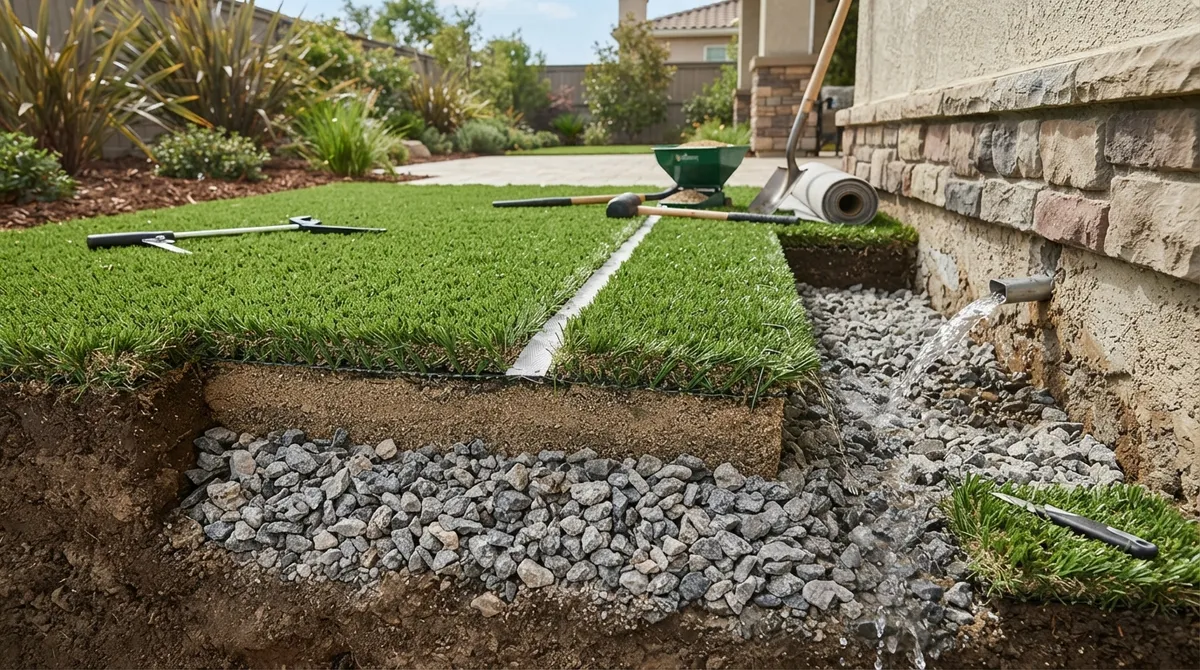
- French drains redirect water underground away from structures
- Rain gardens capture and filter stormwater naturally
- Proper grading slopes ground away from foundations
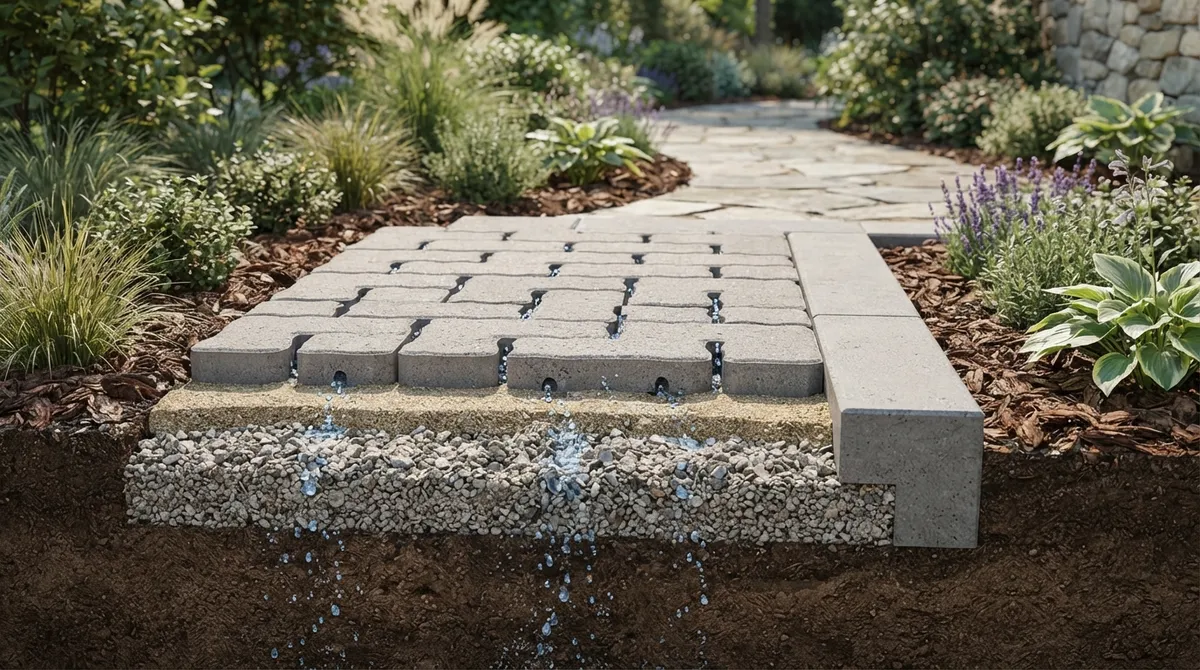
- Permeable paving allows water to soak through instead of running off
- Dry creek beds channel water during heavy rain while looking attractive when dry
Slopes offer design opportunities too. Terraced gardens create multiple levels for plantings, with each tier accessible via steps or paths. Groundcovers on slopes reduce erosion while eliminating the need to mow dangerously steep areas. Strategic boulder placement adds interest while helping stabilize soil.
Always address drainage issues before installing other landscape elements. Water flowing toward your foundation causes basement problems. Pooling water kills plants and creates mosquito breeding grounds. Standing water in lawn areas prevents use and looks unsightly. Solving these problems first gives you a solid foundation for the rest of your design.
Implementing Your Landscape Design
Once you’ve planned your landscape design, implementation follows a logical sequence. Doing things in the right order prevents damage to completed work and ensures everything integrates properly. Rushing or skipping steps usually leads to problems that require expensive fixes later.
The typical installation sequence looks like this:
- Address grading and drainage issues first
- Install underground utilities like irrigation and lighting
- Build hardscape features including patios, walls, and paths
- Amend soil and prepare planting beds
- Install trees and large shrubs
- Add perennials, groundcovers, and mulch
- Install lighting fixtures and connect systems
- Final cleanup and establishment care
Timing matters for landscape installation. Spring and fall offer ideal conditions in the Chicago area, with moderate temperatures and typically adequate rainfall. Summer installations work but require more watering attention. Winter limits what you can do, though hardscape work can continue in many conditions.
Consider whether to tackle the project yourself or hire professionals. DIY works well for simple plantings and basic improvements if you have time and physical capability. Complex projects involving grading, drainage, walls, or large hardscape features typically benefit from professional expertise and equipment. The design and installation process ensures every detail gets handled properly.
Quality materials and proper installation techniques make the difference between a landscape that lasts decades and one that requires repairs within a few years. Cutting corners on base preparation, using inadequate materials, or skipping important steps creates problems that emerge after it’s too late to easily fix them.
Maintaining Your New Landscape
Even low-maintenance landscapes need some care, especially during the first year as plants establish. Your design should include a maintenance plan that fits your available time and interest. Being realistic about this upfront helps you choose appropriate plants and features.
Newly installed landscapes need consistent attention for the first growing season. Trees and shrubs require regular watering until roots establish. Mulch needs replenishing as it breaks down. Weeds try to invade before desired plants fill in. This initial investment of time pays off with years of easier care once everything settles in.
Essential Maintenance Tasks
- Regular watering during dry periods, especially the first year
- Mulch replenishment to suppress weeds and retain moisture
- Pruning to maintain plant size and shape
- Fertilizing based on soil test results and plant needs
- Pest and disease monitoring with prompt treatment when needed
- Seasonal cleanup removing dead foliage and debris
Create a maintenance calendar so nothing gets forgotten. Spring tasks include cleanup, early pruning, and mulching. Summer focuses on watering and pest watch. Fall brings planting season, dividing perennials, and preparing beds for winter. Winter maintenance is minimal but includes monitoring for damage and planning next season.
For business owners, consistent maintenance preserves your investment and maintains the professional image that attracts customers. Many commercial properties benefit from regular maintenance contracts that keep everything looking pristine without requiring in-house staff attention. This approach ensures work gets done on schedule while freeing you to focus on running your business.
Some maintenance tasks require specialized knowledge or equipment. Tree pruning above reach height, pest identification and treatment, and irrigation system repairs often warrant professional help. Trying to tackle these yourself without proper training risks damaging plants or creating safety hazards.
Common Landscape Design Mistakes to Avoid
Learning from others’ mistakes saves you time, money, and frustration. Certain landscape design errors appear repeatedly, usually because people don’t realize the consequences until it’s too late. Being aware of these pitfalls helps you avoid them in your own planning.
The biggest mistake is planting without considering mature size. That cute little shrub from the nursery might grow six feet tall and wide, eventually blocking windows or overwhelming the space. Always research mature dimensions and space plants accordingly. It feels sparse initially but fills in beautifully as plants grow.
Mistakes That Cost Time and Money
- Ignoring sun exposure requirements and planting shade lovers in full sun
- Choosing high-maintenance plants when you don’t have time to care for them
- Skipping soil testing and amendment, leaving plants struggling in poor soil
- Installing hardscape without proper base preparation leading to settling and cracking
- Planting too close to structures causing damage as roots and branches expand
- Neglecting irrigation planning then hand-watering forever or watching plants die
Another common error is trying to do everything at once without a cohesive plan. This often results in a hodgepodge of unrelated elements that don’t work together. Even if you’re phasing installation over several years, having an overall master plan ensures each phase builds toward a unified vision.
Don’t underestimate the importance of proper drainage. This underground work isn’t glamorous or visible once complete, but it’s absolutely critical to landscape success. Water pooling, erosion, or foundation seepage causes problems that expensive plantings and features can’t overcome. According to the ICPI Certified Installer guidelines, proper base preparation and drainage are essential for hardscape longevity.
Budgeting and Getting Professional Help
Landscape design represents a significant investment, but it also adds substantial value to your property. Research shows that well-designed landscapes can increase home values by 5-15%, while commercial properties see improved customer traffic and perception. Understanding cost factors helps you budget appropriately.
Several elements influence landscape project costs. Design complexity affects both planning and installation time. Material choices range from budget-friendly to premium options. Site conditions like slopes, poor access, or existing structures to work around increase labor requirements. Project size obviously matters too—a small front yard costs less than a complete property transformation.
| Landscape Element | Cost Factors | ROI Considerations |
|---|---|---|
| Plantings | Plant size, variety, quantity | Immediate curb appeal, ongoing beauty |
| Hardscape | Material choice, area size, complexity | Extends living space, adds property value |
| Structures | Size, materials, features | Creates destinations, increases usability |
| Lighting | Fixture quantity and quality, wiring | Safety, security, extended use hours |
Professional design services ensure your landscape plan is both beautiful and functional. Designers understand plant requirements, proper construction techniques, and how to solve site challenges. They also have relationships with suppliers and contractors that can save money on materials and installation.
When choosing a landscape company, look for established businesses with portfolios showing work similar to what you envision. Check references and visit completed projects if possible. Verify proper licensing and insurance protection. A professional company stands behind their work and provides warranties on plants and materials.
The design-build approach, where one company handles both design and installation, offers advantages. Communication stays simple with one point of contact. The design team understands what’s feasible to build and can adjust plans accordingly. Installation crews know the designer’s intent and can adapt to field conditions while maintaining the vision. You can explore our gallery to see examples of completed projects.
Transform Your Outdoor Space Today
Creating a beautiful landscape design takes thoughtful planning, but the results transform how you experience your property. Whether you’re enhancing your home’s curb appeal, creating an outdoor retreat for your family, or improving your business’s first impression, the right landscape design makes a lasting difference.
Start by assessing your space and defining clear goals. Choose plants suited to Chicago’s climate and your site conditions. Incorporate hardscape elements that extend your usable outdoor area. Plan for year-round interest and address practical concerns like drainage. Most importantly, create a design that reflects your personal style and meets your specific needs.
Remember that great landscapes evolve over time. Plants mature, your needs change, and you might add features as budget allows. Having a master plan from the beginning ensures that everything works together even as you phase installation over multiple years. Proper maintenance preserves your investment and keeps your landscape looking its best through all seasons.
Professional guidance makes the difference between a good landscape and an exceptional one. Experienced designers bring creative solutions to site challenges, technical knowledge about what works in your area, and project management skills that ensure smooth installation. They help you avoid costly mistakes while creating an outdoor space that exceeds your expectations.
At Serenity Landscape Group, we’ve spent over two decades helping Chicago-area homeowners and businesses create landscapes they love. From initial design through installation and ongoing care, we’re committed to transforming your outdoor space into something extraordinary. Whether you need a complete property renovation or targeted improvements to specific areas, our team brings the expertise and attention to detail that ensures your satisfaction.
Your dream landscape is closer than you think. We invite you to request your free estimate and discover how we can bring your vision to life. Let’s work together to create an outdoor space that brings you joy, adds value to your property, and becomes your favorite place to spend time. The Serenity difference means exceptional design, quality craftsmanship, and a beautiful landscape you’ll enjoy for years to come.
FAQs
Q: How much does professional landscape design cost?
A: Professional landscape design costs vary based on project size and complexity. Simple consultations might run a few hundred dollars, while complete design-build projects range from several thousand to tens of thousands depending on your vision and property size. Many companies offer free initial estimates so you know what to expect before committing.
Q: What’s the best time of year to start a landscape design project?
A: Spring and fall are ideal for most landscape installations in the Chicago area due to moderate temperatures and adequate rainfall. However, you can start planning your design anytime. Winter is actually perfect for design work, so installation can begin as soon as weather permits in spring.
Q: How long do landscape design projects typically take?
A: Timeline depends on project scope. Simple plantings might take a day or two, while comprehensive designs with hardscape features can take several weeks. The design phase itself usually requires 2-4 weeks, and installation timing varies based on weather, material availability, and project complexity.
Q: Can I phase my landscape design over multiple years?
A: Absolutely! Phasing your landscape design is smart budgeting that still delivers great results. Start with a master plan, then tackle priority areas first like addressing drainage issues or creating main entertaining spaces. Add plantings and features in subsequent years, always working toward your overall vision.
Q: What plants work best in Chicago’s climate?
A: Native and adapted plants thrive in Chicago with minimal care. Great choices include sugar maples and oaks for trees, viburnums and spirea for shrubs, and perennials like coneflowers and black-eyed Susans. These plants handle our cold winters, humid summers, and clay soils while providing year-round interest and supporting local wildlife.