Key Takeaways
-
Conduct thorough site assessments examining soil quality, drainage patterns, sunlight exposure, and microclimates before design—Chicago’s clay soil requires special amendments and drainage solutions for plant success.
-
Create distinct functional zones (dining, entertaining, relaxing, playing) connected by thoughtful pathways to maximize usability and ensure every square foot serves a purpose based on your lifestyle.
-
Layer plants in height tiers (tall trees, medium shrubs, low perennials) using native species as foundations to create self-sustaining landscapes requiring less maintenance while providing four-season interest.
-
Balance hardscaping (30-40% of landscape) with softscaping (40-50%) by integrating elements thoughtfully—plants spilling over walls, permeable pavers with groundcover joints, and partially buried boulders create organic-feeling designs.
-
Design landscapes for low maintenance by matching plants to specific locations, spacing properly for mature sizes, and installing smart irrigation systems with weather-based controllers that reduce watering demands.
-
Plan proper drainage and stormwater management using grading, permeable materials, rain gardens, and bioswales to protect foundations, prevent soggy areas, and comply with Chicago municipal regulations.
When you search for “landscape design near me,” you’re likely imagining a beautiful outdoor space that feels like home. Whether you’re a suburban homeowner tired of looking at a plain yard, a condo owner with a small rooftop space, or a business owner wanting to attract more customers, the right landscape design can completely transform your property. The Chicago area presents unique challenges—from harsh winters to clay soil—but with the right approach, your outdoor space can become your favorite retreat.
Professional landscape designers understand local conditions and know exactly how to create spaces that thrive in our climate while matching your vision. They blend artistry with practicality, ensuring your investment looks stunning and performs well season after season. Let’s explore the insider secrets that Chicago-area landscape professionals use to create outdoor spaces that truly shine.
1. Start with a Site Assessment That Tells the Whole Story
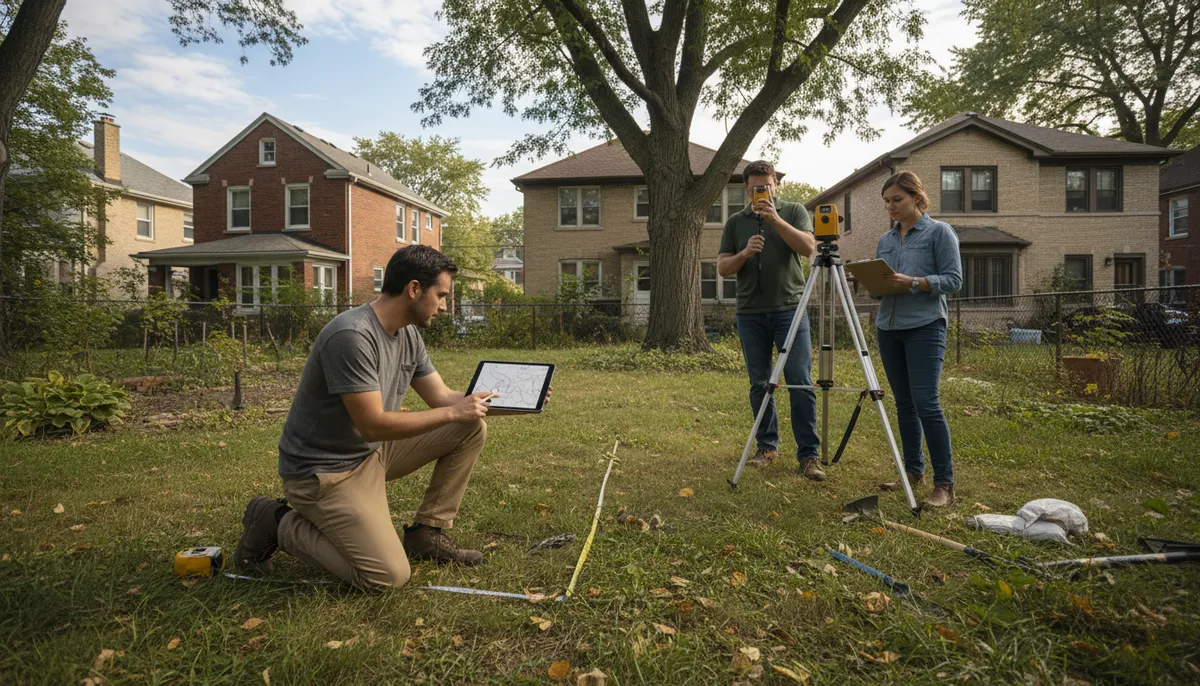
Before any shovels hit the ground, professional landscape designers conduct a thorough site assessment. This isn’t just about measuring your yard—it’s about understanding every factor that will affect your outdoor space’s success. They examine soil quality, drainage patterns, sunlight exposure throughout the day, existing vegetation, and even wind patterns that might affect plant choices.
Chicago’s clay-heavy soil requires special attention. Professionals test soil pH and composition to determine what amendments are needed before planting. They also identify low spots where water pools after rain and high areas that drain too quickly. These details matter because they determine which plants will thrive and where hardscaping features should be placed.
A proper assessment also includes understanding your property’s microclimates. That sunny corner near your south-facing wall might be several degrees warmer than the shaded area under your oak tree. Professional designers map these variations to place plants where they’ll flourish naturally, reducing maintenance needs and ensuring long-term success.
Understanding Your Space’s Unique Characteristics
Every property has a personality shaped by its location, topography, and existing features. Professionals look at how your home sits on the lot, where your property lines fall, and what views you want to emphasize or hide. They consider foot traffic patterns, pets’ play areas, and how you actually use your outdoor space throughout the year.
They also evaluate existing structures and vegetation. That mature tree might be a beautiful focal point worth designing around, or those overgrown shrubs might be blocking natural light from entering your home. A thoughtful design process takes all these elements into account before making recommendations.
2. Create Functional Zones That Match Your Lifestyle
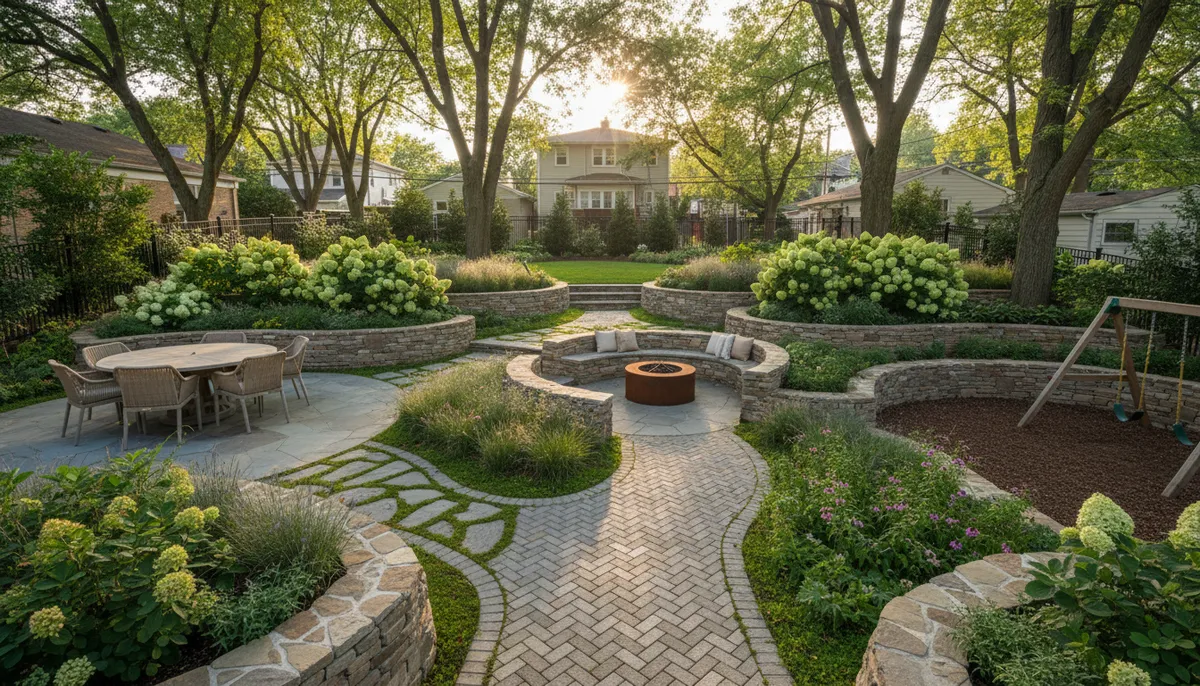
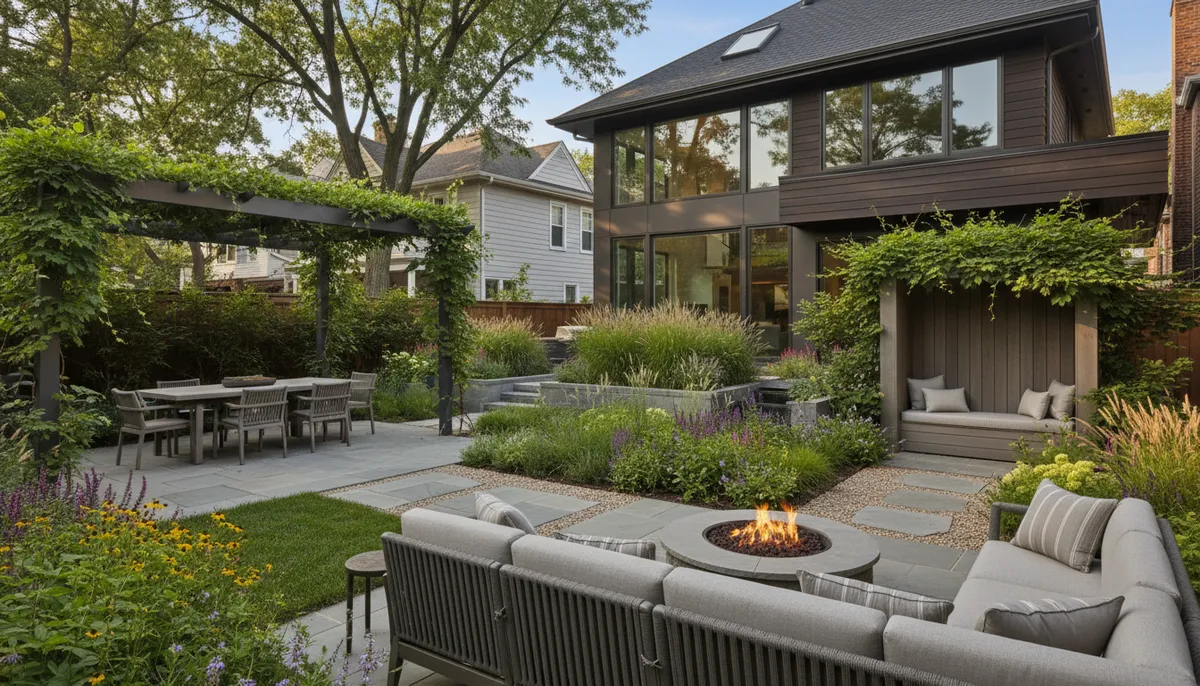
Great landscape design divides outdoor space into distinct zones, each serving a specific purpose. Professionals don’t just scatter plants randomly—they create intentional areas for dining, entertaining, relaxing, playing, and gardening. This approach maximizes usability and ensures every square foot of your property serves a purpose.
For families, this might mean a durable play area with soft groundcover near the house where parents can keep an eye on kids, a dining patio for summer meals, and a quiet reading nook tucked into a corner garden. For business properties, zones might include welcoming entry gardens, employee break areas, and branded focal points that reinforce company identity.
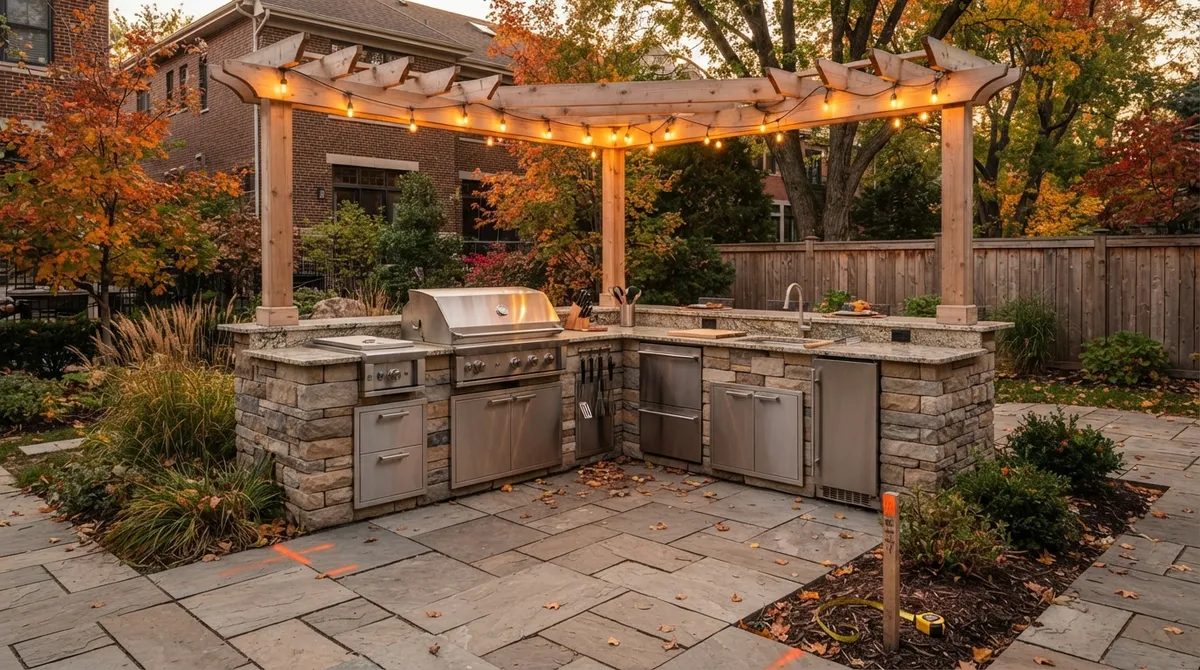
The key is connecting these zones with thoughtful pathways and transitions. Professional paver installation creates clear circulation paths that guide visitors through your landscape naturally. These pathways aren’t just functional—they become design elements that add visual interest and structure to your outdoor space.
Seasonal Functionality Matters
Chicago homeowners need landscapes that work year-round, not just during summer months. Professionals design spaces with four-season appeal, incorporating evergreens for winter structure, spring bulbs for early color, summer perennials for peak season, and ornamental grasses that shine in fall.
They also consider how you’ll use spaces differently throughout the year. That fire pit area becomes a gathering spot on cool autumn evenings and crisp spring nights. Covered structures extend outdoor living season, and strategic windbreaks make exposed areas more comfortable during breezy months.
3. Layer Plants Like a Professional Designer
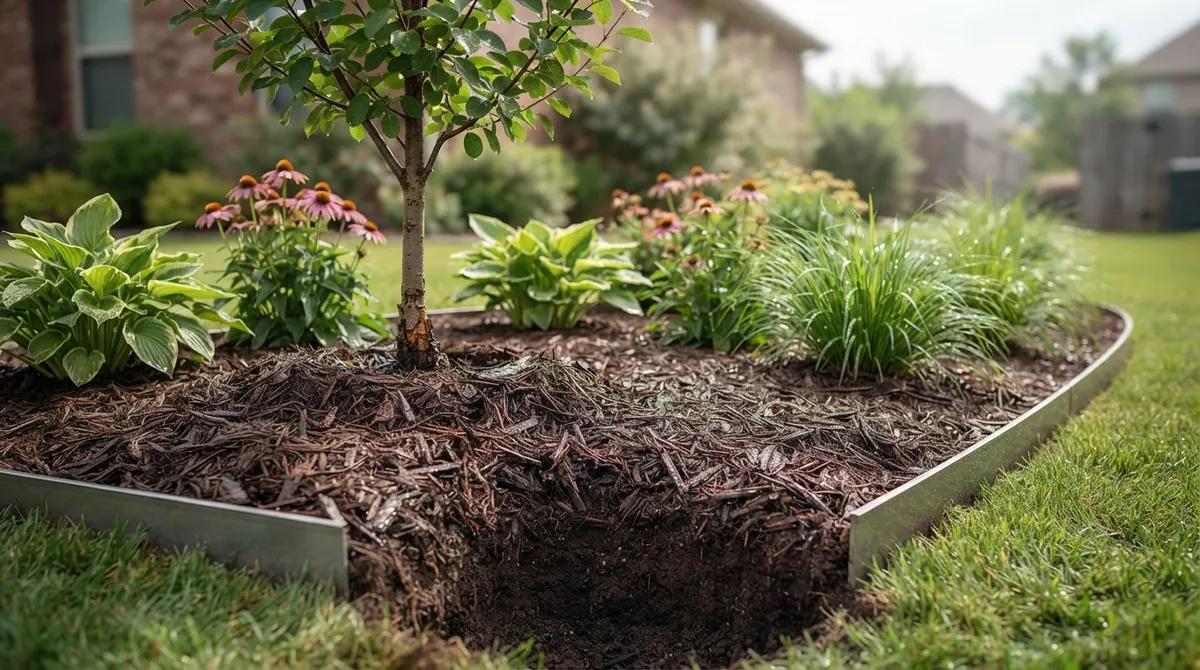
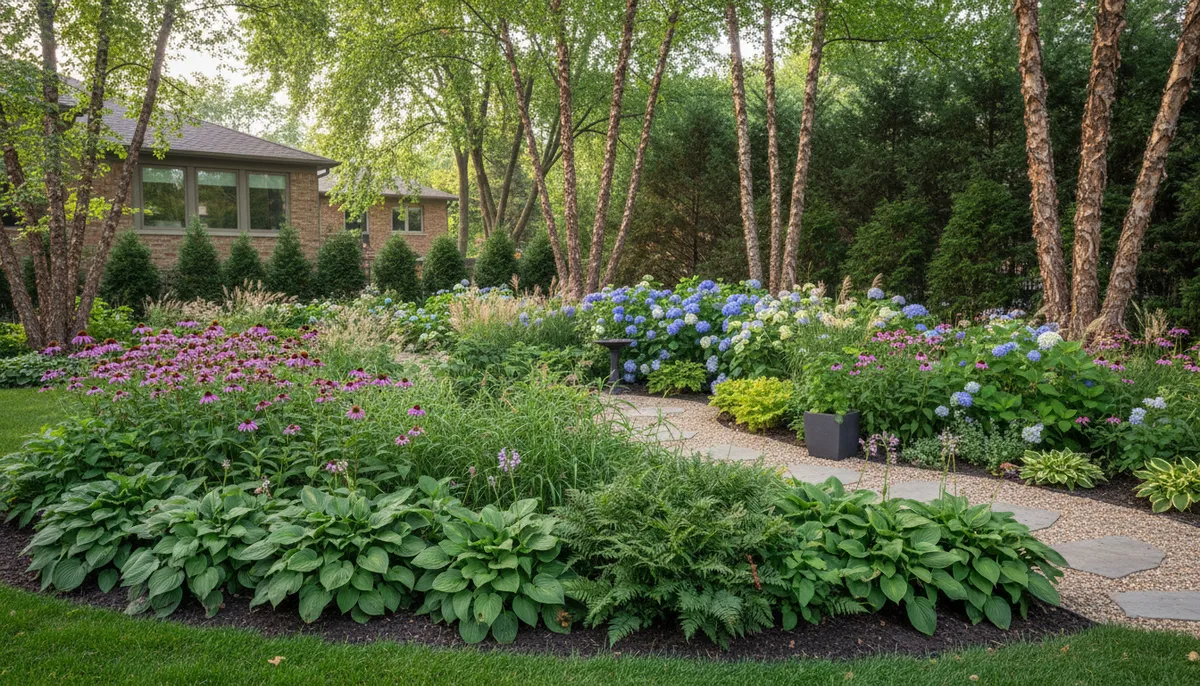
One secret that separates professional landscapes from amateur attempts is proper plant layering. This technique creates depth and visual interest by arranging plants in distinct height tiers—tall trees in back, medium shrubs in the middle, and low perennials and groundcovers in front.
This layering isn’t just about aesthetics. It creates microclimates within your garden where different plants support each other. Taller plants provide shade and wind protection for understory plants, while lower layers help retain soil moisture and suppress weeds. The result is a more resilient, self-sustaining landscape that requires less intervention over time.
Professionals also layer textures and colors throughout the design. They combine fine-textured grasses with bold-leafed hostas, upright spikes with rounded mounds, and variegated foliage with solid greens. This variety keeps the eye moving and creates visual interest even when plants aren’t flowering.
Native Plants as Foundation Elements
Chicago-area landscape professionals increasingly rely on native plants as the backbone of their designs. Native species are adapted to local conditions, require less water and fertilizer, support local wildlife, and stand up to our climate extremes better than many exotic alternatives.
Plants like purple coneflower, black-eyed Susans, prairie dropseed grass, and serviceberry shrubs provide four-season interest while demanding minimal maintenance. According to Landscape Illinois, incorporating native species also helps address regional environmental challenges like stormwater management and pollinator decline.
4. Balance Hardscaping with Softscaping for Perfect Harmony
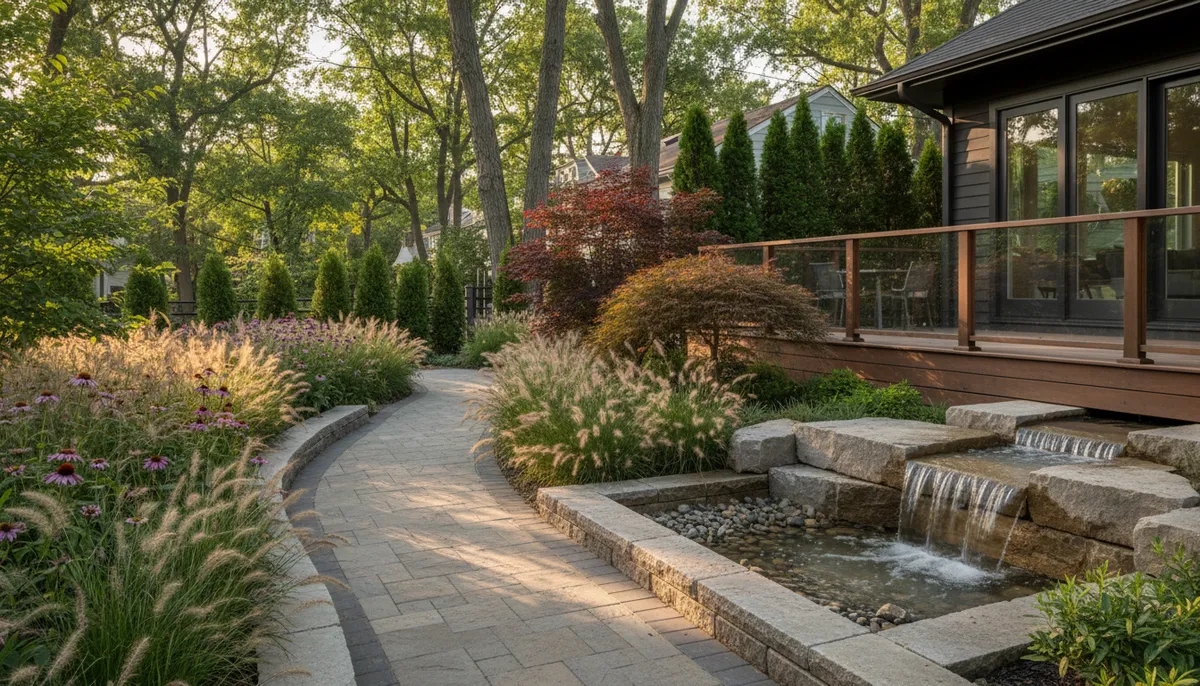
The magic happens when hardscaping elements blend seamlessly with plantings. Too much hardscape creates a stark, unwelcoming space. Too many plants without structure can feel chaotic and unkempt. Professional designers strike a balance that feels natural and inviting.
Hardscaping provides the bones of your landscape—the permanent structures that define spaces and guide movement. This includes patios, walkways, retaining walls, and outdoor living features. These elements typically occupy 30-40% of a well-designed residential landscape, leaving plenty of room for softscaping to soften edges and add life.
The best designs integrate these elements thoughtfully. Plants spill over wall edges to soften hard lines. Pavers are set with wider joints that allow low-growing groundcovers to creep between stones. Boulders are partially buried to look naturally placed rather than dropped on the surface. These subtle touches make the difference between a landscape that feels forced and one that feels organic.
| Design Element | Recommended Percentage | Primary Function | Maintenance Level |
|---|---|---|---|
| Hardscaping (patios, paths, walls) | 30-40% | Structure and functionality | Low |
| Softscaping (trees, shrubs, perennials) | 40-50% | Visual interest and life | Medium |
| Lawn areas | 15-25% | Open space and circulation | High |
| Mulched beds | 5-10% | Weed suppression and moisture retention | Low-Medium |
Material Selection Makes the Difference
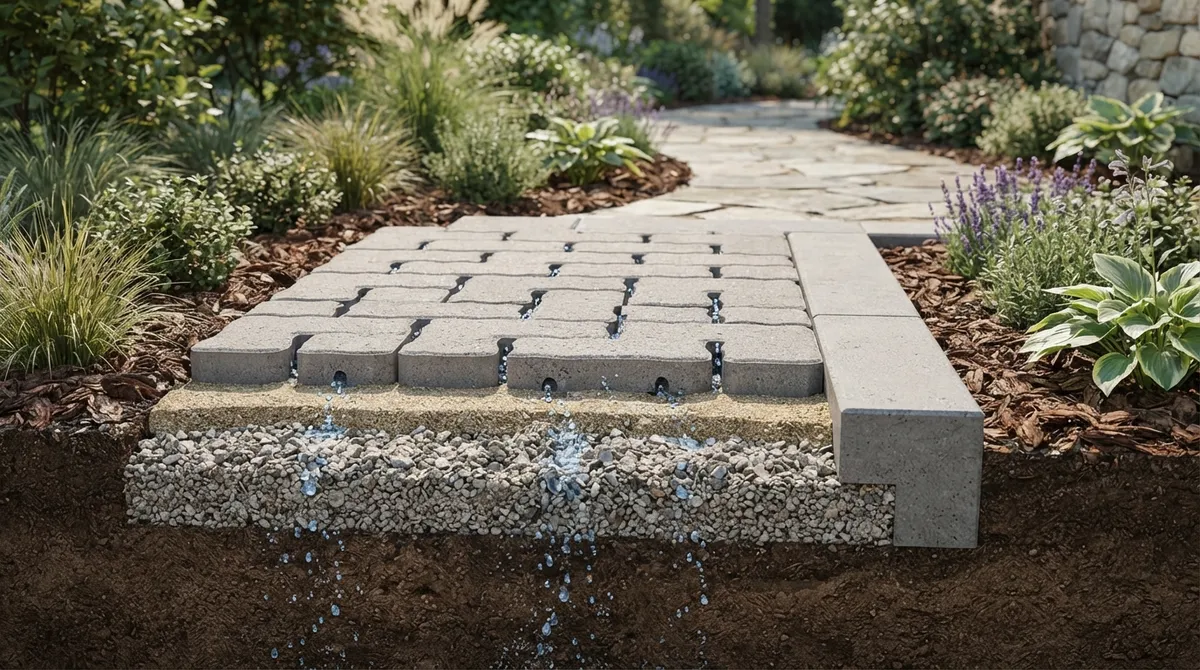
Professionals choose materials that complement your home’s architecture and withstand Chicago’s freeze-thaw cycles. They select permeable pavers that allow water infiltration, choose stone colors that coordinate with your home’s exterior, and specify materials rated for our climate zone.
Quality matters significantly with hardscaping. Materials certified by organizations like the Interlocking Concrete Pavement Institute perform better over time and maintain their appearance despite harsh weather conditions. Professional installers also understand proper base preparation, which is critical for preventing settling and cracking.
5. Design for Low Maintenance Without Sacrificing Beauty
One secret professionals know is that beautiful doesn’t have to mean high-maintenance. Smart plant selection, proper spacing, and strategic design choices create landscapes that look amazing while demanding minimal time investment from homeowners.
This starts with choosing plants suited to their specific locations. Professionals place sun-loving plants in sunny spots and shade-tolerant species under trees, eliminating the struggle of trying to make plants thrive where conditions don’t suit them. They also select varieties known for disease resistance and adaptability to Chicago’s climate.
Proper spacing is another key factor. While newly installed plants might look sparse initially, professionals space them to accommodate mature sizes. This prevents overcrowding that leads to disease, reduces pruning needs, and eliminates the expense of removing overgrown plants later. Mulching between young plants controls weeds while they fill in.
Automation and Smart Systems
Modern landscape design incorporates technology that reduces maintenance demands. Professionally installed irrigation systems deliver water precisely where and when needed, preventing overwatering and underwatering. Smart controllers adjust watering based on weather conditions, saving water and money.
Landscape lighting systems with LED fixtures and timers ensure your outdoor space looks beautiful at night without requiring daily attention. These systems are designed with energy efficiency in mind and can be controlled remotely through smartphone apps.
6. Incorporate Focal Points That Draw the Eye
Every successful landscape design includes intentional focal points—elements that catch attention and anchor the overall composition. These might be specimen trees, water features, sculpture, architectural structures, or dramatic plant combinations. Focal points give viewers a place to rest their eyes and create memorable moments within the landscape.
Professionals strategically place focal points where they’ll have maximum impact. A beautiful fountain might sit at the end of a pathway, drawing visitors through the garden. A stunning pergola might frame an outdoor dining area, creating a sense of enclosure and destination. A specimen Japanese maple might anchor a corner bed, providing year-round visual interest.
The key is using focal points intentionally rather than scattering too many competing elements throughout the space. One or two strong focal points per viewpoint create impact without overwhelming the senses. These elements should feel integrated into the overall design rather than dropped randomly into the landscape.
Seasonal Focal Points Keep Things Fresh
Savvy designers create focal points that shift with seasons. A crabapple tree provides spring blooms, summer shade, fall fruit for wildlife, and interesting branch structure in winter. Container plantings near entryways can be refreshed seasonally to provide changing focal points that welcome visitors year-round.
This approach keeps landscapes feeling dynamic and ensures there’s always something interesting to look at, regardless of the time of year. It also allows homeowners to express creativity through seasonal decorations and plantings without redesigning the entire landscape.
7. Plan for Proper Drainage and Stormwater Management
Perhaps the most overlooked secret of successful landscape design is proper drainage planning. Chicago’s heavy clay soils and periodic intense rainfall events make this absolutely critical. Professionals design landscapes that manage water effectively, protecting your home’s foundation and preventing soggy, unusable areas.
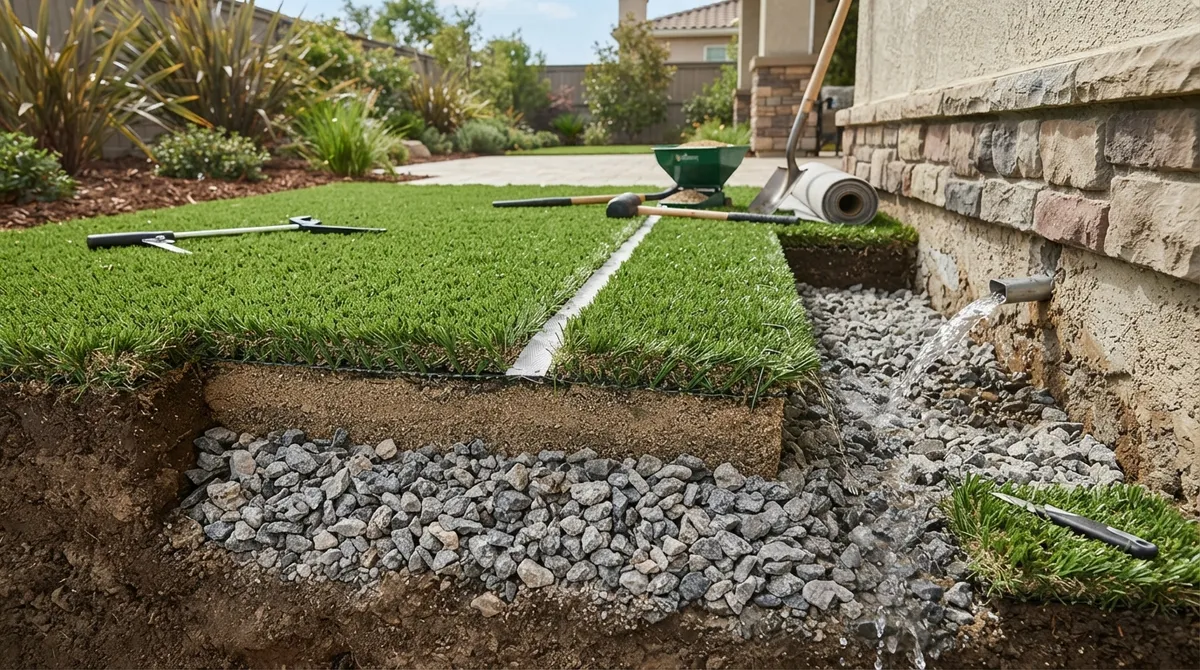
This involves creating subtle grades that direct water away from structures, installing drainage systems where needed, and using permeable materials that allow water infiltration. Rain gardens and bioswales aren’t just environmentally responsible—they’re practical solutions that prevent water problems while adding beauty to your landscape.
Professionals also understand how hardscaping affects drainage patterns. Impermeable surfaces like traditional concrete create runoff that must be managed. They design systems that capture and direct this water to appropriate areas, often incorporating it into landscape irrigation or directing it to rain gardens that filter and absorb it naturally.
Municipal Regulations and Best Practices
Many Chicago-area municipalities have stormwater regulations that affect landscape design. Professional designers stay current with these requirements and incorporate compliant solutions into their designs from the start. This prevents costly modifications later and ensures your landscape meets local codes.
Beyond regulations, proper drainage simply makes your landscape more functional and enjoyable. Nobody wants to step into a soggy lawn or watch water pool on their patio after every rain. Professional design eliminates these frustrations through thoughtful planning and proper execution.
| Drainage Solution | Best Use Case | Benefits | Relative Cost |
|---|---|---|---|
| French drains | Areas with persistent standing water | Effective, invisible, long-lasting | Medium |
| Rain gardens | Managing roof runoff or low areas | Beautiful, eco-friendly, filters water | Low-Medium |
| Permeable pavers | Patios, driveways, walkways | Reduces runoff, attractive, durable | Medium-High |
| Grading adjustments | General drainage improvement | Prevents foundation issues, improves usability | Low-Medium |
Bringing Professional Design to Your Property
Understanding these seven secrets gives you insight into how professional landscape designers think and work. However, implementing them successfully requires experience, knowledge of local conditions, and technical skills developed over years of practice. That’s where working with established professionals makes a significant difference.
The right landscape designer doesn’t just create something that looks good in photos—they create functional, sustainable spaces tailored to your specific needs and conditions. They understand Chicago’s unique challenges and opportunities, from selecting plants that withstand our winters to creating hardscaping that survives freeze-thaw cycles.
Professional softscape design and installation ensures your plants are positioned for success from day one. Expert hardscaping creates outdoor living spaces that become natural extensions of your home. The combination delivers landscapes that enhance your property value, improve your quality of life, and bring you joy for years to come.
Investment That Pays Dividends
Quality landscape design is an investment in your property and lifestyle. Well-designed outdoor spaces increase home values, reduce energy costs through strategic shade placement, and create environments that support physical and mental wellbeing. For commercial properties, professional landscapes attract customers, improve employee satisfaction, and strengthen brand identity.
The key is working with designers who understand your vision and have the skills to bring it to life. Look for professionals with proven track records, appropriate certifications, and portfolios that demonstrate their capabilities. Check references, visit completed projects if possible, and ensure they’re properly licensed and insured.
Transform Your Outdoor Space with Expert Design
Your search for “landscape design near me” reflects a desire to improve your outdoor environment. Whether you’re starting from scratch or renovating an existing landscape, professional design makes all the difference between a space that merely exists and one that truly enhances your daily life.
Great landscape design considers every detail—from soil composition to seasonal color, from drainage patterns to nighttime ambiance. It balances beauty with functionality, sustainability with aesthetics, and immediate impact with long-term performance. Most importantly, it reflects your unique needs, preferences, and lifestyle.
At Serenity Landscape Group, we’ve spent over two decades mastering these design secrets and applying them to properties throughout the greater Chicago area. We understand local conditions intimately, and we’re passionate about creating outdoor spaces that exceed expectations. From the initial consultation through final installation and beyond, we’re committed to bringing your vision to life with skill, creativity, and attention to detail.
Your outdoor space holds incredible potential waiting to be unlocked. With professional design guidance, thoughtful planning, and expert execution, it can become your favorite place to relax, entertain, and enjoy life. Get a free estimate and discover how professional landscape design can transform your property into the outdoor oasis you’ve been imagining.
FAQs
Q: How much does professional landscape design cost in the Chicago area?
A: Professional landscape design costs vary based on project scope, property size, and complexity. Simple designs for small yards might start around $1,500-$3,000, while comprehensive designs for larger properties with extensive hardscaping can range from $5,000-$15,000 or more. Many designers offer tiered packages to fit different budgets, and the investment typically pays for itself through increased property value and reduced installation mistakes.
Q: What’s the best time of year to start a landscape design project in Chicago?
A: Fall and winter are ideal times to work with landscape designers since they’re less busy and can dedicate more time to your project. This allows installation to begin in early spring when conditions are optimal for planting. However, design consultations can happen year-round, and some hardscaping work can proceed during milder winter periods. Planning ahead ensures your project is ready to launch when growing season arrives.
Q: How do I choose the right landscape designer for my property?
A: Look for designers with proven experience in the Chicago area who understand local climate challenges, soil conditions, and plant materials that thrive here. Review their portfolios to ensure their aesthetic matches your vision, check references from past clients, and verify they carry proper licensing and insurance. A good designer will listen carefully to your needs, ask thoughtful questions about how you use your space, and provide realistic timelines and budgets.
Q: Can landscape design really reduce my property’s maintenance needs?
A: Absolutely! Professional landscape design strategically places plants where they’ll thrive naturally, reducing the need for constant intervention. Proper plant selection, appropriate spacing, efficient irrigation systems, and smart hardscaping choices all contribute to lower maintenance requirements. Many homeowners find their professionally designed landscapes require 30-50% less time and money to maintain compared to landscapes installed without professional guidance.
Q: What should I prepare before meeting with a landscape designer?
A: Gather any existing property surveys, utility location information, and photos of landscapes you admire. Make notes about how you want to use your outdoor space, any problem areas you’ve noticed, and your budget parameters. Think about your lifestyle needs—do you entertain frequently, have children or pets, prefer low maintenance, or want to grow vegetables? The more information you can share, the better your designer can create a landscape tailored specifically to your needs.