Key Takeaways
-
Proper drainage and base preparation are critical—skipping these steps causes patios to shift, crack, or flood within years, making it the most important phase of installation.
-
Professional patio installation takes 1-2 weeks and includes site evaluation, grading, base compaction, material laying, and sealing; rushing this timeline indicates corners are being cut.
-
Concrete pavers and natural stone are top choices for Chicago-area climates due to freeze-thaw durability, with lifespans of 25-30+ years compared to poured concrete’s 15-20 years.
-
Hire ICPI Certified Installers to avoid common failures like inadequate base compaction, improper drainage slope, and material selection mistakes that lead to premature deterioration.
-
Regular maintenance including sweeping, joint sand reapplication every 2 years, and resealing every 2-3 years extends patio lifespan to decades.
-
Patio design must address specific conditions: suburban HOA approval, urban heat islands requiring lighter materials, commercial stormwater regulations, or heavy foot traffic needs.
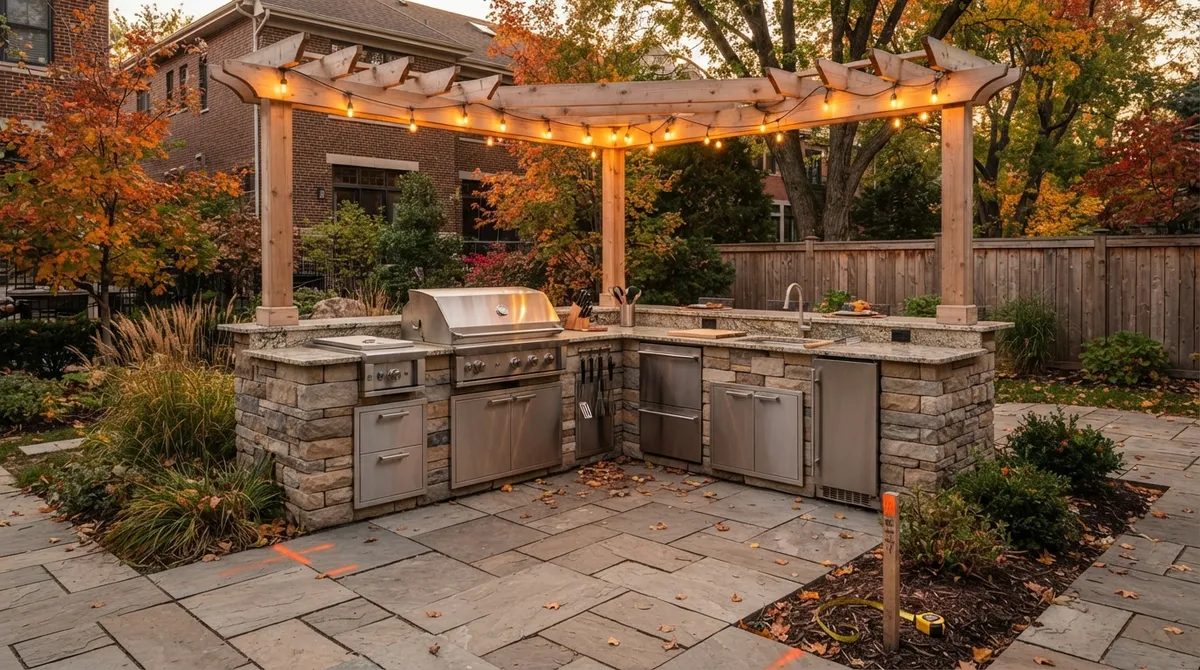
Ever daydream about sipping coffee on a brand-new patio while the morning sun warms your face? You’re not alone. More Chicago-area homeowners than ever are ready to trade in patchy grass and cracked concrete for a real outdoor living space. But patio installation involves a lot more than just picking pretty stones and calling it a day. From soil prep to drainage to material choices that survive brutal Midwest winters, there’s real strategy behind a patio that lasts.
Whether you’re a suburban homeowner chasing HOA-approved curb appeal, a condo owner with a tiny rooftop, or a property manager juggling stormwater rules, this guide breaks down everything you need to know. We’ll walk through the process, the materials, the costs, and the mistakes to dodge. Grab a cup of coffee (or lemonade, if it’s warm outside) and let’s get into it together.
1. Understand What Professional Patio Installation Actually Involves
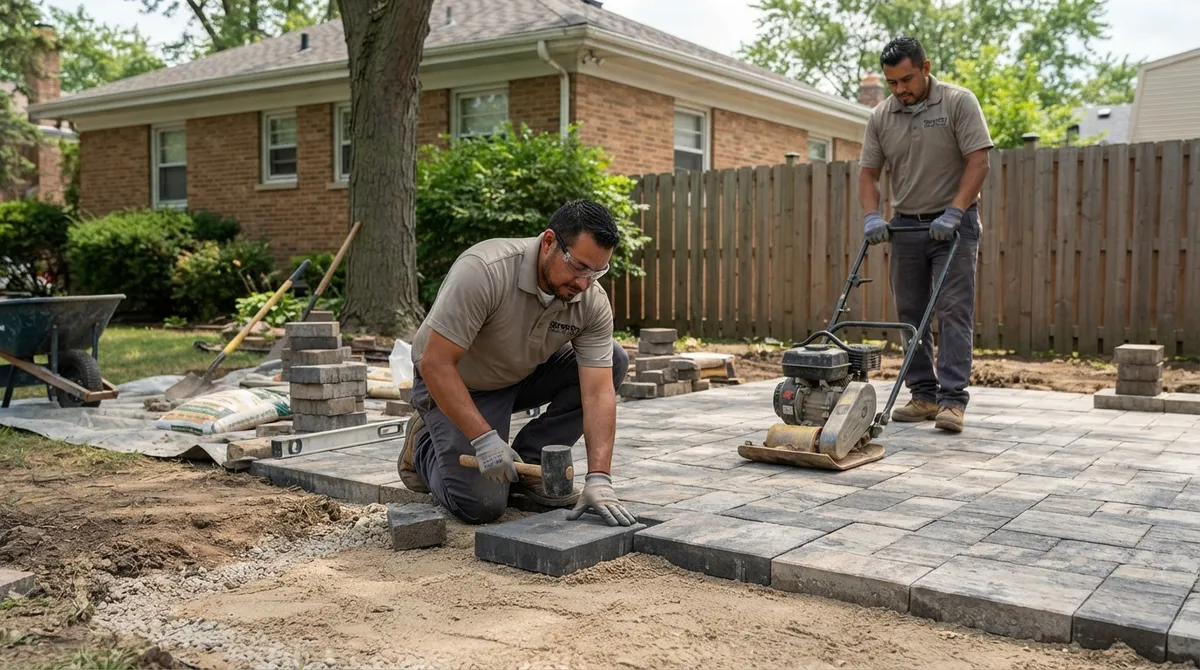
Patio installation is a full process, not just laying down some pavers and hoping for the best. It includes site evaluation, grading, base preparation, material placement, and finishing touches like sealing or lighting. Skipping any step can lead to a patio that shifts, cracks, or floods within a few short years.
A trustworthy landscaping team will walk your property first. They’ll check drainage patterns, soil type, and sun exposure before recommending a design. This is also where our process really shines, since we tailor every plan to your specific yard instead of using a one-size-fits-all approach.
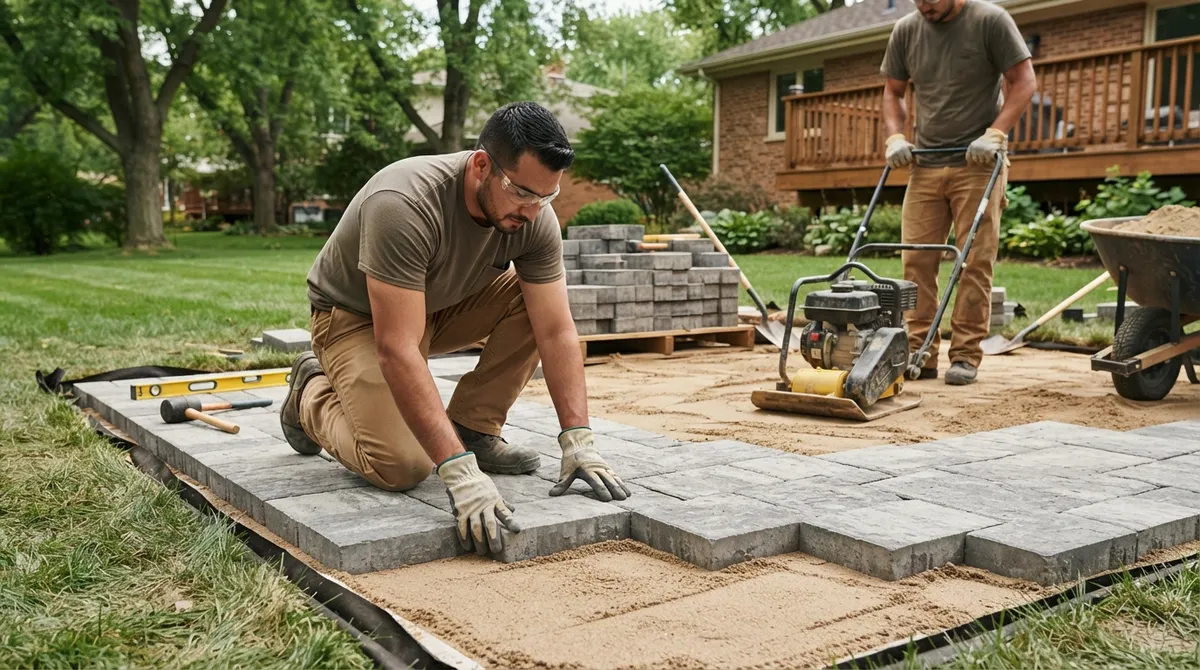
2. Know the Step-by-Step Installation Process
Here’s a simple breakdown of how professional patio installation typically works from start to finish:
- Design consultation: Discuss your goals, budget, and style preferences, often with 2D or 3D renderings.
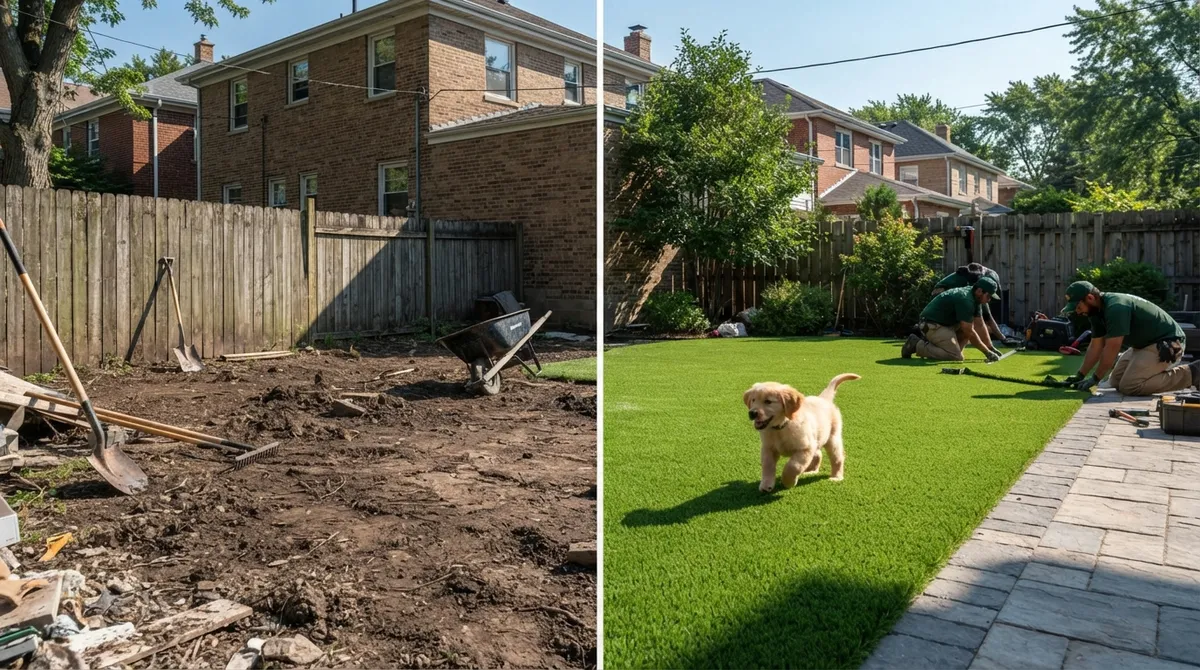
- Site prep and excavation: Remove grass, roots, and old surfaces to reach proper depth.
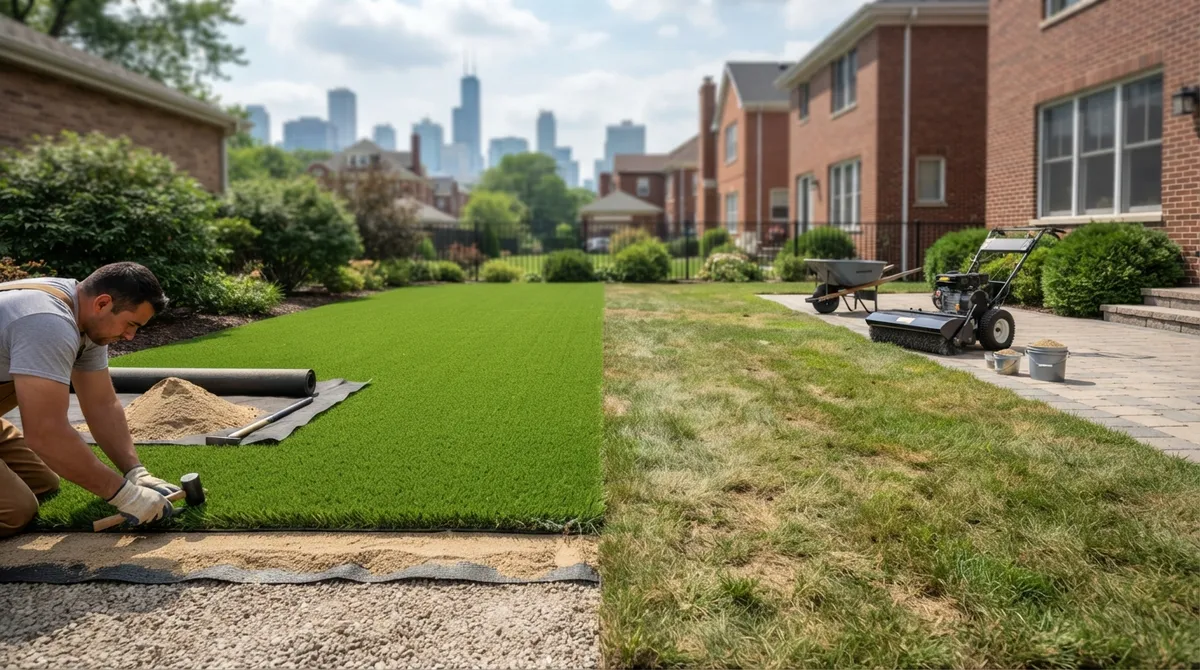
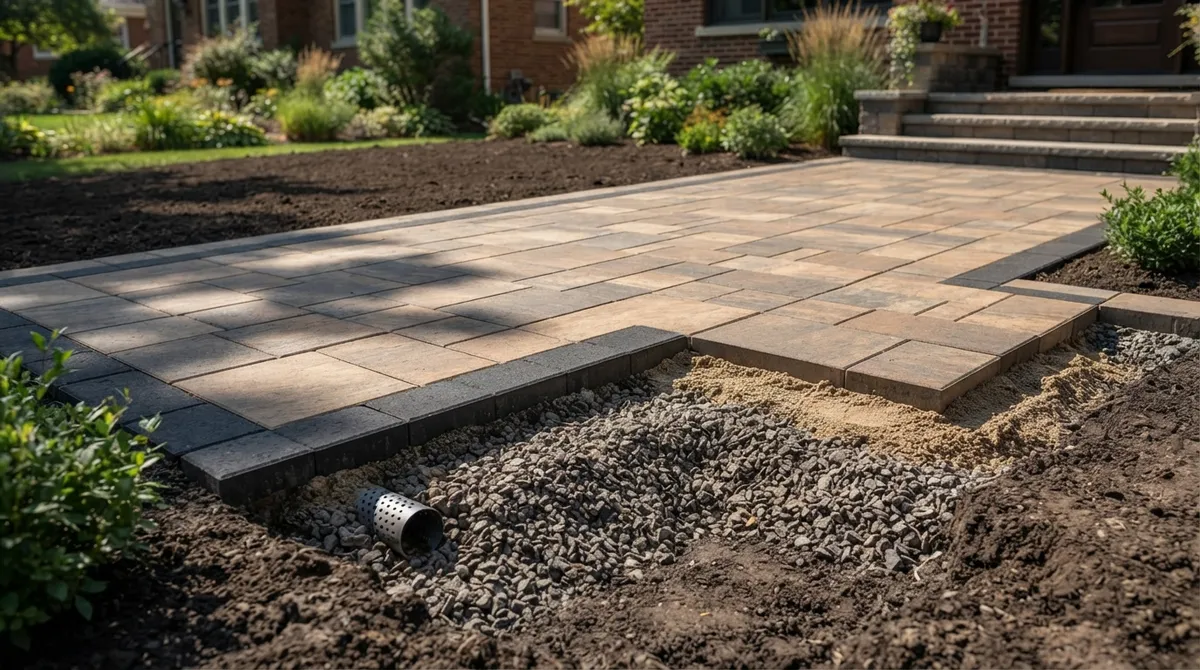
- Base installation: Add and compact a modified gravel base for drainage and stability.
- Edge restraints: Install borders to keep pavers or stone from shifting over time.
- Material laying: Place pavers, natural stone, brick, or pour concrete according to the design.
- Joint filling and compaction: Fill gaps with polymeric sand and compact everything for a tight fit.
- Sealing (optional): Apply sealant to protect against stains and freeze-thaw damage.
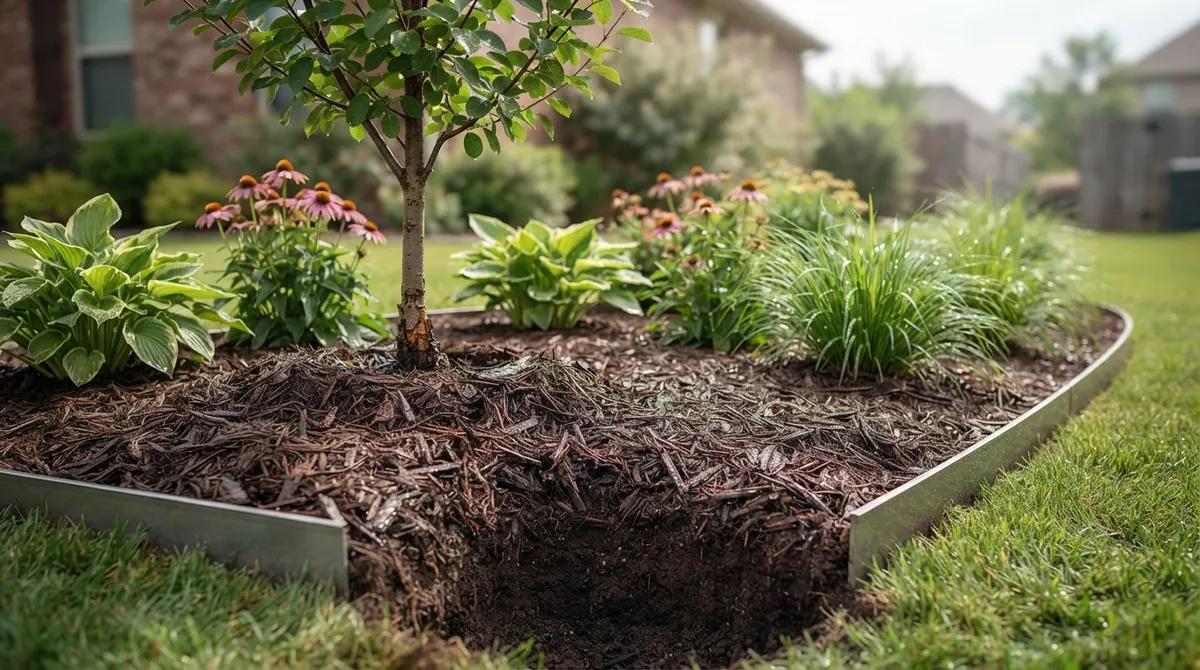
- Final touches: Add lighting, fire features, or plantings to complete the space.
Most professional installations take about 1 to 2 weeks, depending on size, material, and weather. Rushing this timeline is usually a red flag, since proper compaction and drainage prep simply take time.
3. Pick the Right Material for Your Lifestyle
Choosing a material is one of the biggest decisions in patio installation. Each option has its own look, price point, and durability level. Here’s a quick comparison to help you decide.
| Material | Average Lifespan | Best For | Maintenance Level |
|---|---|---|---|
| Concrete Pavers | 25-30 years | Most budgets, custom patterns | Low |
| Natural Stone (Bluestone, Sandstone) | 30+ years | Upscale, timeless look | Moderate |
| Brick | 20-25 years | Classic, traditional homes | Moderate |
| Poured Concrete | 15-20 years | Simple, budget-friendly projects | Low to Moderate |
Concrete pavers and natural stone are consistently the top picks in our area because they hold up well against freeze-thaw cycles. If you want to dig deeper into paver options, check out this guide on how pavers transform outdoor space with style and durability.
4. Suburban Homeowners: Meet HOA Standards Without Sacrificing Style
If you live in a Chicago suburb with an HOA, you already know the drill. Every fence, shed, and patio needs approval before you break ground. The good news is that most HOAs love patios because they boost curb appeal and property value.
Working with an experienced team means fewer headaches with approvals. We know which materials and layouts tend to sail through HOA review, and we can help you design something that fits neighborhood guidelines while still feeling like yours. Pairing your patio with retaining walls or outdoor lighting can also elevate the whole look without breaking any rules.
5. Urban Condo Owners: Make the Most of Small or Rooftop Spaces
City living doesn’t mean you have to skip out on outdoor enjoyment. Rooftop patios and small balcony spaces just need smarter planning. Lightweight pavers, container gardens, and space-saving furniture layouts can turn even a tiny footprint into a cozy retreat.
Urban heat islands are a real challenge, too. Choosing lighter-colored materials helps reflect sunlight instead of trapping heat. Combining your patio with softscape plantings also cools the air naturally and softens all that hard surface.
6. Commercial Property Managers: Prioritize Drainage and Durability
For office parks and retail centers, patios aren’t just about looks. They need to handle heavy foot traffic, harsh weather, and strict stormwater regulations. A modified base with proper drainage is non-negotiable here, since standing water can quickly become a liability issue.
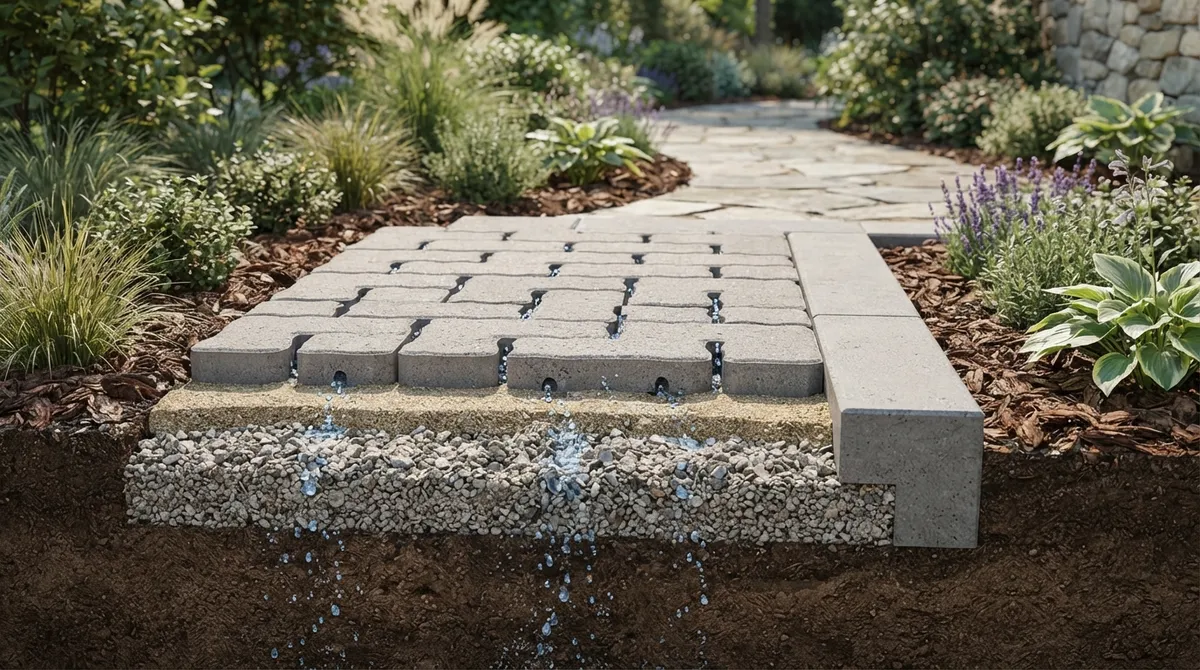
Sustainable hardscaping is becoming the standard for commercial properties across the region. Permeable pavers, for example, let water filter through naturally instead of pooling. If you manage a commercial property, our commercial lawn maintenance team can help keep the surrounding greenery looking sharp too.
7. New Home Builders: Deliver Turnkey Outdoor Features
Buyers today expect more than four walls and a roof. A finished patio adds real value and helps homes sell faster. Builders in Aurora and surrounding suburbs increasingly request full hardscape packages as part of new construction.
Bundling patio installation with fire pits or pergolas and pavilions gives buyers a move-in-ready outdoor space they’ll fall in love with instantly. It’s a smart way to differentiate your properties in a competitive market.
8. Small Business Owners: Create a Space That Draws Customers In
Restaurants, cafes, and shops in Chicago suburbs can turn a patio into a genuine business asset. A welcoming outdoor seating area with seasonal plantings and soft lighting keeps customers lingering longer, which usually means bigger tabs and repeat visits.
Pedestrian-friendly design matters too. Wide walkways, non-slip surfaces, and clear sightlines all contribute to a patio that feels safe and inviting. It’s an investment that pays for itself through happier customers and better online reviews.
9. Don’t Skip the Drainage Step
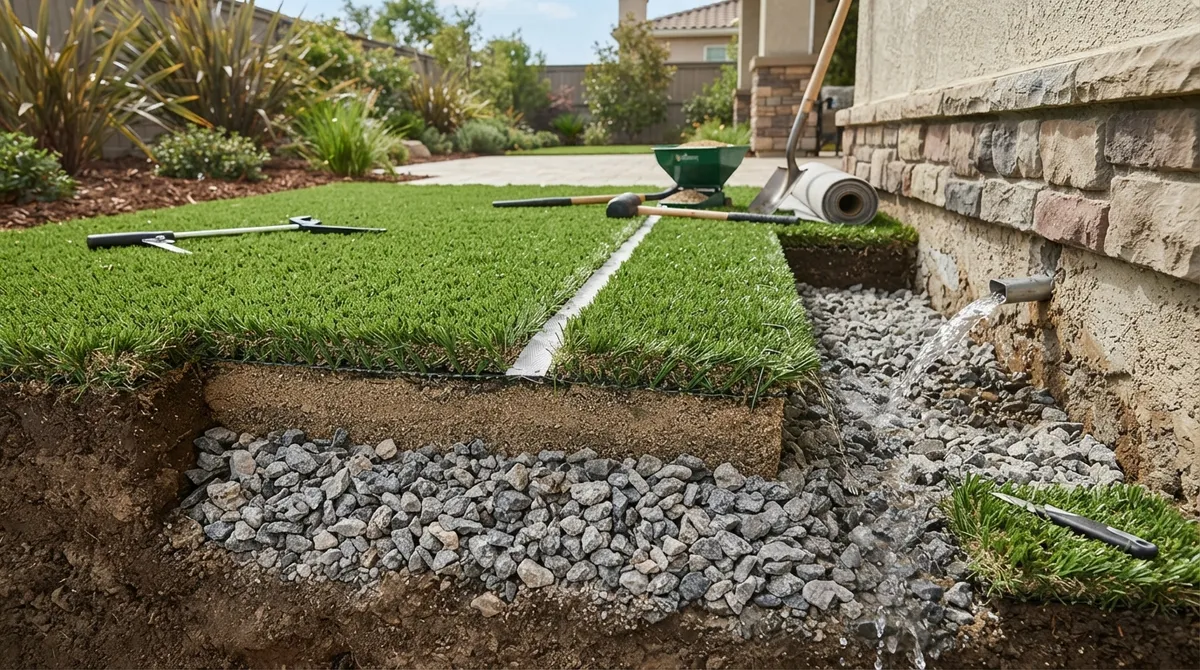
This is the part people love to rush, and it’s the most important. A patio without proper drainage will eventually shift, crack, or flood. Professional installers always modify the base layer with compacted gravel to direct water away from your home’s foundation.
Common drainage solutions include:
- Sloped grading away from structures
- French drains along patio edges
- Permeable paver joints that absorb runoff
- Channel drains for low-lying areas
- Downspout extensions routed away from the patio
Skipping this step to save money almost always costs more later in repairs. It’s one of the biggest reasons DIY patios fail within a few seasons.
10. Budget Smart: What Patio Installation Really Costs in 2026
Costs vary widely based on size, material, and site conditions, but here’s a general idea of what to expect this year:
- Poured concrete: Most budget-friendly option per square foot
- Concrete pavers: Mid-range pricing with excellent long-term value
- Natural stone: Premium pricing but unmatched durability and curb appeal
- Brick: Comparable to natural stone, especially for custom patterns
Extra features like lighting and sound systems, seating walls, or fire features will add to the total. It’s smart to get a detailed quote that breaks down materials, labor, and any site prep challenges like slope or soil issues.
11. Avoid These Common Patio Installation Mistakes
Even well-meaning homeowners and property managers run into trouble when they skip steps or hire inexperienced crews. Watch out for these common pitfalls:
- Skipping proper base compaction, which leads to sinking and shifting
- Ignoring drainage slope requirements
- Choosing the wrong material for the climate
- Installing directly over old cracked concrete without proper prep
- Forgetting to plan for future additions like fire pits or pergolas
- Hiring installers without proper certifications or experience
Working with certified professionals matters. Look for installers recognized by organizations like the ICPI Certified Installer program, which sets industry standards for paver installation quality. You can also learn more from local resources like Landscape Illinois, which supports professional standards across the state’s green industry.
For more specific pitfalls to avoid, check out our article on hardscaping mistakes to avoid in your outdoor space.
Bonus: Maintaining Your Patio After Installation
Once your new patio is in place, a little upkeep goes a long way. Here’s a simple routine to keep it looking fresh year after year:
- Sweep debris regularly to prevent staining
- Reapply joint sand every couple of years
- Reseal natural stone or pavers every 2-3 years
- Clear snow gently to avoid surface damage
- Address weeds in joints early before they spread
A well-maintained patio can easily last decades, especially when the initial installation was done right. If you’re curious about how pavers hold up over time, our piece on what makes clay brick pavers the best choice for your outdoor space covers this in more detail.
Ready to Start Your Patio Project?
Patio installation is one of the best investments you can make in your outdoor space. It boosts curb appeal, adds usable living area, and creates a spot where memories happen, whether that’s a quiet morning coffee or a big backyard barbecue. The key is working with a team that understands drainage, materials, and design all in one cohesive plan.
At Serenity Landscape Group, we’ve spent over two decades helping Chicago-area homeowners and businesses build outdoor spaces they truly love. From custom paver patios to complete backyard transformations, our team handles every step with care and craftsmanship. Browse our gallery of our work to see what’s possible, or get a free estimate today to start planning your dream patio. You can also call us at (630) 359-5139 to chat with our friendly team about your project. We can’t wait to help you fall in love with your outdoor space all over again.
FAQs
Q: How much does patio installation cost in 2026?
A: Costs really depend on size, material, and how much site prep your yard needs. Poured concrete tends to be the most budget-friendly, while natural stone sits at the premium end. We’re always happy to walk you through a personalized quote so there are no surprises.
Q: How long does a professional patio installation take?
A: Most patios take about 1 to 2 weeks from start to finish, depending on size and weather. Rushing this process usually means skipping important steps like base compaction, so a little patience really pays off here.
Q: Do landscapers handle drainage when installing a patio?
A: Absolutely, and honestly, it’s one of the most important parts of the whole job. A properly graded and compacted base keeps water flowing away from your home instead of pooling on the surface.
Q: Can I install a patio over an existing concrete slab?
A: Sometimes, but it really depends on the condition of that old slab. Cracks or drainage issues underneath usually mean it’s better to start fresh so your new patio doesn’t inherit the same problems.
Q: Do patio installations increase home value?
A: Yes, they’re one of the best returns you can get in outdoor improvements. A well-designed patio adds livable square footage and curb appeal, which buyers and neighbors both tend to notice right away.