Key Takeaways
-
Proper base preparation with 6-8 inches of compacted gravel is critical for driveway longevity and prevents shifting, sinking, and uneven surfaces in Chicago’s freeze-thaw climate.
-
Paver driveways last 25-50+ years and resist cracking much better than concrete (15-25 years) or asphalt (15-20 years), especially in harsh Midwest winters.
-
You can drive on newly installed pavers immediately after installation, unlike poured concrete which requires days of curing—ideal for busy households and commercial properties.
-
Individual damaged pavers can be replaced easily without tearing up the entire driveway, whereas concrete patching or asphalt resurfacing is costly and highly visible.
-
Hire ICPI-certified professional installers to ensure proper grading, drainage, material expertise, and warranty coverage rather than attempting DIY installation.
-
Permeable pavers allow rainwater to filter through into the ground, managing stormwater naturally and helping meet Chicago area environmental guidelines.
Your driveway is the first thing people see when they pull up to your home or business. A cracked, dull surface doesn’t exactly roll out the welcome mat. That’s where driveway pavers installation comes in — and it’s one of the best investments you can make for your outdoor space.
Whether you’re a suburban homeowner in Naperville, a commercial property manager in downtown Chicago, or a new home builder in Aurora, paver driveways offer a winning combination of beauty, durability, and low maintenance. They hold up through brutal Midwest winters, look stunning year-round, and can even boost your property value significantly.
In this guide, we’re walking you through 11 key things every property owner should know before getting started. Think of it as your friendly roadmap to a driveway you’ll actually love. Let’s dig in!
1. Pavers Outlast Traditional Concrete and Asphalt
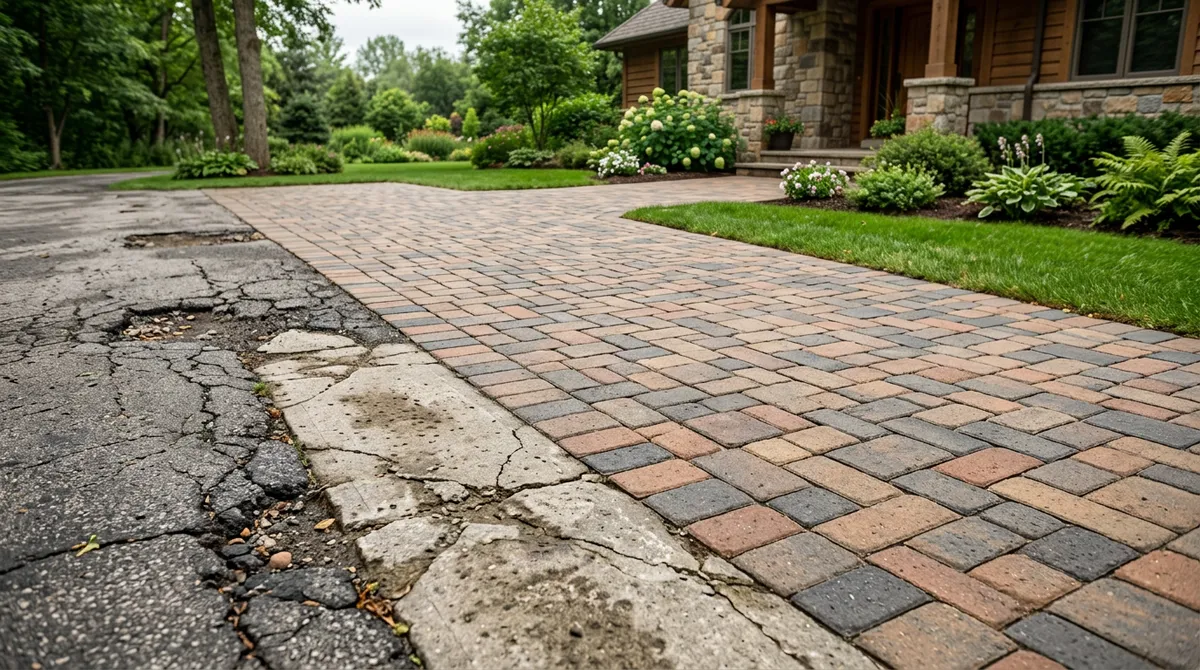
One of the biggest selling points of driveway pavers is how long they last. When installed correctly, paver driveways can last for several decades without cracking, chipping, or shifting. Traditional poured concrete tends to crack over time — especially in Chicago’s freeze-thaw climate — while asphalt requires frequent sealing and resurfacing.
Pavers are designed to flex slightly with ground movement. This makes them far more resilient during harsh winters and wet springs. For homeowners and commercial property managers looking for a long-term solution, it’s hard to beat pavers.
2. There Are Several Material Options to Choose From
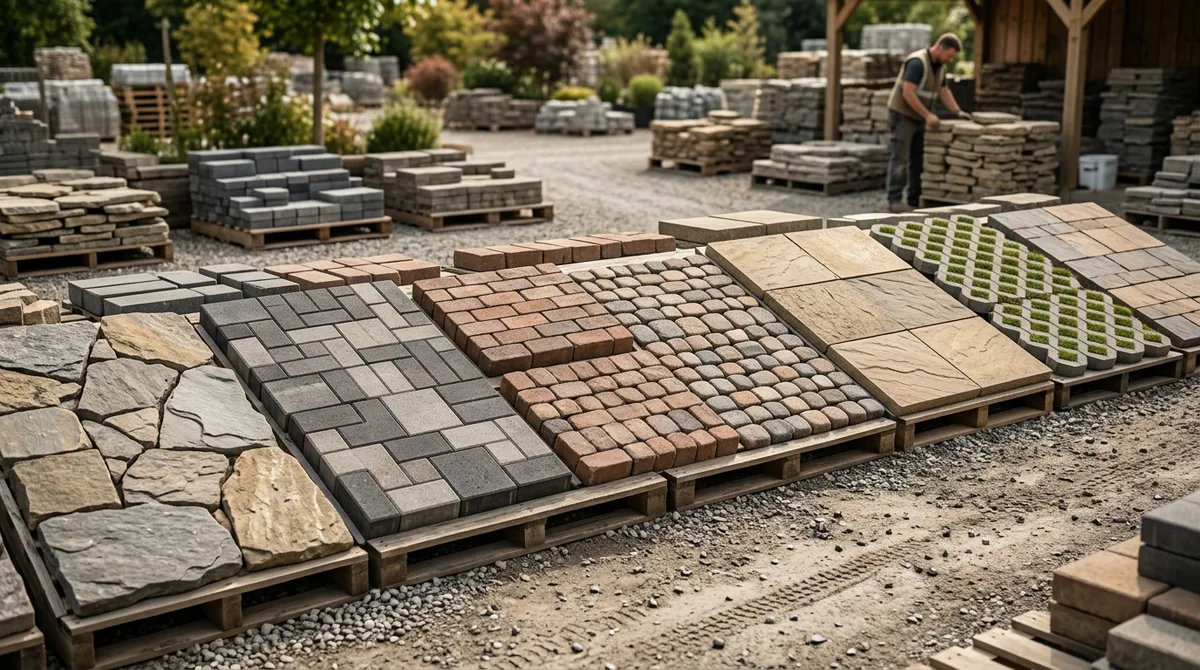
Not all pavers are created equal. When planning your driveway pavers installation, you’ll have several material choices, each with its own look and performance characteristics. Here’s a quick breakdown:
| Material | Durability | Aesthetic Appeal | Maintenance Level |
|---|---|---|---|
| Concrete Pavers | Excellent | Versatile, many styles | Low |
| Brick Pavers | Very Good | Classic, timeless look | Very Low |
| Natural Stone | Excellent | Upscale, unique | Low to Moderate |
Brick pavers are especially popular because they retain their color well over time. Natural stone gives properties a high-end, custom feel. Concrete pavers offer the most flexibility in shapes, colors, and patterns. Your choice will depend on your budget, style preferences, and how the driveway connects to the rest of your landscape design.
3. The Installation Process Follows Clear Steps
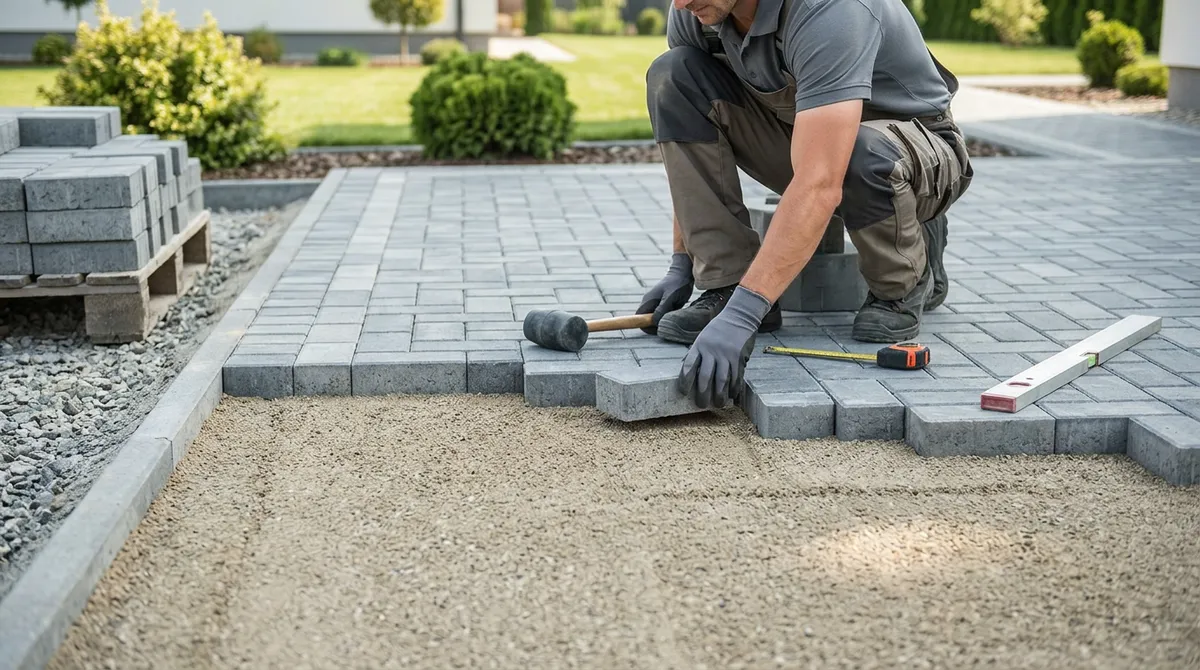
Understanding the installation process helps you know what to expect. Professional driveway pavers installation isn’t a one-day job — it’s a methodical process that requires skill and precision. Here’s what it typically looks like:
- Consultation and Design: Your landscaping team meets with you to discuss layout, materials, patterns, and budget.
- Site Preparation: The existing surface is removed and the area is excavated to the proper depth.
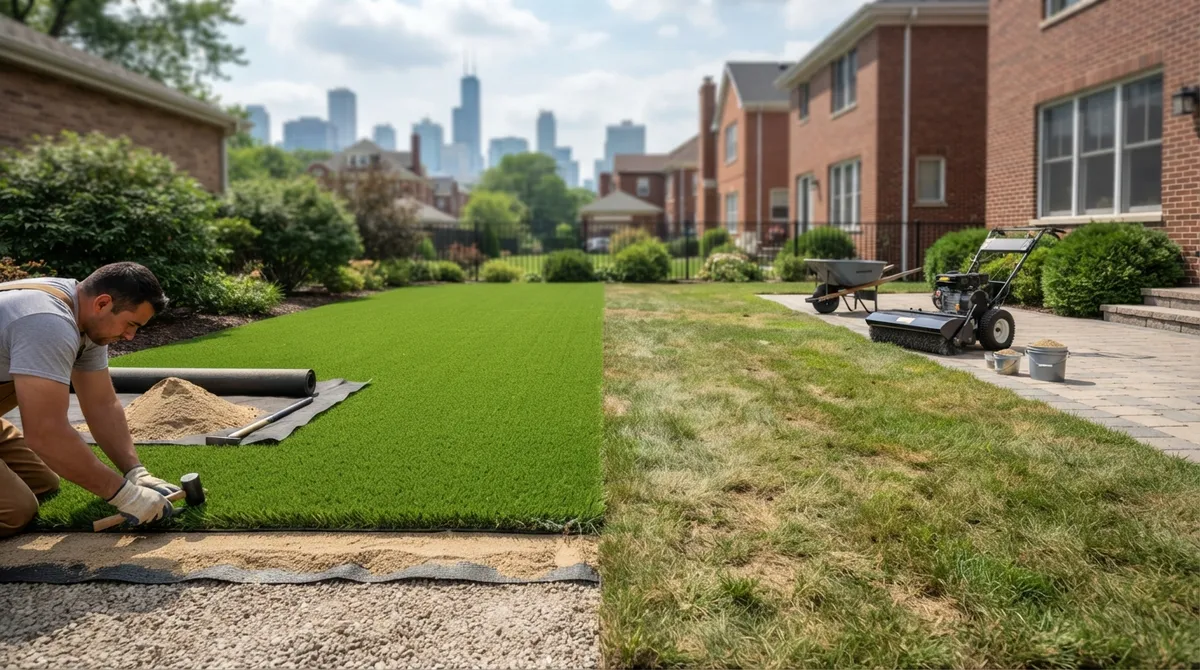
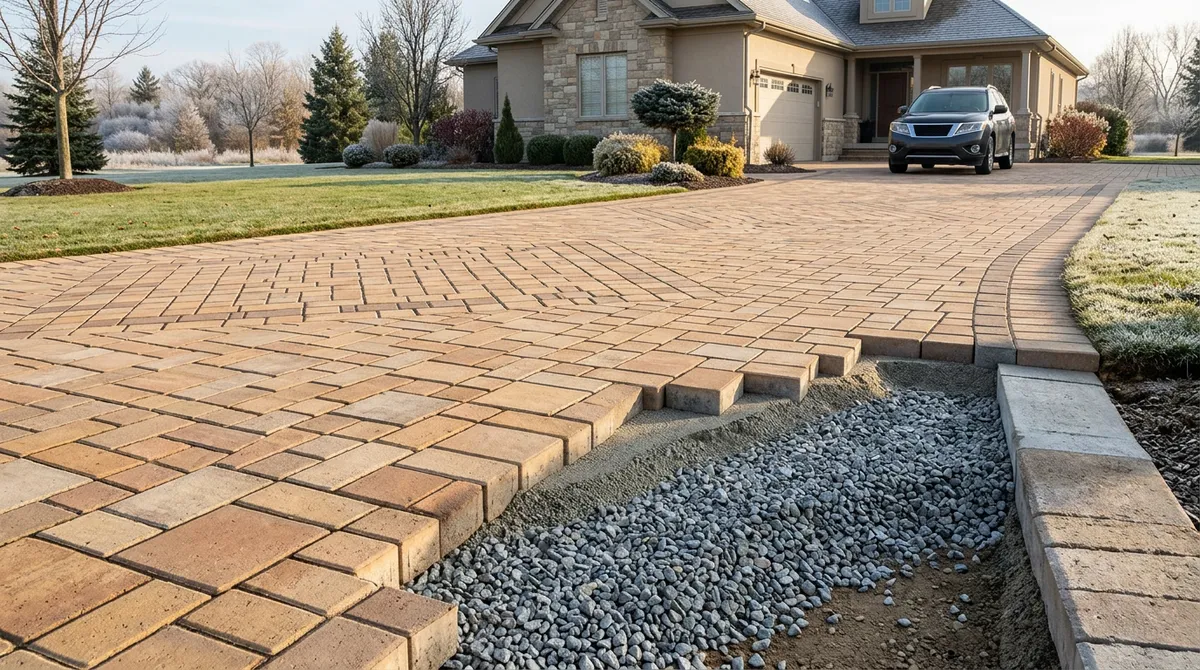
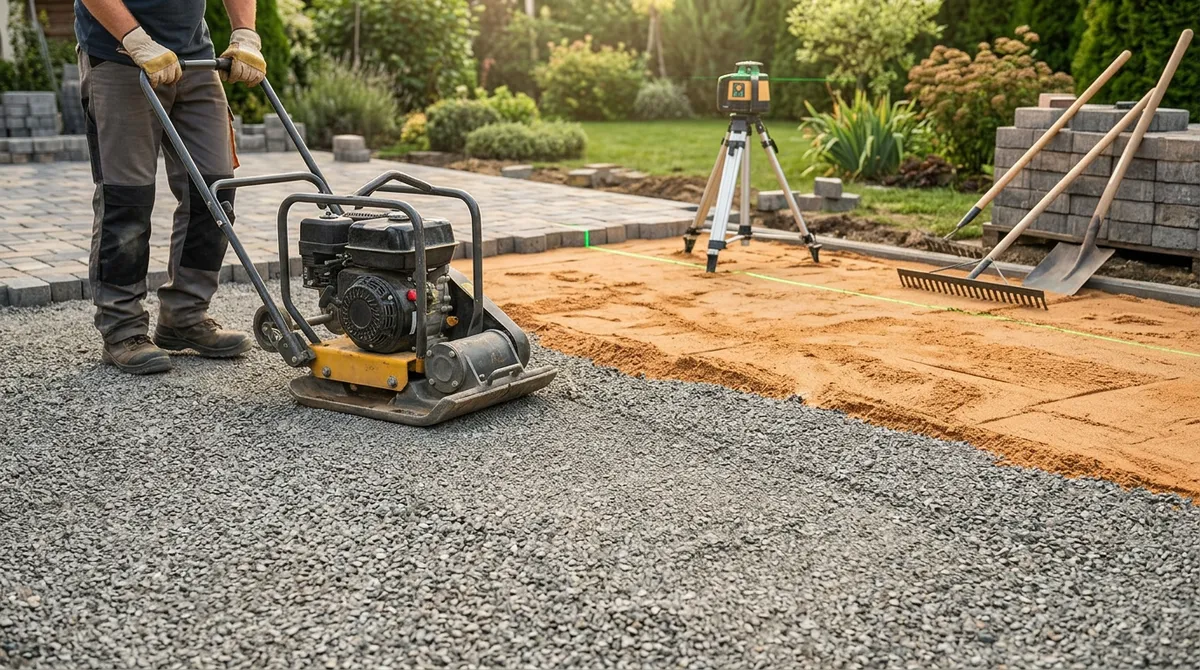
- Grading and Base Layering: The ground is leveled and a compacted gravel base is installed for stability.
- Sand Bedding: A layer of sand is spread evenly to create a smooth surface for paver placement.
- Paver Placement: Pavers are laid in the chosen pattern, cut to fit edges as needed.
- Joint Sand and Sealing: Polymeric sand is swept into the joints, and a sealant is applied to protect the surface.
The foundation work — excavation, grading, and base layering — is what truly determines how well your driveway holds up over time. Skipping or rushing these steps is the number one cause of paver problems down the road. That’s why working with experienced professionals matters so much.
4. Proper Base Preparation Is Everything
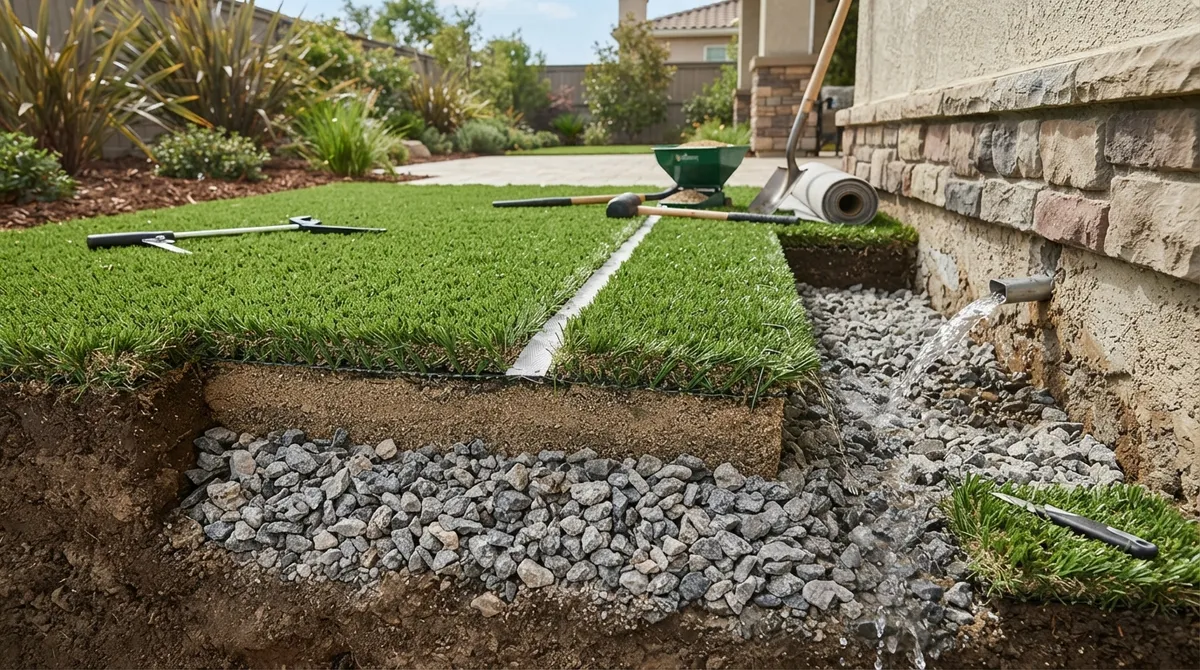
If there’s one thing professional landscapers emphasize most, it’s the base. A solid compacted gravel base — typically 6 to 8 inches deep for driveways — is what keeps pavers from shifting or sinking. In the Chicago area, where soil can shift significantly due to frost, this step is especially critical.
Poor base preparation leads to uneven surfaces, pooling water, and cracked or sunken pavers. A well-built foundation, on the other hand, means your driveway looks level and performs beautifully for decades. Don’t cut corners here — the base is where quality lives.
5. Paver Driveways Are Ready to Use Quickly
Here’s a fun fact that surprises a lot of homeowners: you can drive on a newly installed paver driveway almost immediately after installation. Unlike poured concrete, which requires days of curing time, pavers are ready to handle vehicle traffic right away.
This is especially helpful for busy households or commercial properties where downtime is a real inconvenience. You won’t be rerouting traffic or parking on the lawn for a week — just admiring your beautiful new driveway from day one.
6. There Are Dozens of Patterns and Designs to Explore
One of the most enjoyable parts of planning a driveway pavers installation is choosing a design pattern. Pavers are incredibly versatile. You can go classic, contemporary, or somewhere in between. Popular patterns include:
- Running Bond: A timeless brick-like pattern that works well for most driveways
- Herringbone: A zigzag layout that adds visual interest and is very strong under vehicle weight
- Basketweave: A charming, traditional style often seen in older neighborhoods
- Fan or Cobblestone: A curved, radial pattern for an upscale European look
- Mixed Colors and Borders: Using contrasting colors or decorative borders for a custom finish
The right pattern can complement your home’s architecture and tie your driveway into the overall landscape design. It’s worth browsing a gallery of our work to get inspired before committing to a style.
7. Maintenance Is Surprisingly Simple
Let’s be honest — nobody wants a high-maintenance driveway. The good news is that paver driveways are among the easiest surfaces to care for. Here’s what a typical maintenance routine looks like:
- Sweep or rinse the surface regularly to remove debris
- Pressure wash once or twice a year to restore appearance
- Refill joint sand every 2 to 3 years as needed
- Reseal every 3 to 5 years for added protection and color vibrancy
- Replace individual damaged pavers — no need to tear up the whole driveway
That last point is a big deal. If a single paver cracks due to an impact or tree root, you simply replace that one piece. With poured concrete, you’d be looking at patching or full section replacement, which is far more costly and visible.
8. Permeable Pavers Are an Eco-Friendly Option
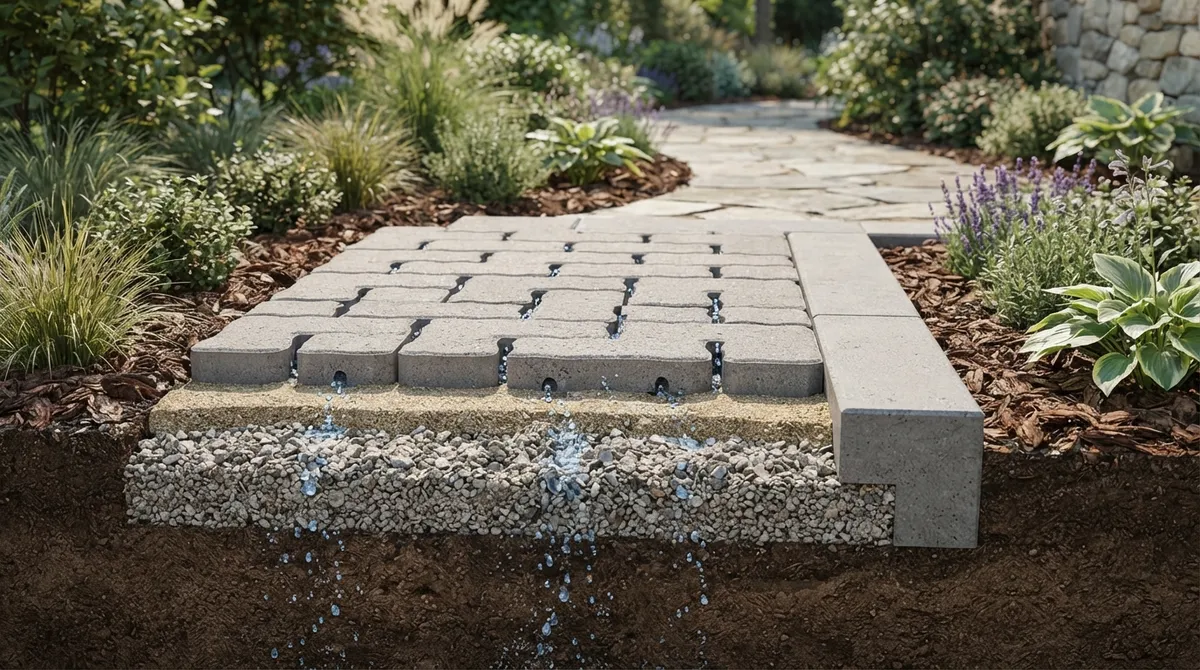
For environmentally conscious homeowners and commercial property managers, permeable pavers are a fantastic choice. These are specially designed with gaps that allow rainwater to filter through the surface and into the ground below, rather than running off into storm drains.
This helps manage stormwater naturally, reduces flooding risk, and supports groundwater replenishment. In urban areas like Chicago where stormwater management is an ongoing challenge, permeable driveway pavers installation can even help you meet local environmental guidelines. It’s a smart, sustainable choice for properties of all sizes. You can explore how this fits into a broader outdoor plan by checking out our full range of landscaping and hardscaping services.
9. Professional Installation Makes a Big Difference
While DIY driveway projects are tempting (we get it — YouTube makes everything look easy), driveway pavers installation is one area where professional expertise pays off significantly. Here’s why hiring a pro matters:
- Proper grading and drainage: Professionals ensure water flows away from your home’s foundation.
- Material expertise: They help you choose the right pavers for your climate, soil type, and usage.
- Warranty and accountability: Reputable landscaping companies stand behind their work.
- Integrated design: Pros can tie your driveway into a cohesive landscape plan that includes retaining walls, lighting, and softscapes.
Working with a certified installer is always a smart move. Look for professionals affiliated with recognized industry bodies — the ICPI Certified Installer program is a great benchmark for quality and expertise in the hardscaping industry.
10. Pavers Can Increase Your Property Value
Curb appeal is real, and it has real dollar value. A well-designed and properly installed paver driveway is one of the most visible and impactful upgrades you can make to a property. For residential homeowners, it creates an immediate wow factor that buyers notice. For commercial properties, it signals professionalism and attention to detail.
Paired with thoughtful softscape plantings, landscape lighting and sound, or a stylish fire pit nearby, a paver driveway becomes part of a cohesive outdoor experience that adds lasting value to your property. It’s not just a driveway — it’s part of your home’s story.
11. Choosing the Right Landscaping Partner Is Key
Not every contractor has the experience or design sensibility to pull off a truly stunning paver driveway. You want a team that listens to your vision, understands local soil and climate conditions, and has a track record of beautiful results.
Serenity Landscape Group has been transforming outdoor spaces across the greater Chicago area for over 20 years. From paver driveways to full outdoor living environments, our team brings artistry and technical skill to every project. We work with you from the first consultation through the final reveal — and the results speak for themselves. You can also learn more about our step-by-step approach by visiting our project process page.
For additional insights on landscape standards and practices in Illinois, Landscape Illinois is a trusted resource for homeowners and property managers alike.
Quick Comparison: Pavers vs. Other Driveway Materials
| Feature | Paver Driveway | Poured Concrete | Asphalt |
|---|---|---|---|
| Lifespan | 25–50+ years | 15–25 years | 15–20 years |
| Crack Resistance | Excellent | Moderate | Low |
| Repair Ease | Very Easy (individual pieces) | Difficult | Moderate |
| Design Options | Many (colors, patterns) | Limited | Very Limited |
| Curb Appeal | High | Moderate | Low |
| Eco-Friendly Options | Yes (permeable pavers) | No | No |
What to Ask Before You Hire a Paver Installer
Before signing any contract, it helps to ask the right questions. Here’s a checklist to guide your conversations with potential installers:
- Do you have experience with driveway pavers installation in the Chicago area?
- What base preparation method do you use, and how deep will you excavate?
- Can you show me examples of previous driveway projects?
- What materials do you recommend for my specific property and budget?
- Do you offer a warranty on your installation work?
- Will the project include proper drainage planning?
A confident, experienced installer will answer these questions clearly and happily. If someone dodges your questions or rushes you into a decision, that’s a red flag. Take your time — this is a long-term investment in your property.
For a deeper look at what a quality paver installation looks like from a landscape design perspective, our team is always happy to walk you through your options in a no-pressure consultation.
Ready to Transform Your Driveway?
Your driveway doesn’t have to be just a place to park. With the right pavers, the right design, and the right team, it becomes a beautiful welcome to your home or business every single day. From material selection to pattern design to long-term care, driveway pavers installation is a smart, stylish, and lasting upgrade that pays off for decades.
Whether you’re a homeowner in the Chicago suburbs, a commercial property manager, or a developer building new homes, a paver driveway is one of the best decisions you can make for your outdoor space. And you don’t have to figure it out alone — we’re here to help every step of the way.
Ready to get started? Request your free estimate today and let’s create a driveway — and an outdoor space — you’ll be proud of for years to come.
FAQs
Q: How long does a paver driveway last in the Chicago area?
A: Great news — when properly installed, a paver driveway can last 25 to 50 years or more! Chicago’s freeze-thaw cycles can be tough on surfaces, but pavers are designed to flex with ground movement, making them far more resilient than poured concrete or asphalt in our local climate.
Q: What materials are best for driveway pavers installation?
A: The top choices are concrete pavers, brick pavers, and natural stone — and each has its own charm! Concrete pavers offer the most design flexibility, brick pavers are classic and low-maintenance, and natural stone gives you that upscale, one-of-a-kind look. Your landscaping team can help you find the perfect match for your home and budget.
Q: Are paver driveways better than regular concrete?
A: In most cases, yes! Paver driveways outlast poured concrete, resist cracking much better, and are far easier to repair — you just replace individual pieces instead of patching or resurfacing whole sections. Plus, the design options are so much more exciting. It’s a win on durability, beauty, and long-term value.
Q: How much maintenance does a paver driveway need?
A: Honestly, not much at all — which is one of the reasons people love them! A quick pressure wash once or twice a year, refilling joint sand every 2 to 3 years, and resealing every few years is really all it takes. Compare that to asphalt, which needs more frequent attention, and you’ll see why pavers are such a popular choice.
Q: Can I install driveway pavers myself, or should I hire a professional?
A: While a DIY spirit is admirable, driveway pavers installation is one project where professional help really pays off. Proper excavation, grading, and base preparation are critical to long-term performance — especially in Chicago’s climate. A professional installer ensures your driveway drains correctly, looks beautiful, and lasts for decades.