Key Takeaways
-
Define your patio’s purpose before selecting materials or patterns—consider how you’ll use the space, number of guests, and maintenance preferences, as this foundation shapes all design decisions.
-
Large-format pavers (24+ inches) are the 2026 trend leader, creating fewer seams for a cleaner, more expansive look that works especially well for modern homes and smaller yards.
-
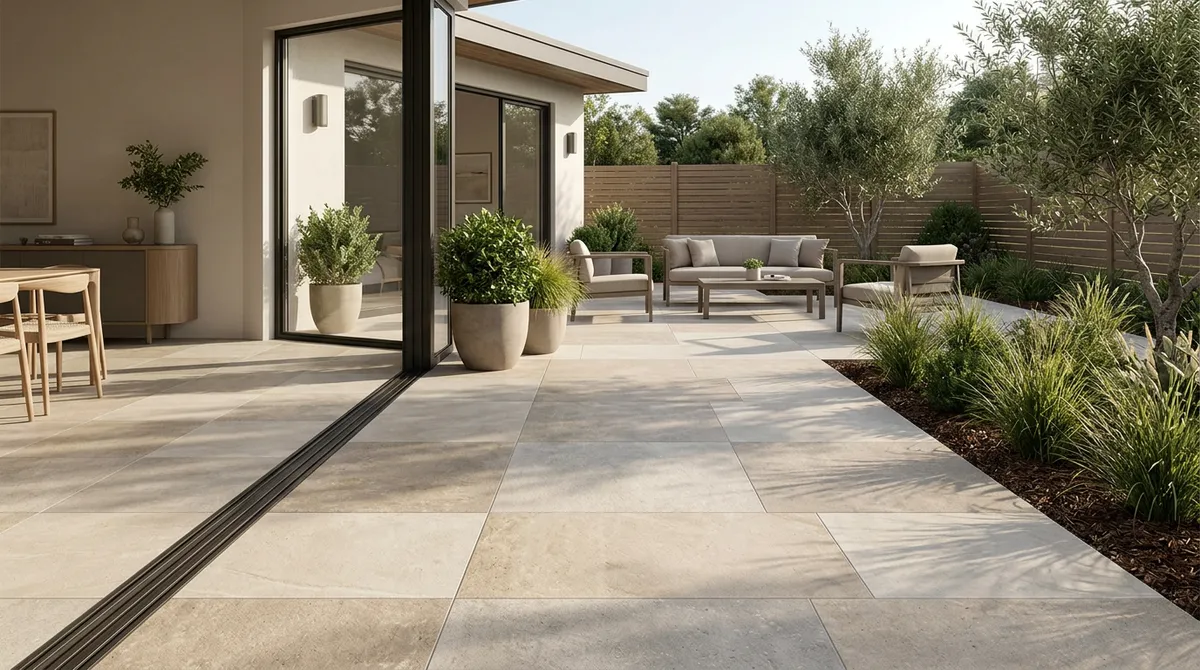
Match paver colors to your indoor flooring and align sight lines through windows to create a seamless indoor-outdoor flow that makes your exterior feel like a luxurious extension of your home.
-
Porcelain pavers ($15–$30/sq ft) offer fade-resistant, low-maintenance performance ideal for harsh winters, while concrete pavers ($4–$16/sq ft) provide budget-friendly versatility for modern designs.
-
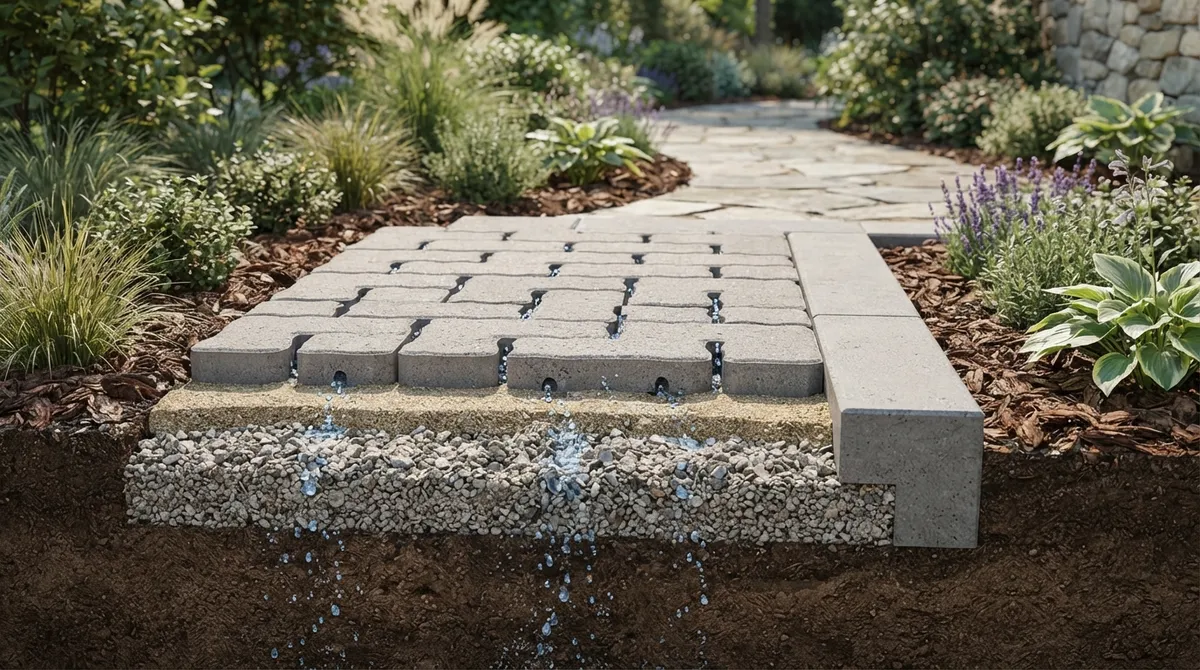
Permeable pavers reduce stormwater runoff and flooding while supporting eco-friendly landscaping—a smart investment for Chicago-area homes dealing with heavy spring rains.
-
Multi-level patio designs with retaining walls and tiered terraces transform sloped yards into stunning functional spaces with distinct zones for different activities without requiring large flat areas.
Your backyard deserves to be more than just a patch of grass. A well-designed paver patio can turn an ordinary outdoor space into a place you actually want to spend time in. Whether you love hosting summer cookouts, sipping coffee in the morning, or relaxing by a fire on cool evenings, the right patio design makes all of that better.
In 2026, paver patio ideas are more exciting than ever. From large-format pavers to eco-friendly permeable options, there are styles and materials for every budget and lifestyle. The best part? A paver patio adds real value to your home while making everyday life more enjoyable. Let’s walk through how to design a paver patio you’ll love for years to come.
Start With a Clear Vision for Your Space
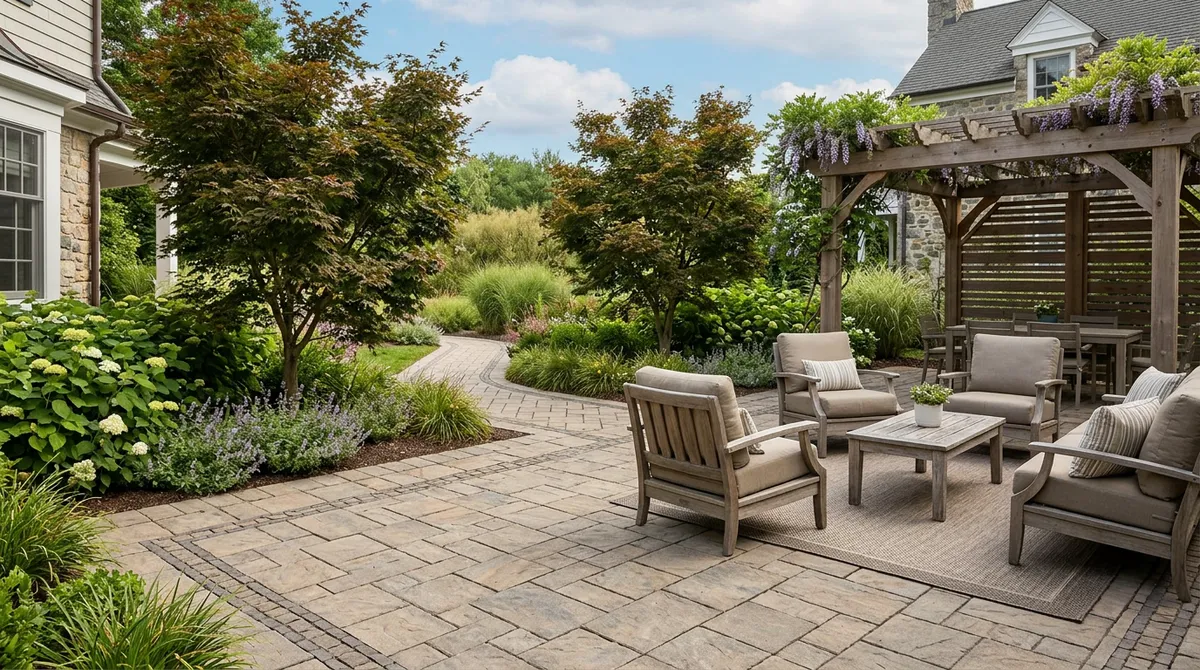
Before picking materials or patterns, think about how you want to use your patio. This is the foundation of any great design. Your goals will shape everything from size and layout to material choice.
Ask yourself a few simple questions:
- Do you want a space for dining, lounging, or both?
- Will you add a fire pit or outdoor kitchen?
- How many people do you typically entertain?
- Do you prefer a low-maintenance setup?
- Is your yard flat or sloped?
Once you have a clear picture, the design process becomes much simpler. A professional landscaper can help you translate your ideas into a practical, beautiful plan. You can also browse our gallery of work to spark some inspiration before your consultation.
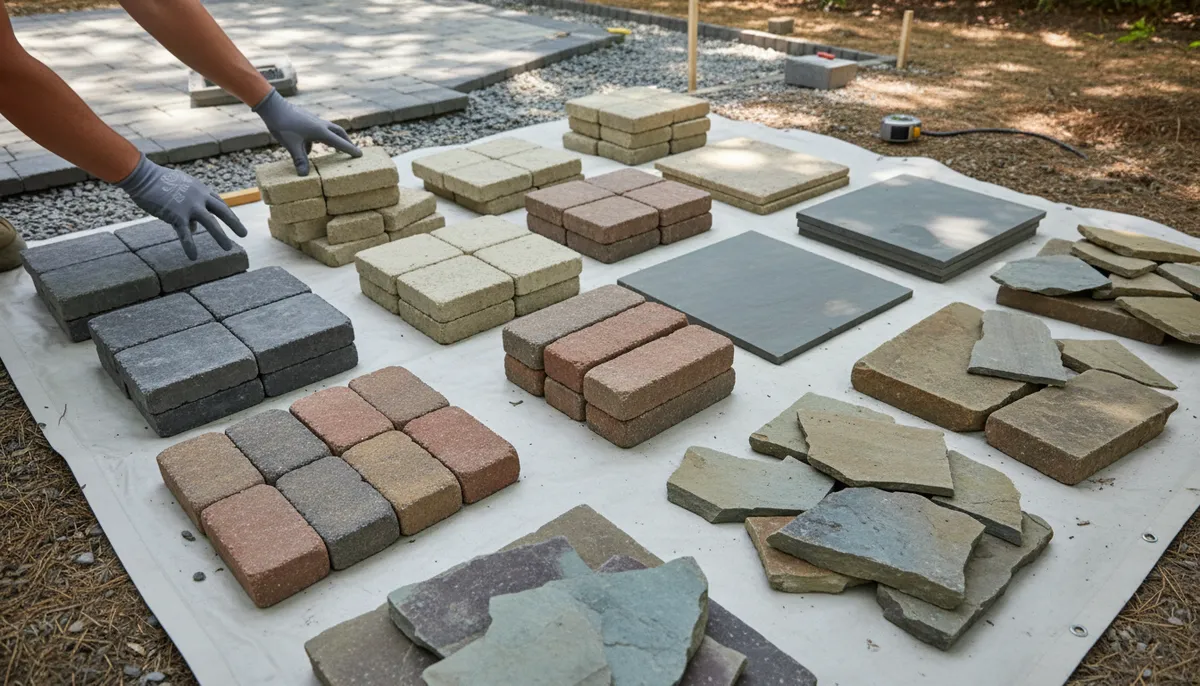
Choose the Right Paver Material
Not all pavers are created equal. Each material has its own look, price point, and maintenance requirements. Here’s a quick breakdown to help you decide.
| Material | Cost Per Sq Ft | Best For | Maintenance Level |
|---|---|---|---|
| Brick Pavers | $14–$24 | Classic, traditional styles | Low |
| Concrete Pavers | $4–$16 | Budget-friendly modern designs | Low to Medium |
| Porcelain Pavers | $15–$30 | High-end, contemporary looks | Very Low |
| Natural Stone | $20–$50 | Unique, organic aesthetics | Medium |
| Permeable Pavers | $10–$25 | Eco-friendly, drainage solutions | Low |
Porcelain pavers are one of the top choices in 2026 for their fade-resistant finish and seamless look. Natural stone adds warmth and character that’s hard to replicate. If budget is a concern, concrete pavers offer incredible versatility at a lower price point. Working with an ICPI Certified Installer ensures your pavers are installed correctly no matter which material you choose.
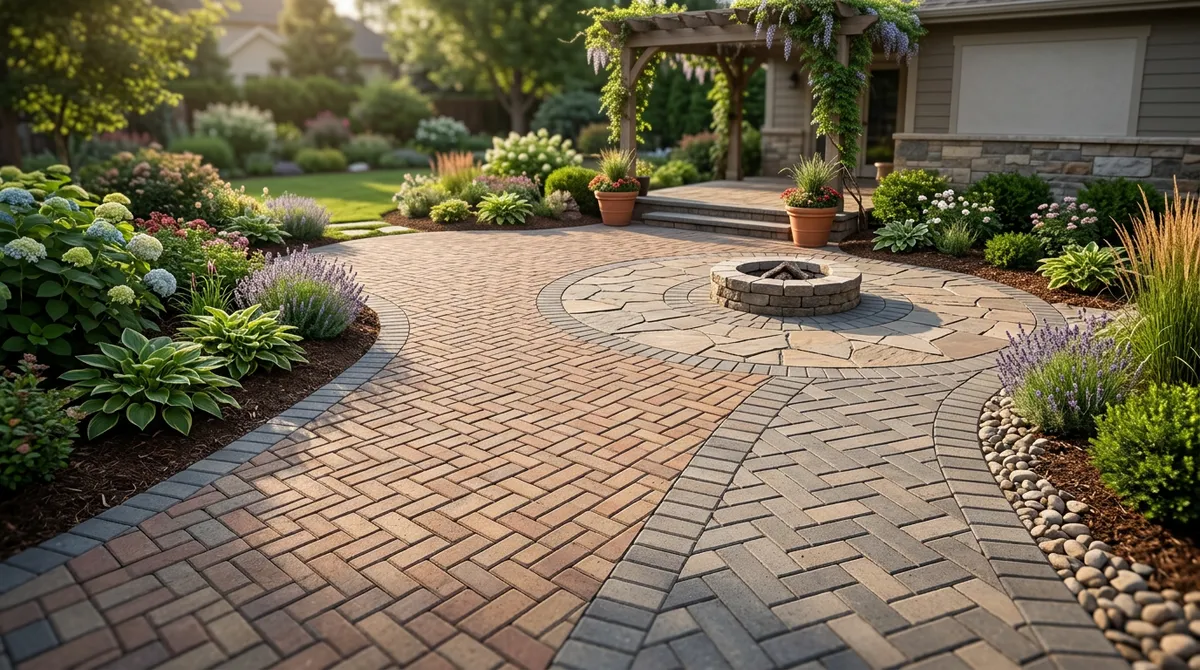
Explore Popular Paver Patterns for 2026
The pattern you choose changes the entire feel of your patio. Some patterns feel modern and sleek. Others feel warm and traditional. Here are the most popular paver patterns trending in 2026.
1. Running Bond
This classic brick-laying style staggers each row for a clean, elongated look. It’s simple, timeless, and works beautifully with large-format pavers. Running bond is especially popular for contemporary homes.
2. Large-Scale Herringbone
Herringbone adds visual interest without feeling too busy. In 2026, oversized pavers in herringbone layouts give this traditional pattern a fresh, upscale update. It works well for both patios and driveways.
3. Grid Layout
Also called a stacked bond, the grid layout lines pavers up in perfect rows and columns. This pattern creates a clean, architectural feel that pairs well with modern outdoor furniture and minimalist landscaping.
4. Border Framing
This approach uses a contrasting paver color or material to frame the patio edge. It creates a polished, finished look that elevates the entire design. Border framing is great for defining space within a larger yard.
Choosing the right pattern is just as important as choosing the right material. Our professional paver installation services can help you visualize each option before committing.
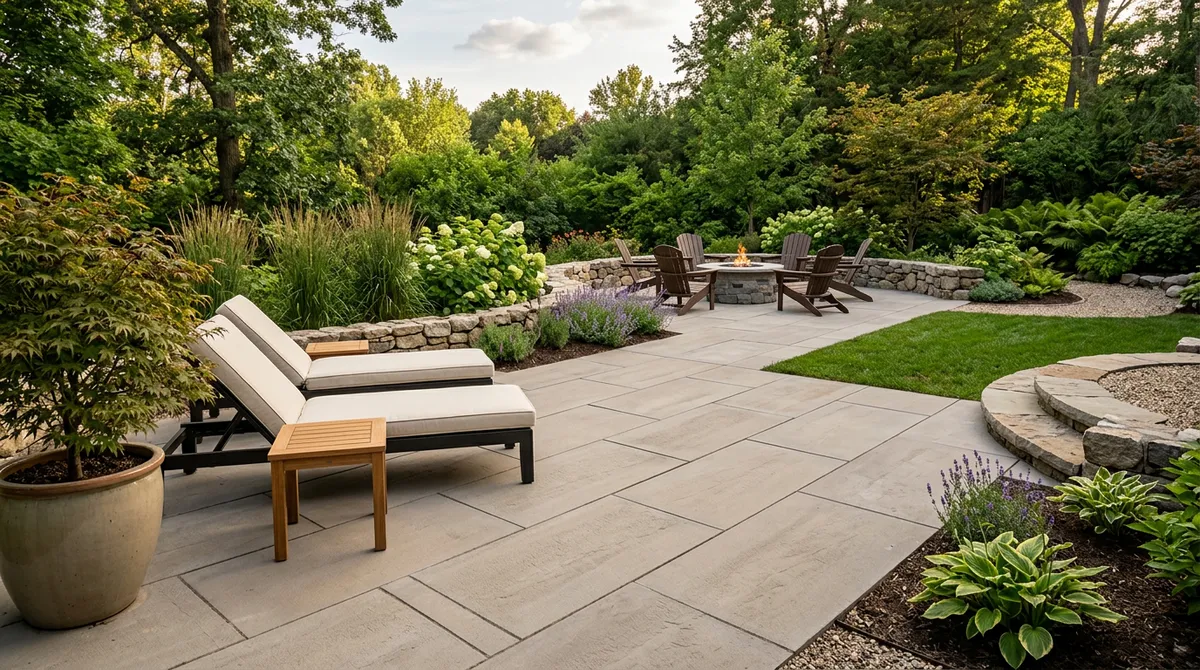
Think Big: Large-Format Pavers Are Leading the Trend
One of the biggest shifts in paver patio ideas this year is the move toward large-format pavers — typically 24 inches or larger. These oversized pavers create fewer seams, which gives your patio a cleaner, more expansive look.
Large-format pavers are ideal for:
- Modern and contemporary home styles
- Open-air dining areas
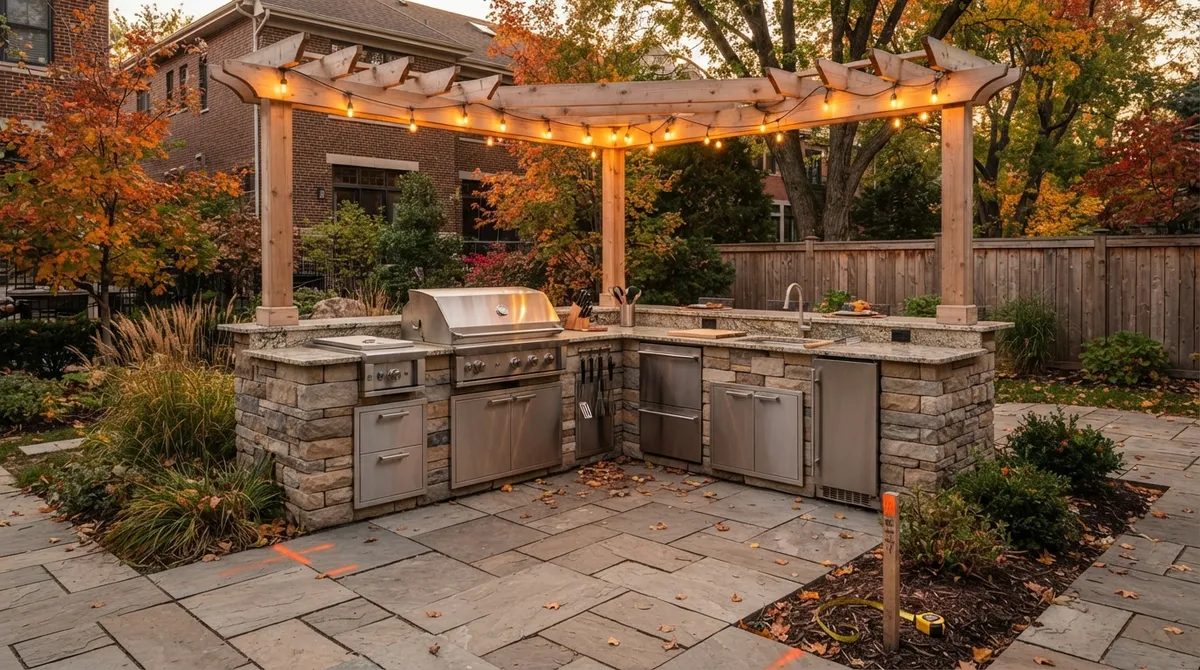
- Patios adjacent to outdoor kitchens
- Spaces that flow directly from indoor living areas
They also create the illusion of more space, which is a huge win for smaller yards. Pair them with minimal landscaping and clean-line furniture for a polished, magazine-worthy result.
Design for Indoor-Outdoor Flow
One of the most exciting paver patio ideas right now is designing your outdoor space to feel like a seamless extension of your home’s interior. This means choosing pavers that mimic your indoor flooring, aligning sight lines through sliding glass doors or windows, and keeping the color palette consistent inside and out.
To create this seamless indoor-outdoor transition:
- Choose paver colors that complement your interior flooring.
- Add a pergola or pavilion to define the outdoor living area.
- Use consistent furniture materials and tones across both spaces.
- Install outdoor lighting that mirrors your indoor ambiance.
- Keep pathways wide enough to feel like hallways, not just footpaths.
This design approach is especially popular with suburban homeowners in the Chicago area who want their outdoor living spaces to feel luxurious and intentional. According to recent data, 63.7% of new single-family homes already include patios — and that number keeps climbing as homeowners prioritize outdoor living.
Go Green With Permeable Pavers
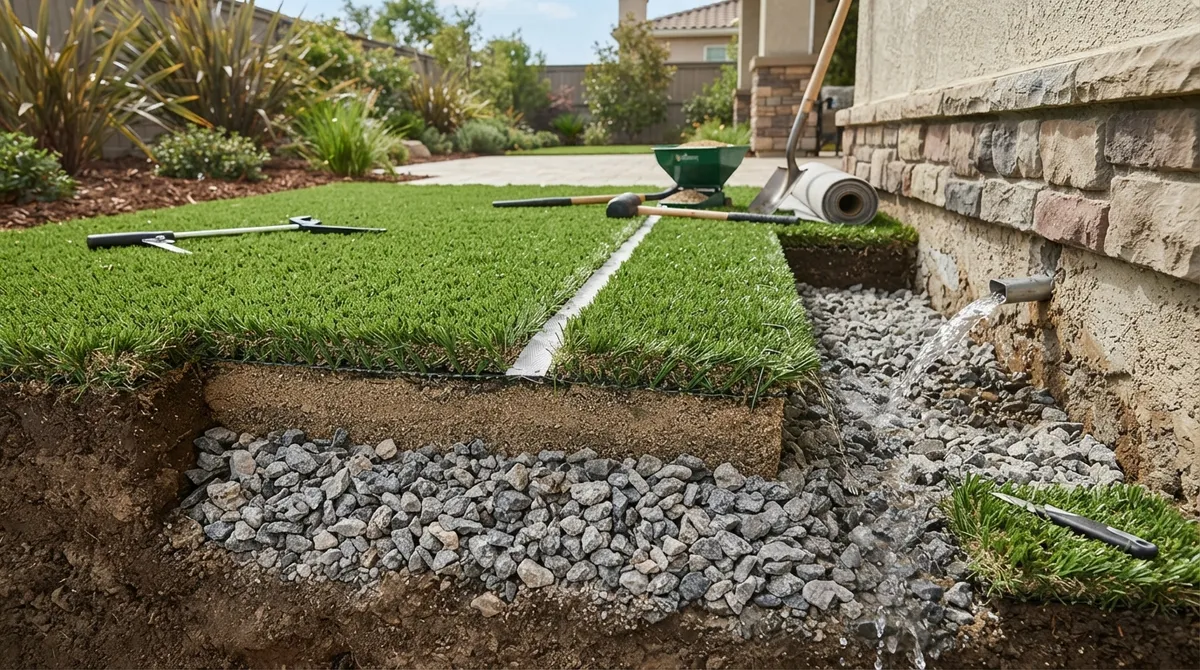
If sustainability matters to you — and it should — permeable pavers are worth a serious look. These eco-friendly options allow rainwater to filter through the joints and into the ground below. That reduces runoff, prevents flooding, and helps recharge groundwater naturally.
Permeable pavers are a smart choice for:
- Properties with drainage challenges
- Chicago-area homeowners dealing with heavy spring rains
- Commercial properties managing stormwater compliance
- Anyone committed to an eco-friendly landscape
You can even fill the joints with low-growing ground cover plants for a beautiful green texture that brings nature right into your hardscape. Landscape Illinois is a great resource for understanding eco-friendly landscaping practices in our region.
Create Multi-Level Patios for Sloped Yards
A sloped yard doesn’t have to limit your patio dreams. In fact, multi-level paver patio designs turn challenging terrain into a stunning design feature. Each level can serve a different purpose, making your yard more functional and visually dynamic.
Here’s how to approach a multi-level design:
- Work with a landscaper to assess the slope and plan safe transitions between levels.
- Use retaining walls to stabilize each terrace and prevent erosion.
- Designate each level for a specific use — dining, lounging, fire pit, or pool area.
- Connect levels with wide, paver-matched steps for a cohesive look.
- Add landscape lighting along steps for safety and ambiance after dark.
Multi-level patios are especially popular in neighborhoods with natural terrain variation. They also give homeowners the ability to create distinct zones without needing a large, flat surface area.
Add Features That Make Your Patio Come Alive
A paver patio truly becomes a destination when you layer in functional and beautiful features. Think of your patio as an outdoor room — and every great room needs the right finishing touches.
Popular patio features in 2026 include:
- Fire pits: Perfect for year-round entertaining, especially in Chicago’s cooler months
- Built-in seating: Low-profile paver benches or seat walls that save space and look sharp
- Outdoor kitchens: Built-in grills, counters, and prep stations for the ultimate hosting setup
- Smart LED lighting: Energy-efficient lights embedded in the patio or along borders for ambiance and safety
- Water features: Small fountains or bubbling urns that add a calming sound element
At Serenity Landscape Group, we design full outdoor living spaces that bring all of these elements together cohesively. Our team handles everything from the initial concept to the final installation, so you get a beautiful, functional result without the stress. Learn more about our project process to see how we bring each vision to life.
Budget Smartly for Your Paver Patio Project
One of the most common questions homeowners ask is: how much does a paver patio cost? The honest answer is — it depends. Total project costs can range from $400 to $16,000 or more depending on size, materials, terrain, and any additional features like lighting or retaining walls.
Here are a few tips to make the most of your budget:
- Prioritize quality materials for high-traffic zones and save on decorative accents.
- Start with a smaller patio footprint and expand it over time.
- Bundle projects together — installing a patio alongside softscape plantings can save on labor costs.
- Ask about phased project timelines to spread the investment over seasons.
- Get a detailed estimate upfront so there are no surprises mid-project.
A well-built paver patio is an investment that pays back in lifestyle quality and home value. With the right planning, you can create something beautiful without breaking the bank.
Work With a Professional Landscaper
While DIY projects have their place, a paver patio is one area where professional expertise truly shines. Proper base preparation, drainage planning, and precise installation are what separate a patio that lasts decades from one that shifts and cracks after a single Chicago winter.
A skilled landscaping team will assess your soil, design for drainage, and select materials suited to your climate and lifestyle. They’ll also handle permits if required and ensure the final result exceeds your expectations. To explore the full range of services available for your outdoor space, take a look at what we offer and find the right fit for your project.
Conclusion
Designing a paver patio is one of the best investments you can make in your home and quality of life. From choosing the right materials and patterns to adding fire pits, lighting, and lush plantings around the edges, every decision brings you closer to an outdoor space you’ll truly love. Whether you’re working with a flat suburban backyard or a sloped urban courtyard, there’s a paver patio idea that fits your space, your style, and your budget.
Ready to bring your paver patio vision to life? Request a free estimate from Serenity Landscape Group and let our experienced team help you design the outdoor space you’ve always imagined. We’d love to help you create something beautiful.
FAQs
Q: What are the top paver patio trends for 2026?
A: In 2026, large-format pavers (24 inches or larger) are leading the way for a clean, modern look with fewer seams. Eco-friendly permeable pavers, seamless indoor-outdoor transitions, and multi-functional patios with fire pits and outdoor kitchens are also hugely popular right now — basically, patios are becoming full outdoor living rooms!
Q: How much does a paver patio cost to install?
A: Paver patio costs vary widely depending on size, materials, and features. Brick pavers run $14–$24 per square foot, while concrete pavers are more budget-friendly at $4–$16 per square foot. Total project costs typically range from $400 to $16,000 or more, so getting a personalized estimate is always the best first step.
Q: What is the best low-maintenance paver material?
A: Porcelain pavers are one of the best choices if you want gorgeous looks with minimal upkeep. They’re fade-resistant, easy to clean, and hold up beautifully through Chicago’s tough winters. Concrete pavers are another solid low-maintenance option that gives you lots of design flexibility at a lower cost.
Q: Are permeable pavers a good choice for Chicago-area homes?
A: Absolutely! Permeable pavers are a fantastic option for Chicago homeowners dealing with heavy rainfall and drainage issues. They allow water to filter through the joints naturally, reducing runoff and helping protect your yard from flooding. They’re eco-friendly and can even be filled with ground cover plants for a beautiful, green effect.
Q: Can I add a paver patio to a sloped yard?
A: Yes, and sloped yards can actually produce some of the most stunning multi-level patio designs! By using retaining walls and tiered terraces, a landscaping professional can transform a challenging slope into a beautiful, functional outdoor space with distinct zones for dining, lounging, and entertaining.