Key Takeaways
-
Patio pavers last 25-30+ years with proper installation and maintenance, significantly outlasting concrete slabs which typically need replacement within 15-20 years, making them a better long-term investment despite potentially higher upfront costs.
-
Proper base preparation is critical to paver longevity—a compacted gravel base, sand layer, and edge restraints prevent sinking and shifting, so hiring ICPI Certified Installers is essential to avoid costly mistakes from rushed DIY projects.
-
Individual damaged pavers can be replaced one at a time rather than replacing an entire surface, and pavers flex with ground movement instead of cracking like solid concrete slabs, reducing repair costs over time.
-
Choose concrete pavers for budget-friendly versatility, brick for classic charm on older homes, or natural stone for upscale custom looks; each material affects both cost and durability differently based on your climate and aesthetic goals.
-
Paver patios require minimal maintenance—regular sweeping, occasional rinsing, weeding between joints, and sealing every 2-3 years keeps them fresh, and professional maintenance packages are available for hands-off property owners.
-
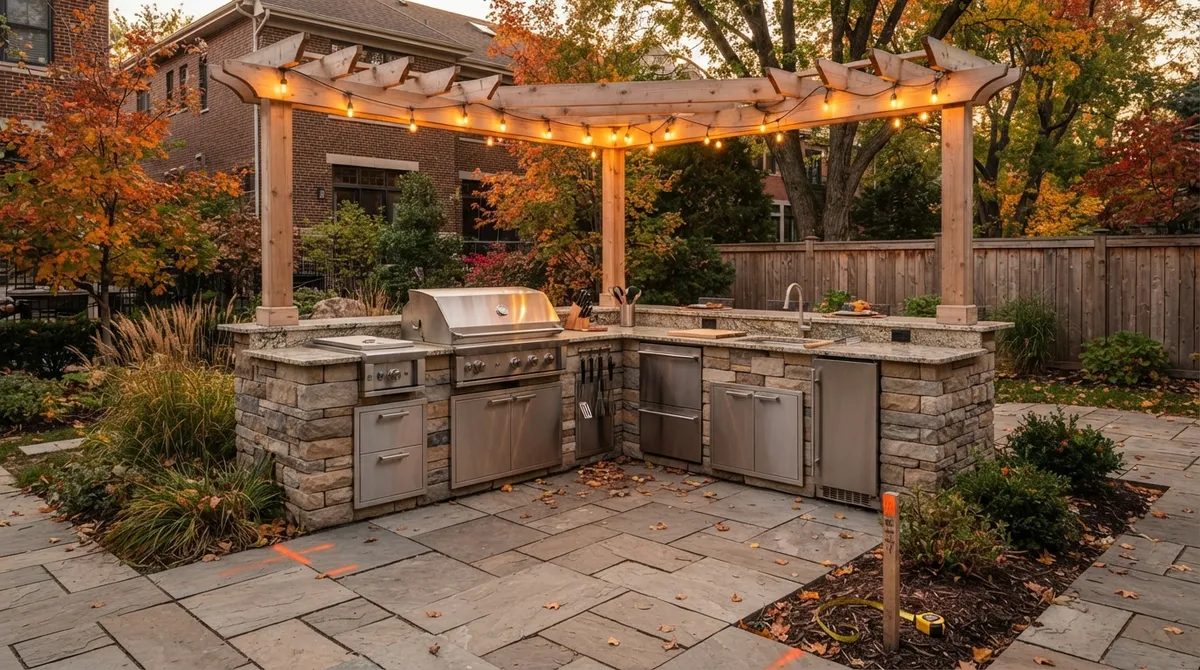
Pavers work beyond patios for walkways, driveways, pool decks, and fire pit surrounds, and can be combined with other hardscape features like pergolas and lighting to create complete outdoor living transformations.
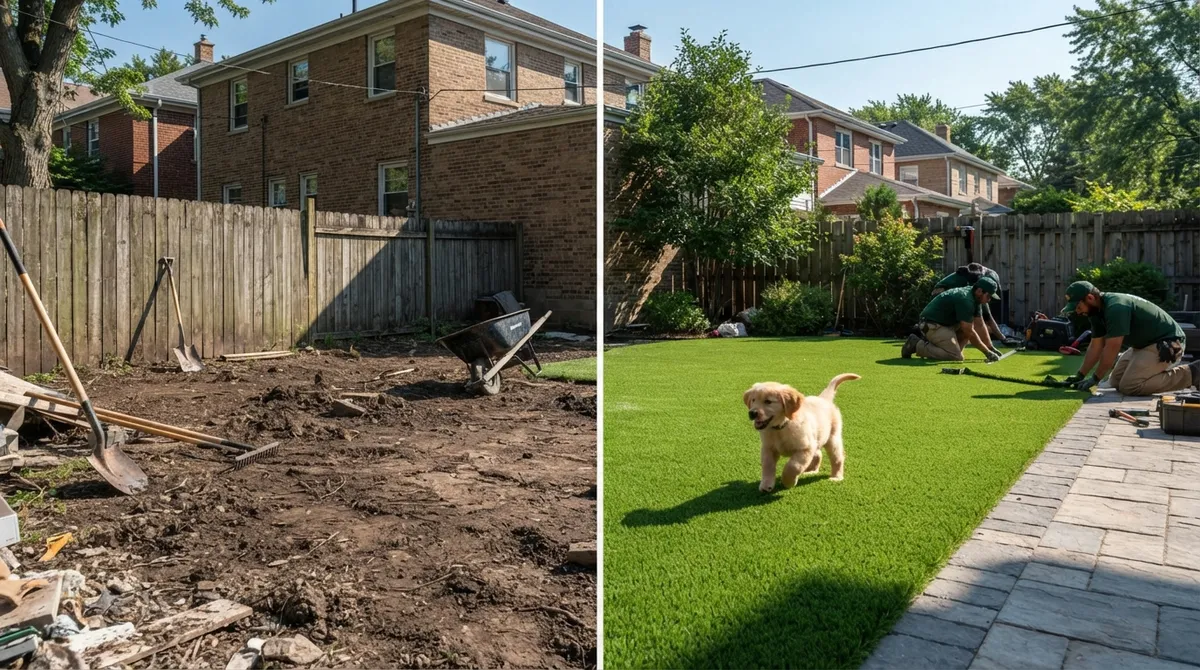
Ever stood on a cracked, weedy concrete slab and wished your backyard looked more like a magazine photo? You’re not alone. So many homeowners we meet dream of a cozy outdoor spot for coffee mornings, backyard barbecues, and evening chats under the stars. The good news? Patio pavers can turn that daydream into a real place you can walk on, sit on, and love for years to come.
Patio pavers are one of the most popular hardscaping choices we install here at Serenity Landscape Group. They’re durable, beautiful, and surprisingly affordable compared to bigger home additions. Whether you’re a suburban homeowner in Naperville, a condo owner with a small rooftop deck, or a property manager trying to boost curb appeal, pavers offer something for everyone. Let’s walk through what makes them such a smart choice for your outdoor space.
What Are Patio Pavers, Exactly?
Patio pavers are individual units, made from concrete, brick, or natural stone, that fit together to form a solid outdoor surface. Unlike one giant concrete slab, pavers are laid piece by piece over a carefully prepared base. This makes them a form of hardscaping, which simply means the “built” parts of your landscape, as opposed to plants and lawns, which are called softscaping.
Think of pavers like puzzle pieces for your yard. Each piece locks into place, creating a strong, flexible surface that can handle Chicago’s freeze-thaw winters better than a solid slab. If you want to see how pavers work alongside other outdoor features, check out our softscapes options too, since a great backyard usually blends both hard and soft elements.
Why Homeowners Love Them
There’s a reason paver patios show up in almost every backyard makeover you see online. Here’s what makes them so popular:
- They come in hundreds of colors, shapes, and patterns to match any home style.
- They handle heavy foot traffic without cracking like plain concrete often does.
- Damaged pavers can be replaced individually instead of tearing up the whole patio.
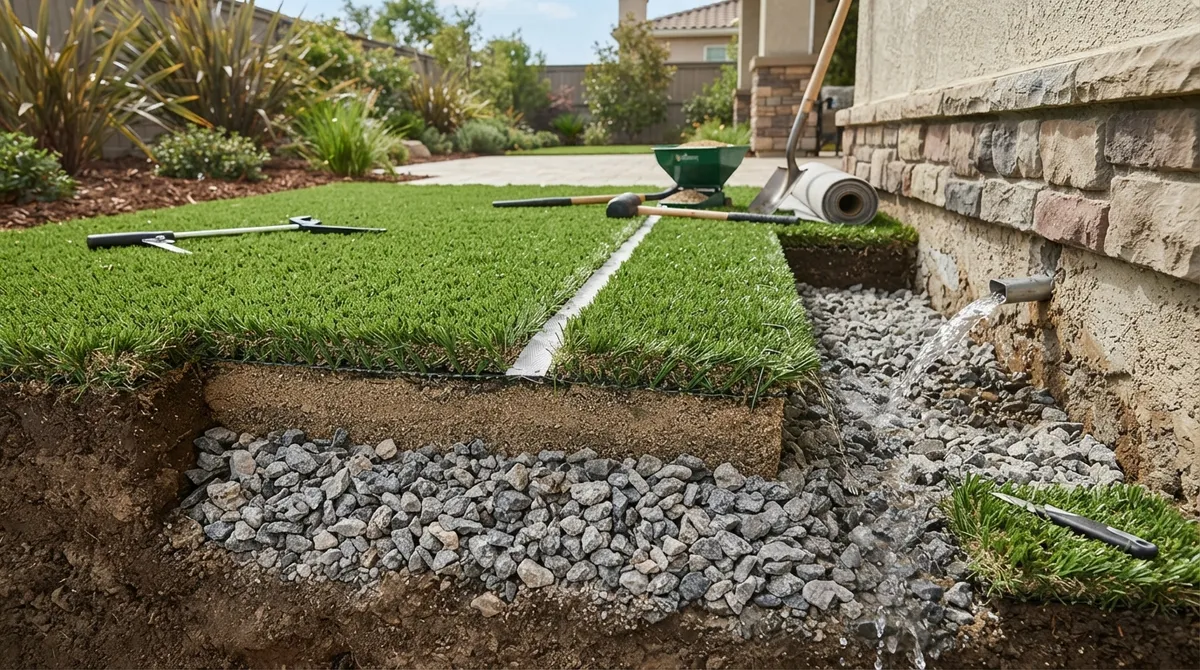
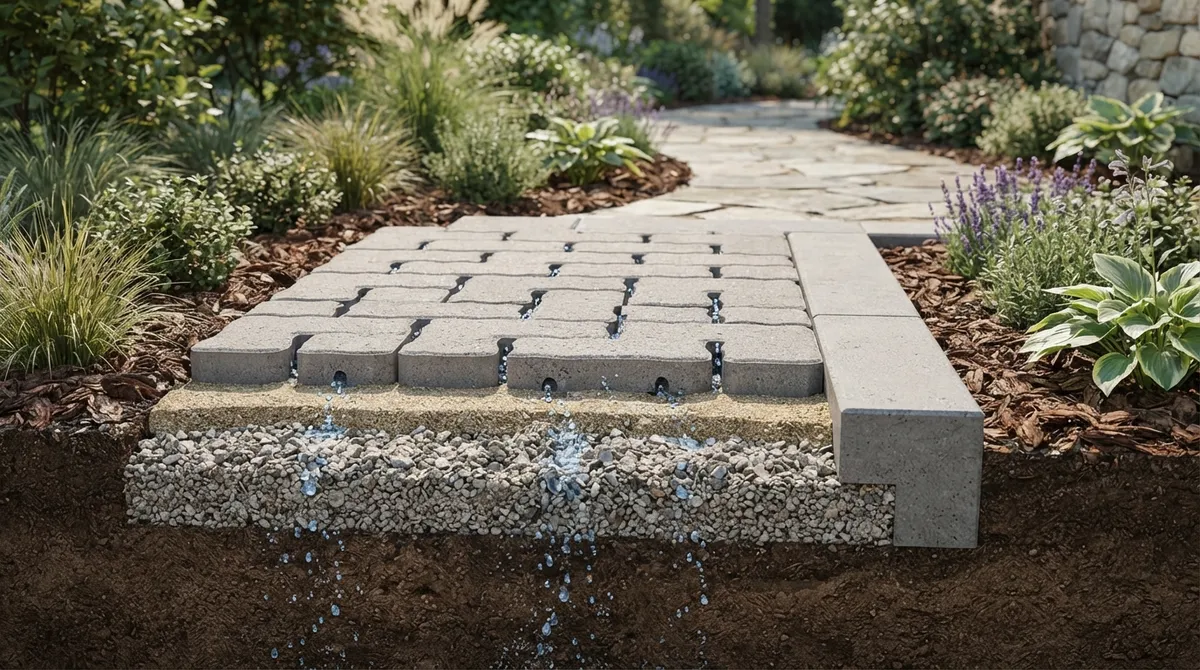
- They drain water well, which helps prevent puddles and ice patches.
- They add real value to your property, especially when paired with other hardscape features.
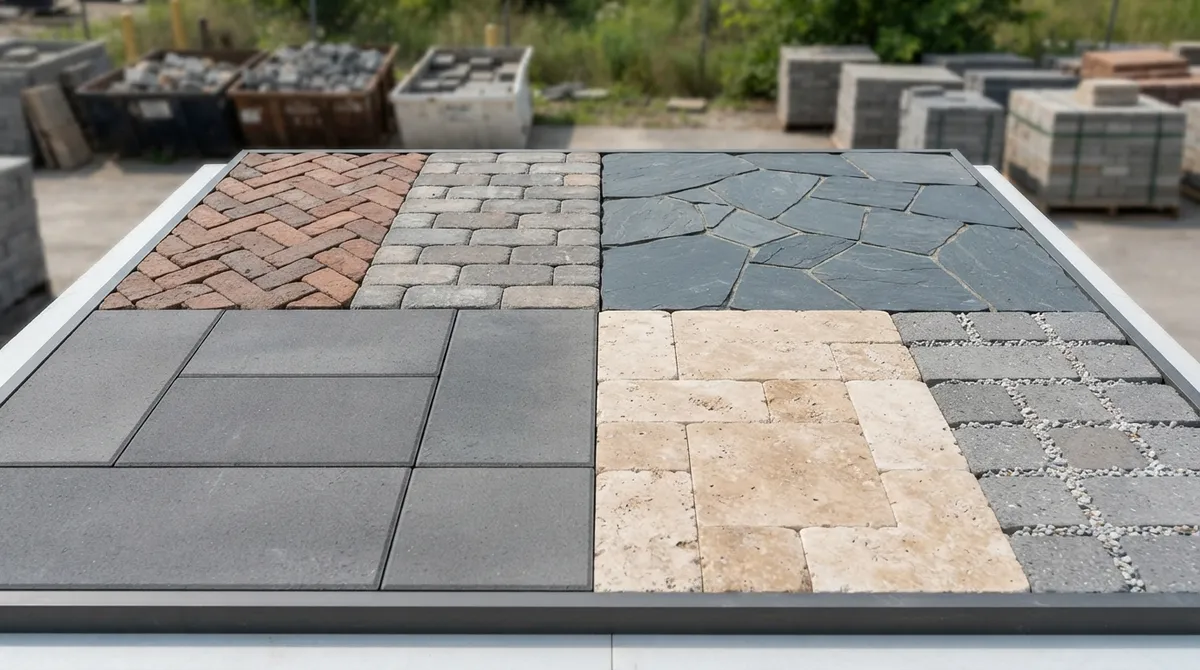
Common Materials Used for Patio Pavers
Not all pavers are created equal. The material you choose affects the look, cost, and durability of your new patio. Here’s a quick breakdown to help you compare your options.
| Material | Best For | Durability | Style |
|---|---|---|---|
| Concrete Pavers | Budget-friendly projects, versatile designs | High | Wide range of colors and textures |
| Brick Pavers | Classic, traditional homes | Very High | Warm, timeless red and earth tones |
| Natural Stone Pavers | Upscale, custom outdoor spaces | Excellent | Unique, organic textures and colors |
Concrete pavers tend to be the most affordable and are available in nearly endless design combinations. Brick pavers bring a classic charm that works beautifully with older Chicago-area homes. Natural stone pavers, like flagstone or travertine, offer a one-of-a-kind look that feels a bit more upscale. Our team can walk you through samples during a consultation and help you pick what fits your home’s architecture and budget.
How Are Paver Patios Installed?
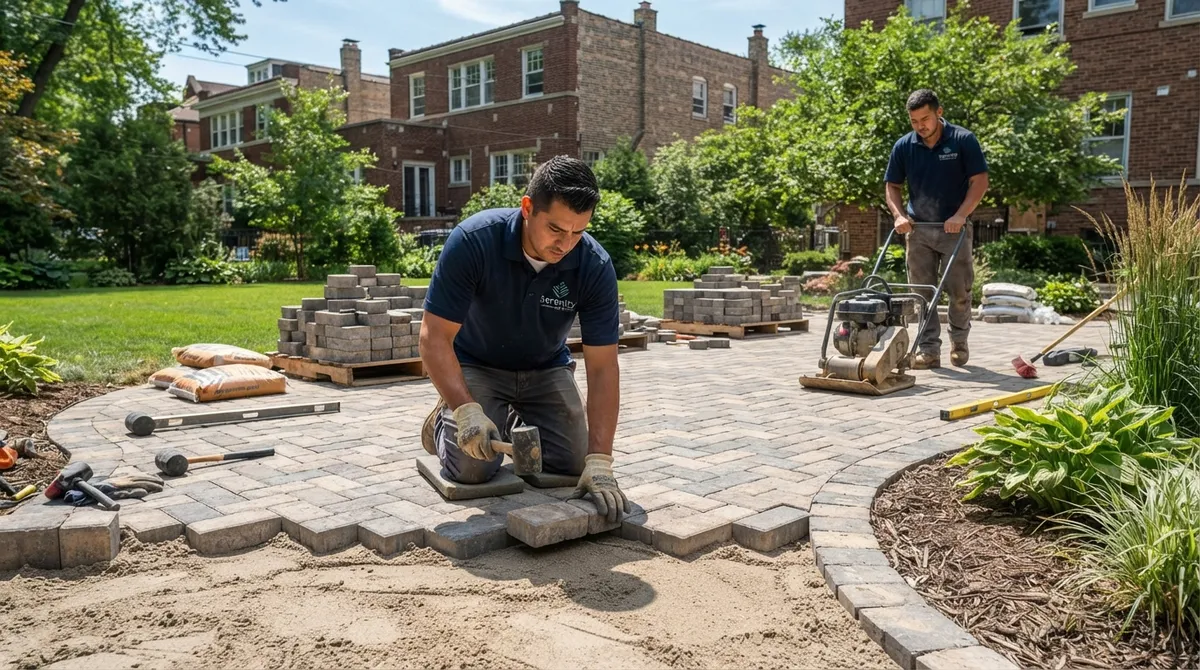
Good installation is really the secret sauce behind a paver patio that lasts. Skipping steps or rushing the base prep is one of the biggest mistakes we see when homeowners try DIY projects or hire inexperienced crews. Here’s how the process typically works.
- The area is measured and marked out based on your design plan.
- Old grass, soil, or debris is excavated to the proper depth.
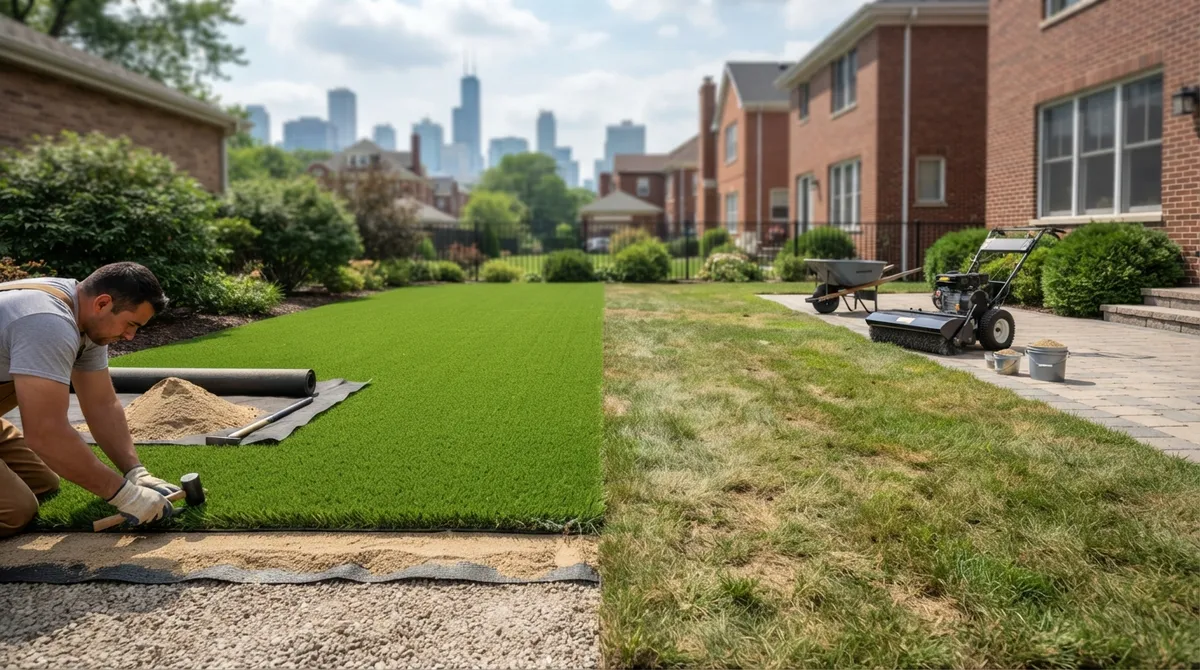
- A compacted gravel base is added for stability and drainage.
- A layer of sand is spread evenly on top of the gravel.
- Pavers are laid in the chosen pattern, piece by piece.
- Edge restraints are installed to keep pavers from shifting over time.
- Joint sand is swept into the gaps and the surface is compacted again.
This might sound simple, but each step matters a lot. A base that isn’t compacted properly can lead to sinking, shifting, or uneven pavers within just a year or two. That’s why we always recommend hiring a professional crew, especially one familiar with ICPI Certified Installer standards for paver installation. Our own process follows these best practices from start to finish, and you can learn more about how we approach every project on our process page.
Patio Pavers vs Concrete Slabs
A lot of folks ask us why they should choose pavers over a poured concrete patio. It’s a fair question since concrete is often cheaper upfront. But here’s the thing: concrete slabs crack as the ground shifts, and once they crack, your only real fix is replacing the whole slab. Pavers flex slightly with the ground and can be repaired one piece at a time. Over the long run, that flexibility usually saves homeowners money and headaches.
How Long Do Patio Pavers Last?
With proper installation and a little care, patio pavers can easily last 25 to 30 years or more. Some natural stone pavers have been known to last even longer than that. Compare that to a concrete slab, which often needs replacing or extensive repair within 15 to 20 years, and the value of pavers becomes pretty clear.
Of course, lifespan depends on a few factors:
- Quality of the base preparation during installation.
- Material chosen, since natural stone often outlasts concrete.
- How much foot or vehicle traffic the area gets.
- Whether the patio is sealed and maintained regularly.
- Local climate conditions, including freeze-thaw cycles common in Illinois.
Do Patio Pavers Need Maintenance?
Pavers are pretty low-maintenance compared to a lot of other outdoor surfaces, but they aren’t completely maintenance-free. A little upkeep goes a long way in keeping your patio looking fresh year after year.
Simple Maintenance Steps
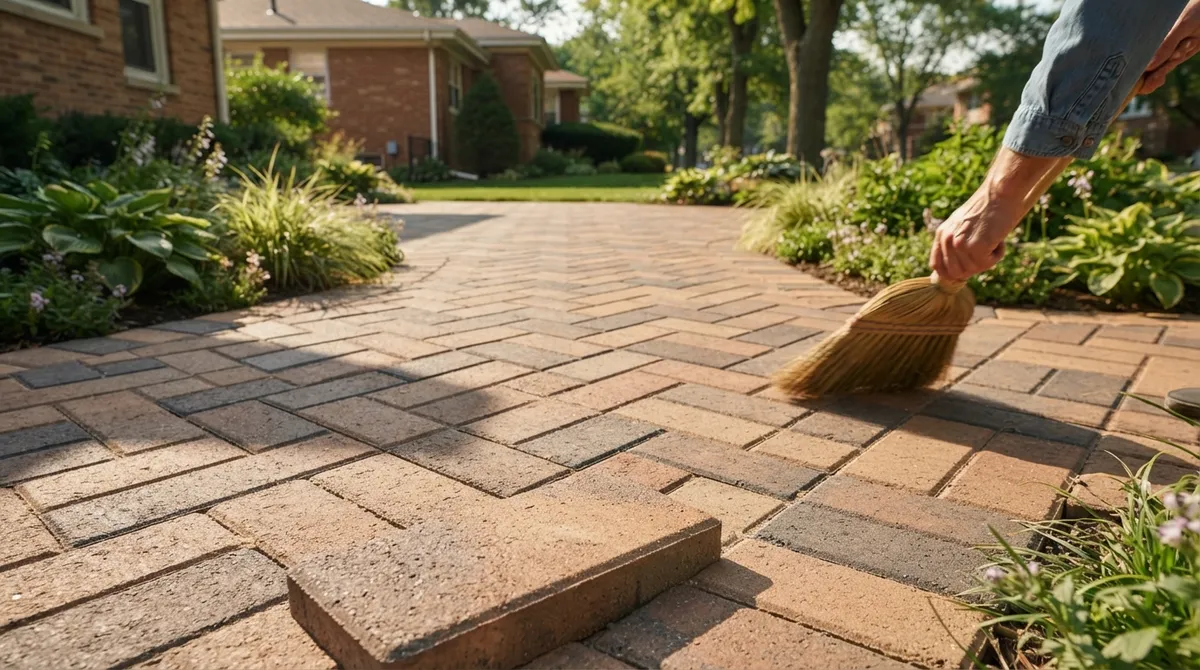
- Sweep off leaves, dirt, and debris regularly.
- Rinse the surface with a garden hose every few weeks during warm months.
- Pull any weeds that pop up between joints before they spread.
- Reapply joint sand if it starts washing away.
- Seal the pavers every two to three years to protect color and prevent stains.
Many landscaping companies, including our own, offer maintenance packages that cover cleaning, sealing, and small repairs. If you’d rather leave the upkeep to the pros, our commercial lawn maintenance team can help keep your whole property looking sharp, not just the patio itself.
How Much Does a Paver Patio Cost?
Cost is always one of the first questions we hear, and it’s a totally understandable one. Paver patio pricing depends on the size of the space, the material you choose, and the complexity of your design. Natural stone tends to cost more than concrete, and intricate patterns take more labor than simple layouts.
The good news is that a paver patio typically costs a fraction of what a home addition or sunroom would run you, while still giving you a whole new outdoor living space to enjoy. If you want an accurate number for your specific yard, it’s best to get a free estimate tailored to your property and vision.
Beyond the Patio: What Else Can Pavers Do?
Here’s something a lot of people don’t realize until they start planning: patio pavers aren’t just for patios. The same durable, good-looking materials work great in other parts of your landscape too.
- Walkways connecting your front door to the driveway or garden.
- Driveways that boost curb appeal and handle heavy vehicle weight.
- Pool decks that stay cooler underfoot and drain water quickly.
- Outdoor kitchen and dining areas for entertaining guests.
- Fire pit surrounds that create a cozy gathering spot.
If you’re dreaming of a full backyard transformation, pavers pair beautifully with other hardscape features like fire pits, pergolas and pavilions, and retaining walls. Adding lighting and sound can also extend your outdoor living into the evening hours, which is perfect for entertaining friends and family.
Patio Pavers for Different Property Types
No two properties are exactly alike, and that’s part of what makes this work so fun for our team. Here’s how pavers tend to fit different situations across the Chicago area.
Suburban Homeowners
If you live in a suburb like Naperville or Aurora, chances are your HOA has some standards for outdoor improvements. Pavers offer enough variety to meet those guidelines while still giving your home a unique look. They also stand up well to Illinois clay soil and harsh winters, which can be tough on other paving materials.
Urban Condo Owners
Rooftop decks and small patios in the city need materials that are lightweight, low-maintenance, and stylish. Certain paver systems are designed specifically for rooftop use, helping combat urban heat while still looking sharp against a city skyline.
Commercial Property Managers
For office parks and retail centers, pavers create walkways and gathering spaces that boost curb appeal and manage stormwater runoff more effectively than plain asphalt. This is a big deal for meeting local stormwater regulations while keeping the property attractive to tenants and customers.
New Home Builders
Developers in Aurora and nearby suburbs often want turnkey outdoor features that help sell homes faster. A professionally installed paver patio or walkway is a strong selling point that buyers notice right away during a showing.
Small Business Owners
Restaurants and shops benefit from pedestrian-friendly paver walkways paired with seasonal plantings and lighting. It creates a welcoming first impression that keeps customers coming back, season after season.
According to industry groups like Landscape Illinois, well-designed hardscaping is one of the top ways commercial and residential properties across the state boost both function and value. That matches exactly what we see out in the field every single day.
Choosing the Right Pattern and Style
One of the best parts of designing a paver patio is picking the pattern. It’s kind of like choosing flooring for an indoor room, except this one is outside and gets to show off your personal style.
- Running bond patterns offer a clean, simple look for modern homes.
- Herringbone patterns add visual interest and extra strength for driveways.
- Basketweave patterns bring a classic, traditional feel to smaller patios.
- Random or mixed-size layouts create a more natural, organic appearance.
Our design team loves helping clients browse patterns, colors, and textures until we land on something that feels just right. You can browse real examples of our past work in our gallery of our work for inspiration before your project even begins.
Ready to Start Your Paver Patio Project?
Patio pavers really do check every box: they’re durable, gorgeous, customizable, and a smart long-term investment for your outdoor space. Whether you’re picturing a cozy backyard nook or a full commercial makeover, the right paver patio can completely change how you use and enjoy your property. And honestly, there’s something pretty special about stepping outside onto a beautiful patio you helped design.
At Serenity Landscape Group, we’ve spent over two decades helping Chicago-area homeowners and businesses fall in love with their outdoor spaces all over again. From the very first conversation to the final walkthrough, our goal is simple: create a space you’ll actually want to spend time in. If you’re ready to see what’s possible for your yard, reach out and get a free estimate today, or feel free to call us at (630) 359-5139 to chat with our friendly team about your vision. We can’t wait to help bring it to life.
FAQs
Q: What are patio pavers used for in landscaping?
A: Patio pavers are used to create solid, attractive outdoor surfaces like patios, walkways, pool decks, and even driveways. They give you a durable spot for entertaining, relaxing, or just adding some extra curb appeal to your property.
Q: What materials are best for patio pavers?
A: Concrete, brick, and natural stone are the three most popular choices, and honestly, each one has its own charm. Concrete is budget-friendly and versatile, brick brings classic warmth, and natural stone offers a truly unique, upscale look.
Q: How long do patio pavers last?
A: With proper installation and a little regular care, patio pavers can last 25 to 30 years or even longer. Natural stone often lasts the longest, but all paver materials tend to outlive a standard concrete slab.
Q: Do patio pavers require maintenance or sealing?
A: Yes, but don’t worry, it’s pretty simple. A quick sweep, occasional rinse, and sealing every two to three years will keep your pavers looking great for years to come.
Q: How much does a paver patio cost to install?
A: Costs vary based on size, material, and design complexity, but pavers are usually much more affordable than a home addition. The best way to get an accurate number is to request a free estimate for your specific yard.