Key Takeaways
-
The Solo Stove Yukon 2.0 offers an innovative smokeless airflow system, creating nearly complete combustion with minimal smoke and easy cleanup.
-
Propane and natural gas fire pits provide convenient alternatives to wood-burning models, offering instant ignition and zero ash maintenance.
-
Materials like stainless steel, copper, and corten steel impact fire pit durability, heat distribution, and aesthetic appeal over time.
-
Fire pit tables are a 2026 trend, combining heating elements with functional table surfaces for versatile outdoor living spaces.
-
Rectangular and octagonal fire pit designs offer unique architectural interest and flexible seating arrangements beyond traditional circular models.
-
Compact fire pit options now cater to small outdoor spaces like balconies and courtyards, delivering substantial heat in minimal footprints.
-
Modern fire pits incorporate essential safety features like spark screens, heat barriers, and clear extinguishing instructions to protect families and property.
There’s something magical about gathering around a warm fire on a cool evening. Whether you’re roasting marshmallows with the kids, sharing stories with friends, or simply enjoying the peaceful crackle of flames under the stars, a fire pit becomes the heart of your outdoor space. In 2026, fire pits have evolved far beyond simple metal bowls—they’re now stylish, efficient, and designed to fit seamlessly into any backyard or patio design.
Choosing the right fire pit can feel overwhelming with so many options available. From smokeless wood-burning models to convenient propane tables, the variety is incredible. This guide walks you through twelve fantastic fire pit options that are making waves this year, helping you find the perfect match for your outdoor living needs. We’ll explore different styles, fuel types, materials, and features that matter most when creating your ideal gathering spot.
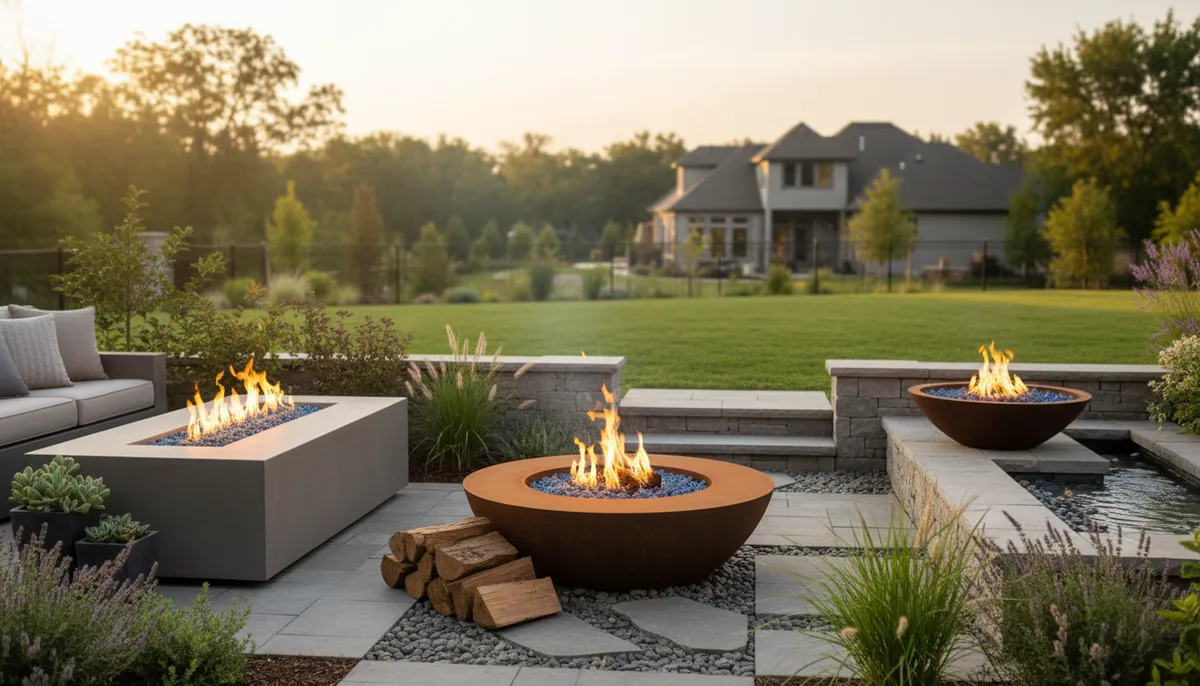
Understanding Your Fire Pit Options
Before diving into specific models, it’s helpful to understand the main categories of fire pits available today. Each type offers unique benefits depending on your space, lifestyle, and preferences.
Fire pits generally fall into three fuel categories: wood-burning, propane, and natural gas. Wood-burning pits deliver that authentic campfire experience with real flames and the classic smell of burning wood. Propane fire pits offer convenience and portability with easy ignition and no ash cleanup. Natural gas models connect to your home’s gas line for unlimited fuel and zero refilling hassles.
Materials play a crucial role in durability and aesthetics. Stainless steel resists rust and provides a modern look. Copper develops a beautiful patina over time and offers excellent heat distribution. Cast iron retains heat wonderfully but requires maintenance to prevent rust. Consider your climate, maintenance preferences, and design vision when selecting materials.
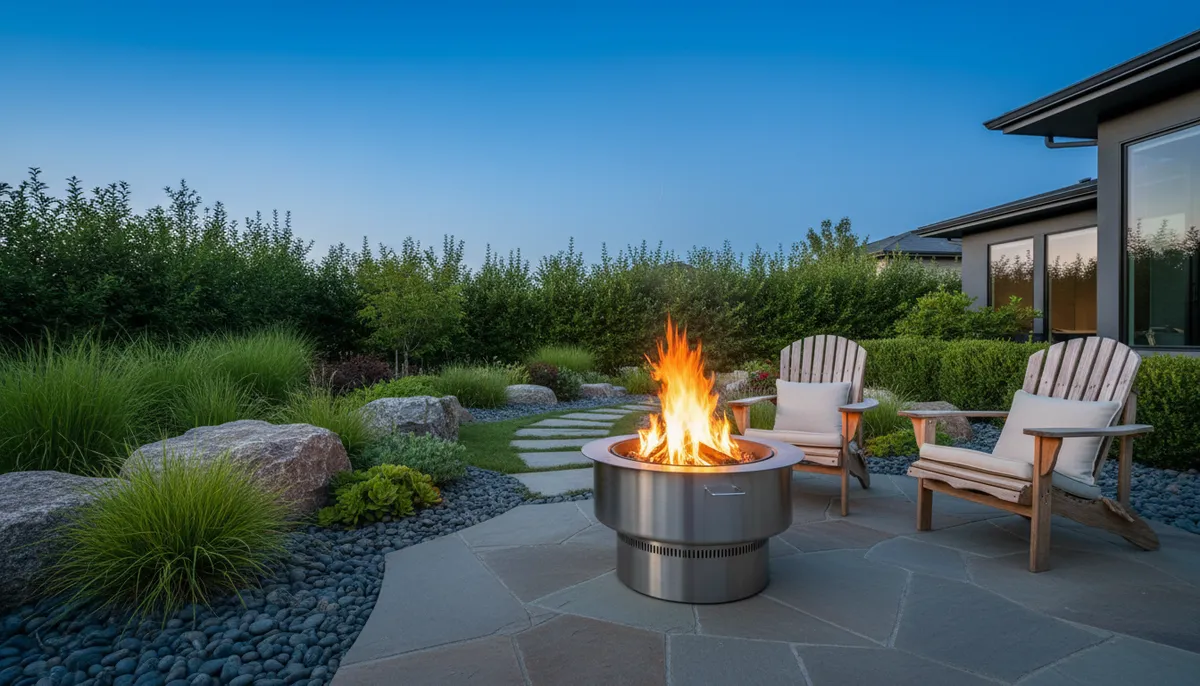
1. Solo Stove Yukon 2.0: The Smokeless Champion
The Solo Stove Yukon 2.0 earned its reputation as the best backyard fire pit through extensive testing by Outdoor Gear Lab in 2026. What makes this wood-burning fire pit special is its innovative airflow system that creates an almost completely smokeless burn.
This stainless steel beauty uses a double-wall design that pulls air through vents at the bottom, preheats it between the walls, and feeds oxygen to the fire from below and above. The result? Nearly complete combustion with minimal smoke, making it perfect for gatherings where nobody wants to smell like a campfire afterward.
The Yukon 2.0 produces impressive heat while requiring less wood than traditional fire pits. Cleanup is remarkably simple—just a fine ash that easily dumps out. While the initial investment is higher than basic models, the performance and durability make it worthwhile for serious outdoor enthusiasts.
Key Features
- Smokeless airflow technology for comfortable gatherings
- Durable 304 stainless steel construction
- Efficient wood consumption saves money over time
- Easy ash removal and maintenance
- Portable design for camping or moving around your yard
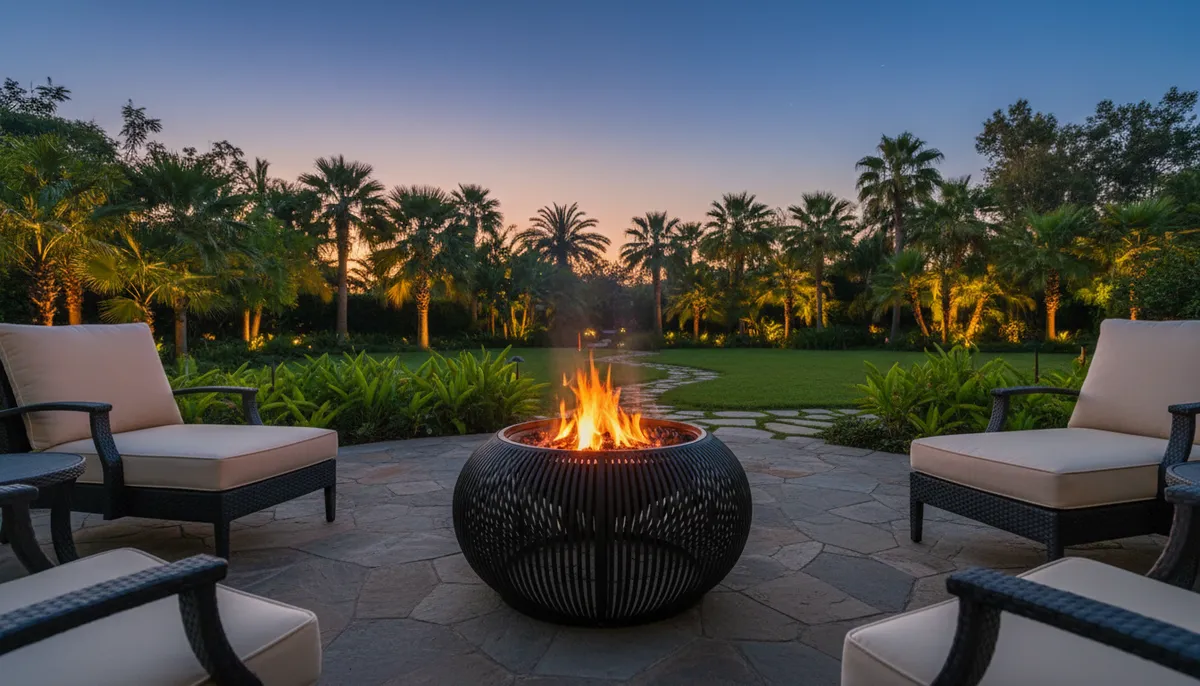
2. TIKI Brand Patio Smokeless Fire Pit: Customer Favorite
With an impressive 4.8 out of 5 rating from over 1,377 customer reviews, the TIKI Brand Patio Smokeless Fire Pit has won over backyard enthusiasts across the country. Priced at $449.99, this wood-burning pit delivers excellent value with its sleek design and reliable performance.
The TIKI pit creates a comfortable 4-foot heat radius, perfect for intimate gatherings of four to six people. Its compact 20-inch diameter fits nicely on patios and smaller yards without overwhelming the space. The smokeless technology works similarly to other premium models, using strategic airflow to minimize smoke output.
What customers love most is the balance between affordability and quality. It’s not the cheapest option, but it delivers premium features without the highest price tag. The modern aesthetic complements contemporary outdoor designs, and the lightweight build makes repositioning easy when needed.
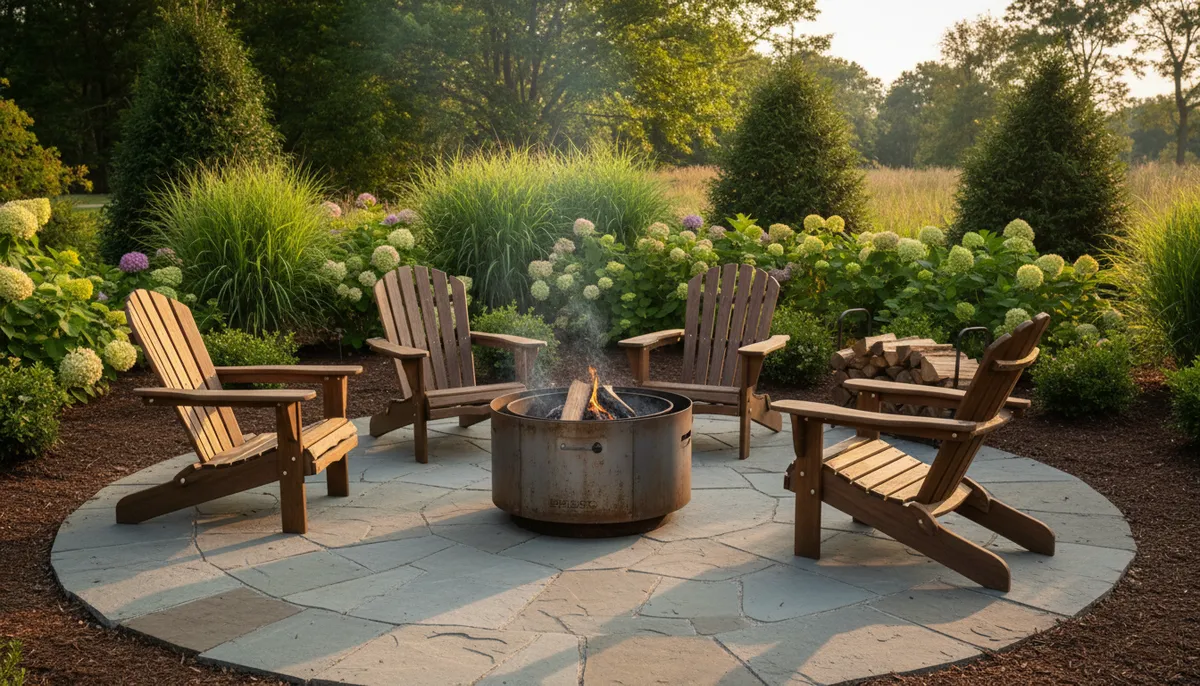
3. Breeo X Series 24: Built to Last
If durability tops your priority list, the Breeo X Series 24 deserves serious consideration. This American-made fire pit combines rugged construction with smokeless technology that rivals any competitor.
The X Series uses premium corten steel that develops a protective rust patina over time, actually strengthening the material while creating a beautiful weathered appearance. This natural oxidation process means you’ll never paint or seal your fire pit—it just gets better looking with age.
Breeo’s signature Sear Plate accessory transforms this fire pit into an outdoor cooking station. Grill steaks, vegetables, or even pizzas directly over the flames. The versatility makes it more than just a fire feature—it becomes a complete outdoor kitchen element.
Why Choose Breeo
- Lifetime warranty backed by American manufacturing
- Self-protecting corten steel requires zero maintenance
- Modular accessories expand functionality
- Superior heat output warms larger gathering areas
- Made-to-order customization options available
4. Outland Living Mega: Propane Powerhouse
Not everyone wants to deal with wood, and that’s where propane fire pits shine. The Outland Living Mega delivers serious warmth without the smoke, ash, or wood-hauling hassle.
This portable unit runs on standard 20-pound propane tanks that tuck neatly inside the base. Simply turn the dial, push the igniter, and you’ve got instant flames. When the evening ends, twist the knob to extinguish—no waiting for embers to die or dealing with wet ash.
The Mega produces substantial heat output perfect for chilly evenings. Decorative lava rocks or fire glass cover the burner, creating an attractive flame presentation. The weather-resistant resin wicker exterior looks like expensive furniture while standing up to rain, snow, and sun exposure.
5. Rectangular Copper Fire Pit: Modern Elegance
For contemporary outdoor spaces, rectangular copper fire pits offer striking visual appeal and practical benefits. The elongated shape creates a linear focal point that complements modern patio designs beautifully.
Copper naturally develops a gorgeous patina that transitions from bright penny to rich brown to eventual green-blue tones. This living finish means your fire pit constantly evolves, becoming more characterful over the years. Many homeowners appreciate how copper complements both traditional and contemporary settings.
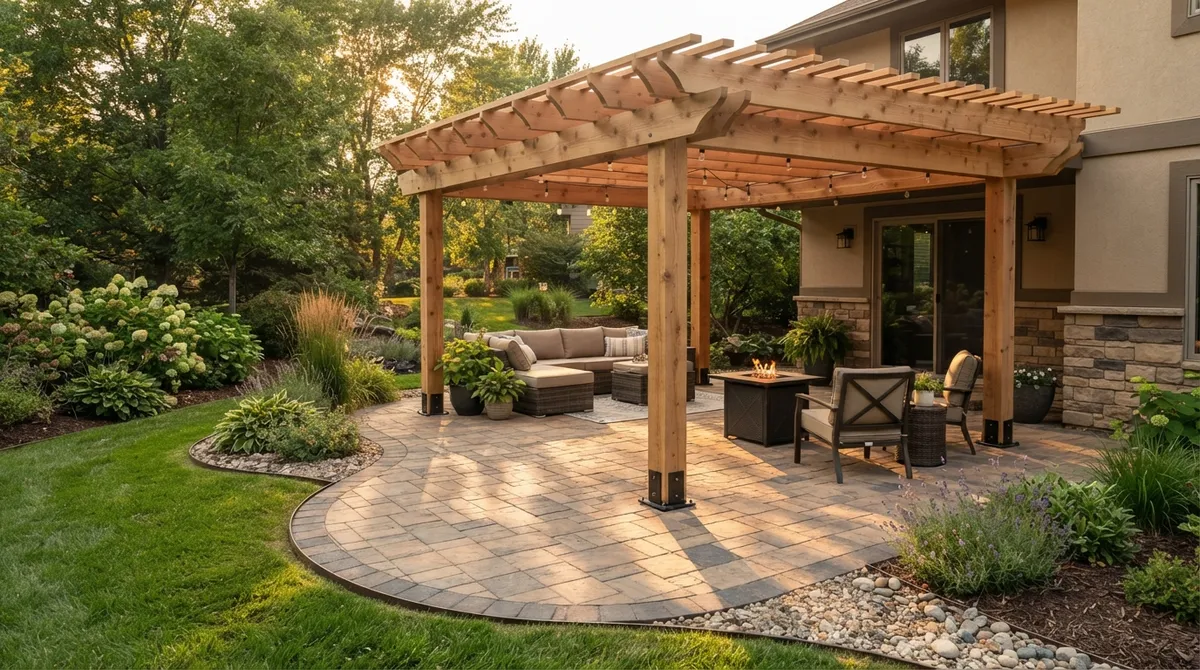
The rectangular format works wonderfully for long seating arrangements. Place benches or sectionals along both sides to create conversation areas where everyone enjoys equal warmth and views. Paver patios provide the perfect foundation for these stylish fire features.
6. Round Artisan Series: Classic Gathering Hub
Round fire pits remain popular for good reason—they naturally encourage face-to-face conversation and equal heat distribution. Artisan series models elevate this classic shape with handcrafted details and premium materials.
These pits typically feature decorative metalwork, unique edge treatments, or artistic cutouts that cast beautiful shadow patterns. During the day, they serve as sculptural garden elements. At night, the flames dance through the designs, creating mesmerizing light displays.
Round configurations work exceptionally well with circular seating arrangements. Consider Adirondack chairs, swivel rockers, or curved benches positioned around the perimeter. This layout naturally draws people together and creates an inclusive atmosphere where everyone feels part of the conversation.
Ideal Seating Arrangements
- Four to six Adirondack chairs spaced evenly around the circle
- Curved concrete benches that mirror the pit’s shape
- Rounded sectional sofas for ultimate comfort
- Swivel chairs allowing guests to adjust their position
- Mix of seating heights for visual interest
7. Compact Aluminum Gas Fire Pit: Small Space Solution
Limited outdoor space doesn’t mean sacrificing ambiance. Compact aluminum gas fire pits pack impressive performance into apartment balconies, small patios, and cozy courtyards.
One highly-rated model delivers 37,000 BTU output—serious heat from a surprisingly small footprint. With a 4.8 rating from 71 customer reviews and priced at $726.15, it proves that quality doesn’t always require sprawling square footage.
Aluminum construction keeps weight manageable while resisting corrosion from weather exposure. The lightweight design means you can easily move it for cleaning, storage, or repositioning. Gas operation ensures quick starts and clean burns without smoke bothering close neighbors.
8. Fire Pit Tables: Function Meets Warmth
Fire pit tables represent one of the hottest trends in 2026, combining heating elements with functional table surfaces. These versatile pieces serve double duty as coffee tables during the day and warming stations at night.
Models like the Yaheetech and Ciays propane fire pit tables appear frequently in top-ten lists for their impressive BTU output (25,000+) and stylish efficiency. The surrounding table surface provides convenient space for drinks, snacks, and decorative elements.
Contemporary, traditional, rustic, and minimalist styles ensure options for every design preference. Many feature covers that transform the fire area into additional table space when not in use. This flexibility makes them perfect for smaller yards where every piece must work hard.
| Fire Pit Table Style | Best For | Key Features |
|---|---|---|
| Contemporary | Modern patios and minimalist designs | Clean lines, neutral colors, sleek finishes |
| Traditional | Classic outdoor spaces and formal gardens | Ornate details, warm tones, timeless appeal |
| Rustic | Cottage gardens and natural landscapes | Wood accents, stone textures, earthy materials |
| Minimalist | Small spaces and Scandinavian aesthetics | Simple forms, monochromatic palettes, functionality |
9. Cylindrical Fire Pits: Space-Efficient Warmth
Cylindrical fire pits maximize heat output while minimizing footprint. The vertical design creates a strong flame presentation without requiring the square footage of wider models.
These tall, narrow pits work beautifully in corner placements or along pathways where width is limited. The vertical flame pattern draws the eye upward, adding visual height to your outdoor space. Many models incorporate convenient features like built-in log storage or ash collection.
The compact base makes cylindrical pits ideal for townhome patios or urban courtyards. Pair them with compact seating like pergola-covered benches or small bistro sets. The vertical design also reduces ember spread, providing extra safety in tighter quarters.
10. Octagonal Fire Pits: Architectural Interest
For those seeking something beyond standard circles and squares, octagonal fire pits deliver architectural appeal with practical benefits. The eight-sided shape offers more seating positions than squares while maintaining a geometric precision that suits formal landscapes.
The angled sides create interesting shadow patterns and light reflections as flames flicker. This geometric approach complements structured gardens, brick patios, and spaces with strong architectural elements. The shape naturally accommodates eight chairs for larger gatherings while maintaining intimate conversation distances.
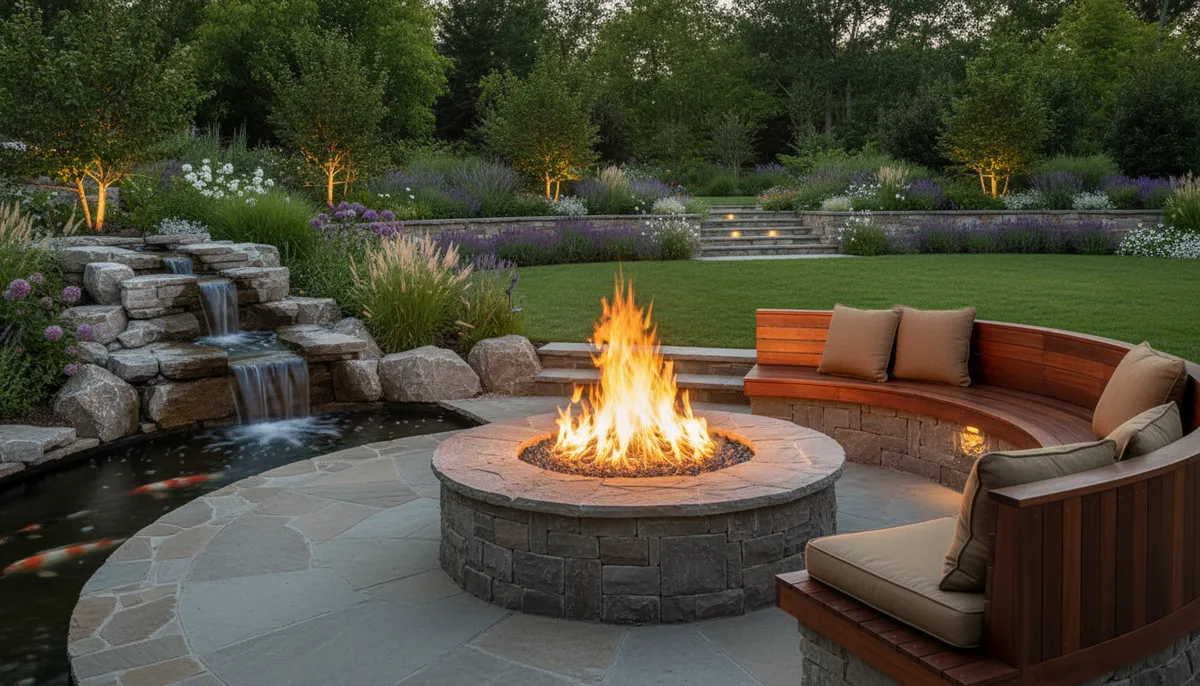
Many octagonal models feature matching seating walls or retaining walls that echo the fire pit’s shape. This coordinated design approach creates cohesive outdoor rooms that feel intentionally planned and professionally executed.
Design Benefits of Octagonal Fire Pits
- Unique shape creates memorable focal points
- Eight sides accommodate more guests than squares
- Angular design complements formal landscapes
- Coordinates beautifully with octagonal gazebos or patios
- Provides architectural interest without overwhelming spaces
11. Solo Stove Bonfire 2.0: Perfect Mid-Size Option
The Solo Stove Bonfire 2.0 hits the sweet spot between portable camp fire pits and large backyard models. This mid-size option delivers the same smokeless technology as its bigger sibling but in a more manageable package.
Perfect for gatherings of four to six people, the Bonfire 2.0 produces ample warmth without requiring constant wood feeding. The 19.5-inch diameter fits comfortably on most patios while still creating that mesmerizing flame experience Solo Stove is known for.
Heat efficiency stands out as a major benefit. The double-wall construction and airflow system extract maximum warmth from minimal wood. You’ll use less fuel while staying warmer—a win for both your wallet and the environment. Easy cleanup means you’ll actually enjoy using it regularly rather than dreading post-fire maintenance.
12. Natural Gas Built-In Fire Pits: Ultimate Convenience
For homeowners planning permanent outdoor installations, natural gas built-in fire pits offer unmatched convenience and value. Once connected to your home’s gas line, you’ll never buy fuel again—just turn the key and enjoy instant flames.
Built-in designs integrate seamlessly with landscape features like stone patios, outdoor kitchens, or seating walls. Professional installation ensures proper gas connections and code compliance, creating a safe, permanent feature that adds significant property value.
These systems often include electronic ignition, variable flame control, and safety shutoffs. Some integrate with smart home systems, allowing you to adjust flames from your phone or voice commands. While installation costs exceed portable options, the long-term convenience and property value boost justify the investment.
Safety Features That Matter
Regardless of which fire pit style you choose, safety should guide your decision. Modern fire pits incorporate various features designed to protect families, pets, and property.
Spark screens prevent embers from escaping and potentially igniting nearby surfaces. These mesh covers allow heat and light through while containing sparks—essential for wood-burning models. Look for screens with sturdy handles that stay cool enough to lift safely.
Heat barriers like the Solo Fire Pit Surround create physical distance between flames and curious kids or pets. These protective rings remain cool to touch even when fires burn hot, preventing accidental burns. Some models include built-in barriers, while others offer them as accessories.
Clear extinguishing instructions matter more than many people realize. Customer reviews frequently mention difficulties starting fires initially. Choose models with straightforward lighting procedures and easy shutoff methods. Propane and gas units should feature prominent control knobs, while wood-burning pits benefit from included extinguishing tools.
Essential Safety Checklist
- Verify spark screens fit securely and lift easily when needed
- Check heat barrier effectiveness before family gatherings
- Test ignition systems before hosting guests
- Keep fire extinguishers or water sources nearby
- Establish clear fire-free zones for children and pets
- Review manufacturer shutdown procedures thoroughly
Creating the Perfect Fire Pit Area
A great fire pit deserves equally thoughtful surroundings. The space around your fire feature determines comfort, functionality, and overall enjoyment.
Seating arrangements dramatically impact the fire pit experience. Adirondack chairs offer classic comfort and easy movement for adjusting proximity to heat. Swivel chairs let guests turn toward conversation or flames without repositioning furniture. Concrete benches provide permanent, weather-resistant seating that never needs moving or storing.
L-shaped sectionals create cozy conversation areas while accommodating more guests than individual chairs. Modern linear benches suit contemporary designs and simplify cleaning underneath. Mix seating types for visual interest—perhaps sectionals flanked by accent chairs or benches paired with rockers.
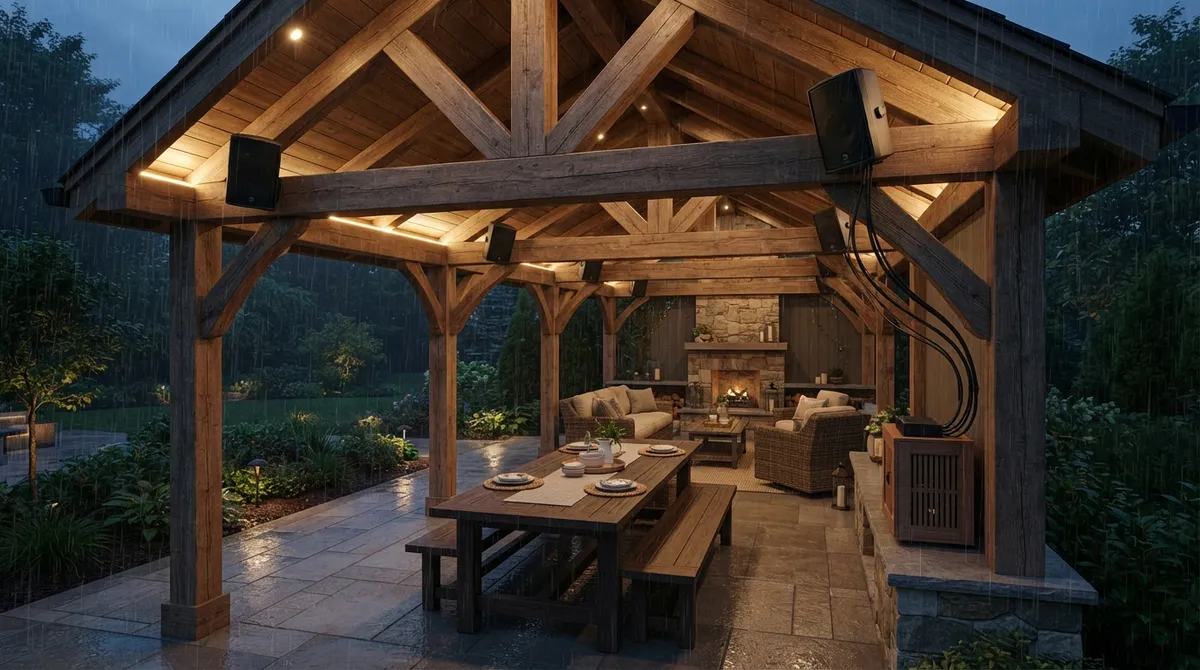
Consider adding lighting and sound elements to enhance evening ambiance. Landscape lighting highlights pathways and architectural features while providing safety after dark. Outdoor speakers deliver background music without overwhelming conversation. These additions transform simple fire pit areas into complete outdoor living rooms.
| Seating Type | Capacity | Best Feature | Maintenance Level |
|---|---|---|---|
| Adirondack Chairs | 1 per chair | Classic comfort, easy repositioning | Medium (wood needs treatment) |
| Swivel Chairs | 1 per chair | 360-degree movement | Low (metal/synthetic materials) |
| Concrete Benches | 2-3 per bench | Permanent, weatherproof | Very low (occasional cleaning) |
| Rounded Sofas | 4-6 people | Luxurious comfort | Medium (cushion care required) |
| L-Shaped Sectionals | 6-8 people | Maximum seating capacity | Medium (cushion storage needed) |
Choosing Based on Your Backyard Size
Matching fire pit size to available space ensures comfortable, safe enjoyment. Too large, and you’ll feel cramped with limited movement. Too small, and the fire won’t provide adequate warmth or visual impact.
Small yards and patios (under 200 square feet) benefit from compact models like cylindrical pits or small propane tables. Aim for 18-24 inch diameters that provide warmth without overwhelming the space. Portable options offer flexibility to move or store when entertaining requires more open area.
Medium-sized spaces (200-400 square feet) accommodate most standard fire pits comfortably. The 24-30 inch range provides substantial flames while leaving room for seating and movement. This size works well for typical suburban backyards and standard patios.
Large yards (over 400 square feet) can handle impressive statement pieces like the Solo Stove Yukon or custom-built features. Consider 30+ inch diameters that create dramatic focal points visible from throughout your property. These spaces support complete outdoor rooms with multiple seating zones around the fire.
Material Comparison Guide
Fire pit materials impact durability, maintenance requirements, aesthetics, and cost. Understanding the pros and cons helps match materials to your priorities and environment.
Stainless steel resists rust naturally, requires minimal maintenance, and suits modern aesthetics. It heats quickly and cools relatively fast—beneficial for spontaneous fires but less ideal for extended warmth. Premium-grade stainless steel like 304 or 316 ensures longevity, especially in humid or coastal climates.
Copper develops beautiful patina while conducting heat exceptionally well. The living finish means your fire pit constantly evolves, creating unique character over time. Copper costs more initially but provides unmatched visual appeal. Regular polishing maintains bright finishes if you prefer the penny-bright look.
Cast iron retains heat longer than any other material, radiating warmth well after fires die down. However, it requires protective coatings to prevent rust and needs careful maintenance. Traditional fire bowls often use cast iron for its heat properties and classic appearance.
Corten steel starts bright and develops a protective rust layer that actually strengthens over time. This self-healing material requires zero maintenance while creating an industrial-rustic aesthetic. The Breeo X Series showcases how beautifully corten ages while delivering lifetime durability.
Professional Installation Considerations
While portable fire pits require no installation, permanent and gas-connected models benefit from professional setup. This ensures safety, code compliance, and optimal performance.
Natural gas connections must meet local building codes and safety standards. Licensed professionals verify proper gas pressure, install shutoff valves, and test for leaks. They also ensure adequate ventilation and clearances from structures, reducing fire hazards and ensuring insurance coverage remains valid.
Built-in fire pit installations involve excavation, gas line trenching, and coordinate with existing landscapes. At Serenity Landscape Group, we’ve helped countless homeowners integrate fire features seamlessly into comprehensive landscape designs. Our experience ensures your fire pit complements surrounding elements rather than feeling like an afterthought.
Professional installation also addresses drainage, foundation stability, and future maintenance access. These details might seem minor but significantly impact long-term satisfaction. Proper foundations prevent settling and cracking, while thoughtful drainage keeps areas dry and safe.
When to Hire Professionals
- Any natural gas connections or conversions
- Built-in or permanent installations requiring excavation
- Integration with existing hardscaping or outdoor kitchens
- Locations near structures requiring code compliance verification
- Complex electrical work for lighting or ignition systems
- Custom designs requiring specialized fabrication or materials
Maintenance Tips for Long-Lasting Performance
Proper maintenance extends fire pit life and ensures safe, beautiful performance for years. Different materials and fuel types require specific care approaches.
Wood-burning pits need regular ash removal to prevent buildup that restricts airflow. Let ashes cool completely—at least 24 hours—before disposal. Store ashes in metal containers away from combustibles. Inspect for rust or damage periodically, treating with high-temperature paint as needed.
Gas fire pits require burner cleaning to prevent clogging and uneven flames. Remove lava rocks or glass annually, clean burner ports with wire brushes, and check gas connections for leaks. Spider webs and debris commonly block burner holes, causing flame problems that simple cleaning resolves.
Protective covers shield fire pits from weather when not in use. Even weather-resistant materials benefit from covers that prevent water accumulation, reduce debris buildup, and block UV damage. Choose breathable covers that allow moisture evaporation while blocking rain and snow.
Seasonal care prepares fire pits for heavy use and protects during off-seasons. Spring cleaning removes winter buildup and allows inspection for damage. Fall preparation ensures readiness for peak usage season. Winter storage or protection prevents freeze-thaw damage in harsh climates.
Transform Your Backyard with the Perfect Fire Pit
Choosing the right fire pit transforms outdoor spaces into year-round gathering spots that bring people together. Whether you prefer the authentic crackle of wood-burning models, the convenience of propane tables, or the permanent elegance of built-in gas features, there’s a perfect option for your needs and space.
Consider your priorities carefully—smokeless technology for comfort, specific materials for durability, appropriate sizing for your space, and safety features for peace of mind. Don’t forget the surrounding elements that complete the experience: comfortable seating, thoughtful lighting, and landscaping that frames your fire feature beautifully.
For over two decades, we’ve helped homeowners throughout the greater Chicago area create stunning outdoor spaces centered around beautiful fire features. We understand how the right fire pit becomes more than just a heating element—it becomes the heart of your outdoor living experience, where memories form and relationships deepen. If you’re ready to transform your backyard into a warm, inviting retreat, reach out to our team for a free consultation. We’d love to help you discover the perfect fire pit solution and create an outdoor space you’ll treasure for years to come.
FAQs
Q: What’s the difference between smokeless and traditional fire pits?
A: Smokeless fire pits use special airflow designs that create nearly complete combustion, producing minimal smoke compared to traditional models. They pull air through bottom vents, preheat it between double walls, and feed oxygen to flames from multiple angles. This means you enjoy the warmth and ambiance without the smoky smell clinging to your clothes or bothering guests. Traditional fire pits simply burn wood in an open bowl, which creates more smoke and requires more fuel for the same heat output.
Q: How do I choose between wood-burning and propane fire pits?
A: Choose wood-burning if you love the authentic campfire experience—the crackle, the smell, and the dancing flames. They’re perfect for people who enjoy tending fires and don’t mind hauling wood and cleaning ash. Go with propane if convenience matters more—instant ignition, easy shutoff, no cleanup, and portable fuel. Propane works great for spontaneous gatherings and small spaces where smoke could bother neighbors. Think about your lifestyle and what kind of fire pit experience you actually want, not just what looks nice in photos.
Q: What safety features should I look for in a fire pit?
A: Essential safety features include spark screens that contain embers while allowing heat through, heat barriers or surrounds that stay cool to touch (protecting kids and pets), and stable bases that won’t tip over. For gas models, look for automatic shutoff valves, clear control knobs, and proper ventilation. Customer reviews often mention ease of extinguishing, so choose models with straightforward shutdown procedures. Also consider the clearance requirements—make sure you can place the pit safely away from structures, overhangs, and flammable materials in your specific yard.
Q: How much space do I need around a fire pit?
A: Plan for at least 7-10 feet of clearance in all directions from the fire pit to seating, structures, and flammable materials. This provides safe heat distance while allowing comfortable movement around the area. For the fire pit itself, small yards work well with 18-24 inch models, medium spaces accommodate 24-30 inch pits comfortably, and large yards can handle 30+ inch statement pieces. Always check manufacturer recommendations and local fire codes, which sometimes require specific distances from property lines, buildings, and overhanging trees.
Q: Can I leave my fire pit outside year-round?
A: Most quality fire pits can stay outside year-round, but protective covers significantly extend their life and maintain appearance. Stainless steel and corten steel handle weather best with minimal maintenance, while cast iron needs protective coatings to prevent rust. Even weather-resistant materials benefit from breathable covers that block rain and snow while allowing moisture to evaporate. In harsh winter climates, consider storing portable models in garages or sheds. For built-in or heavy permanent installations, good covers and occasional cleaning keep them looking great through all seasons.