Key Takeaways
-
Commercial artificial turf eliminates irrigation costs, weekly mowing, fertilizing, and seasonal maintenance, dramatically reducing operating expenses for Chicago businesses year-round.
-
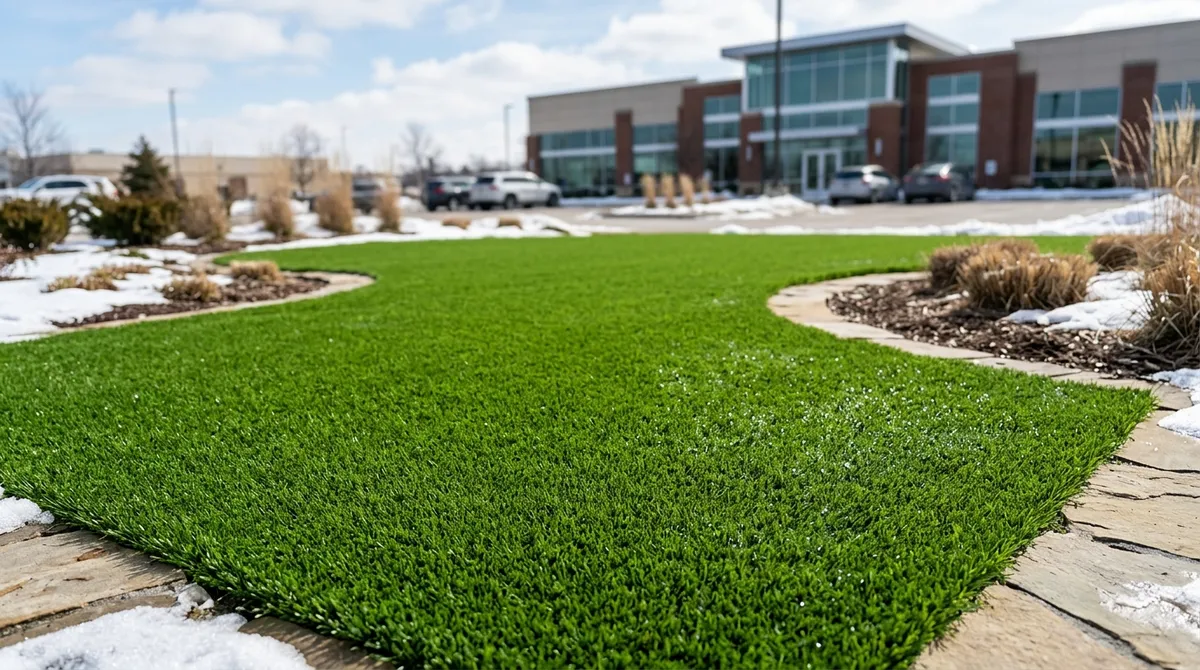
Chicago’s harsh climate—heavy snow, muddy springs, and temperature swings—makes natural grass difficult to maintain, while commercial-grade synthetic turf handles snow, rain, and heat without damage or seasonal die-off.
-
Commercial-grade artificial turf is engineered with denser fibers and superior drainage for high-traffic environments, and modern products are PFAS-free and lead-free, meeting strict safety standards suitable for daycares and senior facilities.
-
Professional installation requires proper site assessment, base compaction, and infill application to ensure longevity and prevent drainage problems—choosing experienced local installers with proven commercial projects is critical.
-
Commercial artificial turf lasts 15-20+ years with minimal maintenance (occasional rinsing and brushing), compared to natural grass requiring constant upkeep, making it a lower long-term cost investment despite higher upfront expenses.
-
Apartment complexes, corporate campuses, daycare centers, hotels, and sports facilities in Chicago are increasingly switching to synthetic turf for improved aesthetics, safety, water conservation, and reduced maintenance budgets.
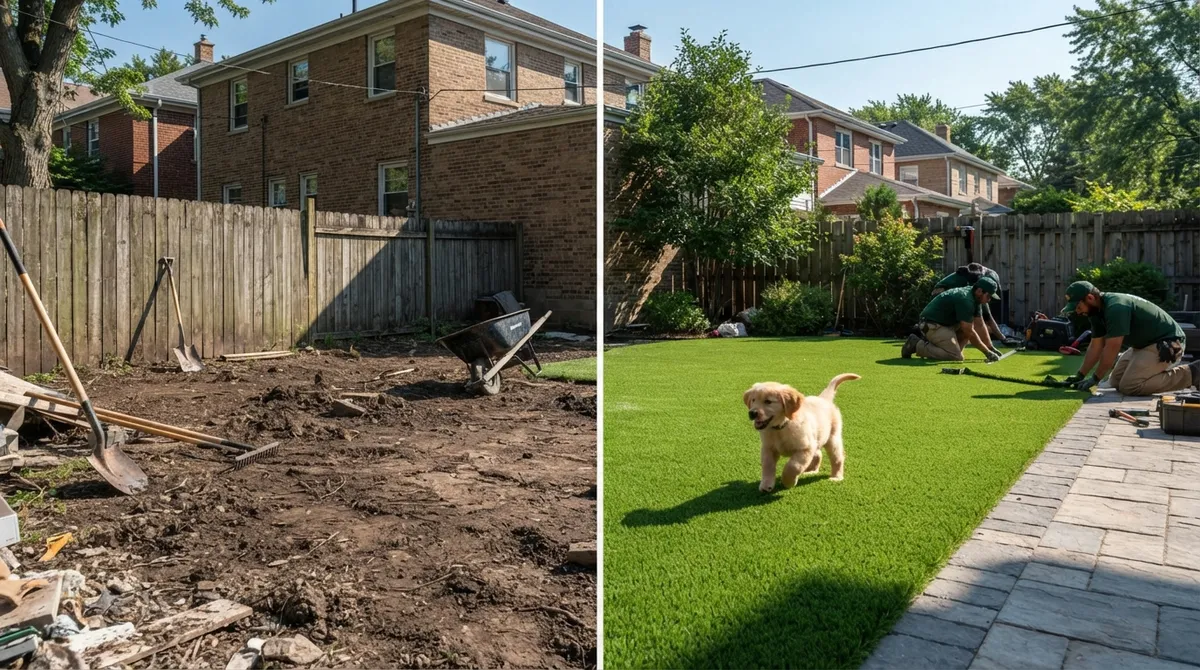
If you manage a commercial property in Chicago, you already know how tough it can be to keep natural grass looking great. Between the brutal winters, soggy springs, and scorching summer stretches, Chicago’s climate is practically designed to make lawn care a headache. That’s exactly why so many business owners and property managers across the city are making the switch to commercial artificial turf in Chicago. It stays lush, green, and welcoming year-round — without the constant upkeep, irrigation bills, or seasonal stress that comes with natural grass. Whether you manage an apartment complex, a corporate campus, a daycare center, or a retail property, synthetic turf might just be the smartest landscaping investment you make in 2026.
What Makes Commercial Artificial Turf Different from Residential Turf?
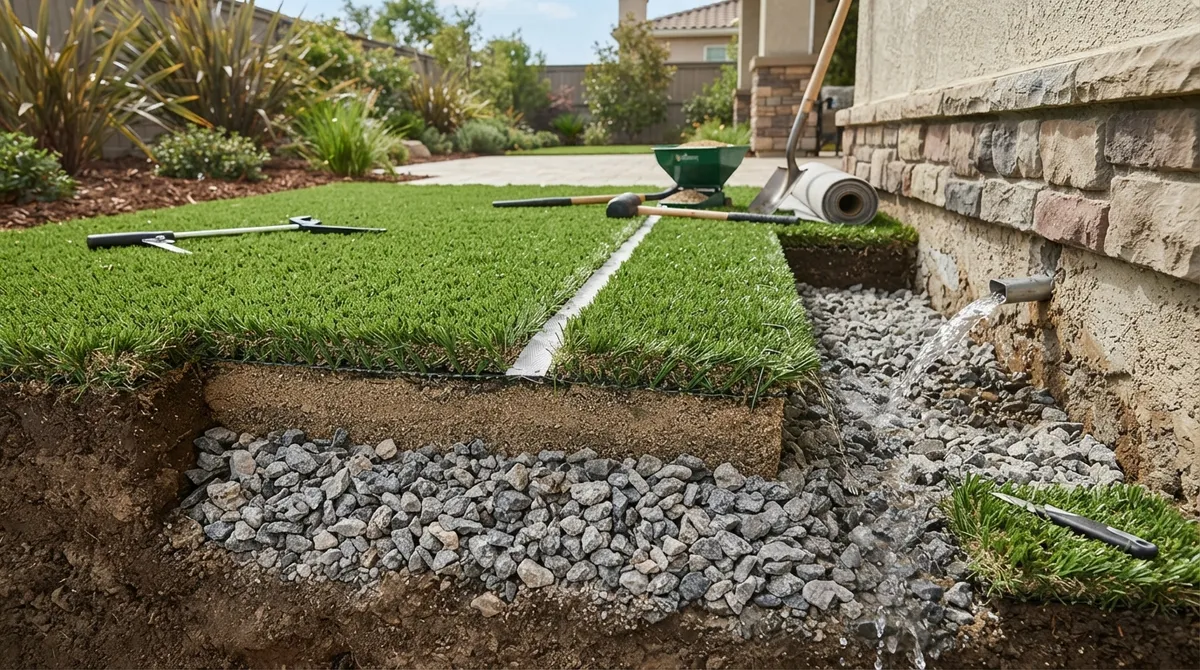
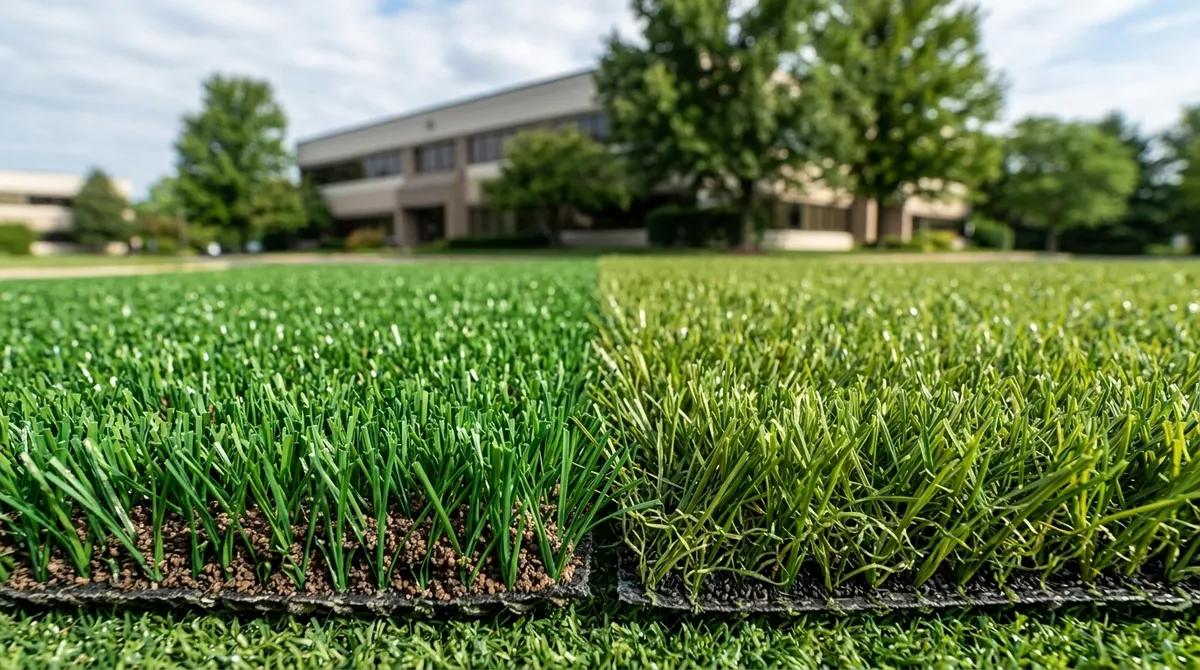
Not all synthetic grass is created equal. Commercial-grade artificial turf is specifically engineered to handle heavy foot traffic, harsh weather, and the demands of high-use environments. It features denser fibers, stronger backing materials, and superior drainage systems compared to standard residential options.
For Chicago’s commercial properties, that durability matters a lot. Products used in commercial installations are typically PFAS-free, lead-free, and manufactured in the USA, meeting strict safety and environmental standards. That means you can feel confident about what you’re putting on your property — and what your employees, customers, and visitors are walking on every day.
If you’re curious about the full range of turf options available, check out our artificial turf installation services to see how we approach commercial and residential projects alike.
Top Benefits of Commercial Artificial Turf for Chicago Businesses
Let’s talk about why commercial property managers are enthusiastic about synthetic turf. The benefits go well beyond just having a good-looking lawn. Here’s a quick look at what you can expect:
- Year-round greenery: Artificial turf stays vibrant through Chicago’s coldest winters and hottest summers without seasonal die-off or patchy brown spots.
- Significant cost savings: Eliminating irrigation systems, fertilizers, pesticides, and lawn maintenance equipment dramatically reduces operating expenses.
- Durability under pressure: Commercial turf handles heavy foot traffic and intense weather without losing its shape or color.
- Safety and compliance: Modern synthetic turf products are rigorously tested and meet environmental safety standards, making them suitable for sensitive environments like daycare centers and senior living facilities.
- Reduced water usage: Many Chicago businesses are switching to artificial turf to conserve water and eliminate the need for irrigation — a meaningful environmental and financial win.
- Low maintenance: Artificial turf lawns require little to no upkeep compared to natural grass, freeing up your team’s time and budget for other priorities.
Want to learn more about how synthetic turf compares to natural grass in terms of long-term value? Our article on 14 cost-benefit facts: artificial turf vs real grass breaks it all down in plain language.
Which Chicago Commercial Properties Benefit Most from Synthetic Turf?
Commercial artificial turf in Chicago is a versatile solution that works beautifully across many property types. Here are some of the most common and impactful applications:
- Apartment complexes and multi-family housing: Residents love having a green, usable outdoor space. Property managers love not having to schedule weekly mowing or worry about muddy patches after heavy rain.
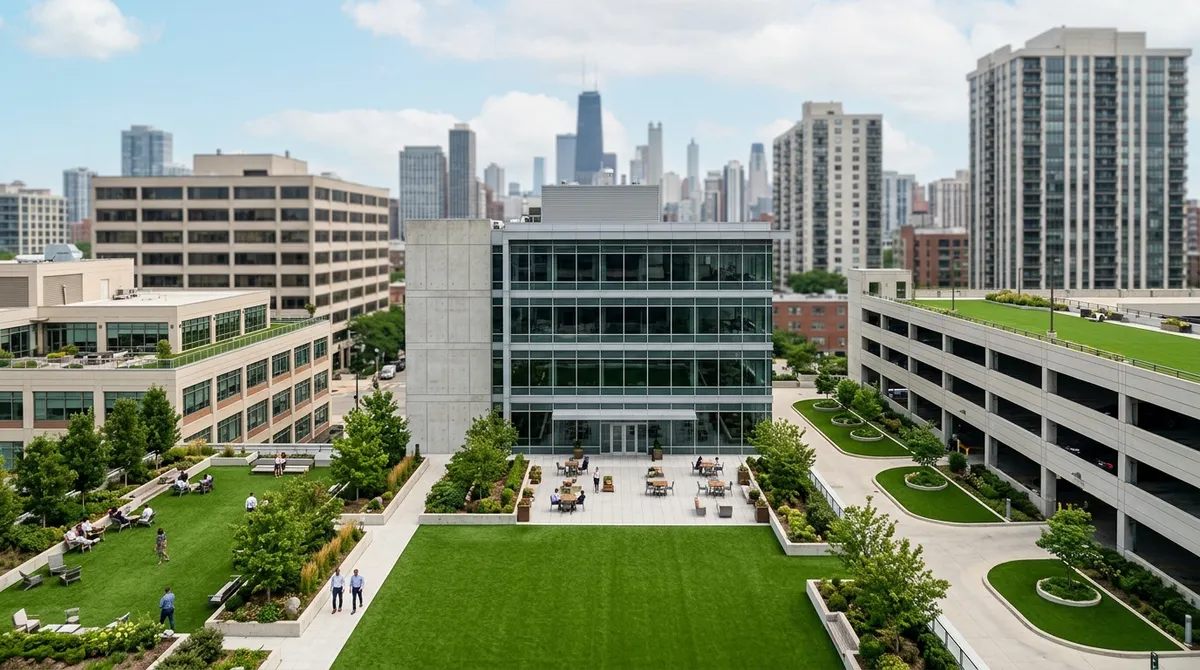
- Corporate campuses: A polished, green landscape makes a great first impression and creates inviting outdoor break areas for employees. Learn why turf is a smart choice for corporate campus landscaping.
- Daycare centers and schools: Safety is the top priority here. Synthetic turf provides a clean, cushioned, and chemical-free play surface for kids. See our 9 reasons to choose daycare playground turf in Chicago for more details.
- Senior living facilities: Soft, even, and low-maintenance turf creates safe walking areas and attractive courtyards without the trip hazards of uneven grass.
- Municipal government buildings and parks: Many municipalities are making the switch to reduce maintenance budgets and water usage. Find out why municipal parks are switching to synthetic grass.
- Hotels and restaurants: Outdoor patios and amenity spaces look amazing year-round with synthetic turf, giving guests a welcoming atmosphere in any season. Explore how natural grass vs. artificial turf for hotel outdoor amenities stacks up in Chicago.
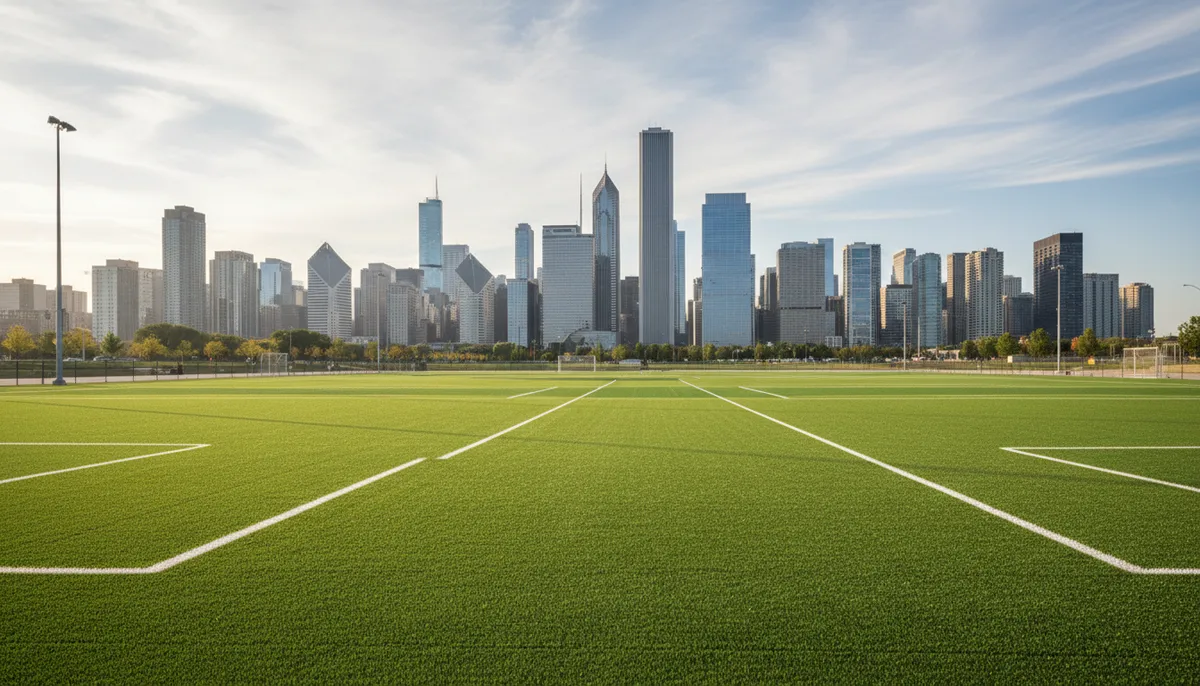
- Sports complexes and recreational facilities: High-performance turf systems handle athletic activity while remaining safe and consistent in all weather.
How Does Chicago’s Climate Affect the Case for Artificial Turf?
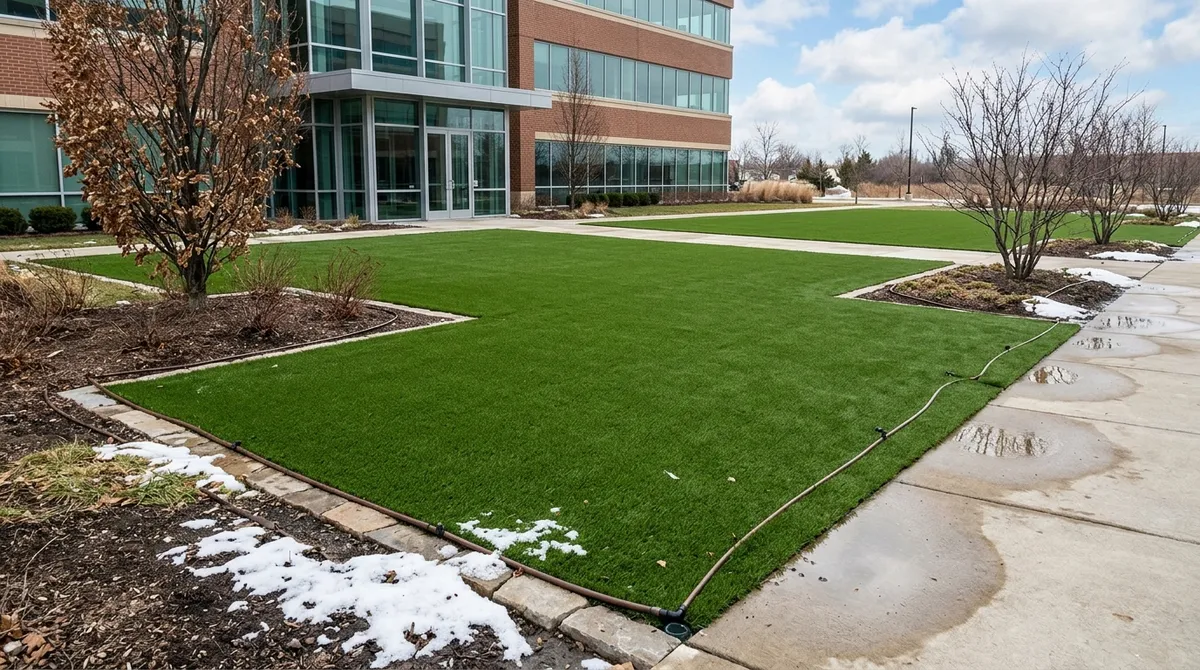
Chicago’s weather is famously unpredictable. Winters bring heavy snow and freezing temperatures. Springs are often rainy and muddy. Summers can swing between humid heat and sudden thunderstorms. This constantly changing climate makes natural grass incredibly difficult to maintain for commercial properties.
Artificial turf, on the other hand, is built to take Chicago’s weather in stride. It handles snow and ice without damage, drains rainwater efficiently, and bounces back after heavy use. For a deeper look at how synthetic turf holds up in the cold, check out our article on how artificial turf handles heavy snow like a pro and our comparison of artificial turf vs. natural grass: who wins Midwest winters.
Industry resources like Landscape Illinois also highlight the growing demand for sustainable, climate-resilient landscaping solutions across the state — and synthetic turf fits that description perfectly.
Commercial Artificial Turf vs. Natural Grass: A Side-by-Side Comparison
Still weighing your options? This table makes it easy to see how commercial artificial turf stacks up against natural grass for Chicago properties:
| Feature | Commercial Artificial Turf | Natural Grass |
|---|---|---|
| Year-round appearance | Always green and lush | Browns in winter, patchy in heat |
| Maintenance requirements | Minimal (occasional rinsing, brushing) | Weekly mowing, fertilizing, aerating |
| Irrigation needs | None | Regular watering required |
| Weather durability | Excellent — handles snow, rain, heat | Poor — susceptible to all Chicago conditions |
| Safety standards | PFAS-free, lead-free options available | May require chemical treatments |
| Lifespan | 15–20+ years with proper care | Ongoing replacement and reseeding needed |
| Long-term cost | Lower (high upfront, minimal ongoing) | Higher (ongoing maintenance costs) |
What Is the Installation Process for Commercial Artificial Turf in Chicago?
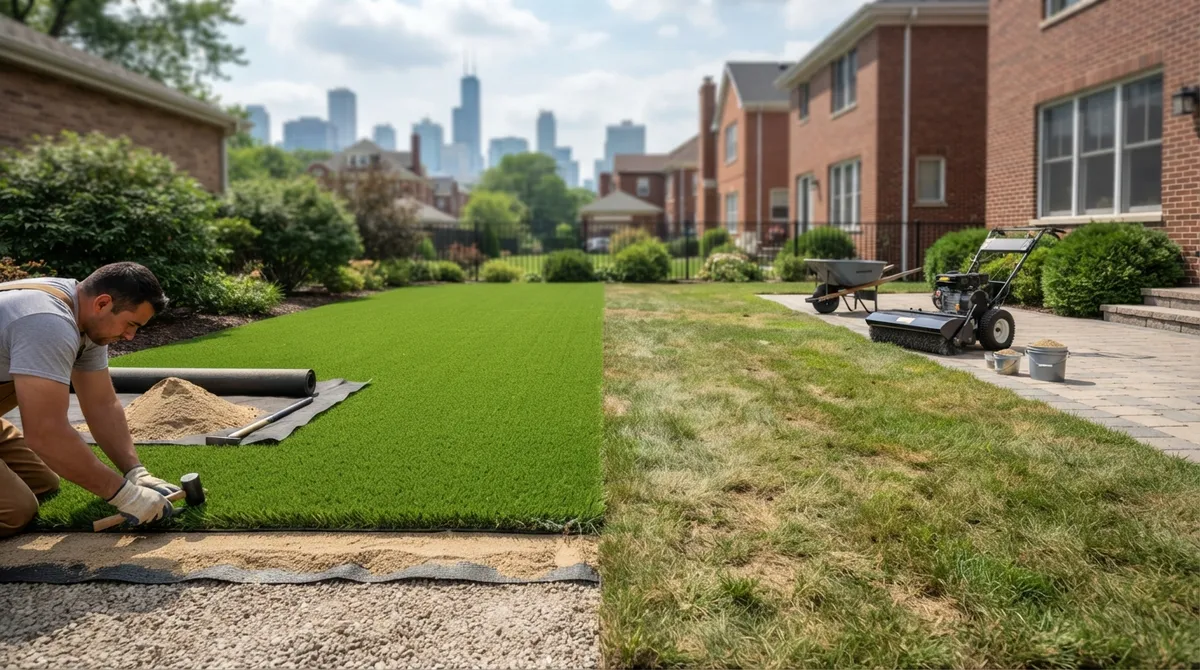
Understanding what goes into a professional installation helps you plan your project with confidence. Here’s a step-by-step overview of what a quality commercial turf installation looks like:
- Site assessment and planning: A landscaping professional visits the property to evaluate the space, measure square footage, assess drainage needs, and discuss the best turf product for the application.
- Site preparation: Existing vegetation is removed and the soil is excavated to a proper depth. A stable base layer — typically crushed aggregate — is installed to ensure proper drainage and a level surface.
- Base compaction: The base material is compacted to create a firm, even foundation. This step is critical for longevity and preventing uneven settling.
- Turf installation: The synthetic turf rolls are laid out, trimmed to fit the space precisely, and secured at the edges. Seams are carefully joined to create a seamless, natural appearance.
- Infill application: Infill material (such as crumb rubber, silica sand, or organic options) is spread across the turf to support the fibers, improve drainage, and provide cushioning.
- Final grooming and inspection: The finished turf is brushed to stand fibers upright and inspected to ensure everything meets quality standards before handoff.
For a more detailed walkthrough, our guide on the 5 key stages of the artificial turf installation process is a great resource. You can also explore our project process page to understand how we manage every step from design to completion.
What Maintenance Does Commercial Artificial Turf Need?
One of the biggest selling points of synthetic turf is how easy it is to maintain. That said, a little regular care goes a long way in extending the life of your investment. Here’s what routine maintenance typically looks like for commercial installations:
- Periodic rinsing with water to remove dust, pollen, and light debris
- Brushing or grooming fibers to keep them standing upright after heavy use
- Removing leaves, litter, or organic debris promptly to prevent buildup
- Inspecting seams and edges periodically to catch any issues early
- Spot cleaning for spills or stains using mild, turf-safe cleaning solutions
Compared to the weekly mowing, fertilizing, and irrigation demands of natural grass, this is a very manageable routine. For properties that want ongoing professional support, our commercial lawn maintenance services can help keep your entire outdoor space in excellent shape year-round.
How to Choose the Right Commercial Artificial Turf Installer in Chicago
Choosing the right installation partner makes all the difference. A poorly installed turf system can lead to drainage problems, uneven surfaces, or premature wear. Here’s what to look for when evaluating installers:
- Proven experience with commercial-scale projects
- Knowledge of Chicago-specific climate and drainage requirements
- Use of high-quality, safety-certified turf products
- A clear, transparent project process from assessment to installation
- Positive client reviews and a portfolio of completed commercial projects
- Proper licensing, insurance, and industry credentials
For added peace of mind, look for contractors who follow established industry best practices. The ICPI Certified Installer designation is one credentialing benchmark worth asking about when vetting landscaping contractors. Our article on why you should choose professional turf installation over DIY also explains exactly what expertise a seasoned installer brings to the table.
At Serenity Landscape Group, we’ve spent over two decades transforming commercial and residential outdoor spaces throughout the Chicago metropolitan area. Our team brings deep local knowledge, technical expertise, and a genuine commitment to quality on every project we take on. Explore our gallery of our work to see the kinds of commercial transformations we’ve delivered for clients across Chicagoland.
High-Traffic Areas: Can Artificial Turf Handle the Demand?
This is one of the most common questions commercial property managers ask — and the answer is a confident yes. Commercial artificial turf is specifically designed to perform in high-use environments. The fibers are engineered to resist matting and compression even under constant foot traffic.
For properties with especially demanding needs — like school athletic fields, sports complexes, or busy retail entrances — there are specialized turf systems built to handle the pressure. Our resource on high-traffic commercial turf solutions for Illinois properties covers this topic in detail. You might also find our article on artificial turf lifespan in Chicago helpful for understanding how long your investment will last under different conditions.
According to industry data, commercial applications represent the fastest-growing category of artificial turf installations — a trend that reflects just how well synthetic turf is meeting the needs of today’s businesses. The Landscape Illinois industry association has noted increasing interest from commercial clients seeking sustainable, durable outdoor solutions that perform well in the Midwest climate.
Pairing Artificial Turf with Other Commercial Landscaping Elements
Artificial turf doesn’t have to stand alone. In fact, it often looks its best when paired with other thoughtful landscaping and hardscaping elements. For commercial properties, a cohesive outdoor design might include:
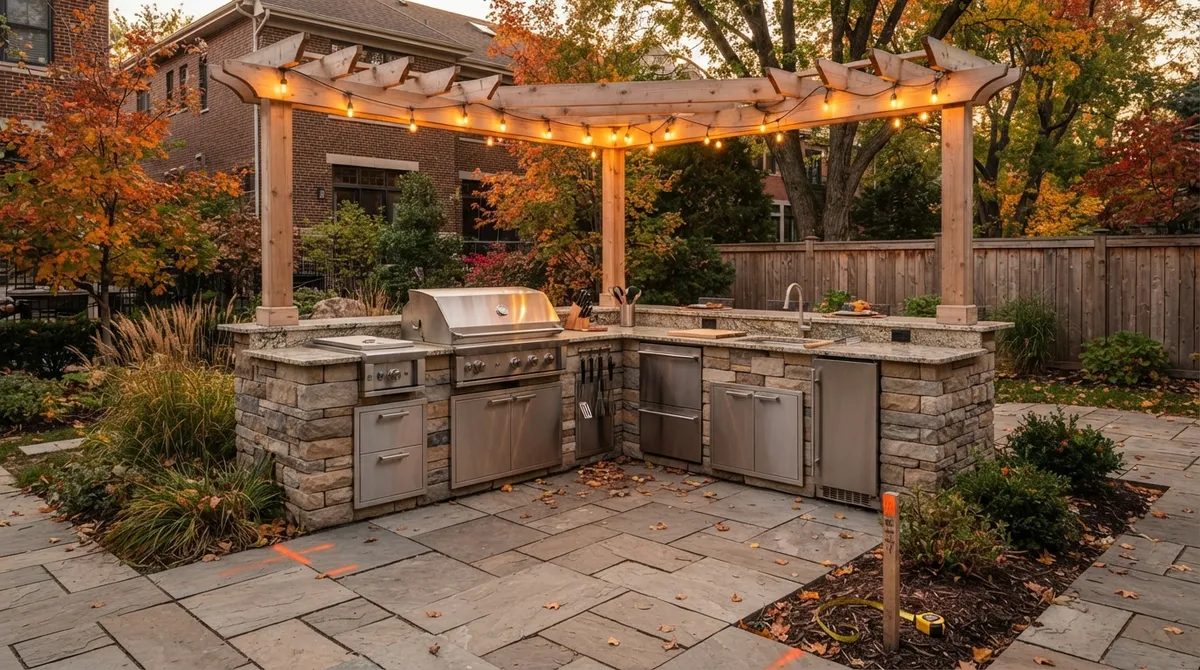
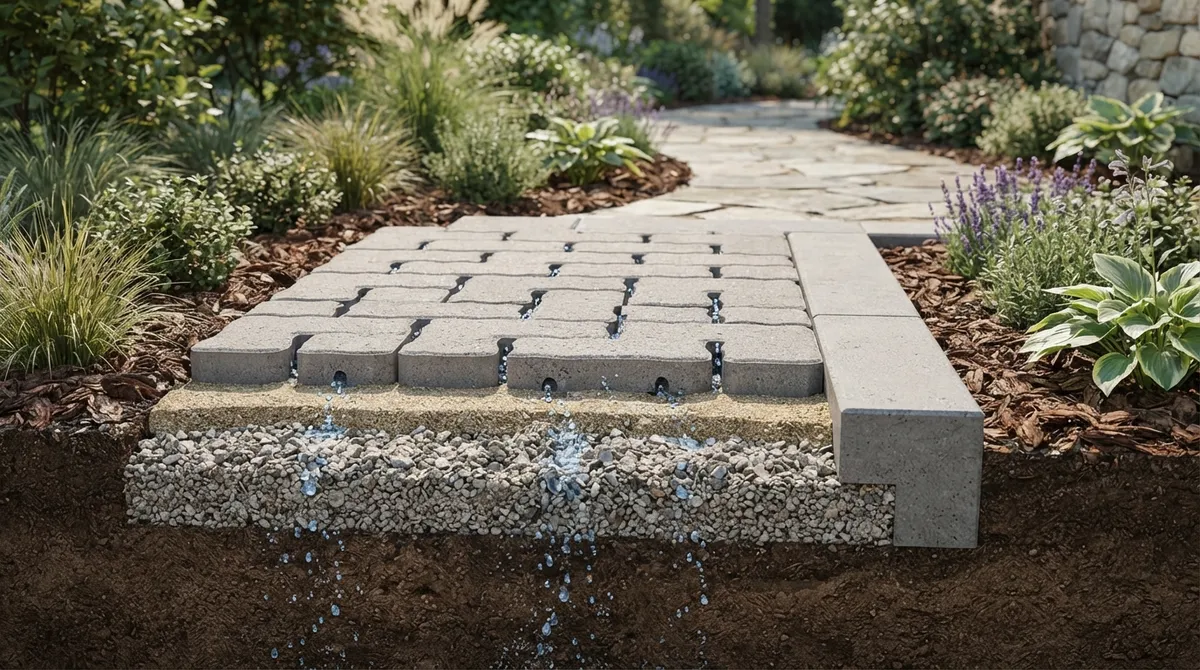
- Elegant paver pathways and patios that complement the turf and define high-traffic zones
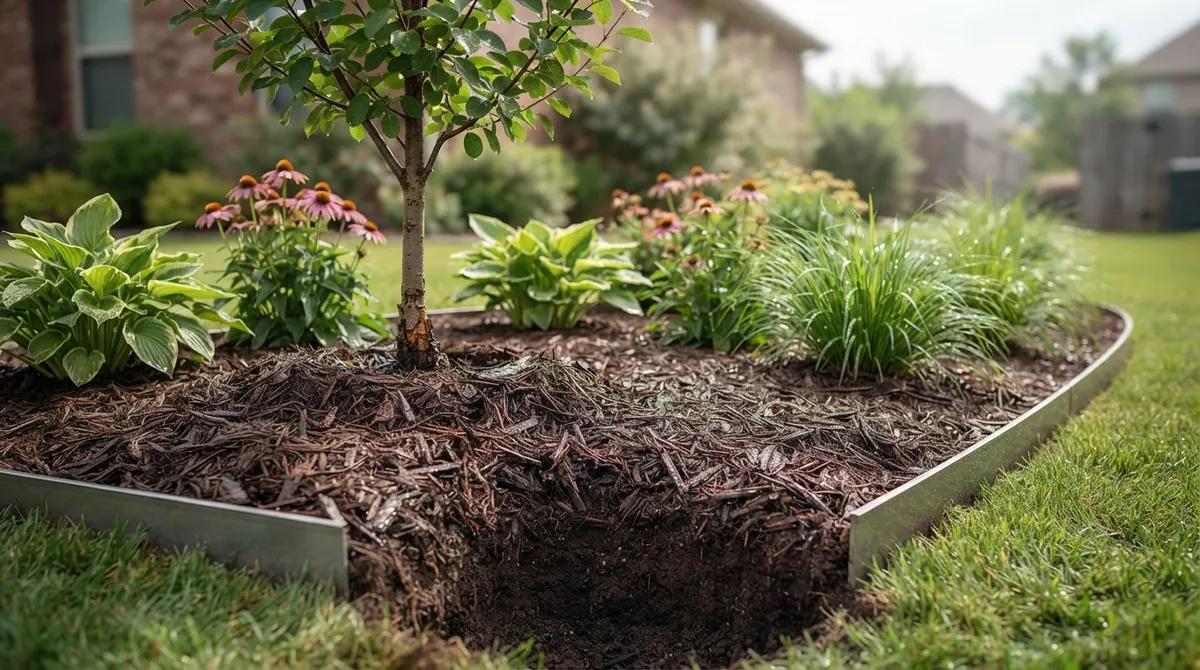
- Attractive softscape plantings like shrubs and ornamental grasses along borders
- Functional retaining walls that manage grade changes and frame the turf area beautifully
- Professional landscape lighting to keep the space welcoming and safe after dark
A well-integrated outdoor design elevates your property’s curb appeal and creates an environment that employees, customers, and visitors genuinely enjoy spending time in. If you’re ready to explore what’s possible, our team would love to help you create a plan that brings your entire vision to life.
Ready to Make the Switch? Here’s How to Get Started
Making the move to commercial artificial turf in Chicago is a big decision — but it’s one that pays off quickly in reduced costs, improved appearance, and less maintenance stress. Whether you’re managing a small office property or a large multi-building campus, there’s a synthetic turf solution designed for your needs.
The first step is talking to an experienced local landscaping team who understands Chicago’s unique climate, soil conditions, and commercial landscaping requirements. A professional site assessment will help you understand the scope, cost, and timeline of your project before any commitments are made.
Ready to take the next step? Request your free estimate today and let the Serenity Landscape Group team show you what’s possible for your commercial outdoor space. You can also call us directly at (630) 359-5139 to speak with our team about your project — we’d love to hear about your vision and help you bring it to life.
FAQs
Q: What are the main benefits of commercial artificial turf for Chicago businesses?
A: Commercial artificial turf in Chicago offers year-round green curb appeal, dramatically reduced maintenance costs, no irrigation needs, and excellent durability in Chicago’s tough climate. It eliminates the need for mowing, fertilizing, and watering — saving businesses real money every season. It’s a feel-good win for both your budget and your property’s appearance!
Q: How long does commercial artificial turf last in Chicago’s climate?
A: With proper installation and routine care, commercial artificial turf in Chicago typically lasts 15 to 20+ years. Chicago’s weather — from heavy snow to summer heat — doesn’t faze quality commercial-grade turf, which is engineered to handle exactly these conditions. That’s a lot of beautiful green without the ongoing headaches!
Q: Is commercial artificial turf in Chicago safe for employees and customers?
A: Absolutely! Most commercial artificial turf products available in Chicago are PFAS-free and lead-free, meeting strict safety and environmental standards. They’re used in sensitive settings like daycare centers and senior living facilities, so you can feel confident about the safety of the people using your outdoor spaces.
Q: What types of commercial properties use artificial turf in Chicago?
A: Commercial artificial turf is a great fit for a wide range of Chicago properties, including apartment complexes, corporate campuses, hotels, restaurants, daycare centers, schools, senior living facilities, sports complexes, and municipal buildings. If your property has an outdoor area that needs to look great with minimal upkeep, artificial turf is worth a serious look!
Q: How much maintenance does commercial artificial turf require after installation?
A: Very little — and that’s the beauty of it! Routine maintenance includes occasional rinsing, brushing fibers to keep them upright, and removing debris like leaves and litter. Compared to the weekly mowing, watering, and fertilizing of natural grass, synthetic turf is a breath of fresh air for busy property managers.