Key Takeaways
-
High-quality artificial turf in Chicago lasts 10-20 years with basic maintenance, though residential lawns typically see 10-15 years of performance due to freeze-thaw cycles and variable seasonal stress.
-
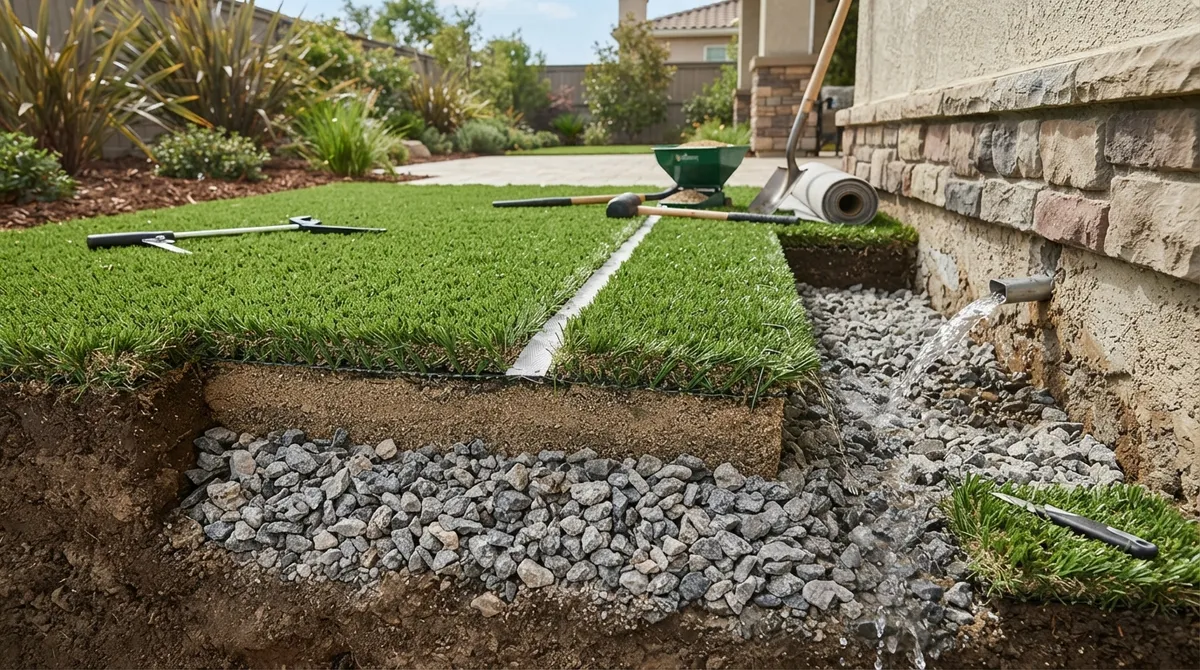
Professional installation with proper base preparation is critical — a well-compacted base with correct drainage slope prevents sinking, water pooling, and wrinkling that can significantly shorten turf lifespan.
-
Select UV-resistant fibers and polyurethane or latex backing specifically designed for Chicago’s climate to withstand freeze-thaw cycles, heavy snowfall, and intense summer UV exposure without cracking or fading.
-
Consistent monthly maintenance including fiber brushing, prompt debris removal, careful snow removal with plastic shovels, and annual damage inspections can extend turf life beyond 15 years in the Midwest.
-
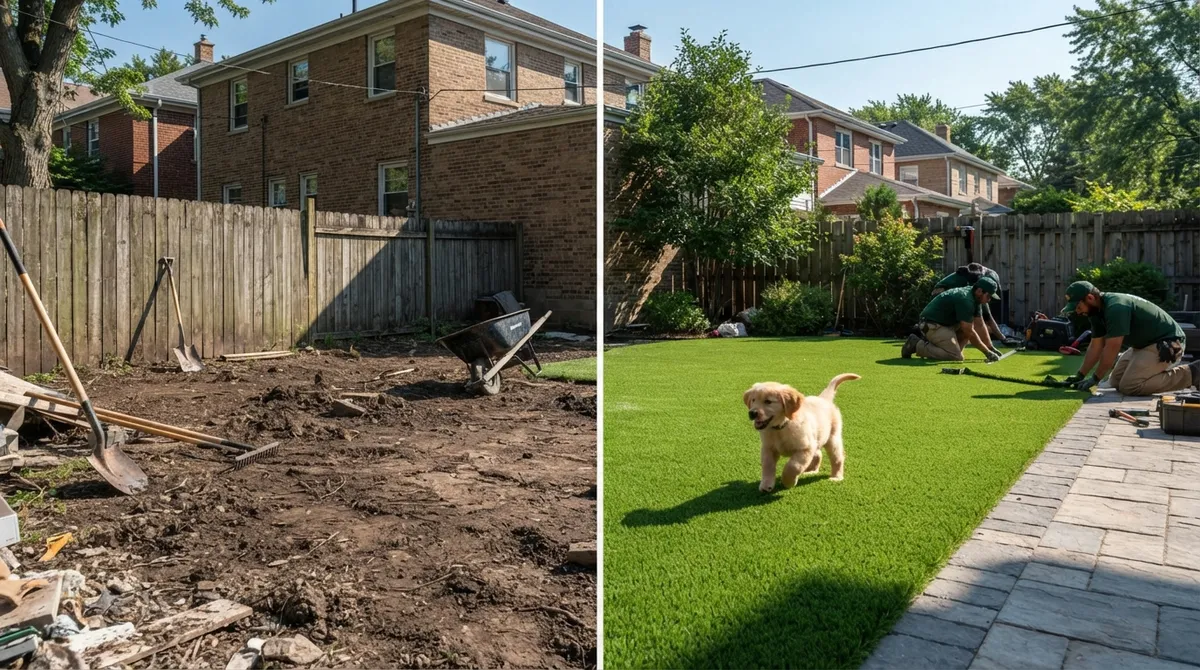
Pet-friendly turf with antimicrobial infill and enhanced drainage is essential for homes with dogs, as pets significantly reduce lifespan through digging, repeated urination, and general wear.
-
Replace turf when you notice flattened fibers that don’t recover after brushing, visible fading, cracking backing, poor drainage, or lifting seams — these indicate the end of serviceable life.
If you’ve been thinking about installing artificial turf at your Chicago-area home or business, one of the first questions that comes to mind is: how long will it actually last? It’s a great question, and the answer might surprise you. Chicago’s weather can be tough — we’re talking frigid winters, hot summers, and everything in between. But the good news is that high-quality artificial turf handles our Midwest climate remarkably well. In this guide, we’ll walk you through everything you need to know about artificial turf lifespan in Chicago, from what affects durability to how you can make your turf last as long as possible. Whether you’re a suburban homeowner, a commercial property manager, or a small business owner looking to boost curb appeal, this article has you covered.
How Long Does Artificial Turf Last in Chicago?
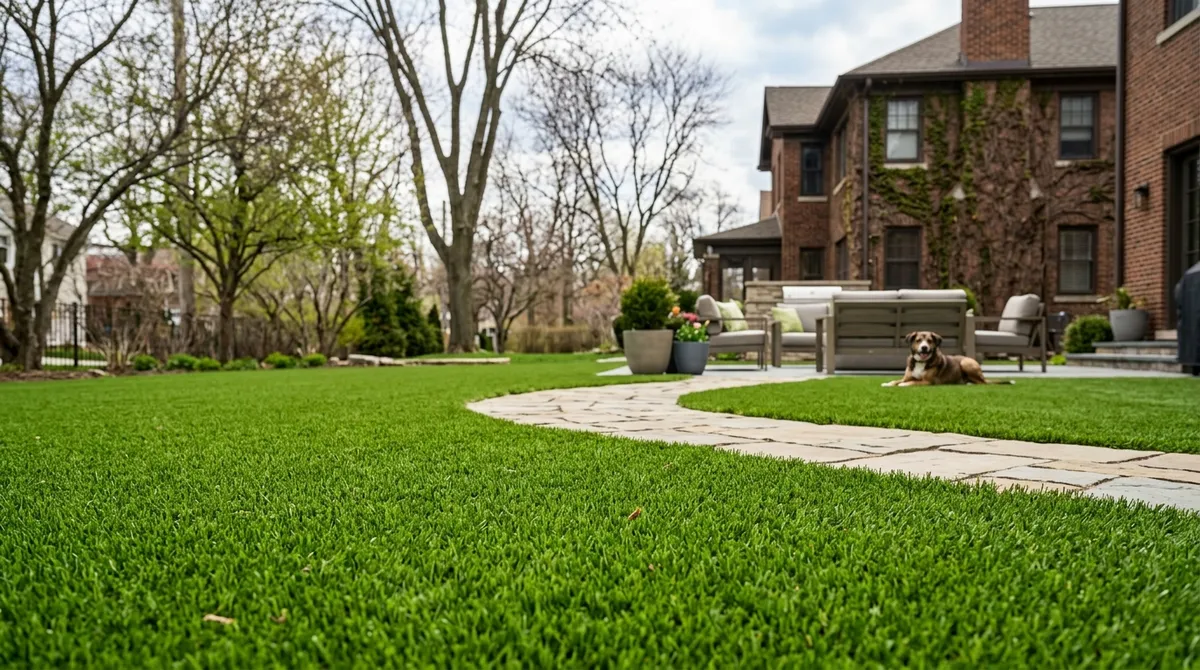
The short answer is: a long time. Nationwide, high-quality artificial grass typically lasts between 15 and 25 years. In the Midwest — including the greater Chicago area — you can realistically expect a lifespan of 10 to 20 years with basic maintenance. The slight difference comes down to our freeze-thaw cycles and variable seasons, which put a little extra stress on turf materials over time.
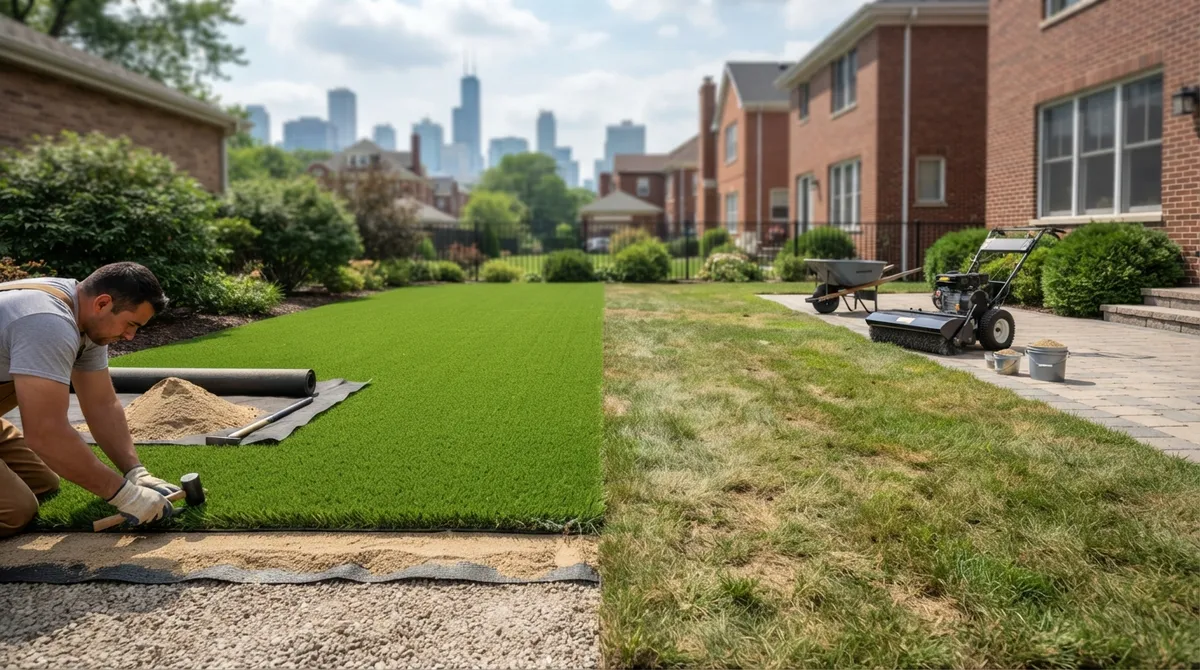
For residential properties, most homeowners see 10 to 15 years of great performance from their turf. Sports fields and high-traffic commercial areas tend to see a shorter lifespan of around 8 to 10 years due to intense, daily wear. With professional installation and proper care, many Chicago-area properties enjoy 15 or more years of lush, green, low-maintenance turf. You can explore what a professional artificial turf installation looks like and what it includes.
Chicago’s Climate and Artificial Turf Durability
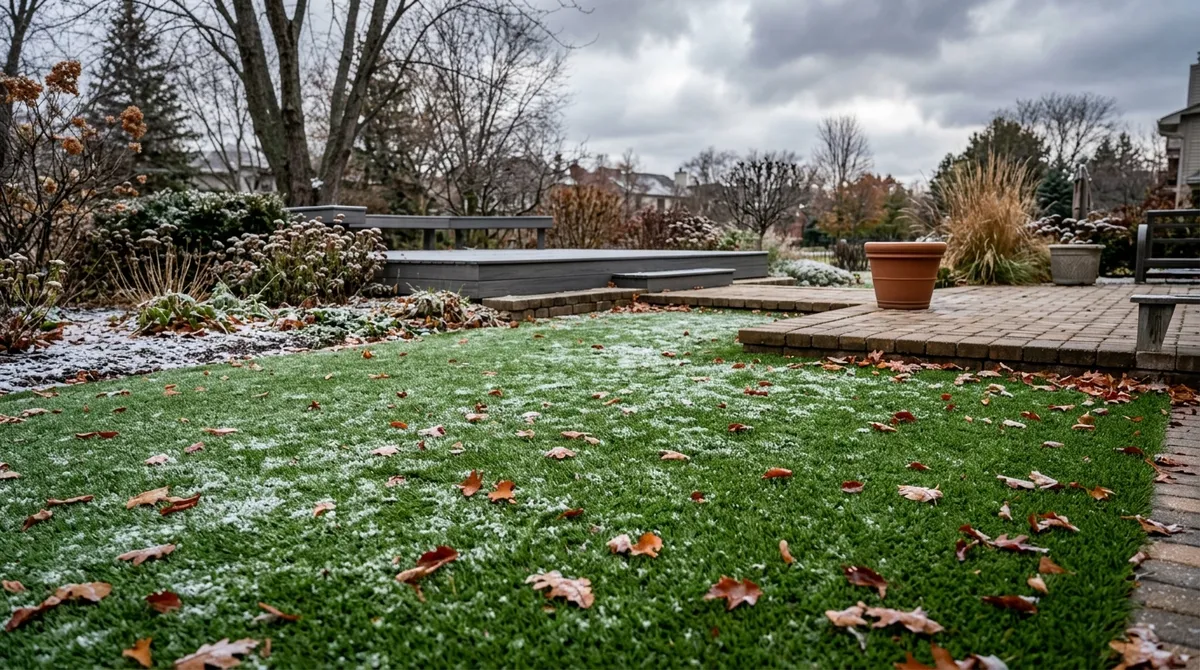
Chicago weather is no joke. Our climate creates unique challenges for any outdoor surface, and artificial turf is no exception. Here’s how our local weather impacts turf longevity:
- Freeze-thaw cycles: Winter temperatures can cause the turf backing to expand and contract. Low-quality products may crack or warp over time.
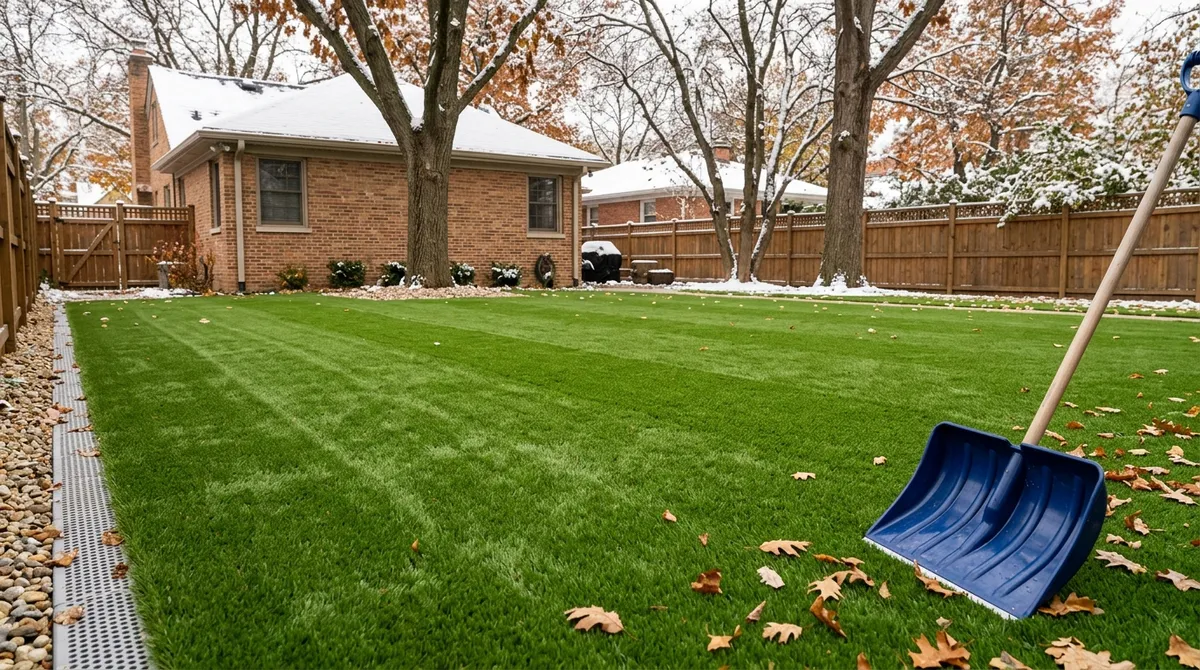
- Heavy snowfall: Snow and ice don’t damage turf directly, but improper removal (like using metal shovels) can shred the fibers.
- UV exposure: Chicago summers bring plenty of sun. Without UV-resistant fibers, turf can fade and become brittle faster.
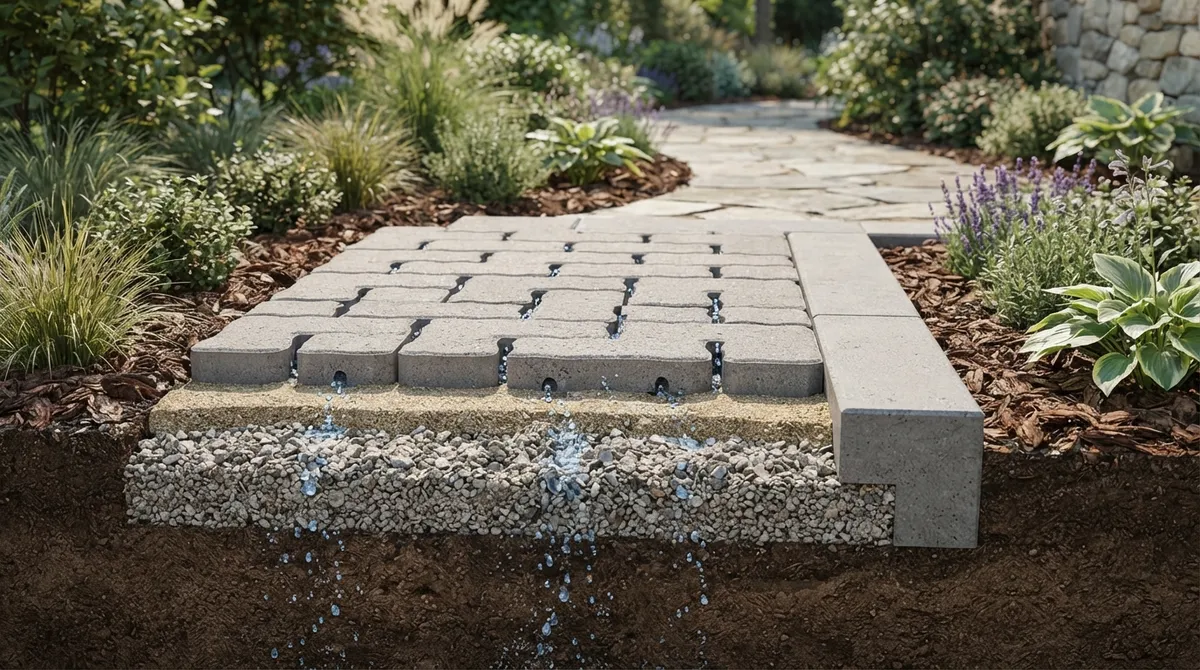
- Spring rain and drainage: Poor drainage leads to water pooling, which can degrade the backing and infill over time.
- Temperature swings: Dramatic shifts between seasons test the structural integrity of the turf’s materials.
The good news? Modern artificial turf products are designed to handle all of this. Look for turf with UV-resistant fibers, strong polyurethane or latex backing, and excellent drainage systems. These features are especially important in the Chicagoland climate. For more inspiration on how to design a beautiful, durable outdoor space that works in our climate, check out our gallery of our work.
Key Factors That Affect Artificial Turf Lifespan
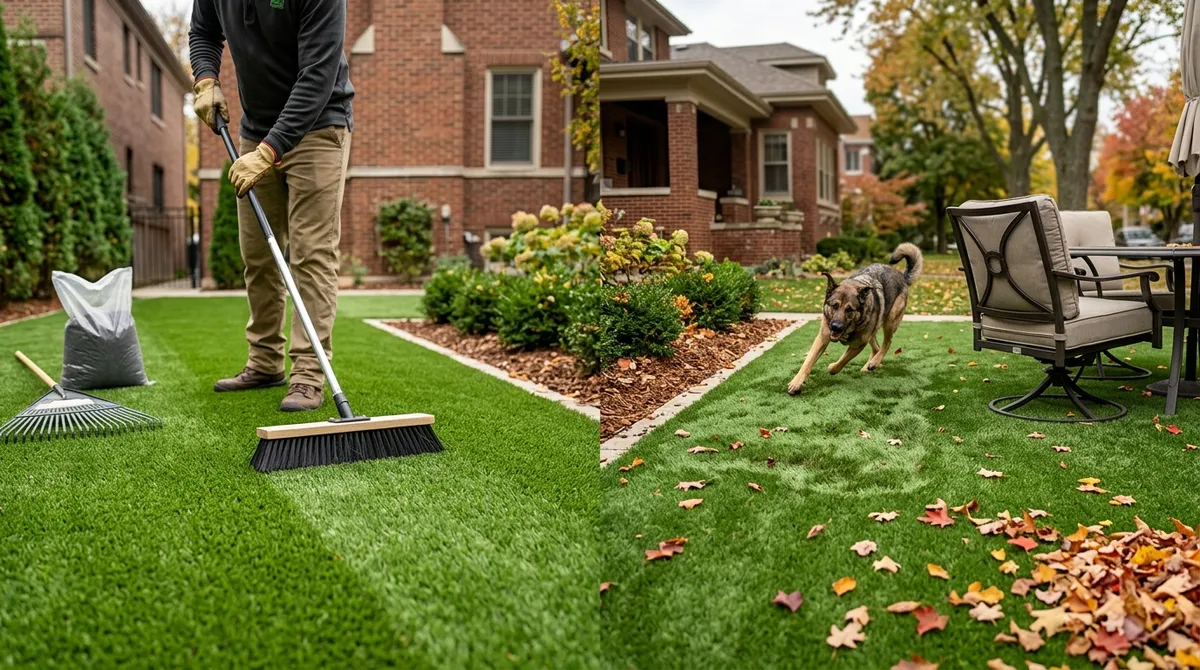
Not all turf lasts the same amount of time. Several factors play a big role in how long your investment holds up. Understanding these can help you make smarter choices from the start.
1. Quality of the Turf Product
Higher-quality turf uses denser fibers, stronger backing, and better UV protection. These products cost more upfront but save you money in the long run. Always ask about the warranty — a good turf product typically comes with an 8-year warranty and is expected to perform well beyond that.
2. Professional Installation
This is huge. Proper base preparation is the foundation of a long-lasting turf installation. A well-compacted base with the right drainage slope prevents issues like sinking, water pooling, and wrinkling. Professional landscaping services ensure this is done right the first time. At Serenity Landscape Group, our experienced team handles every detail of the installation process to maximize your turf’s lifespan.
3. Foot Traffic and Use
High-traffic areas wear down fibers faster. A backyard used for casual relaxation will outlast a turf play area used by kids every day. Consider the intended use before selecting your turf product, as some are specifically designed for heavy use.
4. Pet Use
Pets — especially dogs — can affect turf lifespan through digging, repeated urination, and general wear. Pet-friendly turf products with antimicrobial infill and enhanced drainage are available and recommended for homes with four-legged family members.
5. Maintenance Habits
Regular upkeep makes a significant difference. Turf that is brushed, cleaned, and cleared of debris consistently will last years longer than neglected turf. More on this in the next section.
Artificial Turf Lifespan by Application Type
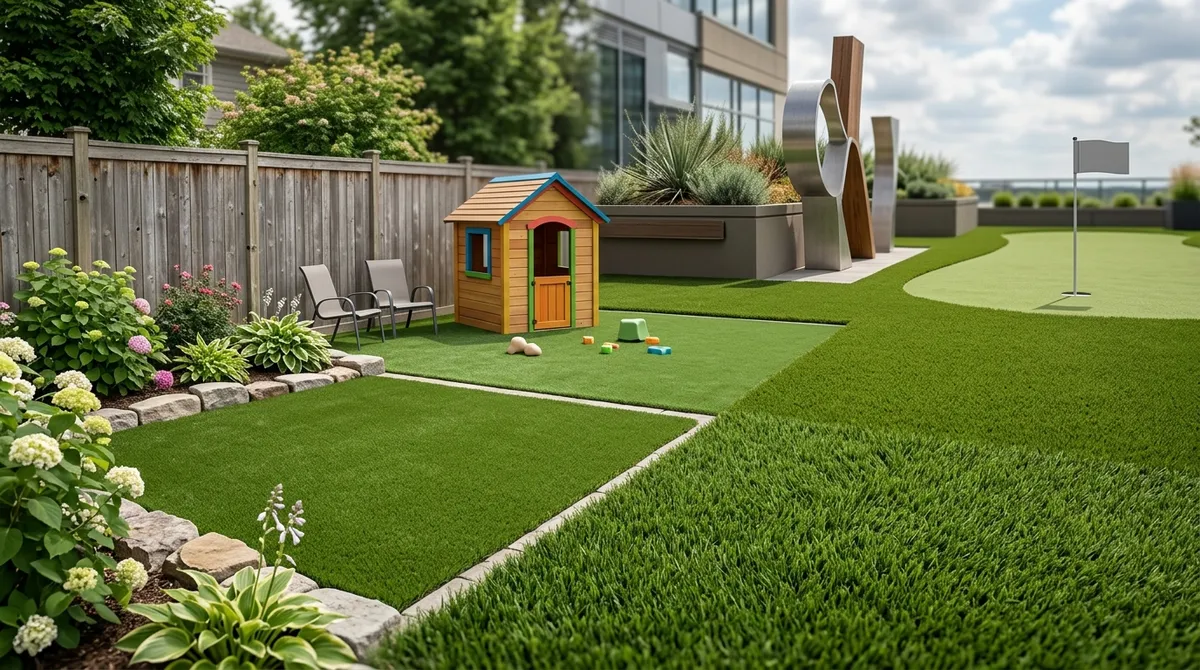
Here’s a quick overview of expected lifespan based on how and where the turf is used in the Chicago area:
| Application Type | Expected Lifespan in Chicago | Key Considerations |
|---|---|---|
| Residential Lawn | 10–15 years | Moderate traffic, seasonal weather |
| Backyard Play Area | 8–12 years | Heavy foot traffic from kids and pets |
| Commercial Property | 10–15 years | Daily foot traffic, aesthetic upkeep |
| Sports Fields | 8–10 years | Intense, repetitive use and impact |
| Rooftop or Patio | 12–18 years | Lower traffic, good drainage key |
As you can see, the application matters a lot. Urban condo owners using turf on rooftop terraces or balconies often enjoy some of the longest lifespans because traffic is minimal and conditions are more controlled. If you’re curious about how turf complements other outdoor elements, take a look at how pavers can transform your outdoor space alongside artificial turf for a complete look.
How to Maintain Artificial Turf in Chicago
The secret to getting the most out of your turf investment is consistent, simple maintenance. You don’t need to do much — but doing a little goes a long way. Here are the top maintenance steps for Chicagoland turf owners:
- Brush the fibers regularly: Use a stiff-bristled broom or brush to keep fibers upright and prevent matting. Do this at least once a month, or more often in high-traffic zones.
- Remove debris promptly: Leaves, twigs, and other debris should be cleared with a leaf blower or rake. Don’t let organic material sit and decompose on the turf surface.
- Rinse with water: A simple rinse with a garden hose removes dust and light debris. In summer, this also helps cool the turf surface on hot days.
- Handle snow carefully: Allow light snow to melt naturally. For heavier snow, use a plastic shovel — never metal — to avoid damaging the fibers.
- Address stains quickly: Most spills can be cleaned with water and mild soap. Act fast to prevent staining or odors, especially in pet areas.
- Inspect for damage annually: Check seams, edges, and backing each year. Catching small issues early prevents larger, costlier problems later.
Following these simple steps can easily add years to your turf’s life. According to industry data, well-maintained turf in the Midwest routinely reaches 15+ years of service. For landscaping professionals and resources in Illinois, Landscape Illinois is a great resource for best practices and industry standards.
Artificial Turf vs. Natural Grass in Chicago
Let’s be honest — natural grass in Chicago has a tough life. Our short growing season, harsh winters, and unpredictable spring weather mean homeowners are constantly reseeding, patching, and nursing their lawns back to health year after year. Artificial turf eliminates all of that.
- Natural grass requires frequent reseeding and fertilizing in Illinois’s short growing season.
- Artificial turf stays green and uniform year-round, with no brown patches or bare spots.
- Natural grass needs regular watering — artificial turf uses no water beyond occasional rinsing.
- Turf eliminates the need for mowing, edging, and weed control.
- With a 10–20 year lifespan, turf offers a strong return on investment compared to ongoing grass maintenance costs.
For suburban homeowners tired of constant lawn upkeep, artificial turf is a game-changer. And for commercial property managers who need a polished, low-maintenance exterior, it’s a smart, cost-effective solution. Check out our commercial lawn maintenance services to see how we help businesses keep their properties looking their best year-round.
Signs It’s Time to Replace Your Artificial Turf
Even the best turf eventually reaches the end of its life. Knowing when to replace it helps you plan ahead and budget accordingly. Watch for these warning signs:
- Flattened or matted fibers that don’t recover after brushing
- Visible fading or discoloration from UV exposure
- Cracking or peeling backing that compromises stability
- Poor drainage leading to standing water after rain
- Seams or edges lifting despite repairs
If you’re noticing any of these issues, it may be time for a fresh installation. The good news is that replacing turf is also an opportunity to upgrade to a newer, better product. You can also take the opportunity to redesign your outdoor space at the same time for an exciting new look.
Pairing Artificial Turf with Other Landscape Features
Artificial turf looks even better when it’s part of a thoughtful overall landscape design. In the Chicago area, many homeowners and business owners are combining turf with other hardscape and softscape elements for a stunning result. Consider pairing your turf with:
- Pavers and pathways: Create defined walkways that complement your turf lawn. See our walkway paver design options for ideas.
- Retaining walls: Add structure and dimension to sloped yards. Visit our retaining walls page for details.
- Fire pits: Create a cozy outdoor gathering space. Explore our fire pit designs for inspiration.
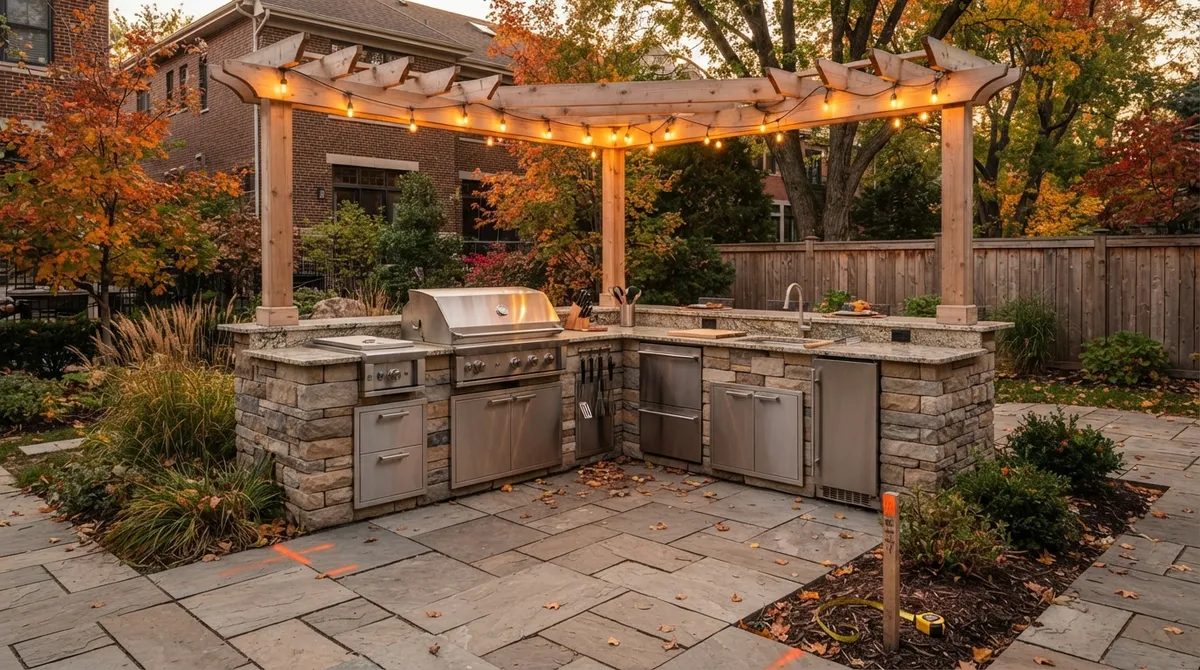
- Pergolas and pavilions: Add shade and style to your outdoor living area. Check out pergolas and pavilions to see what’s possible.
- Outdoor lighting: Extend the enjoyment of your turf into the evening hours with beautiful lighting and sound solutions.
A cohesive landscape design makes every element look its best. The ICPI Certified Installer standards ensure that hardscape professionals like our team bring the technical expertise needed to create durable, beautiful outdoor spaces alongside your turf installation.
Is Artificial Turf Worth It in Chicago?
Absolutely. When you factor in the elimination of lawn care costs, water savings, and the consistent beauty of a green lawn year-round, artificial turf pays for itself over time. In Chicago’s climate, where natural grass struggles half the year, the value is even greater. With a well-installed product lasting 10 to 20 years, the return on investment is strong for both homeowners and commercial property owners.
New home builders and developers in Aurora and surrounding suburbs are also taking notice. Including artificial turf in new builds is a selling point that appeals to buyers who want low-maintenance, move-in-ready outdoor spaces. It’s a smart addition to any property. You can learn more about our installation process to understand what’s involved from start to finish.
Conclusion
Artificial turf in Chicago can last 10 to 20 years — and sometimes longer — with the right product and proper care. Chicago’s climate does present unique challenges, but modern turf technology is more than up to the task. From UV-resistant fibers to freeze-thaw-tolerant backing, today’s artificial turf is built to handle everything the Midwest throws at it. The keys to maximizing your turf’s lifespan are simple: choose a quality product, invest in professional installation, and keep up with basic maintenance. Whether you’re a homeowner looking to ditch the weekly mowing routine or a business owner wanting year-round curb appeal, artificial turf is a smart, lasting choice for Chicago properties.
Ready to explore artificial turf for your home or commercial property? The team at Serenity Landscape Group would love to help. Request your free estimate today and let’s start designing an outdoor space you’ll love for decades to come. You can also call us at (630) 359-5139 to speak with one of our friendly landscape experts right away.
FAQs
Q: How long does artificial turf last through Chicago winters?
A: Great news — artificial turf handles Chicago winters pretty well! With freeze-thaw cycles and heavy snowfall, you can still expect 10 to 20 years of life from quality turf. Just use a plastic shovel for snow removal and let lighter snowfalls melt naturally to protect the fibers.
Q: What maintenance helps artificial turf last longer in the Midwest climate?
A: Keeping your turf in top shape is easier than you think! Regular brushing to prevent matting, rinsing with water to remove dust and debris, and quick cleanup of stains or pet messes are the big ones. A little consistent care can push your turf lifespan well past 15 years.
Q: Does artificial turf fade in Chicago’s sun?
A: It can if you choose a lower-quality product! That’s why it’s so important to select turf with UV-resistant fibers, especially in areas that get full sun during Chicago summers. High-quality UV-resistant turf maintains its color beautifully for many years.
Q: How does artificial turf compare to natural grass lifespan in Illinois?
A: Artificial turf wins hands down! Natural grass in Illinois struggles with short growing seasons, harsh winters, and constant maintenance needs like reseeding and fertilizing. Artificial turf stays green and functional year-round for 10 to 20 years with minimal upkeep — no mowing required!
Q: When should I replace my artificial turf in Chicago?
A: Watch for signs like flattened fibers that won’t brush back up, noticeable fading, cracking backing, or poor drainage after rain. If you’re seeing these issues, it’s likely time for a fresh installation — and a great opportunity to upgrade your whole outdoor space!