Key Takeaways
-
Use plastic shovels, push brooms, or leaf blowers for snow removal instead of metal tools or rock salt, which can tear fibers, damage backing, and clog drainage systems.
-
Clear leaves, twigs, and debris from your turf in late fall and inspect drainage outlets before winter to prevent water pooling and freeze-thaw damage to the base layer.
-
Limit foot traffic on frozen turf during hard freeze periods since frozen fibers become brittle and can be crushed or broken by heavy use or repeated walking.
-
Use lukewarm water or allow light snow and ice to melt naturally rather than applying chemical de-icers or hot water, which degrade fibers and leave damaging residue.
-
Inspect and secure loose turf edges and check infill levels before winter, as proper infill support prevents frost heave and helps your lawn recover in spring.
-
After winter, rinse your turf thoroughly, brush flattened fibers with a stiff plastic brush, and redistribute infill to restore its natural appearance and drainage function.
Winter in the Chicago area is no joke. Temperatures drop hard, snow piles up fast, and freeze-thaw cycles can put serious stress on your outdoor spaces. If you have artificial turf, you might think it just takes care of itself through the cold months. After all, that’s part of why so many homeowners and property managers love it, right?
Well, mostly yes — but not entirely. Knowing how to maintain artificial turf in winter is the difference between a lawn that bounces back beautifully in spring and one that looks tired, matted, or damaged. The good news? Winter care for synthetic grass is actually pretty simple. You just need to avoid a few common mistakes that chip away at your turf’s lifespan. Let’s walk through what those mistakes are — and exactly what to do instead.
Why Winter Care for Artificial Turf Actually Matters
Here’s something many people don’t realize: premium artificial turf is engineered for four-season durability. It’s built to handle freeze-thaw cycles without damage when it’s properly installed and maintained. That’s great news! But “properly maintained” is the key phrase here.
Neglecting your synthetic lawn during winter — or making a few well-meaning but harmful choices — can wear down the fibers, clog the drainage system, and disrupt the infill that keeps your turf looking lush and upright. None of those problems are fun to deal with in spring. A little preventive care goes a long way, and it really doesn’t take much time or effort.
For homeowners in Chicago’s suburbs, commercial property managers, and small business owners who’ve invested in artificial turf installation, protecting that investment through winter is simply smart planning. Here’s what to watch out for.
Mistake #1: Using the Wrong Tools and Chemicals for Snow Removal
This is probably the biggest and most damaging mistake people make. When snow starts piling up, the instinct is to grab whatever is handy — a metal shovel, a bag of rock salt — and get to work. On a concrete driveway or natural grass, that approach makes sense. On artificial turf? It can cause real damage.
What Happens When You Use Metal Tools or Chemical De-Icers
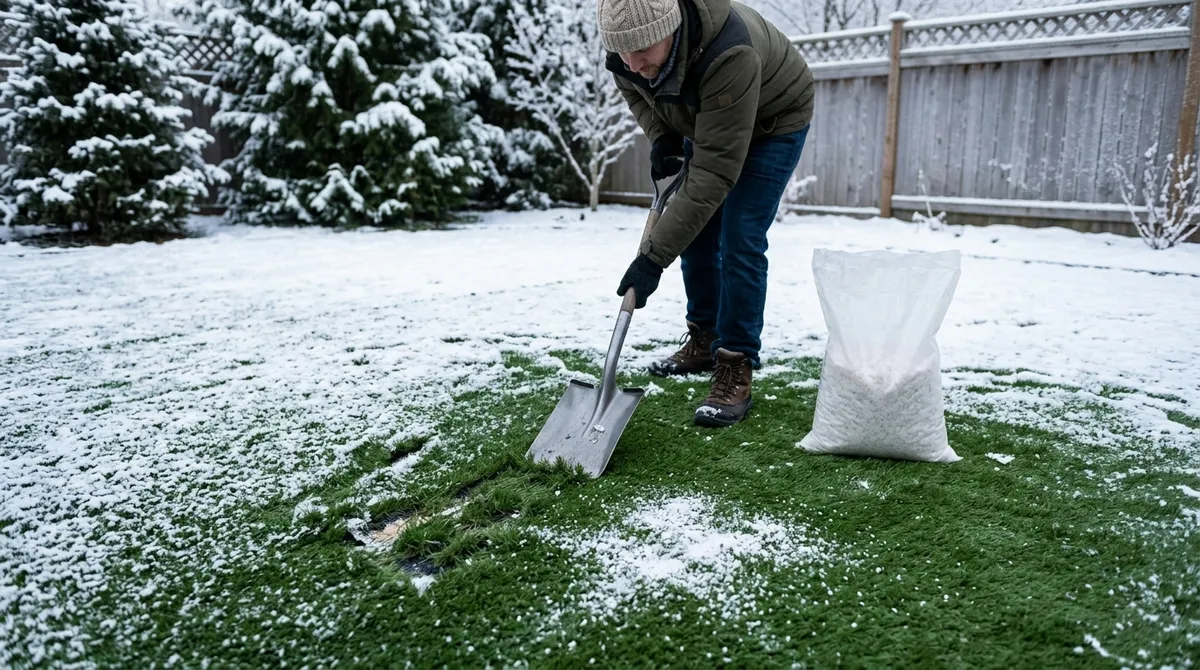
Metal shovels and sharp-edged tools can tear, snag, or crush the synthetic fibers of your turf. They can also damage the backing underneath, which affects drainage and structural integrity. Rock salt and chemical de-icers are even worse. They can degrade the turf fibers over time, clog the drainage system, and leave behind residue that affects how your lawn looks and performs.
According to turf care experts, rock salt and chemical treatments are among the most common causes of premature artificial turf wear. Even one harsh winter of improper treatment can take years off your turf’s life.
What to Do Instead
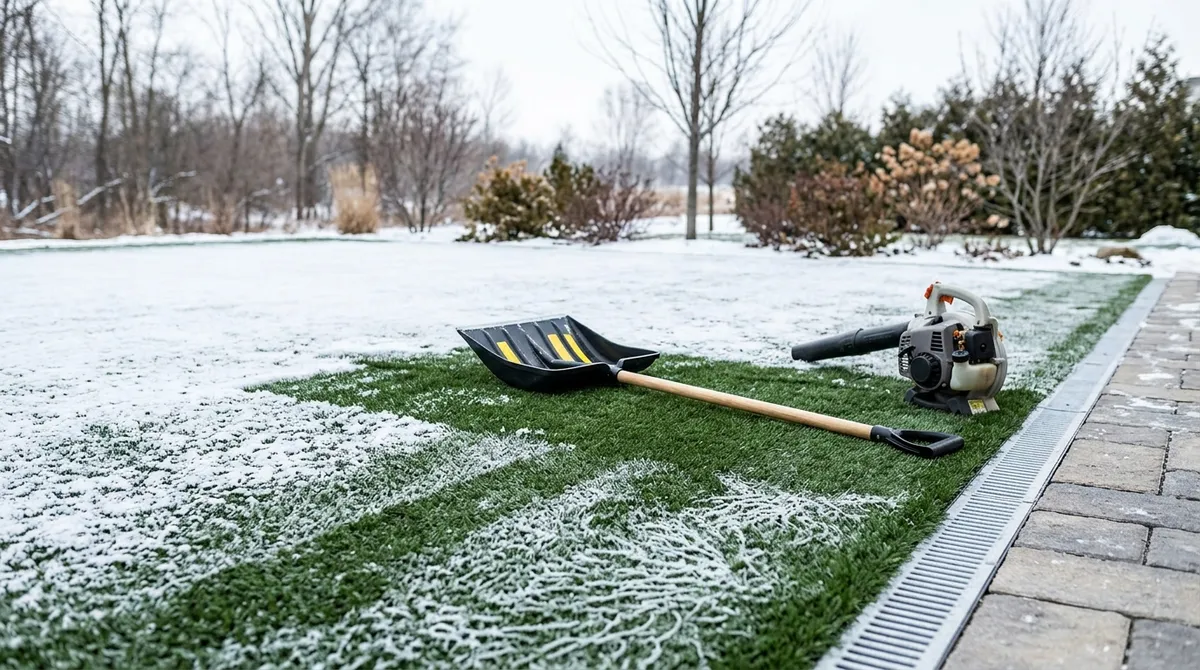
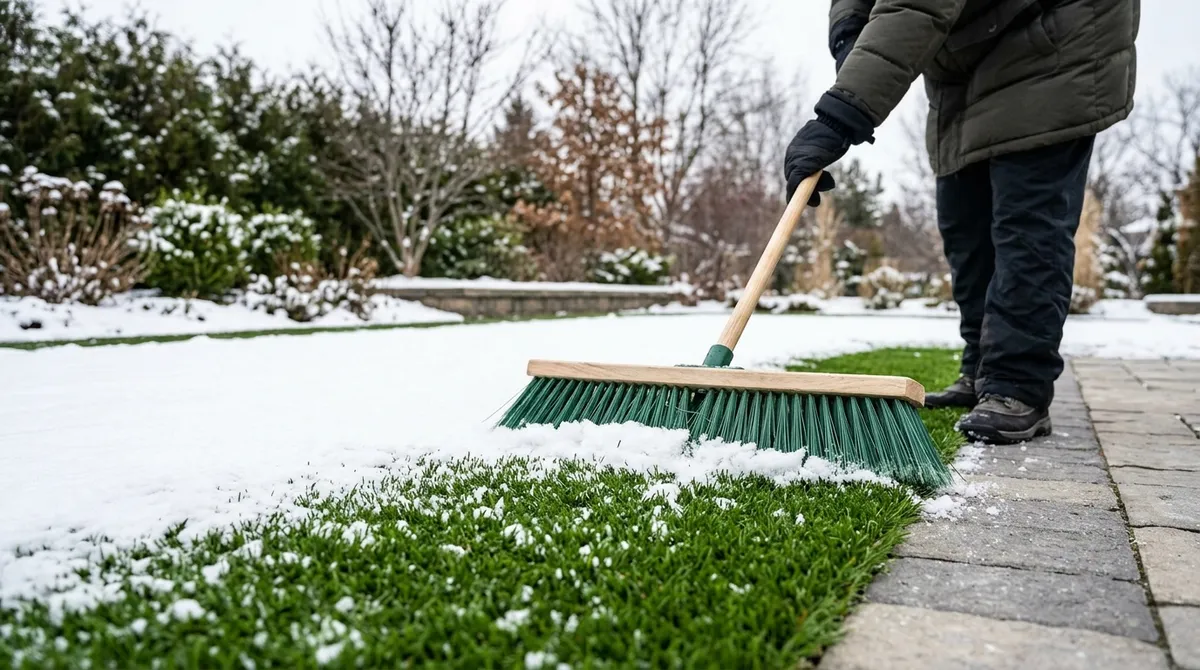
- Use a plastic snow shovel or push broom. Plastic tools are much gentler on turf fibers and won’t cause tears or snags during removal.
- Try a leaf blower on a low setting. For light, fluffy snow, a leaf blower works surprisingly well and keeps you from touching the turf surface at all.
- Let light snow melt naturally. A dusting of snow won’t hurt your turf and will melt on its own. Forcing removal of small amounts can sometimes cause more harm than the snow itself.
- Use lukewarm water for ice. If you need to speed up thawing, pouring lukewarm (not hot) water over icy patches is safe and effective. Skip the chemicals entirely.
The goal is to always be gentle. Think of your artificial turf like a piece of quality outdoor furniture — you wouldn’t take a metal scraper to it, and the same logic applies here.
Mistake #2: Ignoring Drainage and Debris Before Winter Hits
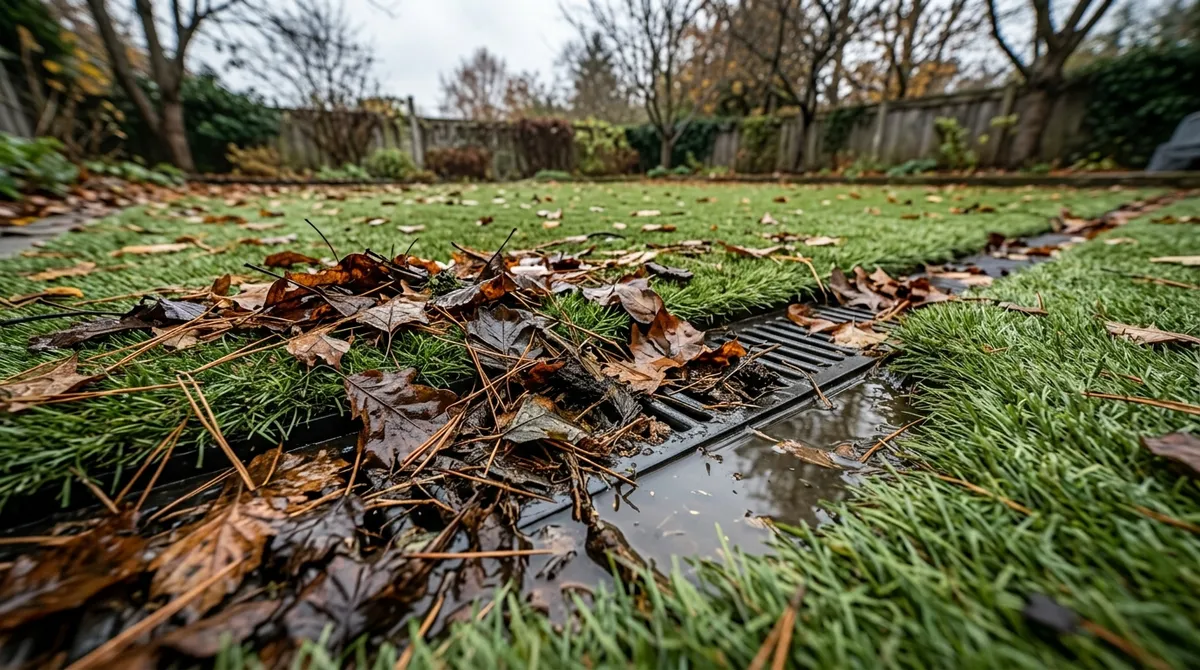
Here’s where the “set it and forget it” mindset can really get homeowners in trouble. Many people skip pre-winter prep entirely, assuming their turf will just handle whatever comes. But fall and early winter bring falling leaves, twigs, and debris that can clog your turf’s drainage system — and that’s a problem when snow and ice start to melt.
What Happens Without Pre-Winter Prep
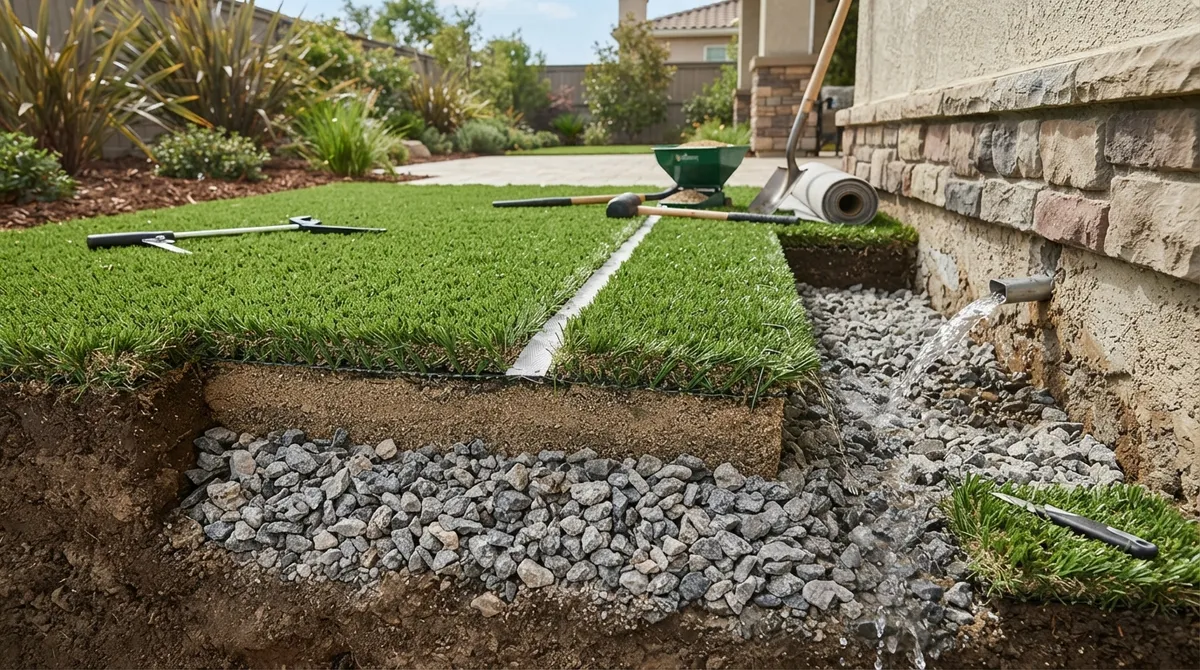
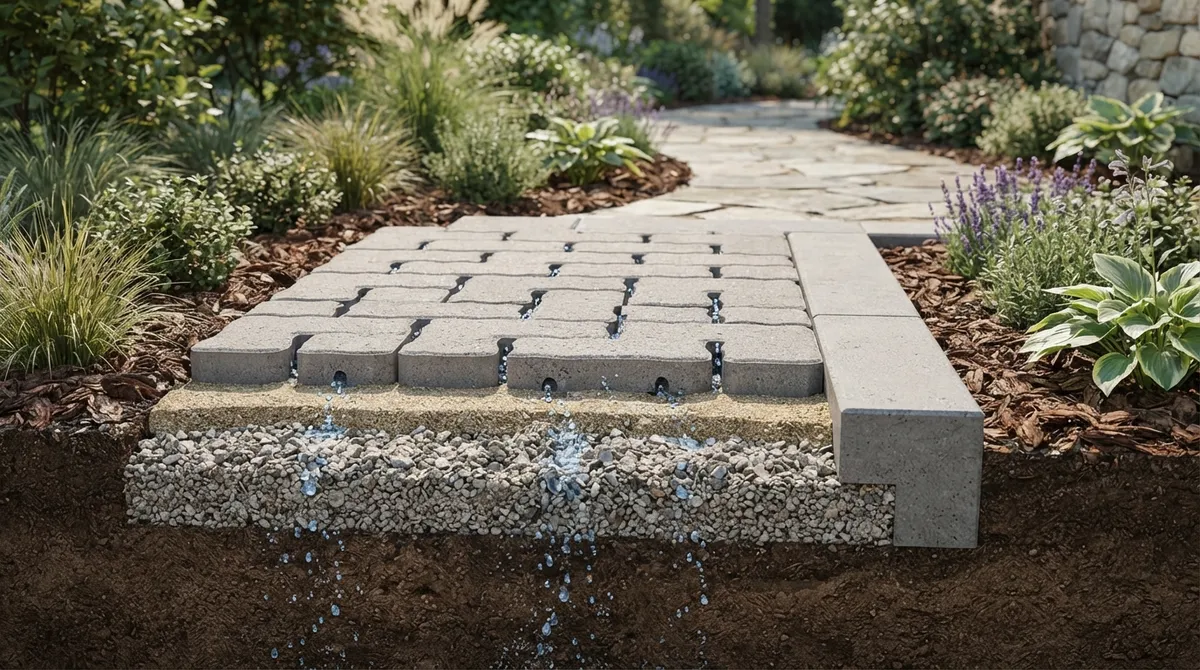
When debris clogs your drainage, melting snow and ice have nowhere to go. Water pools on the surface or seeps into unintended areas. In freezing temperatures, that pooled water can turn into ice sheets on your turf, adding weight and stress. Freeze-thaw cycles can then loosen the turf edges, cause frost heave in the base layer, and disrupt the infill material that keeps your lawn looking natural and springy.
Industry guidance from resources like Landscape Illinois consistently emphasizes that preventive preparation before the cold season is far more cost-effective than dealing with damage after the fact.
Your Pre-Winter Turf Prep Checklist
- Clear all leaves, twigs, and organic debris from the turf surface using a leaf blower or plastic rake
- Inspect and clear your drainage outlets to ensure water can flow freely
- Check infill levels and redistribute or top up as needed — infill that’s too low leaves fibers unsupported
- Inspect perimeter nails and edges, securing any that have lifted or loosened
- Give the turf a thorough rinse with a garden hose to flush out any accumulated dust or organic material before temperatures drop
Taking an hour or two in late fall to work through this checklist can save you significant time, money, and headaches in spring. It’s one of those tasks that feels optional until you skip it — and then regret it.
Mistake #3: Letting Heavy Foot Traffic Damage Frozen Turf
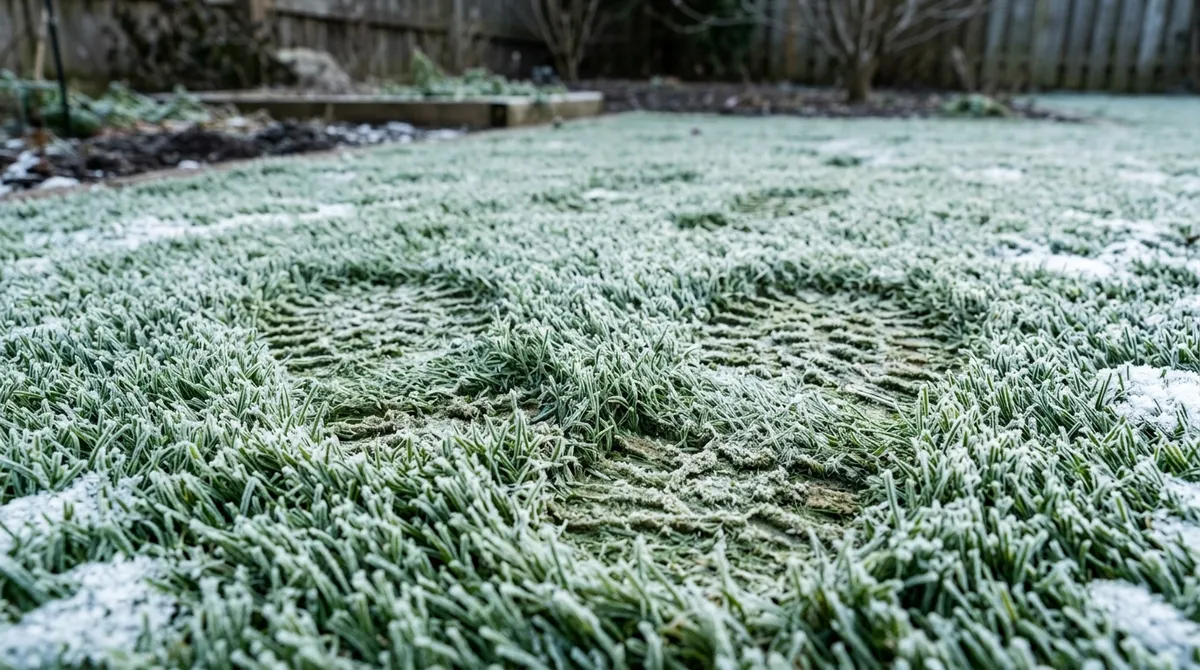
This one catches people off guard because it’s so counterintuitive. Artificial turf looks tough — and it is. But when it’s frozen solid, the fibers become more brittle and less flexible than they are in warmer temperatures. Heavy or repeated foot traffic on frozen turf can actually crush or break the fibers, leading to flat, matted patches that don’t recover well.
The Freeze-Thaw Cycle Challenge
Chicago winters are famous for their freeze-thaw cycles — days where temperatures dip below freezing overnight and then climb above freezing during the day. This cycle happens repeatedly throughout the winter, and each time it does, your turf goes from frozen-brittle to soft-flexible and back again. Walking or placing heavy objects on the turf during the frozen phase is where damage most commonly occurs.
This is especially important for commercial property managers and small business owners whose turf areas see regular foot traffic from customers and employees. Limiting access during hard freeze periods isn’t just about turf care — it’s also a safety issue, since frozen artificial turf can be slippery.
Smart Traffic Management in Winter
- Limit foot traffic on turf during hard freeze periods whenever possible
- Place temporary barriers or signage if needed for high-traffic commercial properties
- Avoid placing heavy equipment, furniture, or planters on the turf when it’s frozen
- Wait until temperatures rise and ice has melted before resuming normal use
- If children play on the turf, supervise to prevent running or jumping on icy patches — for safety and turf protection
Once temperatures warm up and the turf thaws, you can go back to enjoying it normally. The key is just being a little more mindful during those cold snaps.
Winter Turf Care at a Glance
Here’s a quick reference table to help you remember what’s safe and what to avoid when caring for artificial turf through the Chicago winter months.
| Task | Safe Approach | What to Avoid |
|---|---|---|
| Snow Removal | Plastic shovel, push broom, leaf blower (low setting) | Metal shovels, sharp-edged tools |
| Ice Treatment | Lukewarm water, allow natural melting | Rock salt, chemical de-icers |
| Debris Management | Leaf blower, plastic rake before winter | Letting leaves and organic matter accumulate |
| Drainage | Clear drains before winter, inspect regularly | Ignoring clogged or blocked drainage |
| Foot Traffic | Limit during hard freeze, resume when thawed | Heavy or repeated use on frozen turf |
| Turf Edges | Inspect and secure loose edges in fall | Leaving lifted edges exposed to freeze-thaw damage |
What to Do After Winter: The Post-Season Refresh
Once Chicago’s winter finally loosens its grip, a little post-season care helps your turf bounce back quickly and look its best for spring and summer. This is also the ideal time to spot any damage that happened over the cold months.
Your Post-Winter Turf Refresh Steps
- Rinse the turf thoroughly. Use a garden hose to wash away dust, pollen, and any winter buildup from the surface and drainage layer. For pet areas or high-traffic spots, a mild soap solution works well.
- Brush the fibers. Use a stiff-bristled plastic brush or broom to lift and restore flattened turf fibers. This is especially important in areas where snow accumulated or foot traffic was heaviest.
- Check infill levels. Cold weather and freeze-thaw cycles can shift infill material. Top up or redistribute as needed to restore support and a natural appearance.
If you notice significant damage — torn fibers, lifted edges, drainage problems, or large flat patches — it’s worth calling in professional help. The team at Serenity Landscape Group has over two decades of experience working with Chicago-area landscapes, and they can assess and restore your turf before spring is in full swing. You can also explore their full range of softscape services if you’re thinking about complementing your turf with plantings or other natural elements.
When to Call a Professional
Most winter turf maintenance is genuinely DIY-friendly. But there are times when a professional eye makes a real difference. Consider scheduling a professional inspection if:
- Your turf has visible tears, holes, or pulled-up sections after winter
- You’re noticing consistent water pooling that doesn’t drain properly
- Large areas of the turf look flat, matted, or discolored
- The perimeter edges have lifted significantly or separated from borders
- You have a high-traffic commercial installation that needs detailed assessment
Professionals can also handle infill restoration, re-securing edges, and drainage repairs far more efficiently than DIY attempts. For commercial property managers looking for ongoing care, commercial lawn maintenance services can include regular turf inspections and seasonal refreshes as part of a comprehensive plan. Resources like ICPI Certified Installer guidance also help set standards for what proper professional turf care should look like.
And if you’re thinking about upgrading other parts of your outdoor space this spring, it’s worth exploring complementary features like pavers, fire pits, or landscape lighting and sound to create a cohesive outdoor experience you’ll love year-round.
Final Thoughts: A Little Care Goes a Long Way
Artificial turf is one of the best low-maintenance investments you can make for your Chicago-area property. It stays green through the seasons, handles heavy use, and looks great with far less effort than natural grass. But “low maintenance” doesn’t mean “no maintenance,” especially in a climate as demanding as ours.
Avoiding these three common mistakes — using harsh tools or chemicals, skipping pre-winter prep, and allowing heavy foot traffic on frozen turf — will keep your synthetic lawn in excellent shape for many winters to come. A little attention before winter, a few smart habits during the cold months, and a quick refresh in spring are genuinely all it takes.
Ready to take the guesswork out of your turf care — or thinking about installing artificial turf for the first time? We’d love to help. Request your free estimate today and let the Serenity Landscape Group team show you what a beautifully maintained outdoor space can look like, every season of the year.
FAQs
Q: What tools should I use to remove snow from artificial turf?
A: Great news — you don’t need anything fancy! A plastic snow shovel, a push broom, or a leaf blower on a low setting are all safe choices. Just avoid metal tools, which can snag or tear the synthetic fibers.
Q: Can I use rock salt or de-icers on artificial turf in winter?
A: We’d strongly recommend skipping those entirely! Rock salt and chemical de-icers can degrade turf fibers, clog drainage systems, and leave behind residue that affects the look and performance of your lawn. Lukewarm water or simply letting ice melt naturally are your safest options.
Q: Is it safe to walk on artificial turf when it’s frozen?
A: It’s best to limit foot traffic on frozen turf whenever you can. When the fibers are frozen, they’re more brittle and can be crushed or damaged by heavy or repeated use. Plus, icy turf can be slippery — so it’s a safety win to stay off it until things thaw!
Q: Does artificial turf need infill adjustments before winter?
A: It’s definitely worth checking! Before the cold sets in, inspect your infill levels and top up or redistribute if needed. Proper infill keeps turf fibers upright and supported through freeze-thaw cycles, helping your lawn bounce back beautifully in spring.
Q: When should I call a professional for artificial turf winter maintenance?
A: If you notice torn fibers, persistent water pooling, large flat patches, or significantly lifted edges after winter, it’s time to bring in a pro. Professional turf care specialists can efficiently restore drainage, re-secure edges, and refresh infill to get your lawn looking great again.