Key Takeaways
-
Walkway paver design is crucial for creating a welcoming entrance and enhancing property value by blending style, functionality, and visual appeal.
-
Large-format pavers (18-24 inches) create a modern, streamlined look with fewer joints and easier maintenance.
-
Curved walkways offer more natural, organic flow and provide opportunities to navigate around existing landscape features.
-
Permeable paver systems manage stormwater naturally and can qualify for environmental incentives while maintaining aesthetic quality.
-
Choose paver materials strategically: natural stone for timeless elegance, porcelain for modern performance, and concrete for versatility and affordability.
-
Consider walkway width carefully – main entrance paths should be 4-5 feet wide to accommodate comfortable two-person walking.
-
Integrate walkways with overall landscape design by using consistent materials, creating logical connections between outdoor living spaces, and blending hardscape with softscape elements.
Your walkway is often the first thing visitors see when they arrive at your home or business, making it a crucial element of your property’s curb appeal. A well-designed walkway does more than guide people from point A to point B—it creates a welcoming entrance, adds visual interest, and connects different areas of your landscape seamlessly. In 2026, walkway paver design has evolved beyond basic functionality to become a true art form that blends style, durability, and environmental responsibility.
Whether you’re renovating an existing path or creating a brand-new outdoor space, modern paver designs offer endless possibilities to reflect your personal taste while addressing practical needs. From sleek contemporary looks to timeless natural aesthetics, the right walkway can transform your entire property and increase its value. Let’s explore the latest trends, materials, and design strategies that make today’s walkway pavers both beautiful and built to last.
Why Walkway Paver Design Matters for Your Property
Think of your walkway as the welcoming handshake your property offers to every visitor. A thoughtfully designed paver walkway creates an immediate positive impression and sets the tone for the entire landscape experience. Beyond aesthetics, quality walkway design solves real problems like erosion, muddy pathways during rainy seasons, and awkward transitions between outdoor areas.
Pavers offer distinct advantages over poured concrete or asphalt. They’re more flexible, which means they can adapt to ground movement without cracking. They’re also easier to repair—if one paver gets damaged, you simply replace that single piece rather than redoing an entire section. This durability combined with visual appeal makes pavers a smart long-term investment that pays dividends in both functionality and beauty.
The Connection Between Flow and Function
Great walkway design considers how people actually move through your space. A well-placed path naturally guides foot traffic while protecting your lawn and garden beds from trampling. It creates clear zones in your landscape and makes your outdoor areas more usable year-round, regardless of weather conditions.
For homeowners in the Chicago suburbs, where seasonal changes bring rain, snow, and freeze-thaw cycles, choosing the right paver design becomes even more critical. The materials and installation methods need to withstand these challenging conditions while maintaining their appearance season after season. This is where working with experienced professionals who understand local climate considerations makes all the difference.
2026 Trends in Walkway Paver Design
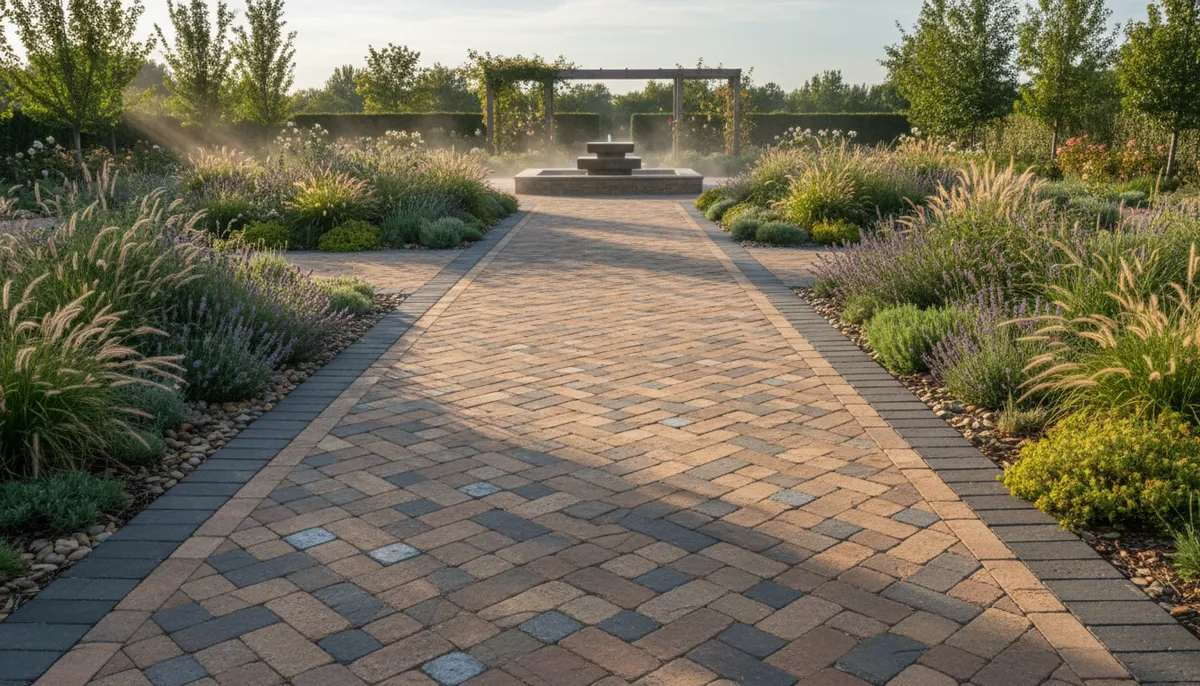
The landscape industry continues to evolve, and 2026 brings exciting innovations in walkway paver design. These trends reflect broader shifts toward sustainability, minimalism, and creating outdoor spaces that feel like natural extensions of our indoor living areas.
Large-Format Pavers Take Center Stage
One of the biggest trends dominating walkway design in 2026 is the use of large-format pavers, typically measuring 18 to 24 inches or larger. These oversized pavers create a sleek, modern aesthetic with fewer visible joints, which gives walkways a more streamlined appearance. The reduced number of seams also means less opportunity for weeds to grow between pavers, cutting down on maintenance time and effort.
Large-format pavers work particularly well for creating visual continuity between different hardscape elements. If your paver patio uses similar materials, extending that same style to your walkway creates a cohesive look that ties your entire landscape together. These larger pieces also install more quickly, which can reduce labor costs for your project.
Curved Walkways for Natural Flow
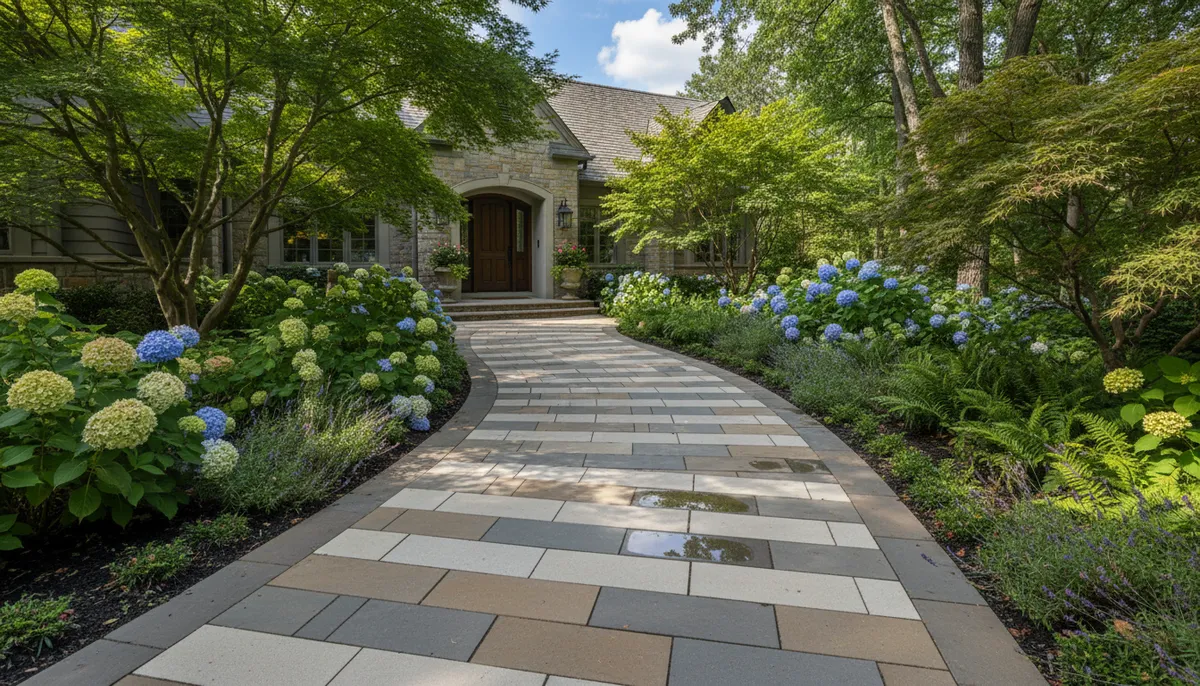
While straight paths have their place, curved walkways are gaining popularity for their ability to create a more organic, inviting feel. Gentle curves add visual interest and make the journey through your landscape feel more intentional and romantic. These flowing designs work beautifully when integrated with garden beds, allowing plantings to soften the edges and create natural transitions.
Curved pathways also offer practical benefits. They can help you navigate around existing trees or landscaping features you want to preserve, and they naturally slow foot traffic, encouraging people to pause and enjoy their surroundings. The gentle bends create opportunities for surprise elements—a hidden seating area, a focal point sculpture, or a beautiful vista that reveals itself as you round the corner.
Permeable Pavers for Sustainable Solutions
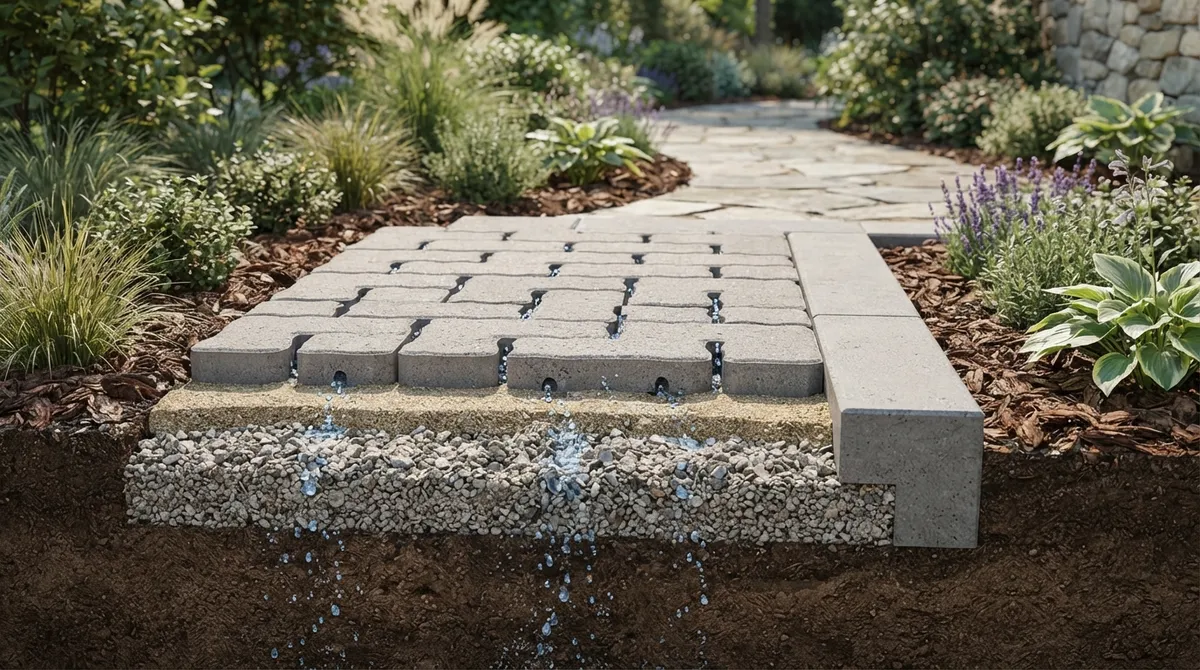
Environmental consciousness is driving demand for permeable paver systems that allow rainwater to filter through the surface rather than creating runoff. These eco-friendly options help manage stormwater naturally, reduce flooding risks, and recharge groundwater supplies. In many municipalities, choosing permeable pavers can even qualify you for incentives or help you meet stormwater management requirements.
Permeable walkway designs don’t sacrifice style for sustainability. Modern permeable pavers come in numerous colors, textures, and patterns that rival traditional options. They work particularly well in areas with heavy rainfall and can be integrated seamlessly with your existing landscape drainage systems.
Choosing the Right Materials for Your Walkway
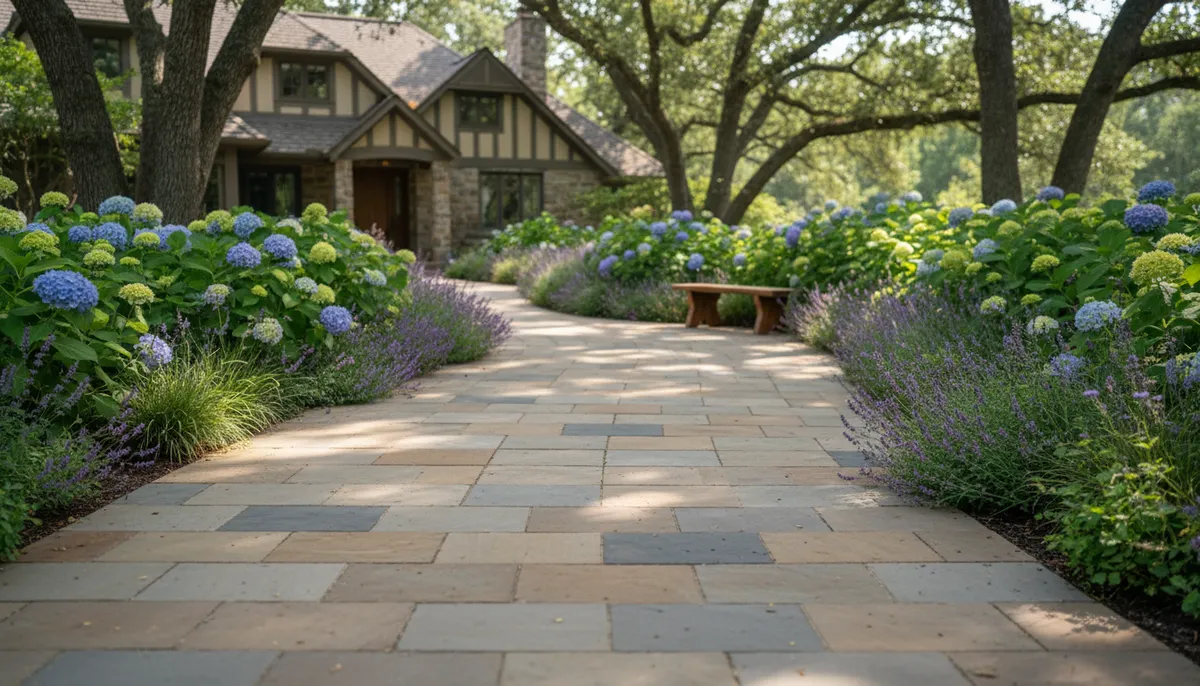
The materials you select for your walkway paver design will determine both its aesthetic character and long-term performance. Each material brings unique qualities to your landscape, and understanding these differences helps you make an informed choice that matches your vision and budget.
Natural Stone: Timeless Elegance
Natural stone pavers offer unmatched beauty and authenticity. Materials like limestone, bluestone, and sandstone bring earthy elegance to walkways with their unique color variations and natural textures. Each stone is one-of-a-kind, creating a walkway that’s truly distinctive to your property.
Stone pavers age gracefully, developing character over time rather than looking worn. They’re incredibly durable and can last for decades with minimal maintenance. The warm tones and organic patterns of natural stone complement plantings beautifully and work well with both traditional and contemporary architectural styles.
Porcelain Pavers: Modern Performance
Porcelain pavers represent cutting-edge technology in walkway design. These manufactured pavers offer exceptional durability, stain resistance, and color consistency. They can mimic the look of natural materials while providing superior performance characteristics, including resistance to fading, scratching, and moisture absorption.
For homeowners who want a specific aesthetic without the maintenance requirements of natural materials, porcelain pavers deliver the best of both worlds. They’re particularly popular for creating clean, contemporary looks with crisp lines and uniform coloring.
Concrete Pavers: Versatile and Value-Driven
Concrete pavers remain a popular choice due to their versatility and affordability. Modern manufacturing techniques allow concrete pavers to replicate the appearance of natural stone, brick, or custom designs at a fraction of the cost. They’re available in virtually unlimited colors, shapes, and sizes, making them ideal for creative pattern work.
Quality concrete pavers are surprisingly durable when properly installed. They can withstand freeze-thaw cycles common in the Chicago area and maintain their appearance for years. When budgets need to stretch, concrete pavers offer excellent value without compromising on style or longevity.
Popular Walkway Paver Patterns and Layouts
The pattern you choose for your walkway pavers significantly impacts the overall look and feel of your landscape. Different layouts create different visual effects, from formal and structured to casual and organic. Here are some top patterns gaining traction in 2026:
Running Bond Pattern
- Classic Simplicity: Pavers are laid in a staggered pattern, similar to traditional brick walls, creating clean horizontal lines that make walkways appear longer.
- Installation Efficiency: This straightforward pattern reduces cutting and waste, making it cost-effective while still delivering visual impact.
- Directional Flow: The linear arrangement naturally guides the eye forward, perfect for paths leading to entrances or focal points.
Herringbone Pattern
- Structural Strength: The interlocking zigzag design provides exceptional stability, making it ideal for walkways that handle frequent traffic.
- Visual Interest: The distinctive V-shaped pattern adds texture and dimension, elevating simple paver designs into something special.
- Timeless Appeal: This classic pattern works beautifully with both traditional and contemporary landscapes, never going out of style.
Mixed Material Designs
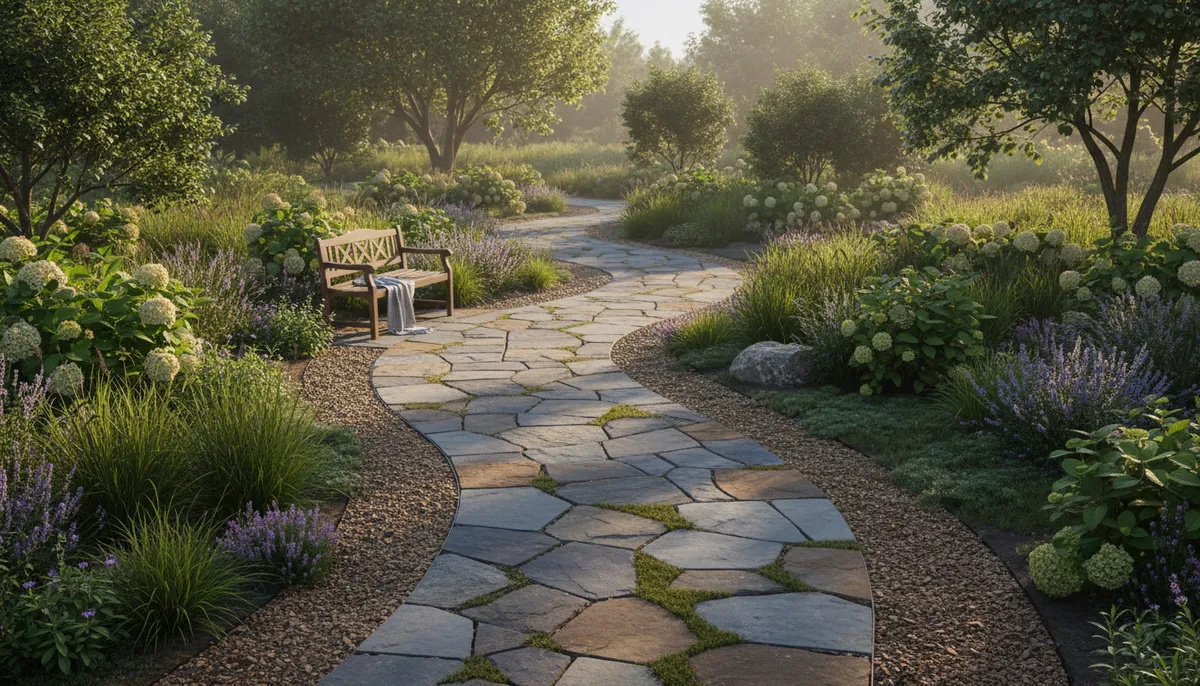
One of the most exciting trends involves combining different materials to create unique, personalized walkways. Imagine large stone pavers set in a bed of pea gravel, or concrete pavers with grass joints between them. These mixed-texture approaches soften hardscape edges and integrate walkways more naturally into the surrounding landscape.
This design strategy also allows for creative problem-solving. You might use stepping stones through a garden area, transition to solid pavers near the entrance, and incorporate decorative borders that tie everything together. The key is maintaining visual cohesion while celebrating variety and texture.
Design Principles for Beautiful Walkways
Creating a stunning walkway involves more than just selecting attractive pavers. Thoughtful design considers scale, proportion, color harmony, and how the walkway relates to other elements in your landscape. Here are essential principles that guide successful walkway design:
Width Matters More Than You Think
Walkway width dramatically affects both functionality and aesthetics. A narrow path might work for a side yard, but your main entrance walkway should be wide enough for two people to walk comfortably side-by-side—typically 4 to 5 feet. This generous width creates a welcoming feeling and accommodates everything from moving furniture to greeting guests warmly.
Secondary paths can be narrower, around 3 feet, which suits their more utilitarian purpose while still providing comfortable passage. Consider how you actually use each pathway when determining appropriate widths for your space.
Color Coordination Creates Cohesion
Your walkway pavers should complement your home’s exterior colors and existing landscape features. Warm-toned pavers pair beautifully with brick or earth-tone homes, while cool gray stones suit contemporary architecture. Don’t forget to consider how your paver colors will interact with seasonal plantings and surrounding greenery.
Many homeowners find success by pulling accent colors from their home’s exterior and echoing them in their walkway design. This creates visual threads that unify the entire property. Professional designers at Serenity Landscape Group can help you select color combinations that enhance your property’s unique character.
Edge Treatment Defines Boundaries
How you finish the edges of your walkway can make or break the overall design. Clean, well-defined edges create polish and prevent pavers from shifting over time. Options include:
- Contrasting border pavers that frame the main walkway pattern
- Natural stone edging that creates a rustic, organic transition
- Integrated plant beds that soften hard edges with greenery
- Metal or composite restraints that provide invisible structural support
The right edge treatment depends on your overall design style and how formal or casual you want the walkway to feel. Sharp, geometric edges suit modern designs, while irregular natural edges complement cottage-style or woodland landscapes.
Integrating Walkways with Your Overall Landscape
The most successful walkway designs don’t exist in isolation—they’re carefully integrated into the broader landscape composition. This holistic approach ensures your walkways enhance rather than compete with other outdoor features.
Connecting Outdoor Living Spaces
Modern landscapes often include multiple outdoor living zones: fire pit areas, dining patios, and garden retreats. Walkways should create logical, comfortable connections between these spaces while maintaining visual continuity. Using consistent materials or complementary colors helps different areas feel like parts of a unified whole.
Think about the journey through your landscape. Where do people naturally want to go? How can pathways make that journey easier and more enjoyable? A well-designed circulation system makes your entire outdoor space more functional and inviting.
Blending Hardscape and Softscape
The magic happens where hard materials meet soft plantings. Strategic planting along walkway edges creates beautiful transitions and adds color, texture, and seasonal interest. Low-growing groundcovers can spill onto paver edges, softening the transition. Taller ornamental grasses or perennials can frame views and create a sense of enclosure along longer paths.
Consider how your softscape plantings will interact with your walkway throughout the seasons. Spring bulbs can line pathways with color, summer perennials can provide fragrance, and evergreen plantings ensure year-round interest even when Chicago winters strip away deciduous foliage.
Lighting Enhances Safety and Ambiance
Don’t overlook the importance of walkway lighting in your overall design. Properly positioned lights improve safety after dark while creating dramatic nighttime ambiance. Options include:
- Path lights placed along walkway edges to define boundaries
- Recessed paver lights that illuminate from within the walking surface
- Uplighting on adjacent trees or architectural features
- Low-voltage LED systems that provide energy-efficient illumination
A comprehensive landscape lighting design transforms your walkways from functional paths into nighttime focal points that extend the usability of your outdoor spaces well into evening hours.
Maintenance and Longevity Considerations
One of the great advantages of paver walkways is their relatively low maintenance requirements, especially when compared to concrete or asphalt alternatives. However, understanding proper care ensures your walkway maintains its beauty and function for decades.
Seasonal Care for Chicago Climates
Our regional climate presents specific challenges that require attention:
- Spring Cleaning: After winter, sweep away accumulated debris and check for any pavers that may have shifted due to freeze-thaw cycles. Re-sand joints as needed and address any drainage issues early.
- Summer Maintenance: Control weeds promptly before they establish deep roots. Consider applying polymeric sand to joints, which hardens and resists weed growth better than traditional sand.
- Fall Preparation: Remove leaves and organic debris that can stain pavers if left to decompose. This is also an ideal time to seal pavers if desired, protecting them from winter moisture.
- Winter Protection: Use plastic shovels or snow blowers with rubber paddles to avoid damaging paver surfaces. Avoid harsh de-icing chemicals that can deteriorate both pavers and surrounding plantings.
When to Seal Your Pavers
Sealing is optional but offers several benefits. It enhances color vibrancy, provides stain resistance, and can make cleaning easier. Natural stone and concrete pavers benefit most from sealing, while porcelain typically doesn’t require it due to its inherent low porosity.
If you choose to seal, reapplication every 2-3 years maintains protection. Always clean pavers thoroughly before sealing and allow adequate drying time for best results.
Professional Installation vs. DIY: What You Need to Know
While simple paver projects might tempt handy homeowners, professional walkway installation offers significant advantages that impact both immediate results and long-term performance. Understanding what goes into proper installation helps you make an informed decision.
The Foundation Makes All the Difference
What you don’t see beneath your pavers is just as important as the surface design. Professional installation includes:
- Proper excavation to appropriate depth
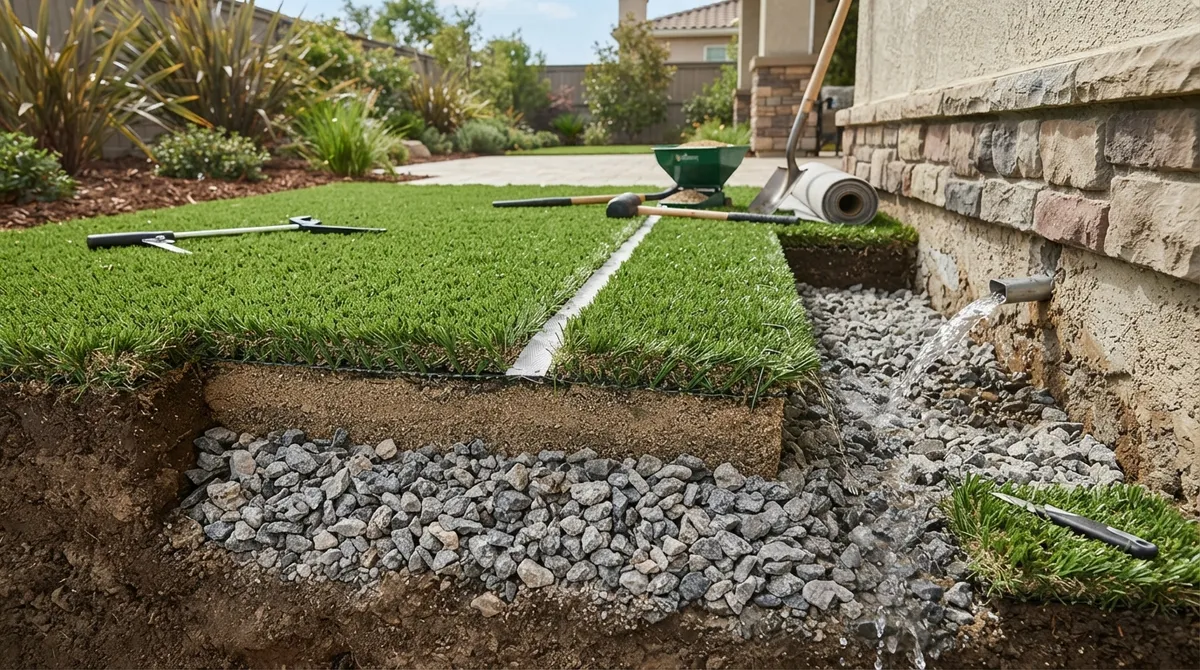
- Compacted gravel base that provides stability and drainage
- Bedding layer of sand for leveling and flexibility
- Edge restraints that prevent spreading and maintain integrity
- Proper grading to direct water away from structures
Skipping or shortcutting any of these steps can lead to uneven settling, poor drainage, and premature failure. The foundation work represents the difference between a walkway that lasts decades and one that requires repairs within a few years.
Design Expertise Adds Value
Professional landscape designers bring experience that goes beyond installation mechanics. They understand how to:
- Select materials appropriate for your specific site conditions
- Create proper transitions between different landscape elements
- Solve drainage challenges before they become problems
- Design curves and patterns that enhance rather than detract
- Ensure ADA compliance for commercial properties
- Navigate local codes and obtain necessary permits
This expertise translates into a finished product that not only looks beautiful but functions flawlessly for years to come. The design and installation process should feel collaborative, with professionals translating your vision into reality while offering guidance based on their experience.
Cost Factors in Walkway Paver Design
Understanding what influences the cost of your walkway project helps you budget appropriately and make informed decisions about where to invest and where you might save.
Material Costs Vary Significantly
| Material Type | Price Range per Sq Ft | Key Characteristics |
|---|---|---|
| Concrete Pavers | $3-$8 | Budget-friendly, wide variety, durable |
| Natural Stone | $12-$25 | Premium aesthetics, unique pieces, long-lasting |
| Porcelain Pavers | $10-$20 | Low maintenance, stain resistant, modern look |
| Permeable Systems | $8-$15 | Eco-friendly, reduces runoff, may qualify for rebates |
Beyond Materials: Installation and Design
Material costs represent only part of your investment. Professional installation typically doubles or triples the material cost, but this investment ensures proper foundation work, drainage, and longevity. Complex patterns, curves, and custom designs require additional labor and expertise, increasing overall project costs.
Site-specific factors also influence pricing. Poor soil conditions, significant grading needs, difficult access, or the need to remove existing hardscape all add to project complexity and cost. A thorough site evaluation helps establish realistic expectations and accurate budgets.
Special Considerations for Different Property Types
Not all walkways serve the same purpose or face the same demands. Understanding your specific property type helps inform design decisions that best serve your needs.
Residential Front Entrances
Your front walkway creates first impressions and sets expectations for your home. It should be proportional to your home’s scale—larger homes warrant wider, more substantial walkways. Materials should complement architectural style while providing safe, slip-resistant surfaces in all weather conditions.
Front walkways also need to accommodate practical realities like grocery delivery, moving furniture, and guests arriving for gatherings. Prioritize durability and generous width over overly intricate patterns that might date quickly.
Backyard Garden Paths
Garden walkways allow for more creativity and experimentation. Narrower widths work fine for these secondary paths, and irregular patterns or stepping stone designs can add whimsy and charm. Consider how the walkway will look throughout growing seasons and how it interacts with garden beds and plantings.
These paths often benefit from more rustic, natural materials that blend into the garden setting. Permeable options work particularly well here, allowing water to reach plant roots while providing stable footing even after rain.
Commercial Properties
For businesses, walkways must meet higher standards for accessibility, safety, and durability. Commercial walkway design requires careful attention to ADA compliance, slip resistance ratings, and materials that withstand heavy foot traffic. Commercial landscape maintenance considerations also influence material selection, favoring options that maintain appearance with minimal ongoing care.
Professional appearance matters greatly for commercial properties. Walkways should align with your brand identity while creating welcoming, intuitive circulation patterns for customers and employees.
Maximizing Your Walkway Investment
A well-designed walkway paver project delivers returns that extend far beyond the initial installation. Understanding how to maximize this investment ensures you get the greatest value from your landscape improvement.
Return on Investment Considerations
Quality walkway design consistently ranks among the top landscape improvements for return on investment. Real estate professionals note that attractive, well-maintained walkways significantly boost curb appeal and can influence buying decisions. Particularly in competitive markets, homes with professional landscaping, including quality hardscaping, sell faster and command higher prices.
Beyond resale value, consider the quality-of-life benefits. A beautiful walkway makes your property more enjoyable to live in every single day. It expands usable outdoor space, reduces maintenance hassles, and creates the polished, finished look that makes you proud to come home.
Phased Installation Options
If budget constraints make a complete landscape renovation challenging, consider phased implementation. Start with your most visible or most-needed walkway—typically the front entrance—and expand over time. This approach allows you to establish consistent design elements and materials while spreading costs across multiple seasons.
Working with the same design team throughout ensures continuity and allows for a master plan that guides future phases. Each phase builds on previous work, gradually creating the comprehensive landscape you envision.
Bringing Your Walkway Vision to Life
Transforming your property with beautiful, functional walkway pavers represents an investment in both aesthetics and practicality. From the latest trends in large-format pavers and permeable systems to timeless natural stone and versatile concrete options, today’s materials and design approaches offer something for every style and budget.
The key to success lies in thoughtful planning that considers your property’s unique characteristics, your lifestyle needs, and how walkways integrate with your broader landscape vision. Proper installation ensures longevity, while quality materials and professional craftsmanship deliver beauty that endures through countless seasons.
Whether you’re creating a grand entrance that welcomes guests warmly, designing garden paths that invite exploration, or developing commercial walkways that project professionalism, the right design approach makes all the difference. With over two decades of experience transforming outdoor spaces throughout the greater Chicago area, we’ve seen firsthand how quality walkway design elevates properties and enriches daily life.
Your outdoor spaces hold tremendous potential, and beautiful walkways are often the first step toward realizing that vision. From initial design consultation through final installation and beyond, the journey toward your ideal landscape should feel exciting and collaborative. If you’re ready to explore how professionally designed walkway pavers can transform your property, we invite you to schedule a free consultation with our team to discuss your vision and discover what’s possible for your unique outdoor space.
FAQs
Q: What are the most popular walkway paver materials in 2026?
A: The top choices include large-format pavers (18-24 inches or larger), natural stone like limestone and porcelain, and eco-friendly permeable pavers. Each material offers unique benefits—large-format pavers provide a sleek modern look with fewer joints, natural stone delivers timeless elegance, and permeable options support sustainable water management while looking great.
Q: How much does professional walkway paver installation typically cost?
A: Costs vary based on materials and complexity, but you can generally expect concrete pavers to run $3-8 per square foot, natural stone $12-25 per square foot, and porcelain $10-20 per square foot. Professional installation typically doubles or triples material costs but ensures proper foundation work, drainage, and longevity that protects your investment.
Q: How do I maintain my paver walkway through Chicago winters?
A: Use plastic shovels or rubber-padded snow blowers to avoid damaging pavers, and skip harsh de-icing chemicals that can deteriorate surfaces. In spring, sweep away debris, check for shifted pavers, and re-sand joints as needed. Fall is ideal for sealing pavers if desired, giving them extra protection against winter moisture.
Q: What’s the benefit of curved walkway designs versus straight paths?
A: Curved walkways create a more natural, inviting feel and add visual interest to your landscape. They work beautifully with garden plantings, naturally slow foot traffic to encourage enjoyment of surroundings, and help navigate around existing trees or features you want to preserve. The gentle bends create opportunities for surprise elements and beautiful views.
Q: Are permeable pavers worth the investment for residential walkways?
A: Absolutely! Permeable pavers reduce stormwater runoff, help prevent flooding, and recharge groundwater naturally—all while looking just as attractive as traditional options. Many municipalities offer incentives for installing permeable systems, and they’re particularly valuable in areas with heavy rainfall like the Chicago region. They combine environmental responsibility with long-term durability.