Key Takeaways
-
Aurora’s heavy clay soil and Zone 5b climate require soil testing targeting pH 6.3-6.8 and 3-5% organic matter before turf installation to avoid poor drainage and weak root systems.
-
Install professional turf in late spring (mid-May to early June) or early fall (late August to mid-September) to maximize root establishment; avoid midsummer heat and drought stress.
-
Choose cool-season grasses like Kentucky bluegrass, tall fescue, and perennial ryegrass for Aurora; warm-season varieties will not survive Illinois winters and require replanting.
-
Hire licensed, insured contractors with verified Aurora-area experience and transparent itemized estimates; unlicensed installers often cut corners on soil prep, drainage, and sod quality.
-
Proper grading and drainage are essential since Aurora’s flat terrain causes water pooling that kills turf through waterlogging, mold, and root rot within the first season.
-
Maintain new turf for 4-6 weeks post-installation with consistent watering and minimal foot traffic; skip post-installation care and ongoing maintenance at risk of lawn failure.
A lush, green lawn can completely change how your home or business looks and feels. But getting there takes more than just rolling out some sod and hoping for the best. In Aurora, IL, the local soil and climate create unique challenges that trip up even well-meaning DIYers. Professional turf laying in Aurora IL is a smart investment — but only when done right. Skip even one critical step, and you could end up with patchy grass, poor drainage, or a lawn that dies within its first season. Whether you’re a homeowner wanting to boost curb appeal, a property manager maintaining commercial grounds, or a builder finishing a new development, this guide will help you sidestep the 15 most common turf laying mistakes in the Aurora area.
Why Aurora’s Soil Makes Turf Installation Tricky
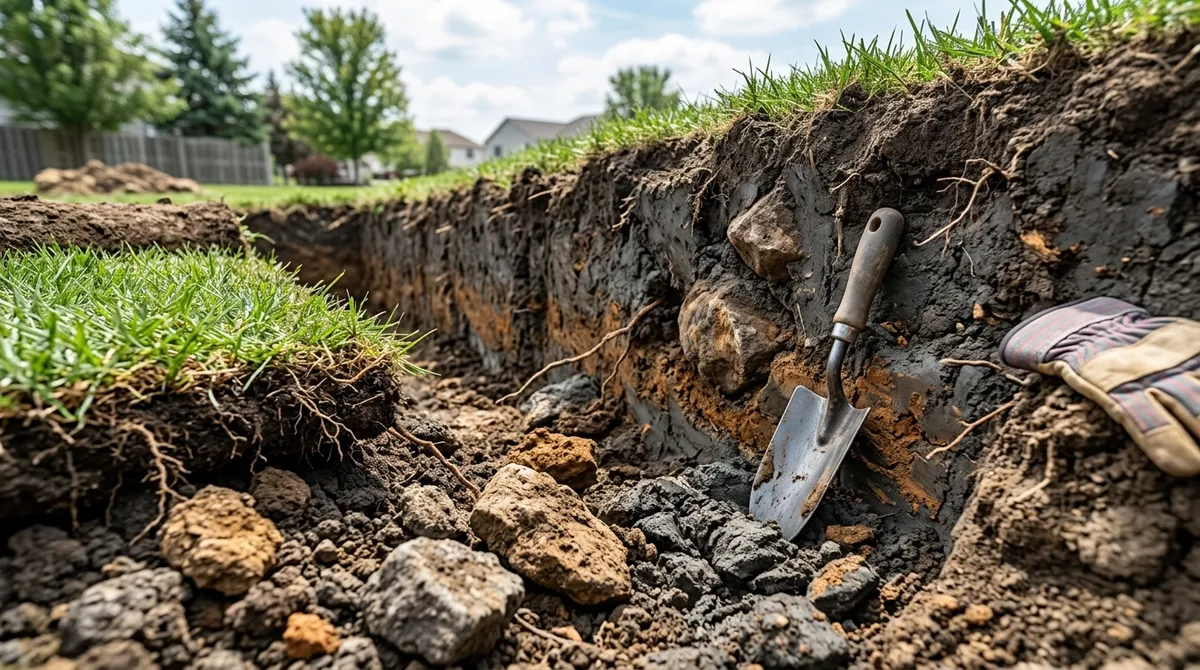
Aurora sits in USDA Hardiness Zone 5b, and its soils are mostly heavy clay and glacial till. These soils hold water like a sponge and compact easily under foot traffic. That’s a recipe for poor drainage, soggy grass, and weak root systems. Before you even think about laying turf, understanding what’s beneath your feet is essential.
The University of Illinois Extension Plant Clinic recommends targeting a soil pH of 6.3–6.8 and organic matter levels of 3–5% for healthy turf growth. Aurora soils often test on the alkaline side, which means amendments are usually needed. Without proper testing and preparation, your new turf is already set up to struggle.
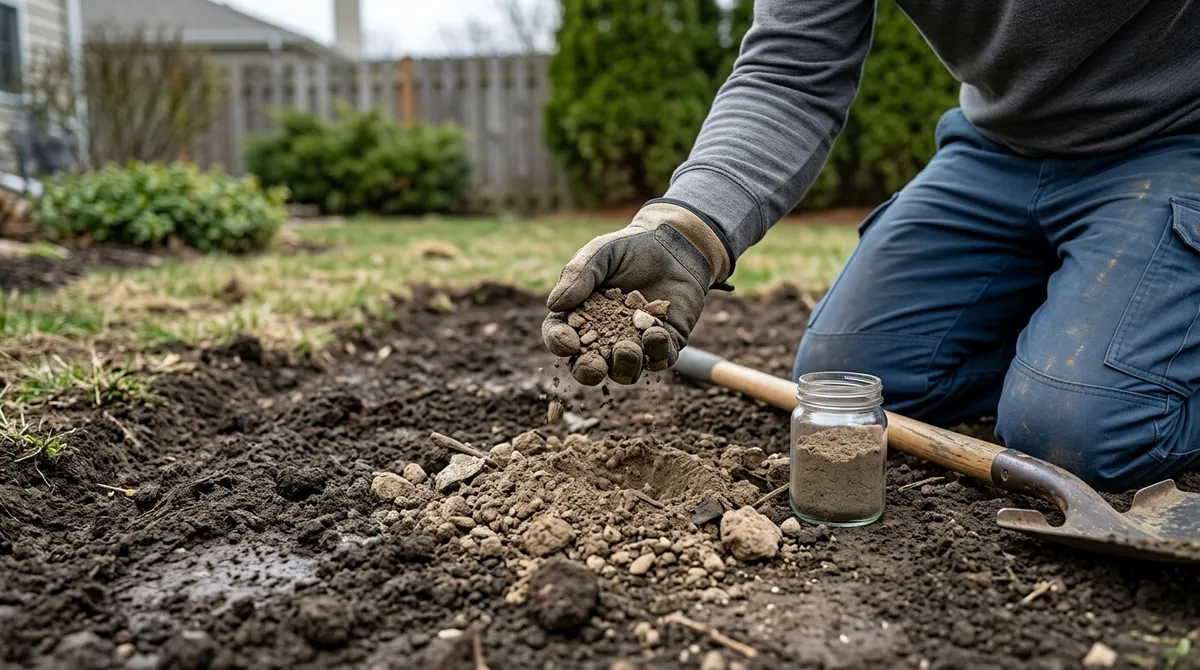
Mistake 1: Skipping Soil Testing
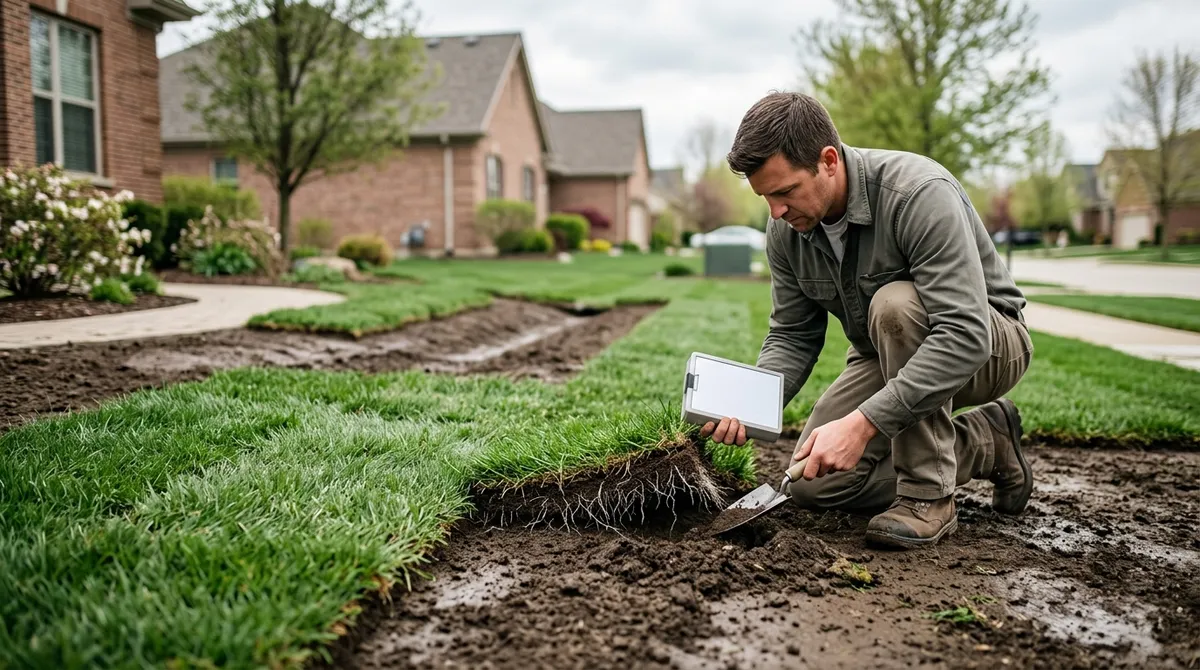
This is the most common — and most costly — mistake. Laying sod or seed on untested soil is like building a house on a cracked foundation. A simple soil test tells you the pH level, nutrient deficiencies, and organic matter content. Without it, you’re guessing, and guessing gets expensive.
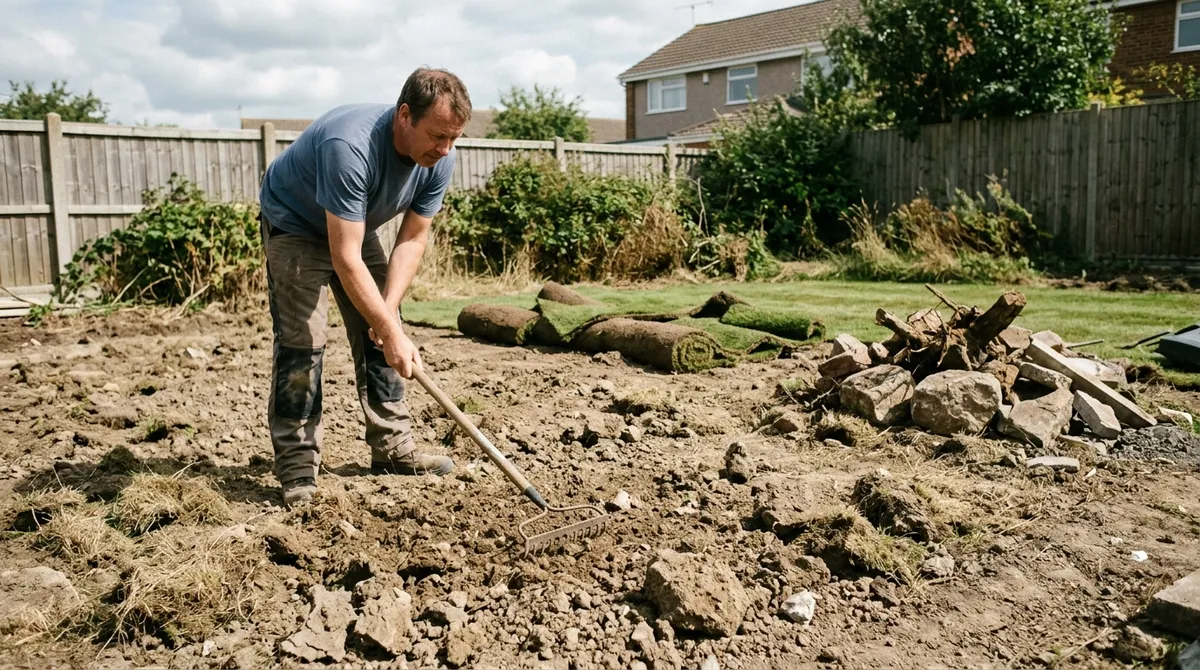
Mistake 2: Poor Soil Preparation
Aurora’s clay-heavy soil needs serious preparation before any turf goes down. This means breaking up compaction, adding organic matter, and sometimes installing subsurface drainage. Softscape installation always begins with thorough soil prep — it’s the foundation of everything that grows above it.
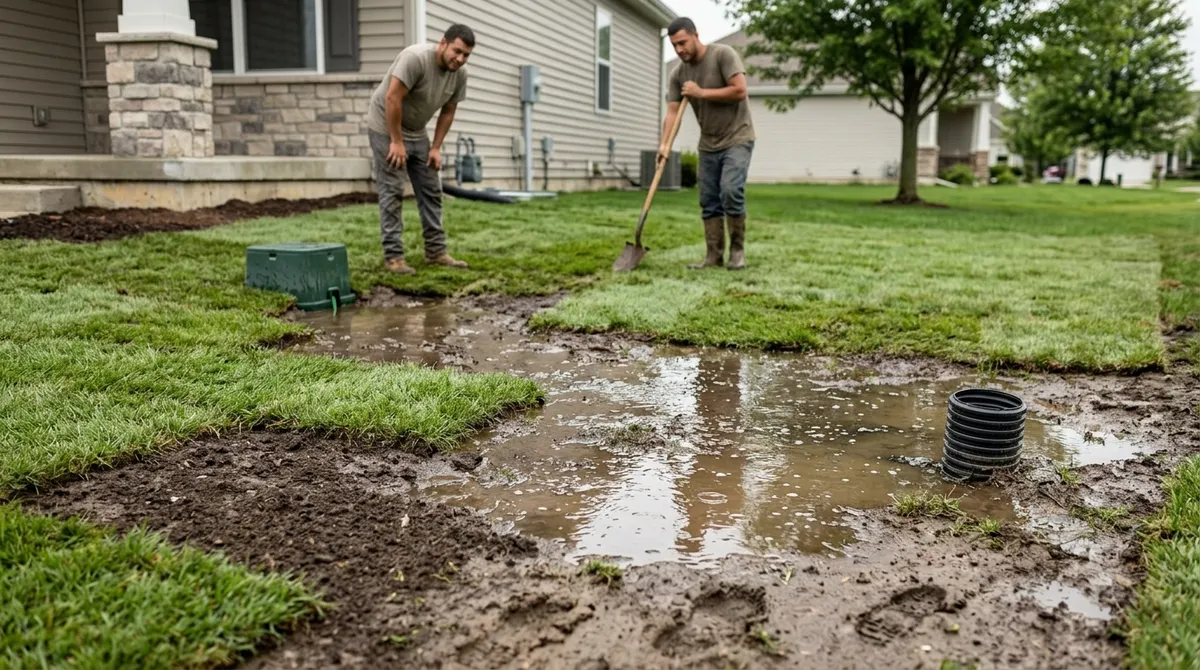
Mistake 3: Ignoring Grading and Drainage
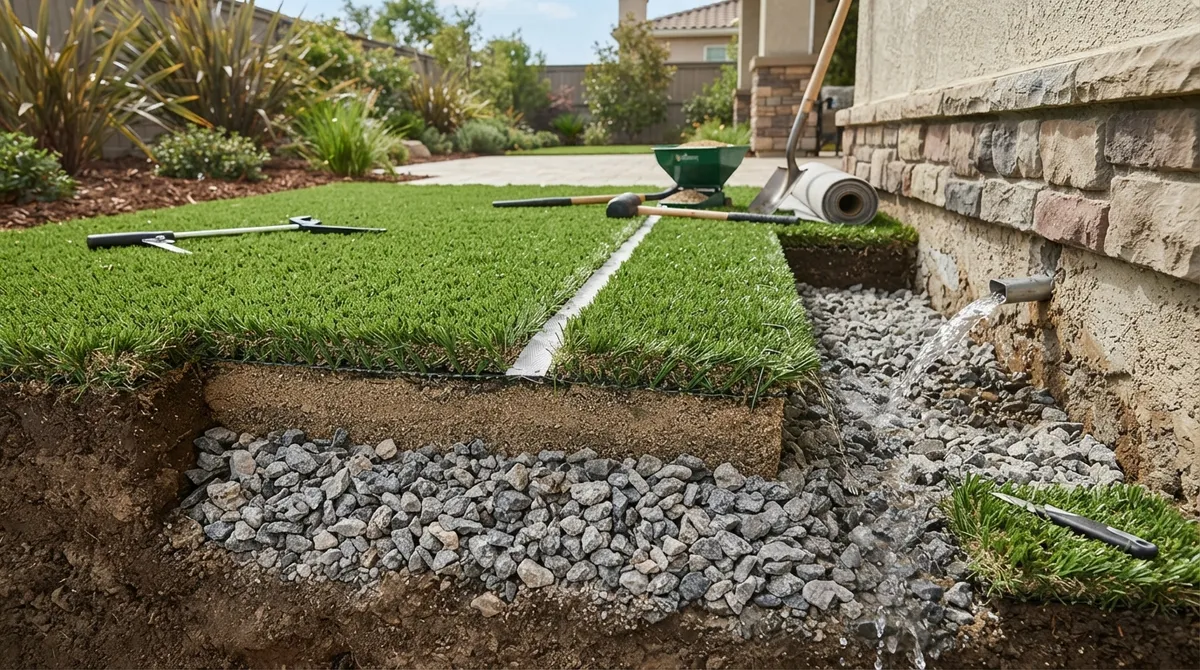
Water that pools on your lawn will kill turf fast. Proper grading ensures water flows away from your home or building. Many Aurora properties need professional grading because of their flat or slightly uneven terrain. Without it, you’ll face waterlogged turf, mold, and root rot.
Mistake 4: Choosing the Wrong Grass Type
Not every grass variety thrives in Aurora’s Zone 5b climate. Cool-season grasses like Kentucky bluegrass, tall fescue, and perennial ryegrass are the best choices for this region. Warm-season grasses that do well in southern states simply won’t survive Illinois winters. Choosing the right variety from the start saves you from replanting the following season.
Mistake 5: Installing Turf at the Wrong Time of Year
Timing matters more than most people realize. The best windows for professional turf laying in Aurora IL are:
- Late spring (mid-May to early June) — warm soil and consistent moisture favor fast root establishment
- Early fall (late August to mid-September) — cooler temps reduce stress on new sod while roots still establish before frost
- Avoid midsummer — heat and drought stress can prevent new turf from rooting properly
Installing outside these windows dramatically increases the risk of failure. A reputable installer will advise you on the best timing for your specific project.
Mistake 6: Not Hiring a Licensed and Insured Contractor
Professional turf laying in Aurora IL requires skill, commercial-grade equipment, and proper licensing. An unlicensed contractor may cut corners on soil prep, drainage, or product quality. Always verify that your installer is licensed, insured, and has a track record in the Fox Valley region. Organizations like Landscape Illinois can help you find qualified professionals in your area.
Mistake 7: Buying Low-Quality Sod
Not all sod is created equal. Low-quality sod may carry weeds, disease, or thin root systems that make establishment difficult. Reputable contractors source commercial-grade sod that is grown and harvested specifically for Illinois growing conditions. Always ask your installer where their sod comes from and how it was grown.
Mistake 8: Laying Sod Over Old Grass or Debris
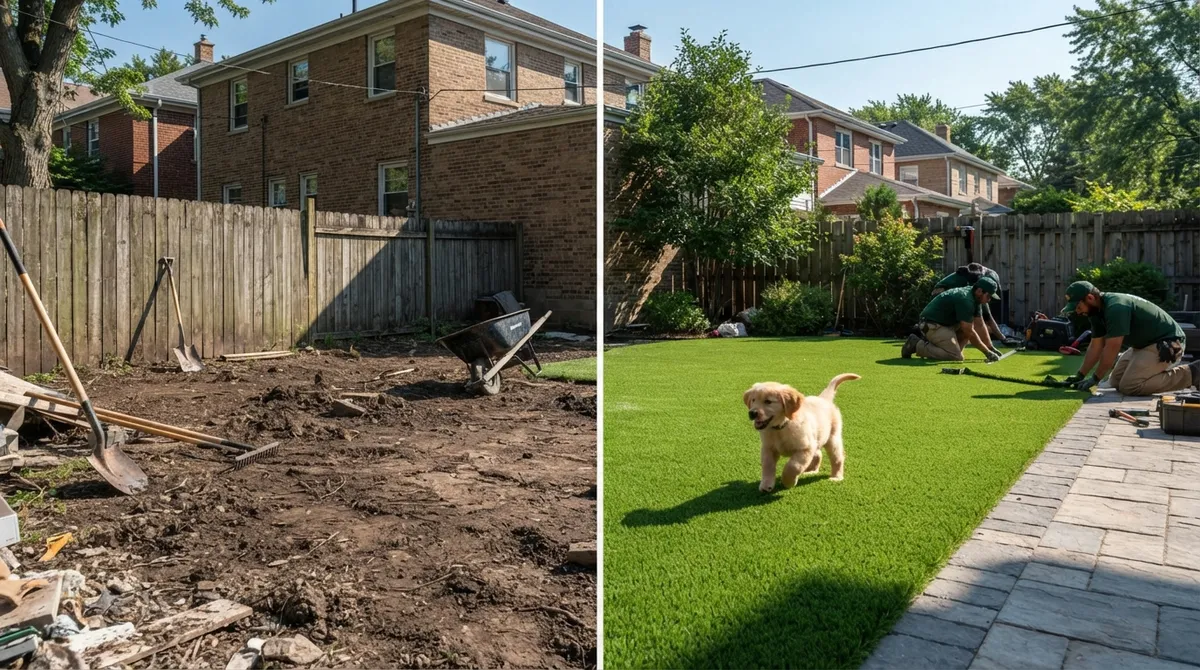
One of the biggest DIY mistakes is laying new sod directly over existing dead grass or debris. Old organic matter creates an air barrier between the sod and soil, preventing roots from making proper contact. All old vegetation must be removed, and the surface should be clean and smooth before new turf goes down.
| Turf Installation Step | Why It Matters | What Happens If Skipped |
|---|---|---|
| Soil Testing | Identifies pH and nutrient needs | Poor turf health, yellowing grass |
| Grading and Drainage | Prevents water pooling | Soggy lawn, root rot, mold |
| Soil Amendment | Improves structure and nutrition | Compaction, weak root growth |
| Quality Sod Selection | Ensures healthy, weed-free turf | Weed invasion, thin coverage |
| Proper Watering Protocol | Supports root establishment | Turf dries out and dies |
Mistake 9: Improper Watering After Installation
New turf needs consistent moisture in its first few weeks to root properly. Many homeowners either overwater (causing fungus) or underwater (causing the sod to dry out and shrink). Your installer should provide a detailed initial watering schedule. Following it closely is critical during the first 30 days.
If you’re curious about how natural and artificial options compare for low-maintenance alternatives, our guide on artificial turf vs. natural grass for Midwest winters is worth a read.
Mistake 10: Walking on New Turf Too Soon
It’s tempting to enjoy your new lawn right away, but foot traffic on new sod before it roots can cause serious damage. Give new turf at least two to three weeks before any significant use. Professional installers will advise you on exactly when it’s safe to resume normal use of your lawn.
Mistake 11: Neglecting Post-Installation Maintenance
Laying turf is just the beginning. Aurora lawns need ongoing care to thrive through hot summers and harsh winters. A good maintenance plan includes:
- Regular fertilization to maintain nutrients
- Weed control to prevent invasion
- Annual aeration to relieve soil compaction
- Overseeding to fill thin or damaged areas
- Seasonal adjustments for Zone 5b conditions
Many Aurora landscaping companies offer bundled service programs that include all of the above. This makes it easy to protect your turf investment year-round. Learn more about commercial lawn maintenance services that can be tailored to your property’s needs.
Mistake 12: Ignoring the Option of Artificial Turf
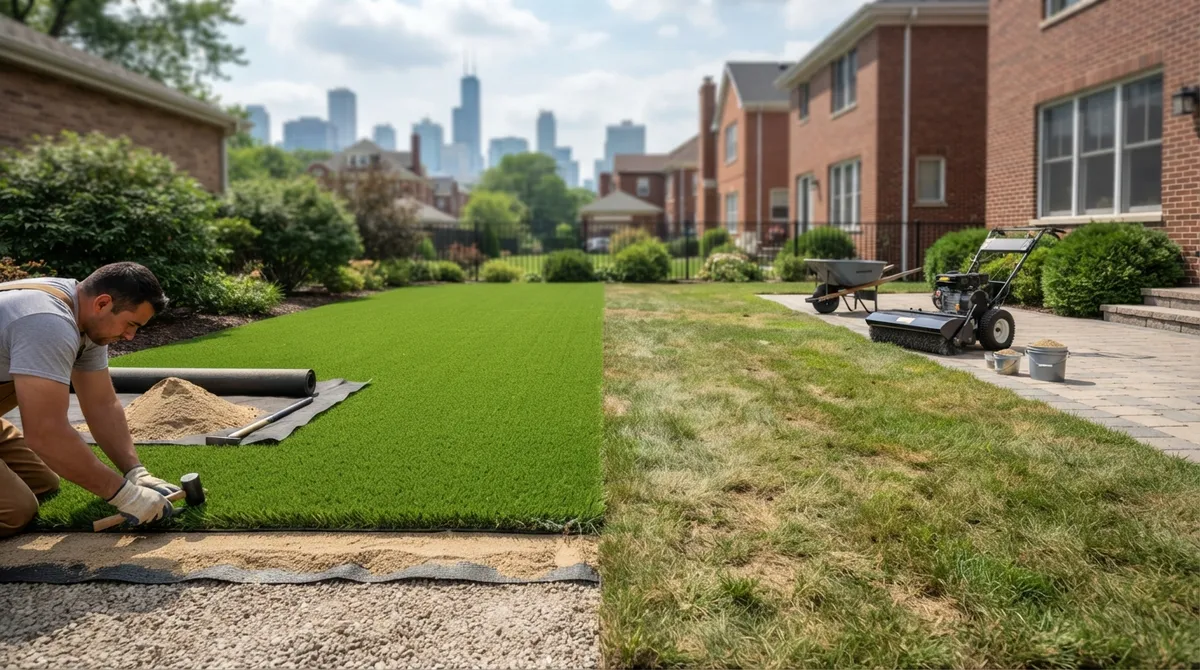
For some Aurora properties, natural grass simply isn’t the best fit. Shaded areas, high-traffic zones, rooftops, and commercial spaces may benefit more from synthetic turf. Modern artificial turf products look incredibly realistic and require far less water and maintenance. Our artificial turf installation services are a popular choice for both residential and commercial clients who want a beautiful, low-maintenance lawn.
If you’re weighing both options, check out our breakdown of 14 cost-benefit facts: artificial turf vs real grass to help you decide what’s right for your property.
Mistake 13: Not Getting a Detailed Written Estimate
Professional turf laying in Aurora IL involves multiple steps and costs. Always get a detailed written estimate that breaks down:
- Site evaluation and soil testing fees
- Grading, drainage, and soil amendment costs
- Sod or synthetic turf material costs
- Labor and installation fees
- Post-installation care instructions or service plans
A vague estimate is a red flag. A professional contractor should be transparent about every line item. You can request a detailed free estimate to get started with confidence.
Mistake 14: Overlooking Hardscaping Integration
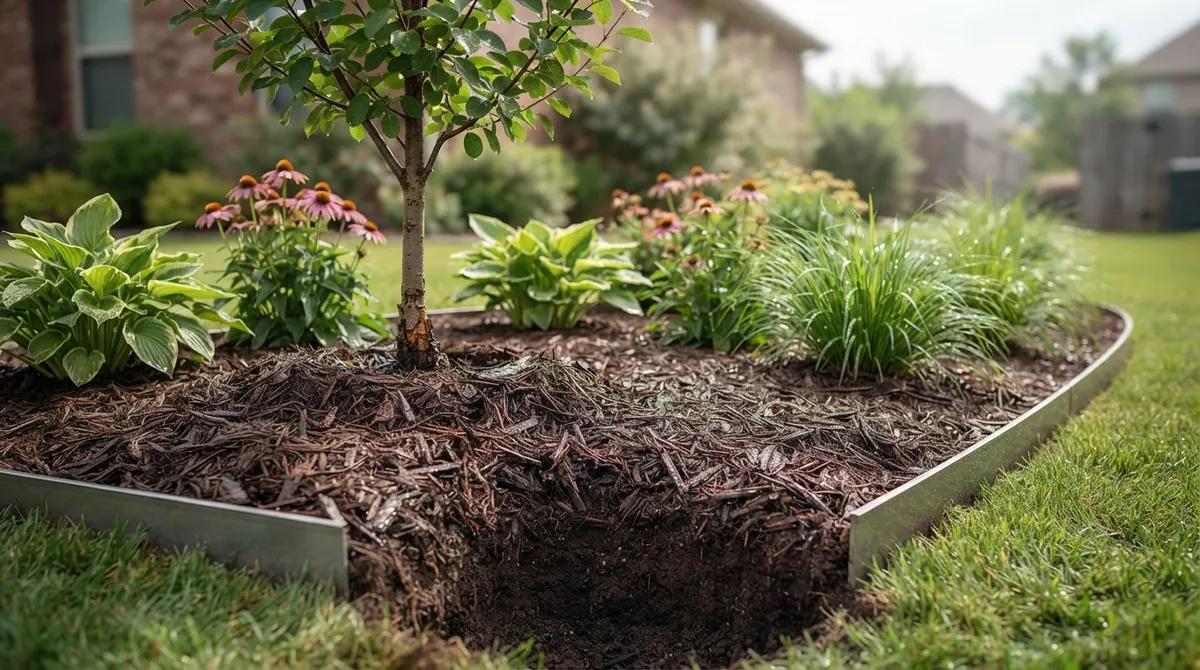
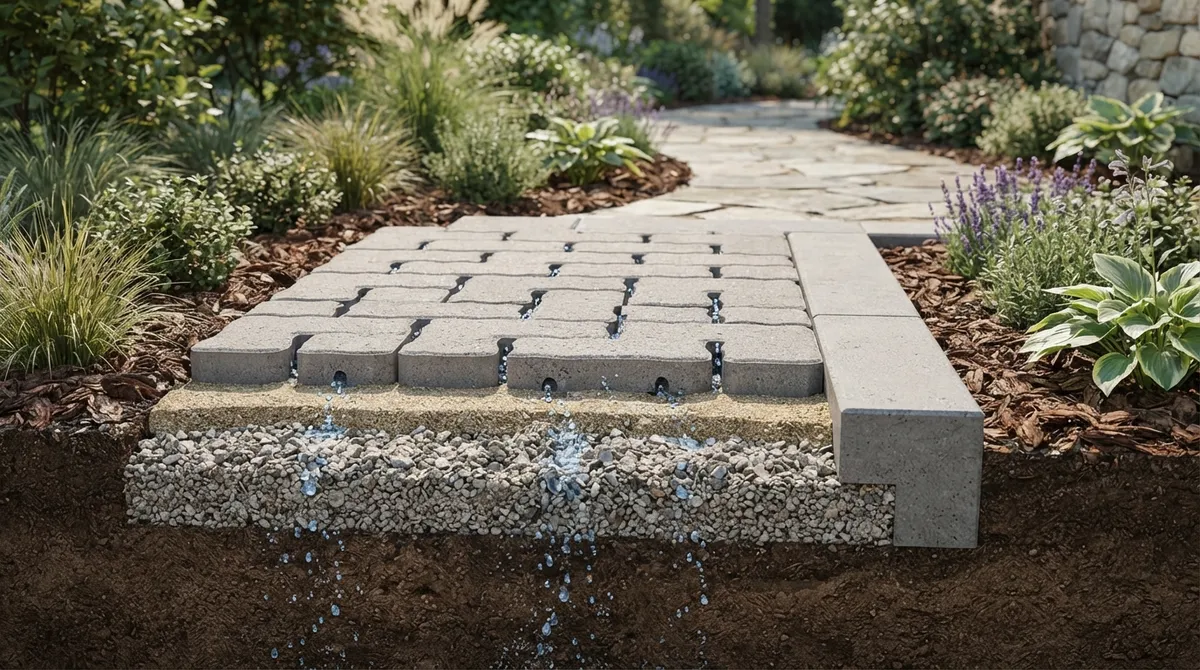
A beautiful lawn looks even better when it works alongside well-designed hardscape elements. Many homeowners focus solely on turf and forget about how paths, edging, and borders affect the overall look. Proper edging keeps turf neat and prevents it from spreading into garden beds or walkways. If you’re designing a full outdoor space, consider pairing your turf project with professionally installed pavers or retaining walls for a cohesive finish.
Working with a full-service provider like Serenity Landscape Group means you get a unified design vision across every element of your outdoor space — from the turf underfoot to the lighting overhead.
Mistake 15: Not Verifying the Installer’s Local Experience
Aurora’s soil, climate, and terrain are specific. A contractor with deep local experience will know exactly how to address these conditions. They’ll understand which grass varieties perform best in Zone 5b, how to handle the region’s clay soils, and when the optimal planting windows fall each year. Look for installers with verifiable local reviews and references. Many top Aurora-area landscaping companies maintain 5.0-star ratings on Google, reflecting the high satisfaction clients feel when the job is done right.
If you want to learn more about what goes into a professional turf project from start to finish, our page on why professional turf installation beats DIY lays it all out clearly. You can also browse the gallery of our completed work to see what’s possible for your property.
Natural vs. Artificial Turf: A Quick Comparison
| Feature | Natural Sod | Artificial Turf |
|---|---|---|
| Best Season to Install | Late spring or early fall | Year-round (weather permitting) |
| Maintenance Level | High (mowing, watering, fertilizing) | Low (occasional cleaning) |
| Lifespan | Ongoing with proper care | 15–20 years typically |
| Best For | Traditional lawns, open areas | High-traffic, shaded, or commercial spaces |
| Soil Preparation Needed | Extensive (testing, grading, amending) | Base preparation and drainage focus |
What to Look for in a Professional Turf Installer
Choosing the right contractor is just as important as the turf itself. Here’s a quick checklist of what to look for:
- Licensed and insured with verifiable credentials
- Experience with Aurora-specific soil and climate conditions
- Transparent, itemized written estimates
- References or reviews from local residential and commercial clients
- Use of commercial-grade equipment and quality turf products
- Offers post-installation care guidance or maintenance programs
Industry certifications and memberships also signal professionalism. For hardscaping work paired with your turf project, look for contractors recognized by credentialing bodies like the ICPI Certified Installer program to ensure quality craftsmanship.
Getting the Full Outdoor Experience
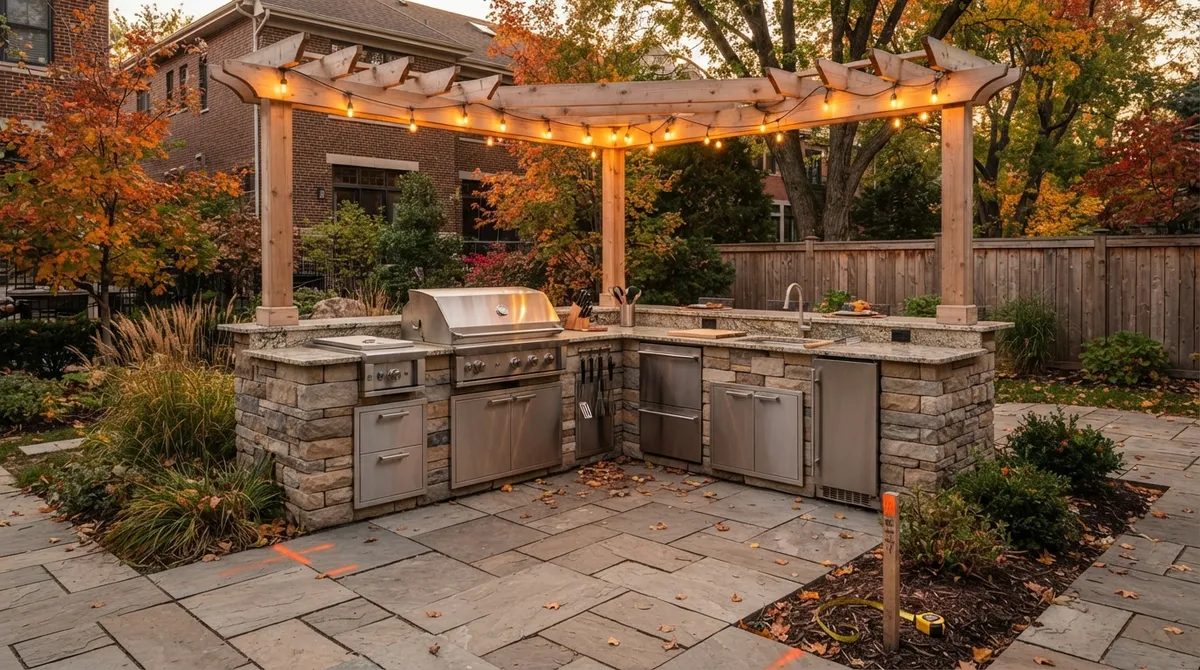
A great lawn is just the beginning. Once your turf is established, you might find yourself dreaming about what else your outdoor space could be. A cozy fire pit for cool fall evenings, a shaded pergola or pavilion for summer gatherings, or elegant landscape lighting to enjoy your yard after dark — these are the touches that turn a lawn into a true outdoor living space. You can explore our project process to understand how we bring these ideas to life from the first conversation to final installation.
If you’re a new home builder or developer working on properties in the Aurora area, our guide to finding the best landscaping near you in Chicago offers practical advice on choosing a partner for large-scale projects.
Ready to Get It Right the First Time?
Professional turf laying in Aurora IL is a smart investment — but only when every step is handled correctly. From soil testing and grading to sod selection and aftercare, the details make all the difference. Avoiding the 15 mistakes outlined above will save you time, money, and frustration while setting your lawn up for long-term success.
At Serenity Landscape Group, we bring over two decades of experience to every turf project across the greater Chicago area. We’d love to help you create a lawn — and an outdoor space — you’ll be proud of for years to come. Request your free estimate today and let’s get started on building the outdoor space you’ve been dreaming about. You’re also welcome to call us directly at (630) 359-5139 to talk through your project with one of our experienced team members.
FAQs
Q: What is the best time of year to lay sod in Aurora, IL?
A: The sweet spots for sod installation in Aurora are late spring (mid-May to early June) and early fall (late August to mid-September). These windows give your new turf the best chance to root before facing summer heat or winter frost — it’s really all about giving those roots a running start!
Q: What type of grass works best for Aurora, IL lawns?
A: Cool-season grasses are your best friends in Zone 5b! Kentucky bluegrass, tall fescue, and perennial ryegrass all perform beautifully in Aurora’s climate. A professional turf installer can recommend the best variety based on your lawn’s sun exposure, soil type, and how you plan to use the space.
Q: How long does it take for professionally laid turf to establish in Aurora?
A: Most professionally laid sod in Aurora will begin rooting within 10–14 days, but full establishment typically takes 4–6 weeks. During that time, consistent watering and minimal foot traffic are key — think of it like letting a fresh coat of paint dry before moving furniture back in!
Q: Is artificial turf a good option for Aurora, IL properties?
A: Absolutely! Artificial turf is a fantastic option for shaded areas, high-traffic zones, commercial properties, and anyone looking for a low-maintenance lawn. Modern synthetic turf products look incredibly natural and hold up beautifully through Illinois’s winters — no mowing, no watering, just green all year round.
Q: How do I choose a reliable professional turf laying company in Aurora?
A: Look for a contractor that is licensed, insured, and has real experience working in Aurora’s specific soil and climate conditions. Ask for itemized estimates, local references, and details about the sod products they use. A trustworthy company will be happy to walk you through every step of the process!