Key Takeaways
-
Conduct annual soil analysis testing pH, nitrogen, phosphorus, and potassium levels before fertilizing or seeding to avoid wasting money on guessing and customize your fertilization plan accordingly.
-
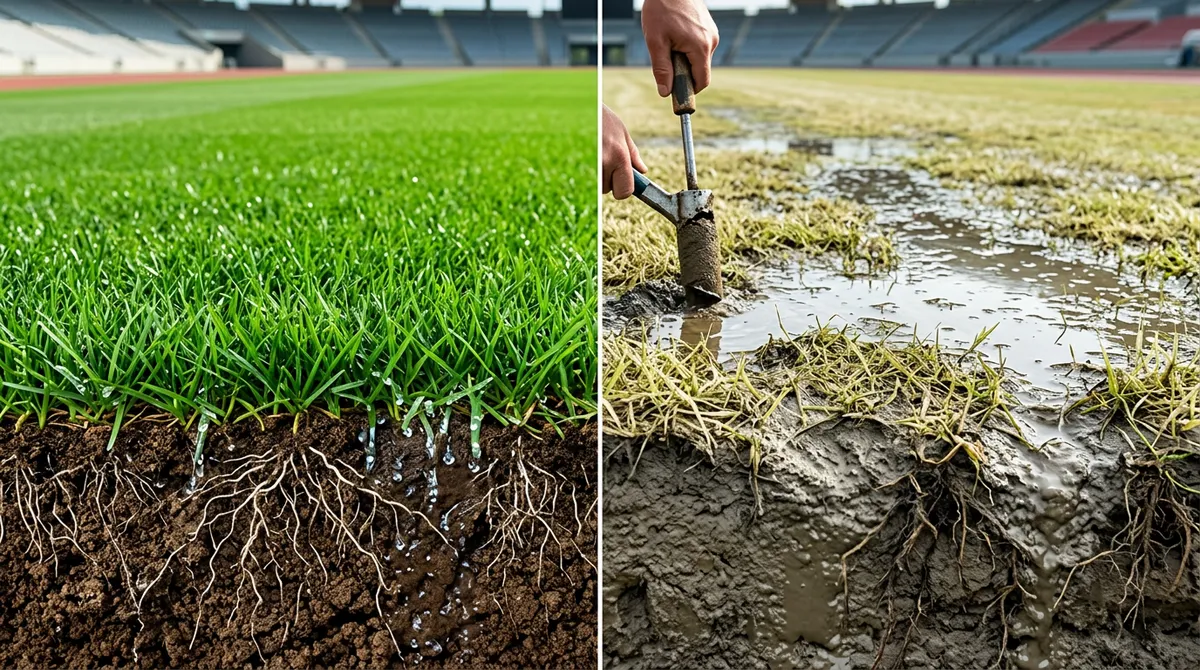
Address drainage and grading issues immediately if puddles persist more than 24 hours after rain, as poor drainage kills grass, causes fungal diseases, and creates safety hazards for players.
-
Choose turf type based on usage: synthetic turf requires only 5-10 maintenance hours yearly versus 100+ for natural grass, making it ideal for high-traffic areas needing year-round usability.
-
Implement core aeration in early fall followed by topdressing with sand or compost to break up compacted soil and allow air, water, and nutrients to reach the root zone effectively.
-
Use customized fertilization plans with slow-release nitrogen applied at strategic times rather than generic programs, paired with adequate irrigation to strengthen roots and disease resistance.
-
Hire professional installers for synthetic turf to ensure proper drainage, gravel base installation, and correct seam work—a bad DIY installation voids warranties and costs far more to repair.
Your backyard sports area or athletic field deserves the best care possible. But many property owners and facility managers make avoidable mistakes that lead to patchy grass, poor drainage, and costly repairs. Whether you manage a school field, a community park, or a backyard play area in the Chicago suburbs, sports turf management done right makes a huge difference. It affects safety, performance, and long-term costs.
The good news? Most of these mistakes are easy to avoid once you know what to watch for. This guide walks you through the seven biggest sports turf management mistakes and how to steer clear of them. You’ll save money, reduce stress, and end up with a field that looks and performs beautifully season after season.
Mistake 1: Skipping a Soil Analysis Before You Start
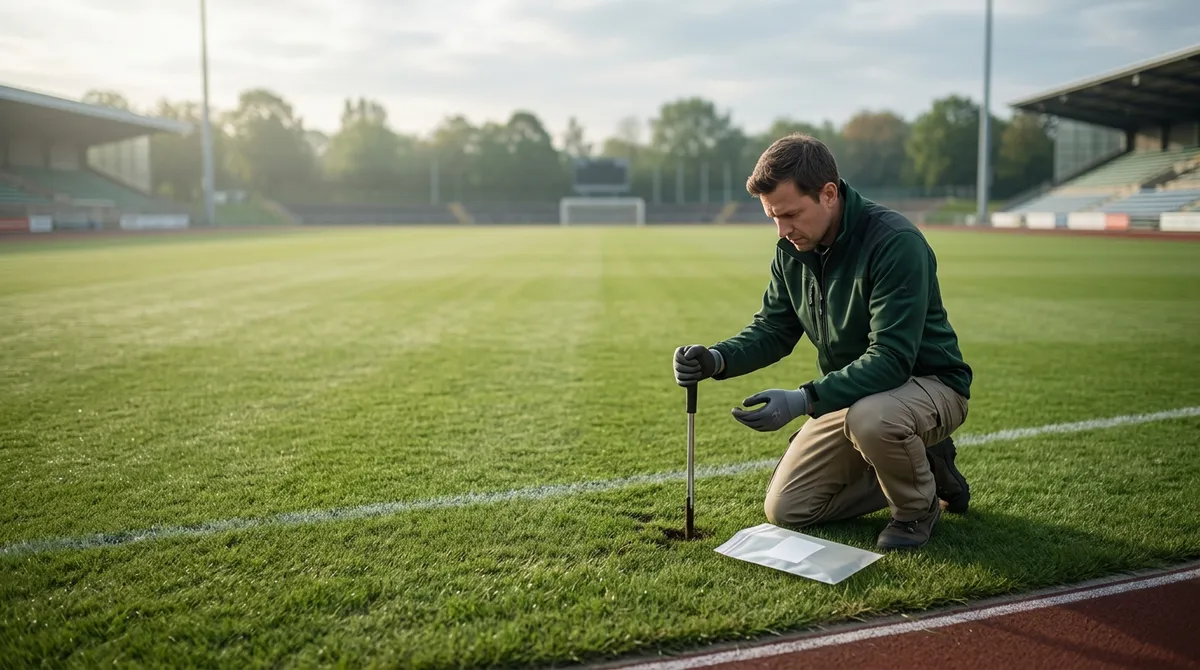
Many people jump straight into fertilizing and seeding without testing the soil first. This is one of the most expensive mistakes you can make. Without knowing your soil’s pH, nutrient levels, and composition, you’re essentially guessing. And guessing wastes money.
A proper soil analysis tells you exactly what your turf needs. It guides fertilization, aeration schedules, and even irrigation decisions. Professional landscaping firms customize yearly programs based on soil analysis, field usage, and regional climate needs. In the Chicago area, soil conditions can vary widely from one suburb to the next, so testing is especially important.
- Test soil at least once per year
- Check pH levels, nitrogen, phosphorus, and potassium
- Use results to create a targeted fertilization plan
- Adjust lime or sulfur applications based on findings
- Retest after major changes to field conditions
Mistake 2: Ignoring Proper Drainage and Grading
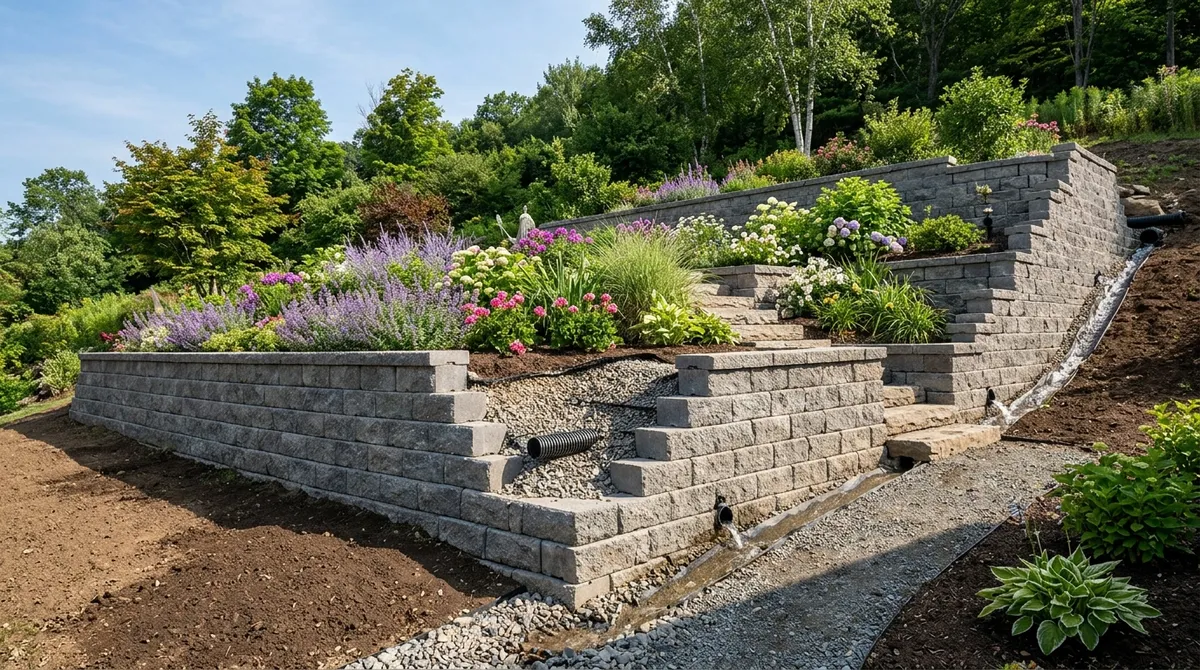
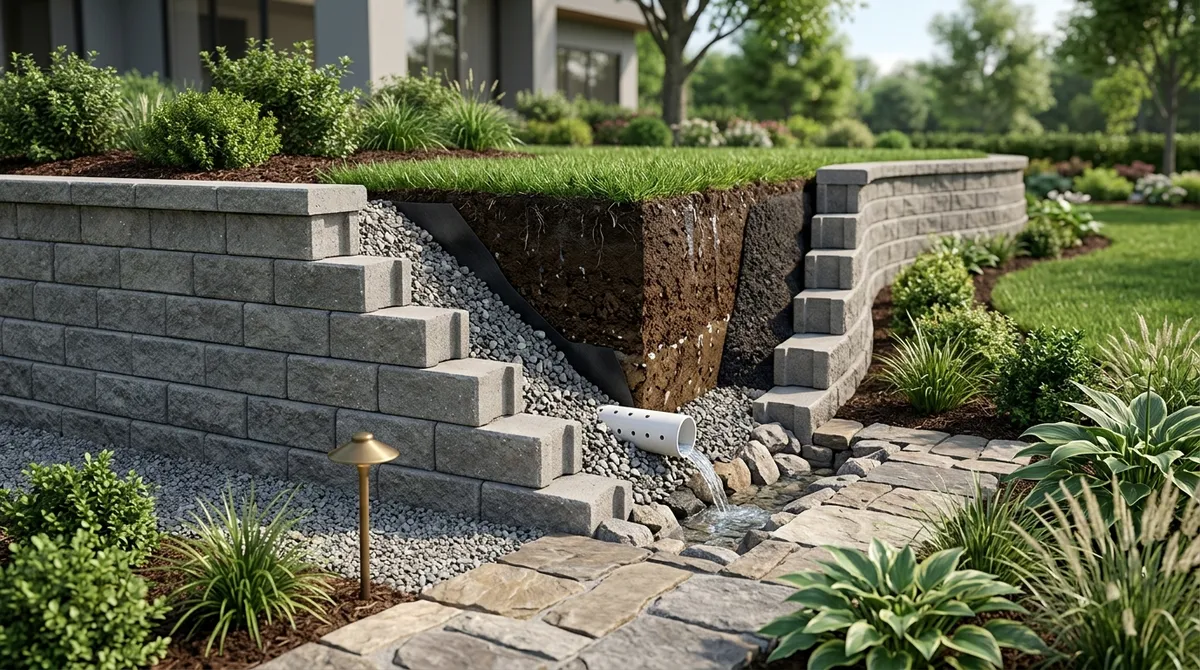
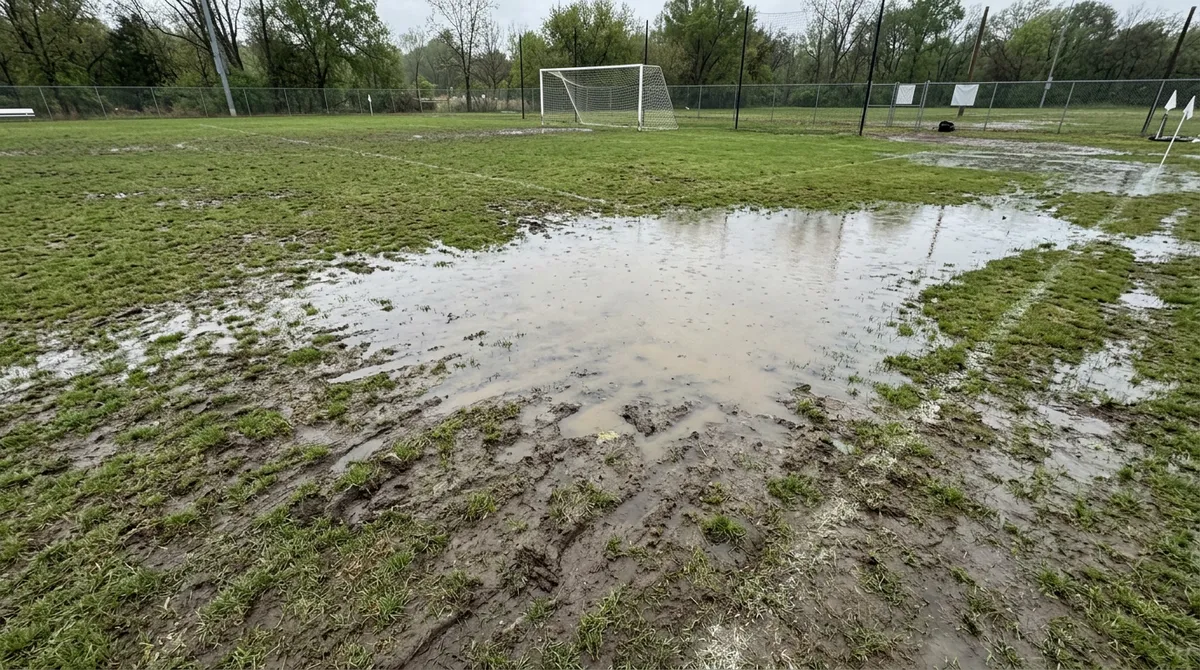
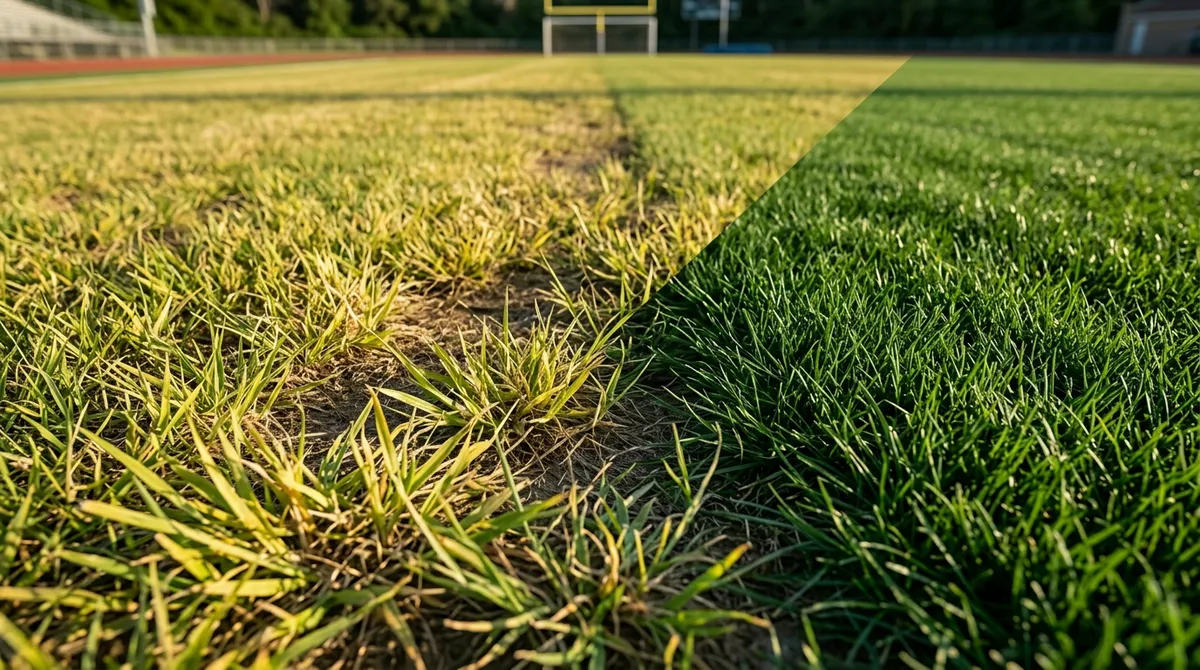
Poor drainage is a nightmare for any sports turf area. Standing water kills grass, creates muddy conditions, and poses safety risks for players. It also leads to fungal diseases and root rot that are expensive to fix.
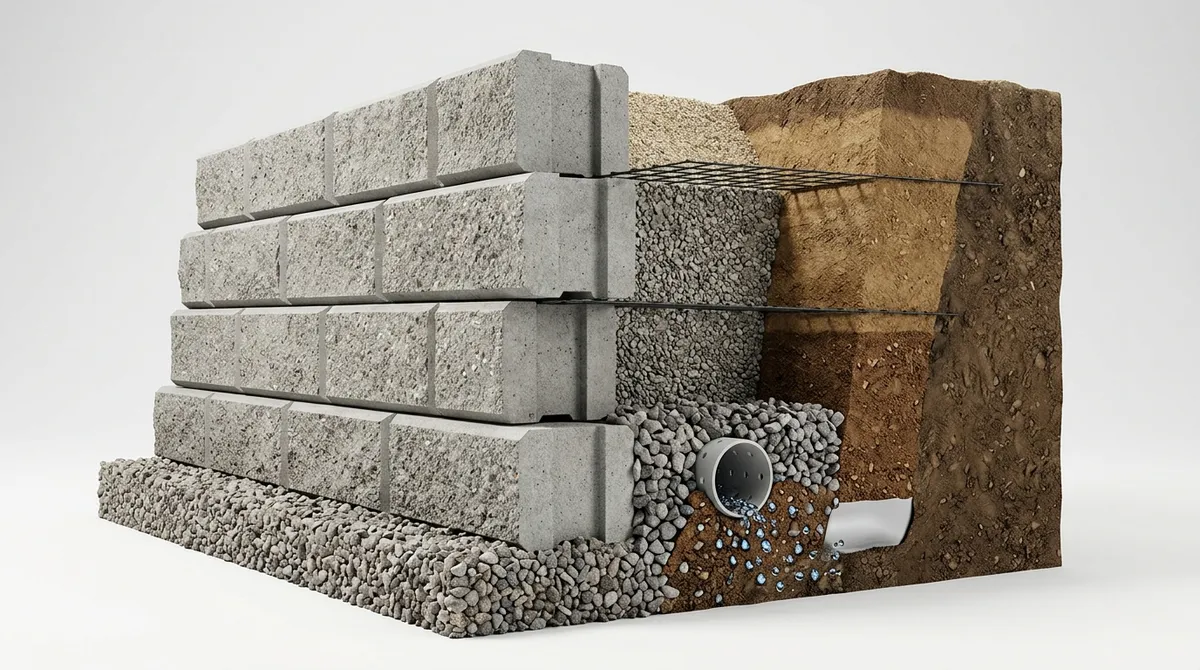
Proper grading ensures water flows away from the playing surface. Professional installation ensures correct drainage, grading, and long-term performance. If your field collects puddles after rain, it’s time to address the underlying drainage issues before they get worse. You can explore how softscape solutions can be paired with grading work to create a healthier, better-draining sports surface.
Signs of poor drainage include:
- Puddles that last more than 24 hours after rain
- Muddy or compacted areas near goals or base paths
- Yellow or dead grass patches in low-lying areas
- Uneven playing surfaces that feel spongy
Mistake 3: Choosing the Wrong Turf Type for Your Use
Not all turf is created equal. Choosing the wrong grass species or synthetic turf product for your specific use case leads to premature wear, increased maintenance, and poor performance. A field used for football needs different turf than a backyard area used for casual play.
For natural grass fields in Illinois, cool-season grasses like Kentucky bluegrass and tall fescue tend to perform best. For high-traffic areas or spaces that need year-round usability, artificial turf installation is often the smarter choice. Synthetic turf requires only 5–10 hours of maintenance per year compared to 100+ hours for natural grass athletic fields.
| Turf Type | Best For | Annual Maintenance Hours | Warranty |
|---|---|---|---|
| Natural Grass (Cool-Season) | Lower-traffic fields, seasonal use | 100+ hours | N/A |
| Artificial Turf | High-traffic, multi-sport, year-round use | 5–10 hours | Up to 15 years |
| Hybrid Turf Systems | Professional fields, heavy use | 30–50 hours | Varies |
Mistake 4: Neglecting Regular Aeration and Topdressing
Soil compaction is one of the biggest enemies of healthy sports turf. When players run on the same surface repeatedly, the soil compacts and roots struggle to breathe. This leads to thin, weak grass that wears out quickly.
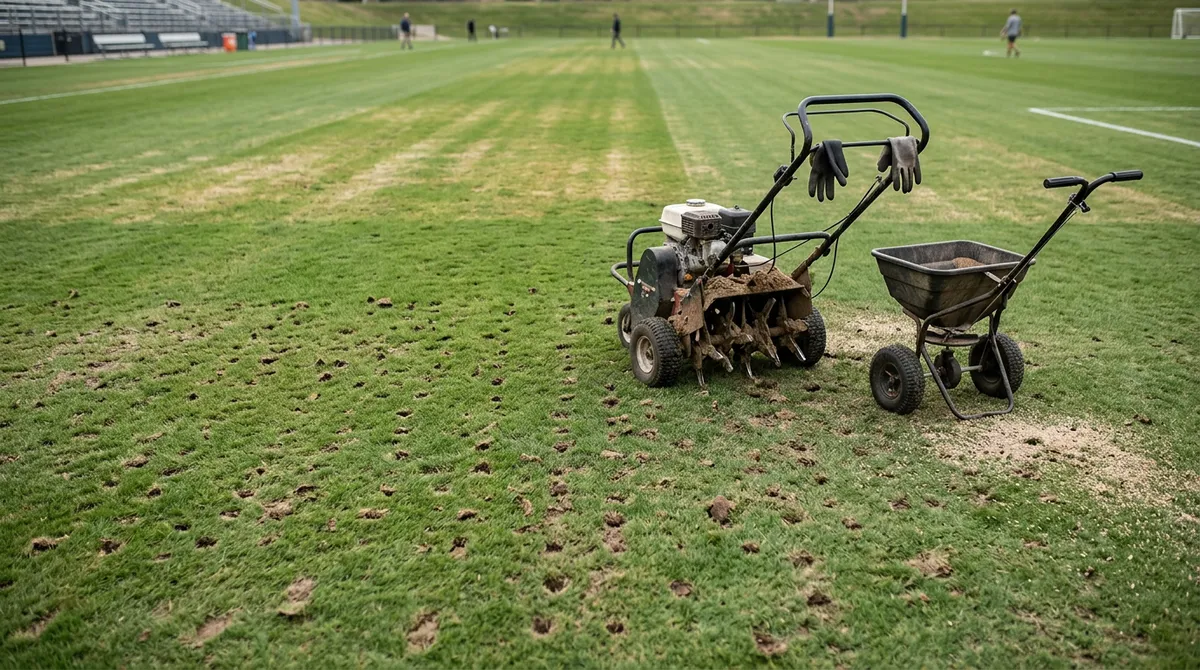
Aerification breaks up compacted soil and allows air, water, and nutrients to reach the root zone. Topdressing with sand or compost after aeration helps improve soil structure over time. These are non-negotiable steps in any serious sports turf management program. Organizations like Landscape Illinois emphasize the importance of regular cultural practices like aeration to maintain healthy turfgrass in the Midwest.
Here’s a simple annual aeration schedule to follow:
- Core aerate in early fall (September) for cool-season grasses
- Topdress immediately after aeration with a thin layer of sand or compost
- Overseed bare or thin areas right after topdressing
- Water thoroughly to help new seed establish
- Aerate again in spring if the field sees heavy use
Mistake 5: Using a One-Size-Fits-All Fertilization Plan
Generic fertilizer programs might seem convenient, but they rarely deliver the results that sports turf needs. Over-fertilizing causes excessive top growth that weakens root systems. Under-fertilizing leads to thin, patchy turf that can’t handle the stress of athletic use.
A customized fertilization plan tied to your soil analysis results is always the better approach. The right balance of nitrogen, phosphorus, and potassium at the right times of year makes a dramatic difference in turf quality and resilience. Pair fertilization with weed and insect control for maximum results.
Key fertilization tips for sports turf:
- Apply slow-release nitrogen fertilizers for sustained growth
- Avoid heavy nitrogen applications in midsummer heat
- Use potassium to strengthen roots and disease resistance
- Time applications around field use schedules
- Always follow up with adequate irrigation
Mistake 6: Poor Irrigation Management
Watering too much or too little is a common sports turf mistake. Overwatering promotes shallow roots, fungal disease, and waterlogged conditions. Underwatering causes drought stress, especially during Chicago’s hot summer months.
Smart irrigation goes beyond just turning the sprinklers on. It means watering deeply and infrequently to encourage deep root growth. It also means adjusting schedules based on weather, soil moisture, and seasonal needs. If you’re investing in a sports field, a well-designed irrigation system is worth every penny.
Follow these irrigation best practices:
- Water early in the morning to reduce evaporation
- Apply 1–1.5 inches of water per week during the growing season
- Use a rain sensor or smart controller to avoid overwatering
- Check for irrigation head coverage gaps regularly
For commercial property managers and school administrators in the Chicago area, professional irrigation design is a smart investment. It keeps your sports turf healthy while reducing water waste and utility costs. You can also look into how commercial lawn maintenance programs can include irrigation management as part of a full-service package.
Mistake 7: DIY Synthetic Turf Installation Without Professional Help
Artificial turf is a fantastic solution for high-traffic sports areas. But installing it yourself without professional expertise often leads to poor drainage, bubbling seams, and premature wear. A bad installation can void your warranty and cost far more to fix than hiring a pro in the first place.
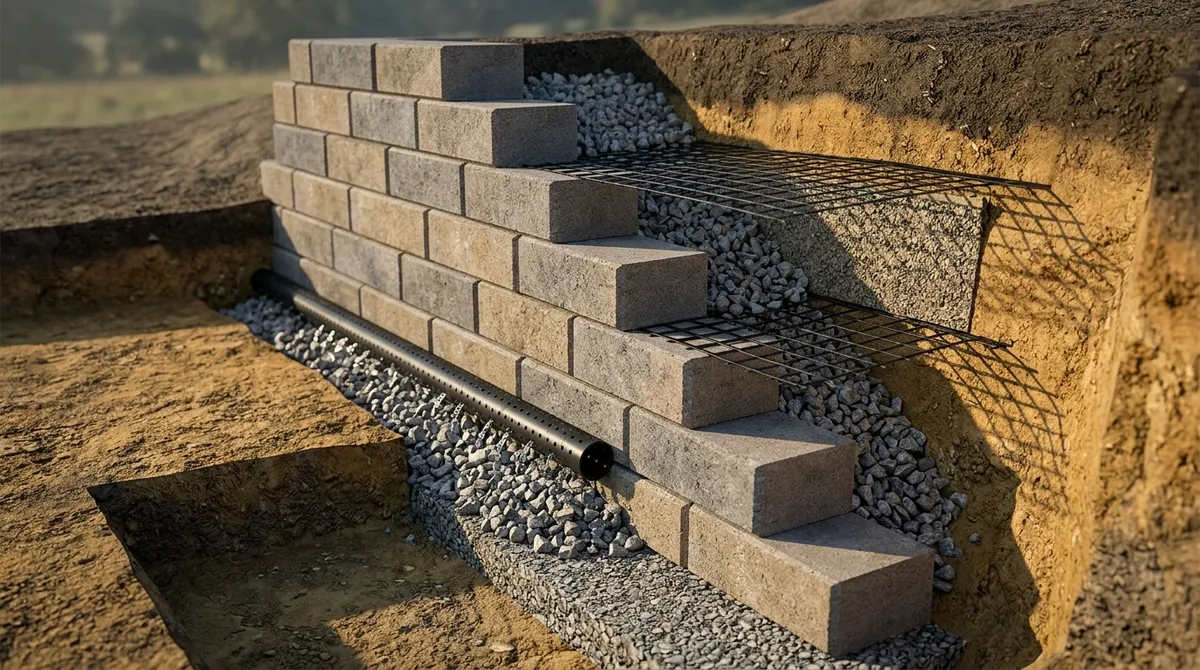
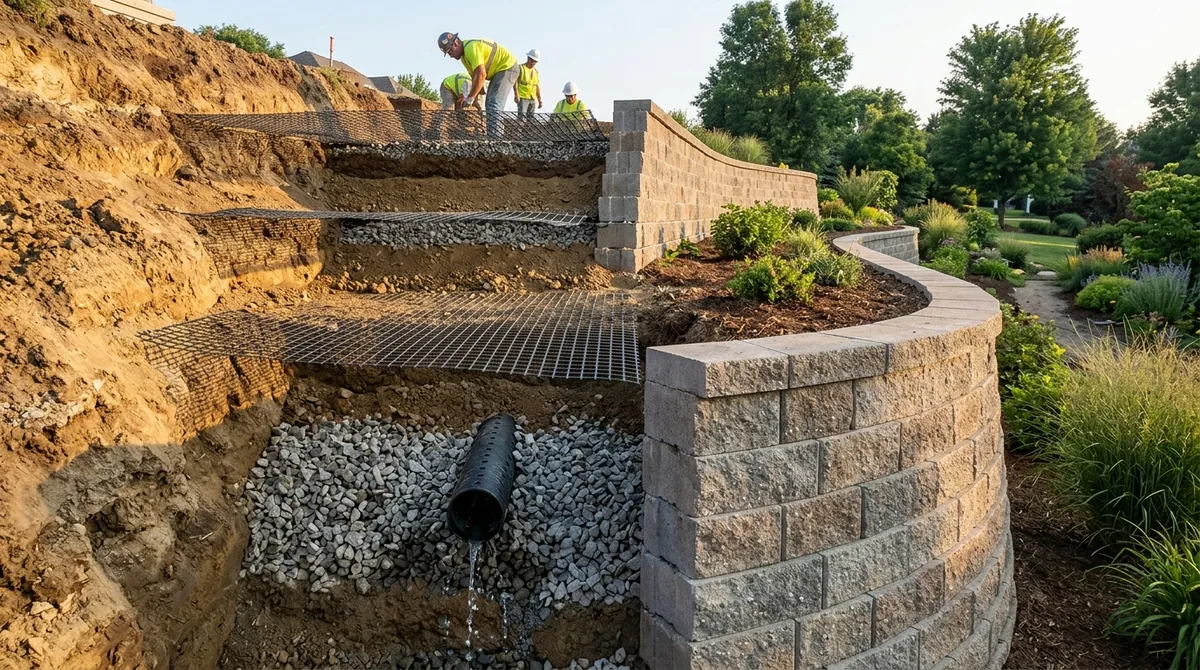
Professional sports turf installation involves excavating the soil, adding weed barriers and gravel bases, laying the turf, and applying the right infill material. The process typically takes 3 to 7 days depending on field size. When done correctly, you can expect warranties of up to 15 years. At Serenity Landscape Group, we bring over two decades of experience to every turf project, ensuring your investment is protected from day one.
For homeowners deciding between natural grass and artificial turf, here’s a quick comparison to help:
| Factor | Natural Grass | Artificial Turf |
|---|---|---|
| Installation Time | Varies (seed or sod) | 3–7 days |
| Annual Maintenance | 100+ hours | 5–10 hours |
| Water Needs | High | None after installation |
| Chemical Use | Fertilizers, pesticides | None required |
| Playability | Weather-dependent | Year-round consistency |
| Allergy Risk | Moderate to high | Very low |
Bonus Tips for Long-Term Sports Turf Success
Beyond avoiding the big mistakes, there are a few extra habits that keep your sports turf in top shape year after year. Small, consistent actions add up to big results over time.
For natural grass fields, consider these ongoing care steps:
- Mow at the correct height for your grass species (never remove more than one-third of the blade)
- Rotate field use patterns to prevent wear in the same spots
- Apply vertical mowing (dethatching) once per year to reduce thatch buildup
- Scout regularly for pests, weeds, and disease early in the season
For artificial turf fields, follow this simple maintenance routine:
- Remove debris weekly with a leaf blower or light rake
- Spot-clean stains promptly with mild soap and water
- Brush high-traffic areas monthly to keep fibers upright
- Check infill levels seasonally and replenish as needed
If you’re unsure which approach fits your needs, the team at Serenity Landscape Group is happy to help. We serve residential and commercial clients across the greater Chicago metropolitan area with customized turf programs. You can also browse our gallery of our work to see real results from real Chicago-area projects.
For those looking to create a complete outdoor sports and recreation area, pairing your turf with thoughtful hardscaping like pavers for walkways and seating areas, or even a fire pit for post-game gatherings, can transform the entire space into something truly special. Industry standards for installation quality are well-established by organizations like the ICPI Certified Installer network, which underscores the value of choosing certified professionals for any major outdoor project.
Ready to Get Your Sports Turf Right the First Time?
Good sports turf management isn’t complicated, but it does require a thoughtful plan and the right expertise. From soil testing and irrigation to professional synthetic turf installation, every step matters. Avoiding these seven common mistakes will save you time, money, and a lot of frustration in the long run.
Whether you’re a suburban homeowner creating a backyard sports area, a commercial property manager maintaining athletic fields, or a school administrator upgrading your grounds, the right support makes all the difference. Explore our landscape design process to learn how we approach every project with care and precision. When you’re ready to take the next step, we’d love to help you create a sports surface you’ll be proud of for years to come. Request your free estimate today and let’s build something great together.
FAQs
Q: What does sports turf management include for natural grass fields?
A: Sports turf management for natural grass covers a range of services including fertilization, weed and insect control, mowing, irrigation, aerification, topdressing, and vertical mowing. These practices work together to keep your field safe, healthy, and ready for play throughout the season. Think of it as a regular wellness routine for your turf!
Q: How long does professional sports turf installation take?
A: Most professional sports turf installations take between 3 and 7 days depending on the size of the field and site preparation needs. The process involves excavating the soil, installing a gravel base with proper drainage, laying the turf, and applying infill. It’s a worthwhile investment that pays off for years to come.
Q: Is artificial turf a good choice for school or backyard sports areas?
A: Absolutely! Artificial turf is a fantastic option for high-traffic areas like school fields and backyard sports zones. It requires only 5–10 hours of maintenance per year, eliminates the need for watering or chemicals, and provides consistent playability year-round regardless of weather. Many of our Chicago-area clients love how low-stress it makes field ownership.
Q: How often should I aerate a natural grass sports field?
A: For most cool-season grass fields in the Chicago area, aerating once in early fall and again in spring if the field sees heavy use is a great approach. Aeration reduces soil compaction, improves drainage, and helps nutrients reach the root zone more effectively. Pairing it with topdressing and overseeding gives you the best results.
Q: What infill material is best for synthetic sports turf?
A: The best infill choice depends on your specific use case and budget, but options like Envirofill are popular for sports turf because they offer durability, antimicrobial protection, and consistent performance. Your landscaping professional can help you choose the right infill based on the sports being played and the level of foot traffic expected.