Key Takeaways
-
Choose cool-season grass varieties like Kentucky bluegrass or perennial ryegrass, which thrive in Chicago's climate and stay green year-round with proper care.
-
Follow a seasonal fertilization schedule applying different nutrient formulas in early spring, late spring, summer, fall, and late fall to maintain grass health throughout the year.
-
Aerate your lawn every fall (August-October) to reduce soil compaction and improve water and nutrient absorption, then immediately overseed to fill thin spots.
-
Water deeply but infrequently—apply 1-1.5 inches per week early in the morning to encourage deep root growth and drought resistance rather than shallow daily watering.
-
Conduct a soil pH test to ensure levels are between 6.0-7.0, as improper pH prevents nutrient absorption regardless of fertilizer application.
-
Implement proactive pest management and weed control with pre-emergent treatments in spring and monitor for grubs, which can devastate lawns overnight if left untreated.
Keeping a green lawn in Chicago year-round feels like a tough challenge. Between freezing winters, hot and humid summers, and everything in between, your grass goes through a lot. But here’s the good news: with the right approach, an all-season green lawn in Chicago is absolutely possible.
Whether you own a home in the suburbs, manage a commercial property, or are just tired of looking at a brown, patchy yard, this guide is for you. We’ll walk you through 11 proven tips to keep your lawn lush, healthy, and green from January through December. Let’s dig in!
Why Chicago Lawns Need Special Care
Chicago’s climate is unique. Winters are brutal. Summers are hot and sticky. Spring and fall bring wild temperature swings. All of this puts enormous stress on your grass.
The good news is that Chicago’s climate actually favors cool-season grasses. These grasses thrive in the cooler months and, with the right maintenance, stay green even through the warmer season. Understanding your lawn’s needs is the first step toward year-round success.
1. Choose the Right Grass for Chicago’s Climate
Start with the foundation. The best grasses for an all-season green lawn in Chicago are cool-season varieties. These grasses love the crisp temperatures of spring and fall, and they hold up well in winter when properly cared for.
The top choices include:
- Kentucky Bluegrass – Gorgeous, dark green color with excellent cold tolerance
- Perennial Ryegrass – Fast-growing, resilient, and great for overseeding thin areas
- Tall Fescue – Drought-tolerant and adaptable to Chicago’s unpredictable summers
- Fine Fescue – Ideal for shady spots where other grasses struggle
Choosing the right grass variety is one of the smartest investments you can make. A professional softscapes assessment can help you identify the best mix for your specific yard conditions.
2. Fertilize on a Seasonal Schedule
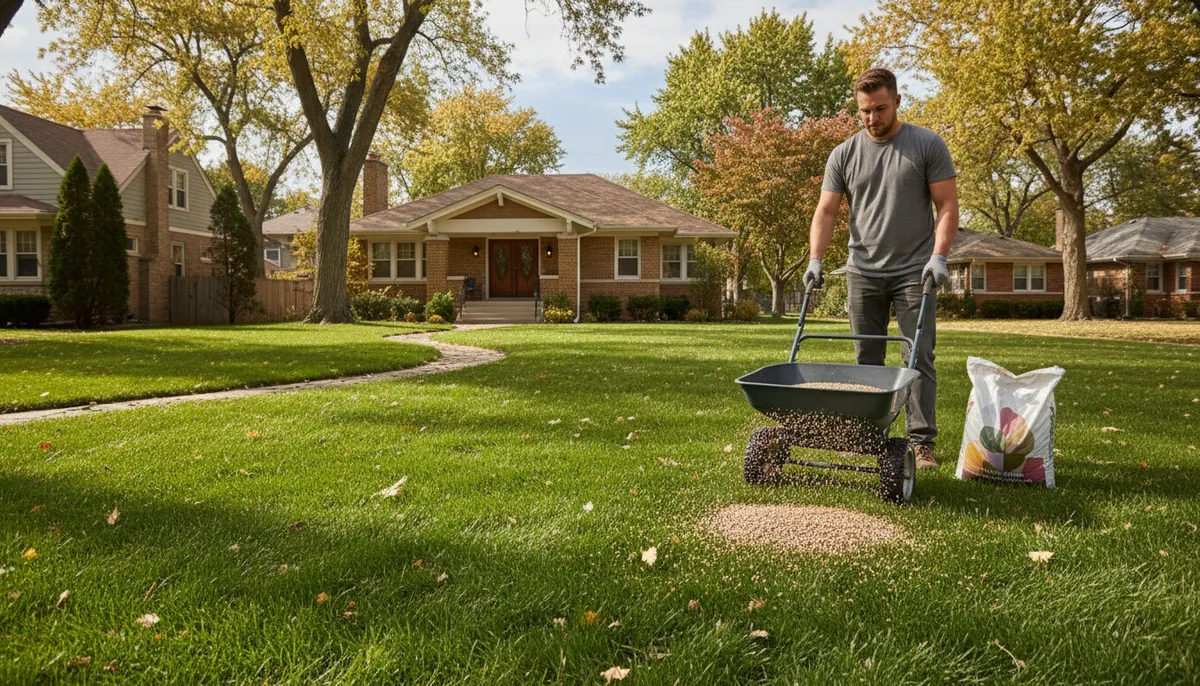
Your lawn is hungry throughout the year, but it needs different nutrients at different times. A proper fertilization schedule keeps your grass strong and green no matter the season.
Here’s a simple seasonal fertilization plan for Chicago lawns:
- Early Spring (March–April): Apply a slow-release nitrogen fertilizer to wake up your lawn after winter
- Late Spring (May–June): Use a balanced fertilizer to fuel growth during peak season
- Summer (July–August): Apply a light, low-nitrogen feed to reduce stress during heat
- Fall (September–October): Use a phosphorus-rich fertilizer to strengthen roots before winter
- Late Fall (November): Apply a winterizer fertilizer to protect your lawn through the cold months
Skipping fertilization is one of the most common reasons Chicago lawns turn brown or thin out. Staying consistent makes a huge difference in maintaining that all-season green lawn look you’re after.
3. Aerate Your Lawn Every Fall
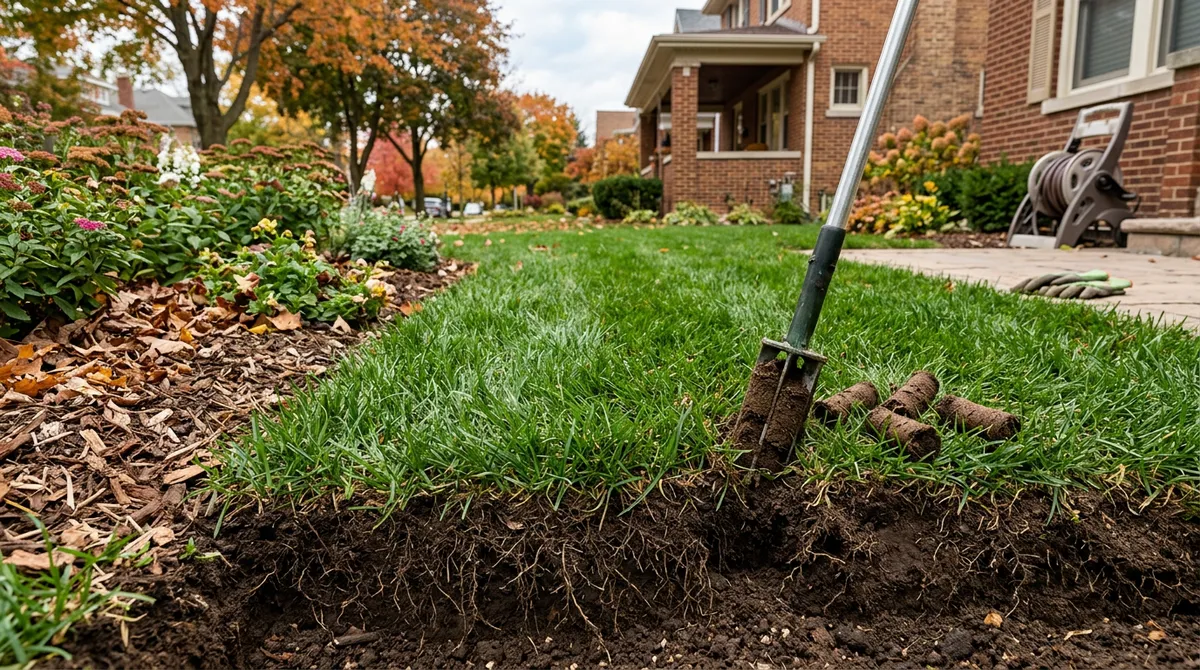
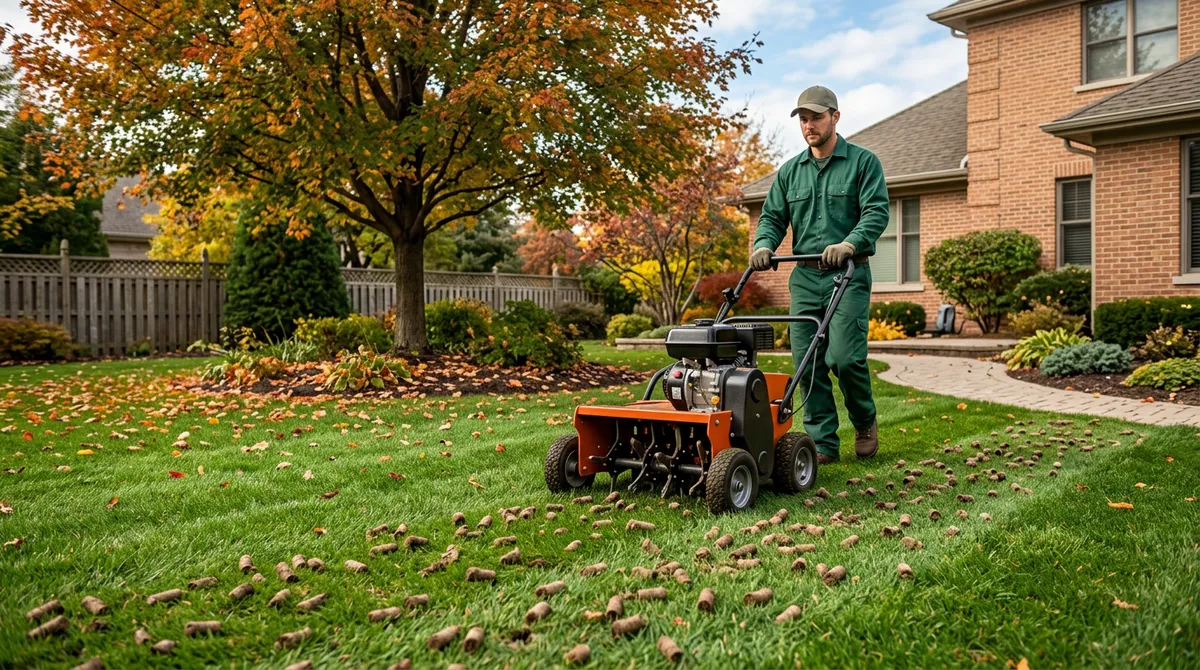
Soil compaction is a major problem in the Chicago area. Heavy clay soils, foot traffic, and freeze-thaw cycles pack the ground tight. This blocks water, air, and nutrients from reaching the roots.
Core aeration is the solution. This process removes small plugs of soil, opening up the ground and allowing your grass roots to breathe. The best time to aerate in Chicago is late summer to early fall (August–October), just before overseeding season.
Benefits of annual aeration include:
- Reduced soil compaction
- Better water and nutrient absorption
- Stronger, deeper root systems
- Improved resistance to drought and heat stress
4. Overseed in Early Fall for a Thicker Lawn
Overseeding is one of the best-kept secrets for a thick, green lawn. It means spreading new grass seed over your existing lawn to fill in thin or bare spots. Early fall is the perfect window in Chicago — the soil is still warm, and cooler air temperatures encourage fast germination.
Pair overseeding with aeration for the best results. The seed falls into the aeration holes and makes direct contact with the soil, improving germination rates significantly. A professional lawn care process can help ensure even seed distribution and maximum coverage.
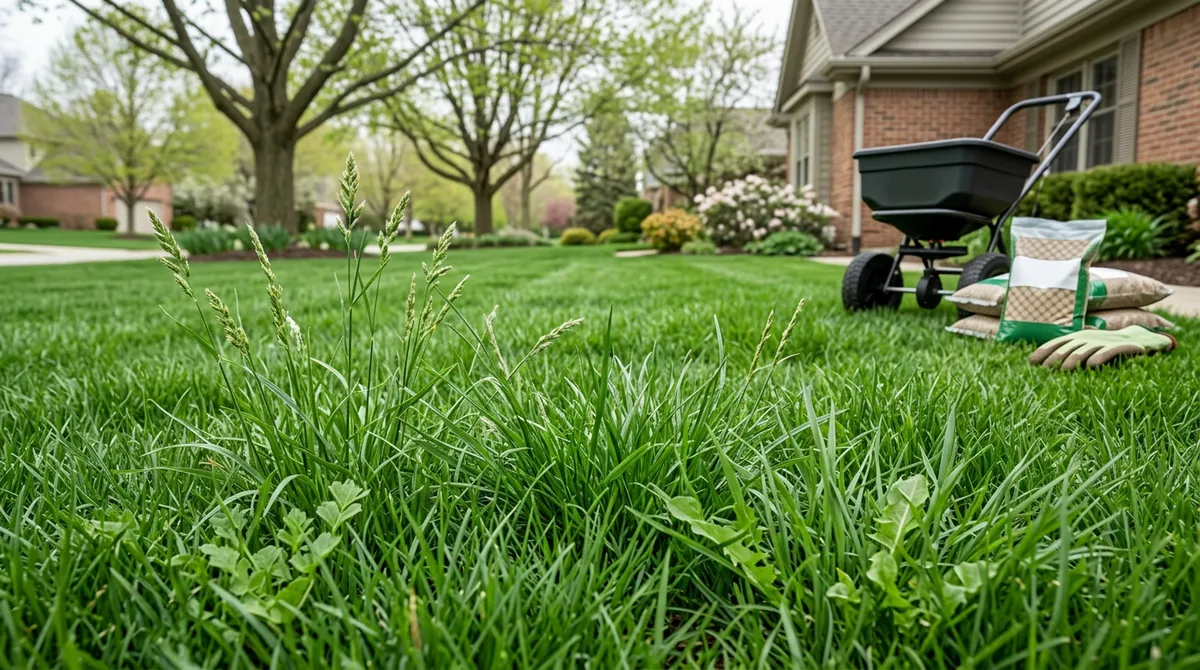
5. Stay on Top of Weed Control
Weeds are lawn enemies. They compete with your grass for water, nutrients, and sunlight. In Chicago, common lawn invaders include crabgrass, dandelions, clover, and creeping Charlie.
Effective weed control has two stages:
- Pre-emergent treatments (applied in early spring) prevent weed seeds from germinating in the first place
- Post-emergent treatments (applied as needed) target weeds that have already sprouted
Staying proactive with weed control keeps your lawn looking neat and gives your grass room to thrive. According to Landscape Illinois, integrated weed management is one of the most effective ways to maintain lawn health throughout the growing season.
6. Water Deeply and Infrequently
Many homeowners water their lawns too lightly and too often. This creates shallow root systems that dry out quickly in summer heat. Instead, water deeply but less frequently.
Follow these watering guidelines for Chicago lawns:
- Water 1–1.5 inches per week during the growing season
- Water early in the morning (before 10 a.m.) to reduce evaporation
- Avoid watering in the evening, which promotes fungal disease
- Adjust your schedule during rainy periods to avoid overwatering
Deep, infrequent watering encourages roots to grow deeper into the soil. Deeper roots mean a more drought-resistant and resilient lawn year-round.
7. Control Grubs and Lawn Pests
Chicago lawns face some sneaky underground enemies. Grubs, sod webworms, and armyworms can devastate a healthy lawn almost overnight. If you notice brown patches, birds pecking at your lawn, or grass that lifts like a carpet, you likely have a grub problem.
A proactive pest management plan includes:
- Preventive grub treatments applied in late spring or early summer
- Curative treatments for active infestations in late summer
- Regular lawn inspections to catch problems early
- Soil health monitoring to reduce pest vulnerability
Addressing pest issues early saves your lawn from major damage and keeps your all-season green lawn in Chicago looking its best.
8. Manage Thatch Buildup
Thatch is the layer of dead grass, roots, and organic material that builds up between the soil and the green grass blades. A thin layer (less than half an inch) is actually beneficial. But when thatch gets too thick, it blocks water and nutrients from reaching your lawn’s roots.
Signs you need thatch management include a spongy feel underfoot, poor water absorption, and increased pest and disease activity. Dethatching in spring or fall can transform a struggling lawn into a healthy, vibrant one.
9. Test and Adjust Your Soil pH
This tip is often overlooked, but it makes a massive difference. Most Chicago lawns perform best when the soil pH is between 6.0 and 7.0. If the pH is off, your grass can’t absorb nutrients properly — no matter how much fertilizer you apply.
A simple soil test reveals your pH level and nutrient content. Based on the results, you can add:
- Lime – To raise pH in acidic soils (common in parts of the Chicago suburbs)
- Sulfur – To lower pH in alkaline soils
Soil testing is an easy, affordable step that pays big dividends in lawn health. Many professional lawn care programs include soil analysis as a standard service.
10. Consider Organic Lawn Care Options
More and more Chicago homeowners are choosing organic lawn care — and for good reason. Organic programs use natural fertilizers, chemical-free weed control, and sustainable practices that are safe for kids, pets, and the environment.
Organic lawn care is especially popular with families who spend a lot of time in the yard. Organic fertilizers improve soil biology over time, creating a healthier growing environment that supports long-term lawn vitality. Billions of gallons of water are used annually on U.S. lawns, which is why sustainable, low-input approaches are gaining such traction across the Chicago area.
If you’re curious about eco-friendly options, the team at Serenity Landscape Group can walk you through sustainable landscaping solutions that deliver beautiful results without compromising your family’s safety or the health of the environment.
11. Pair Lawn Care with Great Hardscaping
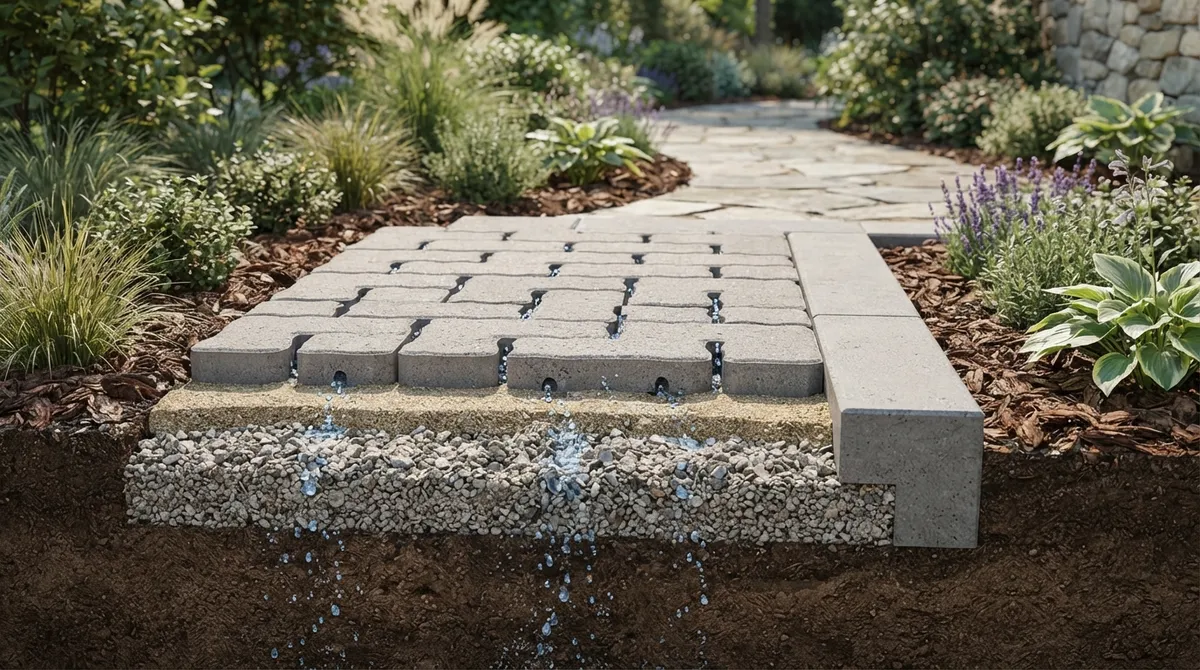
A beautiful all-season green lawn in Chicago looks even better when it’s framed by thoughtful hardscaping. Well-designed patios, walkways, and borders actually protect your lawn by reducing foot traffic on the grass and directing water flow away from sensitive areas.
Consider pairing your lawn care program with features like:
- Durable pavers for walkways and patios that reduce lawn wear
- Retaining walls to manage soil erosion and improve drainage
- Landscape lighting to highlight your green lawn even after dark
- Fire pits and gathering spaces that keep foot traffic off the grass
According to ICPI certified hardscaping professionals, integrating proper hardscape features alongside lawn care improves overall landscape drainage and long-term yard health significantly.
Lawn Care Timeline: Chicago All-Season Schedule
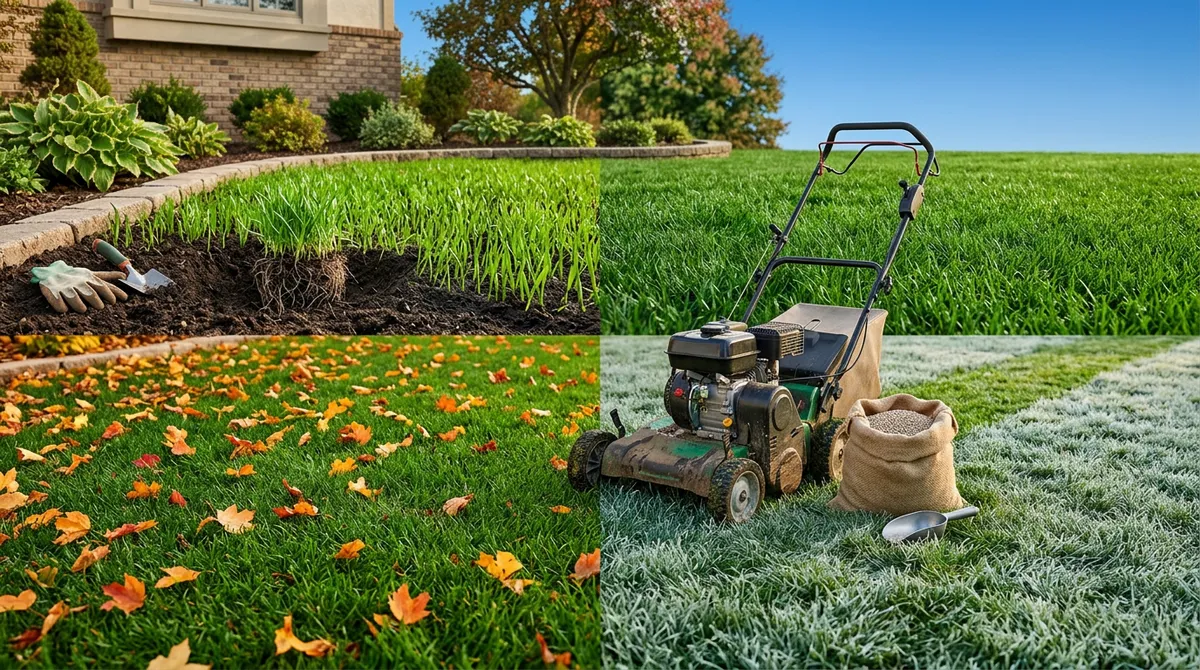
Here’s a handy seasonal reference to keep your all-season green lawn in Chicago on track throughout the year:
| Season | Key Tasks | Priority Level |
|---|---|---|
| Early Spring (Mar–Apr) | Fertilize, pre-emergent weed control, soil test | High |
| Late Spring (May–Jun) | Balanced fertilization, mowing, watering schedule | High |
| Summer (Jul–Aug) | Grub control, light fertilizing, deep watering | Medium |
| Early Fall (Sep–Oct) | Aeration, overseeding, fall fertilization | Very High |
| Late Fall (Nov) | Winterizer fertilizer, thatch removal, final mow | High |
| Winter (Dec–Feb) | Rest period – avoid foot traffic on frozen grass | Low |
Bookmark this table and use it as your year-round reference. Staying proactive with each season’s tasks is the key to that enviable, thick, green lawn your neighbors will be asking about.
Quick Comparison: DIY vs. Professional Lawn Care
Wondering whether to handle your lawn yourself or hire a pro? Here’s a simple breakdown to help you decide:
| Factor | DIY Lawn Care | Professional Lawn Care |
|---|---|---|
| Cost | Lower upfront, but equipment adds up | Monthly fee with all-inclusive services |
| Time Commitment | Several hours per week | Zero – professionals handle everything |
| Expertise | General knowledge required | Local experts with soil and climate know-how |
| Results | Variable based on skill and consistency | Consistent, guaranteed results |
| Equipment | Must purchase or rent | Fully equipped professional teams |
For commercial property managers and busy homeowners, professional lawn care often makes more sense. For hands-on owners who enjoy yard work, a hybrid approach (DIY basics with professional seasonal treatments) can work great too. You can also check out our commercial lawn maintenance services for tailored care plans designed for larger properties.
Tips for Specific Property Types
Suburban Homeowners
HOA standards and neighborhood curb appeal are real concerns. A consistent, professional lawn care program keeps your property looking sharp and helps you stay compliant with community guidelines. Explore our gallery of our work to see real transformations in Chicago-area properties just like yours.
Commercial Property Managers
First impressions matter. A lush, green lawn surrounding your building signals professionalism and care. Sustainable lawn programs with low chemical input also align with modern corporate responsibility goals, which tenants and customers appreciate.
New Home Builders and Developers
Installing the right grass mix and establishing a proper lawn maintenance program from day one dramatically increases property value and buyer appeal. Getting the lawn right from the start is far easier than trying to fix a neglected one later. Learn more about how we approach every project on our project process page.
Final Thoughts
Achieving an all-season green lawn in Chicago isn’t magic — it’s method. The right grass, the right treatments at the right time, and a little professional expertise go a long way. Whether you’re starting from scratch or leveling up your existing lawn care routine, these 11 tips give you a solid foundation to work from.
At Serenity Landscape Group, we’ve spent over 20 years helping Chicago-area homeowners and businesses create outdoor spaces they truly love. From lawn care and softscapes to pavers and pergolas and pavilions, we handle every detail so you can simply enjoy your outdoor space.
Ready to finally get the lawn you’ve always wanted? Request your free estimate today and let’s create something beautiful together — one season at a time.
FAQs
Q: What is the best grass for an all-season green lawn in Chicago?
A: Cool-season grasses are your best friends in Chicago! Kentucky bluegrass and perennial ryegrass are top choices because they love cooler temperatures, hold their color through fall, and bounce back beautifully after winter. A mix of these varieties often gives you the most resilient, attractive lawn year-round.
Q: When should I aerate and overseed my Chicago lawn?
A: Early fall — typically late August through October — is the sweet spot for both aeration and overseeding in Chicago. The soil is still warm enough for seed germination, but the cooler air temperatures reduce stress on new growth. Doing both tasks together gives you the best results and a noticeably thicker lawn by spring!
Q: How do I keep my Chicago lawn green during a hot summer?
A: Deep, infrequent watering is the secret weapon here. Water about 1 to 1.5 inches per week, early in the morning, to encourage deep root growth. A light summer fertilizer application and proactive grub control also help your lawn handle the heat and stay as green as possible through those hot Chicago months.
Q: Are organic lawn care options available for Chicago homeowners?
A: Absolutely, and they’re growing in popularity! Organic lawn care programs use natural fertilizers and chemical-free weed control that are safe for kids, pets, and the environment. They also improve soil health over time, which creates a stronger, more self-sufficient lawn — it’s a win for your yard and the planet!
Q: How much does professional lawn care cost in the Chicago suburbs?
A: Costs vary depending on your lawn size, the services included, and whether you choose a basic or full-service program. Most professional lawn care plans in the Chicago area are priced per treatment or as seasonal packages. Getting a free estimate from a local provider is the easiest way to find the right fit for your budget and lawn goals.