Key Takeaways
-
Traditional grass fails in wet backyards because roots suffocate and rot in waterlogged soil; instead of fighting poor drainage, choose moisture-tolerant alternatives like moss, sedges, or rain gardens that thrive in soggy conditions.
-
Rain gardens are highly effective for wet areas—they reduce flooding, filter pollutants, and can cut irrigation needs by up to 50% compared to traditional lawns while transforming eyesores into beautiful planted features.
-
For shady, damp areas, moss is nearly maintenance-free, requiring no mowing or fertilizer, and stays green year-round; sheet moss and cushion moss are especially reliable for Chicago’s climate.
-
Creeping sedum and microclover are fast-growing, walkable alternatives that fill large areas quickly—sedum can cover 1,000 square feet within two months—and require minimal fertilizer or chemical inputs.
-
Native sedges and wetland plants like blue flag iris and cardinal flower not only tolerate wet soil but actively support local pollinators and wildlife while requiring minimal upkeep once established.
-
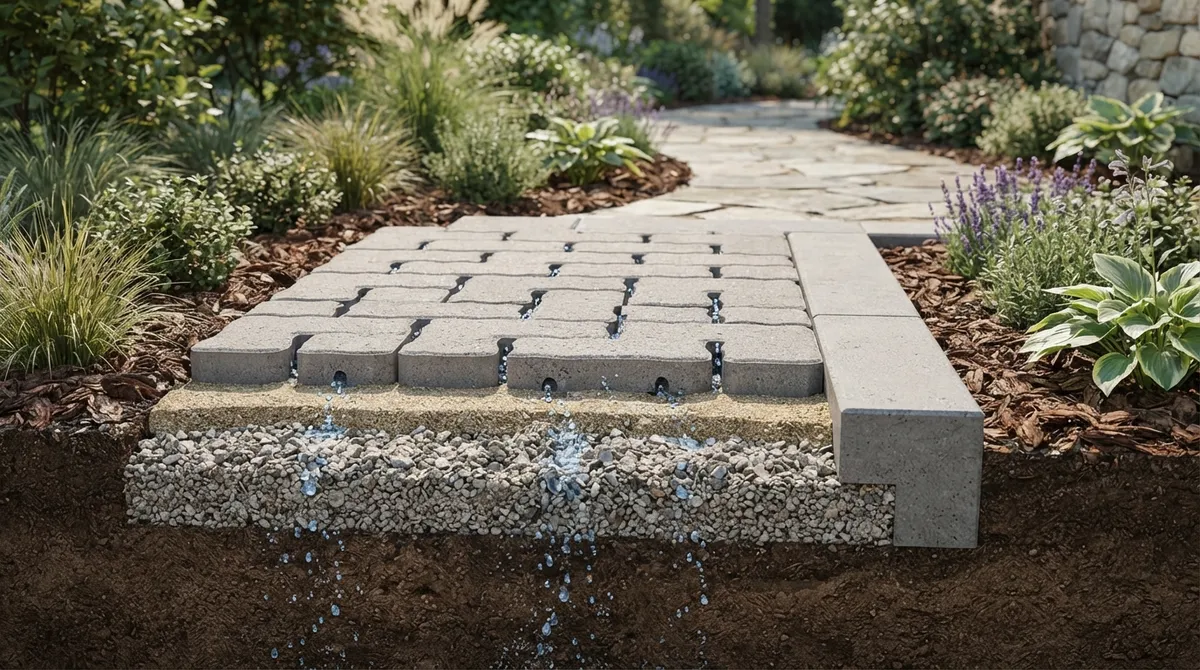
Combining ground covers with hardscaping features like pavers, retaining walls, and stepping stone paths creates functional, beautiful landscapes that manage water flow while increasing property values and curb appeal.
Does your backyard turn into a soggy mess every time it rains? You’re not alone. Many homeowners in the greater Chicago area deal with poor drainage, low-lying spots, and persistently wet soil that makes growing a traditional lawn nearly impossible. Grass simply doesn’t thrive in waterlogged conditions — it turns yellow, thin, and muddy, leaving you frustrated and your yard looking less than its best.
The good news? There are plenty of beautiful, low-maintenance grass alternatives for wet backyards that can completely transform your outdoor space. From lush moss and native sedges to rain gardens and ornamental grasses, the right plants can turn your soggy problem area into a stunning landscape feature. Let’s walk through your best options and help you find the perfect solution for your yard.
Why Traditional Grass Fails in Wet Backyards
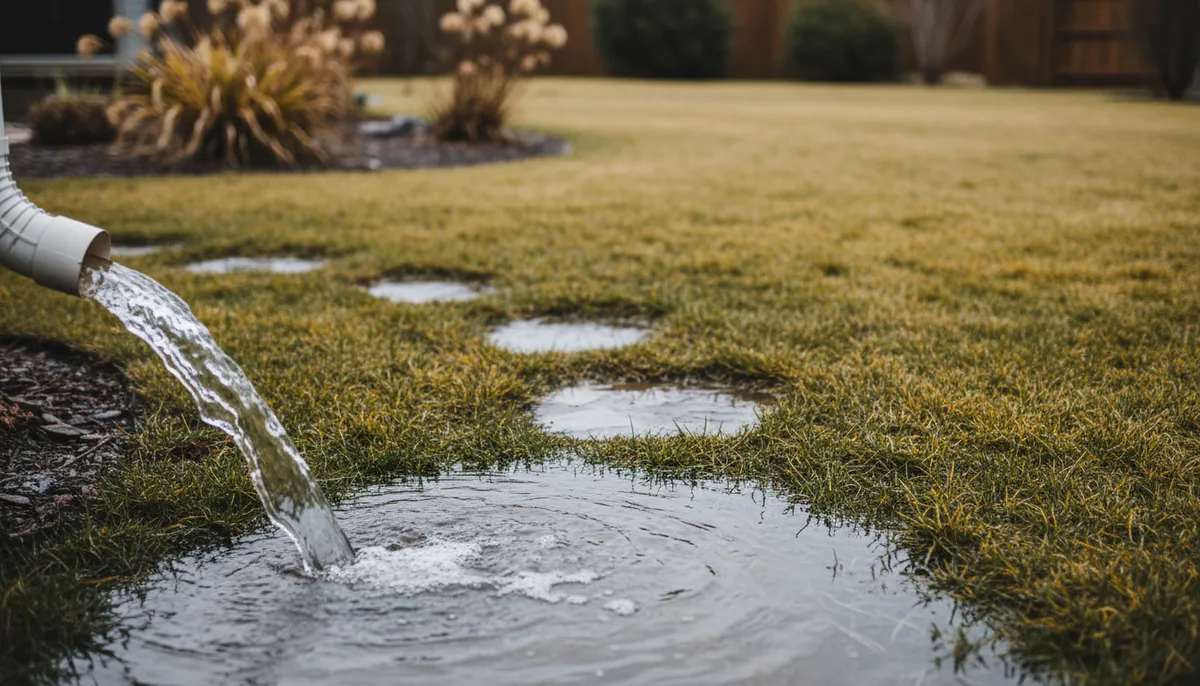
Most turf grass varieties need well-drained soil to thrive. When water sits on the surface too long, grass roots suffocate and rot. Foot traffic on saturated soil compacts the ground even further, making drainage worse over time. This creates a frustrating cycle of muddy patches, bare spots, and endless reseeding.
Chicago-area yards are especially prone to this problem. Heavy clay soils, flat terrain, and the region’s rainy springs and winters all contribute to poor drainage. Instead of fighting your yard’s natural conditions, the smarter move is to work with them — and that starts with choosing the right grass alternative for wet backyards.
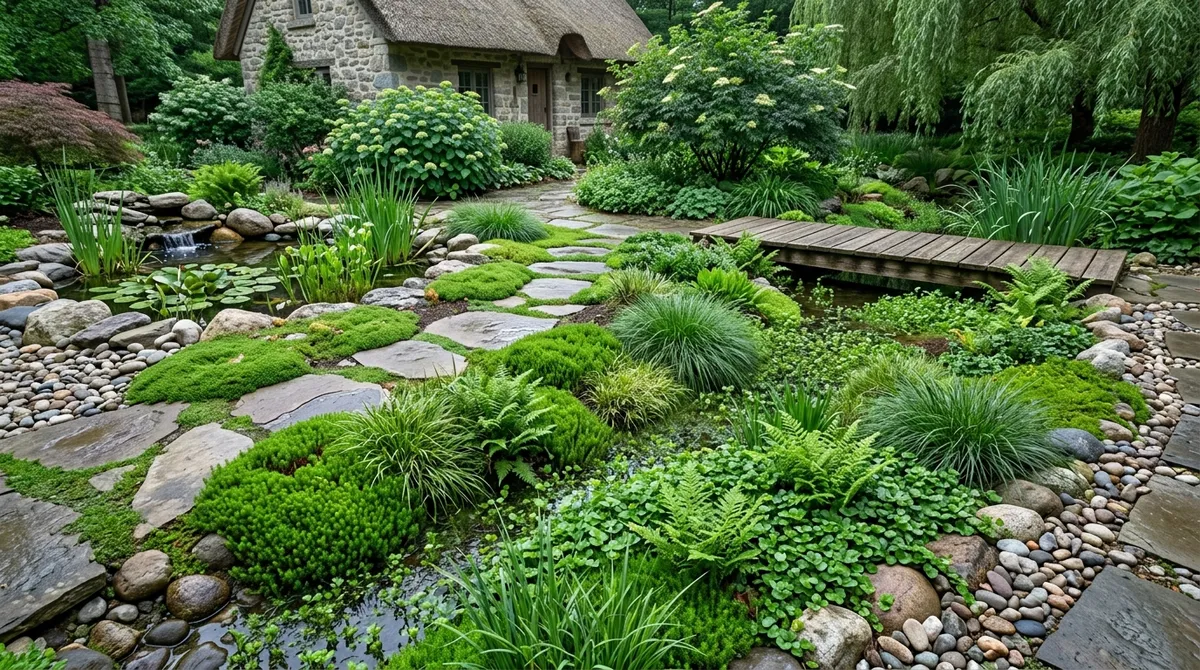
Top Grass Alternatives for Wet Backyards
Here’s a look at the most effective and attractive options for replacing grass in soggy, waterlogged areas. Each one thrives in moist conditions and offers low-maintenance beauty year after year.
1. Moss Ground Cover
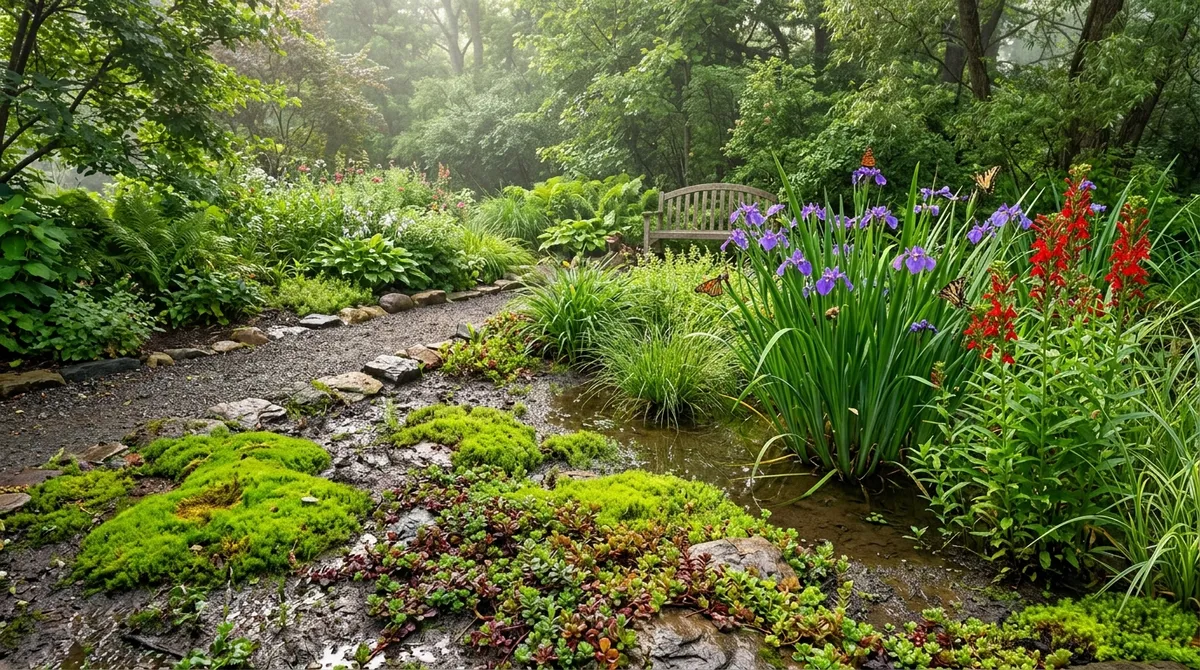
Moss is one of nature’s best solutions for shady, damp spaces where grass refuses to grow. It forms a dense, velvety carpet that stays green year-round with almost zero effort. Moss requires no mowing, no fertilizer, and very little attention once established. It also soaks up toxins from wet soils and helps prevent erosion, making it both functional and beautiful.
For Chicago homeowners with heavily shaded, consistently damp backyards, moss is a top-tier grass alternative. Sheet moss and cushion moss are two popular types that work especially well in our regional climate. You can explore how softscape planting services can help you establish a moss lawn that looks polished and intentional.
2. Sedges and Native Wetland Plants
Sedges look similar to grass but are far more tolerant of wet, poorly drained soil. They grow in clumps, spread gently over time, and require minimal upkeep. Native sedge varieties are also excellent for the environment, supporting local wildlife and pollinators. For Chicago-area yards, Pennsylvania sedge and tussock sedge are reliable performers.
You can also combine sedges with other native wetland plants like:
- Blue flag iris — stunning purple blooms in spring
- Cardinal flower — bright red spikes that attract hummingbirds
- Joe-pye weed — tall, fluffy pink blooms beloved by butterflies
- Marsh marigold — cheerful yellow flowers in early spring
- Wild blue indigo — deep violet blooms with a long season
These plants don’t just tolerate wet conditions — they love them. Partnering with organizations like Landscape Illinois can help you identify which native species are best suited to your specific region.
3. Rain Gardens
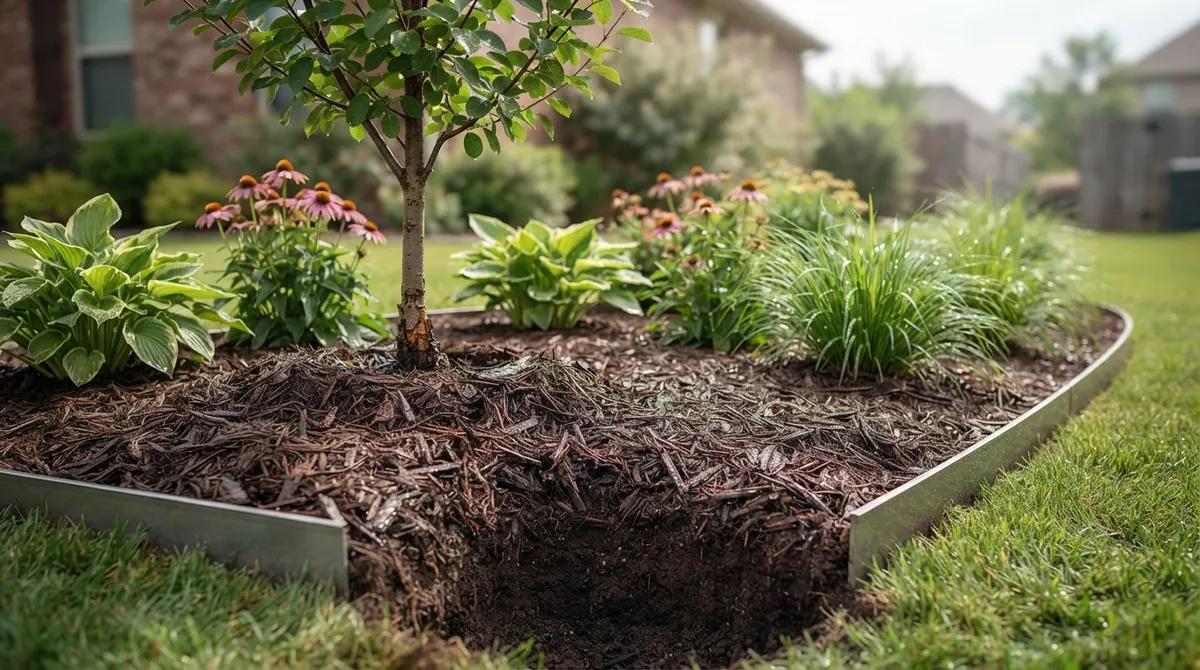
A rain garden is one of the most effective grass alternatives for wet backyards that experience regular flooding or runoff. It’s a shallow, planted depression that collects stormwater and allows it to slowly soak into the ground. Rain gardens reduce flooding, filter pollutants, and replace an eyesore with a gorgeous planted area.
Here’s how a basic rain garden installation works:
- Identify the lowest, wettest area of your backyard
- Dig a shallow basin (typically 6–12 inches deep)
- Amend the soil with compost and sand to improve drainage
- Plant native, moisture-tolerant species around the basin
- Add a layer of mulch to retain moisture and control weeds
- Direct downspout or surface runoff into the garden
Rain gardens can reduce the need for irrigation by up to 50% compared to traditional lawns — a meaningful saving in both water and money. If you’re ready to explore this option, our team at Serenity Landscape Group can provide a free estimate to design and install a rain garden tailored to your yard’s unique conditions.
4. Creeping Sedum
For sunny, sloped areas that stay moist, creeping sedum is a fantastic grass alternative. Varieties like golden carpet sedum (Sedum acre) and creeping red sedum spread quickly, tolerate light foot traffic, and smother weeds without much help from you. They’re drought-resistant once established but also adapt well to moist conditions — a rare combination.
Even better? Sedum can fill in a 1,000-square-foot backyard within two months when planted from divisions, without the need for fertilizer or costly inputs. That’s a fast, budget-friendly transformation for challenging slope areas.
5. Microclover
Microclover is a smaller, more refined version of white clover that blends beautifully with existing turf or works as a standalone ground cover. It’s naturally weed-resistant, self-repairing, and thrives in variable moisture — including partial shade and wet conditions. Microclover also fixes nitrogen from the air, enriching your soil naturally without fertilizers.
It’s an especially smart choice for Chicago suburban homeowners who want to maintain a lawn-like look while reducing mowing, watering, and chemical inputs.
6. Ornamental Grasses
Ornamental grasses add dramatic texture, movement, and height to wet landscape areas. Several varieties adapt beautifully to moist conditions, including:
- Liriope (lilyturf) — compact, shade-tolerant border grass
- Pink muhly grass — feathery pink plumes in late summer
- Switch grass — native, upright, handles wet and dry cycles
- Japanese forest grass — bright golden foliage for shady spots
These plants provide year-round visual interest, require minimal care, and create a naturalistic look that feels intentional and designed. Check out our gallery of our work to see how ornamental grasses have transformed real Chicago-area landscapes.
7. Native Wild Strawberry
Native wild strawberry is a soft, spreading ground cover that works beautifully in hard-to-maintain moist patches. It grows low to the ground, produces small white flowers in spring, and spreads naturally over time. It’s also edible — a fun bonus for families with kids. Use it as a living mulch in wet garden beds or as a filler beneath trees.
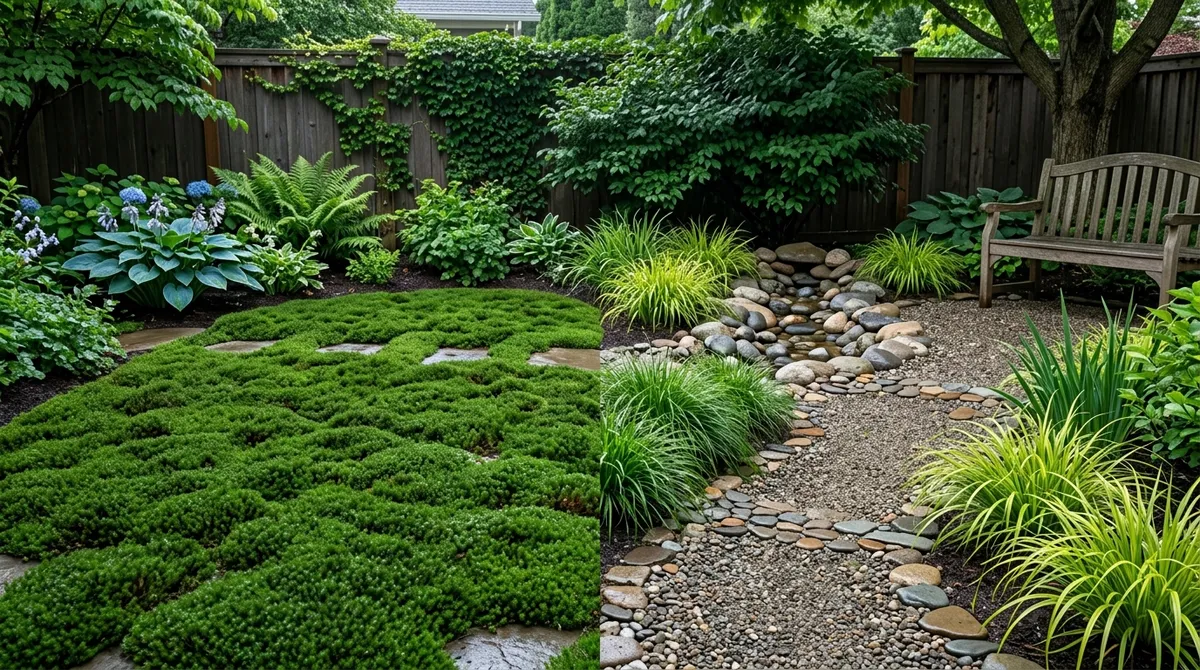
Comparison: Grass Alternatives for Wet Backyards
Not sure which option fits your yard? Here’s a quick side-by-side breakdown to help you decide:
| Ground Cover Option | Best Conditions | Foot Traffic | Maintenance Level | Visual Appeal |
|---|---|---|---|---|
| Moss | Shady, consistently wet | Low | Very Low | Lush, green carpet |
| Sedges | Wet to moist, sun or shade | Low–Medium | Low | Natural, grass-like |
| Rain Garden | Low-lying, high runoff areas | None | Low | Colorful, naturalistic |
| Creeping Sedum | Sunny slopes, moist soil | Medium | Very Low | Colorful, spreading |
| Microclover | Variable moisture, partial shade | Medium–High | Low | Lawn-like, tidy |
| Ornamental Grasses | Sun to part shade, wet cycles | Low | Low | Dramatic, textured |
| Wild Strawberry | Moist patches, sun or shade | Low | Very Low | Soft, cottage-style |
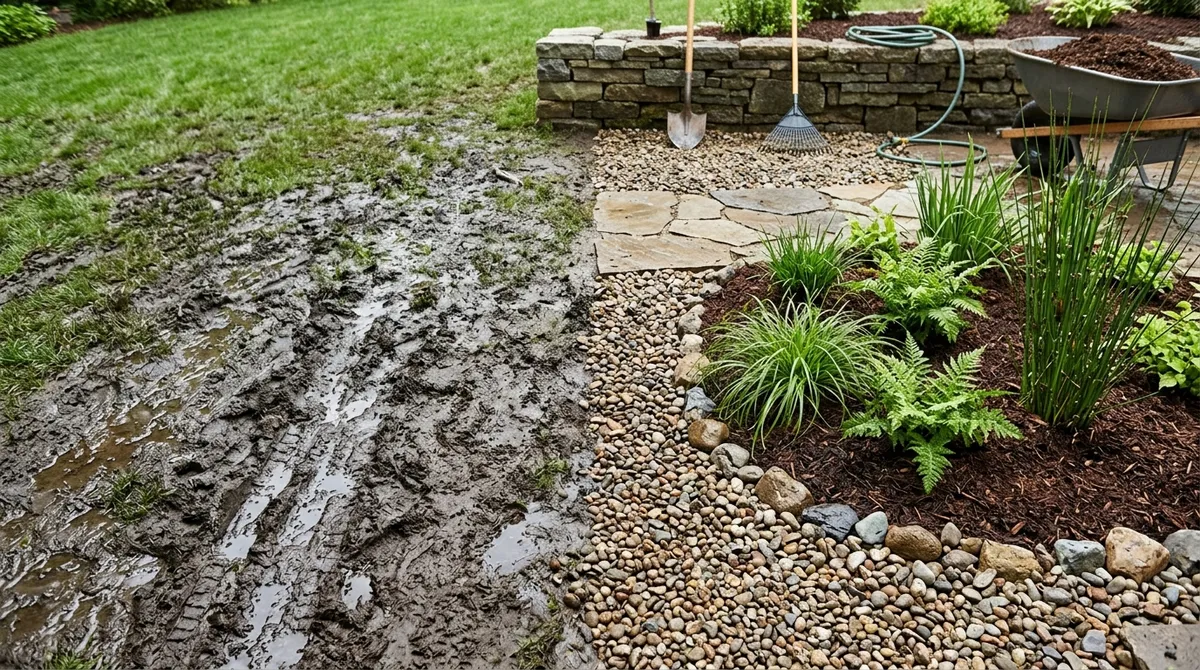
How to Convert a Muddy Lawn to a Low-Maintenance Alternative
Making the switch from traditional grass to a grass alternative for wet backyards is easier than you might think. Follow these steps to get started:
- Assess your yard: Identify which areas stay wet longest and note how much sun they receive.
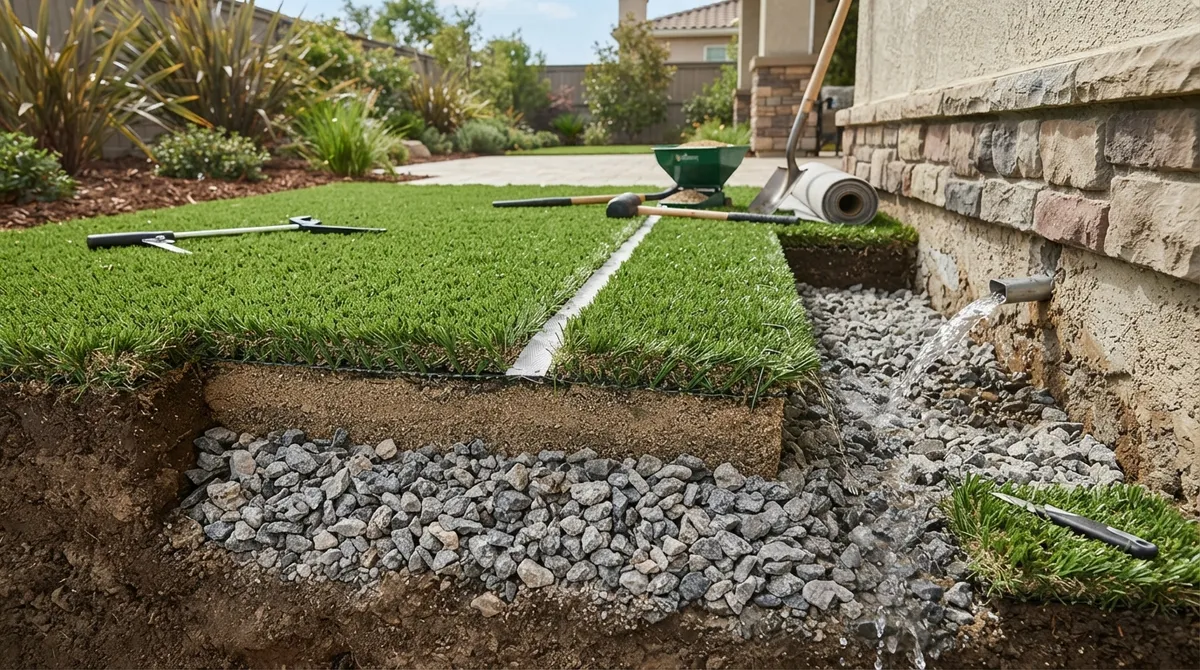
- Improve drainage where needed: In some cases, grading or adding a French drain can help before planting. Our retaining wall services can also help redirect water flow effectively.
- Remove existing grass: Smother with cardboard and mulch, or use a sod cutter for larger areas.
- Amend the soil: Add compost to improve structure and support new plantings.
- Plant your chosen alternative: Follow spacing guidelines for your selected species to allow proper fill-in.
- Mulch generously: A 2–3 inch layer of mulch keeps weeds down and moisture in while plants establish.
- Water during establishment: Even moisture-loving plants need consistent watering during their first growing season.
For larger projects or complex drainage issues, working with a professional landscaper makes a big difference. The team at Serenity Landscape Group has over two decades of experience helping Chicago-area homeowners solve exactly these kinds of challenges. You can learn more about our process to see how we guide projects from design to final installation.
Pairing Ground Covers with Hardscaping Features
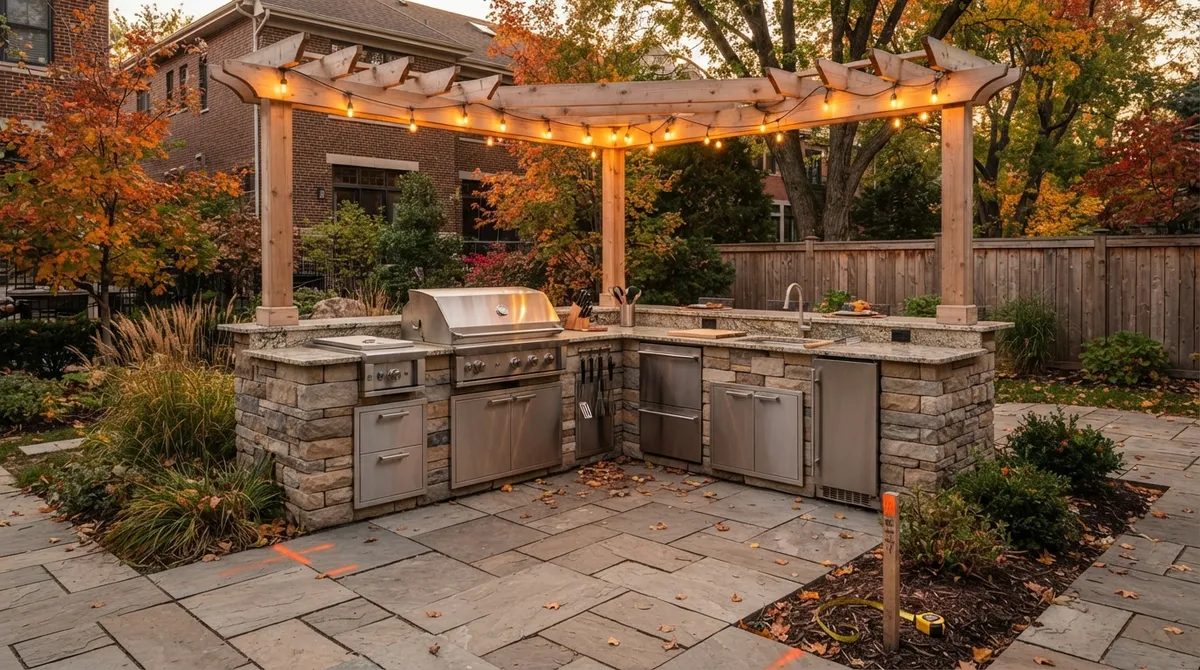
One of the smartest things you can do with a wet backyard is combine living ground covers with strategic hardscaping. Pavers, paths, and retaining walls help manage water flow while giving you usable outdoor space. A rain garden planted beside a paver patio, for example, is both beautiful and functional.
Consider these winning combinations:
- Moss or sedge + stepping stone path for a naturalistic garden walk
- Native plants + retaining walls to manage sloped, wet terrain
- Ornamental grasses + paver patio for a structured, low-maintenance backyard
- Rain garden + landscape lighting to highlight the space at night
- Microclover lawn + fire pit area for a cozy backyard gathering spot
If you’re curious about what’s possible, browse the gallery of our work for inspiration. You can also explore how to create a landscape design that transforms your space for more design ideas.
Benefits of Choosing a Grass Alternative for Wet Backyards
Still on the fence? Here are some compelling reasons to make the switch:
- Less mowing: Most ground covers require little to no mowing
- Lower water bills: Many alternatives use up to 50% less water than traditional lawns
- Better for the environment: Native plants support pollinators and improve local ecosystems
- Fewer chemicals: Ground covers naturally outcompete weeds, reducing herbicide needs
- Erosion control: Dense plantings hold soil in place better than thin, struggling turf
- Higher curb appeal: A well-designed alternative landscape looks intentional and beautiful
- Stormwater management: Rain gardens and native plants filter pollutants and reduce runoff
According to ICPI Certified Installer guidelines, thoughtful hardscape and softscape integration also increases property values while managing drainage challenges long-term. That’s a win all around.
Is Artificial Turf an Option for Wet Backyards?
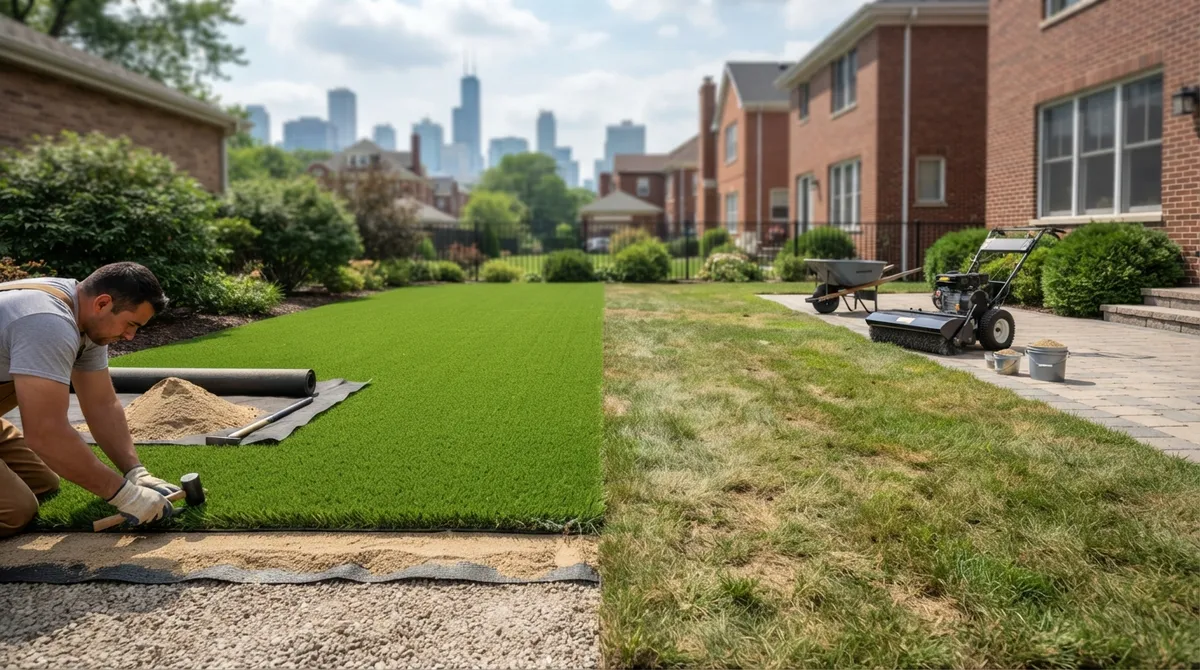
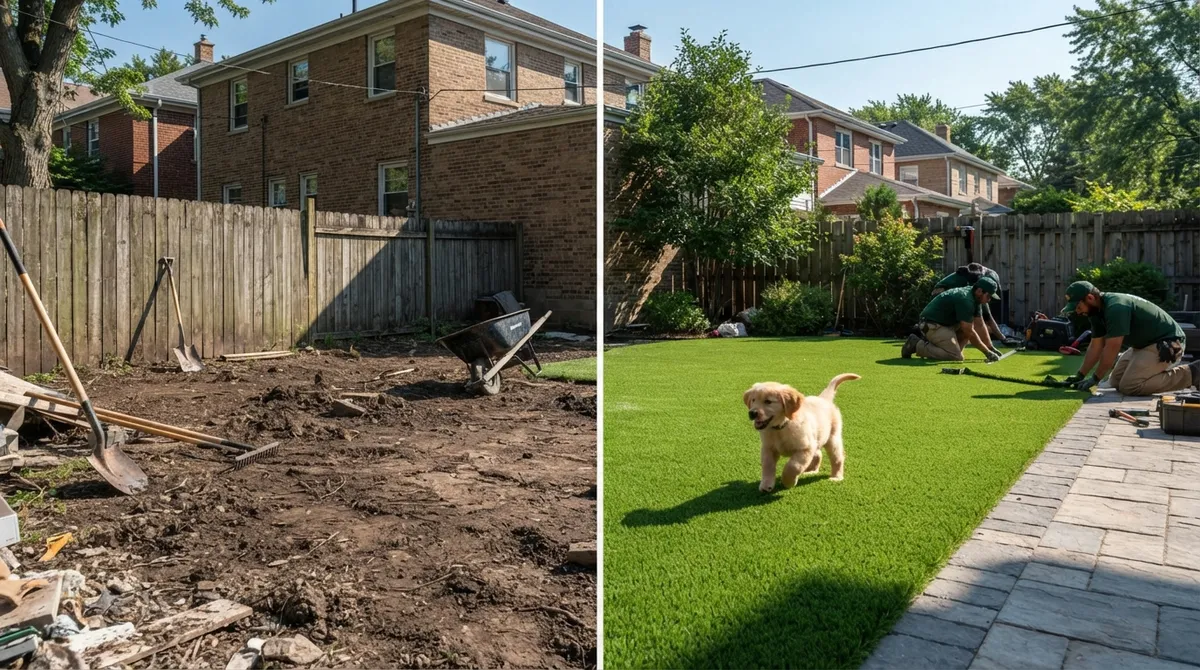
For some homeowners, especially those with pets or children who need a functional grass-like surface, artificial turf installation is worth considering. Modern artificial turf drains quickly and stays green year-round without any of the maintenance headaches of natural grass. It won’t drown in a soggy yard, and it holds up beautifully through Chicago’s tough winters.
It’s not the right fit for every yard — but for high-traffic areas where you truly want that lawn look without the struggle, it’s a viable and durable solution.
Your Wet Backyard Deserves Better
A perpetually soggy backyard doesn’t have to stay that way. Whether you’re drawn to the peaceful simplicity of a moss garden, the ecological beauty of a rain garden, or the dramatic texture of ornamental grasses, there’s a perfect grass alternative for wet backyards waiting to transform your outdoor space.
The key is choosing the right plants for your specific conditions — and having a team with the expertise to install them properly. With over 20 years of experience transforming challenging Chicago-area landscapes, Serenity Landscape Group is here to help you every step of the way. Request your free landscape estimate today and let’s turn your soggy backyard into something truly beautiful.
FAQs
Q: What is the best moss type for a shady, wet backyard?
A: Sheet moss and cushion moss are both wonderful choices for shady, consistently damp backyards — especially here in the Chicago area! They form a dense, soft carpet that requires no mowing and stays green year-round. Once established, they’re incredibly easy to care for and look absolutely beautiful.
Q: Can I install a rain garden myself, or do I need a professional?
A: Small rain gardens can be a fun DIY project if you’re comfortable with basic digging and planting! That said, for larger yards or areas with complex drainage challenges, a professional landscaper can make sure the site is graded correctly and the right native plants are chosen for your specific conditions. Getting it right the first time saves a lot of headaches down the road.
Q: Are there any walkable ground covers that can handle moist soil?
A: Absolutely! Microclover and creeping sedum are two great options that tolerate light to moderate foot traffic while thriving in moist soil conditions. They spread naturally over time, keep weeds at bay, and look great without requiring much maintenance — a real win for busy homeowners.
Q: How much maintenance do sedges need compared to traditional grass?
A: Sedges are wonderfully low-maintenance compared to traditional grass — no regular mowing required, and they rarely need fertilizing or irrigation once established. They’re naturally adapted to moist conditions, which means they practically take care of themselves in a wet backyard. You’ll spend far less time working in your yard and more time enjoying it!
Q: How long does it take for grass alternatives to fill in a wet backyard?
A: It depends on the plant, but many ground covers establish surprisingly quickly! Creeping sedum, for example, can fill in a 1,000-square-foot area within about two months when planted from divisions. Moss and microclover also spread steadily within one growing season, giving you a lush, finished look faster than you might expect.