Key Takeaways
-
Create a written maintenance schedule that covers spring cleanups to winter snow removal to prevent missed tasks and budget accurately year-round, rather than managing maintenance reactively.
-
Implement consistent lawn care cycles with proper mowing height, edging, and seasonal fertilization during peak growing season to maintain professional appearance and prevent rapid deterioration.
-
Schedule regular irrigation system checks in spring and fall to catch leaks and misaligned heads before they waste water and money, and plan winter services early to ensure snow and ice management readiness.
-
Partner with a commercial landscaping provider experienced with multi-tenant properties who carries liability insurance and demonstrates quick response times, rather than hiring residential-focused contractors.
If you manage an office park, retail center, or HOA in the Chicago suburbs, you already know the truth: your parking lot and lawn are the first handshake your business gives every visitor. A patchy lawn or overgrown bed can quietly chase away tenants, customers, and even top job candidates. That’s why smart commercial property maintenance isn’t just a nice-to-have anymore. It’s a real business investment, and we’re here to walk you through exactly how to get it right.
At Serenity Landscape Group, we’ve spent over two decades caring for outdoor spaces across greater Chicago, and we’ve seen firsthand how a well-maintained landscape can transform how people feel about a property. Whether you’re overseeing a busy retail plaza or a quiet office campus, this guide breaks down the ten essentials that keep commercial grounds looking sharp all year long. Let’s dig in.
1. Start With a Written Maintenance Schedule
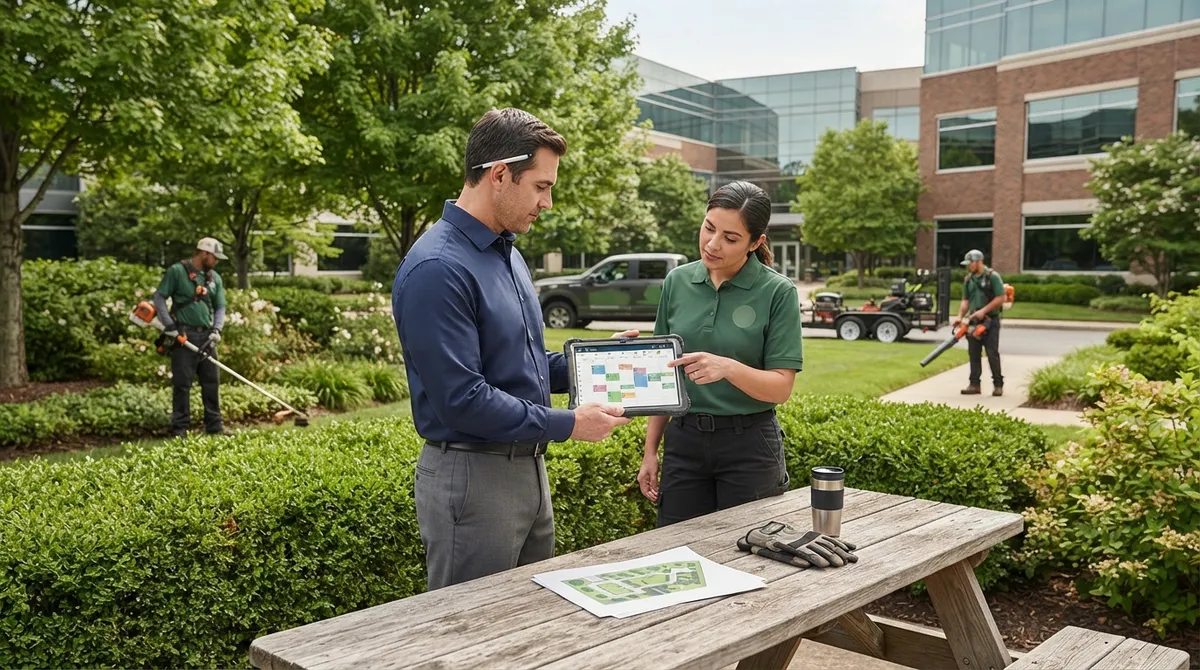
The best commercial landscapes aren’t maintained by accident. They follow a clear, written plan that spells out exactly what happens and when. A good schedule covers everything from spring cleanups to winter snow removal, so nothing falls through the cracks.
Without a schedule, tasks get missed, and small problems turn into expensive fixes. A written plan also helps property managers budget accurately for the whole year. If you’re not sure where to start, our team can walk you through our proven process for building a maintenance calendar that fits your property.
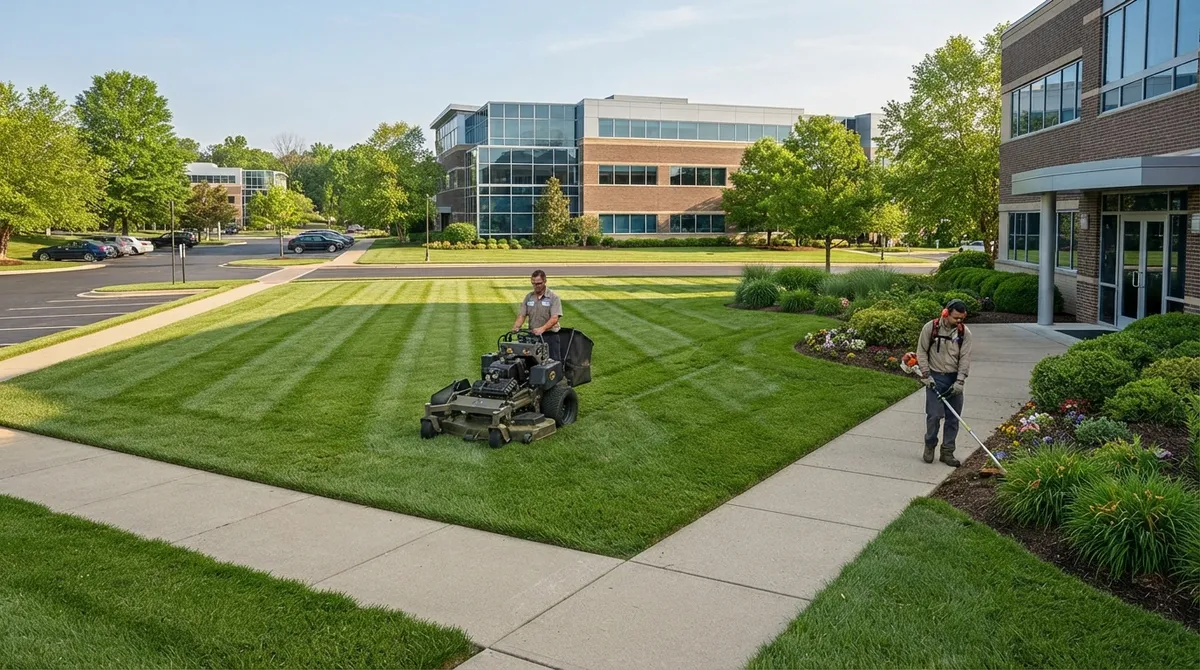
2. Keep Lawns Mowed, Edged, and Fed on a Consistent Cycle
Healthy turf is the backbone of any commercial landscape. Regular mowing at the right height, sharp edging along walkways, and seasonal fertilization keep grass thick and green.
Skipping even one or two cycles during peak growing season can leave lawns looking ragged fast. Consistency matters more than intensity here. Our commercial lawn maintenance team follows a strict rotation so your property never looks neglected, even during the busiest summer weeks.
Why Cycle Timing Matters
Mowing too short stresses grass roots, while letting it grow too long invites weeds and pests. A trained crew knows the right height for each season and adjusts accordingly.
3. Don’t Ignore Garden Beds and Shrubs
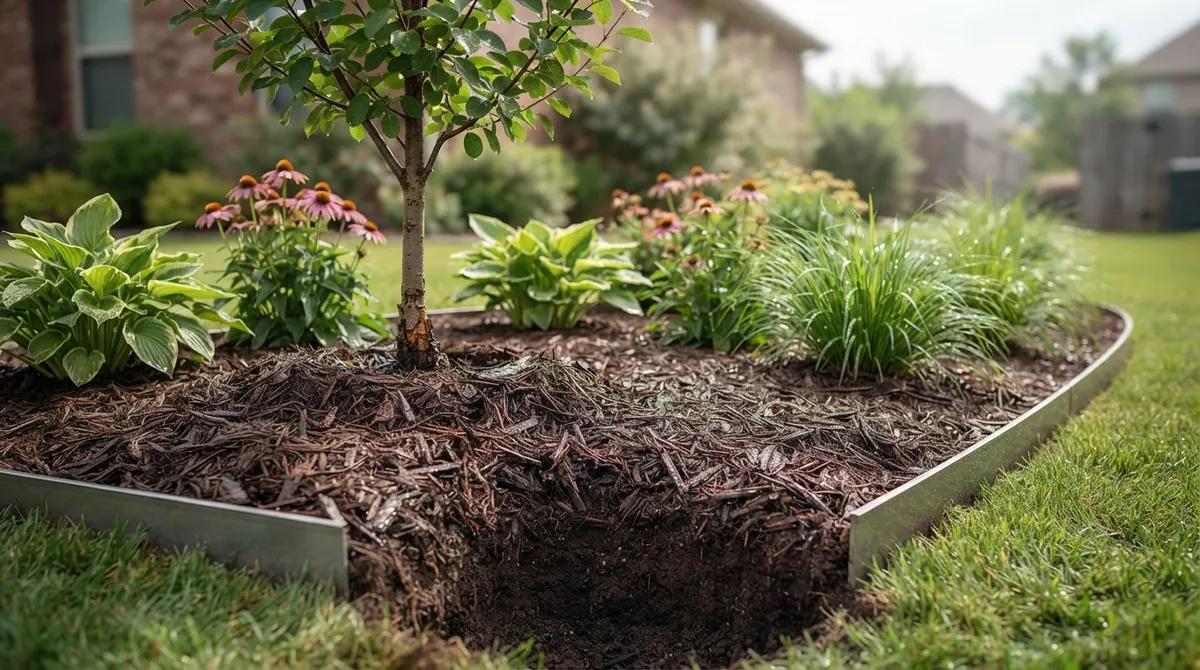
Overgrown shrubs and weedy beds make a property look tired, even if the lawn is perfect. Trimming, mulching, and weeding on a regular basis keeps beds crisp and professional.
Mulch also helps retain moisture and suppress weeds, cutting down on future maintenance costs. Fresh softscapes near entrances create a warm, welcoming first impression for tenants and shoppers alike. Explore our softscapes options if your beds need a refresh this season.
4. Check Irrigation Systems Before They Fail
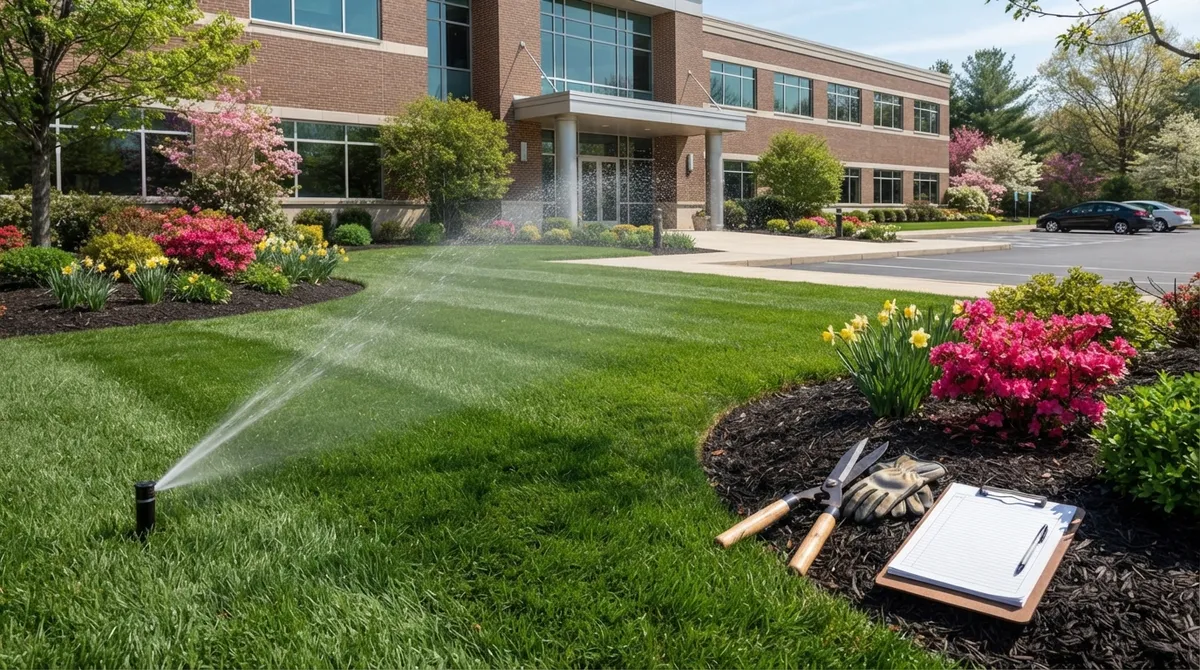
Nothing wastes money faster than a broken sprinkler head running all night. Regular irrigation checks catch leaks, clogs, and misaligned heads before they become big problems.
A well-tuned irrigation system also saves water, which matters for both your budget and the environment. Most commercial properties benefit from a spring startup check and a fall shutdown to protect pipes from freezing.
5. Plan for Seasonal Cleanups
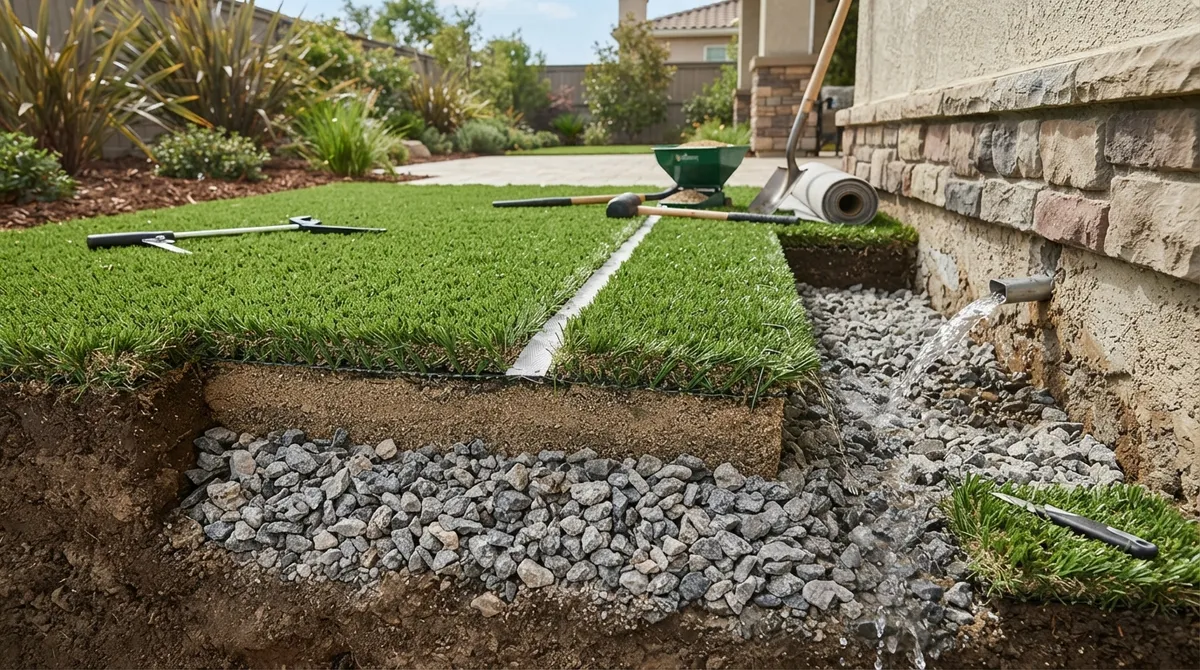
Spring and fall cleanups keep leaves, debris, and dead plant material from piling up. These deep cleans also give your crew a chance to spot issues like drainage problems or dying trees early.
Here’s a simple breakdown of what seasonal cleanups typically involve:
- Removing fallen leaves and branches from lawns and beds
- Cutting back perennials and dead growth
- Inspecting hardscapes for cracks or shifting
- Refreshing mulch layers in garden beds
- Clearing storm drains and catch basins of debris
Skipping cleanups doesn’t just look bad. It can actually damage plants and hardscapes over time, leading to costlier repairs down the road.
6. Take Winter Services Seriously
Chicago winters are no joke, and a slippery parking lot can lead to real liability issues. Snow plowing, salting, and ice management are just as important as summer lawn care.
A property manager who waits until the first snowfall to find a vendor is already behind. Lock in your winter service plan early in the fall so your crew is ready before the first flakes hit.
Common Winter Maintenance Tasks
- Snow plowing for parking lots and drive lanes
- Sidewalk shoveling and de-icing for pedestrian safety
- Salt application on high-traffic entry points
- Monitoring for ice dams near gutters and downspouts
- Emergency response plans for major storms
7. Invest in Hardscape Upkeep
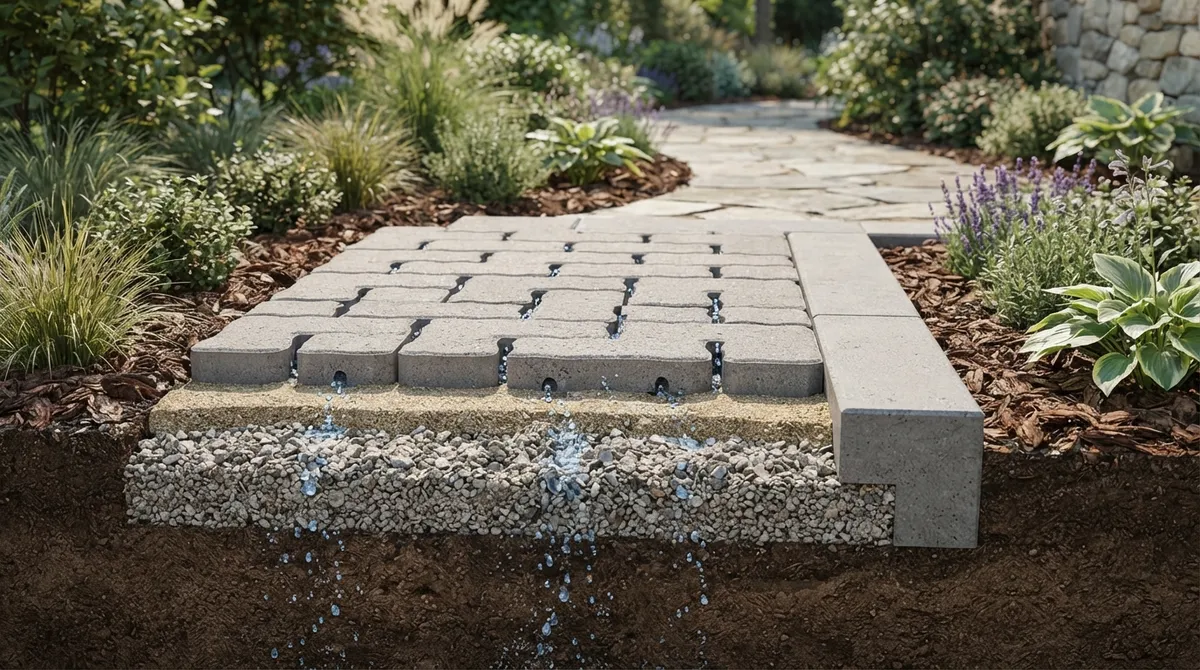
Pavers, retaining walls, and walkways take a beating from weather and foot traffic. Regular inspections catch cracked pavers, shifting walls, or drainage issues before they turn into safety hazards.
Well-maintained hardscapes also boost curb appeal and can even reduce liability from trip-and-fall claims. If your property’s pavers or retaining walls are showing wear, it’s smart to address them before they get worse. Working with an ICPI Certified Installer ensures repairs meet industry standards.
8. Add Lighting for Safety and Style
Good lighting does double duty: it keeps walkways safe after dark and makes your property look polished at night. Well-lit entrances and parking areas also help tenants and customers feel secure.
Many property managers overlook lighting maintenance until bulbs burn out or fixtures fail. Regular checks keep everything glowing and functional. Take a look at our lighting and sound services if your property could use an upgrade.
9. Consider Low-Maintenance Upgrades
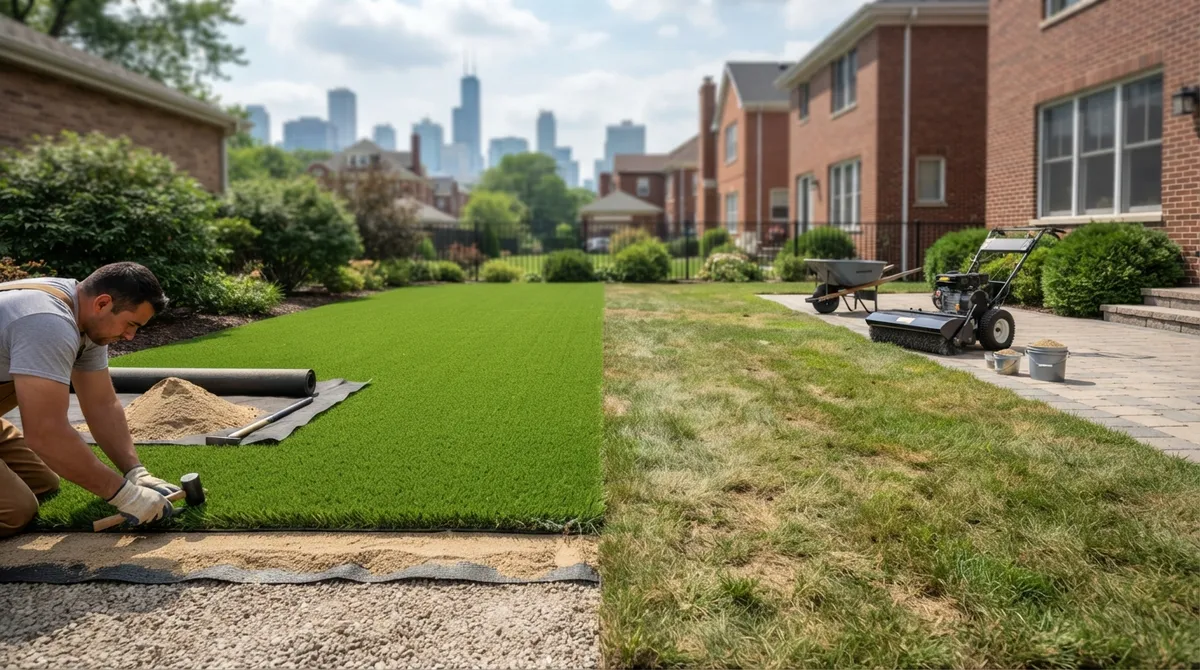
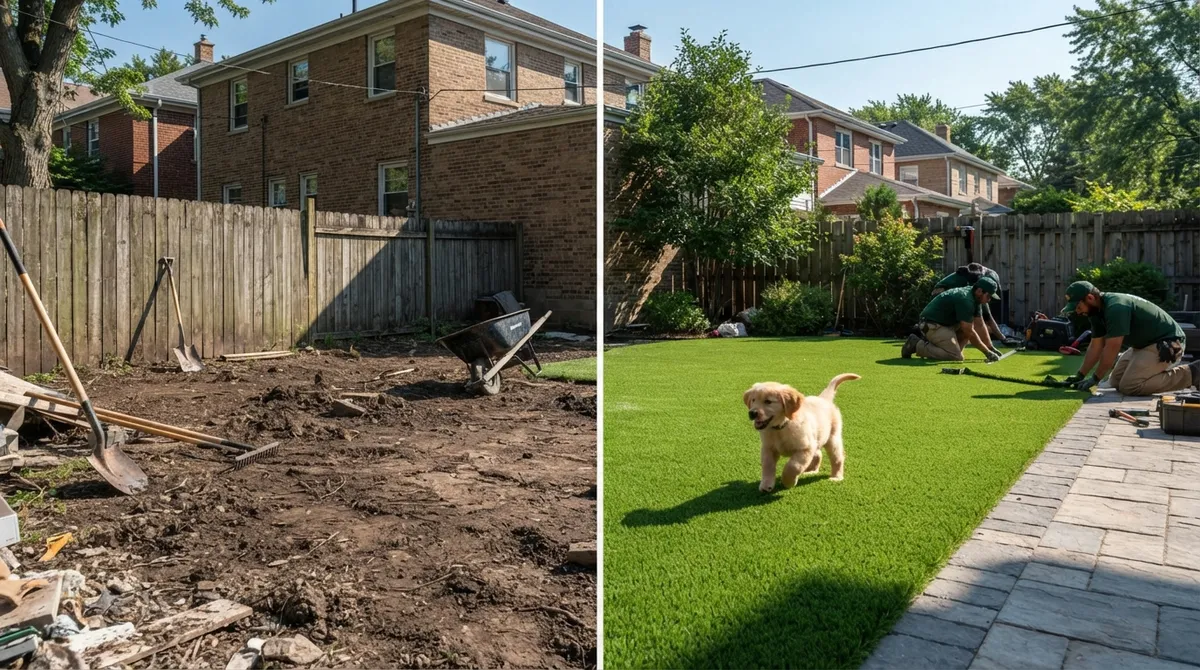
Some commercial properties are switching to synthetic turf or drought-tolerant plantings to cut down on ongoing maintenance costs. These upgrades can significantly reduce water use and labor hours over time.
Here’s a quick comparison of traditional versus low-maintenance landscape options:
| Feature | Traditional Turf | Synthetic Turf |
|---|---|---|
| Watering Needed | Weekly (in season) | None |
| Mowing Required | Weekly | Never |
| Appearance Year-Round | Varies by season | Consistent |
| Upfront Cost | Lower | Higher |
| Long-Term Maintenance Cost | Higher | Lower |
Our artificial turf installation team can help you weigh whether this switch makes sense for your specific property and budget.
10. Partner With a Team That Understands Commercial Properties
Not every landscaping company understands the unique demands of commercial sites. Multi-tenant properties, HOAs, and retail centers need crews who show up on schedule, communicate clearly, and handle liability with care.
Look for a provider with real commercial experience, not just residential know-how. Ask about their process, their crew training, and how they handle emergencies like storm damage or equipment failure.
Questions to Ask Before Hiring
- How many commercial properties do you currently service?
- What is your response time for urgent issues like storm cleanup?
- Do you carry commercial liability insurance?
- Can you provide references from similar properties?
- What does your seasonal transition plan look like?
Choosing the right partner can be the difference between a property that just gets by and one that truly stands out. You can learn more about how to choose commercial landscaping services that deliver results before signing any contract.
The Real Cost of Skipping Maintenance
Property managers sometimes try to cut corners on landscaping to save money short-term. But neglected grounds often lead to bigger costs later, from emergency tree removal to slip-and-fall lawsuits.
According to the Landscape Illinois industry association, well-maintained commercial landscapes consistently outperform neglected ones in tenant retention and property value. A little consistent care goes a long way toward protecting your investment.
Consider these hidden costs of deferred maintenance:
- Higher repair bills when small issues become major problems
- Increased liability risk from cracked walkways or icy surfaces
- Lower tenant satisfaction and higher turnover rates
- Reduced curb appeal that hurts leasing and sales efforts
- Emergency service fees that cost more than routine care
Building Outdoor Spaces People Actually Enjoy
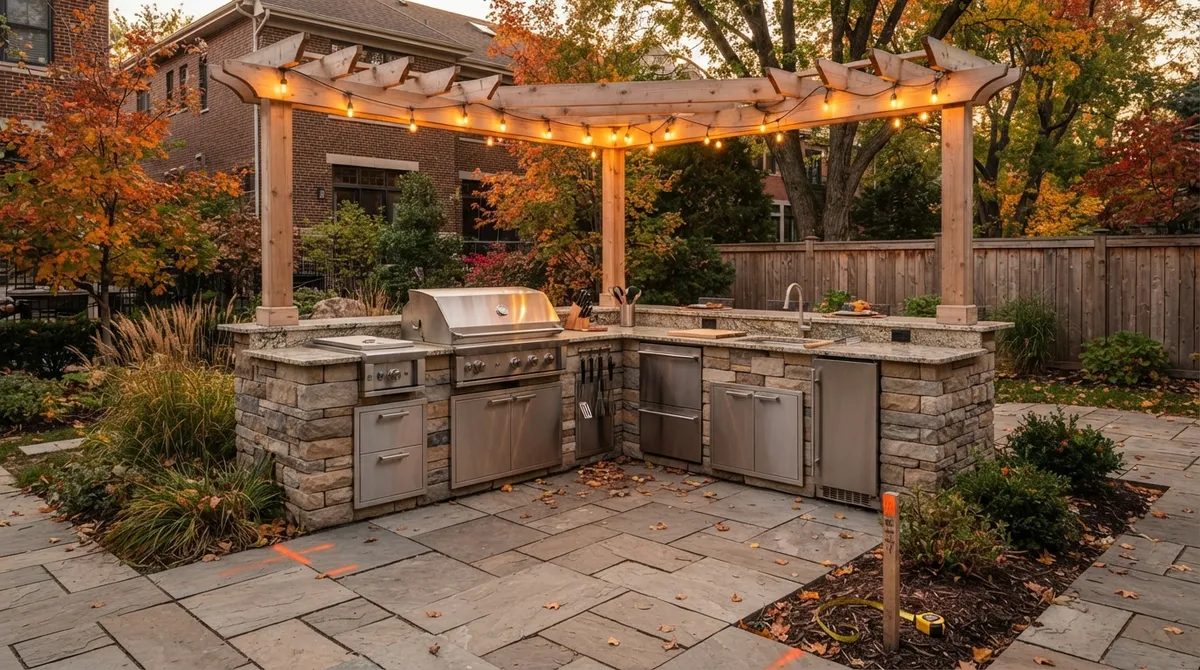
Great commercial maintenance isn’t only about keeping things tidy. It’s about creating outdoor spaces that employees and customers genuinely want to spend time in. Think shaded seating areas, a cozy fire pit gathering spot, or a shaded pergola near an office breakroom.
These small touches turn a plain property into a place people remember. Many of our commercial clients tell us their upgraded outdoor spaces have become a real selling point for attracting tenants and customers. You can browse our gallery of completed projects for inspiration on what’s possible.
Wrapping It All Up
Commercial property maintenance is about so much more than mowing a lawn. It’s a year-round commitment that protects your property’s value, keeps visitors safe, and makes a lasting first impression. From lawn care and irrigation checks to snow removal and hardscape repairs, every detail adds up to a property people trust and enjoy.
We know Chicago’s weather can be unpredictable, but your maintenance plan doesn’t have to be. If you’re ready to give your commercial property the care it deserves, we’d love to help. Get a Free Estimate today, or feel free to call us at (630) 359-5139 to talk through your property’s specific needs. Your grounds deserve a team that treats them like our own.
FAQs
Q: What does commercial property maintenance usually include?
A: It typically covers mowing, edging, bed care, fertilization, irrigation checks, seasonal cleanups, and winter snow and ice removal. Basically, it’s everything that keeps your outdoor space looking sharp and safe year-round. A good provider will tailor the exact mix to your property’s needs.
Q: How often should commercial landscaping be serviced?
A: Most commercial properties need weekly lawn care during growing season, with seasonal cleanups in spring and fall. Winter service kicks in as needed based on snowfall. We always say consistency beats frequency, so a steady schedule works better than sporadic visits.
Q: Why is commercial property maintenance important for businesses?
A: First impressions matter, and a well-kept property tells visitors you care about quality. It also protects your investment by catching small issues before they become expensive repairs. Plus, safe, attractive grounds help with tenant retention and customer satisfaction.
Q: Can low-maintenance landscaping options save money long-term?
A: Absolutely! Options like synthetic turf or drought-tolerant plants can cut down on watering, mowing, and labor costs significantly over time. While the upfront investment is higher, many property managers see real savings within a few years.
Q: What should I look for when hiring a commercial maintenance provider?
A: Look for real commercial experience, proper insurance, quick response times, and clear communication. It also helps to ask for references from similar properties they’ve serviced. A trustworthy provider will happily answer all your questions upfront.