Key Takeaways
-
Choose native plants that thrive in Chicago’s climate, supporting local ecosystems and reducing maintenance needs.
-
Create landscape layers using trees, shrubs, and ground covers to add depth and visual interest throughout seasons.
-
Balance hardscape and softscape elements with a 60/40 ratio to create functional and visually appealing outdoor spaces.
-
Select plants with staggered bloom times to ensure color and interest from early spring through late fall.
-
Consider plant mature sizes and growth habits to prevent overcrowding and maintain landscape design integrity.
-
Prioritize plant placement based on sun exposure, soil conditions, and specific microclimates on your property.
-
Invest in trees as long-term landscape anchors that provide shade, privacy, and potential energy savings.
Have you ever walked through a garden and felt instantly at peace? That calming sensation isn’t just in your head—it’s the magic of well-designed softscapes at work. While many property owners focus on building patios and walkways, the living elements of your landscape design create the warmth, color, and natural beauty that truly make outdoor spaces feel like home.
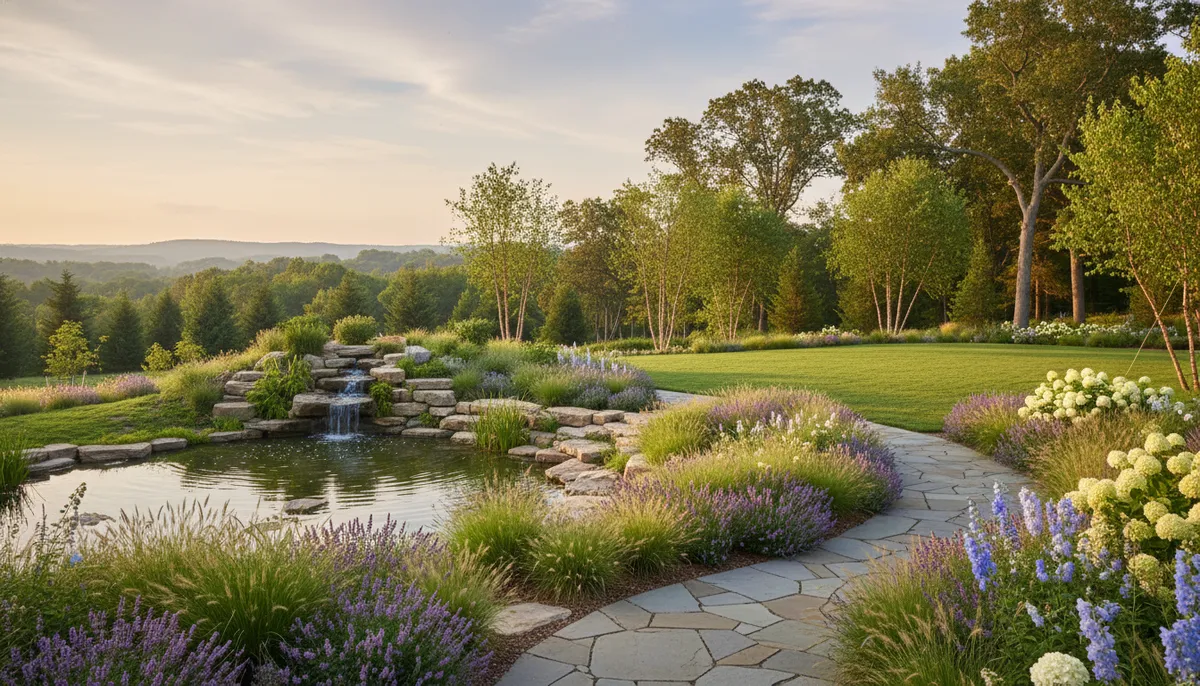
In 2026, homeowners and businesses throughout the Chicago area are discovering that the secret to stunning landscapes lies in understanding the difference between hardscapes and softscapes. Think of hardscapes as the bones of your outdoor space—the patios, walkways, and walls that provide structure. Softscapes, on the other hand, are the soul. They’re the trees that provide shade on hot summer days, the flowers that greet you with seasonal color, and the grass that cushions your feet as you walk barefoot through your yard.
This comprehensive guide will walk you through everything you need to know about designing, selecting, and maintaining softscape elements that will elevate your property’s beauty and functionality. Whether you’re starting from scratch or refreshing an existing landscape, you’ll learn how to create outdoor spaces that not only look amazing but also support local wildlife, improve your property value, and bring you joy every time you step outside.
Understanding What Softscapes Really Are
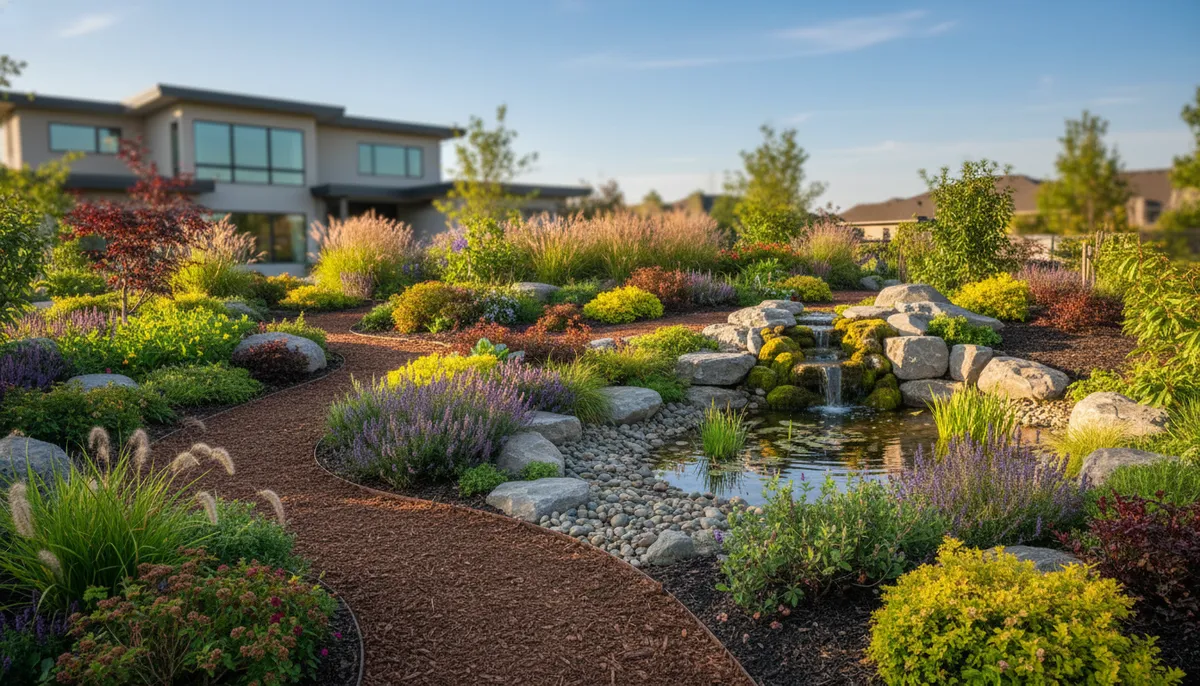
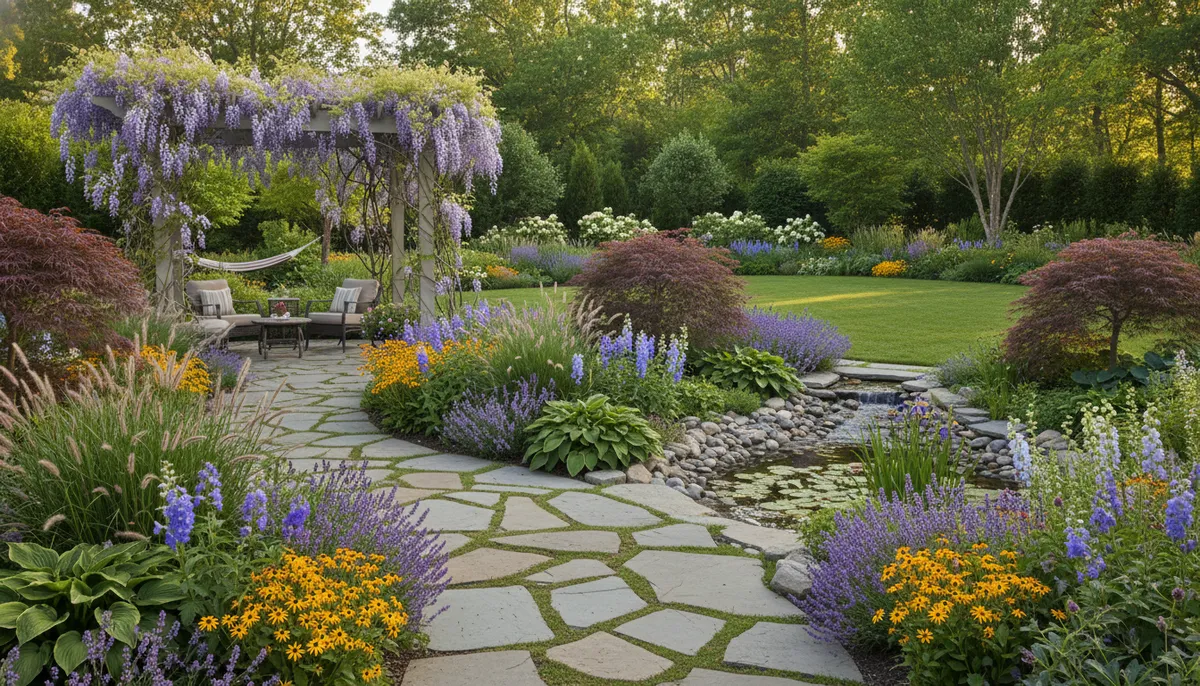
Softscapes encompass all the living, breathing components of your landscape design. Unlike permanent structures, these elements grow, change with the seasons, and evolve over time. The beauty of softscapes is that they’re never static—they offer something new to appreciate throughout the year.
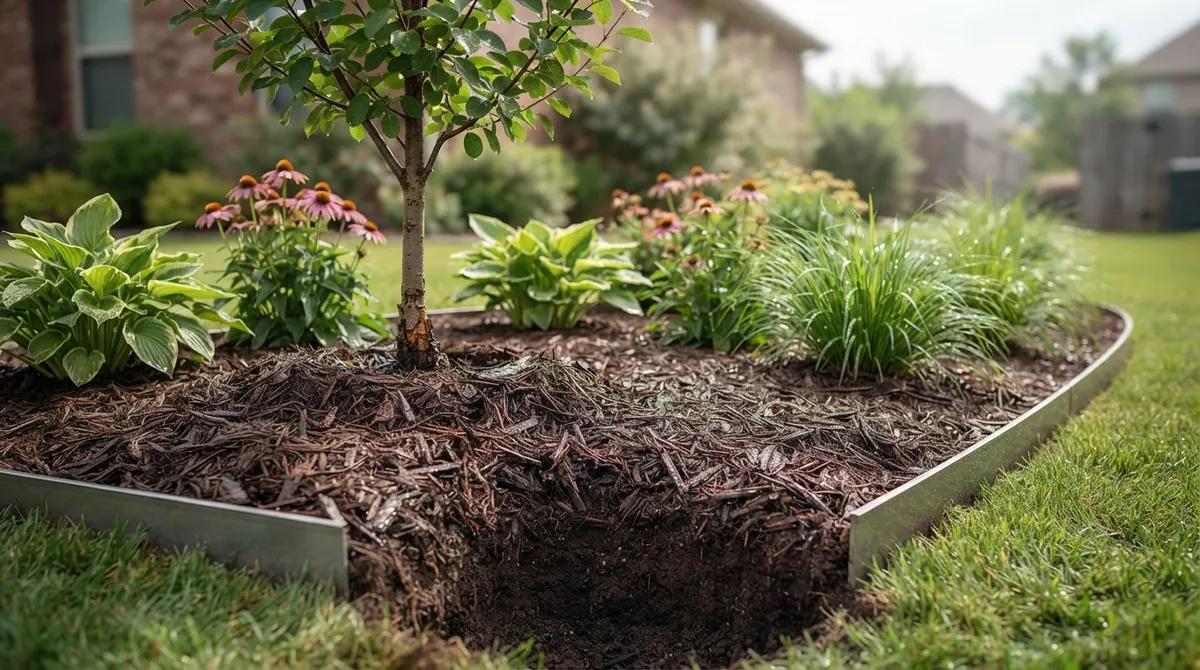
The main softscape elements include trees, shrubs, flowers, grasses, ground covers, soil, and mulch. Each of these components plays a specific role in creating a balanced, attractive outdoor environment. Trees provide vertical interest and shade, shrubs create privacy and structure, flowers add pops of color, and grasses offer texture and movement in the breeze.
What makes softscapes particularly special is their ability to transform completely from season to season. Spring bulbs give way to summer perennials, which transition into fall foliage displays, and even winter brings its own beauty with evergreens and interesting bark textures. This constant evolution keeps your landscape feeling fresh and engaging year-round.
The Essential Benefits of Quality Softscape Design
Beyond looking beautiful, well-planned softscapes deliver numerous practical and environmental benefits that enhance your property and quality of life. These living elements work hard behind the scenes to improve your outdoor environment in ways you might not immediately notice.
Aesthetic Appeal and Property Value
First and foremost, softscapes add softness, color, and tranquility to landscapes, balancing the rigidity of hardscape elements. A well-designed mix of plants creates visual interest through varying heights, textures, and colors that draw the eye and create focal points throughout your property.
Professional landscaping can increase your property value significantly. The right combination of mature trees, colorful flower beds, and healthy lawns creates powerful curb appeal that makes homes and businesses more attractive to visitors, customers, and potential buyers.
Environmental and Ecological Benefits
Softscapes support ecological balance by attracting pollinators like bees and butterflies, providing wildlife habitats, offering shade that reduces cooling costs, and preventing soil erosion on slopes and hillsides. These benefits become especially important in urban and suburban areas where natural habitats have been reduced.
In the Chicago area specifically, thoughtful softscape design helps manage stormwater runoff, reduces the urban heat island effect, and improves air quality. Native plants are particularly valuable because they’re adapted to local conditions and require less maintenance while supporting local ecosystems.
Key Softscape Elements to Include in Your Design
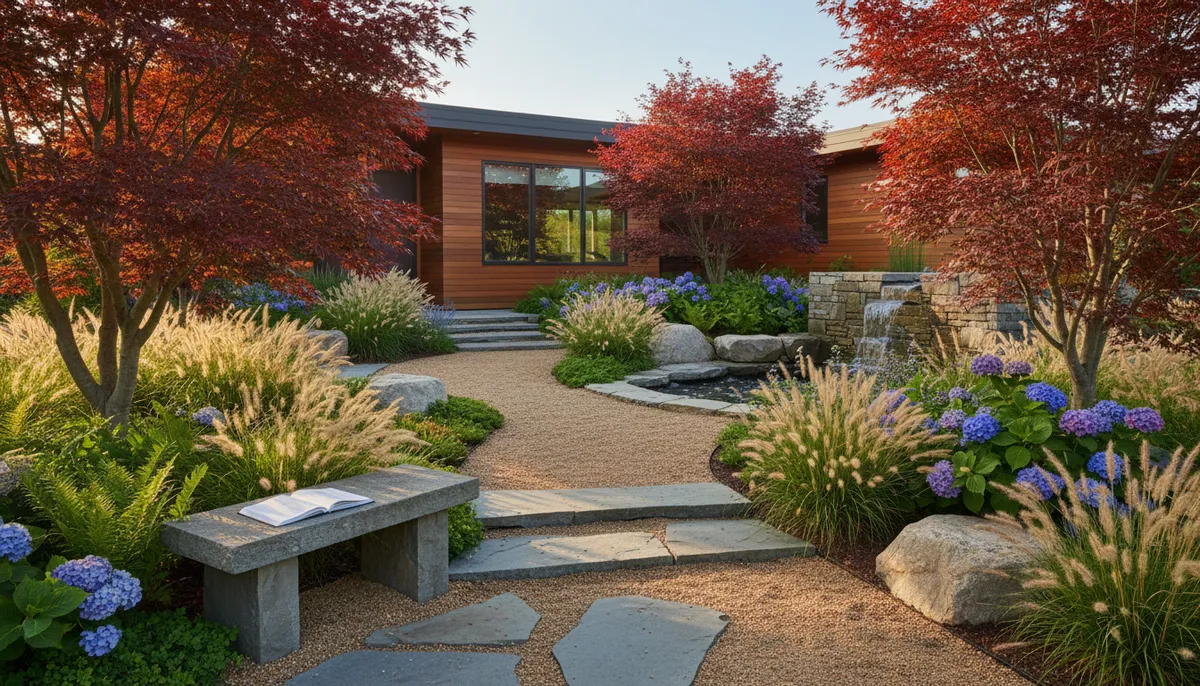
Creating a successful softscape involves understanding the different types of plants and materials available and how they work together. Each element serves a purpose, and the best designs incorporate variety while maintaining cohesion.
Trees: The Anchors of Your Landscape
Trees are often the most significant softscape investment you’ll make, and for good reason. They provide substantial benefits including shade, privacy, wind protection, and dramatic visual impact. Mature trees can reduce home cooling costs by up to 25% during summer months.
When selecting trees, consider both their mature size and seasonal characteristics. Deciduous trees offer summer shade while allowing winter sun through bare branches. Evergreens provide year-round screening and winter interest. Popular choices for the Chicago area include oak, maple, serviceberry, and various evergreen species that tolerate our climate.
Shrubs and Hedges
Shrubs bridge the gap between towering trees and low-growing flowers, creating the middle layer that gives landscapes depth and structure. They’re incredibly versatile, serving as foundation plantings, privacy screens, borders, and specimen plants.
Consider including a mix of flowering shrubs for seasonal color, evergreen varieties for year-round structure, and deciduous options that provide fall color. Lilacs, hydrangeas, boxwood, and spirea are all excellent choices that perform well in our climate.
Perennial and Annual Flowers
Flowers bring the color and seasonal excitement that make landscapes feel alive and welcoming. Perennials return year after year, becoming more established and robust over time. Annuals provide intense color for a single season and allow you to experiment with new looks each year.
The most successful flower gardens incorporate plants with staggered bloom times, ensuring color from early spring through late fall. Consider including early bloomers like crocuses and daffodils, summer stars like daylilies and coneflowers, and fall champions like asters and sedum.
Ornamental Grasses and Ground Covers
Ornamental grasses add texture, movement, and low-maintenance beauty to landscapes. They’re particularly valuable in 2026 as more property owners seek water-wise, sustainable landscaping options. These plants require minimal care once established and provide visual interest even in winter.
Ground covers serve as living mulch, suppressing weeds while adding visual appeal. They’re perfect for slopes, areas under trees where grass struggles, and as alternatives to traditional lawns. Options like creeping thyme, pachysandra, and sedum offer variety in texture, height, and flowering characteristics.
How to Balance Softscapes with Hardscapes
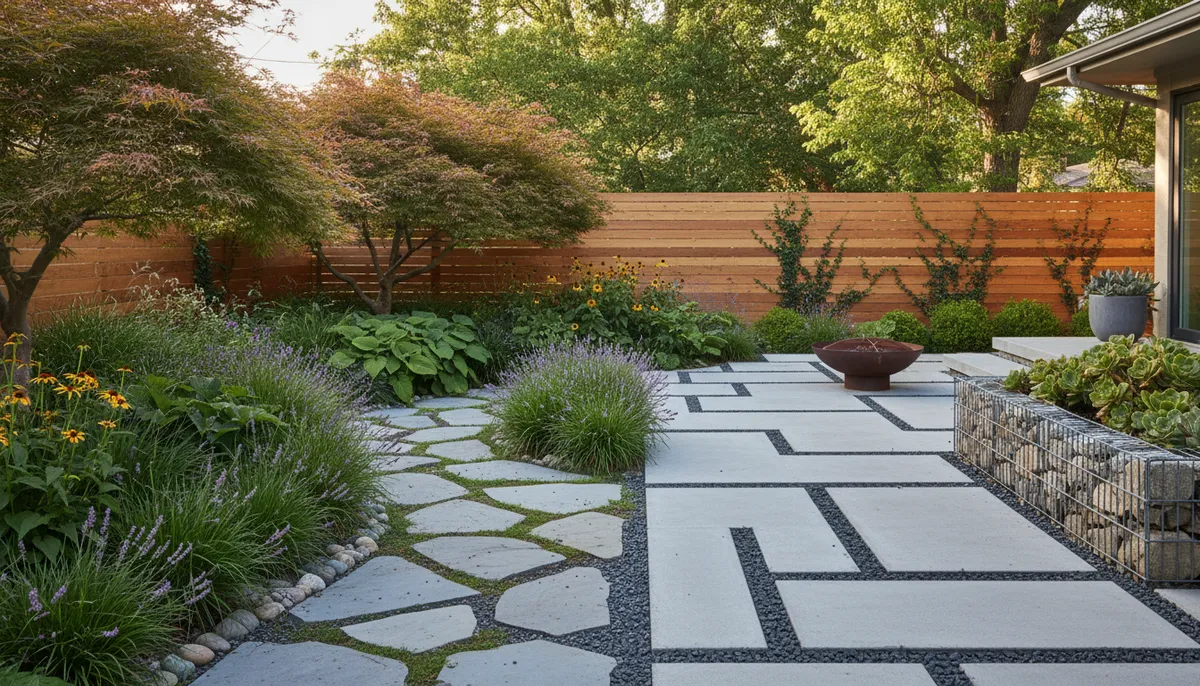
The magic of great landscape design happens when softscapes and hardscapes work together in harmony. Too much hardscape creates a cold, sterile environment, while too much softscape can look overgrown and chaotic. Finding the right balance is key to creating outdoor spaces that feel both beautiful and functional.
A good rule of thumb is the 60/40 principle—aim for approximately 60% softscape coverage and 40% hardscape in most residential landscapes. This ratio creates visual interest while maintaining functionality. Of course, this can vary based on your specific needs and property characteristics.
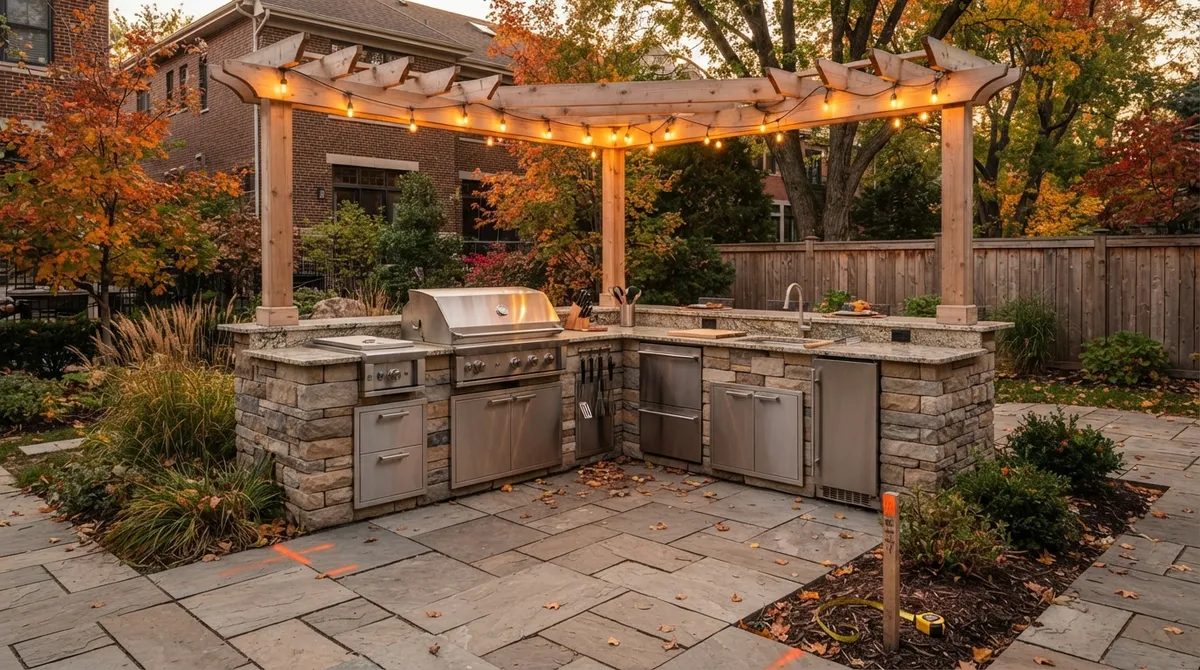
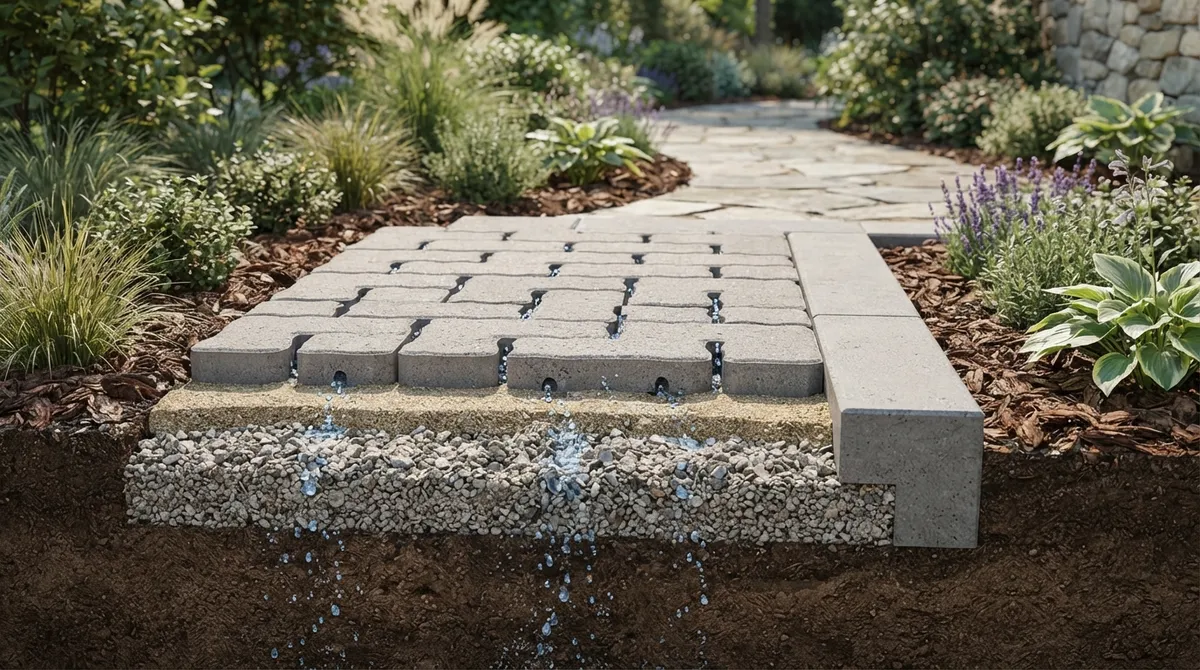
Think about how hardscape and softscape elements complement each other. Pavers create clean pathways through lush garden beds. Retaining walls provide structure that allows terraced planting areas. Fire pits become cozy gathering spots when surrounded by fragrant plantings and softly swaying grasses.
When planning your design, start by establishing your hardscape framework first. Once paths, patios, and structures are in place, you can fill in around them with appropriate softscape elements that soften edges, provide privacy, and add seasonal interest.
Selecting the Right Plants for Chicago’s Climate
Successful softscape design starts with choosing plants that will thrive in your specific growing conditions. The Chicago area presents unique challenges including cold winters, hot summers, variable spring weather, and occasional drought conditions. Understanding these factors will help you make smart plant selections.
Understanding Your Growing Zone
Most of the Chicago metropolitan area falls within USDA Hardiness Zones 5b and 6a. This means plants must tolerate winter temperatures that can drop to -15°F to -10°F. Always check plant tags and select varieties rated for your zone or colder for best results.
Beyond hardiness zones, consider your property’s specific microclimates. South-facing areas near buildings stay warmer and may support slightly less hardy plants. Low-lying areas may collect cold air and experience late frosts. Understanding these nuances helps you place plants where they’ll perform best.
Native Plants and Low-Maintenance Options
Native plants are those that naturally occur in our region and have adapted to local conditions over thousands of years. They offer significant advantages including better pest and disease resistance, lower water requirements once established, and valuable support for local wildlife and pollinators.
Excellent native choices for Chicago area softscapes include:
- Purple coneflower (Echinacea purpurea) for summer color and pollinator support
- Black-eyed Susan (Rudbeckia hirta) for cheerful yellow blooms
- Little bluestem (Schizachyrium scoparium) for texture and fall color
- Wild bergamot (Monarda fistulosa) for fragrance and butterfly attraction
- Oak trees (Quercus species) for shade and wildlife value
These plants require less maintenance than many exotic alternatives while providing authentic Midwestern character to your landscape. They’re particularly valuable for property owners seeking sustainable, environmentally responsible landscaping solutions.
Step-by-Step Guide to Planning Your Softscape
Creating a successful softscape doesn’t happen by accident—it requires thoughtful planning that considers your goals, site conditions, and maintenance preferences. Follow these steps to develop a design that will serve you well for years to come.
Step 1: Assess Your Site Conditions
Begin by evaluating the physical characteristics of your property. Walk around at different times of day to observe sun and shade patterns. Note which areas stay consistently moist and which dry out quickly. Identify slopes, low spots, and areas with poor drainage.
Consider factors like soil type, existing vegetation, views you want to preserve or screen, and how you currently use or want to use different outdoor areas. This assessment provides the foundation for all your design decisions.
Step 2: Define Your Goals and Priorities
What do you want your softscape to accomplish? Make a list of priorities, which might include:
- Creating privacy from neighbors or street traffic
- Adding seasonal color and visual interest
- Attracting birds, butterflies, and beneficial insects
- Reducing lawn areas to lower maintenance requirements
- Providing shade for outdoor living spaces
- Increasing property value and curb appeal
Understanding your priorities helps you make smart choices when budget or space limitations require compromise. It also ensures your finished landscape truly serves your needs rather than just looking pretty.
Step 3: Create Planting Zones
Divide your property into distinct zones based on function and growing conditions. You might have a formal entry area with structured plantings, a relaxed backyard garden space, a utility area with screening shrubs, and natural areas with low-maintenance native plants.
This zoning approach helps you create cohesive designs within each area while maintaining variety across your entire property. It also allows you to prioritize maintenance efforts where they’ll have the most impact.
Step 4: Select Plants for Each Zone
Now comes the fun part—choosing specific plants for each area. Start with larger elements like trees and major shrubs, then fill in with smaller plants. Consider mature sizes to avoid overcrowding, which is one of the most common landscape design mistakes.
Create planting lists that include a mix of evergreen and deciduous plants, species with different bloom times, and varieties that provide multi-season interest. Don’t forget to include plants with varying heights, textures, and growth habits to create visual depth.
Step 5: Plan for Year-Round Interest
Great softscapes look attractive in every season, not just during peak summer bloom. Include spring bulbs and early flowering shrubs, summer perennials and annuals, plants with outstanding fall foliage, and elements that provide winter structure and color.
Think about how your landscape will look from inside your home during winter months when you’re spending more time indoors. Evergreens, ornamental grasses that stand through winter, and plants with interesting bark or seed heads extend the beauty of your softscape throughout the year.
Essential Maintenance for Healthy Softscapes
Unlike hardscapes that remain relatively unchanged, softscapes require ongoing care to keep them healthy and attractive. Understanding maintenance requirements before you plant helps ensure you create a landscape you can realistically maintain.
Regular Maintenance Tasks
Keeping softscapes looking their best involves several routine tasks throughout the growing season:
- Watering new plantings regularly until established, then as needed during dry periods
- Fertilizing annually or as needed based on soil tests and plant performance
- Pruning trees and shrubs to maintain shape, remove dead wood, and promote healthy growth
- Weeding garden beds to prevent competition for water and nutrients
- Mowing lawns regularly during the growing season
- Trimming perennials in spring and fall
The good news is that well-designed softscapes become easier to maintain over time as plants mature and fill in, leaving less room for weeds and requiring less frequent intervention.
Seasonal Care Requirements
Different times of year require different maintenance approaches. Spring is prime time for planting, fertilizing, and mulching. Summer focuses on watering, deadheading flowers, and controlling pests. Fall brings leaf cleanup, planting bulbs, and preparing tender plants for winter. Even winter requires occasional attention for watering evergreens during dry spells and protecting plants from snow and ice damage.
For property owners who prefer to focus their time on enjoying their landscapes rather than maintaining them, professional services like those offered by Serenity Landscape Group can handle the regular care your softscapes need to thrive. Our commercial lawn maintenance services extend to residential properties as well, ensuring your landscape always looks its best.
Common Softscape Design Mistakes to Avoid
Even with the best intentions, it’s easy to make mistakes when planning softscapes. Being aware of these common pitfalls helps you avoid them in your own landscape.
Planting Too Close Together
The single most common mistake is planting based on current size rather than mature size. That cute little shrub at the nursery may grow six feet wide, and those perennials will fill in to cover twice their current footprint. Always research mature sizes and space plants accordingly, even if the landscape looks sparse initially.
Overcrowded plants compete for resources, create poor air circulation that promotes disease, and eventually require difficult removal or transplanting. Give your plants room to grow and fill in the gaps with annuals or mulch while they mature.
Ignoring Maintenance Requirements
Falling in love with a beautiful plant without considering its maintenance needs leads to frustration. That gorgeous rose may require weekly spraying for disease, or those elegant perennials might need staking and frequent division. Be honest about how much time you want to spend on landscape maintenance and choose plants accordingly.
Low-maintenance doesn’t mean no-maintenance, but selecting appropriate plants for your commitment level ensures you’ll enjoy your landscape rather than feeling overwhelmed by it.
Forgetting About Winter
Many people design for summer beauty and forget that landscapes in the Chicago area are visible for twelve months of the year. Include evergreens for winter structure, plants with interesting bark or seed heads, and shrubs with colorful winter stems to ensure your landscape remains attractive even under snow.
Softscape Trends for 2026
Landscape design continues to evolve, and 2026 brings several exciting trends in softscape design that reflect changing priorities around sustainability, functionality, and aesthetics.
Native Plant Gardens
More property owners are embracing native plants not just for their practical benefits but as a design statement. Native plant gardens celebrate regional character while supporting local ecosystems. They’re moving beyond wild, naturalistic styles to include more structured, formal designs that work in traditional suburban settings.
Edible Landscaping
Mixing edible plants with ornamentals creates landscapes that are both beautiful and productive. Fruit trees provide spring flowers and fall harvest. Herbs add fragrance and culinary value. Berry bushes offer seasonal color and tasty treats. This trend reflects growing interest in knowing where food comes from and reducing environmental impact.
Climate-Resilient Plantings
With increasing weather variability, property owners are selecting plants that tolerate both drought and flooding, temperature extremes, and other climate challenges. This means choosing tough, adaptable species and creating landscapes that require fewer inputs while remaining attractive.
Multifunctional Landscapes
Today’s softscapes need to work harder, serving multiple purposes simultaneously. A rain garden manages stormwater while providing habitat and visual interest. A hedge provides privacy while supporting pollinators. These multipurpose designs maximize value from every square foot of landscape.
How Professional Design Elevates Your Softscape
While many softscape projects can be DIY endeavors, working with experienced professionals brings significant advantages, especially for larger or more complex landscapes. Professional designers bring plant knowledge, design principles, and practical experience that help you avoid costly mistakes and achieve better results.
At Serenity Landscape Group, we’ve spent over two decades transforming outdoor spaces throughout the Chicago area. Our comprehensive approach to softscapes ensures every plant selection serves both aesthetic and functional purposes while thriving in local conditions.
Professional designers consider factors you might overlook, like long-term maintenance requirements, seasonal progression of color and interest, plant compatibility, and how softscapes integrate with existing or planned hardscape features. They also have access to higher-quality plant materials and relationships with growers that may not be available to retail customers.
The design-to-installation continuity that professionals provide ensures your vision is executed properly from the start. Proper planting techniques, soil preparation, and initial care set plants up for long-term success rather than just survival.
Integrating Softscapes with Other Landscape Elements
The most successful landscapes seamlessly blend softscapes with other outdoor features to create cohesive, functional spaces that enhance your lifestyle. Think about how living elements can enhance and soften built structures throughout your property.
Consider how climbing vines on pergolas and pavilions create natural shade and privacy while adding seasonal color and fragrance. Plantings around fire features soften hard edges and can include fragrant herbs that release their scent when brushed or heated by nearby flames.
Lighting and sound systems work beautifully with softscapes, with uplighting showcasing specimen trees, path lighting illuminating walkways through garden beds, and speakers hidden among shrubs creating ambient music without visual clutter.
The key is thinking holistically about your entire outdoor environment rather than treating hardscapes and softscapes as separate projects. This integrated approach creates outdoor spaces that feel intentional, cohesive, and perfectly suited to your lifestyle.
Making Your Softscape Vision a Reality
Creating the softscape of your dreams doesn’t have to be overwhelming. Breaking the project into manageable phases makes it more affordable and less disruptive while still moving you toward your ultimate vision. Start with priority areas that have the most impact or that you use most frequently, then expand to other zones as time and budget allow.
Remember that softscapes are forgiving—you can always move plants, add new varieties, or adjust your design as your preferences evolve or your understanding of your property grows. This flexibility is one of the great advantages of working with living elements.
The investment you make in quality softscapes pays dividends for years to come through increased property value, reduced energy costs, improved quality of life, and the simple pleasure of spending time in beautiful outdoor spaces. Whether you’re starting from bare ground or refreshing an existing landscape, thoughtful softscape design transforms ordinary yards into extraordinary outdoor living environments.
If you’re ready to create a softscape that perfectly complements your property and lifestyle, we’d love to help you explore the possibilities. Our experienced team at Serenity Landscape Group brings decades of expertise to every project, ensuring your landscape not only looks stunning but thrives for years to come. Get a free estimate today and take the first step toward the outdoor space you’ve been dreaming about. For more information about our comprehensive landscape services and to see examples of our work, visit our gallery or learn more about our approach to creating exceptional outdoor environments.
FAQs
Q: What is the difference between hardscape and softscape?
A: Hardscape refers to the non-living, permanent structures in your landscape like patios, walkways, retaining walls, and fire pits. Softscape includes all the living elements such as trees, shrubs, flowers, grass, and mulch. Think of hardscape as the bones that provide structure, while softscape is the soul that brings color, texture, and natural beauty to your outdoor space.
Q: How much maintenance do softscapes require?
A: Maintenance requirements vary based on your plant choices and design. Well-planned softscapes with appropriate plant selections actually become easier to maintain over time as plants mature and fill in. Basic tasks include watering, occasional fertilizing, pruning, weeding, and seasonal cleanup. Choosing native plants and low-maintenance varieties significantly reduces the time commitment while still creating beautiful landscapes.
Q: Can I create an attractive softscape on a budget?
A: Absolutely! Start with a solid plan, then implement it in phases over time. Buy smaller plants that cost less and will grow to full size within a few years. Focus on key areas first, use mulch to fill in gaps while plants mature, and consider propagating plants through division or cuttings. Native plants often cost less and perform better than exotic alternatives, making them budget-friendly choices for beautiful, sustainable softscapes.
Q: What are the best low-maintenance plants for Chicago area softscapes?
A: Native plants are your best bet for low-maintenance beauty in the Chicago area. Excellent choices include purple coneflower, black-eyed Susan, little bluestem grass, oak trees, and serviceberry. These plants are adapted to our climate, require less water once established, resist local pests and diseases, and support beneficial wildlife. They deliver big impact with minimal effort, perfect for busy homeowners who want gorgeous landscapes without constant upkeep.
Q: How do softscapes increase property value?
A: Quality softscapes boost property value by enhancing curb appeal, creating functional outdoor living spaces, and demonstrating good property maintenance. Mature trees alone can increase home values by thousands of dollars. Well-designed landscapes make properties more attractive to buyers, help homes sell faster, and justify higher asking prices. The combination of aesthetic beauty and practical benefits like shade, privacy, and environmental improvements makes softscapes one of the best investments you can make in your property.