Key Takeaways
-
Quality indoor sports turf lasts 10-15 years with proper maintenance, requiring only regular brushing and occasional cleaning versus constant mowing and watering of natural grass.
-
Wisconsin homeowners and facility managers can train year-round regardless of weather by installing durable synthetic turf that provides consistent, even playing surfaces without muddy patches.
-
Choose between infilled systems (rubber/sand granules for high-impact sports) and non-infilled systems (cleaner, lower maintenance for multi-use gyms) based on your specific athletic activities and space usage.
-
Professional installation by certified installers ensures proper subfloor preparation, seamless seaming, and safety compliance — critical for commercial facilities to meet liability and insurance standards.
-
Indoor sports turf works for soccer, football, baseball, lacrosse, CrossFit, and kids' play areas, making it a versatile single-surface investment for multi-purpose facilities.
-
Installation costs vary by space size, turf quality, subfloor condition, and custom features like field markings — request a professional quote for accurate pricing without commitment.
If you’ve been thinking about installing indoor sports turf in Kenosha, you’re not alone. More homeowners, gym owners, and facility managers are discovering just how much a quality synthetic turf surface can change a space. Whether you want a dedicated training area, a fun play zone for kids, or a multi-use athletic surface, indoor sports turf delivers in a big way. It’s durable, low-maintenance, and looks great year-round — no mowing required! In this guide, we’ll walk you through everything you need to know about indoor sports turf in the Kenosha area, from installation to maintenance, costs, and the best ways to use it. Let’s dig in.
What Is Indoor Sports Turf?
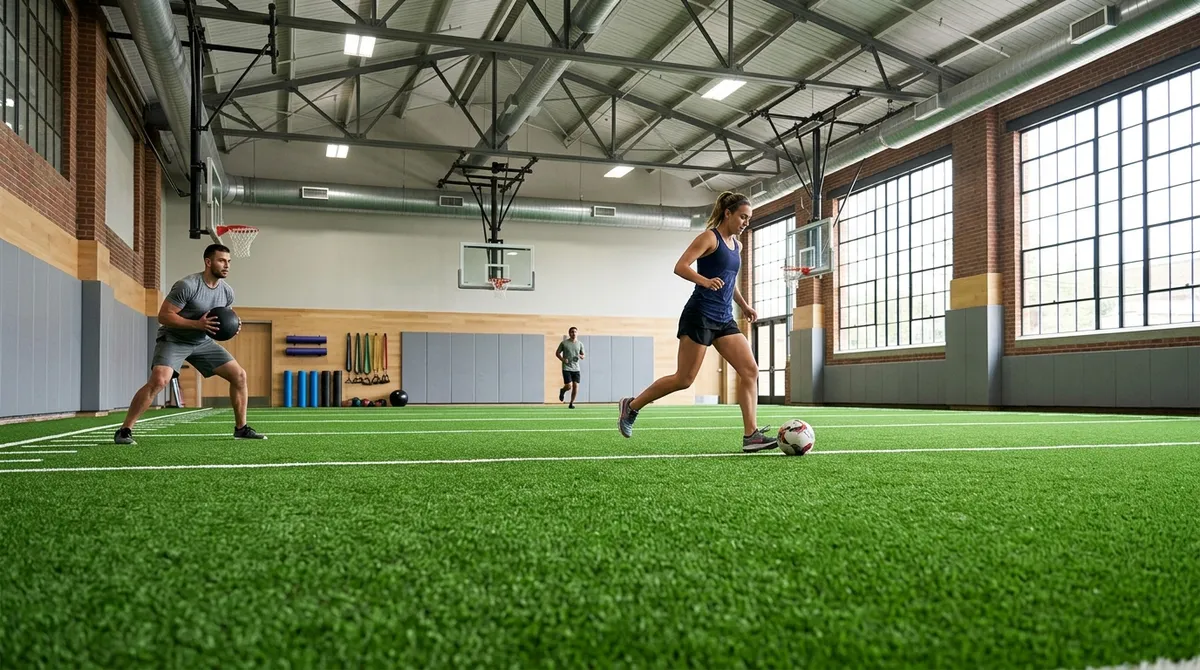
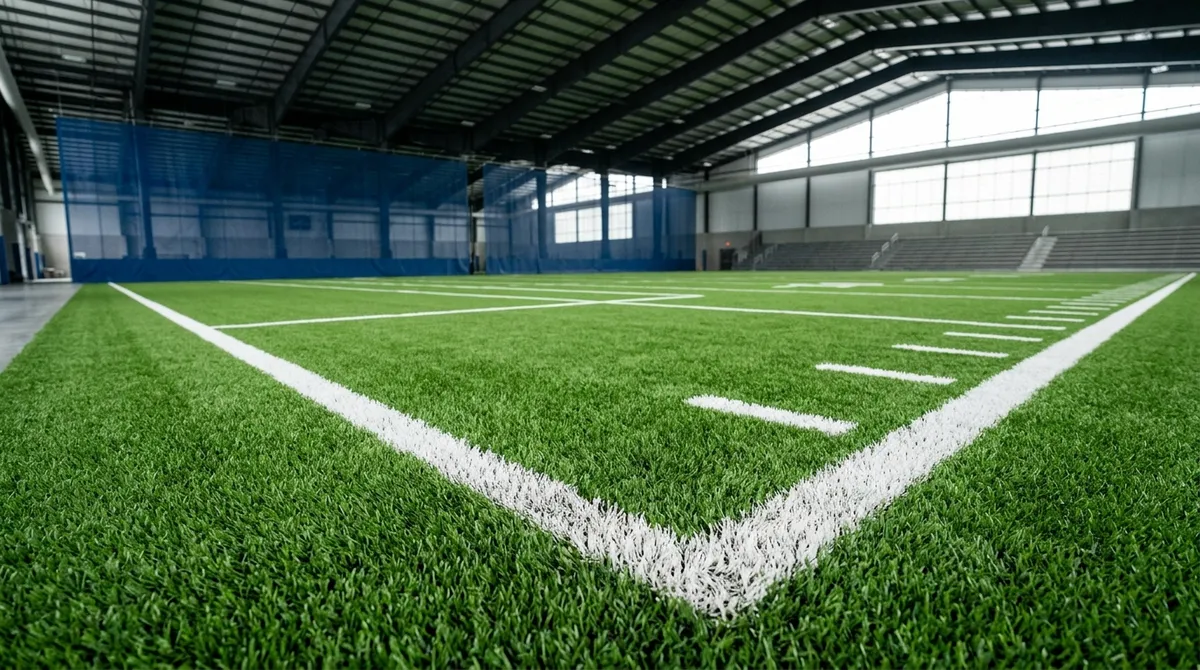
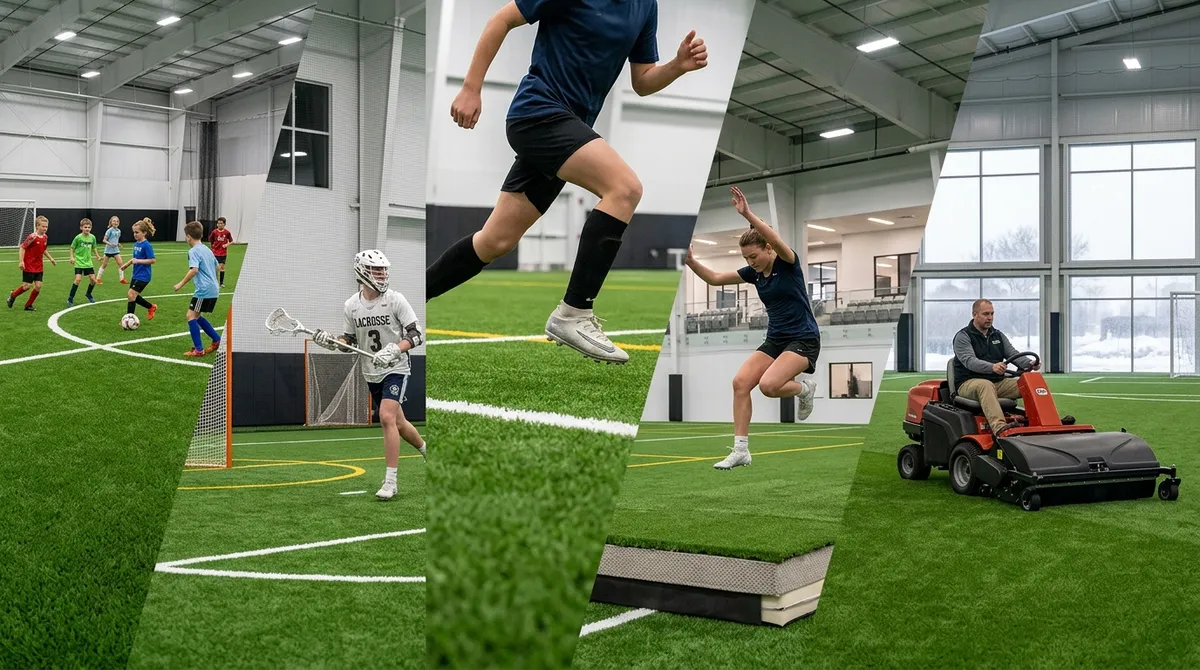
Indoor sports turf is engineered synthetic grass designed specifically for gyms, athletic facilities, training centers, and multi-purpose spaces. Unlike outdoor turf, it’s built to handle high foot traffic, consistent use, and indoor environments. It provides a consistent, even playing surface for a wide range of activities — from football drills and soccer training to yoga and CrossFit workouts.
There are two main types of indoor turf systems: infilled and non-infilled. Infilled systems use granules (like rubber or sand) for cushioning and stability. Non-infilled systems deliver a softer, more natural feel without the granules — great for facilities that want a cleaner, low-maintenance solution. Both options offer excellent performance, so the best choice depends on how you plan to use the space.
Top Benefits of Indoor Sports Turf in Kenosha
Installing indoor sports turf comes with a long list of advantages. Whether you’re a homeowner adding a training room or a commercial property manager upgrading a facility, here’s why so many people are making the switch:
- Year-round usability: Wisconsin winters are no joke. Indoor turf lets you train and play regardless of the weather outside.
- Low maintenance: No watering, mowing, or fertilizing needed. A quick brush and occasional cleaning is all it takes.
- Consistent performance: Every inch of the surface performs the same — no uneven patches or muddy spots.
- Durable and long-lasting: Quality indoor turf systems can last 10–15 years with proper care.
- Safe and cushioned: Modern turf systems are designed with shock absorption to reduce injury risk.
- Versatile: One surface works for multiple sports and activities, making it a smart investment for multi-use spaces.
- Easy to clean: Antimicrobial treatments and simple maintenance routines keep the surface hygienic and fresh.
For commercial property managers and small business owners in the greater Chicago and Kenosha area, indoor turf can also boost your property’s appeal and functionality — a real win-win for attracting tenants or clients.
Sports and Activities That Work Best on Indoor Turf
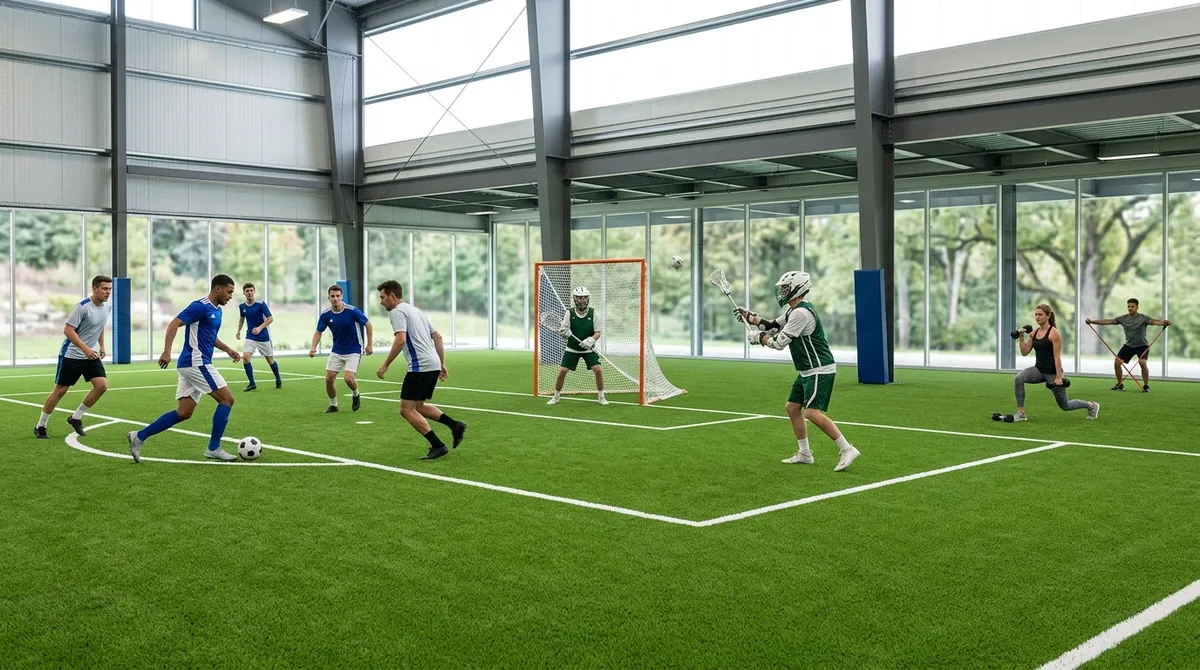
One of the best things about indoor sports turf is its versatility. Here are some of the most popular activities people use it for:
- Soccer and futsal: The smooth, even surface is perfect for passing, dribbling, and shooting drills.
- Football and flag football: Great for route running, agility training, and tackling drills.
- Baseball and softball: Ideal for fielding practice, batting cages, and throwing drills.
- Lacrosse: The consistent ball roll makes indoor turf a favorite for lacrosse training facilities.
- Fitness and cross-training: Sled pushes, agility ladders, cone drills — turf handles it all.
- Kids’ play areas: Soft, safe, and colorful options make indoor turf perfect for playrooms and childcare centers.
Whether you’re a suburban homeowner building out a home gym or a facility manager looking to expand your offerings, indoor turf adapts to nearly any athletic or recreational need.
How Indoor Sports Turf Is Installed
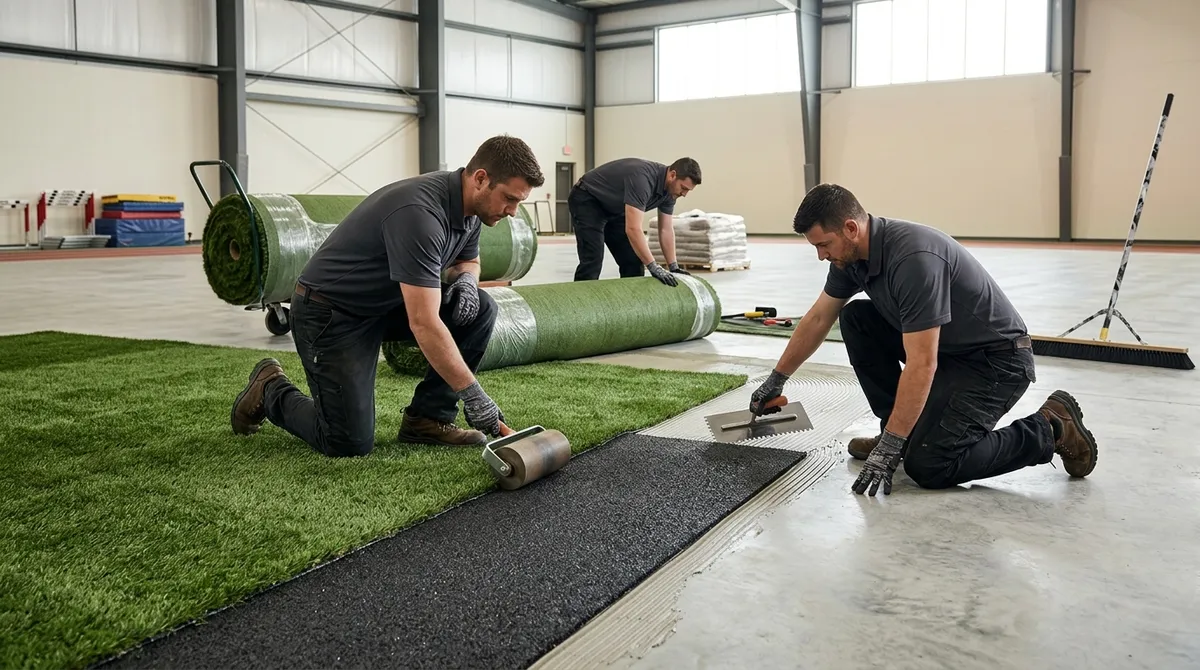
Installation is a straightforward process when done by experienced professionals. Here’s a step-by-step look at how it typically works:
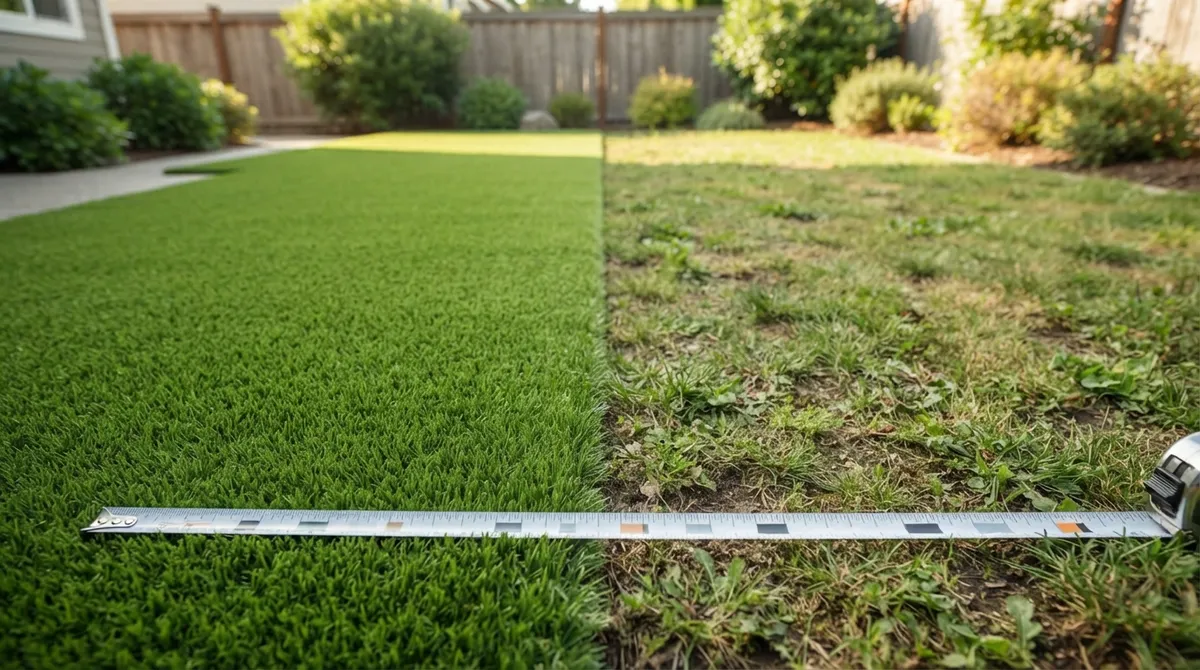
- Site evaluation: A professional team assesses the space, checking dimensions, subfloor condition, and drainage needs.
- Custom design: The turf layout is designed to fit your specific space, with options for field markings, logos, and color customization.
- Subfloor preparation: The existing floor is cleaned and prepped to ensure a smooth, level surface for turf adhesion.
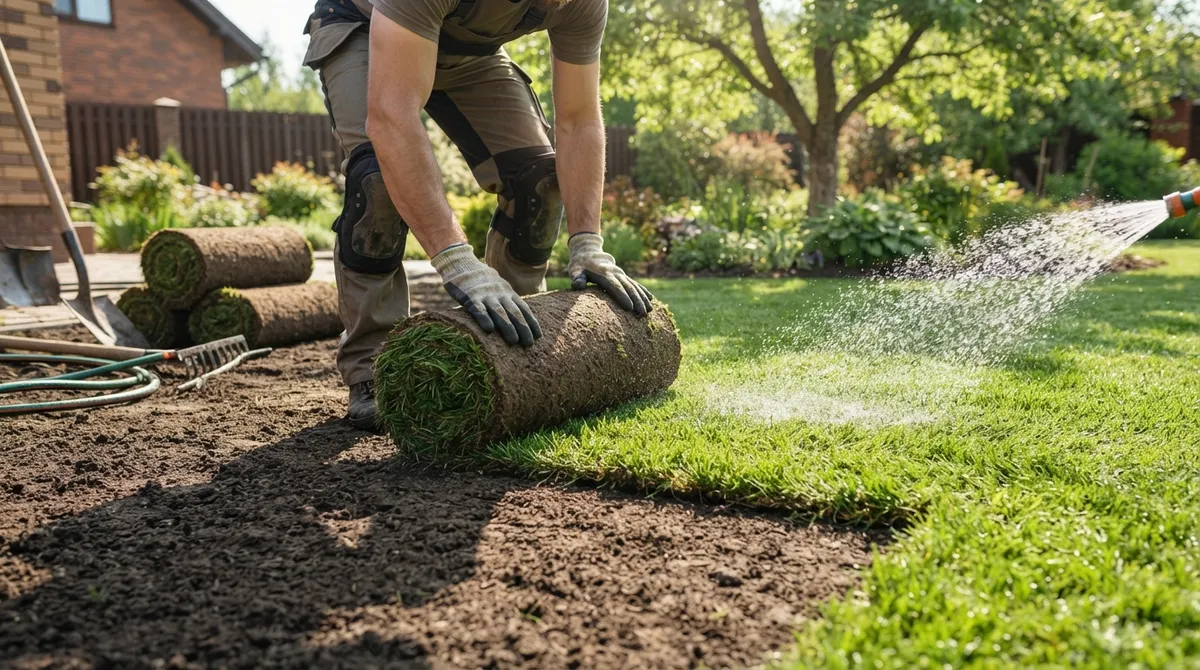
- Turf installation: The synthetic turf is rolled out, cut to fit, and secured with adhesive or seaming tape for seamless coverage.
- Infill application (if needed): For infilled systems, 2–3 inches of organic material or specialized infill is applied for cushioning and performance.
- Quality inspection: The finished surface is inspected for safety, performance, and aesthetics before handover.
Most indoor turf installations are completed quickly and with minimal mess — making them a great turnkey solution for facility owners who can’t afford long downtime. To learn more about how professional installations are handled, check out our installation process.
Infilled vs. Non-Infilled Indoor Turf: A Quick Comparison
Not sure which system is right for your space? Here’s a simple comparison to help you decide:
| Feature | Infilled Systems | Non-Infilled Systems |
|---|---|---|
| Cushioning | High (rubber/sand granules) | Moderate (fiber-based softness) |
| Maintenance | Moderate (infill monitoring needed) | Low (minimal upkeep) |
| Ball Roll | Good | Excellent (true ball roll) |
| Cleanliness | May track granules | Very clean, no loose material |
| Best For | High-impact sports training | Multi-use facilities, gyms |
| Cost | Slightly higher | Generally lower |
Both systems are excellent choices. Your installer can help you pick the right one based on your budget, the sports you’ll play, and how the space will be used. Industry organizations like Landscape Illinois can also point you toward certified professionals in the region.
Maintaining Your Indoor Sports Turf
Good news — maintaining indoor sports turf is much easier than caring for natural grass. Here’s what a solid maintenance routine looks like:
- Regular brushing: Use a stiff-bristled broom or power brush to keep fibers upright and the surface looking fresh.
- Infill level checks: For infilled systems, monitor granule levels regularly and top up as needed.
- Damage inspection: Walk the surface periodically to check for tears, seam separation, or worn areas that need repair.
- Antimicrobial treatments: Apply antimicrobial sprays to keep the surface hygienic, especially in high-traffic facilities.
- Spot cleaning: Clean spills promptly with mild soap and water to prevent staining or odor buildup.
- Drainage checks: Ensure drainage systems remain clear to prevent moisture buildup under the turf.
With consistent care, indoor sports turf can last well over a decade — making it one of the smartest long-term investments for any athletic space. For more ideas on transforming your property, browse our gallery of our work to see what’s possible.
Cost Factors for Indoor Sports Turf in Kenosha
The cost of indoor sports turf installation varies based on several factors. Understanding these will help you budget wisely and get the best value for your investment.
- Size of the space: Larger areas naturally cost more, but per-square-foot pricing often decreases with scale.
- Turf type and quality: Premium turf systems with higher fiber density and advanced infill cost more upfront but last longer.
- Subfloor condition: If the existing floor needs leveling or repairs, that adds to the total cost.
- Custom features: Field markings, logos, or multi-color designs add a personalized touch but come at an additional cost.
- Installation complexity: Oddly shaped rooms or spaces with obstacles require more labor and precision cutting.
For the most accurate pricing, it’s always best to get a professional consultation and quote. You can request a free estimate to get started without any commitment. If you prefer to talk it through, feel free to reach out and call us at (630) 359-5139.
Why Choose Professional Installation for Indoor Turf
DIY turf kits exist, but professional installation makes a huge difference in quality and longevity. Certified installers bring precision, expertise, and access to better materials. They ensure the surface is safe, level, and built to last. For commercial clients, professional installation also means compliance with safety and performance standards — something that’s critical for liability and insurance purposes.
When choosing a contractor, look for experience with sports turf specifically, a portfolio of completed projects, and a warranty on both materials and labor. Working with a trusted ICPI Certified Installer is a great way to ensure quality workmanship and professional standards. You can also explore our artificial turf installation services to see how we approach every project with care and expertise.
Combining Indoor Turf with Your Broader Landscape Vision
Indoor sports turf doesn’t exist in isolation. Many of our clients in the Kenosha and Chicago metro area are also investing in their outdoor spaces at the same time. It makes sense — if you’re upgrading the inside, why not create an amazing outdoor environment too?
At Serenity Landscape Group, we specialize in creating outdoor spaces that complement your lifestyle and property goals. From lush softscapes and elegant pavers to cozy fire pits and stunning pergolas and pavilions, we bring the same level of care and craftsmanship to every outdoor project. Pair your new indoor turf space with an outdoor entertaining area, and you’ve got a property that truly has it all.
For commercial property managers, combining indoor turf with thoughtful outdoor landscaping — like commercial lawn maintenance and professional lighting and sound — creates a cohesive, welcoming environment that tenants and visitors will appreciate every day.
Is Indoor Sports Turf Right for You?
Ask yourself a few simple questions. Do you have a large basement, garage, or indoor facility that sits underused? Do you want a safe, consistent surface for athletic training or recreation? Are you looking for a low-maintenance upgrade that adds real value to your property? If you answered yes to any of these, indoor sports turf in Kenosha might be exactly what you need.
From suburban homeowners building personal training spaces to new home builders adding premium amenities that attract buyers, indoor turf is a versatile investment that pays off for years. And with the right team handling your installation, the process is smooth, efficient, and exciting from start to finish.
Ready to Get Started?
Transforming your indoor space with high-quality sports turf is easier than you think — especially when you have experienced professionals in your corner. Whether you’re planning a small home training room or a full-scale commercial athletic facility, the right turf and the right team make all the difference. Get a Free Estimate today and take the first step toward a space you’ll love using every single day.
FAQs
Q: What are the main benefits of indoor sports turf for Kenosha facilities?
A: Indoor sports turf offers year-round usability, low maintenance, and a consistent, safe playing surface — perfect for Wisconsin’s unpredictable weather! It’s a smart investment for gyms, training centers, and even home recreation rooms, giving you a durable surface that performs beautifully season after season.
Q: How long does indoor sports turf typically last?
A: With proper care and maintenance, quality indoor sports turf can last anywhere from 10 to 15 years — sometimes longer! Regular brushing, spot cleaning, and periodic inspections keep it looking and performing its best for many happy years of use.
Q: What is the difference between infilled and non-infilled indoor turf systems?
A: Infilled systems use rubber or sand granules for added cushioning, making them great for high-impact sports. Non-infilled systems offer a cleaner, softer feel without loose material, which is ideal for multi-use gyms and fitness spaces. Both are excellent — it really comes down to how you plan to use the space!
Q: Which sports can be played on indoor artificial turf?
A: Indoor sports turf is incredibly versatile! It works wonderfully for soccer, football, baseball, lacrosse, and fitness training. Many facilities also use it for kids’ play areas and general recreation — making it one of the most flexible surface investments you can make for any indoor space.
Q: How do I find a reliable indoor sports turf installer in the Kenosha area?
A: Look for installers with proven experience in synthetic turf projects, a strong portfolio, and warranties on both materials and labor. Certifications from recognized industry organizations are a great sign of quality and professionalism. Don’t hesitate to ask for references or request a free consultation before committing!