Key Takeaways
-
Proper drainage is critical—create a 2% slope and install a 2-3 inch compacted aggregate base, as water must move away from your home even though turf has drainage holes.
-
Skip no installation steps: removing old sod completely, grading, base preparation, seaming, edge anchoring, and infill application are all essential to prevent puddling, wrinkles, and seam separation.
-
Professional installation costs $9-15 per square foot in Chicago, with site prep and drainage work making up more of the price than turf material itself, so cheap quotes often signal shortcuts.
-
Choose infill strategically based on your needs: silica sand for standard lawns, zeolite or coated sand for pet areas to control odor, and avoid masonry sand which compacts and drains poorly.
-
Expect $250-350 annual maintenance per 1,000 sq ft including debris removal, brushing high-traffic zones, infill top-offs, and pet area rinsing—far less than natural grass care.
-
Artificial turf surfaces can be 0.5-1.2°C hotter than natural grass and raise nearby air temperature; south-facing yards need shade consideration, and check local HOA rules before installation.
So you’re thinking about putting artificial grass in your yard, and you’re not sure where to start. That’s okay! You’re in good company. Homeowners across Chicagoland are ditching the mower and the muddy patches for lawns that stay green all year. But here’s the thing: putting artificial grass down the right way takes more than unrolling a carpet of fake turf and calling it a day. There’s real skill involved, and a little know-how goes a long way.
Whether you’re a suburban homeowner tired of soggy soil, a condo owner with a tiny rooftop space, or a property manager juggling curb appeal and stormwater rules, this guide has you covered. We’ll walk through the whole process step by step, in plain language, so you know exactly what a quality installation looks like. And if you’d rather leave the heavy lifting to the pros, that’s what we’re here for too.
What Does Putting Artificial Grass Actually Involve?
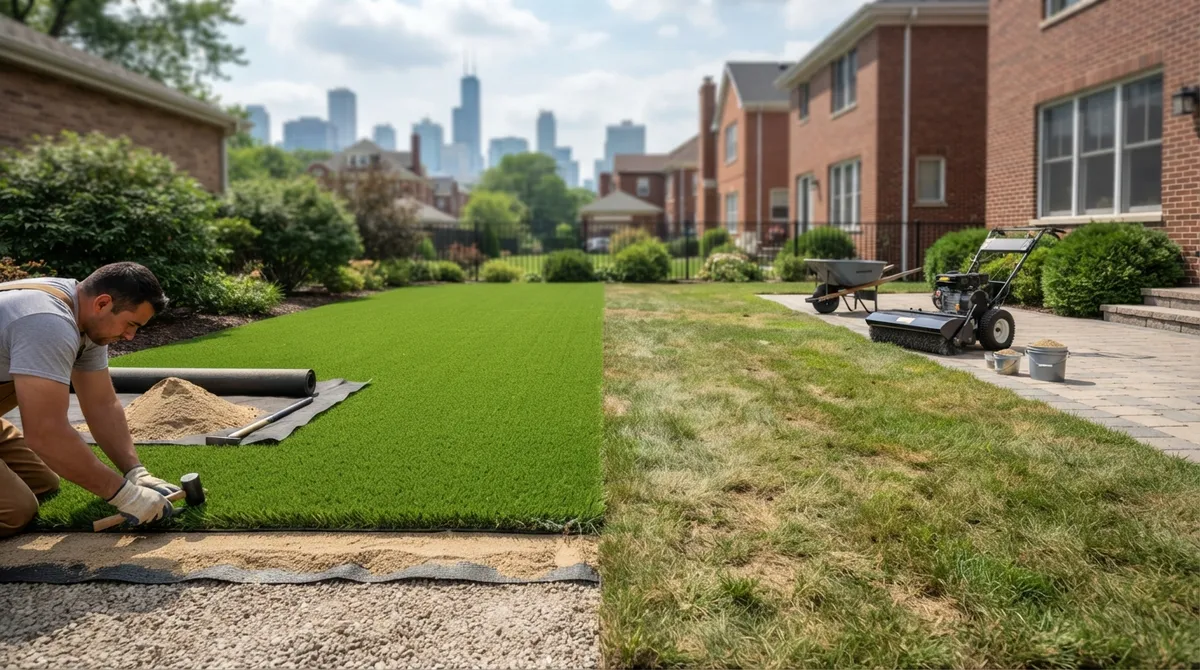
Putting artificial grass isn’t just about the turf itself. It’s really a full outdoor construction project, even if the finished product looks simple. Think of it like building a small patio, but instead of pavers, you’re laying down a soft green surface that needs to drain well, stay flat, and hold up to years of foot traffic, pets, and Chicago weather.
A proper installation touches nearly every part of your yard’s foundation. Here’s what’s typically involved:
- Measuring the space and planning turf layout and seams
- Removing old grass, weeds, and roots
- Grading the soil for proper drainage
- Building a compacted aggregate base
- Cutting and seaming the turf pieces together
- Anchoring the edges securely
- Adding infill for cushion and support
- Brushing the fibers upright for a natural look
Skipping any of these steps can lead to problems down the road, like puddling water, wrinkled turf, or seams that pull apart. That’s why so many homeowners turn to a trusted artificial turf installation team instead of tackling it solo.
Step-by-Step: How Professionals Install Artificial Grass
Every yard is different, but the core process for putting artificial grass stays pretty consistent. Here’s how a typical project unfolds from start to finish.
1. Site Assessment and Measurement
A good installer starts by walking the property, checking soil type, drainage patterns, and sun exposure. They’ll measure the space carefully so there’s minimal waste when ordering turf rolls.
2. Removing Existing Grass and Vegetation
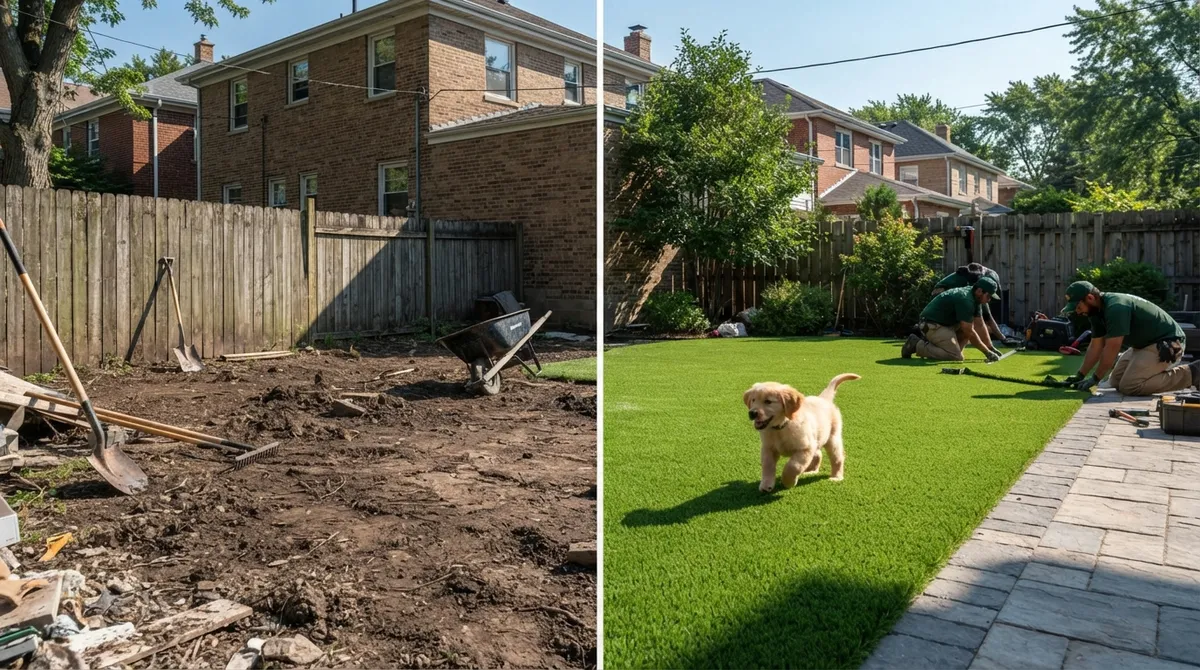
Next comes the demo work. Old sod, weeds, and roots need to come out completely. Leaving organic material behind invites weeds to grow up through your new lawn later.
3. Grading for Drainage
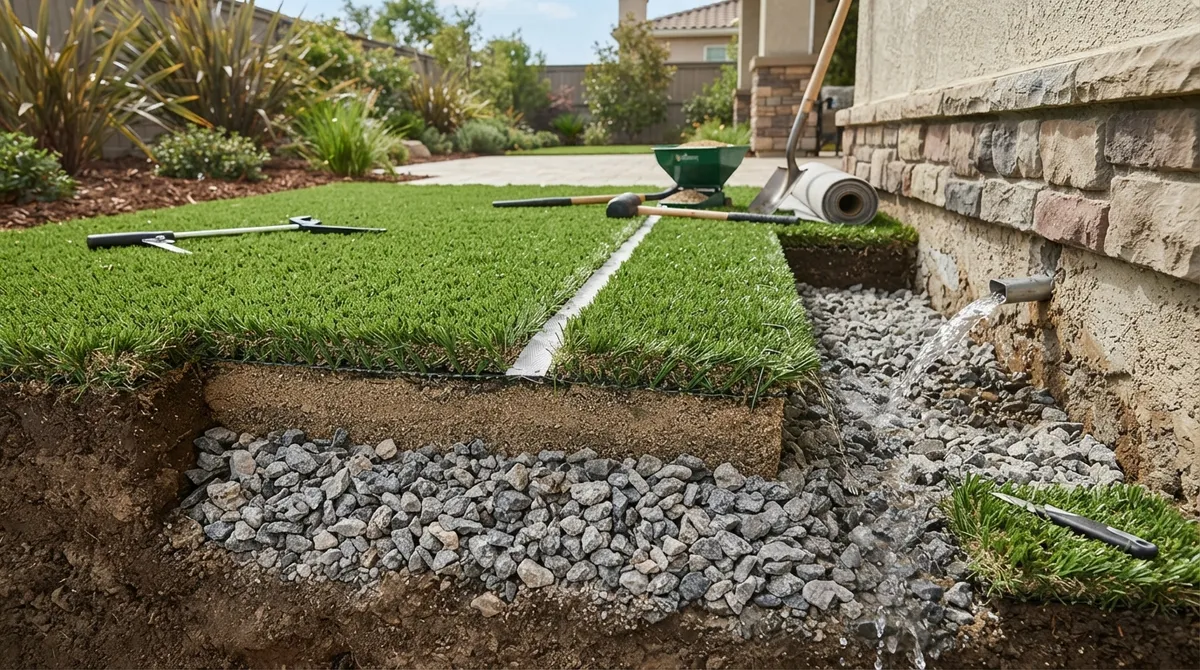
This step matters more than most people realize. Crews typically create a gentle slope, often around a 2% fall, directing water away from your home’s foundation. Even though turf has built-in drainage holes, water still needs somewhere to go once it passes through.
4. Building the Base
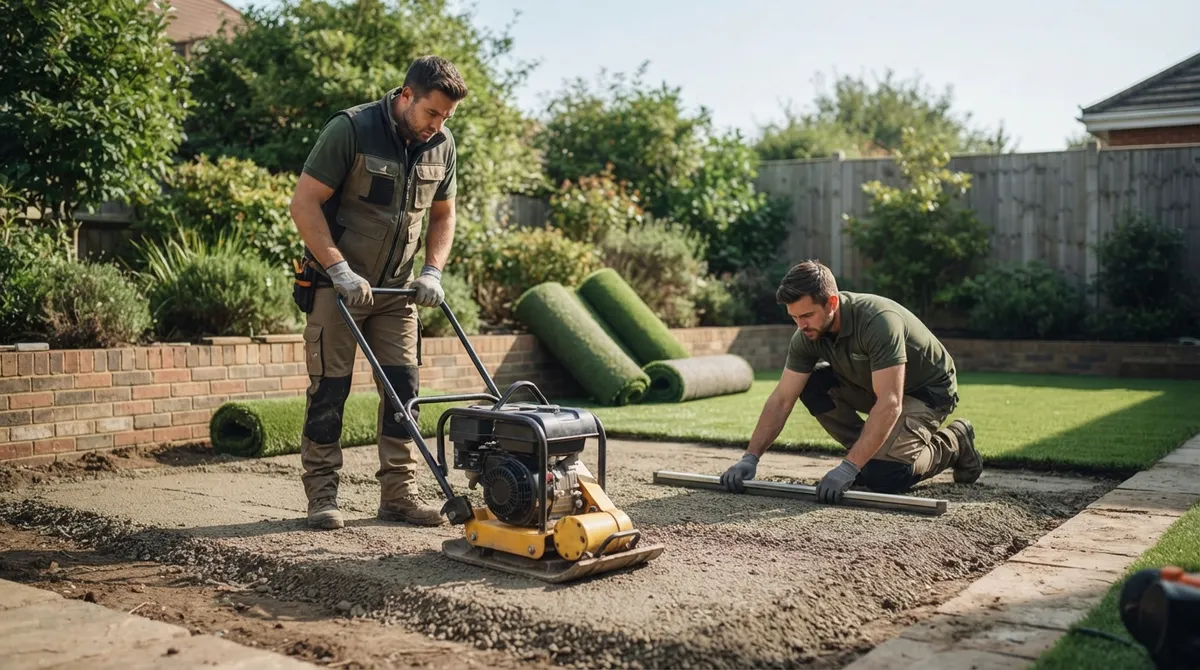
Most installations call for excavating about 2 to 3 inches of soil, then adding and compacting a similar depth of road base, decomposed granite, or another free-draining aggregate. Areas with poor soil, backyard putting greens, or known drainage issues may need deeper excavation. This base is the backbone of your lawn’s long-term performance.
5. Laying and Seaming the Turf
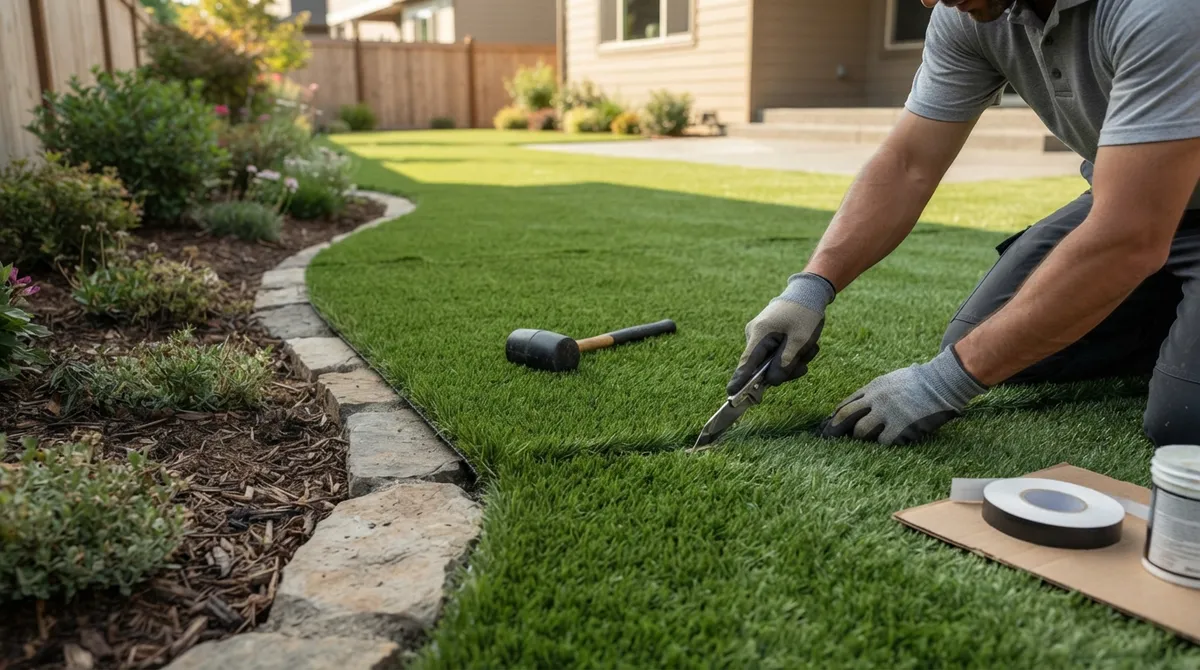
Once the base is compacted and smooth, it’s time for the fun part. Turf sections get rolled out, trimmed to fit, and seamed together using outdoor-rated adhesive and seaming tape. Installers make sure the grain direction matches across seams so you don’t see an obvious line where two pieces meet.
6. Anchoring the Edges
Landscape nails, staples, or bender board hold the perimeter firmly in place. This step prevents shifting, lifting, or curling at the edges, which is one of the most common complaints with poorly installed turf.
7. Applying Infill
Infill sits down between the blades and helps the turf stand up straight while adding a bit of cushioning underfoot. Most installations use about 1 to 2 pounds of infill per square foot, though this depends on pile height and manufacturer specs. A single 50-pound bag typically covers 30 to 50 square feet.
8. Final Brushing and Inspection
The last step is brushing the fibers upright with a power broom or stiff brush. This gives your new lawn that lush, natural look right from day one.
How Much Does It Cost to Put Artificial Grass In?
Cost is usually the first question on everyone’s mind, and that’s completely fair. Budgets matter, whether you’re a homeowner or managing a commercial property. Here’s a quick breakdown based on current industry pricing data.
| Cost Factor | Typical Range | Notes |
|---|---|---|
| Complete installation (national average) | $5–$15 per sq ft | Varies by turf grade, site prep, and access |
| Regional contractor pricing | $9–$15 per sq ft | Smaller or complex areas often cost more per foot |
| Annual maintenance (1,000 sq ft lawn) | $250–$350 per year | Covers brushing, infill top-off, cleaning |
| Infill material | 1–2 lbs per sq ft | One 50 lb bag covers roughly 30–50 sq ft |
Site prep and drainage work often make up a bigger chunk of the price than the turf material itself. That’s why cheap, rushed quotes can sometimes signal shortcuts on the base and grading. For a clear, honest breakdown of your project, you can always Get a Free Estimate before making a decision.
Choosing the Right Infill for Your Yard
Infill might seem like a small detail, but it plays a big role in how your lawn feels and performs. Not all infill materials work the same way, and picking the wrong one can lead to odor problems or a lawn that feels stiff instead of soft.
Here are the most common infill types landscapers recommend:
- Silica sand – supports blades and adds weight, widely used for standard lawns
- Coated sand – includes antimicrobial coatings, helpful for pet areas
- Zeolite – naturally absorbs odors, popular for homes with dogs
- Rubber infill – adds cushioning, often used for play areas or sports turf
Ordinary masonry sand is generally not a good substitute. It doesn’t drain the same way and can compact too tightly over time. If you have pets, pairing the right infill with a permeable base and regular rinsing routine makes a huge difference in odor control.
Does Artificial Grass Need Drainage?
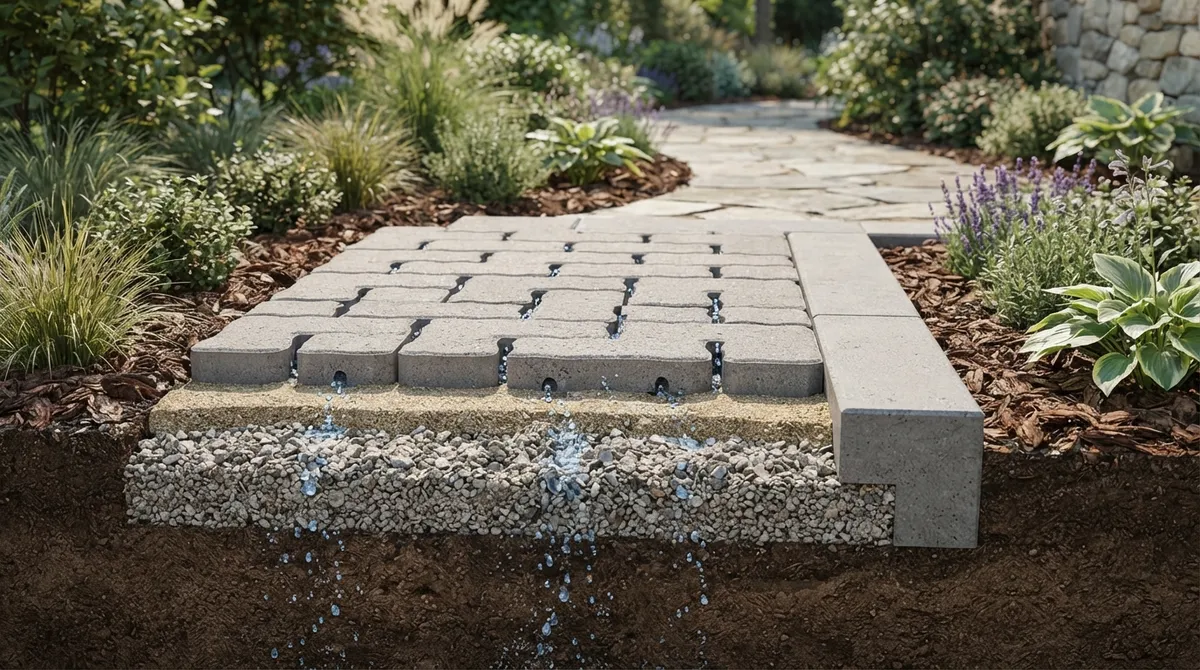
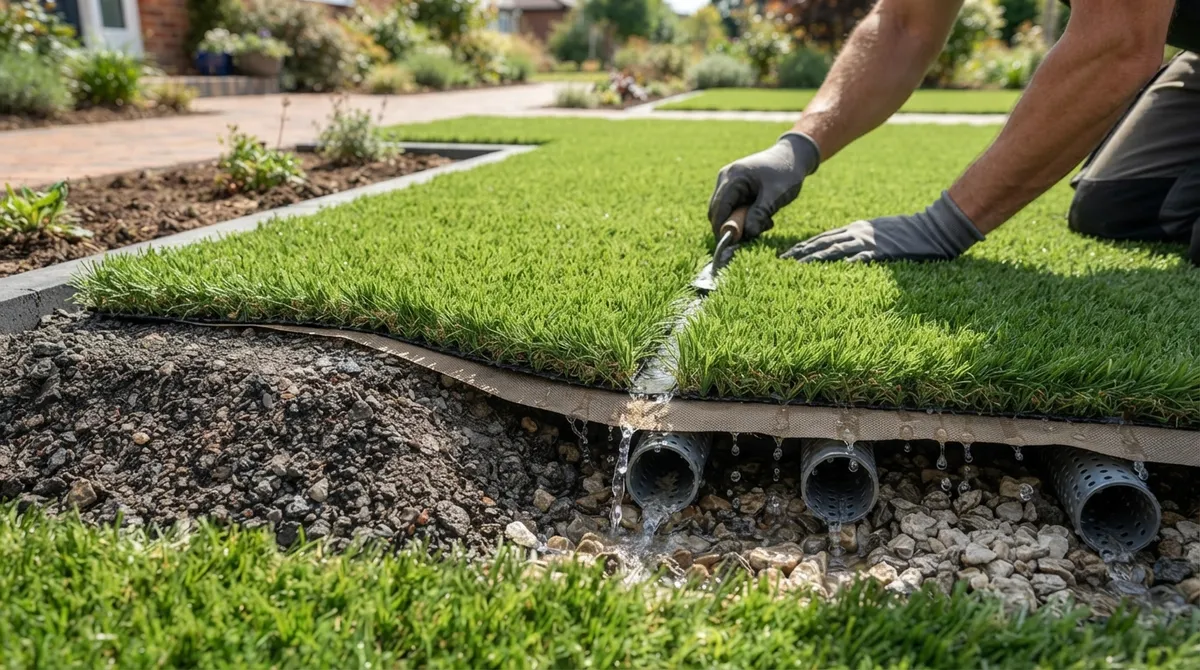
Yes, absolutely. This is one of the most misunderstood parts of putting artificial grass. The turf itself has small drainage holes punched through the backing, but that only works if the ground underneath is graded and built correctly.
Without proper grading and a free-draining aggregate base, water can pool underneath the turf. That leads to soggy spots, unpleasant smells, and even damage to your home’s foundation if water runs the wrong direction. A well-planned turf drainage system keeps water moving where it should go, protecting your investment for years.
Maintenance: What to Expect After Installation
One of the biggest draws of artificial grass is less yard work. No more mowing every weekend or dragging out the sprinkler system. But “low maintenance” doesn’t mean “no maintenance.” Here’s what regular upkeep typically looks like:
- Removing leaves, sticks, and debris regularly
- Rinsing pet areas to prevent odor buildup
- Brushing high-traffic zones to keep fibers upright
- Checking seams and edges for lifting or separation
- Topping off infill every year or two as needed
- Treating stains promptly before they set in
Most homeowners spend somewhere between $250 and $350 a year maintaining a 1,000-square-foot artificial lawn, based on current industry estimates. That’s still far less than the ongoing cost of watering, fertilizing, and mowing natural grass season after season.
Things to Consider Before You Commit
Artificial turf isn’t the right fit for every single situation, and a good landscaper will tell you that honestly. Before moving forward, it helps to think through a few things.
Heat and Climate
Artificial turf can get noticeably hotter than natural grass on sunny days. Research from the University of British Columbia found that artificial turf can raise nearby air temperature by about 0.5 to 1.2 degrees Celsius, with surface temperatures climbing even higher under direct sun. If you have a south-facing yard with little shade, this is worth discussing with your installer.
Environmental Factors
Recent evidence reviews point to concerns like increased stormwater runoff, habitat loss, and microplastic particles shedding from infill and fibers over time. Choosing quality materials and proper drainage design helps reduce these impacts. Groups like the Landscape Illinois association offer helpful guidance on sustainable landscaping choices for our region.
Local Rules and HOA Guidelines
Some municipalities and homeowners associations have specific rules about synthetic turf, from approved product types to installation setbacks. It’s smart to check local regulations before finalizing your plans, especially in Chicago suburbs where HOA standards can be strict.
Is Putting Artificial Grass Right for Your Property?
Different properties have different needs, and that’s exactly why we tailor every project. Here’s a quick look at who tends to benefit most:
- Suburban homeowners dealing with clay soil, shade, or high-traffic backyards where natural grass struggles
- Urban condo owners with rooftop or small patio spaces needing low-maintenance greenery
- Commercial property managers wanting consistent curb appeal without constant lawn care crews
- New home builders looking for a turnkey outdoor feature that appeals to buyers
- Small business owners wanting a polished, pedestrian-friendly storefront look year-round
For commercial spaces especially, artificial turf pairs beautifully with other hardscape features like pavers, outdoor lighting, and seating areas to create a cohesive, welcoming environment. It also complements commercial lawn maintenance plans by reducing the total green space that needs constant care.
Working with a Professional Installer
DIY turf kits exist, but putting artificial grass in correctly really does call for experience. Getting the grading wrong by even a small margin can cause drainage headaches for years. Improper seaming can lead to visible lines or lifting edges within the first season.
Professional installers, especially those following standards similar to what you’d find through the ICPI Certified Installer program for hardscape work, bring the training and equipment needed to compact the base properly and seam turf so it looks seamless. That experience translates directly into a lawn that holds up better over time.
At Serenity Landscape Group, we’ve spent over two decades helping homeowners and businesses across the greater Chicago area create outdoor spaces that work as hard as they look good. Our process covers everything from initial design through installation and long-term care, so you’re never left guessing what comes next. You can browse our gallery of our work to see real transformations we’ve completed throughout Chicagoland.
Bringing It All Together
Putting artificial grass down the right way is part science, part craftsmanship. From grading and drainage to seaming and infill, every step builds toward a lawn that looks great and performs well for years. It’s an investment, but one that pays off in saved time, water, and weekend yard work.
If you’re picturing a lush, low-maintenance lawn but aren’t sure where to begin, we’d love to help you plan it out. Reach out to get a free estimate from our team, or simply call us at (630) 359-5139 to talk through your project. Your dream lawn is closer than you think, and we’re genuinely excited to help you get there.
FAQs
Q: How much does it cost to install artificial grass per square foot?
A: Great question! Most complete installations run between $5 and $15 per square foot nationally, though many Chicago-area projects fall closer to $9 to $15 depending on site prep and turf grade. The good news is that a free estimate can give you exact numbers for your specific yard.
Q: What preparation is needed before putting artificial grass down?
A: You’ll need to remove old grass and roots, grade the soil for drainage, and build a compacted aggregate base about 2 to 3 inches deep. This groundwork might not be glamorous, but it’s honestly the secret to a lawn that stays flat and drains well for years.
Q: Does artificial grass need a drainage system?
A: Yes, it really does! While the turf itself has small drainage holes, the soil and base underneath still need proper grading, usually a gentle 2% slope, to move water away from your home safely.
Q: How long does professionally installed artificial grass last?
A: With quality materials and correct installation, artificial turf can last many years of regular use. Sticking to a simple maintenance routine, like brushing and topping off infill, helps your lawn stay looking fresh for the long haul.
Q: How do you maintain artificial grass in a yard with pets?
A: Pet areas do best with a permeable base and an odor-controlling infill like zeolite or coated sand. Regular rinsing and prompt cleanup go a long way toward keeping things fresh, and honestly, it’s still way easier than mud season with natural grass!