Key Takeaways
-
Proper soil preparation is critical—remove old grass, test pH levels, amend soil with nutrients, grade for drainage, and till compacted areas before installing any grass to prevent patchy growth and weak root establishment.
-
Choose the right installation method for your situation: sod for quick results (2-3 weeks), seeding for budget-conscious large properties (4-6 weeks), or hydroseeding for commercial sites and uneven terrain (4-6 weeks).
-
Use a sod roller after installation to eliminate air pockets between sod and soil, which prevents roots from reaching the ground and causes dead patches weeks later.
-
Install grass in early fall (late August to mid-September) for cool-season grasses in Chicago, as summer installation requires excessive watering and late fall risks freezing before establishment.
-
Budget $4-$12 per square foot for residential grass installation or $3,000-$15,000 for complete landscape projects; don’t overlook soil testing, drainage solutions, post-installation watering, and professional labor costs.
-
Provide intensive post-installation care: water new sod daily for 10-14 days, avoid foot traffic for 2-3 weeks, mow at 3-4 inches, and delay fertilizer until after the second mowing to ensure roots establish properly.
A gorgeous lawn doesn’t happen by accident. It happens because someone did the prep work right, chose the correct grass type, and avoided a bunch of common pitfalls. Grass installation is one of those projects that looks simple from the outside, but it’s actually packed with small decisions that make a big difference. Skip a step, and you might be staring at bare patches, soggy spots, or a lawn that just never seems to thicken up.
Here in the greater Chicago area, our soil, weather, and drainage quirks add another layer of challenge. Clay-heavy soil, harsh winters, and unpredictable spring rains can turn a DIY lawn project into a frustrating mess. The good news? Every one of these mistakes is completely avoidable once you know what to look for. Whether you’re a suburban homeowner chasing that HOA-approved curb appeal, a builder finishing out new construction, or a property manager trying to keep a commercial site looking sharp, this guide will walk you through the most common grass installation mistakes and how to sidestep every single one.
Why Grass Installation Deserves More Attention Than You Think
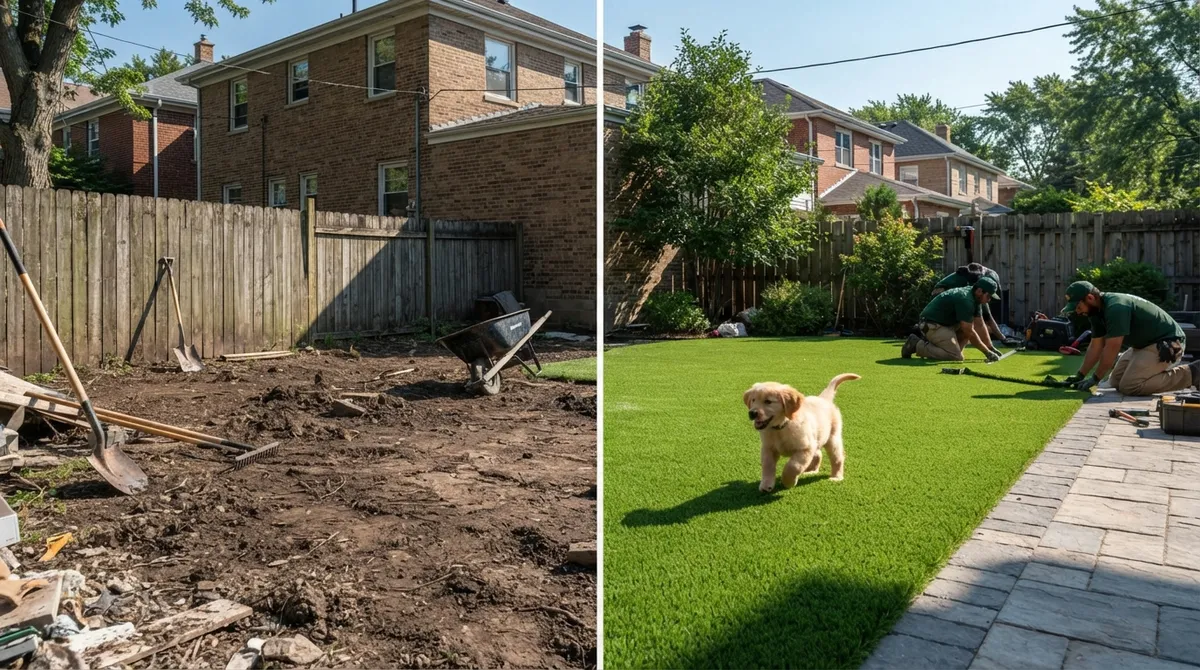
Grass installation is the process of establishing a brand-new lawn, usually through sod, seeding, or hydroseeding. It sounds straightforward, but it starts with rigorous soil preparation and grading long before a single blade of grass touches the ground. Done right, it transforms a muddy construction site or tired old yard into an instant showpiece.
Proper landscaping, including a well-installed lawn, can increase a home’s value by 5% to 20%, according to industry cost data. That’s a serious return on investment for something that also makes your yard more enjoyable every single day. If you want to see what a properly planned outdoor space can look like, check out our gallery of our work for inspiration.
Mistake 1: Skipping Proper Soil Preparation
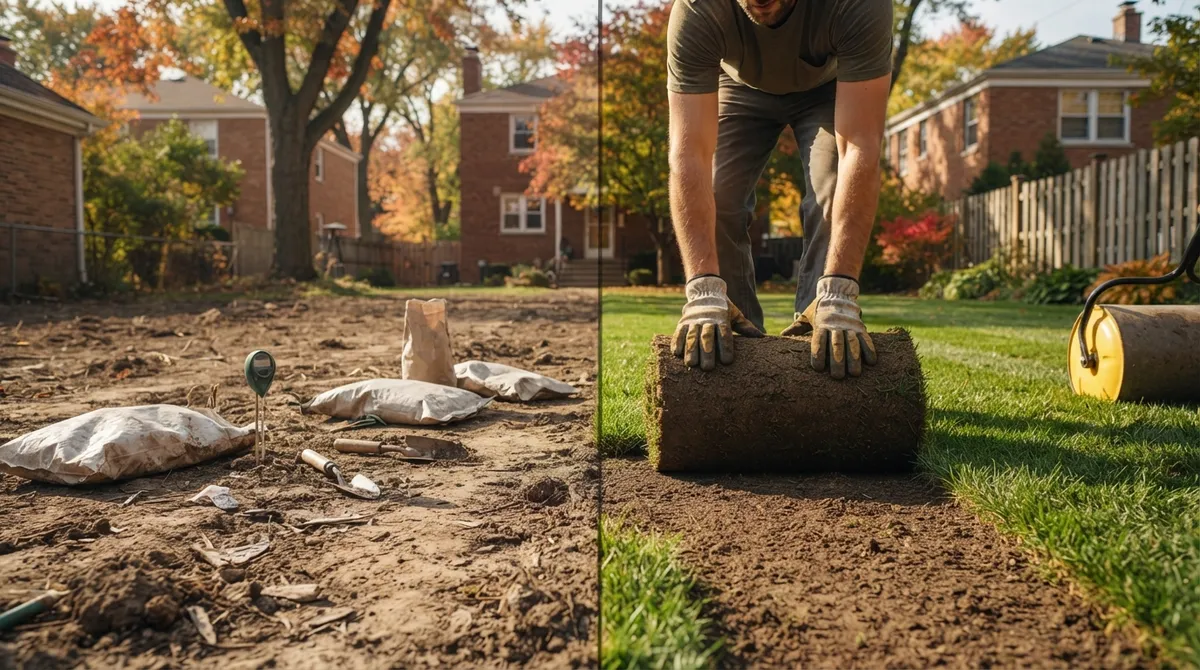
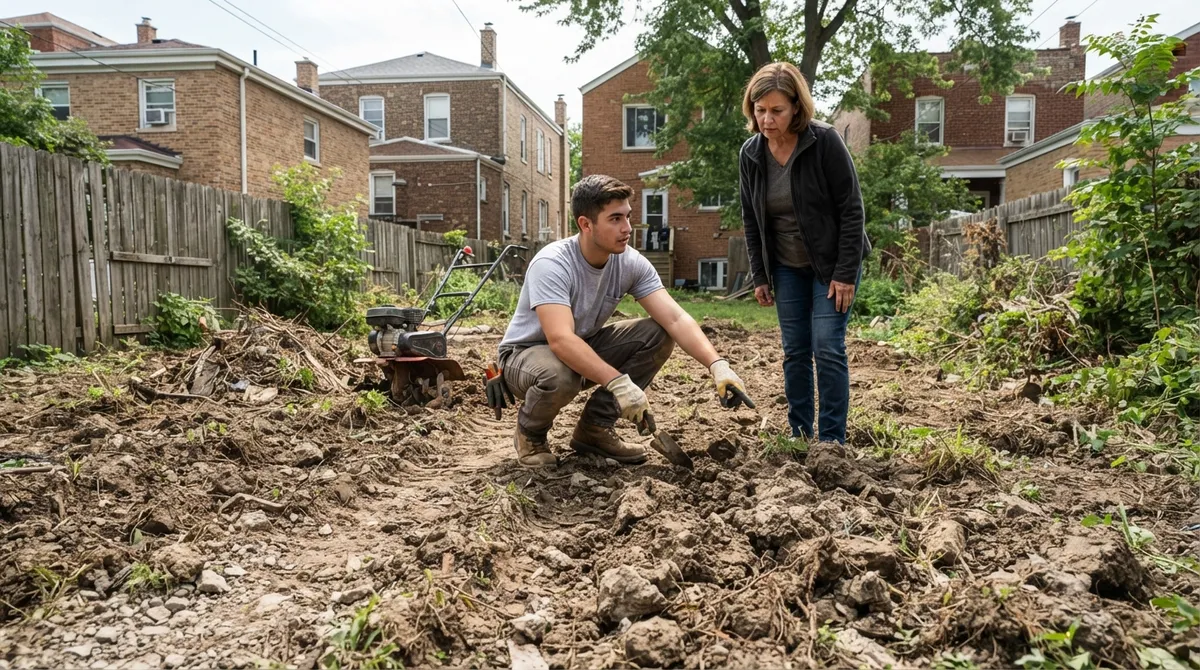
This is the big one. Grass installation involves removing existing vegetation, debris, and rocks before tilling and leveling the soil to create a smooth foundation. Skip this step, and you’re basically building a house on a shaky foundation.
Soil amendment is a critical part of this process too. Landscapers enhance the ground with nutrients and conditioners to support healthy grass growth. Without this, your new grass might sprout just fine, then struggle to thrive once it needs real nutrients to grow deep roots.
- Remove old grass, weeds, and debris completely
- Test soil pH and nutrient levels before adding amendments
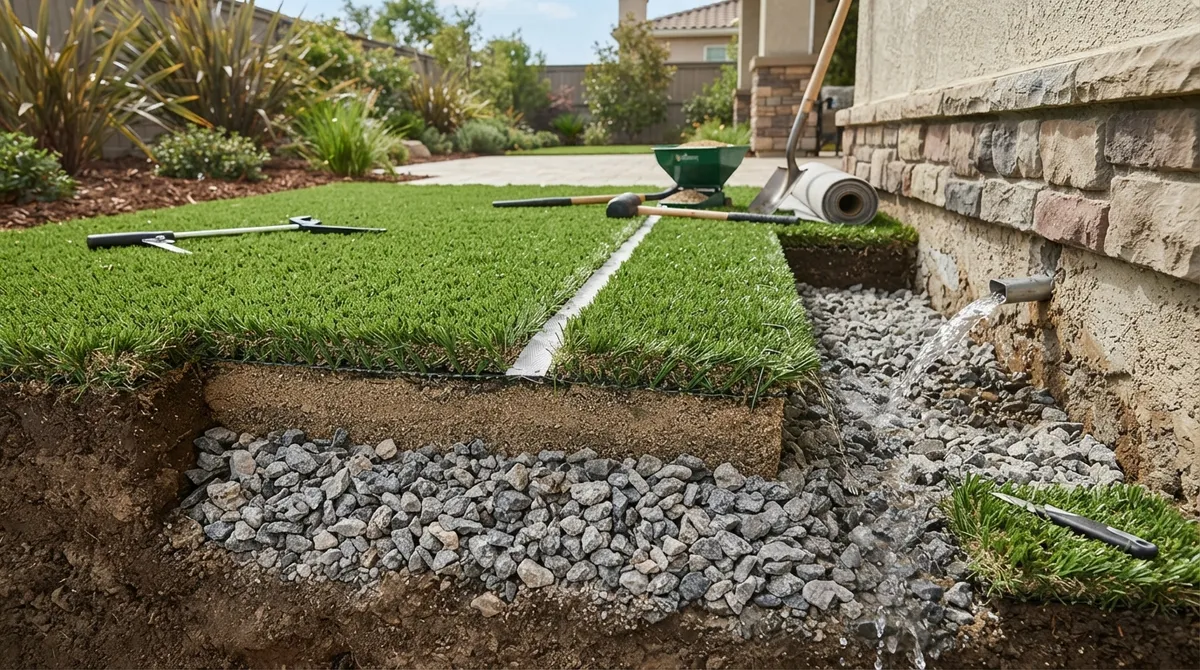
- Grade the yard so water flows away from your home’s foundation
- Till the soil to loosen compacted areas
- Add topsoil or compost where needed for better root growth
Mistake 2: Choosing the Wrong Installation Method for Your Property
There isn’t one perfect way to install grass. Three primary methods exist, and each has its own strengths depending on your timeline, budget, and goals.
| Method | Time to Establish | Best For |
|---|---|---|
| Sod Installation | 2-3 weeks | Instant curb appeal, erosion-prone slopes, quick turnarounds |
| Seeding | 4-6 weeks | Budget-conscious projects, large properties, natural growth patterns |
| Hydroseeding | 4-6 weeks | Large commercial sites, uneven terrain, efficient coverage |
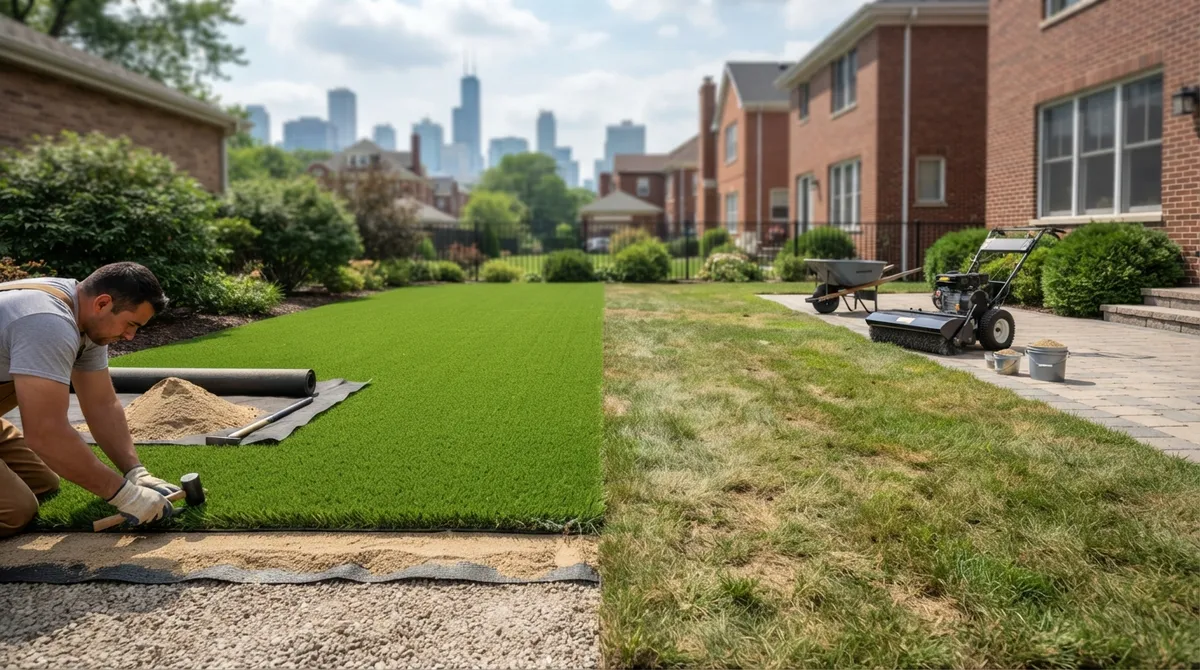
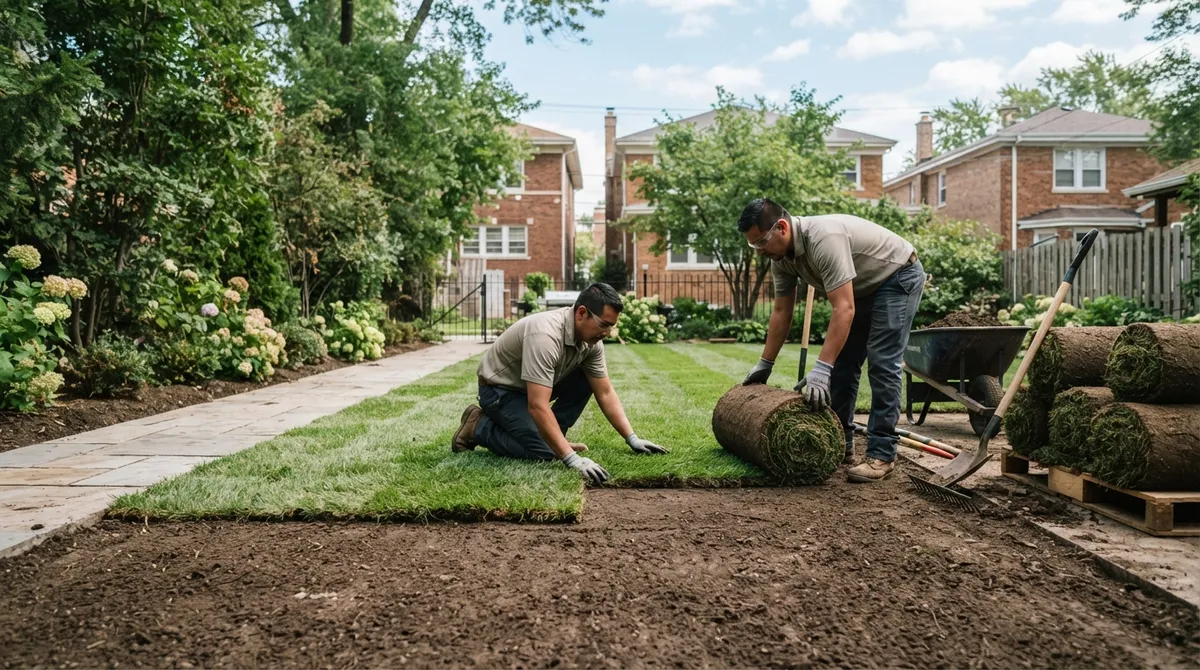
Sod installation is the quickest method to achieve a lush lawn, since it uses pre-grown grass cut into pieces that are rolled out and seamed together. If you need a lawn ready for a big event or a new home closing, sod is often the smarter pick. But if you’re working with a tighter budget or a huge commercial property, seeding or hydroseeding might make more sense.
Mistake 3: Ignoring the Sod Rolling Step
This one gets skipped more often than you’d think, especially with DIY installations. Professional installers use a sod roller to eliminate air pockets, ensuring good contact between the sod and soil for proper root establishment.
Without rolling, your sod might look fine on day one, but those hidden air pockets prevent roots from reaching the soil below. The result is patchy dead spots that show up weeks later, right when you thought everything was going great.
Mistake 4: Installing Grass at the Wrong Time of Year
Timing matters more than most homeowners realize. In the Chicago area, our seasons swing hard, and that affects how well new grass establishes itself.
- Early fall (late August to mid-September) is often the best window for cool-season grasses common in our region
- Spring installation works too, but requires more careful watering as temperatures rise
- Summer installation is possible but riskier due to heat stress on new roots
- Late fall installations risk not establishing before the ground freezes
Yes, grass can technically be installed in summer, but it demands more attention and watering to survive the heat. Working with an experienced team who understands our local climate patterns, like the folks at Landscape Illinois, helps take the guesswork out of timing your project correctly.
Mistake 5: Overlooking Drainage Issues Before Installation
Chicago’s clay soil doesn’t drain well on its own. If you install grass over poor drainage without addressing the underlying issue, you’ll end up with soggy patches, fungus problems, and grass that just won’t take root properly.
Before any grass goes down, it’s smart to evaluate your yard’s grading and consider whether you need additional drainage solutions. Sometimes this means pairing your new lawn with hardscape features like retaining walls to manage slopes and water flow effectively.
Mistake 6: Choosing the Wrong Grass Type for Your Space
Not all grass is created equal, and picking a variety that doesn’t match your yard’s sunlight, foot traffic, or soil conditions sets you up for disappointment. A shady backyard needs a different grass blend than a sunny front lawn that gets baked all afternoon.
- Consider how much direct sunlight different areas of your yard receive
- Factor in foot traffic from kids, pets, or entertaining guests
- Account for Chicago’s cold winters when selecting cool-season varieties
- Think about maintenance commitment before choosing a high-upkeep grass type
- Ask your landscaping professional which blend performs best in clay soil
If natural grass upkeep sounds like more than you want to manage long-term, it’s worth exploring artificial turf installation as a low-maintenance alternative that still delivers that lush green look year-round.
Mistake 7: Underestimating Post-Installation Care
Getting the grass installed correctly is only half the job. Post-installation maintenance guidance, including specific watering, mowing, and fertilizing schedules, is standard for ensuring lawn viability.
New sod typically needs daily watering for the first one to two weeks, while seeded lawns need consistent moisture to keep seeds from drying out. Skipping this step, or assuming your new lawn can fend for itself right away, is one of the fastest ways to waste your investment.
A Simple First-Month Care Checklist
- Water new sod daily for the first 10-14 days, then reduce gradually
- Avoid heavy foot traffic until roots establish, usually 2-3 weeks
- Mow for the first time once grass reaches about 3-4 inches
- Hold off on fertilizer until the lawn has been mowed twice
- Watch for yellowing patches, which often signal watering issues
Mistake 8: Not Budgeting Correctly for the Full Project
Grass installation costs can catch people off guard if they only budget for the grass itself. Residential landscaping costs range from $4 to $12 per square foot, depending on job size and requirements, and larger landscape design and installation services typically run between $3,000 and $15,000.
For comparison, artificial turf installations start around $6.95 per square foot for projects over 1,000 square feet, which can be a smarter long-term choice for high-traffic commercial areas or homes with pets. Smaller jobs like lawn care or minor touch-ups often run $50 to $100 per hour, while ongoing monthly maintenance averages $100 to $200.
| Service Type | Typical Cost Range |
|---|---|
| Residential landscaping (per sq ft) | $4 – $12 |
| Large landscape design & installation | $3,000 – $15,000 |
| Artificial turf (per sq ft, 1,000+ sq ft) | Starting at $6.95 |
| Hourly lawn care services | $50 – $100 |
| Monthly maintenance | $100 – $200 |
Planning your budget with these numbers in mind helps avoid unpleasant surprises. It’s always worth requesting a free estimate so you know exactly what your specific property needs before committing to a plan.
Mistake 9: Hiring the Wrong Team (or Skipping Professionals Entirely)
DIY grass installation looks tempting, especially with so many online tutorials promising easy results. But between soil testing, grading, proper seeding rates, and knowing which grass variety suits Chicago’s climate, there’s a lot that can go sideways without experience.
Working with a certified team makes a real difference. Look for installers connected to trusted trade organizations, such as an ICPI Certified Installer, which signals a commitment to industry standards and proper training. A knowledgeable crew also understands how to pair your new lawn with complementary features like softscapes, pavers, or even a fire pit for a complete outdoor living space.
Questions to Ask Before Hiring a Grass Installation Team
- How many years of experience do you have with Chicago-area soil conditions?
- What grass types do you recommend for my specific yard and sunlight levels?
- Do you offer a maintenance plan after installation is complete?
- Can I see examples of past grass installation projects?
- What’s included in your written estimate?
How Different Property Owners Approach Grass Installation
Every property has its own goals when it comes to a new lawn. Suburban homeowners often want a lush, HOA-friendly lawn that boosts curb appeal and holds up against Chicago’s freeze-thaw cycles. New home builders in areas like Aurora need reliable turnkey lawn installation that’s ready to impress buyers on move-in day, often paired with our streamlined design and installation process.
Commercial property managers, meanwhile, tend to prioritize durability and low-maintenance solutions, sometimes leaning on commercial lawn maintenance plans to keep things looking sharp year-round. Small business owners want a welcoming, pedestrian-friendly green space that draws customers in, while urban condo owners with limited outdoor space often need creative, space-efficient solutions that still deliver that fresh green look.
Bringing It All Together
Grass installation isn’t complicated once you understand the key steps and common traps. Proper soil prep, the right method for your timeline and budget, correct timing, smart drainage planning, and consistent aftercare all work together to give you a lawn that actually lasts. Skip any one of these, and you risk wasting time and money on a lawn that never quite lives up to its potential.
At Serenity Landscape Group, we’ve spent over two decades helping homeowners and businesses across the greater Chicago area avoid these exact mistakes. From soil testing to final seeding, we handle every step so your new lawn thrives from day one. Ready to get started? Get a free estimate today, or give our team a call at (630) 359-5139 to talk through your project and start planning the lawn you’ve always wanted.
FAQs
Q: What is the difference between sod, seeding, and hydroseeding for grass installation?
A: Sod gives you an instant lawn using pre-grown grass rolled out over prepared soil, so it looks great right away. Seeding is more budget-friendly but takes longer to fill in, while hydroseeding sprays a seed-and-mulch mixture that’s great for covering large areas efficiently. Each method has its place, and the right choice really depends on your timeline and budget.
Q: How long does it take for newly installed sod to establish roots?
A: Fresh sod typically takes about 2 to 3 weeks to establish solid roots, as long as you’re watering consistently during that window. Seeded lawns take a bit longer, usually 4 to 6 weeks, before they’re fully established. Patience really pays off here, so try to keep foot traffic light during this early period.
Q: How much does it cost to install grass per square foot?
A: Residential landscaping projects, including grass installation, generally run between $4 and $12 per square foot depending on the scope of work. Larger projects with full design and installation services often fall between $3,000 and $15,000 total. We’re always happy to walk through the specifics with you during a free estimate.
Q: Can grass be installed in the summer, or is there a best time for lawn installation?
A: You absolutely can install grass in summer, but it does require extra watering and attention since the heat puts stress on new roots. Early fall is often considered the sweet spot for cool-season grasses common in our Chicago climate. If you’re not sure what timing works best for your yard, our team is happy to help you plan it out.
Q: What maintenance is required immediately after grass installation?
A: New sod needs daily watering for the first week or two, then you can gradually taper off as roots take hold. Hold off on mowing until the grass reaches about 3-4 inches, and skip fertilizer until after the second mow. A little extra care in those early weeks makes a huge difference in how your lawn looks for years to come.