Key Takeaways
-
Professional turf installers handle critical steps like site prep, drainage, base compaction, seaming, and infill application—each step affects how your lawn drains, feels, and holds up over time, making installer quality crucial to avoiding lumpy, wrinkled results.
-
Turf installation typically costs $8-$15 per square foot, with standard residential lawns ranging $2,000-$8,000 and completing in 2-4 days, offering faster results than natural grass while eliminating weekend mowing, watering, and maintenance costs.
-
Always hire a certified installer through networks like Mighty Turf or ICPI, as manufacturer warranties often depend on certified installation—working with uncertified crews can void your warranty entirely even if the turf itself is high quality.
-
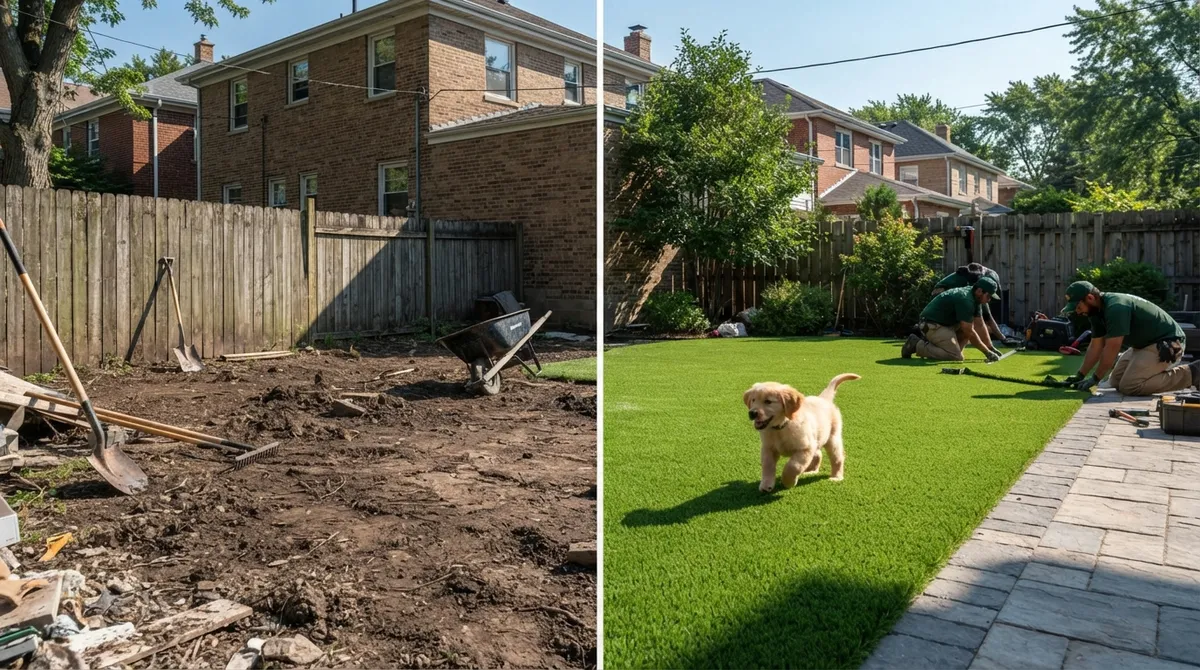
Pet-friendly turf systems with antimicrobial infill and improved drainage eliminate muddy paws, dug-up patches, and odors better than natural grass, making them ideal for dog owners tired of maintaining damaged lawns.
Tired of mowing, watering, and staring at brown patches every summer? A skilled turf installer can solve all of that in just a few days. Whether you live in a leafy Chicago suburb or manage a busy commercial property, artificial turf is one of the smartest upgrades you can make in 2026. It saves time, saves water, and looks gorgeous year-round, even through our brutal Midwest winters.
But not all turf installers are created equal. The difference between a stunning, long-lasting lawn and a lumpy, wrinkled mess often comes down to who you hire and how they do the work. This guide walks you through everything you need to know, from the installation process to picking the right pro for your project. Let’s dig in (pun very much intended).
1. Understanding What a Turf Installer Actually Does
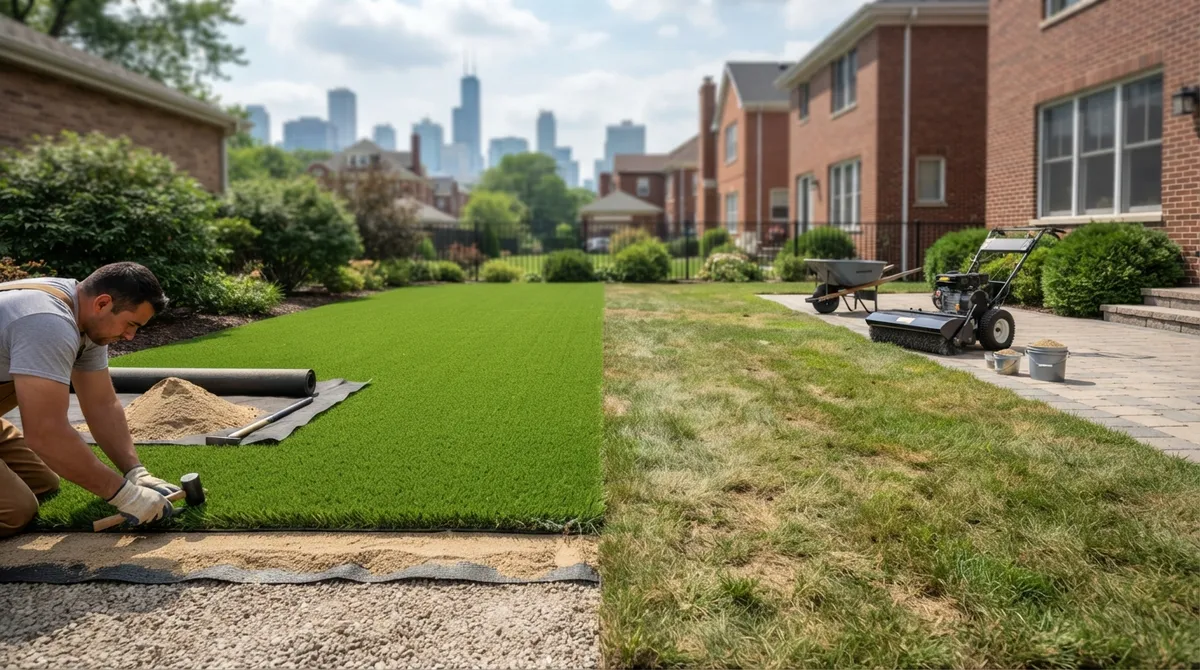
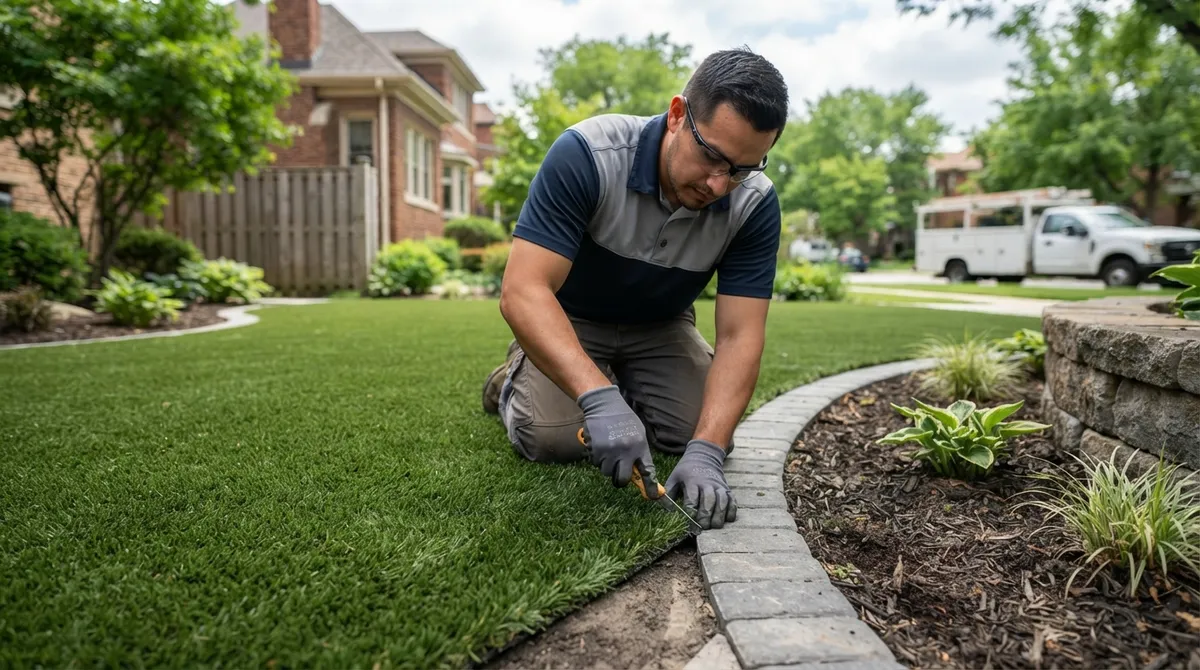
A professional turf installer does much more than roll out fake grass and call it a day. They handle site prep, drainage, base compaction, seaming, and infill application. Every step matters because it affects how your lawn drains, feels, and holds up over time.
At Serenity Landscape Group, our team treats every yard like a puzzle. We look at your soil, your sun exposure, and how you plan to use the space before we ever break ground. That thoughtful approach is why our artificial turf installation service has become a favorite among Chicago homeowners.
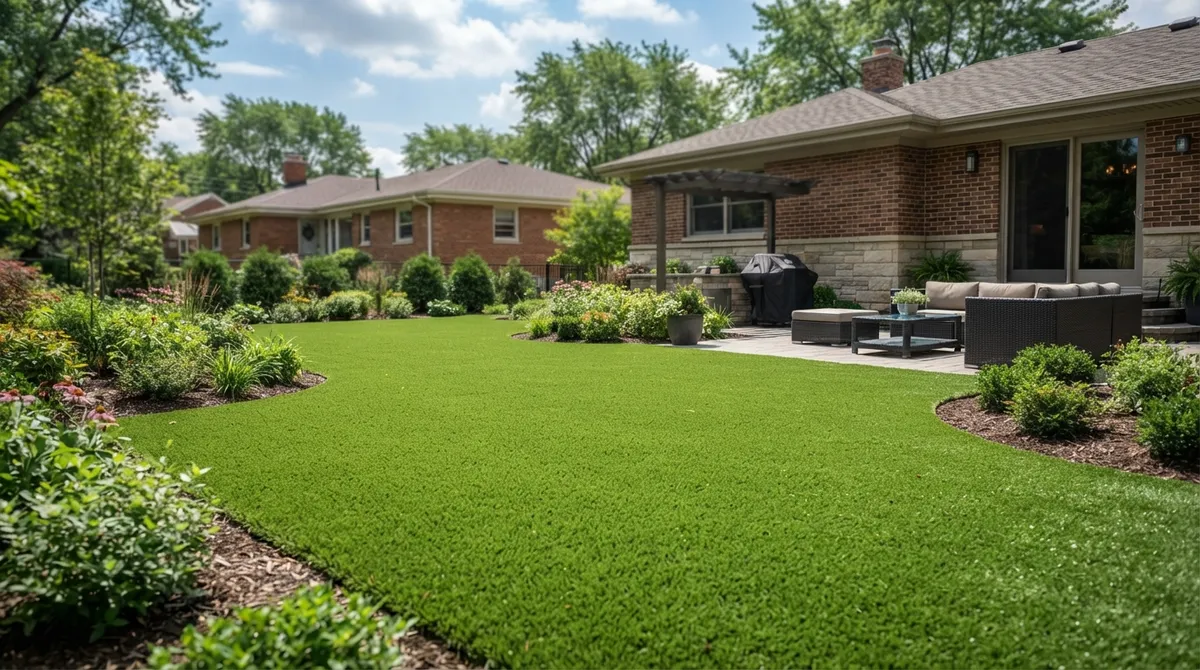
2. Why Homeowners Across Chicagoland Are Making the Switch
Natural grass struggles in our clay-heavy soil and unpredictable weather. Between droughts, downpours, and long winters, keeping a lawn green takes real effort. Turf removes that burden entirely.
- No more mowing every weekend during summer
- Say goodbye to muddy paw prints and dead patches
- Consistent green color through every season
- Lower water bills and less chemical use
- Great for HOA compliance and curb appeal standards
Suburban homeowners especially appreciate how turf keeps their yard looking sharp without weekend chores eating into family time. If you want a deeper look at how synthetic lawns hold up against natural grass, check out our comparison on artificial turf vs. natural grass in Midwest winters.
3. The Step-by-Step Turf Installation Process
Every reputable turf installer follows a similar process, though details vary by property. Here’s what you can expect from start to finish.
- Site assessment: The installer measures the area and checks drainage patterns.
- Excavation: Crews remove several inches of existing soil and grass.
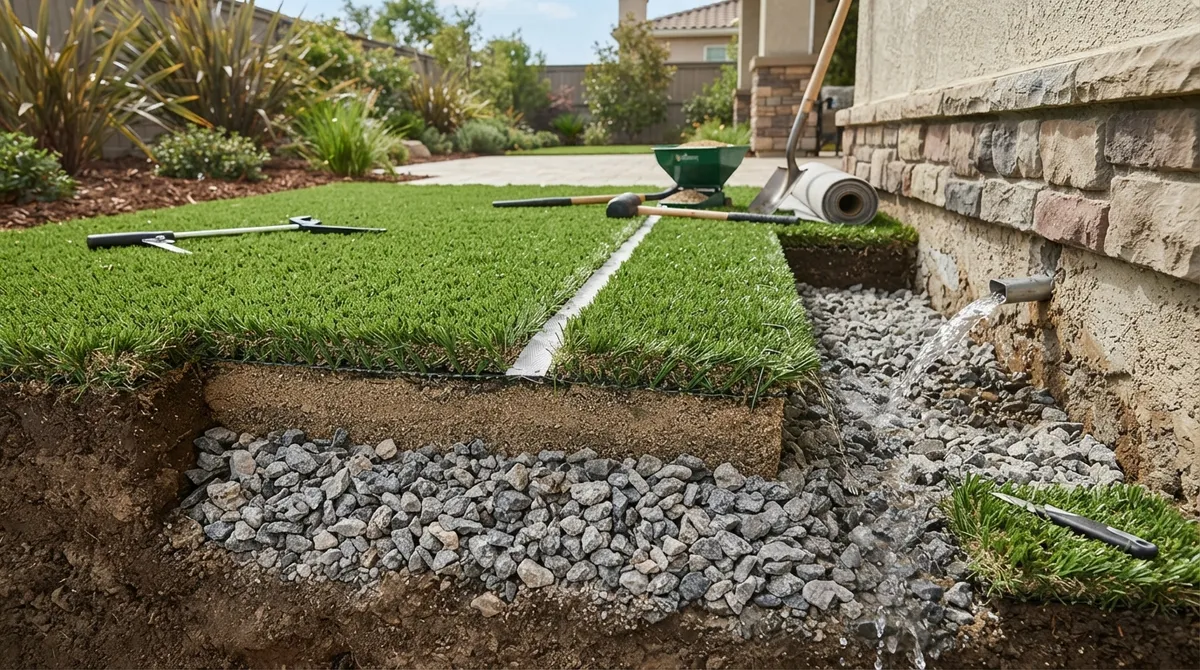
- Base preparation: A compacted layer of gravel or crushed stone creates a stable, well-draining foundation.
- Geotextile fabric placement: This barrier stops weeds and keeps the base stone from shifting.
- Turf laying: Rolls of synthetic grass are positioned and trimmed to fit the space.
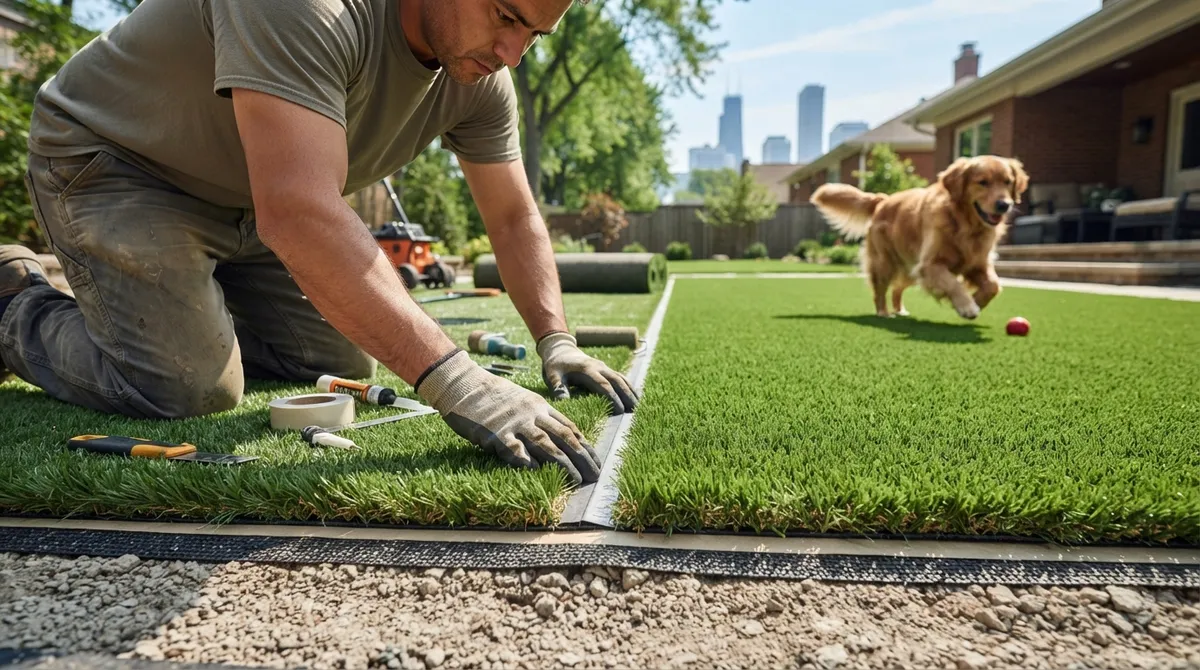
- Seaming: Edges are joined using fabric seam glue for a smooth, invisible transition.
- Infill application: Sand or rubber infill is spread to weigh down the turf and support the blades.
- Power brooming: Crews brush the turf upright for a natural, lush appearance.
This careful process is exactly why we walk clients through our process before any work begins. For a closer look at each stage, our article on the 5 key stages of turf installation breaks it down even further.
4. What Affects Turf Installation Costs
Turf pricing depends on square footage, base materials, and site complexity. According to industry data, professional installation typically runs $8 to $15 per square foot installed. Nationally, general landscaping projects average around $2,600, though turf-specific jobs can range anywhere from $320 for small patches to $20,000 for large commercial spaces.
| Project Size | Estimated Cost Range | Typical Timeline |
|---|---|---|
| Small backyard patch | $320 – $2,000 | 1 day |
| Standard residential lawn | $2,000 – $8,000 | 2-4 days |
| Large residential or small commercial | $8,000 – $15,000 | 4-7 days |
| Large commercial property | $15,000 – $20,000+ | 1-3 weeks |
Want a more detailed breakdown? Our guide on synthetic grass installation cost facts for 2026 covers pricing factors in depth.
5. Turf Options for Every Type of Space
Not all synthetic turf is the same. A good turf installer offers multiple product lines depending on how you’ll use the space.
- Natural-looking lawn turf: Ideal for front yards and backyards where curb appeal matters most.
- Pet-friendly turf: Designed with better drainage and odor resistance for dog runs.
- Putting green turf: Short, dense fibers built for golf practice at home.
- High-traffic commercial turf: Durable blends for playgrounds, rooftops, and retail spaces.
Urban condo owners with rooftop terraces often gravitate toward our rooftop terrace turf design options, since they combat urban heat and require almost no upkeep.
6. Turf Installation for Pets: What You Need to Know
Pet owners often ask if artificial turf is really better than natural grass for their furry friends. The short answer is yes, in most cases. Pet-friendly turf systems include antimicrobial infill and improved drainage layers that flush waste and odor away quickly.
These systems also eliminate muddy paws and dug-up patches. If you’re curious about maintenance, our article on cleaning artificial turf from pet waste offers simple, practical tips.
7. Why Certified Installers Matter
Manufacturer warranties often depend on using a certified installer. Networks like Mighty Turf partner with select landscapers to guarantee workmanship and material quality. This certification protects you if something goes wrong down the road.
Working with an uncertified or inexperienced crew can void your warranty entirely, even if the turf itself is high quality. Organizations like Landscape Illinois and the ICPI Certified Installer program set standards that help homeowners identify trustworthy contractors. Always ask your installer about their certifications before signing a contract.
8. Commercial Applications for Property Managers
Commercial property managers face unique landscaping challenges. Foot traffic, stormwater rules, and budget constraints all play a role in decision-making. Turf offers a low-maintenance solution that still looks polished year-round.
- Reduces ongoing lawn care costs and labor
- Improves stormwater management with proper drainage layers
- Enhances curb appeal for tenants and customers
- Handles heavy foot traffic without wearing out
- Requires no pesticides or fertilizers, supporting sustainability goals
If you manage a retail center or office park, our page on high-traffic commercial turf solutions explains how synthetic grass holds up under constant use. We also offer commercial lawn maintenance for properties that combine natural and synthetic landscaping elements.
9. Turf for New Construction and Developer Projects
Builders in Aurora and surrounding suburbs increasingly request turf installation as part of turnkey landscaping packages. Buyers love move-in-ready yards that never need reseeding or heavy irrigation setup.
Pairing turf with pavers and softscapes creates a cohesive, professional look that helps homes sell faster. Developers appreciate that synthetic lawns stay green through the entire selling season, even during model home tours in August heat or April mud season.
10. Small Business Landscapes That Wow Customers
Restaurant patios, storefront entries, and small retail spaces benefit enormously from turf. It creates a clean, inviting look without the maintenance headaches natural grass demands in tight urban spaces.
- Creates a welcoming entrance for foot traffic
- Pairs beautifully with seasonal plantings and lighting
- Handles spills, foot traffic, and weather with ease
- Requires zero watering schedule for busy shop owners
Adding lighting and sound features around your turf area can also boost evening ambiance for customers dining or shopping after dark.
11. Choosing the Right Turf Installer for Your Project
Picking the right team makes all the difference between a lawn you love and one you regret. Here’s a simple checklist to guide your decision.
- Ask about certifications and manufacturer partnerships
- Request photos or a visit to see completed gallery of our work
- Confirm warranty terms in writing before signing anything
- Ask how they handle drainage on properties with heavy clay soil
- Get a detailed, itemized estimate before work begins
Our team has spent over two decades perfecting this craft throughout Chicagoland, and you can learn more about our approach and history. We believe every yard deserves careful planning, not a rushed, one-size-fits-all install.
Turf Installation Timing: Does Season Matter?
Many homeowners wonder if turf can be installed during winter or peak summer heat. The good news is that professional crews can install turf nearly year-round, as long as the ground isn’t frozen solid. Spring and fall tend to offer the smoothest scheduling, but summer projects are common too.
Our article on how artificial turf handles heavy snow explains why synthetic lawns actually perform better than natural grass once winter arrives.
Ready to Start Your Turf Project?
A beautiful, low-maintenance lawn isn’t a dream anymore. It’s a realistic upgrade you can enjoy within days, not months. Whether you’re a homeowner tired of mowing, a property manager seeking easier upkeep, or a builder looking to impress buyers, professional turf installation delivers real value.
Ready to see what a stunning, worry-free lawn looks like on your property? Get a Free Estimate today, or simply call us at (630) 359-5139 to talk through your project with our friendly team. We can’t wait to help you fall in love with your outdoor space all over again.
FAQs
Q: What is the average cost per square foot for artificial turf installation?
A: Most professional installations run between $8 and $15 per square foot, depending on your yard size and site conditions. Bigger, simpler projects usually cost less per square foot than small, tricky spaces. It’s always worth getting a personalized quote since every yard is a little different!
Q: How long does the artificial turf installation process take?
A: For a standard residential lawn, most crews finish in two to four days. Larger commercial properties can take one to three weeks depending on scope. We always give clients a clear timeline upfront so there are no surprises.
Q: Do I need a certified installer for artificial turf to get a warranty?
A: Yes, in most cases! Manufacturer warranties often require certified installation to stay valid. It’s a great reason to ask any installer about their credentials before you sign on the dotted line.
Q: Is artificial turf better for pets than natural grass?
A: Many pet owners find turf far easier to manage, especially with pet-friendly infill that helps control odor and drainage. No more muddy paws or dug-up patches, which is a huge win for busy households. It’s a wonderful option if your furry friend loves spending time outside.
Q: Can artificial turf be installed in winter or summer?
A: Absolutely! As long as the ground isn’t completely frozen, turf can be installed nearly any time of year. Spring and fall tend to be the easiest scheduling windows, but plenty of homeowners install successfully in summer too.