Key Takeaways
-
Proper base preparation is critical for turf longevity—a shallow or poorly compacted base is the number one reason artificial turf fails early, especially in Chicago’s clay-heavy soil with freeze-thaw cycles.
-
Quality artificial turf lasts 8-20 years (up to 25 with premium products), but lifespan depends heavily on base quality, installation expertise, foot traffic, and regular maintenance like brushing and rinsing.
-
Artificial turf costs $5,000+ for standard backyards or $8-$13.50 per square foot regionally, with higher upfront costs offset by eliminating watering, mowing, fertilizing, and long-term maintenance expenses.
-
Hire experienced installers with local portfolios, clear warranties, transparent estimates, proper licensing, and industry certifications—installation quality directly impacts how well your turf performs year-round.
Thinking about ditching the mower for good? You’re not alone. More Chicago homeowners than ever are asking their landscaper about turf installation, and honestly, we get why. Between our unpredictable weather, busy schedules, and the desire for a lawn that just looks good year-round, artificial turf has become a favorite fix for tired, patchy yards.
At Serenity Landscape Group, we’ve spent over two decades helping families and business owners across the Chicago area fall back in love with their outdoor spaces. Turf installation is one of our most requested services, and for good reason. It’s low-fuss, looks fantastic, and holds up beautifully through our hot summers and snowy winters alike. Let’s walk through everything you need to know before you take the plunge, from what actually happens on installation day to how much you should budget. Grab a coffee, and let’s get into it.
1. What Turf Installation Actually Means Today
When people say “turf installation,” they usually mean one of two things: laying fresh natural sod or installing synthetic artificial grass. These days, artificial turf gets talked about way more often in landscaping circles, and it’s easy to see why homeowners are curious.
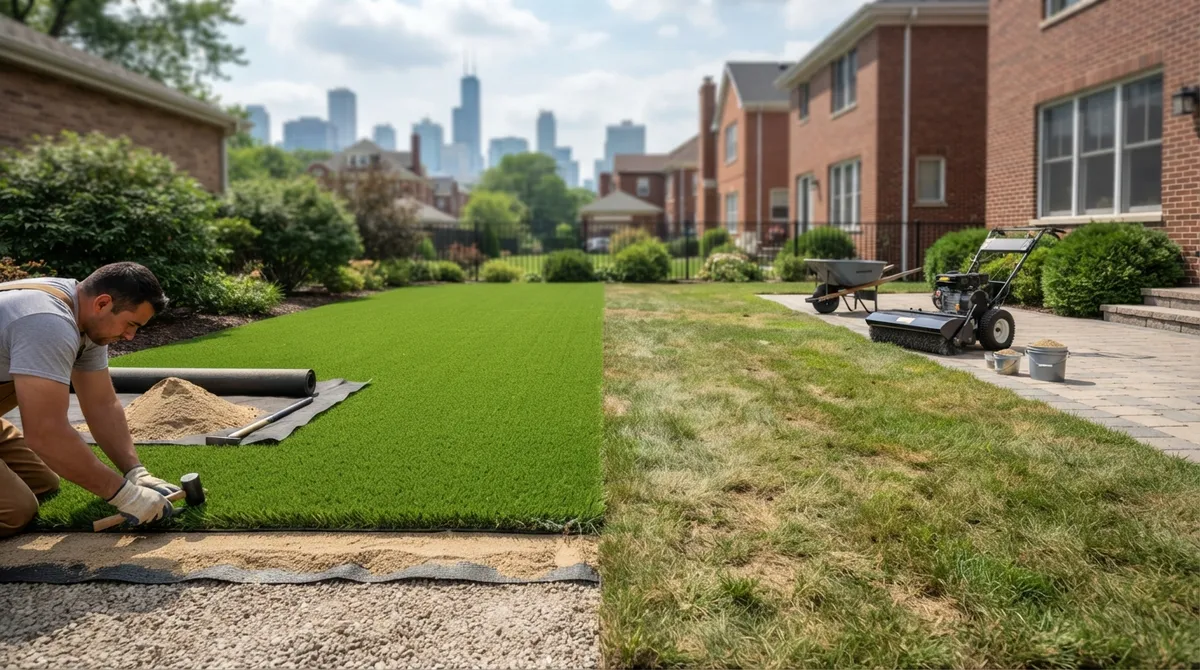
Artificial turf installation involves building a proper base, laying synthetic grass panels, and finishing the surface so it looks and feels natural. Our team at Artificial Turf Installation handles projects for front lawns, backyards, pet areas, and even rooftop terraces. If you want to compare your options first, our guide on how to choose between landscaping vs hardscaping for your yard is a great starting point.
2. The Step-by-Step Installation Process
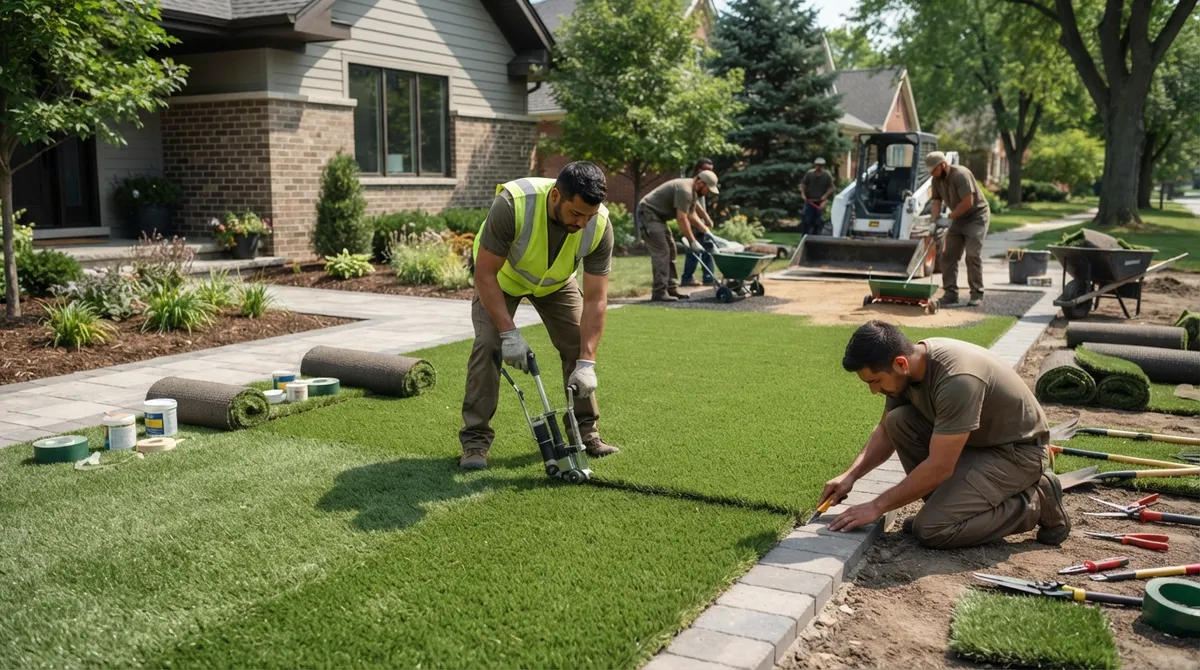
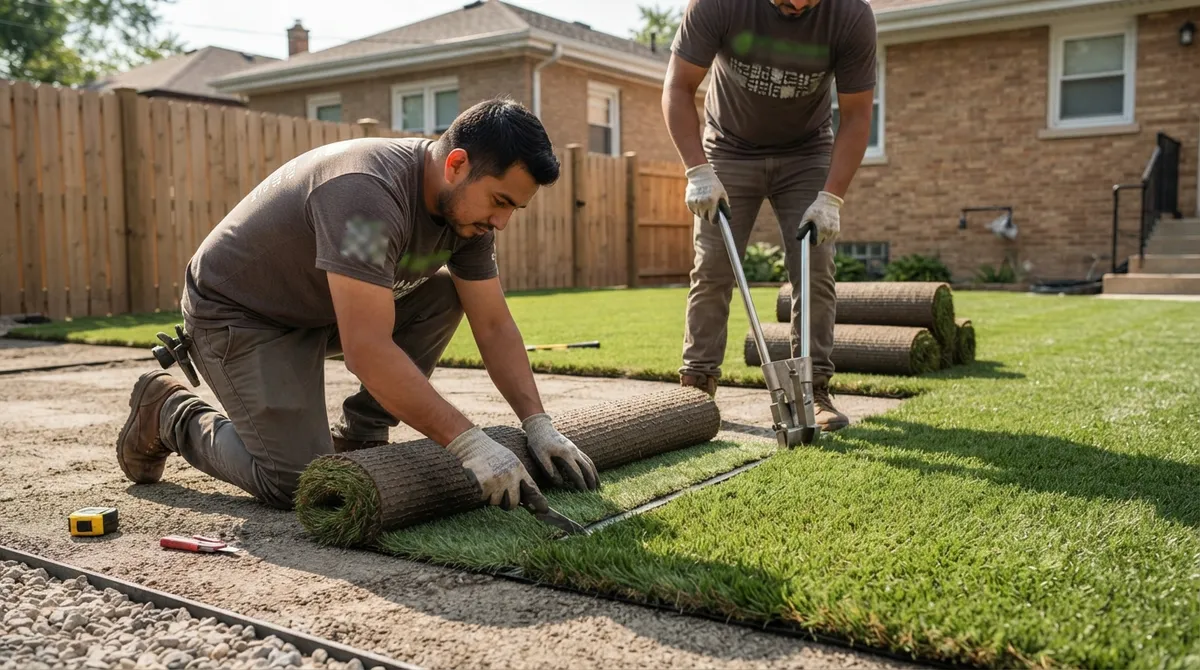
Good turf installation isn’t just rolling out a green carpet and calling it done. It’s a careful process, and skipping steps is exactly how you end up with a lumpy, soggy mess a year later. Here’s what a proper installation typically looks like:
- Site clearing: Crews remove existing grass, weeds, rocks, and debris from the area.
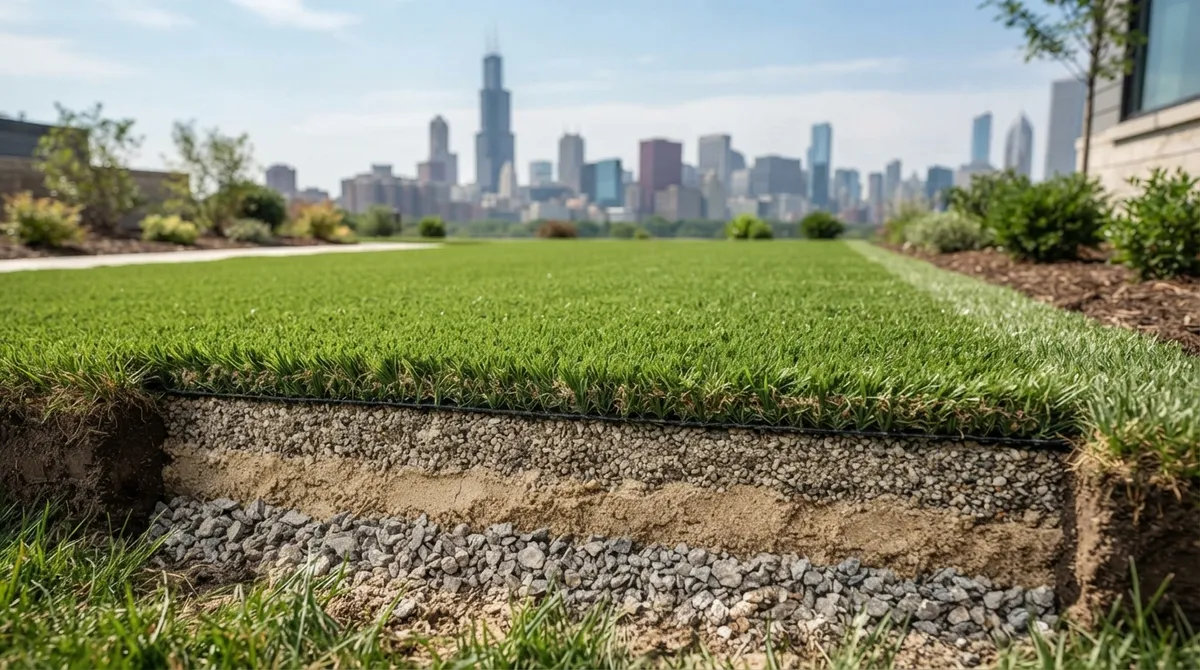
- Excavation: The soil gets dug out to make room for a stable base, often around four inches deep.
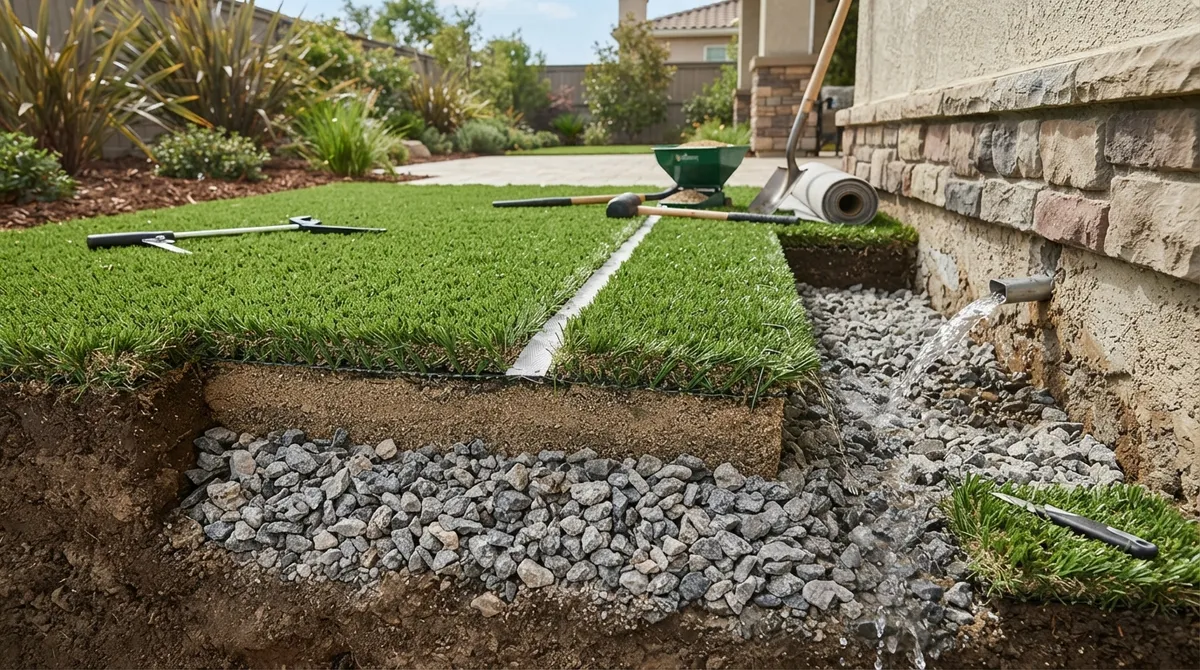
- Grading: The ground is sloped slightly so water drains away properly instead of pooling.
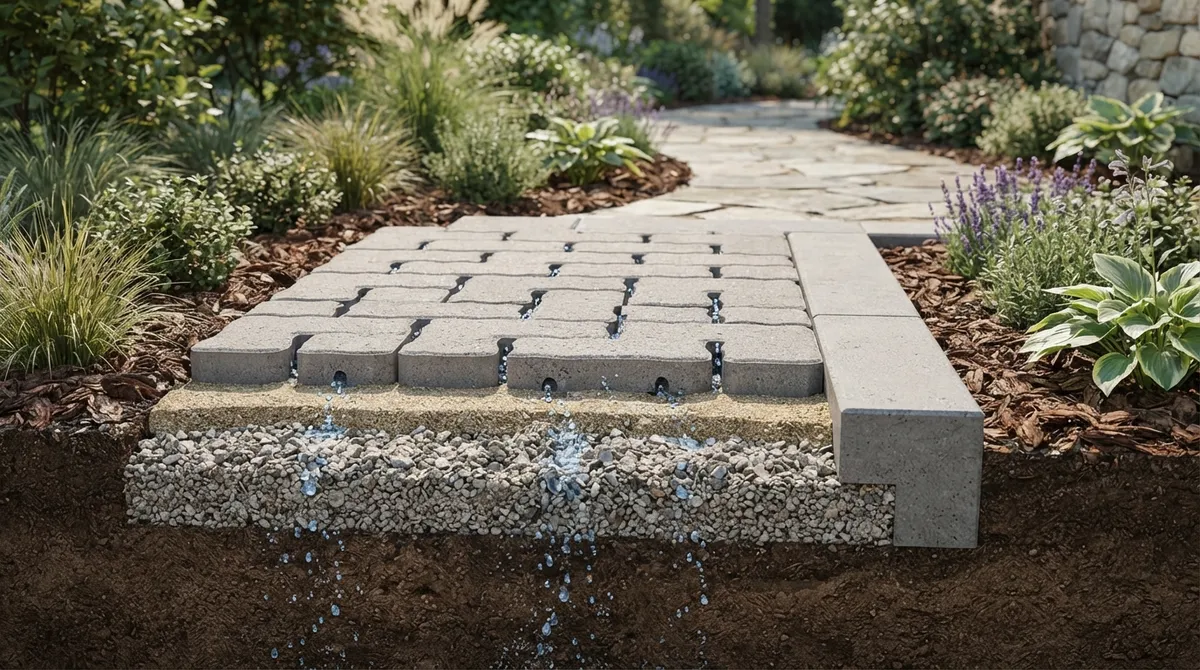
- Base installation: A layer of crushed rock or aggregate, roughly two inches thick, gets compacted down.
- Weed barrier placement: Geotextile fabric goes down to stop weeds from pushing through the turf.
- Leveling sand: A thin layer, often about half an inch, helps smooth out the surface.
- Turf rolling and seaming: Panels are rolled out, trimmed to fit, and seamed together seamlessly.
- Anchoring: Edges get secured with nails or staples so the turf stays put.
- Infill application: Sand or rubber infill gets brushed into the fibers for support and bounce.
- Final brushing: The grass blades are brushed upright for that natural, fresh-cut look.
Every one of these steps matters. Miss the grading step, for example, and you’ll be dealing with puddles every time it rains. That’s why hiring pros who follow every stage matters so much, and it’s something we talk about in why choose professional turf installation over DIY.
3. Why Base Preparation Makes or Breaks Your Lawn
We can’t stress this enough: the base is everything. A shallow or poorly compacted base is the number one reason artificial turf fails early. Chicago’s clay-heavy soil and freeze-thaw cycles make this step even more critical here than in warmer climates.
Proper base construction helps your turf drain well, prevents low spots, and keeps the surface from shifting when the ground freezes and thaws. If you’re curious about the materials involved, check out our breakdown of the 7 best base materials for turf installation in 2026. It’s a simple read that explains why some materials outperform others in our local climate.
4. How Much Does Turf Installation Cost?
Let’s talk numbers, because we know that’s often the first question on your mind. Pricing varies quite a bit depending on your yard size, turf quality, and site conditions.
| Project Type | Typical Cost Range | Notes |
|---|---|---|
| Standard backyard turf | Starting around $5,000 | Varies with square footage and site prep needs |
| Average national installation | Around $3,458 | Includes materials and labor |
| Per square foot (regional average) | $8 to $13.50 | Depends on turf type and complexity |
| Putting green installation | $14 to $20 per sq ft | Specialty turf and shaping required |
These numbers shift based on your specific project, so it’s always smart to get a free estimate before making decisions. We’ll walk your property with you and give you real numbers, not guesses.
5. How Long Does Artificial Turf Actually Last?
Here’s some good news: quality turf is built to last. Most manufacturers and installers report a lifespan of 8 to 20 years, with some premium products stretching to 15 to 25 years when properly maintained.
Your turf’s lifespan depends on a few factors:
- Quality of the turf material and backing
- How well the base was prepared during installation
- Amount of foot traffic and daily use
- Exposure to direct sun and extreme temperatures
- Regular maintenance like brushing and rinsing
For Chicago homeowners specifically, our climate adds some unique wrinkles. Learn more in our article on artificial turf lifespan in Chicago: what to expect.
6. Sod vs. Artificial Turf: Which One Fits Your Yard?
This is one of the most common questions we hear. Both options have their place, so let’s break down the differences simply.
Natural Sod Installation
- Requires regular watering, mowing, and fertilizing
- Feels and smells like a traditional lawn
- Lower upfront cost but higher long-term maintenance
- Can struggle in shaded or high-traffic areas
Artificial Turf Installation
- No mowing, watering, or fertilizing needed
- Stays green through drought and harsh winters
- Higher upfront cost but big long-term savings
- Handles pets, kids, and heavy foot traffic well
If you want a deeper comparison with real numbers, our piece on 14 cost-benefit facts: artificial turf vs real grass spells it all out.
7. Best Uses for Turf Installation Around Your Property
One reason turf has become so popular is its versatility. It’s not just for front lawns anymore. Homeowners and business owners across Chicagoland are installing turf in all kinds of spaces:
- Front yards and boulevard strips for effortless curb appeal
- Backyard play areas for kids and gatherings
- Pet zones that resist digging and staining
- Rooftop terraces and urban condo balconies
- Backyard putting greens for golf enthusiasts
- Commercial entryways and courtyard spaces
- Poolside decks where wet grass isn’t practical
- Years of experience with turf projects in your specific region
- A strong local portfolio you can view, like our own gallery of our work
- Clear warranty terms on both materials and labor
- Transparent, detailed written estimates
- Positive reviews and references from past clients
- Proper licensing and insurance coverage
- Turf paired with pavers for defined pathways and patios
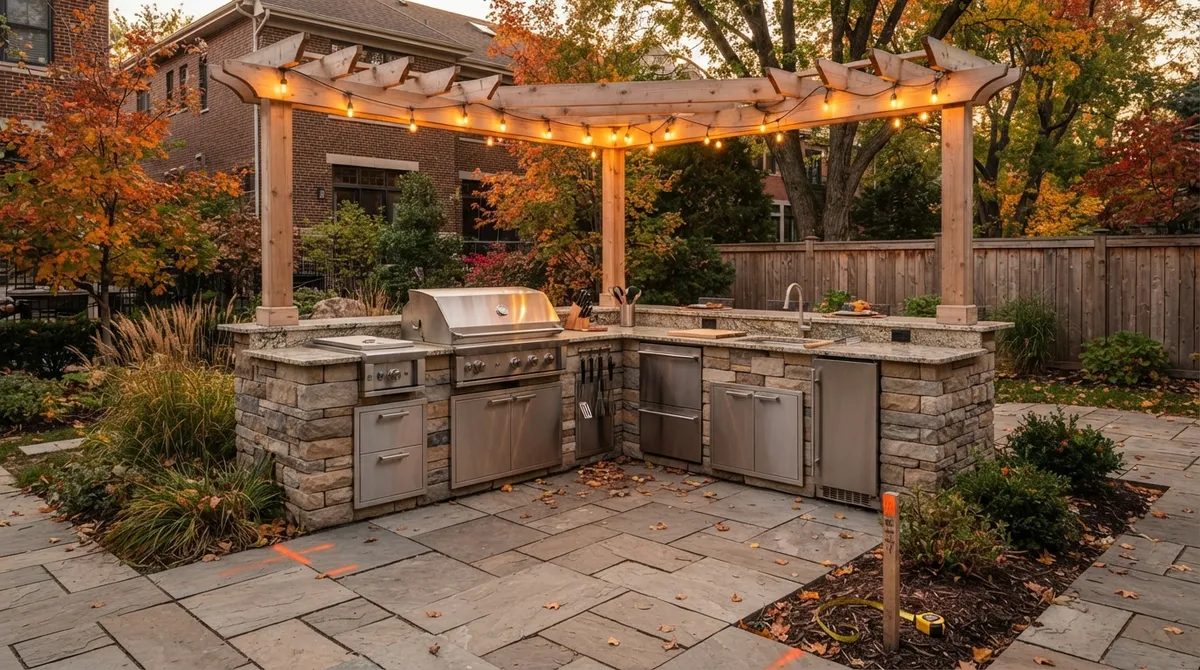
- Turf surrounding a cozy fire pit seating area
- Turf beneath a shaded pergola or pavilion
- Turf accented with landscape lighting and sound for evening enjoyment
If you manage a commercial property, you might also appreciate our guide on high-traffic commercial turf solutions for Illinois properties. It covers durability needs for busy foot traffic areas.
8. Turf Installation for Pets, Playgrounds, and Families
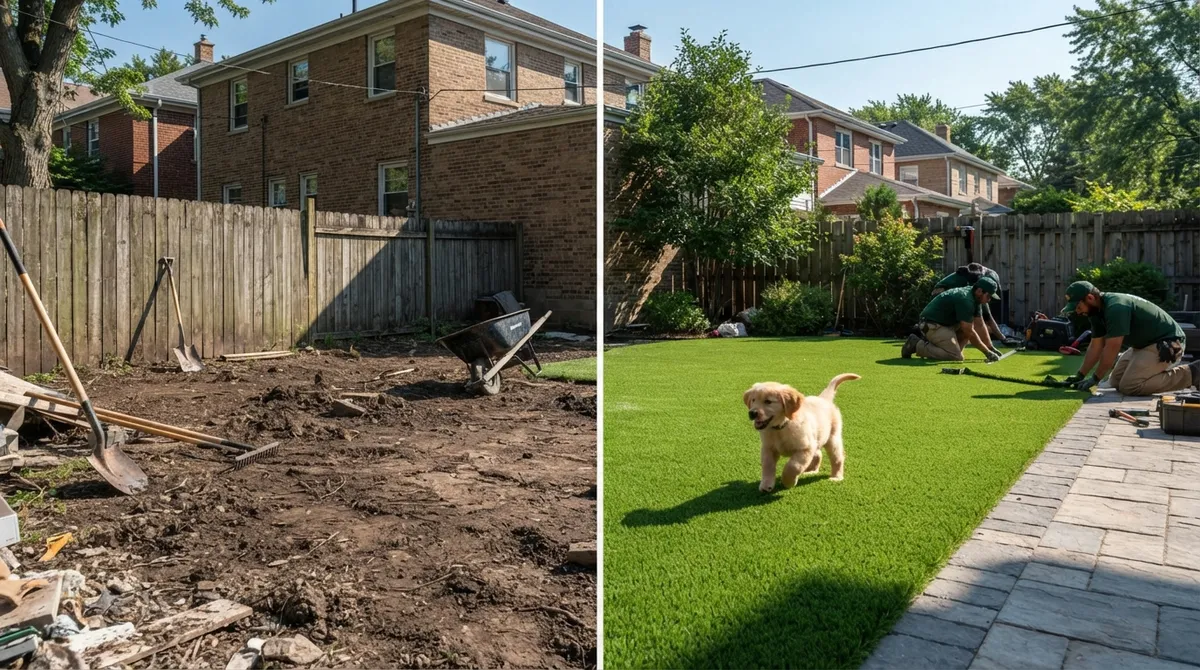
If you’ve got kids or a dog who loves the backyard, turf installation solves a lot of headaches. No more muddy paw prints tracked through the house or bald spots where the dog runs the same path every day.
Pet-friendly turf systems often include extra drainage layers and antimicrobial infill to manage odors. We cover this in detail in pet turf vs. natural grass: which is best for your yard. Families with young children also love that turf eliminates concerns about pesticides or fertilizers on the lawn.
9. What to Look for When Hiring a Turf Installation Company
Not all installers are created equal, and this is one project where experience really shows. Here’s what we recommend checking before you sign a contract:
Groups like Landscape Illinois and certifications through the ICPI Certified Installer program are great signs that a company takes training and standards seriously. Our team follows a proven process from the first consultation all the way through final walkthrough, so you always know what to expect.
10. Pairing Turf With Other Outdoor Upgrades
Turf installation rarely happens in a vacuum. Many of our clients pair it with other features to create a complete outdoor living space. Think of turf as the canvas, and everything else as the finishing touches.
Popular combinations we install include:
For commercial properties, turf also pairs nicely with ongoing commercial lawn maintenance plans to keep every part of your grounds looking sharp. We’ve helped design complete outdoor packages for clients who wanted more than just grass, they wanted a whole experience. You can read more about our approach on our about page.
Ready for a Lawn You’ll Actually Love?
Turf installation isn’t just about swapping out grass, it’s about giving yourself more time to actually enjoy your yard instead of maintaining it. Whether you’re a busy suburban family, a condo owner craving a green rooftop retreat, or a business owner wanting a polished entrance, turf installation offers real, lasting benefits.
We’d love to help you explore what’s possible for your property. Our friendly team at Serenity Landscape Group is ready to answer your questions, walk your space, and put together a plan that fits your budget and style. Get a free estimate today, or simply call us at (630) 359-5139 to start the conversation. Your dream lawn is closer than you think, and we can’t wait to help you get there.
FAQs
Q: What is turf installation in landscaping?
A: Turf installation usually means either laying fresh natural sod or installing synthetic artificial grass. These days, most homeowners asking about it mean artificial turf, which involves prepping the ground, building a solid base, and rolling out synthetic grass panels for a lawn that stays green all year without mowing.
Q: How much does artificial turf installation cost?
A: Most artificial turf projects start around $5,000, though the national average lands closer to $3,458 depending on size and turf quality. Costs can also run $8 to $13.50 per square foot in some regions, so it’s always best to get a personalized estimate for your yard.
Q: How long does artificial turf last?
A: Good quality artificial turf typically lasts 8 to 20 years, and premium products can even stretch to 15 or 25 years with proper care. Lifespan depends on things like base preparation, foot traffic, and how well you maintain it over time.
Q: Is artificial turf good for pets and playgrounds?
A: Absolutely! Turf installed with proper drainage and pet-friendly infill handles dogs, kids, and heavy play beautifully. It resists digging, staining, and muddy messes, which makes cleanup so much easier for busy families.
Q: How do I choose a turf installation company?
A: Look for a company with solid local experience, a real project portfolio you can review, clear warranty terms, and good reviews from past clients. It also helps to choose installers connected to trusted industry groups who follow proven installation standards.