Key Takeaways
-
Proper site preparation is critical for fake grass success—remove old grass and roots completely, grade soil for water drainage away from your home, compact the base to prevent shifting, and check for buried utilities before digging.
-
Install a weed barrier fabric before the base material to block unwanted growth from below; skipping this hidden layer often leads to weeds poking through within a year or two, defeating the purpose of synthetic turf.
-
Choose infill type carefully based on your needs: silica sand for general use, zeolite for pet areas to neutralize odors, antimicrobial for high-traffic commercial spaces, or cork for eco-conscious homeowners seeking cooler surfaces.
-
Professional installation with proper seaming technique is essential—visible seams and unsecured edges that curl up are signs of rushed work, making DIY installation risky despite initial cost savings.
-
Plan for Chicago’s specific climate challenges: choose quality turf rated for freeze-thaw cycles, confirm cold-weather performance with installers, and budget $5,000+ for professional installation backed by 10+ year warranties.
-
Low-maintenance doesn’t mean maintenance-free—brush fibers upright every few months, rinse seasonally, remove debris promptly, and check infill levels annually to keep premium turf looking new for 15+ years.
Thinking about swapping your patchy, thirsty lawn for something greener and easier? You’re not alone. Fake grass installation has become one of the most popular upgrades for Chicago homeowners and business owners alike, and honestly, we get why. But here’s the thing: not every installation job is created equal, and a few common slip-ups can turn your dream lawn into a lumpy, weedy headache. Grab a cup of coffee and let’s walk through the biggest mistakes folks make with fake grass installation, so you can skip the guesswork and go straight to enjoying your beautiful new yard.
Whether you’re a suburban homeowner tired of battling clay soil, a condo owner craving a low-fuss rooftop retreat, or a property manager juggling curb appeal and budgets, this guide is for you. We’ve spent over two decades helping Chicagoland properties look their best, and we’ve seen it all. Let’s make sure your project turns out gorgeous, not frustrating.
Mistake 1: Skipping Proper Site Preparation
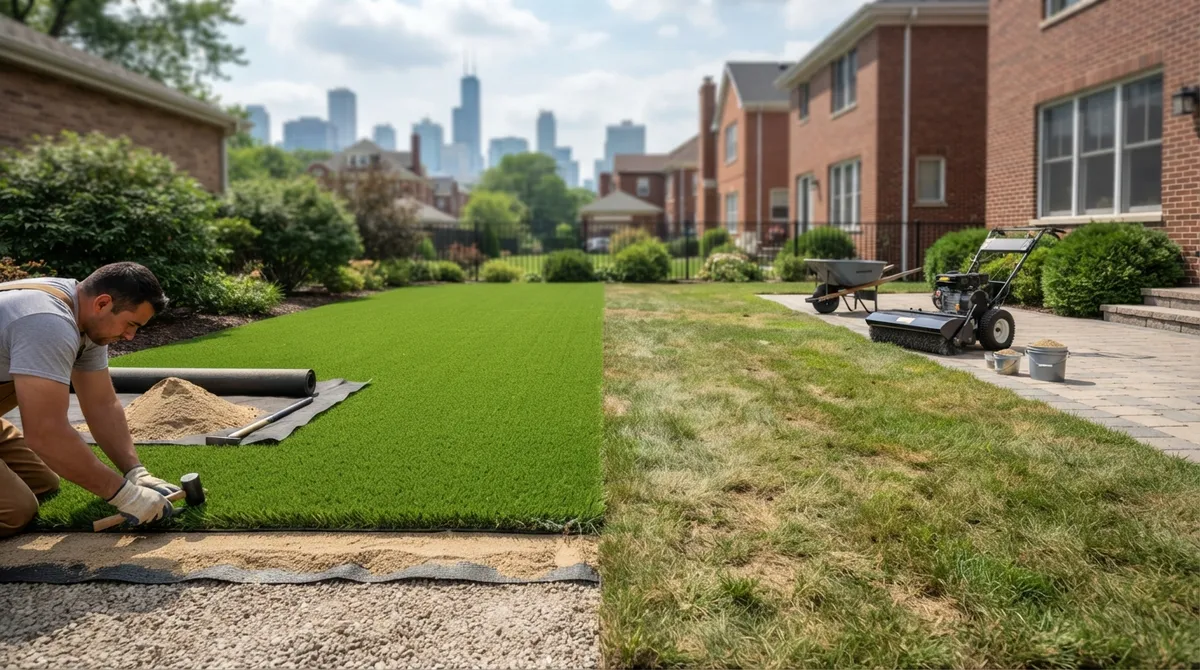
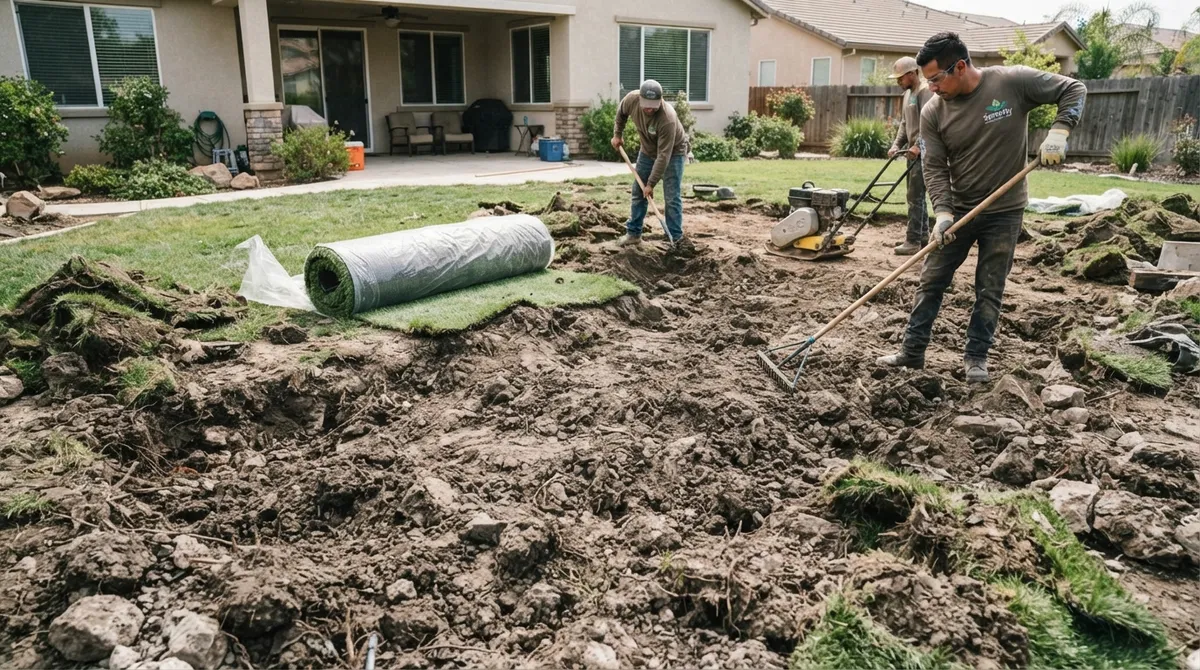
One of the biggest mistakes homeowners make is rushing past the prep work. Real success with artificial turf installation starts underground, not with the pretty green blades on top. Skipping this step is like painting a wall without sanding it first; it might look okay for a week, then everything goes sideways.
- Removing old grass, roots, and debris completely
- Grading the soil so water flows away from your home
- Compacting the base so it doesn’t shift or sink later
- Checking for buried utility lines before digging
Our proven installation process always begins here, because a shaky foundation means a shaky lawn.
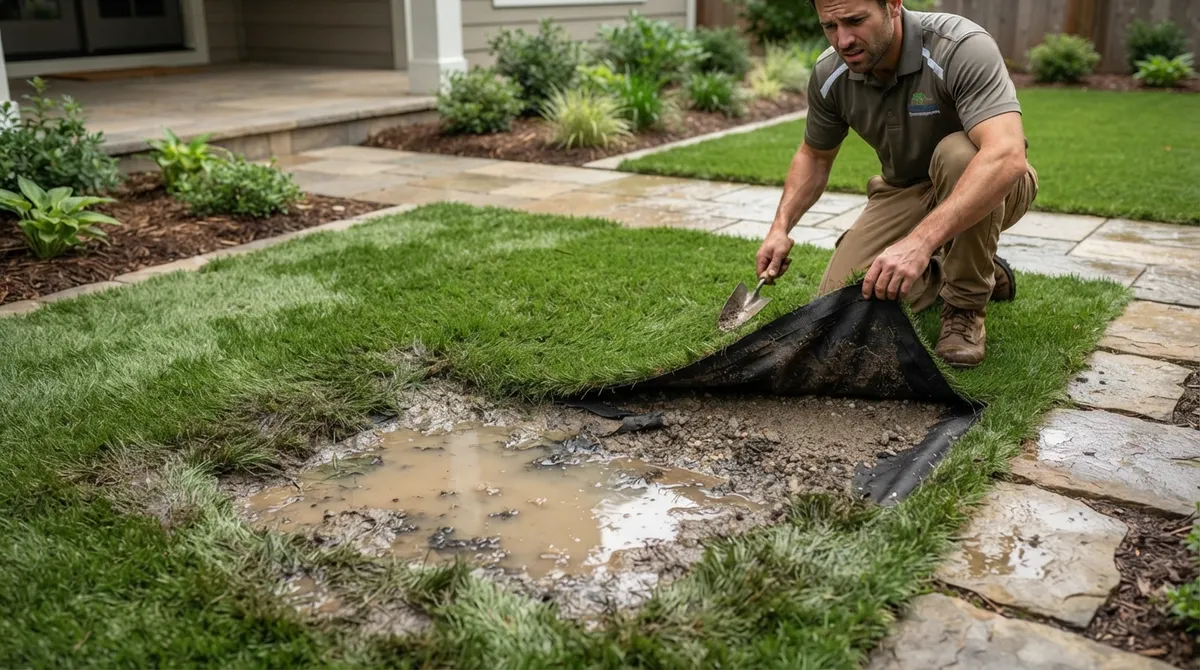
Mistake 2: Ignoring Drainage Needs
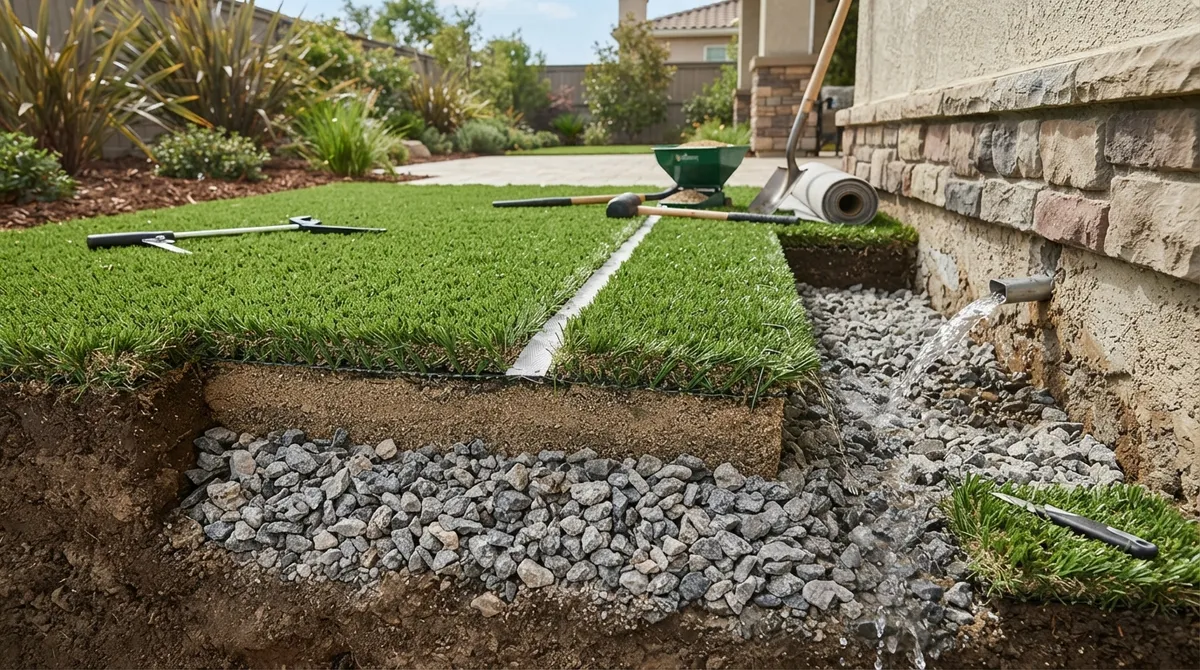
Chicago weather is no joke. Between spring downpours and snowy winters, your synthetic lawn needs somewhere for water to go. Installers who skip proper drainage planning are setting you up for puddles, ice patches, or worse, a soggy mess that smells bad over time.
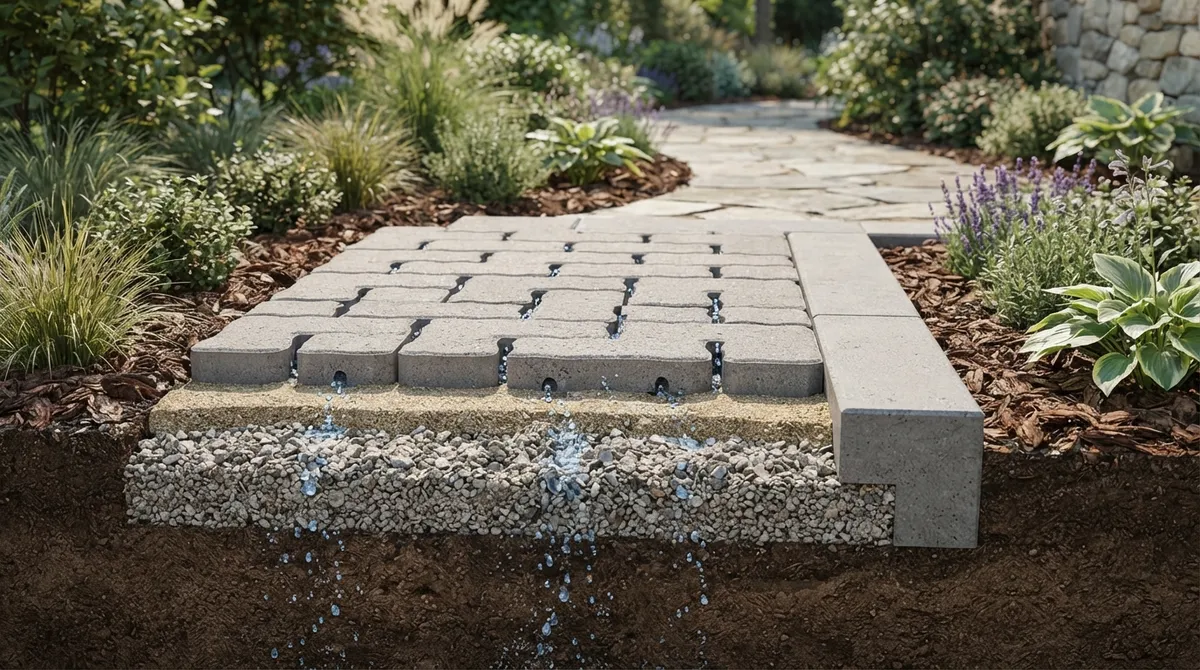
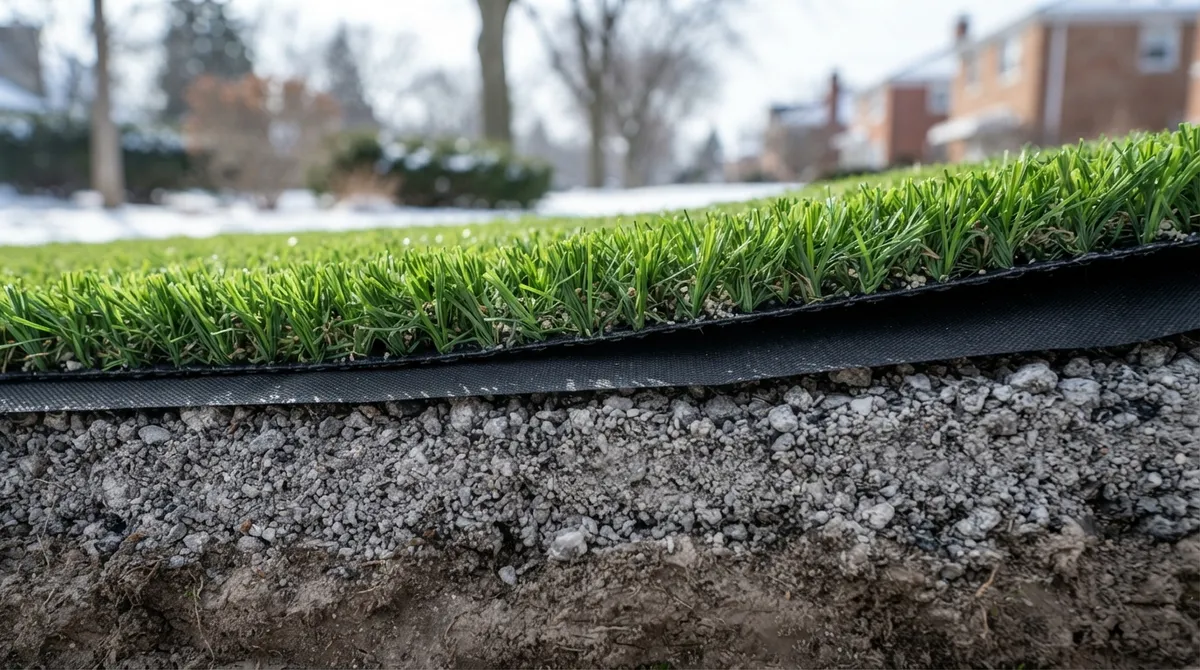
A well-built base with crushed rock and permeable layers lets water pass right through instead of pooling on top. This is especially important if you’re considering synthetic grass for better drainage than natural lawns, which is actually one of the biggest perks when it’s installed correctly.
Mistake 3: Forgetting the Weed Barrier
Nobody wants weeds poking through their brand-new lawn. A weed barrier fabric, laid down before the base material, blocks most unwanted growth from below. Without it, you might find yourself pulling weeds through your turf within a year or two, totally defeating the purpose of going synthetic in the first place.
Want to know more about keeping your lawn weed-free long-term? Check out our tips on preventing weeds from growing in artificial turf.
Why This Step Gets Skipped
Some installers cut corners here to save time and money. It’s a hidden layer, so homeowners often don’t notice until problems pop up later. Always ask your installer directly if a weed barrier is included in your quote.
Mistake 4: Choosing the Wrong Infill
Infill might sound like a small detail, but it plays a huge role in how your lawn feels, drains, and holds up over time. The wrong choice can lead to matting, odor issues (especially with pets), or a lawn that just doesn’t feel right underfoot.
Here’s a quick comparison of common infill types:
| Infill Type | Best For | Key Benefit |
|---|---|---|
| Silica Sand | General residential lawns | Affordable, adds weight and stability |
| Zeolite | Pet areas | Helps neutralize odors naturally |
| Antimicrobial Infill | High-traffic commercial spaces | Reduces bacteria and staining |
| Cork or Organic Infill | Eco-conscious homeowners | Cooler surface temperature, sustainable |
For a deeper dive, our article on infill types for artificial grass that actually work breaks down what fits your lifestyle best.
Mistake 5: Underestimating Seaming and Edge Work
Sloppy seams are the number one giveaway of a rushed installation job. If you can spot where two pieces of turf meet, something went wrong. Professional installers use specialized seaming tape and precise cutting techniques so the transition is invisible.
Edges matter too. Turf that isn’t properly secured along borders can curl up, especially in windy or high-traffic areas. This is one reason many homeowners choose to choose professional turf installation over DIY rather than tackling it themselves.
Mistake 6: Not Accounting for Chicago’s Climate
Our winters bring snow, ice, and freeze-thaw cycles that stress outdoor surfaces. Cheap turf or improper base prep can lead to shifting, cracking, or a lawn that looks tired after just one season. Understanding how artificial turf handles heavy snow like a pro is essential before you commit to any product.
Ask your installer specifically about cold-weather performance and warranty terms related to freeze damage. Not all products are built the same for Midwest winters.
Mistake 7: Overlooking Pet-Friendly Features
If you’ve got a furry family member, standard turf setups might not cut it. Pet waste, digging, and daily wear and tear require specific product choices and drainage solutions.
- Choose a permeable backing that lets liquid drain quickly
- Add antimicrobial or odor-fighting infill
- Install a slightly steeper drainage slope in pet zones
- Plan for easy-clean maintenance routines
Our guide on cleaning artificial turf from pet waste is a great next read if this applies to you.
Mistake 8: Choosing Turf That Looks Fake
Nobody wants a lawn that screams “plastic.” Thankfully, today’s synthetic grass has come a long way, with realistic blade shapes, color variation, and natural texture. But not all products are equal, and cheaper options can still look flat or overly shiny.
- Look for multi-tone blade coloring, not just solid green
- Choose varied blade shapes for a natural appearance
- Ask to see and touch samples before deciding
- Request references or photos of past residential installs
Browse our gallery of completed projects to see the difference quality turf makes.
Mistake 9: Forgetting About HOA and Municipal Rules
If you live in a suburb with a homeowners association, don’t assume synthetic turf is automatically approved. Some HOAs have specific guidelines about color, height, or product type. City dwellers in condos also need to check local regulations before installing turf on balconies or rooftops.
Always request approval documentation early in the planning process. This small step saves major headaches down the road.
Rooftop and Urban Considerations
For urban condo owners, weight load, drainage systems, and waterproofing membranes matter even more. Learn more in our piece on why rooftop artificial turf is a smart choice in Chicago.
Mistake 10: Hiring Based on Price Alone
We get it, budgets matter. But the cheapest quote often means corners get cut somewhere, whether that’s base material, product quality, or workmanship. According to Lowe’s, most artificial grass installation jobs start around $5,000 and increase depending on size and scope, with many products backed by a 10-year manufacturer warranty.
Instead of chasing the lowest bid, compare what’s actually included:
- Site prep and grading
- Weed barrier and base material quality
- Turf product warranty length
- Labor warranty and company reputation
- Post-installation support
Looking for a transparent breakdown? Our article on factors that shape artificial grass installation cost is a helpful starting point.
Mistake 11: Neglecting Commercial-Specific Needs
Commercial property managers face different challenges than homeowners. Heavy foot traffic, ADA compliance, and stormwater management all factor into a successful turf installation. Choosing the wrong product for a busy retail entrance or office courtyard can mean premature wear and unhappy tenants.
- Select high-density turf rated for heavy commercial use
- Plan for proper stormwater runoff per local codes
- Coordinate installation timing to minimize business disruption
- Factor in ongoing maintenance contracts
Our commercial lawn maintenance services pair beautifully with turf installations to keep properties looking sharp year-round. You can also explore high-traffic commercial turf solutions for Illinois properties for more specifics.
Mistake 12: Overlooking Long-Term Maintenance Needs
Fake grass is famous for being low-maintenance, but low-maintenance doesn’t mean zero-maintenance. Regular brushing, occasional rinsing, and debris removal keep your lawn looking its best for years. According to Heavenly Greens, premium turf can last 15+ years with proper installation and care.
Here’s a simple upkeep checklist:
- Brush turf fibers upright every few months
- Rinse away pollen, dust, and debris seasonally
- Remove leaves promptly in fall to prevent staining
- Check infill levels annually and top off as needed
For more details, see our tips on artificial turf maintenance tips that keep it looking new.
Mistake 13: Not Planning for Heat and Sun Exposure
Synthetic turf can get warm on sunny days, especially in south-facing yards or rooftop spaces with lots of direct sun. Choosing the wrong color or missing out on heat-reducing technology can make your lawn uncomfortable during peak summer months.
Ask your installer about cooling technology options and how artificial turf heat reduction technology works before finalizing your product choice.
Mistake 14: Going the DIY Route Without Experience
We know the appeal of a weekend DIY project, but fake grass installation involves more technical skill than most people expect. Improper grading, weak seams, or poor drainage planning can cost more to fix later than hiring a professional would have in the first place.
Professional installers, especially those certified through organizations like ICPI Certified Installer programs, bring training and experience that ensures your investment lasts. It’s also worth checking resources from Landscape Illinois, a trusted industry association that promotes best practices across the state.
Comparing Fake Grass to Natural Lawns
Still on the fence? Here’s a side-by-side look to help you decide what’s right for your property.
| Feature | Fake Grass | Natural Grass |
|---|---|---|
| Watering Needs | None | Regular watering required |
| Mowing | Never needed | Weekly during growing season |
| Appearance Year-Round | Consistent green | Varies by season |
| Upfront Cost | Higher initial investment | Lower upfront cost |
| Long-Term Cost | Lower over time | Ongoing maintenance costs |
| Pet and Kid Friendly | Yes, with proper infill | Yes, but can develop bare patches |
For an even deeper comparison, check out our detailed breakdown of artificial turf versus natural grass for Midwest winters.
Bringing It All Together
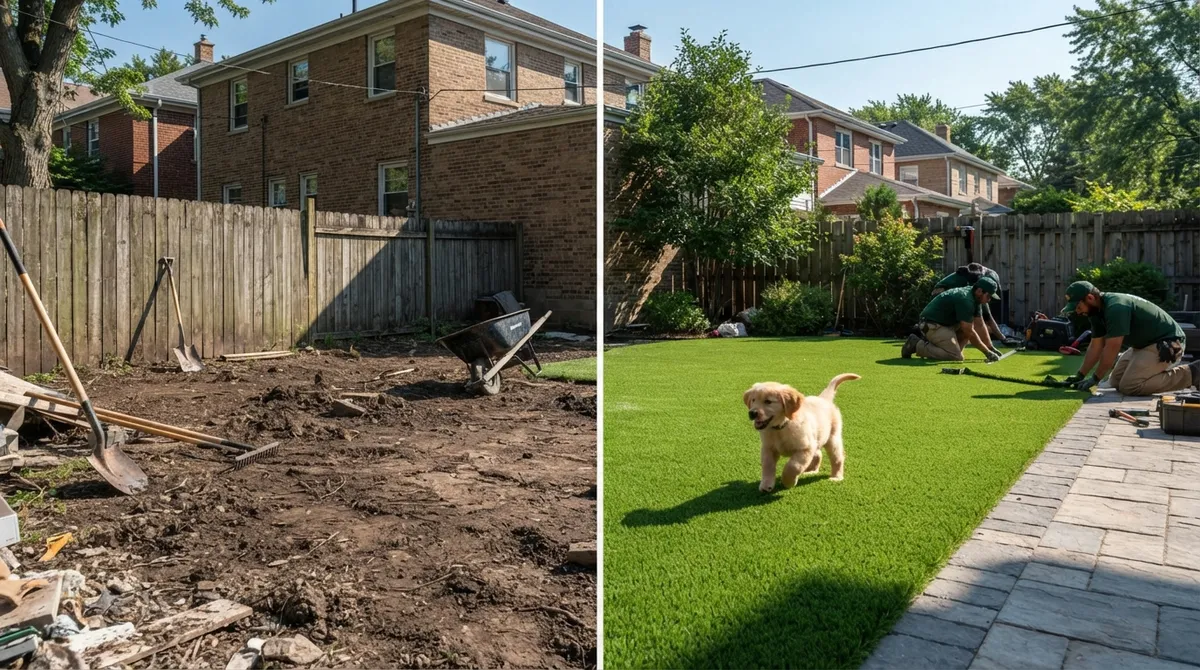
Fake grass installation done right can genuinely transform your outdoor space into something you’ll love for over a decade. It saves time, water, and stress while giving you a lush green lawn no matter the season. But as we’ve covered, the difference between a stunning result and a disappointing one usually comes down to preparation, product choice, and installation expertise.
Whether you’re a homeowner in the suburbs dreaming of weekend-free yard work, a condo owner wanting a cozy rooftop escape, or a property manager aiming to boost curb appeal, avoiding these fourteen mistakes puts you on the path to success. And if you’re planning a bigger outdoor transformation, don’t forget to explore complementary features like fire pits, pavers, or pergolas and pavilions to round out your space.
Ready to get started on your own beautiful, low-maintenance lawn? Our team at Serenity Landscape Group has spent over 20 years helping Chicagoland homeowners and businesses fall in love with their outdoor spaces all over again. Get a free estimate today, or feel free to call us at (630) 359-5139 to chat about your project. We can’t wait to help you create the serene, stylish yard you’ve been dreaming about.
FAQs
Q: How is fake grass installed in a landscaping project?
A: It starts with clearing the old grass and debris, then grading and compacting the soil for good drainage. From there, installers add a weed barrier, a crushed rock base, and finally the turf itself, secured with seaming tape and infill. It’s a multi-step process, but that’s exactly why it lasts so long when done right!
Q: What is the difference between fake grass and artificial turf?
A: Honestly, these terms are used interchangeably in the landscaping world. Whether you call it fake grass, synthetic turf, or artificial lawn, you’re talking about the same low-maintenance, realistic-looking product.
Q: How much does artificial grass installation cost?
A: Costs typically start around $5,000 and go up depending on your yard size and the product quality you choose. Many turf products also come with a 10-year manufacturer warranty, so you’re getting long-term value with your investment.
Q: Does artificial turf need drainage or a weed barrier?
A: Absolutely, yes! A proper drainage base keeps water from pooling, and a weed barrier fabric stops unwanted growth from poking through. Skipping either step is one of the most common (and avoidable) installation mistakes.
Q: Is artificial grass good for pets and children?
A: It sure is, especially when installed with pet-friendly infill and proper drainage. Many families love that there’s no mud, no muddy paw prints, and no worrying about chemical treatments on the lawn.