Key Takeaways
-
Professional installation requires proper base preparation with at least 4 inches of compacted aggregate and a drainage system handling 20+ inches of water flow per hour to prevent pooling, odors, and mold in Chicago's climate.
-
Faux grass costs $6.50-$15.00 per square foot nationally (average $10.75), but pricing varies significantly based on soil type, drainage complexity, turf quality, and site access, making local estimates essential.
-
Synthetic turf reduces water usage by 33-50% compared to natural grass and eliminates weekly mowing, fertilizing, and edging, translating to substantial long-term savings and reduced yard maintenance.
-
Proper turf selection depends on specific use cases: choose polyethylene fibers for soft, high-traffic areas, consider pile height and infill type for your lifestyle, and prioritize UV resistance and antimicrobial backing for pet-friendly homes.
-
Well-installed synthetic lawns last over a decade with minimal maintenance including periodic rinsing, leaf removal, fiber brushing, and infill redistribution every couple of years.
-
Synthetic turf can run up to 20°C hotter than natural grass and has environmental trade-offs including microplastics concerns and lack of habitat value, though newer eco-friendly backing materials are improving sustainability.
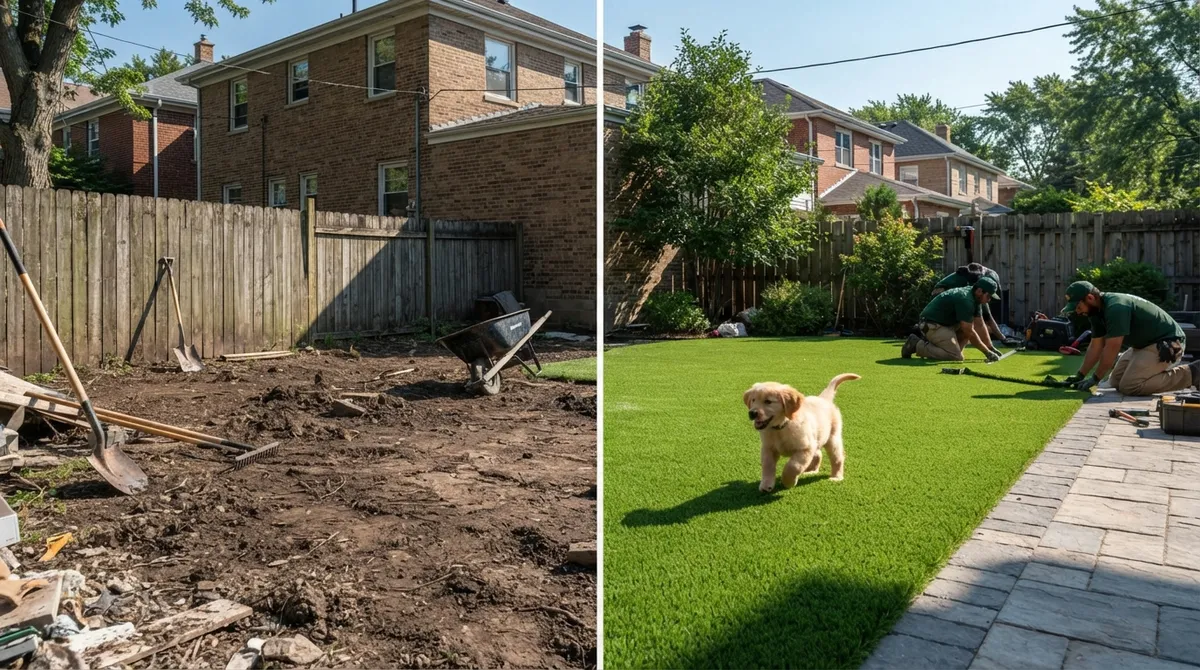
Tired of muddy patches, brown spots, and endless mowing? You’re not alone. So many of our neighbors across Chicagoland ask us the same thing: is faux grass installation actually worth it? The short answer is yes, when it’s done right. But there’s a lot more to a great artificial lawn than just rolling out some green plastic and calling it a day.
At Serenity Landscape Group, we’ve spent over two decades helping homeowners, business owners, and property managers across the Chicago area fall back in love with their outdoor spaces. Faux grass installation has become one of our most requested services, and for good reason. It saves water, cuts down on yard work, and looks fantastic year-round, even through our unpredictable Midwest weather. Let’s walk through everything you need to know before you take the leap.
What Is Faux Grass Installation, Really?
Faux grass, also called artificial turf or synthetic grass, is made from durable plastic fibers attached to a backing material. It sits on top of a carefully prepared aggregate base instead of soil. Think of it like laying down a very sturdy, very green carpet, except this “carpet” is engineered to drain water, handle foot traffic, and survive years of sun, rain, and snow.
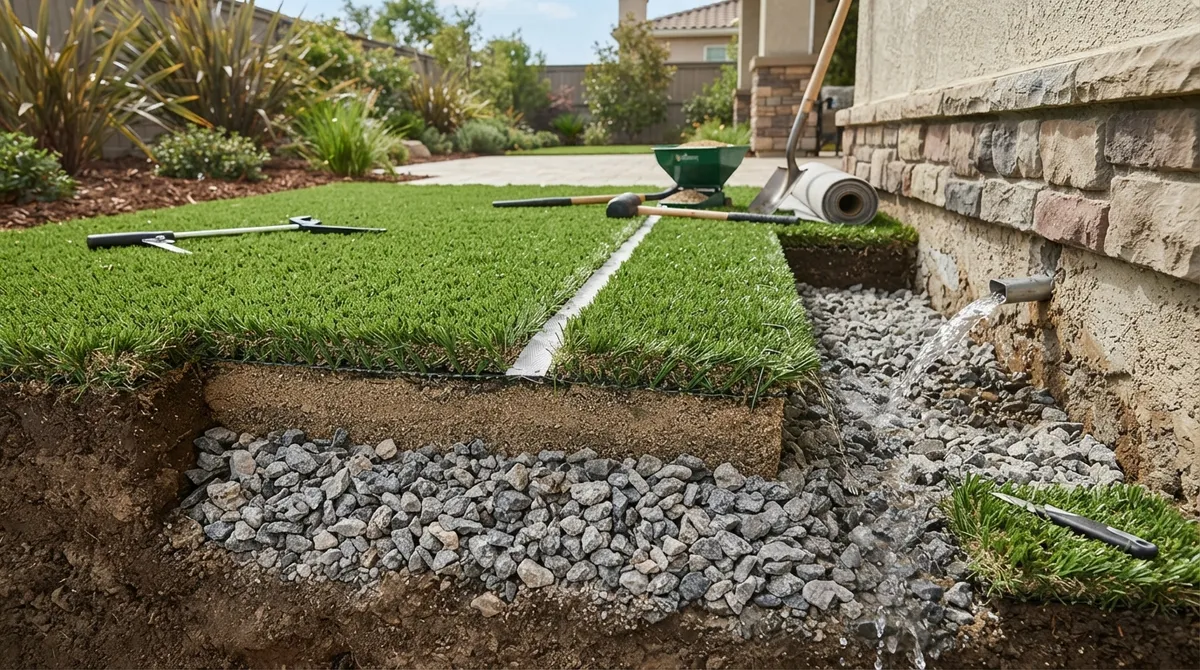
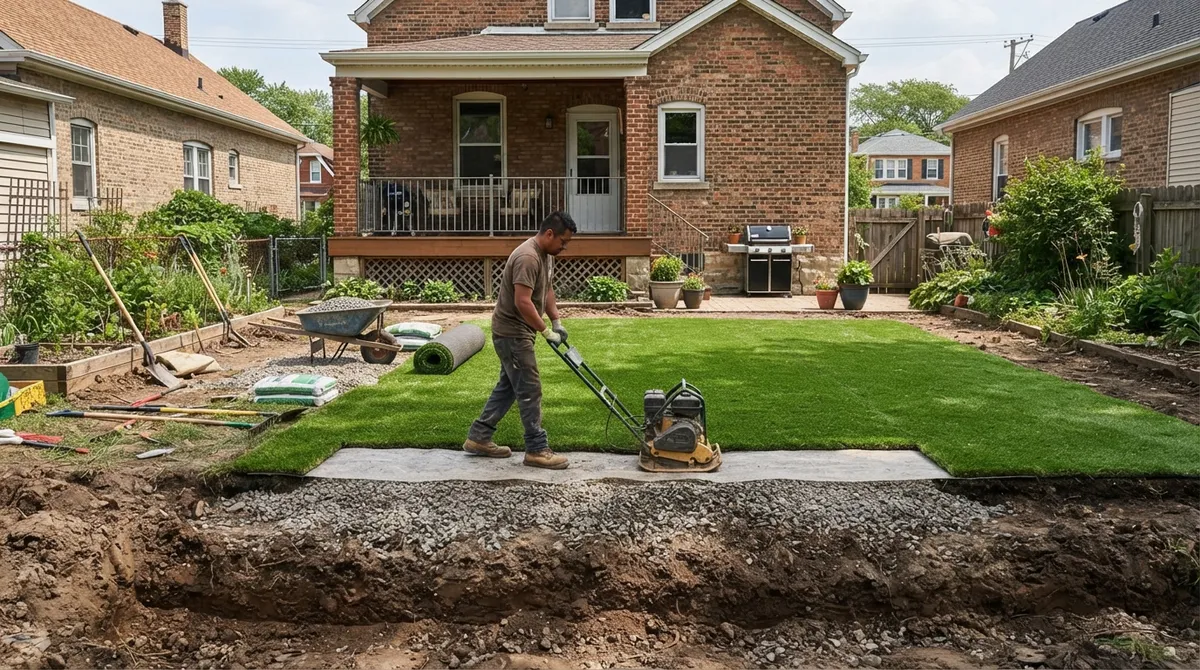
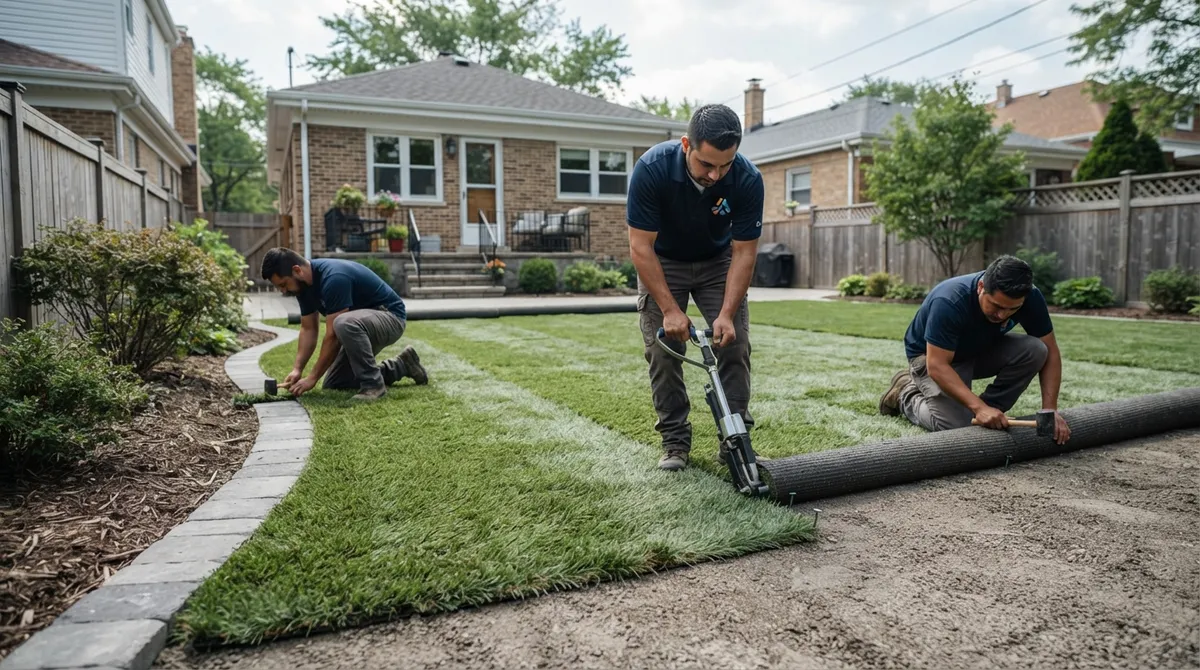
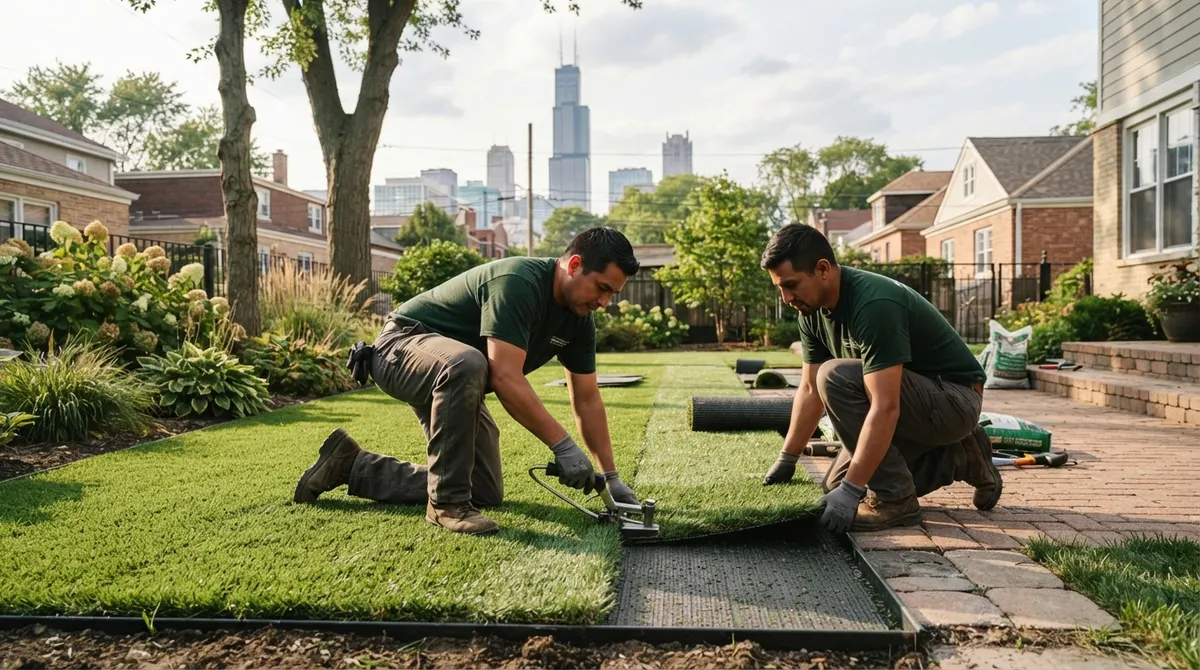
A proper faux grass installation isn’t a weekend DIY project pulled off with a staple gun. It involves removing old grass and topsoil, grading the ground, compacting a porous base, and carefully seaming and anchoring the turf so it looks natural and stays put. If you want to see how our process works from start to finish, check out our artificial turf installation page for a closer look.
Why Chicago Homeowners Are Making the Switch
Our Chicago clients deal with some tough conditions. Clay-heavy soil, harsh winters, and hot, humid summers can make maintaining a natural lawn feel like a part-time job. Faux grass sidesteps a lot of these headaches.
- No more mowing, edging, or fertilizing every week
- Consistent green color all year, even during droughts or winter thaw cycles
- Great for high-traffic areas like dog runs, play spaces, or rooftop patios
- Reduced water bills since you’re not irrigating constantly
- Fewer muddy shoes tracked through the house after it rains
According to a 2025 environmental review, synthetic turf can reduce water use by roughly 33% to 50% compared to natural grass, depending on climate and baseline usage (Sustainable Communities and Waste Hub review, 2025). For a full-size sports field, that can translate to millions of liters saved each year. Your backyard obviously isn’t a sports field, but the savings still add up nicely over time.
The Step-by-Step Installation Process
Every yard is different, but a professional faux grass installation typically follows these steps:
- Site evaluation and design: We measure the space, check drainage patterns, and talk through your goals, whether that’s a play area, pet space, or a low-maintenance front yard.
- Removal of existing lawn and topsoil: Old grass, roots, and soil get cleared away to create a stable foundation.
- Grading and compaction: The ground is shaped to direct water flow properly, avoiding pooling near your home or hardscaping.
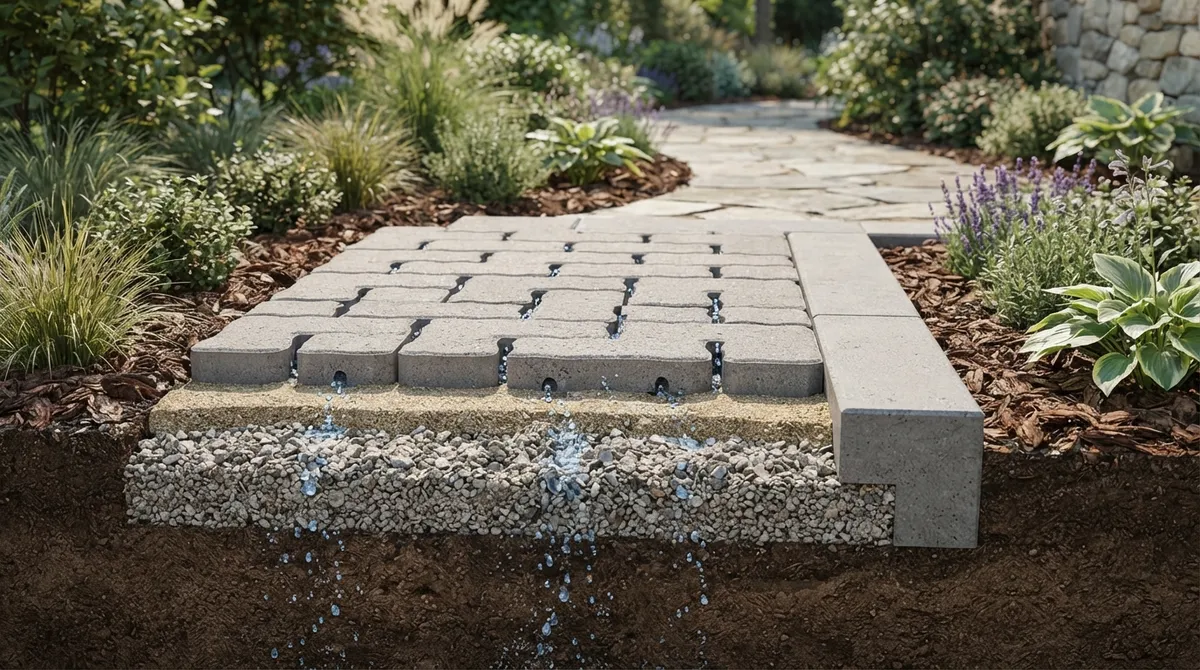
- Base installation: A layer of porous aggregate, often at least 4 inches deep and compacted to around 90%, gets laid down to support the turf and allow water to pass through.
- Weed barrier placement: A permeable fabric helps keep weeds from poking through the base over time.
- Turf cutting and seaming: The artificial grass is cut to fit your space and seamed together so the transitions are invisible.
- Perimeter anchoring: Edges are secured with nails or adhesive to keep the turf from shifting or lifting.
- Infill application: Sand or rubber infill gets brushed into the fibers to help blades stand upright and add cushioning.
- Final power brushing: A last brush-through fluffs the fibers so your new lawn looks lush and natural.
Skipping steps, especially base preparation and drainage, is where a lot of installations go wrong. We’ve written more about this in our guide on how to get artificial grass installation right the first time.
Why Drainage Deserves Special Attention
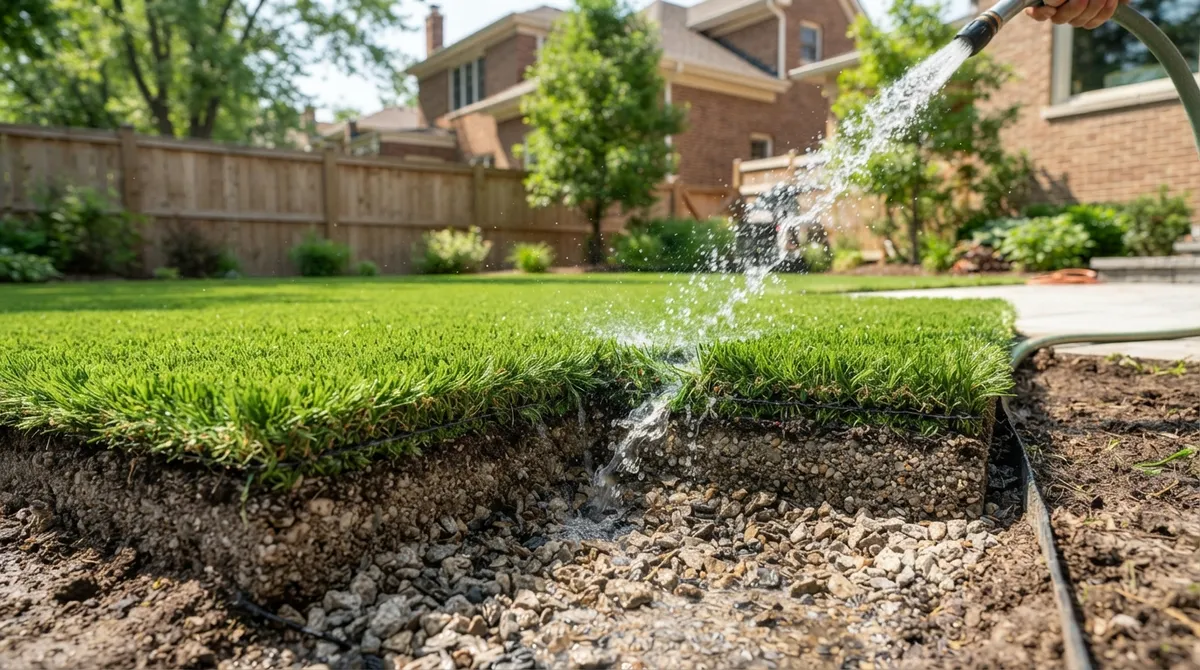
Here in Chicago, we get heavy spring rains and sudden snowmelt. If drainage isn’t planned correctly, water can pool under the turf, leading to odors, mold, or a squishy lawn that never quite feels right underfoot.
Industry specifications often call for a drainage system that handles at least 20 inches of water flow per hour for landscape applications (ForeverLawn product specification). Sports turf guidance recommends similar permeability standards for the base and finish stone layers. The takeaway? Drainage isn’t an afterthought. It has to be designed alongside the base, backing, and slope of your yard from day one. Our team walks through this in detail in our article on why synthetic grass drains better than natural lawns.
How Much Does Faux Grass Installation Cost?
Pricing varies quite a bit depending on your yard’s size, soil condition, drainage needs, and the quality of turf you choose. According to a 2025 cost guide, the typical U.S. price range runs from about $6.50 to $15.00 per square foot, with a national average around $10.75 per square foot (Ergeon, 2025). More complex projects, including those with heavy excavation or difficult access, can range anywhere from $4 to $25 per square foot.
| Cost Factor | Impact on Price |
|---|---|
| Excavation depth and soil type | Higher cost for rocky or clay-heavy soil |
| Drainage system complexity | Adds cost but prevents long-term issues |
| Turf quality and pile height | Premium fibers cost more upfront, last longer |
| Site access | Harder access (rooftops, tight yards) raises labor cost |
| Edging and hardscaping details | Custom borders or paver transitions add cost |
Because pricing depends so much on your specific property, we always recommend getting a local, detailed estimate rather than relying on a national average. You can get a free estimate from our team to see exactly what your project would involve.
Choosing the Right Turf for Your Space
Not all artificial grass is created equal. When picking a product, think about how the space will actually be used.
- Fiber material: Polyethylene fibers feel softer and more natural, while polypropylene is often used for lower-traffic decorative areas.
- Pile height: Taller blades look lush but may need more brushing to stay upright in high-traffic zones.
- Infill type: Some products use sand or rubber infill for support, while others are designed without infill for lighter-duty applications.
- UV resistance: Look for turf rated to resist fading from direct sun exposure, especially important for south-facing yards or rooftops.
- Pet and family friendliness: If you have dogs or kids, ask about antimicrobial backing and odor-control infill options.
We’ve helped families across the suburbs pick the perfect match for their lifestyle. If pets are part of your household, our guide on best artificial grass options for dogs in Chicago is worth a read.
Maintenance: Low Effort, Not Zero Effort
One thing we always tell clients: faux grass is low-maintenance, not maintenance-free. A little regular care keeps it looking sharp for years.
- Rinse off spills, pet waste, or debris as they happen
- Remove leaves and yard debris with a leaf blower or soft rake
- Brush against the grain periodically to keep fibers standing tall
- Redistribute or top off infill every couple of years as needed
- Check edges and seams occasionally for any lifting or shifting
Most well-installed synthetic lawns last well beyond a decade with this kind of simple care. For more detail, take a look at our post on artificial turf maintenance tips that keep it looking new.
Weighing the Environmental Trade-Offs
We believe in being upfront about the full picture. Faux grass does reduce irrigation, mowing, fertilizer, and pesticide use, which is a real win for water conservation. But it’s fair to consider the trade-offs too.
A 2025 environmental review noted that synthetic turf surfaces can run up to approximately 20°C hotter than natural grass under certain conditions, and it flagged concerns around microplastics, chemical leaching, and limited recyclability (Sustainable Communities and Waste Hub review, 2025). Natural grass also offers habitat value and helps filter stormwater naturally, benefits synthetic turf can’t fully replace.
That said, advances in turf technology have made real progress on heat reduction and eco-friendlier backing materials. If sustainability is a priority for you, our article on eco-friendly benefits of synthetic lawns breaks down what’s improved in recent years.
Faux Grass for Every Type of Property
We work with a wide range of clients across Chicagoland, and faux grass installation fits beautifully into many different scenarios.
- Suburban homeowners: Achieve that HOA-approved, always-green lawn without constant upkeep, even with our clay soil challenges.
- Urban condo owners: Transform small balconies or rooftop terraces into cozy green retreats. Check out our piece on why rooftop artificial turf is a smart choice in Chicago.
- Commercial property managers: Boost curb appeal and reduce maintenance costs across office parks and retail centers with our commercial lawn maintenance services.
- New home builders: Deliver move-in ready outdoor spaces that appeal to buyers in Aurora and beyond without waiting for sod to establish.
- Small business owners: Create inviting, pedestrian-friendly storefronts paired with seasonal plantings and lighting for extra charm.
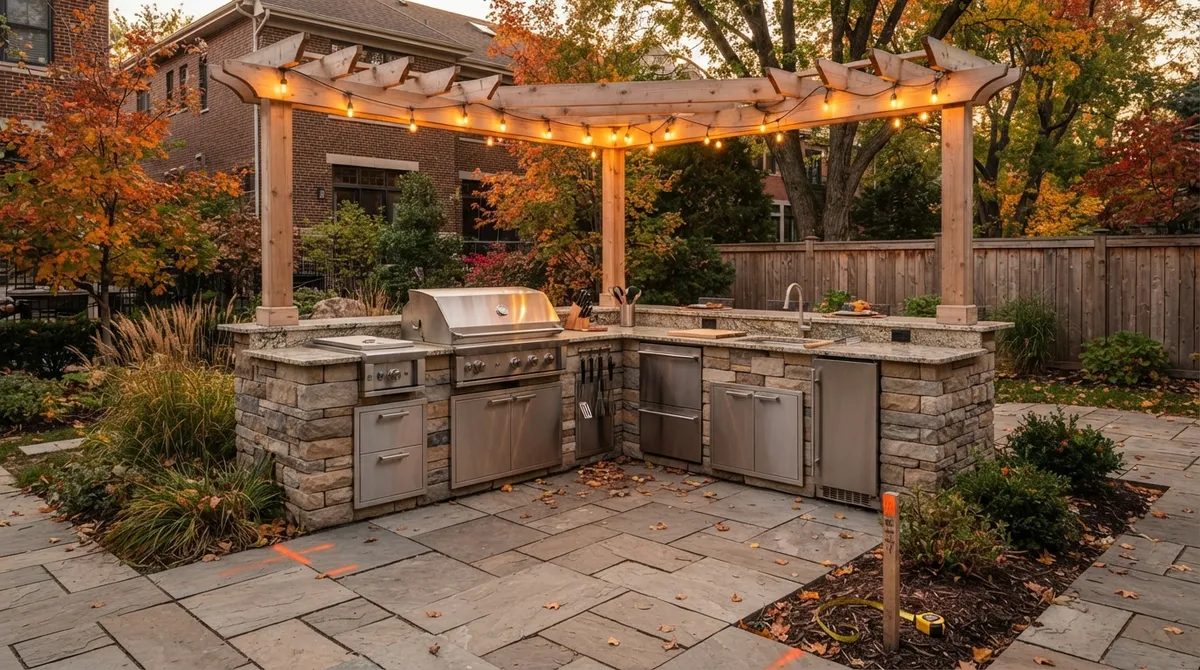
Faux grass often pairs beautifully with other hardscape features too. Many of our clients combine it with pavers, a cozy fire pit, or a shaded pergola to build out a complete outdoor living space. Want to see real results? Browse our gallery of our work for inspiration.
Why Professional Installation Matters
We get it, DIY projects can be tempting. But faux grass installation is one of those jobs where cutting corners really shows over time. Improper base compaction leads to uneven surfaces. Poor drainage causes pooling and odor problems. Weak seams create visible lines that never quite disappear.
A reputable contractor should give you a written scope covering excavation depth, base materials, drainage design, turf specifications, infill type, and warranty terms. Organizations like Landscape Illinois and certified professionals through the ICPI Certified Installer program set standards that help homeowners know what quality work should look like. When you’re comparing quotes, don’t be afraid to ask contractors how they handle each of these details.
Curious how our process compares? Read more in our article on why choosing professional turf installation beats DIY.
Ready to Transform Your Outdoor Space?
Faux grass installation is more than a trend, it’s a practical, beautiful solution for busy homeowners, growing businesses, and everyone in between across the greater Chicago area. Whether you’re dealing with stubborn clay soil, a shaded courtyard, or a high-traffic dog run, the right installation can give you a lawn that looks great and works hard, without the weekly mowing marathon.
We’d love to help you explore what’s possible for your property. Our team combines two decades of hands-on experience with a genuine passion for creating outdoor spaces our clients actually enjoy living in. Ready to see what a faux grass lawn could do for your home or business? Get a free estimate today, or simply call us at (630) 359-5139 to chat with our friendly team about your project.
FAQs
Q: How much does faux grass installation cost per square foot?
A: Most projects run between $6.50 and $15.00 per square foot, with a national average around $10.75 based on 2025 cost data. Your actual price depends on soil conditions, drainage needs, and turf quality, so a local estimate is always your best bet!
Q: Does artificial grass need a drainage system?
A: Absolutely, drainage is one of the most important parts of a quality installation. A well-designed base and backing help water flow through instead of pooling, keeping your lawn odor-free and looking great for years.
Q: How long does faux grass typically last?
A: With proper installation and a little routine care, most synthetic lawns last well over a decade. Regular brushing, debris removal, and occasional infill top-offs go a long way toward maximizing that lifespan.
Q: Is artificial grass safe for dogs, children, and pets?
A: Yes, many turf products are specifically designed with pet-friendly backing and odor-control infill in mind. We’re always happy to walk you through the best options if furry family members or little ones will be using the space.
Q: Does artificial turf get hotter than natural grass?
A: It can, some studies show synthetic surfaces reaching up to 20°C hotter than natural grass in direct sun. Choosing lighter-colored fibers, adding shade, or occasional rinsing can help keep things comfortable underfoot.