Key Takeaways
-
A single 1,800 sq ft synthetic lawn saves approximately 99,000 gallons of water annually—roughly 70% of typical outdoor water bills—while North America’s synthetic turf collectively conserves over 3 billion gallons yearly.
-
Synthetic turf eliminates the need for fertilizers, pesticides, herbicides, and fungicides, reducing chemical runoff by up to 98% compared to natural grass and preventing harmful chemicals from entering groundwater and local waterways.
-
Removing gas-powered mowing, trimming, and blowing eliminates significant carbon emissions from hydrocarbons, carbon monoxide, and nitrogen oxides, directly reducing your property’s carbon footprint and air pollution.
-
High-quality synthetic lawns last 15-20 years compared to natural grass’s constant need for reseeding and patching, reducing resource consumption over time and minimizing landscape waste.
-
Modern synthetic turf is manufactured with recycled materials, including crumb rubber from 105 million+ reclaimed tires, supporting circular economy principles and diverting waste from landfills.
-
Pairing chemical-free synthetic turf with native plant beds creates a genuinely sustainable landscape that supports local pollinators and biodiversity while requiring minimal maintenance and irrigation.
What if your lawn could look lush and green all year — without a single drop of irrigation water or a bag of fertilizer? That’s not a dream. That’s the reality of modern synthetic lawns. More homeowners, commercial property managers, and business owners across the greater Chicago area are making the switch to artificial turf, and the environmental reasons are compelling. From saving tens of thousands of gallons of water each year to eliminating harmful chemical runoff, the eco-friendly benefits of synthetic lawns are hard to ignore. Whether you manage a busy office park, own a suburban home with HOA expectations, or run a small business that wants to look its best every day, this guide walks you through exactly how synthetic turf can make your outdoor space greener — in every sense of the word.
Why Synthetic Lawns Are an Eco-Friendly Landscaping Choice
Natural grass is beautiful, but it comes with a significant environmental cost. Lawns across the U.S. consume enormous amounts of water, chemicals, and fuel-powered maintenance. Synthetic lawns flip that equation. Once installed, they demand very little from the environment and give back quite a lot. The eco-friendly benefits of synthetic lawns go beyond just saving water — they reduce pollution, cut carbon emissions, and even support soil stability.
According to industry research, synthetic turf in North America conserves over three billion gallons of water annually. That’s a staggering number, and it reflects just how thirsty traditional grass really is. For Chicago-area property owners dealing with seasonal droughts and rising water utility costs, this benefit alone makes a strong case for making the switch.
Step 1 — Understand How Synthetic Turf Saves Water
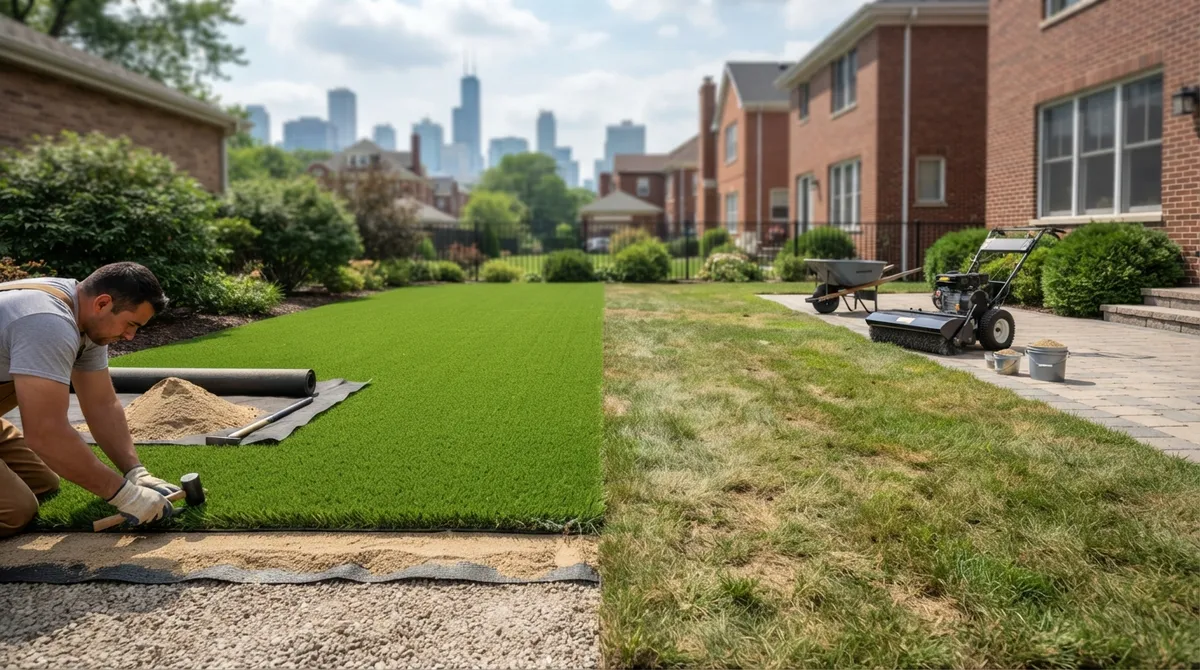
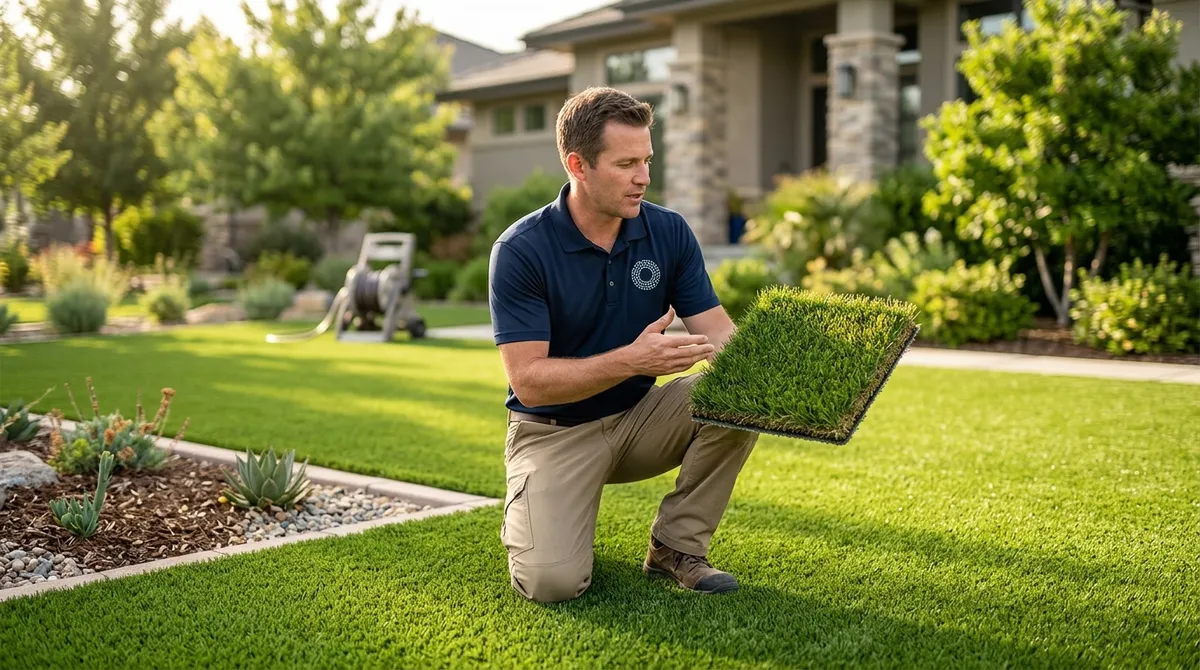
The first and most celebrated eco-friendly benefit of synthetic lawns is water conservation. Natural grass needs constant irrigation to survive, especially during Chicago’s hot summers. Synthetic turf requires zero irrigation after installation.
Here’s what the numbers look like in real terms:
| Lawn Type | Annual Water Use (1,800 sq ft) | Annual Savings |
|---|---|---|
| Natural Grass | ~141,000 gallons | — |
| Synthetic Turf | ~0 gallons (irrigation) | ~99,000 gallons |
| Full-Sized Synthetic Field | ~0 gallons (irrigation) | 500,000–1,000,000 gallons |
Replacing an 1,800 sq ft natural lawn with synthetic grass can save approximately 99,000 gallons of water per year — roughly 70% of a homeowner’s typical outdoor water bill. That’s real money back in your pocket, along with a meaningful contribution to water conservation. For suburban homeowners in communities with water use restrictions, this benefit is especially welcome.
Step 2 — Eliminate Harmful Lawn Chemicals
Natural grass is a chemical-hungry plant. Keeping it green and pest-free typically requires a rotating schedule of fertilizers, pesticides, herbicides, and fungicides. These chemicals don’t just stay on your lawn — they run off into storm drains, local waterways, and soil.
Synthetic turf completely eliminates the need for these products. A Landscape Illinois-supported approach to sustainable landscaping emphasizes reducing chemical inputs wherever possible, and artificial turf is one of the most effective ways to do that. A University of California study found that switching to synthetic grass reduces chemical runoff by up to 98% compared to natural lawns.
Here’s what you stop using when you install synthetic turf:
- Nitrogen-based fertilizers that leach into groundwater
- Pesticides that harm pollinators like bees and butterflies
- Herbicides that damage surrounding soil ecosystems
- Fungicides that disrupt natural microbial balance
- Chemical containers that end up in landfills
The industry estimates that synthetic lawns have collectively eliminated nearly one billion pounds of pesticides, fertilizers, fungicides, and herbicides from being applied to natural grass. That’s a massive environmental win for communities, watersheds, and wildlife alike.
Step 3 — Reduce Your Carbon Footprint
Mowing a natural lawn is a surprisingly carbon-intensive activity. Gas-powered lawn mowers emit significant amounts of hydrocarbons, carbon monoxide, and nitrogen oxides — all of which contribute to smog and air pollution. Trimming, edging, and blowing add even more emissions.
When you switch to synthetic turf, you eliminate that entire cycle of fuel consumption. No mower, no trimmer, no blower. Your lawn stays perfectly green without a single drop of gasoline. For commercial property managers overseeing large office or retail spaces, this reduction in maintenance equipment use can translate into a measurable drop in your property’s carbon footprint.
The carbon-saving benefits include:
- No gas-powered mower emissions from weekly cuts
- No fuel transportation or storage on the property
- Reduced trips from maintenance crews, lowering vehicle emissions
- Less equipment manufacturing demand over the long run
Step 4 — Support Soil Health and Prevent Erosion
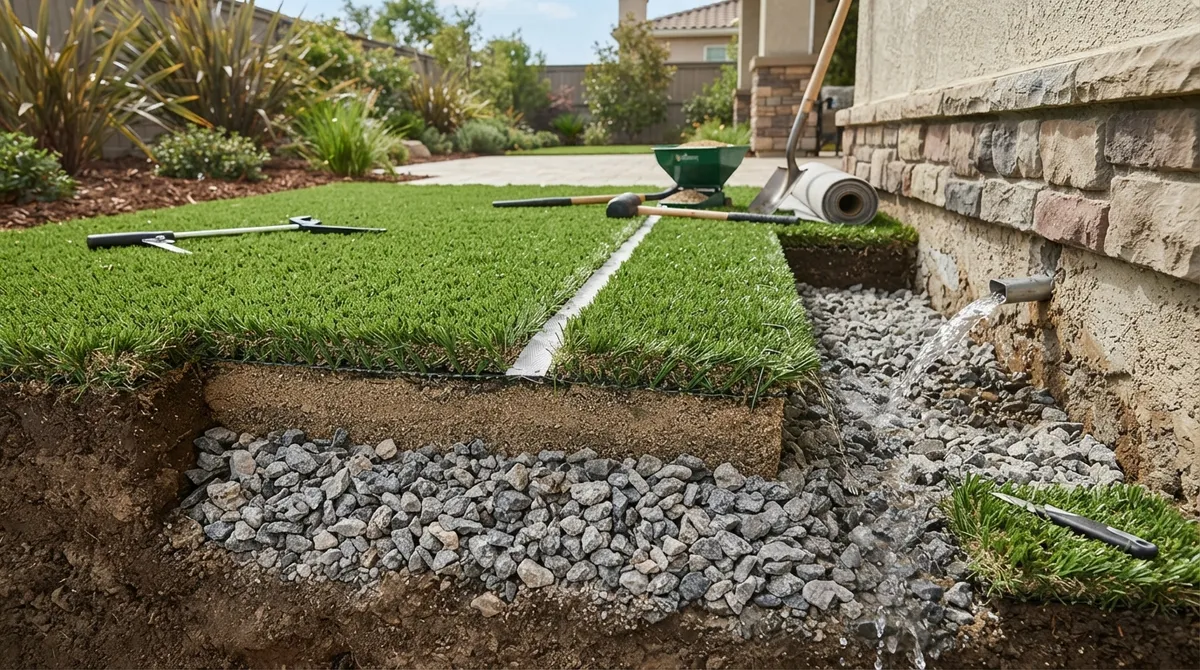
One surprising eco-friendly benefit of synthetic lawns is their positive effect on soil stability. Natural grass, when over-watered, chemically treated, or heavily trafficked, can degrade soil health over time. Synthetic turf acts as a protective layer that prevents soil compaction and erosion, especially in high-traffic areas like playgrounds, walkways, or event spaces.
Synthetic turf also comes with built-in weed barriers. This means you don’t need to apply pre-emergent herbicides to keep weeds at bay. The barrier does the work chemically-free, protecting soil below while keeping the surface clean and tidy. For new home builders in Aurora and surrounding suburbs, pairing synthetic turf with thoughtful hardscaping — like the retaining walls we install — creates a landscape that is both beautiful and erosion-resistant.
Step 5 — Choose Turf Made From Recycled Materials
Modern synthetic turf is not just a plastic lawn. Many high-quality products are manufactured using recycled materials, including reclaimed rubber from used tires. The industry has recycled over 105 million used tires for synthetic turf production — keeping those materials out of landfills and giving them a useful second life.
When you choose synthetic turf, you’re often supporting a circular economy. The infill material made from crumb rubber, the backing systems, and even some of the fibers can include recycled content. This makes artificial turf an attractive option for environmentally conscious property owners who want their landscape choices to reflect their values.
Key recycled and sustainable features to look for in synthetic turf products:
- Crumb rubber infill derived from recycled tires
- Recycled polyethylene or polypropylene fibers
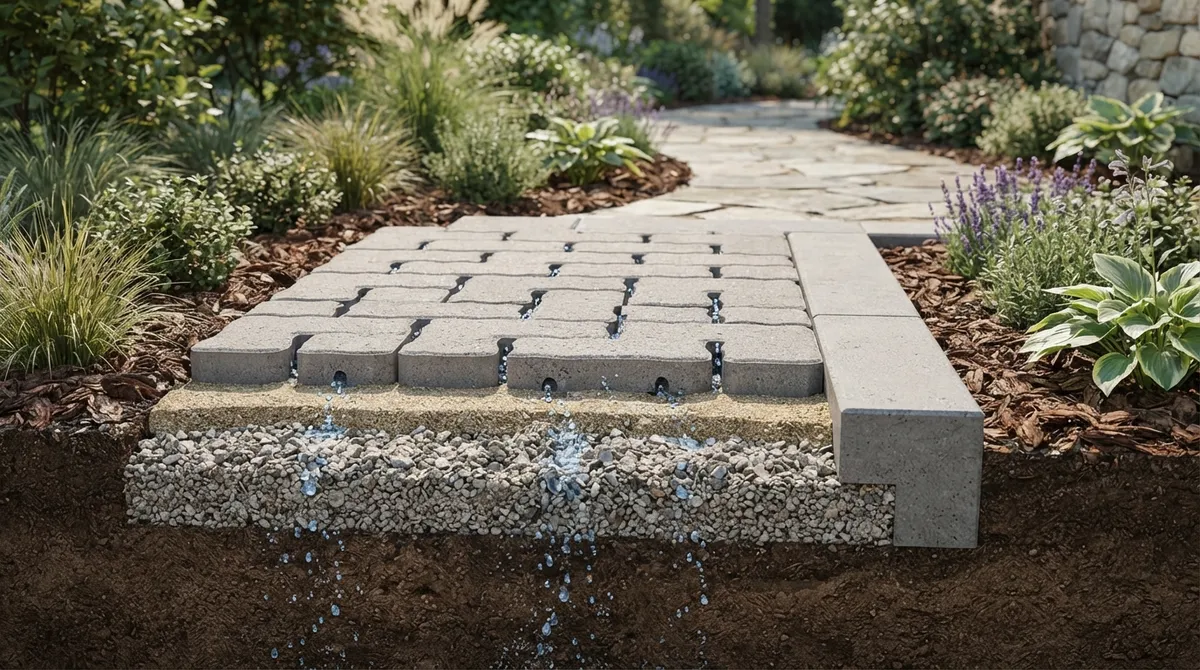
- Permeable backing for natural drainage
- Low-VOC manufacturing certifications
- Products tested for heavy metal safety
Step 6 — Enjoy a Long-Lasting, Low-Waste Lawn
One of the most overlooked eco-friendly benefits of synthetic lawns is their impressive lifespan. A high-quality synthetic turf installation typically lasts 15 to 20 years. Compare that to the constant cycle of reseeding, patching, aerating, and replacing dead sections that natural grass demands, and the sustainability math becomes clear.
A longer-lasting product means fewer resources used over time. It also means less waste — no grass clippings filling up yard waste bags, no disposal of chemical containers, and no need for ongoing landscaping materials. Our artificial turf installation service is designed to maximize the lifespan and performance of your investment from day one.
Step 7 — Pair Synthetic Turf With Native Plants for Maximum Impact
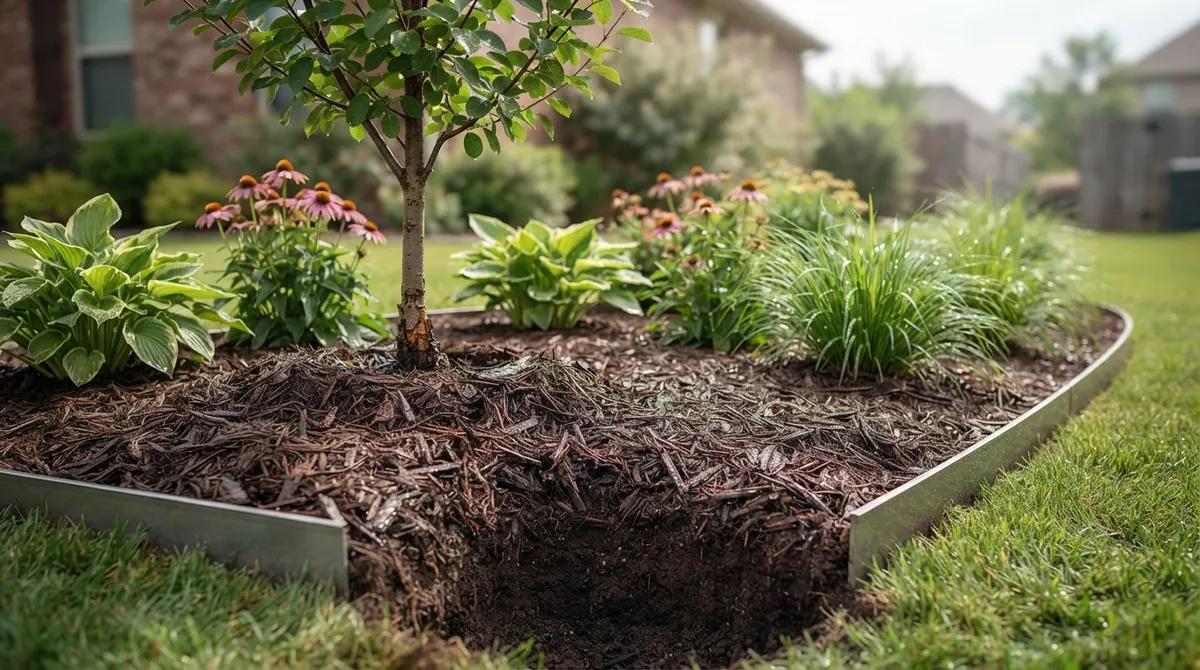
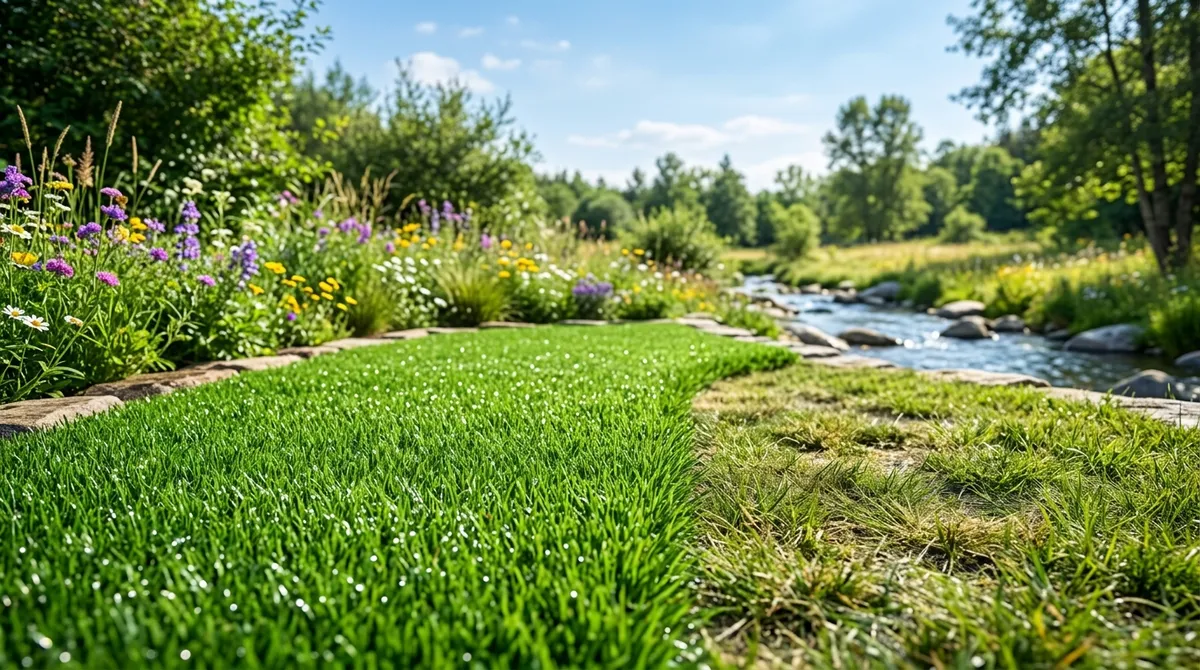
Here’s a tip that takes eco-friendly landscaping to the next level: combine synthetic turf with native plant beds. Native plants require little to no irrigation once established, attract pollinators, and support local biodiversity. When you pair them with a chemical-free synthetic lawn, you create an outdoor space that is both low-maintenance and genuinely supportive of the local ecosystem.
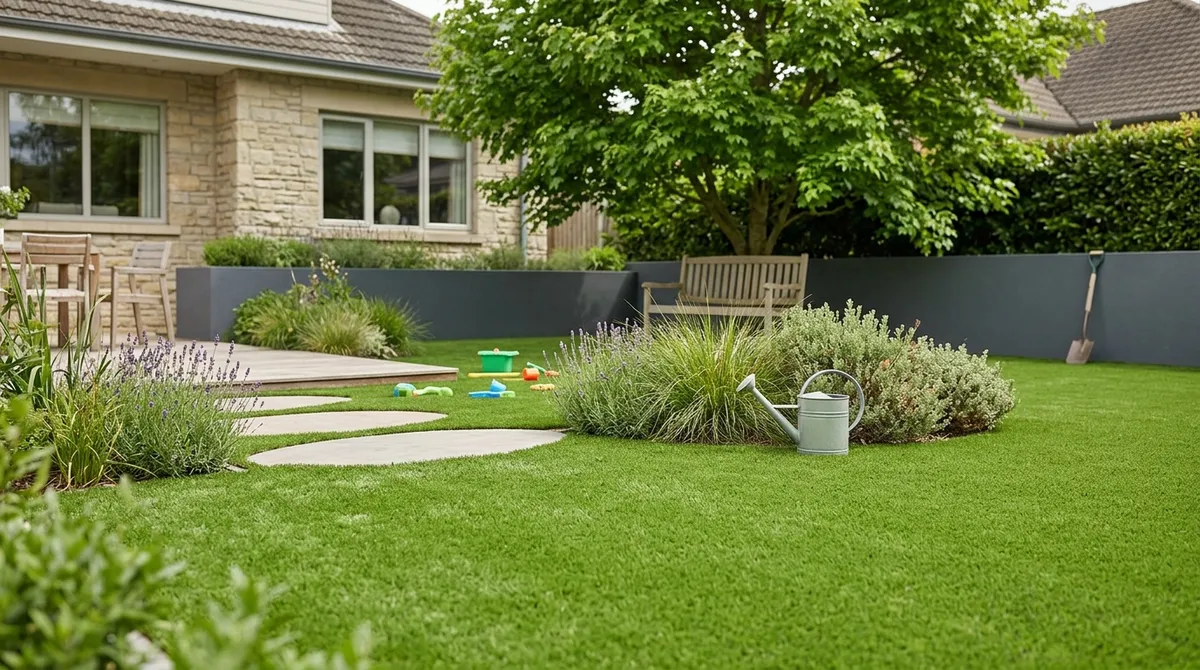
This approach works beautifully for suburban homeowners, urban condo owners with small courtyard spaces, and commercial properties alike. Adding a synthetic lawn as the central green element and bordering it with native shrubs, perennials, and ornamental grasses creates a landscape that looks intentional and performs sustainably. Our softscapes service can help you design exactly this kind of thoughtful, layered planting plan.
Comparing Eco-Impact: Synthetic vs. Natural Grass
| Environmental Factor | Natural Grass | Synthetic Turf |
|---|---|---|
| Annual Water Use | High (irrigation required) | None after installation |
| Chemical Inputs | Frequent (fertilizers, pesticides) | None required |
| Carbon Emissions | High (mowing, trimming) | Minimal (light rinsing only) |
| Chemical Runoff | Significant | Up to 98% less |
| Lifespan | Ongoing replacement cycles | 15–20 years |
| Recycled Content | None | Often includes recycled tires |
| Weed Control Method | Herbicides | Built-in weed barrier |
Is Synthetic Turf Right for Your Property?
Synthetic turf is a smart choice for many different types of properties. It’s especially well-suited for spaces that experience heavy foot traffic, areas with poor soil conditions, properties under HOA aesthetic standards, and locations where water conservation is a priority. For commercial property managers looking to reduce maintenance costs while maintaining a polished appearance, it’s a particularly practical solution.
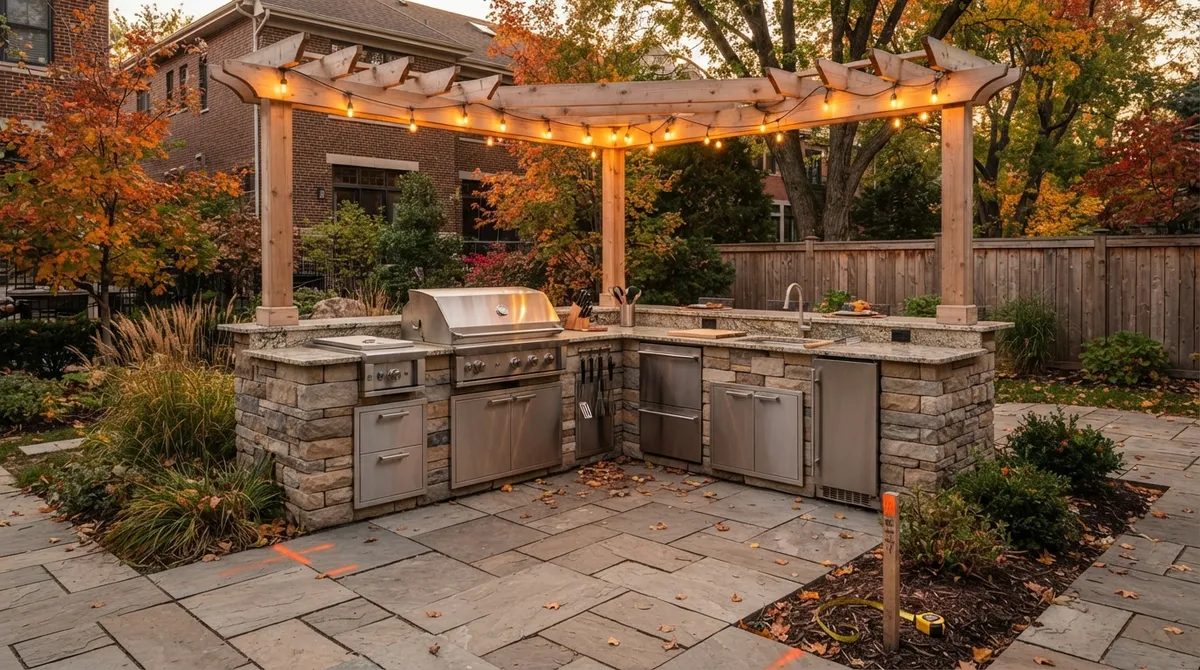
If you’re considering a broader landscape transformation, synthetic turf pairs wonderfully with other hardscaping features. Imagine a sleek synthetic lawn bordered by elegant pavers, lit by ambient outdoor lighting, and anchored by a beautiful pergola or pavilion. That’s the kind of cohesive, low-maintenance outdoor experience that our team at Serenity Landscape Group specializes in creating.
For certified industry guidance on sustainable landscaping materials and installation practices, the ICPI Certified Installer standards offer a helpful benchmark for quality and environmental responsibility. We align our installation process with those best practices to ensure every project stands the test of time.
Maintenance Tips for Your Eco-Friendly Synthetic Lawn
Even though synthetic turf is low-maintenance, a little care goes a long way in preserving its appearance and extending its lifespan.
- Rinse occasionally — A light rinse with a garden hose removes dust and pollen buildup, especially after windy days.
- Brush the fibers — Use a soft-bristled brush to keep the blades upright and looking natural, especially in high-traffic areas.
- Remove debris promptly — Leaves and organic matter should be cleared to prevent any moisture retention underneath.
- Inspect drainage — Check that the permeable backing continues to drain properly after heavy rain events.
- Address pet areas — If pets use the lawn, rinse those areas more frequently and consider a mild, pet-safe enzymatic cleaner.
These simple steps are all you need to keep your synthetic lawn looking great year after year. No fertilizing, no reseeding, no mowing — just a quick occasional refresh and you’re done.
Ready to Make the Switch? Here’s How to Get Started
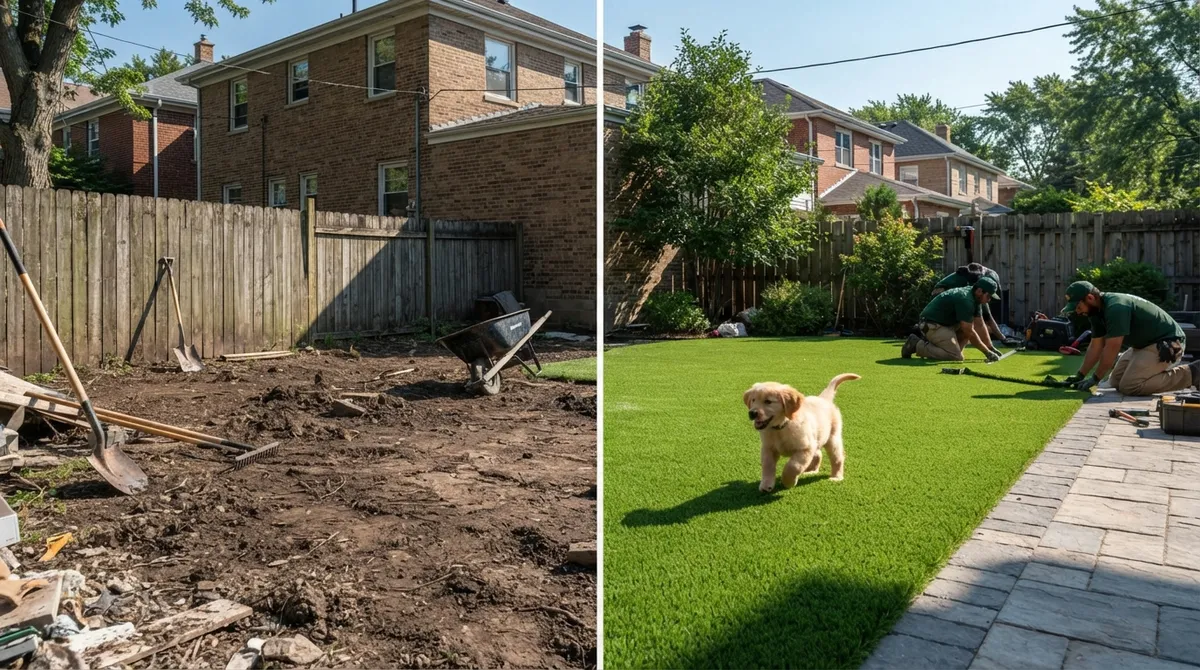
If you’re ready to enjoy the eco-friendly benefits of synthetic lawns on your residential or commercial property, the first step is a professional consultation. A skilled landscape team will assess your space, discuss your goals, review soil and drainage conditions, and recommend the right turf product for your specific needs.
You can explore our full design and installation process to understand exactly what to expect from start to finish. And if you’d like some visual inspiration before diving in, check out our gallery of our work to see real transformations we’ve completed across Chicagoland.
Conclusion
Synthetic lawns are one of the most impactful eco-friendly landscaping choices you can make in 2026. From conserving nearly 100,000 gallons of water per year on a single residential lot to eliminating nearly all chemical runoff and slashing carbon emissions from lawn maintenance, the environmental benefits are real, measurable, and meaningful. When you pair a high-quality synthetic lawn with smart hardscaping and native plants, you create an outdoor space that works with nature instead of against it.
At Serenity Landscape Group, we’ve spent over two decades helping Chicago-area homeowners and businesses create landscapes they love — and we’re proud to offer professional synthetic turf installation as part of our full-service approach. Whether you’re starting from scratch or upgrading an existing space, we’re here to help you make choices that are beautiful, practical, and kind to the planet.
Ready to transform your outdoor space with an eco-friendly synthetic lawn? Request your free estimate today and let’s start building a greener future together — one yard at a time.
FAQs
Q: How much water does synthetic grass save compared to natural lawns?
A: Quite a lot! Replacing an 1,800 sq ft natural lawn with synthetic grass can save approximately 99,000 gallons of water per year — that’s about 70% of a typical homeowner’s outdoor water bill. Across North America, synthetic turf conserves over three billion gallons of water annually, making it one of the most impactful water-saving landscape choices you can make.
Q: Does artificial turf really eliminate the need for lawn chemicals?
A: Yes, completely! Once synthetic turf is installed, you no longer need fertilizers, pesticides, herbicides, or fungicides to keep your lawn looking great. The built-in weed barrier even handles weed control without any chemicals. A University of California study found that synthetic turf reduces chemical runoff by up to 98% compared to natural grass — that’s great news for your family, pets, and local waterways.
Q: Is synthetic grass made from recycled materials?
A: Many high-quality synthetic turf products are made with recycled materials, including crumb rubber derived from used tires. The industry has collectively recycled over 105 million tires for synthetic turf production, which is a wonderful example of giving old materials a useful new life. When shopping for turf, ask your landscaping provider about the recycled content in both the fibers and infill.
Q: How long does a synthetic lawn last before it needs to be replaced?
A: A properly installed, high-quality synthetic lawn typically lasts between 15 and 20 years — that’s a long, low-maintenance run! Compared to the ongoing cycle of reseeding, patching, and replanting that natural grass requires, synthetic turf is a much more resource-efficient investment over the long term. Light maintenance like occasional rinsing and brushing will help it look its best throughout its entire lifespan.
Q: Can synthetic lawns support local wildlife and biodiversity?
A: Synthetic turf on its own is not a habitat for wildlife, but it pairs beautifully with native plant beds that absolutely are! By using a chemical-free synthetic lawn as your central green space and surrounding it with native shrubs, perennials, and pollinator gardens, you can create a landscape that supports local bees, butterflies, and birds without the need for any harmful chemicals.