Key Takeaways
-
Professional installation with proper weed barrier fabric (woven landscape or non-woven geotextile), compacted base layer, and quality turf backing is the most critical step to prevent weeds from growing beneath and through artificial turf.
-
Weeds primarily grow on the turf surface when airborne seeds land between blades and mix with organic debris, so regular brushing every 1-2 weeks removes seeds before they germinate.
-
Install overlapping weed barrier fabric with 6-inch overlaps, secured every 1-3 feet, and use bender board or edging along perimeters to seal gaps where weeds most commonly infiltrate.
-
Focus extra maintenance attention on vulnerable areas including seams, edges, drainage holes, and shaded zones where moisture lingers, inspecting these spots monthly for early weed growth.
-
Use natural weed control methods like diluted white vinegar for surface weeds or hand-pull by the root, avoiding harsh chemicals that could damage turf fibers or backing materials.
-
Keep surrounding vegetation trimmed and remove leaves and organic debris promptly, as these create seed beds; perform seasonal inspections especially in spring and fall when weed activity peaks.
Artificial turf sounds like the perfect solution, doesn’t it? No mowing, no watering, and — best of all — no weeds. But here’s the thing: weeds can still find a way in if the installation isn’t done right. For homeowners, commercial property managers, and business owners across the Chicago area, knowing how to prevent weeds in artificial turf is the key to getting the most out of your investment. The good news is that with the right preparation and a little ongoing care, a weed-free synthetic lawn is absolutely achievable. Let’s walk through everything you need to know — from smart installation practices to easy maintenance habits that keep your turf looking lush and clean year-round.
Can Weeds Really Grow in Artificial Turf?
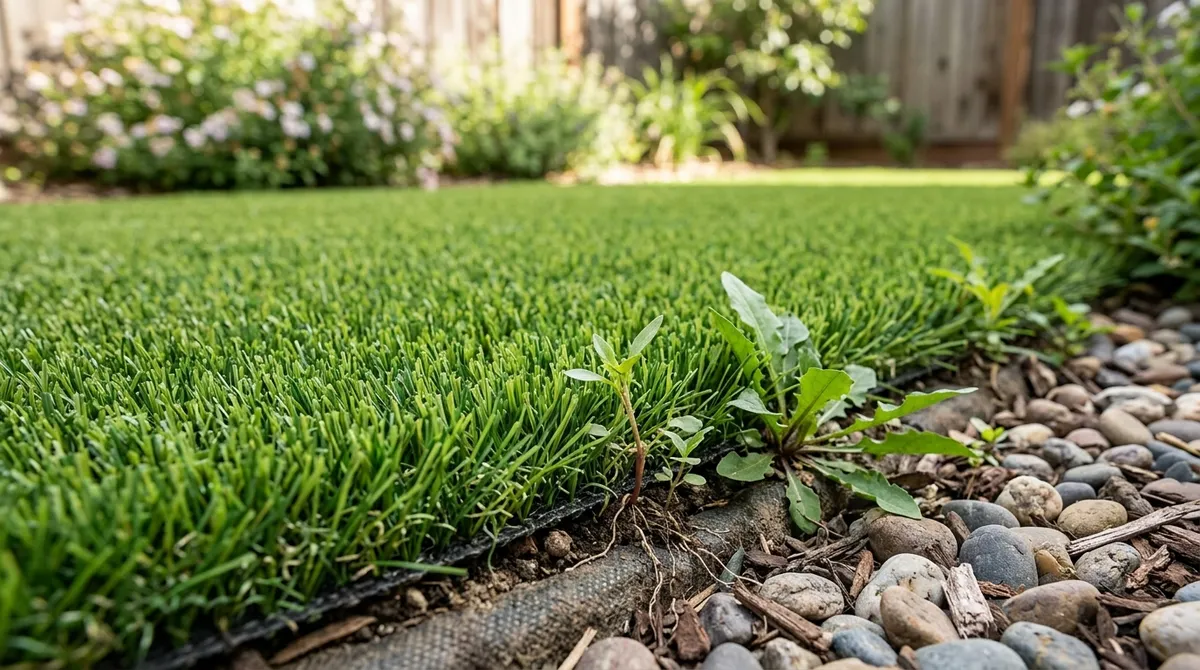
Yes — and this surprises a lot of people! Weeds don’t grow through synthetic grass the same way they do in natural soil. Instead, they typically grow on top of the turf surface. Airborne seeds land between the turf blades, mix with organic debris like dirt and leaves, and begin to germinate. Weeds can also push up from beneath the turf if the base layers weren’t properly prepared during installation.
The good news is that no surface is 100% weed-proof, but proper artificial turf installation makes weeds far less likely to appear — and much easier to manage when they do. The most vulnerable spots are edges, seams, drainage holes, and shaded areas where moisture tends to linger. Knowing this helps you target your prevention efforts where they matter most.
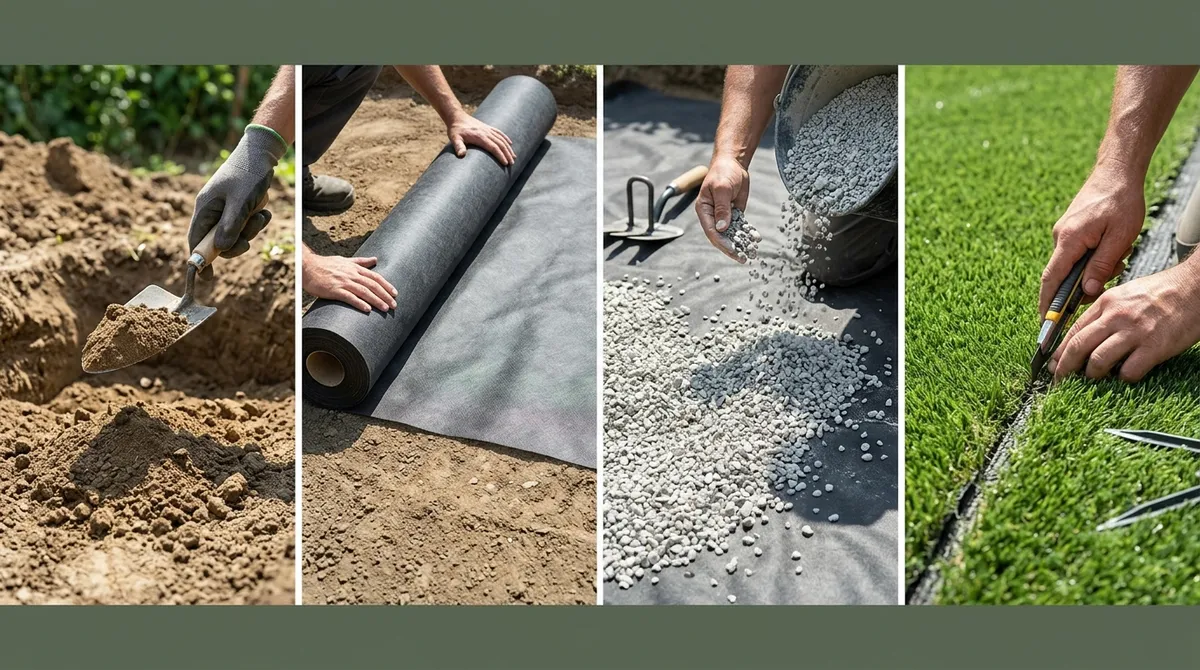
Step-by-Step: How to Prevent Weeds During Installation
The best time to prevent weeds in artificial turf is before the turf even goes down. A professional installation focused on weed prevention will include several key steps that create a strong barrier against future growth. Here’s how it’s done the right way:
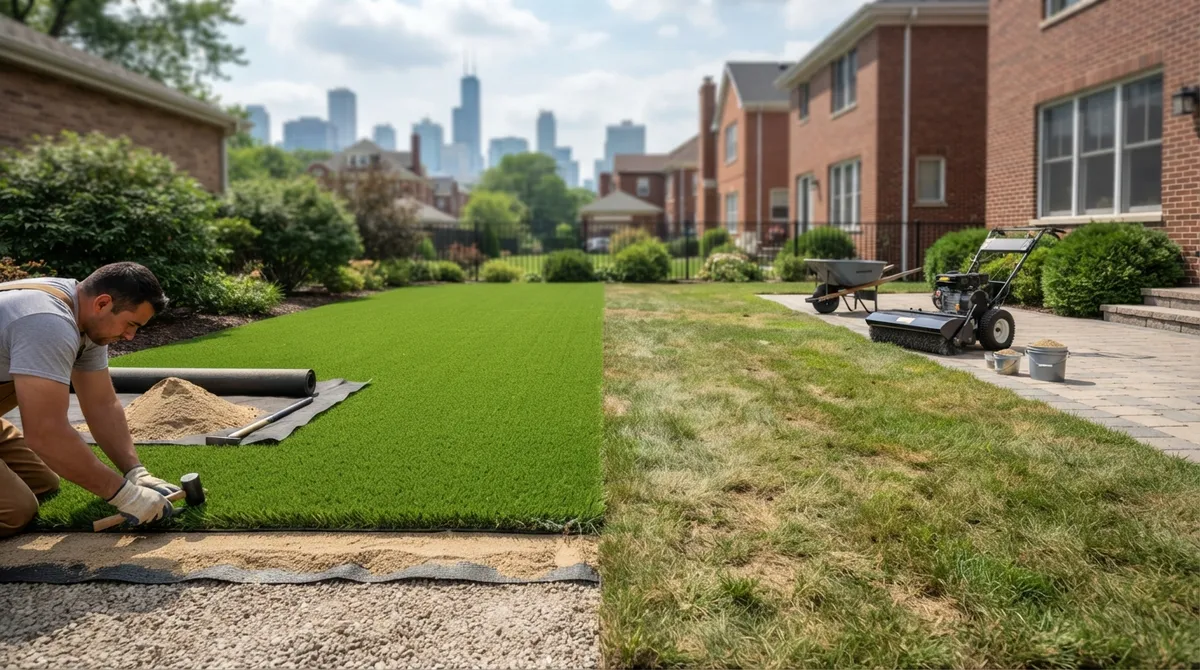
- Clear and prepare the ground: Remove all existing vegetation, roots, and organic material from the area. Any plant matter left behind can decompose and become a seed bed for weeds later.
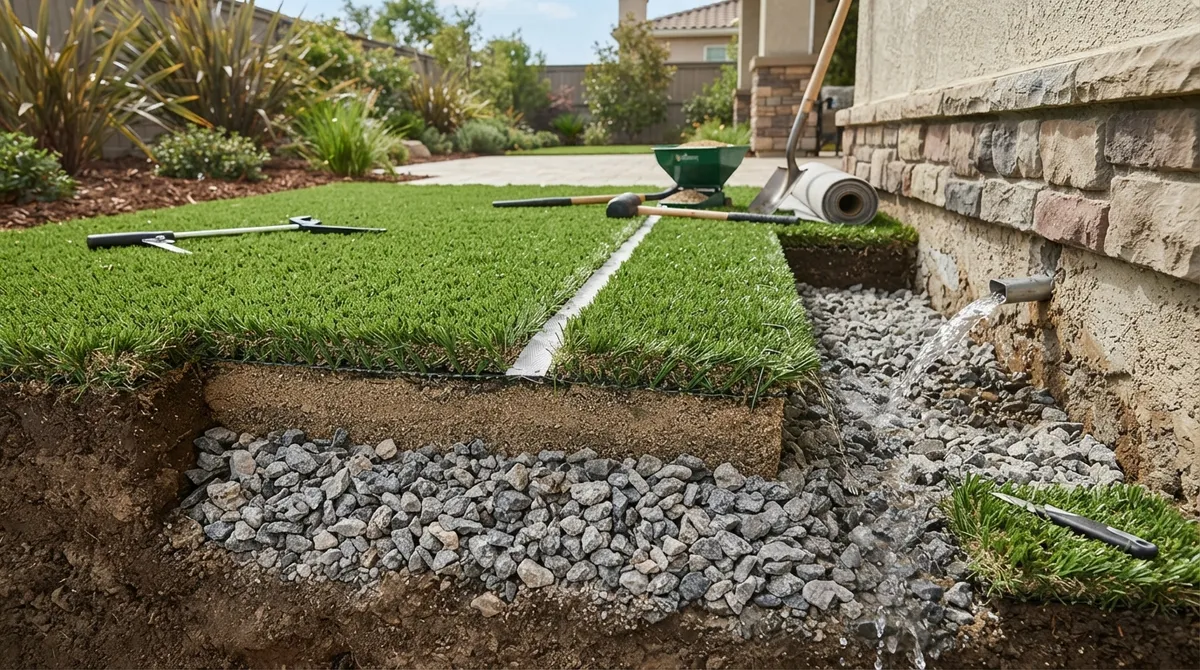
- Install a weed barrier fabric: Lay a high-quality landscape cloth or weed barrier fabric over the prepared soil. Secure it with staples every 1 to 3 feet, paying special attention to edges and overlaps. Overlaps should be at least 6 inches to seal gaps where persistent weeds like crabgrass could sneak through.
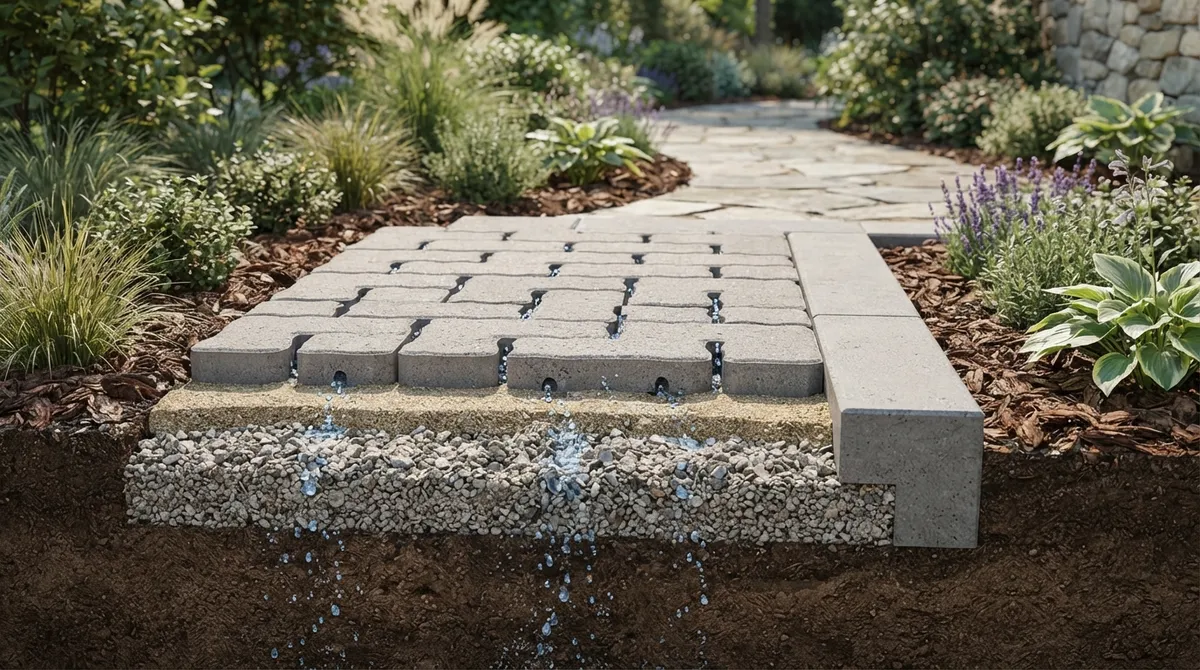
- Compact a base layer: Add a compacted base of decomposed granite or path fines on top of the weed barrier. This layer leaves minimal space for weed roots and also ensures proper drainage — which is critical for long-term turf performance.
- Choose turf with quality backing: Select artificial turf with a tightly woven, durable backing system. Backing systems like EnviroLoc™ are specifically designed to prevent weeds from pushing through the bottom of the turf.
- Add infill material: Spread infill (such as silica sand or crumb rubber) over the top of the installed turf. Infill weighs the turf down, improves durability, and reduces the spaces between blades where weed seeds could settle and germinate.
- Secure the perimeter: Use bender board, edging, or nailing strips along the perimeter of the turf. Place the turf adjacent to hardscapes like pavers or retaining walls to seal gaps at the edges where weeds most commonly infiltrate.
When these steps are followed carefully, you end up with a layered system that blocks weeds from above and below. It’s the kind of thorough approach that Serenity Landscape Group brings to every artificial turf project — ensuring your investment pays off for years to come. You can also explore our full installation process to see how we handle every detail from start to finish.
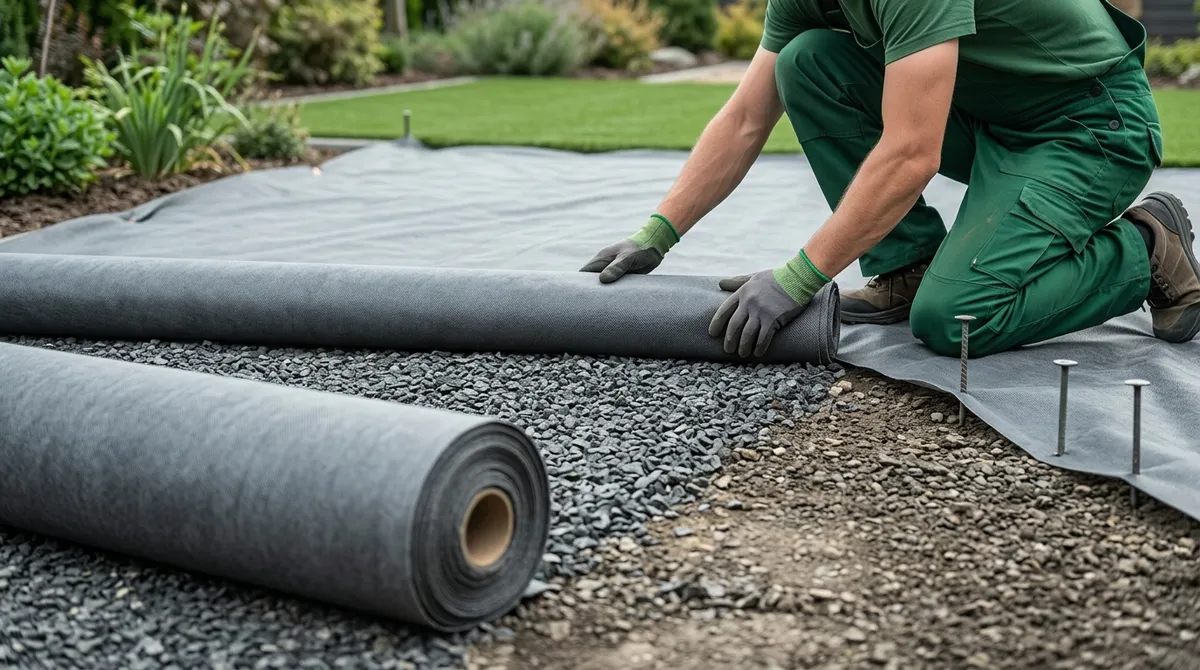
Choosing the Right Weed Barrier for Artificial Turf
Not all weed barriers are created equal. Picking the right one makes a big difference in how effective your weed prevention is over the long haul. Here’s a quick comparison to help you understand your options:
| Weed Barrier Type | Effectiveness | Drainage | Best For |
|---|---|---|---|
| Woven Landscape Fabric | High | Good | Residential and commercial turf installations |
| Non-Woven Geotextile Fabric | Very High | Excellent | Areas with high rainfall and drainage needs |
| Plastic Sheeting | Very High | Poor | Not recommended — blocks drainage |
| SGW Weed Fabric (6″ x 250″ rolls) | Proven High | Good | Professional turf installations requiring drainage |
For most residential and commercial turf projects in the Chicago area, a woven landscape fabric or non-woven geotextile is the best choice. These fabrics block seed germination while still allowing water to drain freely — which is especially important in our region where heavy rain is common. Industry resources like Landscape Illinois provide helpful guidance on best practices for landscape installations in the state.
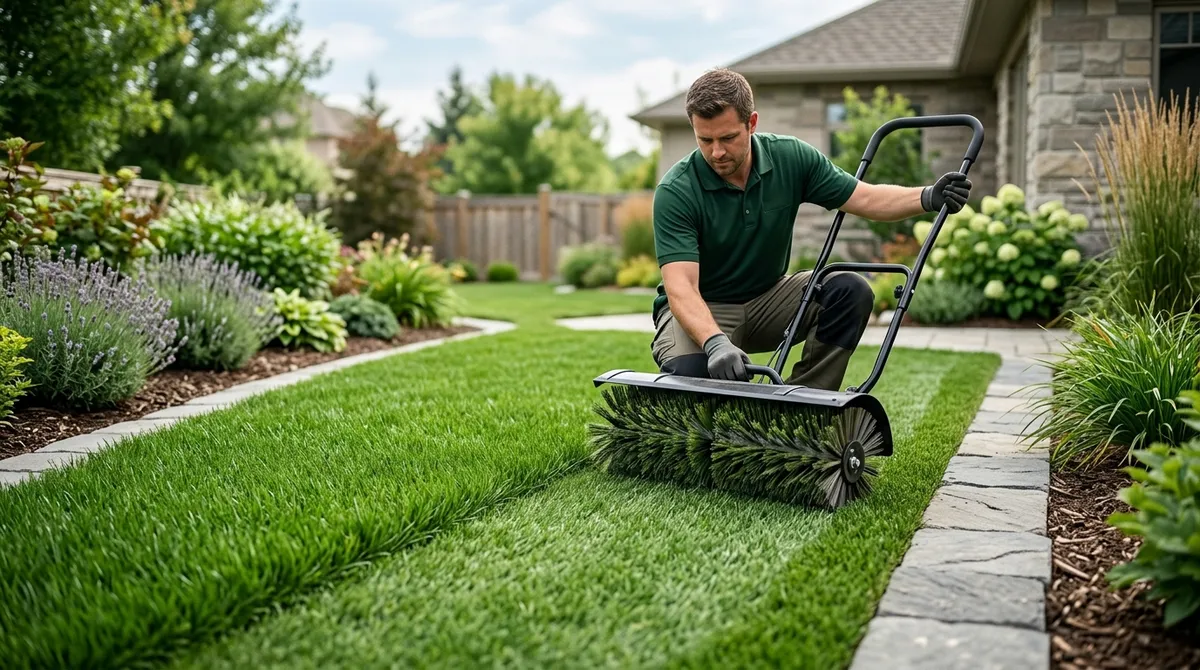
Ongoing Maintenance to Keep Weeds Out of Artificial Turf
Even the best installation needs a little TLC over time. Maintenance is your second line of defense against weeds in synthetic turf. The great news is that it doesn’t take much effort — just a few simple habits done consistently.
Regular Brushing
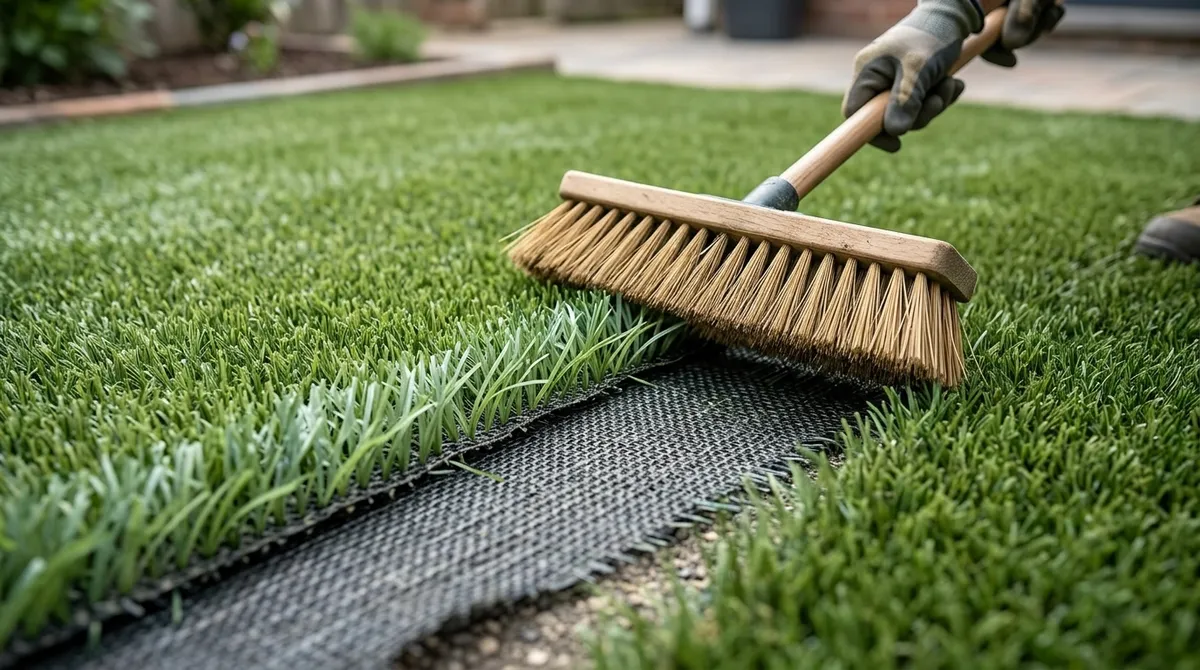
Use a stiff turf brush to brush the blades of your artificial grass regularly. This removes airborne weed seeds, dirt, and organic debris before they have a chance to settle in and germinate. Think of it like sweeping your porch — a quick task that prevents bigger problems down the road.
Perimeter Control
Keep the area around the edges of your turf trimmed and tidy. Overgrown plants and shrubs near the turf’s border shed seeds that land right at the seams — one of the most weed-prone areas. Trim surrounding vegetation regularly and remove any weeds growing around the edges before they spread.
Spot Treatments
If you do spot a weed, deal with it quickly. Pull it out by the root while it’s small. You can also use a weed killer, but make sure it’s safe for use around synthetic turf materials. There are natural options, like diluted white vinegar, that are effective on surface weeds without damaging the turf fibers or backing.
Here’s a handy maintenance checklist to keep your turf weed-free throughout the year:
- Brush the turf surface every 1 to 2 weeks
- Remove leaves, twigs, and organic debris promptly after storms
- Inspect seams, edges, and drainage holes monthly for weed growth
- Trim surrounding plants and shrubs to minimize seed fall
- Pull surface weeds by hand as soon as they appear
- Apply a turf-safe weed treatment to problem areas as needed
Problem Areas That Need Extra Attention
Some spots on your artificial turf are more vulnerable to weeds than others. Knowing these areas helps you stay ahead of the problem with targeted care.
- Seams: The joints where two pieces of turf meet can shift slightly over time, creating small gaps where seeds can enter.
- Edges and borders: The perimeter where turf meets soil, pavers, or other surfaces is the most common entry point for weeds.
- Drainage holes: These small openings in the turf backing allow water to escape but can also allow seeds to enter from below.
- Shaded areas: Spots under trees or overhangs stay moist longer, creating conditions that encourage germination.
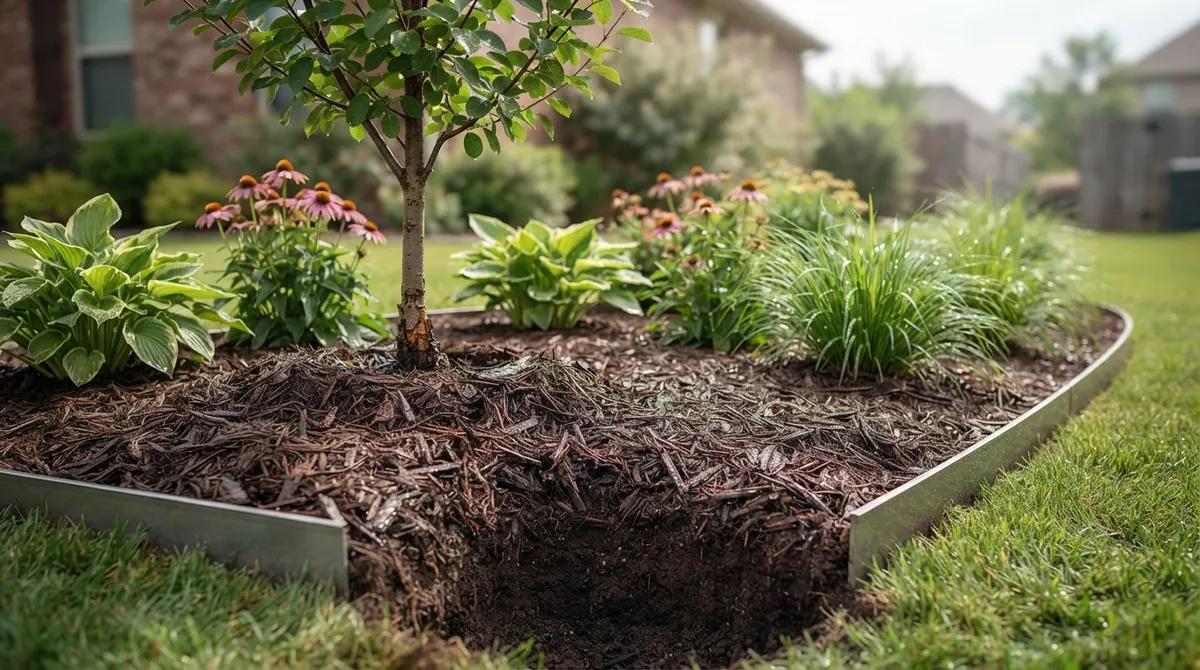
- Areas near garden beds: Softscape plantings near turf edges can drop seeds onto the synthetic surface.
Paying extra attention to these zones during your regular maintenance rounds will save you a lot of hassle. If you’re planning a full outdoor renovation with both turf and planting areas, it’s worth thinking about how the two will interact — something our team considers carefully in every landscape design.
Natural and Chemical Weed Control Options for Synthetic Turf
When you do need to treat weeds, you have several options. Here’s a quick breakdown to help you choose wisely:
- Hand pulling: The safest method. Pull weeds out by the root while the soil beneath is moist for easier removal. Best for small, isolated weeds.
- White vinegar solution: A natural, turf-safe option. Spray directly on weed leaves on a sunny day. It dries out the plant without harming turf fibers.
- Commercial weed killers: Look for formulas labeled safe for synthetic turf. Avoid products containing harsh solvents that could damage turf backing or infill materials.
Always test any treatment on a small, inconspicuous area first. And if you’re ever unsure, consulting with a professional landscaper — like reaching out to our team by calling (630) 359-5139 — is always a smart move before applying chemicals to your turf.
Why Professional Installation Makes All the Difference
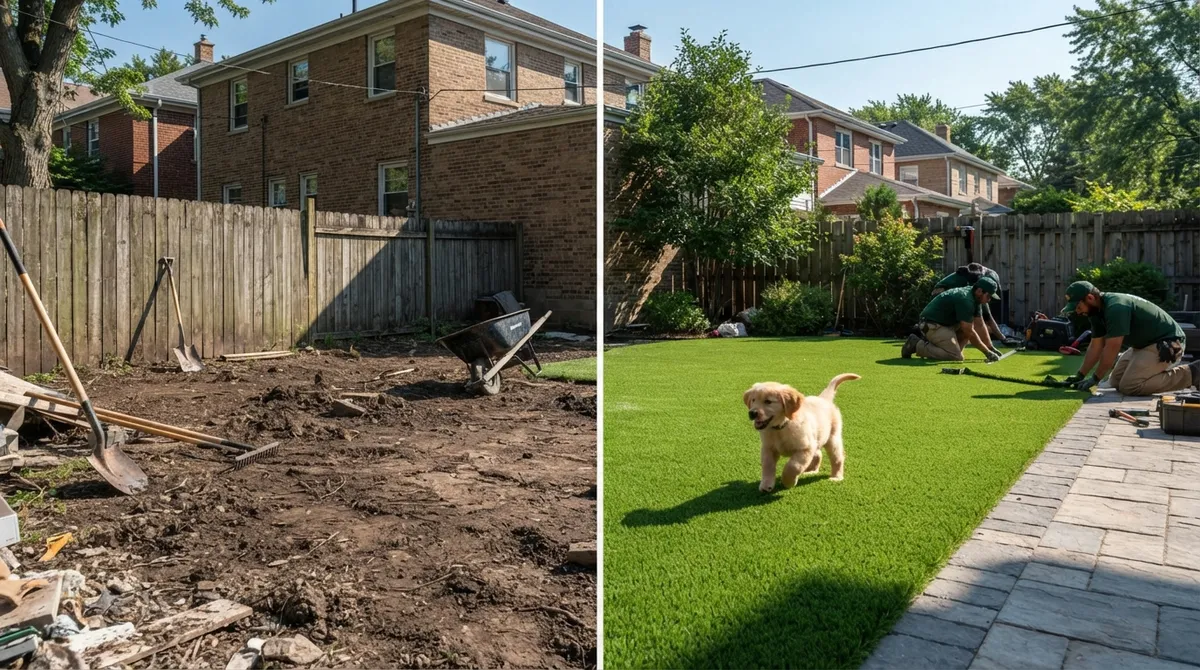
DIY artificial turf installation can seem appealing, but getting the layers right is trickier than it looks. Skipping or skimping on the weed barrier, using the wrong base material, or leaving gaps at the perimeter are common mistakes that lead to weed problems down the line. Professional installers know exactly how to build up the system correctly from the ground up.
Organizations like the ICPI Certified Installer program set high standards for outdoor installation quality — something to look for when choosing who handles your project. Working with experienced professionals gives you peace of mind that every layer — from weed fabric to infill — is installed for maximum performance and longevity.
If you’re curious about what a professionally installed artificial turf area could look like alongside pavers, retaining walls, or outdoor lighting, check out our gallery of our work for inspiration. We love combining outdoor lighting and hardscaping elements with turf installations to create truly stunning outdoor spaces.
Quick Comparison: DIY vs. Professional Turf Installation for Weed Prevention
| Factor | DIY Installation | Professional Installation |
|---|---|---|
| Weed barrier quality | Variable — depends on product chosen | Proven, commercial-grade materials |
| Base layer compaction | Often insufficient | Properly compacted for drainage and weed control |
| Seam and edge sealing | Common weak points | Carefully secured and sealed |
| Long-term weed resistance | Moderate | High |
| Warranty and support | None | Often included |
Seasonal Weed Prevention Tips for Chicago-Area Turf
Chicago’s four distinct seasons mean your turf faces different weed challenges throughout the year. Here’s how to stay proactive season by season:
- Spring: This is peak weed season. Inspect the entire turf surface and perimeter after winter thaw. Remove any organic debris that accumulated over winter and check for early weed growth at seams and edges.
- Summer: Heat and humidity can encourage rapid weed growth on surface debris. Brush the turf frequently and trim surrounding plants to minimize seed fall. Spot-treat any surface weeds before they mature and set seed.
- Fall: Falling leaves are a major weed culprit. Remove leaves promptly before they decompose on the turf surface. Apply a preventive weed treatment along edges and seams before the ground freezes.
- Winter: Minimal weed activity, but check that perimeter edging is still secure after freeze-thaw cycles. Address any gaps or lifting edges that could let weeds in come spring.
Ready to Enjoy a Weed-Free Outdoor Space?
Artificial turf is one of the smartest investments you can make for a low-maintenance, beautiful outdoor space — and with the right installation and care, weeds don’t have to be part of the picture. Whether you’re a homeowner wanting a pristine backyard, a property manager keeping commercial grounds looking sharp, or a business owner wanting curb appeal without constant upkeep, knowing how to prevent weeds in artificial turf puts you in control of your landscape.
At Serenity Landscape Group, we’ve spent over two decades helping Chicago-area clients enjoy gorgeous, functional outdoor spaces that hold up season after season. From expertly installed artificial turf to complete landscape transformations with fire pits, pergolas and pavilions, and commercial lawn maintenance, we’re here to bring your outdoor vision to life. Ready to get started? Request your free estimate today and let’s create an outdoor space you’ll love for years to come.
FAQs
Q: Can weeds really grow through artificial turf?
A: Great question! Weeds don’t typically push up through quality artificial turf itself — instead, they usually grow on the surface when airborne seeds land between the turf blades and find organic debris to germinate in. They can also come up from below if the base layers weren’t properly installed, which is why a solid weed barrier and compacted base are so important.
Q: What is the best weed barrier to use under artificial turf?
A: A woven landscape fabric or non-woven geotextile fabric works best for most artificial turf installations. These materials block seed germination while still allowing water to drain freely — which is especially important in areas with heavy rainfall like the Chicago region. Avoid plastic sheeting, as it traps water and can cause bigger problems down the road.
Q: How often should I maintain artificial turf to prevent weeds?
A: A light brush every one to two weeks goes a long way! Regular brushing removes weed seeds and debris before they have a chance to settle in and germinate. You’ll also want to inspect seams, edges, and drainage holes monthly and trim any surrounding plants to keep seed fall to a minimum — it’s really that simple.
Q: Are there natural weed killers that are safe for artificial grass?
A: Yes, there are! Diluted white vinegar is a popular natural option that kills surface weeds without harming your turf fibers or backing materials. Just spray it directly on the weed leaves on a sunny day and let it dry out the plant naturally. Always test on a small area first, and when in doubt, consult a professional landscaper before applying any treatment.
Q: Does artificial turf need infill, and does it help with weed control?
A: Absolutely — infill serves several important purposes, and weed control is one of them! Materials like silica sand or crumb rubber weigh the turf down and fill the spaces between blades, making it harder for weed seeds to find a place to settle and germinate. Plus, infill improves the look, feel, and durability of your synthetic lawn, so it’s a win all around!