Key Takeaways
-
Proper site assessment before construction is critical—skipping this step often leads to cracking, shifting, or wall failure, especially in Chicago’s clay-heavy soil with freeze-thaw cycles.
-
Brick retaining walls require drainage systems (gravel backfill, perforated pipes, weep holes) to prevent water pressure buildup that causes cracking, bulging, or total failure over time.
-
Retaining walls and garden walls serve different purposes: retaining walls hold back soil on slopes with structural engineering needs, while garden walls are decorative with minimal drainage requirements.
-
Brick selection matters for durability—choose clay bricks, engineering bricks, or concrete bricks rated for freeze-thaw cycles; match existing brick on your house for seamless visual integration.
-
Most brick wall projects require permits in Chicago suburbs, especially for walls above certain heights near property lines; a reputable contractor will help navigate the permitting process.
-
Well-built brick walls last decades with minimal maintenance through annual inspections, gentle cleaning, drainage upkeep, and prompt crack repairs; they add curb appeal and long-term property value.
Picture this: a beautiful brick wall wrapping around your garden, holding back a slope, or giving your patio some much-needed privacy. Sounds pretty great, right? If you’ve been dreaming about adding a brick wall to your outdoor space but aren’t sure where to start, you’re in exactly the right place. Brick wall construction is one of those projects that feels intimidating at first, but once you understand the basics, it becomes a lot less scary and a lot more exciting.
At Serenity Landscape Group, we’ve spent over two decades helping Chicago-area homeowners and business owners bring their outdoor visions to life. We’ve seen firsthand how a well-built brick wall can completely change how a family uses their backyard or how customers feel walking up to a storefront. This guide walks you through everything you need to know, from the types of walls you can build to the steps involved, so you feel confident moving forward with your project.
What Is Brick Wall Construction in Landscaping
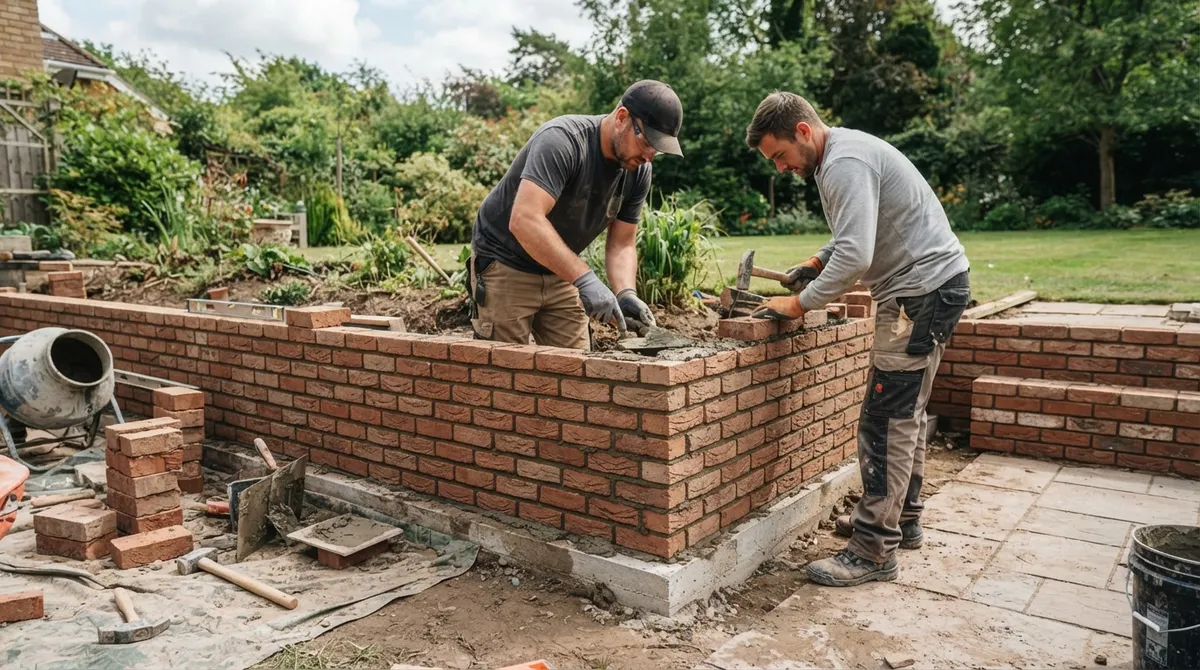
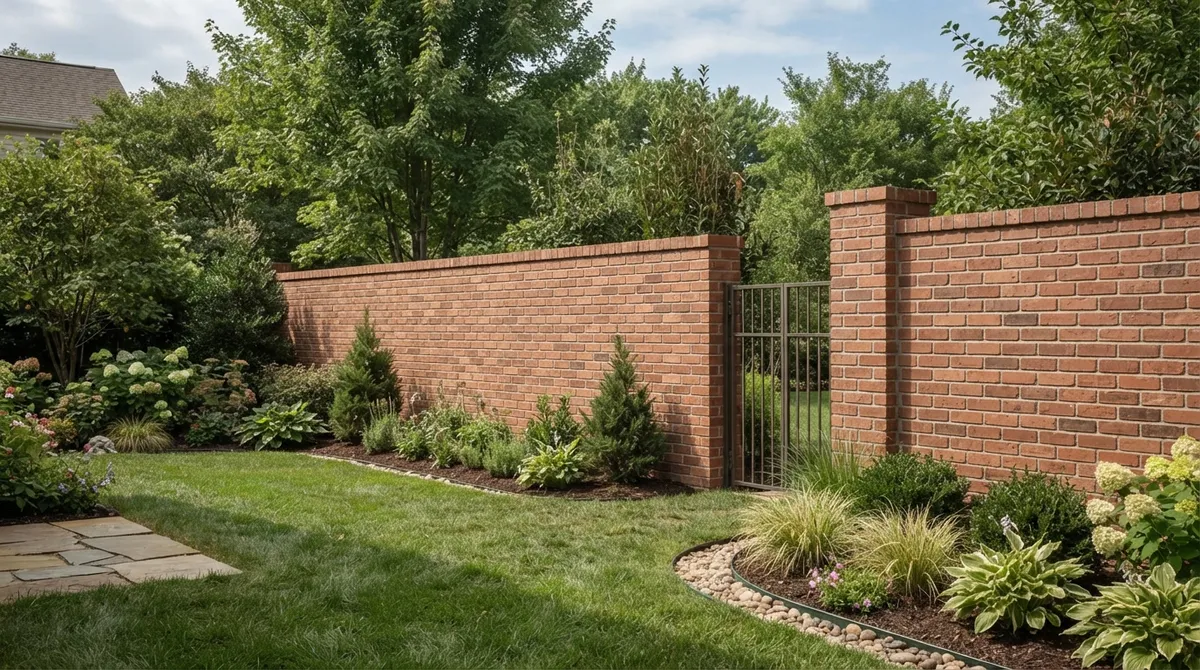
Brick wall construction in landscaping means building outdoor walls using brick as the main material. These walls serve all kinds of purposes in a yard or commercial property. They can mark property lines, hold back soil on a slope, add privacy, or simply look gorgeous as a decorative feature.
Unlike walls built for a house’s foundation, landscape brick walls are designed to work with your outdoor space. They need to handle weather, drainage, and sometimes even soil pressure. This is why it helps to work with a team that understands both the visual side and the technical side of the job, similar to how we approach our retaining walls and paver projects.
Common Types of Brick Walls Landscapers Build
Not all brick walls serve the same purpose. Here’s a quick rundown of the most common types you’ll come across:
- Garden walls: Low walls that frame flower beds or separate garden areas.
- Boundary walls: Walls that mark property lines and add a sense of enclosure.
- Retaining walls: Walls built to hold back soil on sloped or terraced land.
- Raised beds: Small brick enclosures that lift planting areas above ground level.
- Decorative feature walls: Walls built purely for visual impact, often with unique patterns or brick colors.
- Privacy screens: Taller walls that block views into a yard or patio area.
Companies across the country have built strong reputations around this work. For example, Green Onion Landscaping notes over 28 years of experience building brick walls and doing garden construction, while Clever Fox Landscape has spent more than 20 years building raised planters and retaining walls. This tells you something important: brick wall construction isn’t a niche add-on, it’s a core landscaping service that homeowners rely on year after year.
Why Homeowners and Businesses Choose Brick Walls
Brick walls aren’t just pretty. They solve real problems. Here’s why so many of our clients ask about adding one to their property.
- Structure and definition: A brick wall gives your yard clear boundaries and a sense of organization.
- Privacy: Taller walls block nosy neighbors or busy streets from view.
- Security: A solid wall makes it harder for people or animals to wander onto your property.
- Slope management: Retaining walls hold back soil, which is huge for sloped Chicago-area lots.
- Curb appeal: A well-built wall instantly makes a property look more polished and cared for.
- Long-term durability: Quality brick can last for decades with minimal upkeep.
For suburban homeowners dealing with HOA guidelines, a tasteful brick wall can actually help meet community standards while still expressing your personal style. And for commercial property managers, a brick wall near an entrance or parking area can boost that all-important first impression for customers and tenants.
Site Assessment: The First Step That Matters Most
Before any bricks get laid, a proper site assessment needs to happen. This step gets overlooked by DIYers all the time, and it’s usually where problems start.
During a site assessment, a landscaping team looks at your soil type, drainage patterns, existing grade, and how the wall will interact with nearby structures. Chicago’s clay-heavy soil and freeze-thaw winters make this step especially important. Skipping it can lead to cracking, shifting, or even wall failure down the road.
What a Good Design Proposal Should Include
After the assessment, you should receive a clear design proposal and quotation. This helps you understand exactly what you’re paying for before construction begins. A solid proposal typically covers:
- Wall height, length, and layout
- Brick type and color options
- Drainage and footing plans
- Estimated timeline
- Total project cost
If a contractor skips this step or gives you a vague verbal estimate, that’s a red flag. Reputable companies, including those certified through the ICPI Certified Installer program, follow structured processes for a reason. It protects you and ensures the finished wall actually performs the way it should.
Retaining Walls vs Garden Walls: What’s the Difference
People often mix these two up, so let’s clear it up. A garden wall is mostly decorative or used to frame a space. A retaining wall has a structural job: holding back soil so it doesn’t slide or erode.
| Feature | Garden Wall | Retaining Wall |
|---|---|---|
| Main Purpose | Decoration, framing, low borders | Holding back soil on slopes |
| Typical Height | 1-3 feet | 2-8 feet or more |
| Drainage Needs | Minimal | Essential, often requires weep holes or gravel backfill |
| Structural Engineering | Rarely needed | Often required for taller walls |
| Common Materials | Brick, stone veneer | Brick, block, poured concrete with reinforcement |
If your yard slopes or you’re dealing with erosion, a retaining wall is usually the better fit. You can learn more about how these structures work in our article on what a retaining wall is and whether you need one. And if you’re curious how retaining walls transform tricky terrain, check out why retaining walls transform sloped yards into usable spaces.
Do Brick Retaining Walls Need Drainage
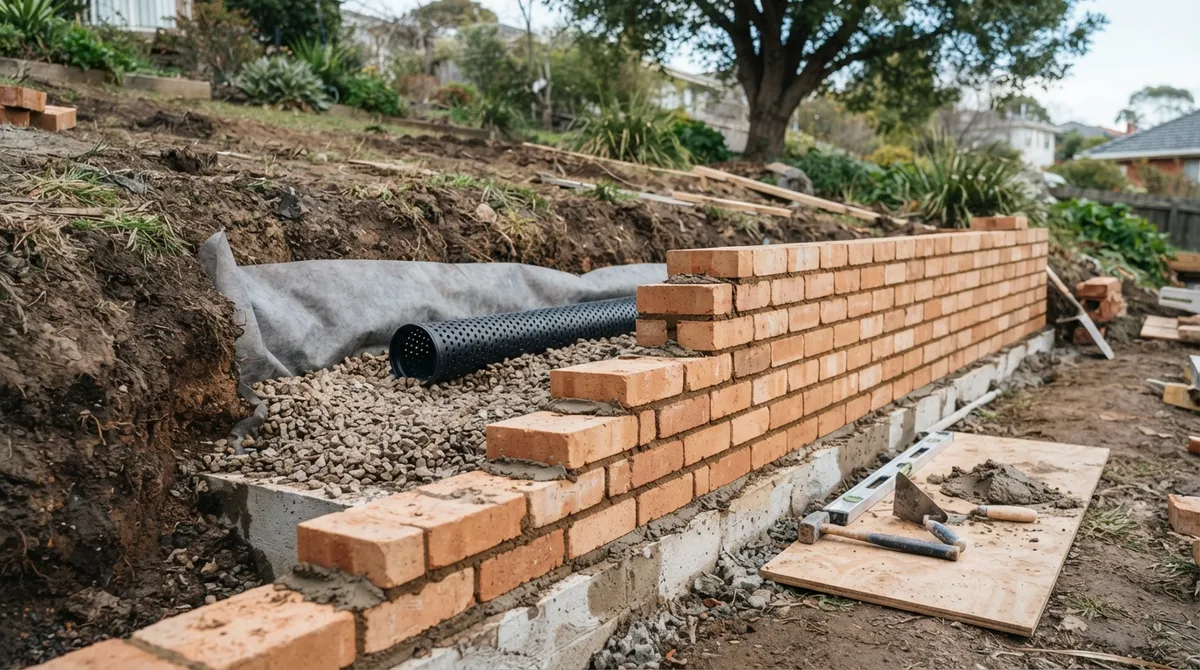
Yes, absolutely. This is one of the most important parts of retaining wall construction that people often forget. Without proper drainage, water builds up behind the wall. That pressure can cause cracking, bulging, or even total wall failure over time.
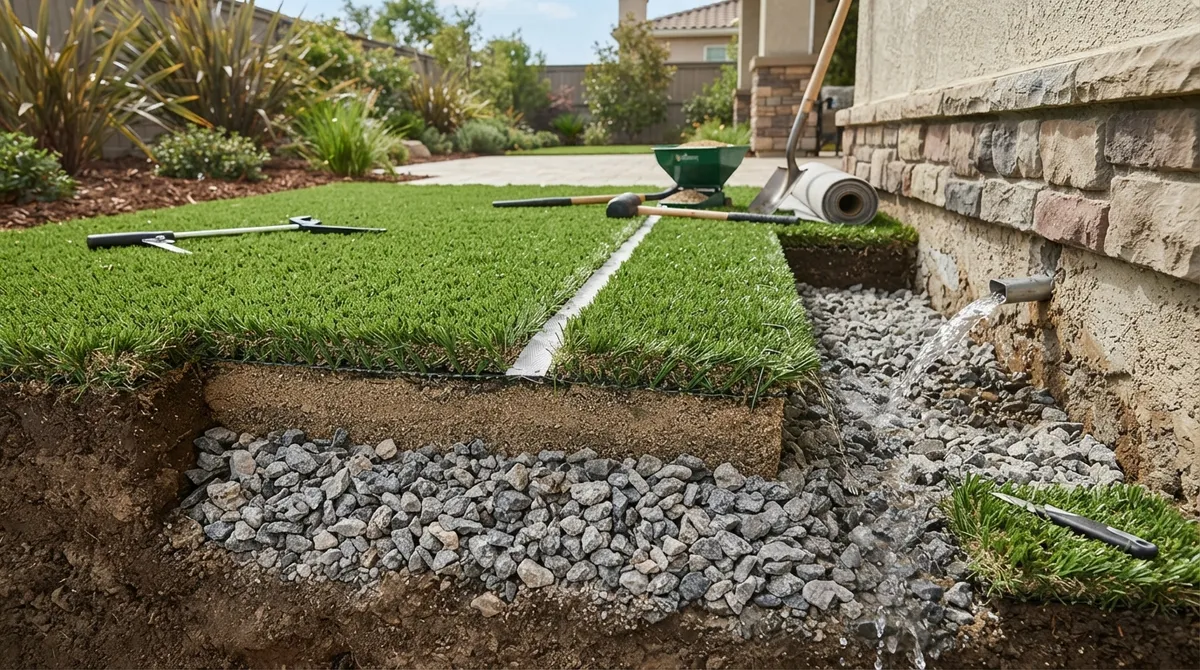
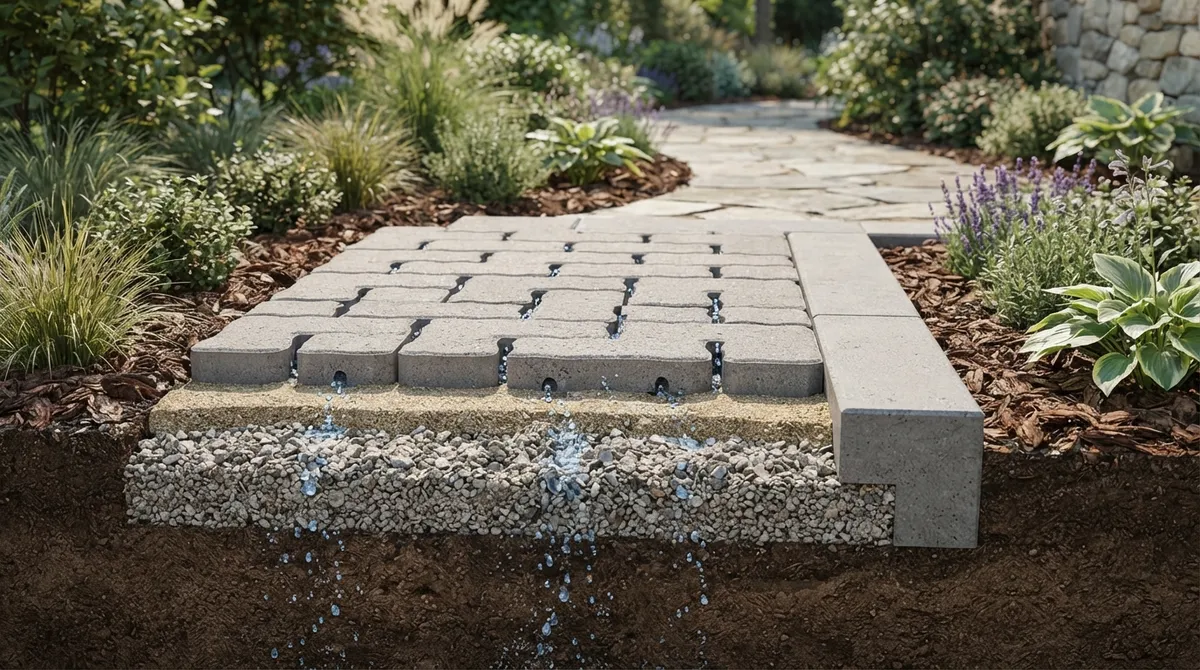
Good drainage systems usually include gravel backfill, perforated pipes, and sometimes weep holes built right into the brick. Chicago’s heavy rains and snowmelt make this step non-negotiable for any retaining wall project in our region.
Step-by-Step: How Brick Wall Construction Actually Works
Wondering what happens once you say yes to a project? Here’s the general process most landscaping teams follow:
- Initial consultation: Discuss your goals, budget, and style preferences.
- Site assessment: Evaluate soil, drainage, and grading.
- Design proposal: Receive a detailed plan and quote.
- Permitting: Check local rules, especially for taller walls or boundary lines.
- Excavation and footing: Dig and pour a stable foundation for the wall.
- Bricklaying: Build the wall course by course, checking level constantly.
- Drainage installation: Add gravel, pipes, or weep holes as needed.
- Finishing touches: Cap the wall, clean joints, and do a final walkthrough.
Depending on the size and complexity, a garden wall might take a few days, while a larger retaining wall project could take a couple of weeks. Weather, soil conditions, and brick availability all play a role in timing too.
Choosing the Right Brick for Outdoor Wall Construction
Not every brick is built for outdoor life. You want materials that can handle Chicago’s brutal freeze-thaw cycles without cracking or crumbling.
- Clay bricks: Traditional, durable, and available in many colors.
- Concrete bricks: Budget-friendly and strong, though less traditional looking.
- Reclaimed bricks: Great for a vintage or historic look, though quality can vary.
- Engineering bricks: Extremely dense and ideal for load-bearing retaining walls.
One thing many homeowners don’t think about until later: brick matching. If you already have brick on your house or existing walls, a good landscaping team will match the new wall so it blends in seamlessly instead of looking like an obvious add-on. This attention to detail is something we take seriously on every project, much like we do with our paver installations.
How Brick Walls Fit Into a Bigger Hardscape Plan
Brick wall construction rarely happens in isolation. It usually connects to other hardscape features like patios, walkways, and outdoor living areas. Think about how a brick wall might frame a seating area near a fire pit or wrap around a paver patio for a finished, cohesive look.
For commercial properties, brick walls often pair with seasonal plantings and lighting to create a welcoming entrance. Small business owners in particular benefit from this combo, since a branded, pedestrian-friendly landscape can genuinely boost foot traffic. Adding landscape lighting along a new brick wall can extend its impact well into the evening hours too.
Brick Walls for New Construction Homes
If you’re a builder or developer working on new homes in Aurora or nearby suburbs, brick walls can be a fantastic turnkey feature. They add instant curb appeal and give buyers that finished, move-in-ready feeling. Pairing brick walls with softscape plantings creates a balanced, professional look that helps homes sell faster.
Do You Need Planning Permission for a Brick Garden Wall
This depends on your local municipality and the wall’s height. Many Chicago suburbs require permits for walls above a certain height, especially near property lines or public sidewalks. It’s always smart to check with your local building department before construction starts.
A reputable landscaping company will help you navigate this process as part of their service. Groups like Landscape Illinois also offer helpful resources for homeowners trying to understand local regulations and best practices.
Cost Factors for Brick Garden Wall Projects
Pricing for brick wall construction varies quite a bit depending on several factors. Here’s what typically affects your final cost:
- Wall length and height
- Type of brick chosen
- Site accessibility and soil conditions
- Whether drainage systems are required
- Need for permits or engineering plans
- Decorative elements like caps, patterns, or lighting
Getting a clear quotation upfront helps avoid surprises later. This is exactly why we walk every client through our design and installation process before any work begins, so you know what to expect from day one.
Maintaining Your Brick Wall for the Long Haul
The good news? Brick walls are pretty low-maintenance compared to other landscaping features. Still, a little care goes a long way toward keeping your wall looking its best for decades.
- Inspect for cracks or shifting once or twice a year.
- Clean brick surfaces with a gentle brush and mild soap.
- Reapply sealant every few years if your wall is sealed.
- Keep gutters and drainage clear so water doesn’t pool near the base.
- Address small cracks quickly before they grow into bigger problems.
These simple habits, paired with proper original construction, mean your wall should last for generations, not just a few seasons.
Ready to Start Your Brick Wall Project
Brick wall construction is one of those landscaping investments that pays you back in beauty, function, and property value for years to come. Whether you want a cozy garden wall, a sturdy retaining wall for a sloped yard, or a striking privacy screen for your patio, the right planning makes all the difference. Our team has spent over 20 years helping Chicago-area homeowners and businesses bring these projects to life with quality craftsmanship and honest guidance every step of the way.
If you’re ready to explore what a brick wall could look like on your property, we’d love to help. Get a Free Estimate today, or if you’d rather talk through your ideas first, feel free to call us at (630) 359-5139. We’re here to help you create an outdoor space you’ll genuinely love coming home to.
FAQs
Q: What is brick wall construction in landscaping?
A: It’s the process of building outdoor brick walls for gardens, boundaries, retaining slopes, or decoration. Landscaping teams handle everything from site assessment to the final brick and mortar work, making sure your wall looks great and holds up for years.
Q: How much does a garden brick wall cost?
A: Costs vary based on wall length, height, brick type, and site conditions like drainage needs. The best way to get an accurate number is through a site visit and detailed quotation, which we’re always happy to provide.
Q: Do brick retaining walls need drainage?
A: Yes, definitely! Without proper drainage, water pressure builds up behind the wall and can cause cracking or even failure over time. A good contractor will always include gravel backfill or drainage pipes in the plan.
Q: What’s the difference between a retaining wall and a garden wall?
A: A garden wall is mostly decorative and frames a space, while a retaining wall has a real job: holding back soil on a slope. Retaining walls usually need more engineering and drainage planning than a simple garden wall.
Q: Do I need planning permission for a brick garden wall?
A: It depends on your city or suburb’s rules, especially if the wall is tall or near a property line. It’s always worth checking with your local building department, and a good landscaping company can help guide you through that process.