Key Takeaways
-
Lawn care is a complete system requiring multiple services working together (mowing, fertilization, aeration, weed control, irrigation), not just weekly mowing; skipping even one component leaves grass struggling regardless of cutting frequency.
-
Professional lawn care prevents costly problems by catching issues early: weeds take over bare spots, compacted soil kills grass, poor drainage attracts pests, and replacing dead lawns costs far more than routine maintenance.
-
Follow a consistent schedule: mow weekly during growing season, fertilize 3-4 times yearly (early spring, late spring, summer, fall), aerate once in early fall, and winterize in late fall to prevent stress before damage appears.
-
Chicago-area homeowners face specific challenges (clay soil, harsh winters, unpredictable rainfall) requiring customized lawn care plans based on soil type, sun exposure, and grass variety rather than generic store-bought solutions.
-
Average homeowner costs are $300-$3,600 annually for combined landscaping and lawn care; suburban lots average $150-$300 monthly while commercial properties run $500-$2,000+ due to larger areas and frequent service visits.
-
Look for lawn care providers with industry certifications, clear communication, transparent pricing, experience with your local soil and climate, and a portfolio of completed projects to ensure lasting results.
You mow every week. You water when it’s hot. Yet your lawn still looks patchy, thin, or stressed. Sound familiar? Here’s the truth: mowing alone isn’t lawn care and maintenance. Real lawn care is a full system of steps working together throughout the year, and missing even one piece can leave your grass struggling no matter how often you cut it.
Across the greater Chicago area, homeowners, condo owners, property managers, and business owners all face the same frustrating cycle. Clay-heavy soil, harsh winters, and unpredictable rainfall make growing a healthy lawn tricky without expert help. The good news? Professional lawn care and maintenance can turn that frustration into a lawn you’re proud to show off.
In this article, we’ll break down exactly what goes into proper lawn care, why it matters more than ever in 2026, and how to know when it’s time to bring in the pros. Whether you’re managing a suburban yard, a small urban patch, or a commercial property, you’ll walk away with a clear plan for greener, healthier grass.
What Is Lawn Care and Maintenance, Really?
Lawn care and maintenance covers everything that keeps your grass healthy, green, and functional all year long. It’s more than cutting grass short on a Saturday morning. It includes soil health, water management, pest control, and seasonal timing.
Think of your lawn like a living system, not a carpet. Grass needs the right nutrients, the right amount of water, and protection from weeds and pests to truly thrive. Skipping steps often leads to bare patches, weed invasions, or grass that just never seems to fill in.
Core Services Included in Professional Lawn Care
Most professional lawn care programs combine these essential tasks:
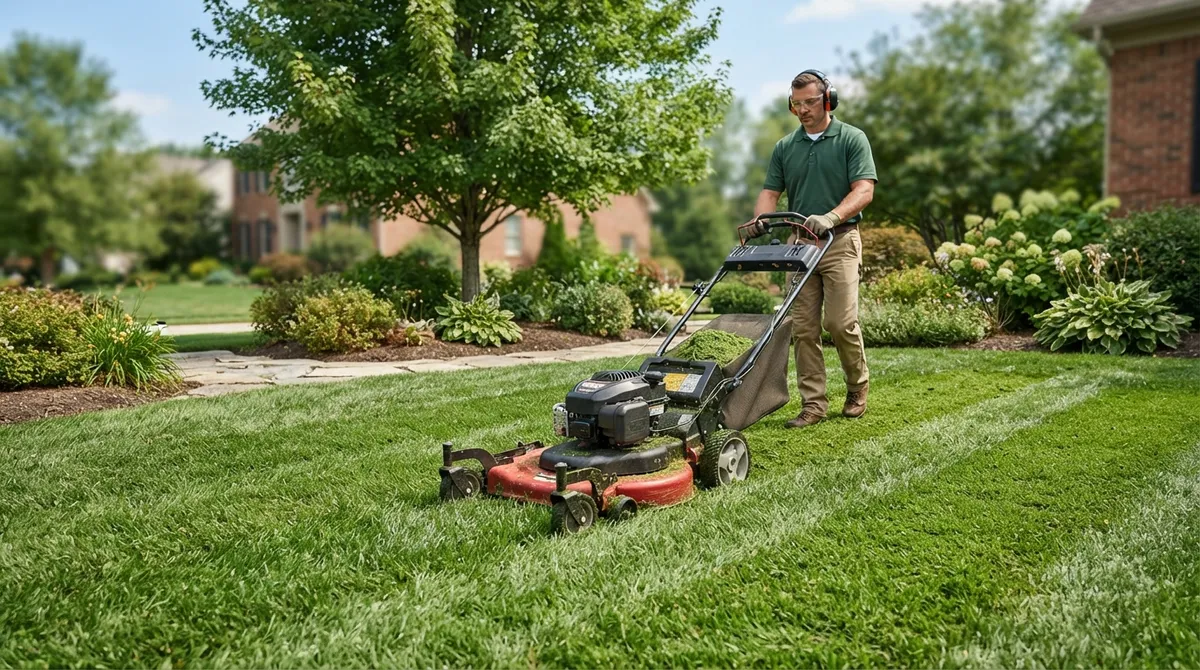
- Regular mowing and edging to keep grass at a healthy height
- Fertilization on a seasonal schedule to feed the soil and roots
- Weed control to stop invasive plants before they spread
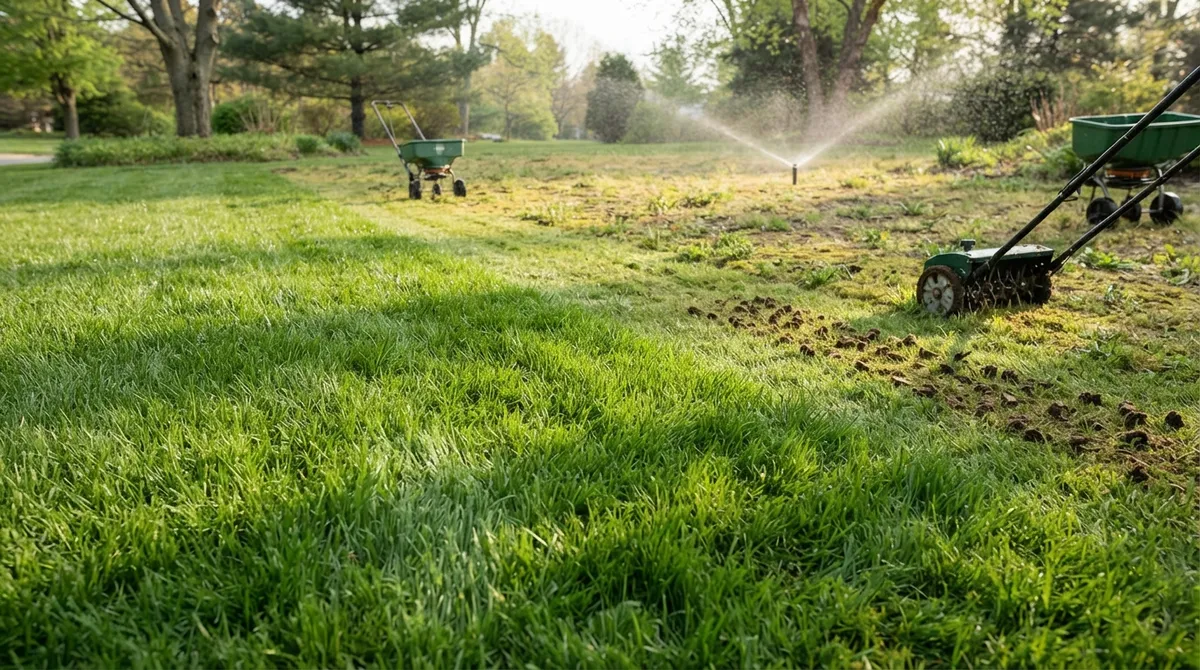
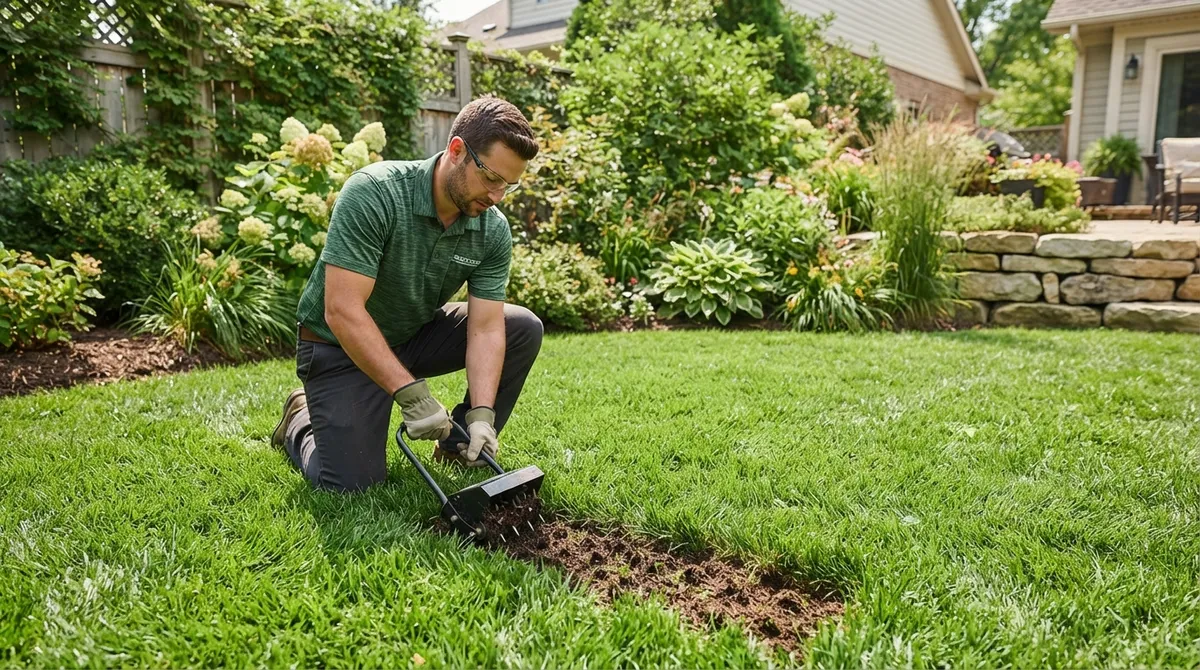
- Aeration to loosen compacted soil and let roots breathe
- Dethatching to remove built-up debris that blocks growth
- Irrigation checks and sprinkler maintenance for even watering
- Winterization to protect your lawn through the cold months
According to industry data, these services aren’t just common, they’re expected. In fact, 86% of landscaping companies offer lawn care and chemical application services, and 82% provide general landscape maintenance, making these the backbone of the industry (Landscaping Services in the US Industry Analysis, 2026).
Why Lawn Care Matters More Than You Think
A healthy lawn does more than look nice. It manages stormwater, reduces soil erosion, and even helps cool the air around your home or business. For commercial properties, a well-kept lawn boosts curb appeal and creates a welcoming first impression for customers and tenants.
The numbers back this up. The U.S. lawn care market was valued at $60.0 billion in 2025 and is projected to hit $79.68 billion by 2031, growing at a steady 4.85% annual rate. That growth reflects just how much homeowners and businesses value professional upkeep.
The Real Cost of Neglecting Your Lawn
Skipping lawn care doesn’t just hurt appearance. It can lead to bigger, more expensive problems down the road.
- Weeds take over bare or weak spots, spreading faster each season
- Compacted soil chokes roots, causing dead patches that spread
- Poor drainage leads to standing water and mosquito problems
- Pests and disease move in when grass is already stressed
- Replacing a dead lawn costs far more than maintaining a healthy one
Catching problems early is always cheaper than starting over. That’s why so many homeowners switch to routine professional care after just one rough season.
Lawn Care for Suburban Homeowners
If you live in a Chicago suburb, you already know the challenges: heavy clay soil, HOA rules, and unpredictable weather swings. A beautiful lawn isn’t just about pride of ownership, it’s often required to meet neighborhood standards.
Professional lawn care and maintenance takes the guesswork out of the process. Instead of trial and error with store-bought fertilizer, you get a customized plan built around your soil type, sun exposure, and grass variety. Many homeowners pair this with softscape upgrades like fresh planting beds, explored further in our guide on how to design softscapes that transform your outdoor space.
Common Suburban Lawn Challenges
- Clay soil that drains poorly and compacts easily
- Shade from mature trees limiting grass growth
- HOA requirements for consistent mowing height and edging
- Harsh winter freeze-thaw cycles damaging turf
Lawn Care Solutions for Urban Condo Owners
Not every lawn is a big backyard. City dwellers with rooftop patios or small green spaces still need smart, low-maintenance solutions. Urban heat islands make it harder for grass to thrive, and municipal regulations often limit what you can install.
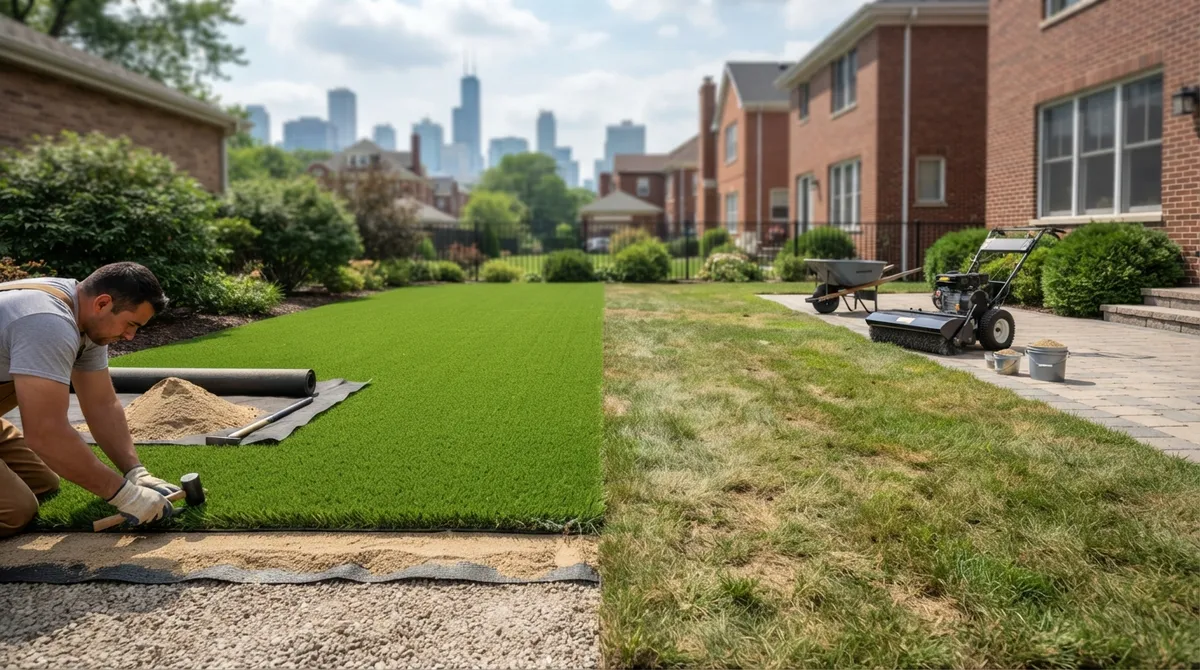
For smaller or shaded spaces, many condo owners are turning to alternatives that require far less upkeep. If traditional grass isn’t practical, exploring options like artificial turf installation can offer a green, low-maintenance look year-round without the watering and mowing demands.
Commercial Property Lawn Care Considerations
Property managers face a different set of pressures. Curb appeal directly affects tenant satisfaction and customer perception. At the same time, budgets and sustainability goals matter just as much as appearance.
Commercial lawn care often includes stormwater management, seasonal color rotations, and biophilic design elements that support employee wellness. Our commercial lawn maintenance services are built specifically for these needs, combining reliability with sustainable practices.
Why Commercial Clients Choose Professional Lawn Care
- Consistent scheduling that keeps properties looking sharp year-round
- Reduced liability from overgrown or unsafe outdoor areas
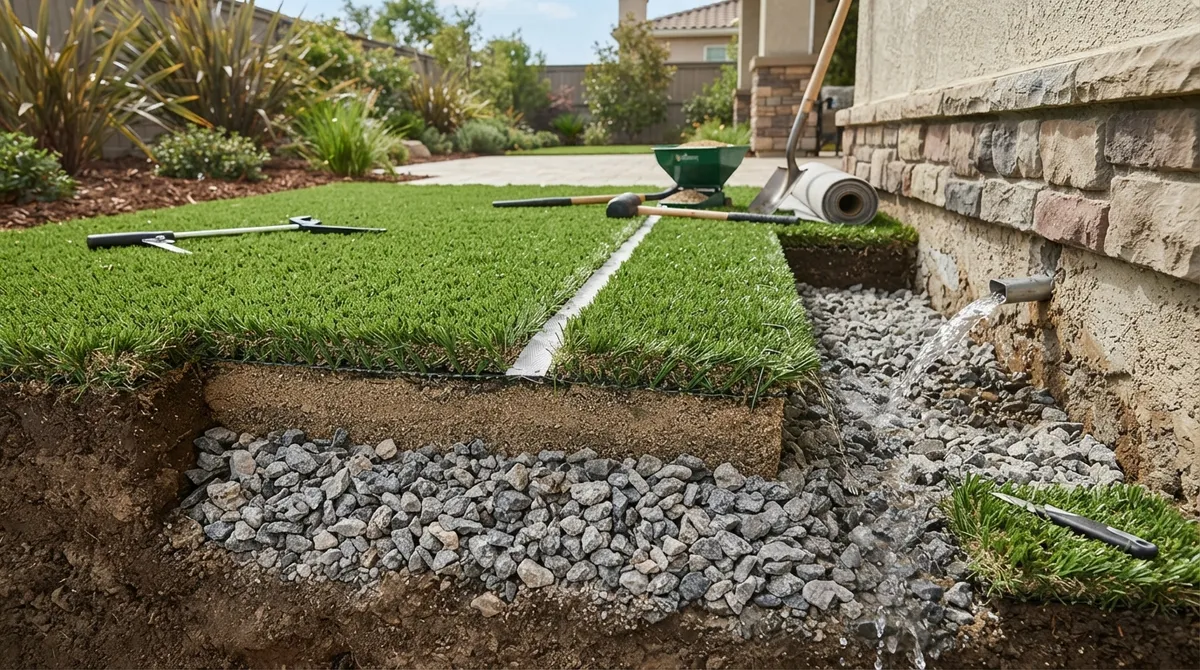
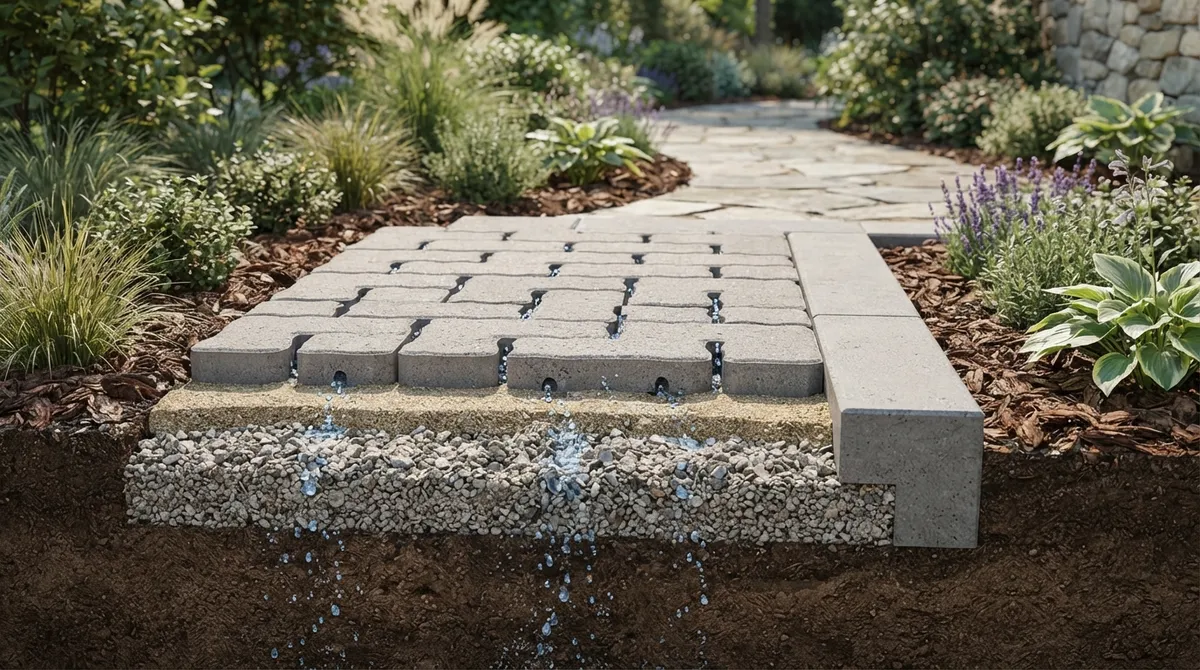
- Better stormwater management through healthy turf and grading
- Improved employee and customer satisfaction with green spaces
- Cost savings through preventive care instead of reactive repairs
Lawn Care Tips for New Home Builders
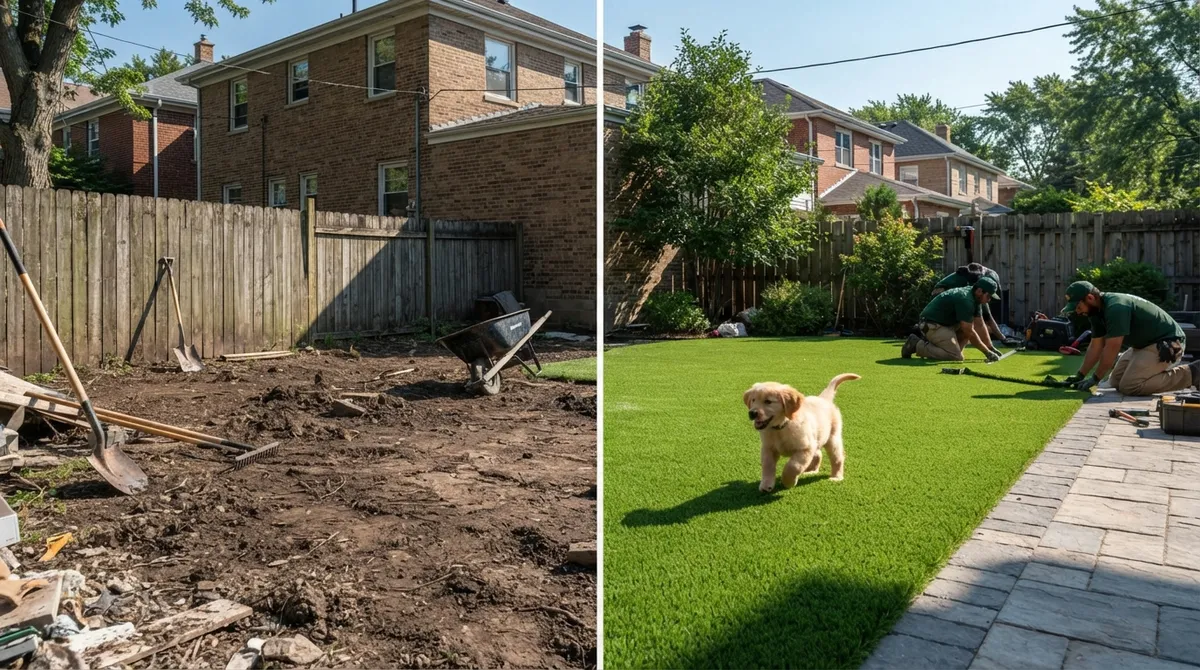
If you’re developing homes in Aurora or nearby suburbs, buyers expect more than a patch of sod. Turnkey landscaping increases perceived value and helps homes sell faster. Builders often work with a landscaping partner from the ground up, coordinating everything from grading to final installation process details.
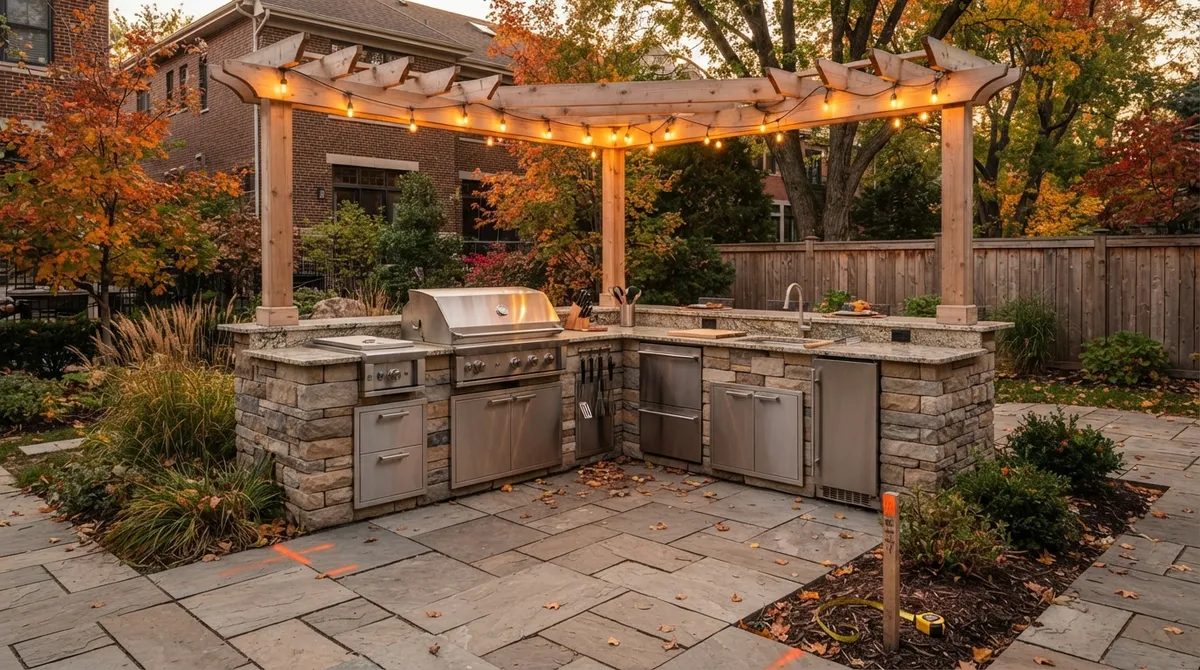
Comprehensive lawn establishment paired with hardscaping features, like pavers or a welcoming fire pit, gives new homes an instant sense of completeness that buyers notice immediately.
Branded Lawn Care for Small Business Owners
Local restaurants and shops in Chicago suburbs rely on outdoor appeal to draw foot traffic. A well-maintained lawn paired with seasonal plantings and lighting creates a welcoming, memorable experience for customers.
Pairing lawn care with features like lighting and sound can extend your outdoor space’s usability into the evening, helping small businesses stand out from the crowd.
How Often Should You Mow, Fertilize, and Aerate?
Timing matters just as much as the tasks themselves. Here’s a simple breakdown many Chicago-area lawns follow:
| Task | Recommended Frequency | Best Timing |
|---|---|---|
| Mowing | Weekly during growing season | Spring through early fall |
| Fertilization | 3-4 times per year | Early spring, late spring, summer, fall |
| Aeration | Once per year | Early fall |
| Weed control | Ongoing, as needed | Spring and summer |
| Winterization | Once per year | Late fall |
Following a consistent schedule like this helps prevent stress before it starts, rather than reacting after damage appears.
Residential vs. Commercial Lawn Care Costs
Pricing varies based on property size, service frequency, and specific needs. On average, homeowners spend around $300 per month, or roughly $3,600 per year, on landscaping and lawn care combined. Commercial properties typically pay more due to larger square footage and more frequent service visits.
| Property Type | Average Monthly Cost | Common Services Included |
|---|---|---|
| Suburban Residential | $150-$300 | Mowing, fertilization, weed control, aeration |
| Urban Condo/Small Lot | $75-$150 | Basic maintenance, turf alternatives |
| Commercial Property | $500-$2,000+ | Full maintenance, irrigation, seasonal color |
2026 Trends Shaping Lawn Care and Maintenance
The industry continues evolving as sustainability and technology reshape expectations. Here are the top trends we’re seeing this year:
- Growing demand for water-efficient irrigation and smart sprinkler systems
- Increased interest in organic and pollinator-friendly fertilization programs
- Rising adoption of artificial turf in high-traffic or shaded areas
- More property managers prioritizing stormwater-friendly grading and drainage
- Continued growth in bundled service packages combining lawn care with hardscaping
With the broader U.S. landscaping services market reaching an estimated $176.7 billion in 2026 across 556,000 businesses, competition among providers has pushed quality and innovation forward, benefiting property owners across the board.
Choosing the Right Lawn Care Partner
Not all lawn care providers offer the same level of expertise. When evaluating a company, look for these signs of a trustworthy partner:
- Clear communication about services included in your plan
- Experience working with your specific soil and climate conditions
- Certifications or affiliations with respected industry organizations
- Transparent pricing without hidden fees
- A portfolio of completed projects you can review
Organizations like Landscape Illinois support high standards across the state’s green industry, while hardscape-focused credentials from groups such as ICPI Certified Installer programs show a contractor’s commitment to quality craftsmanship beyond just turf care.
At Serenity Landscape Group, we’ve spent over two decades combining lawn health expertise with full-service landscaping, from softscapes to retaining walls, so your entire outdoor space works together beautifully. You can browse our gallery of our work to see how we’ve helped Chicagoland properties transform season after season.
Simple Steps to Improve Your Lawn Starting Today
Even before scheduling professional service, these steps can make a noticeable difference:
- Test your soil to understand pH and nutrient levels
- Adjust mowing height based on the season and grass type
- Water deeply but less frequently to encourage deep roots
- Remove debris and leaves promptly to prevent smothering
- Schedule aeration before compacted soil becomes a bigger issue
These small changes build a strong foundation, but pairing them with professional care ensures lasting results rather than short-term fixes.
Bringing It All Together
Lawn care and maintenance isn’t just about mowing, it’s a complete system that keeps your outdoor space healthy, functional, and beautiful all year long. Whether you’re a homeowner battling clay soil, a property manager balancing budgets, or a business owner wanting curb appeal, the right approach makes all the difference.
Ready to stop guessing and start growing a lawn you’re proud of? Get a Free Estimate from our team today, or simply call us at (630) 359-5139 to talk through your property’s specific needs. We’d love to help you create the healthy, thriving landscape you’ve been dreaming about.
FAQs
Q: What is included in lawn care and maintenance for landscaping services?
A: It typically includes mowing, edging, fertilization, weed control, aeration, dethatching, irrigation checks, and winterization. Think of it as a full-year system that keeps your grass healthy, not just a once-a-week trim. Professional providers customize this list based on your soil, climate, and grass type.
Q: How is lawn care different from general landscaping?
A: Lawn care focuses specifically on turfgrass health, like mowing, fertilizing, and pest control. General landscaping covers a bigger picture, including plant beds, hardscaping, and design elements like pavers or retaining walls. Many companies, including ours, offer both so your whole outdoor space works together seamlessly.
Q: How much do lawn care and maintenance services cost for homeowners?
A: On average, homeowners spend around $300 per month, or about $3,600 per year, on landscaping and lawn care combined. Costs vary based on lawn size, service frequency, and specific needs like aeration or irrigation repairs. A free estimate is always the best way to get an accurate number for your property.
Q: How often should lawns be mowed, fertilized, and aerated?
A: Most lawns need weekly mowing during the growing season, three to four fertilizer applications per year, and one aeration session in early fall. Sticking to this schedule prevents stress before it becomes a visible problem. Your exact schedule may shift slightly depending on grass type and local weather patterns.
Q: Is lawn care mostly a residential or commercial service?
A: Both, though residential properties drive the majority of demand, accounting for about 59% of landscaping revenue nationwide. Commercial properties still represent a huge and growing segment, especially as curb appeal becomes more important for businesses. Either way, professional care pays off in healthier, better-looking outdoor spaces.