Key Takeaways
-
Falls account for over 70% of playground injuries, and Illinois requires surfaces to meet ASTM F1292 and CPSC safety standards to reduce critical fall heights based on equipment elevation.
-
Rubber-based surfaces like poured-in-place rubber and rubber mulch significantly outperform wood alternatives in Illinois’s harsh climate, resisting freeze-thaw cycles, moisture, and decomposition.
-
Rubber mulch provides 2.5 times more fall protection than wood mulch and offers 59% cost savings over 12 years despite higher upfront costs, making it ideal for budget-conscious homeowners.
-
Poured-in-place rubber is the gold standard with excellent drainage, UV resistance, ADA compliance, and minimal maintenance, though it costs $10-$18 per square foot upfront.
-
Playground surfacing must extend at least 6 feet from equipment edges and require monthly inspections during active seasons to maintain safe depth, drainage, and surface integrity.
-
Professional installation by ICPI-certified landscapers familiar with Illinois standards ensures compliance with safety codes and proper performance through extreme weather conditions.
If you have kids at home or manage a property with a play area, you already know how important safety is. But here’s something many homeowners and property managers don’t think about until it’s too late: the surface beneath the play equipment matters just as much as the equipment itself. Falls account for over 70% of playground-related injuries, and the right surfacing can make all the difference between a scraped knee and a trip to the emergency room.
Choosing safe playground surfacing in Illinois comes with its own unique set of challenges. Our state’s wild weather swings—from blazing summers to polar winters and everything in between—mean that not every surface will hold up year after year. As a landscaping professional serving the greater Chicago area, we’ve seen firsthand how the right surface transforms a backyard play space into a safe, beautiful, and functional part of the landscape. Let’s walk through everything you need to know to make the best choice for your family or property.
Why Safe Playground Surfacing Matters in Illinois
The numbers are sobering. Nearly 114,000 children in the United States visit emergency rooms every year due to playground falls. Approximately 5,500 children under age four suffer traumatic brain injuries on playgrounds annually, and playground-related injuries cost an estimated $1.2 billion each year. Those are real kids and real families affected by something that is largely preventable with the right surface underfoot.
Illinois is one of sixteen states that have adopted Landscape Illinois-recognized CPSC and ASTM playground safety guidelines. This means your play area surface must meet specific impact-attenuation standards—not just look nice. A professional landscaping company can help you select and install surfaces that comply with these requirements while also enhancing the overall look of your outdoor space.
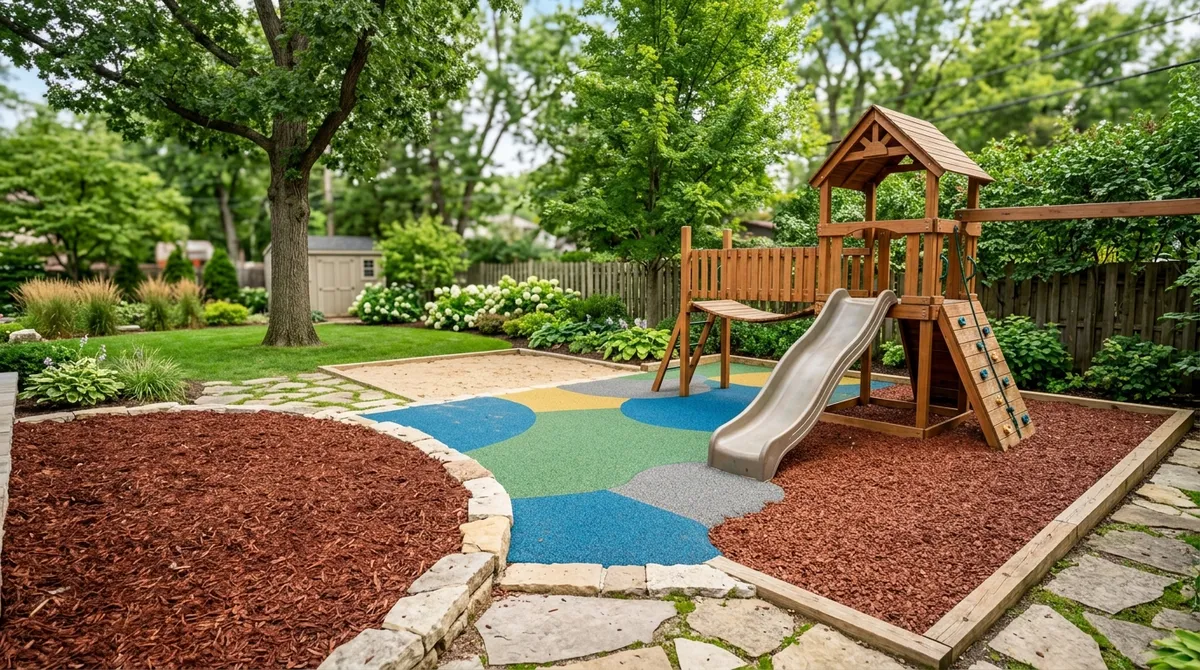
Common Safe Playground Surfacing Options for Illinois Yards
There is no single “best” surface for every situation. Your choice will depend on your budget, your yard’s layout, your drainage needs, and how much maintenance you want to do. Here’s a friendly breakdown of the most popular options you’ll find for safe playground surfacing in Illinois.
1. Poured-in-Place Rubber
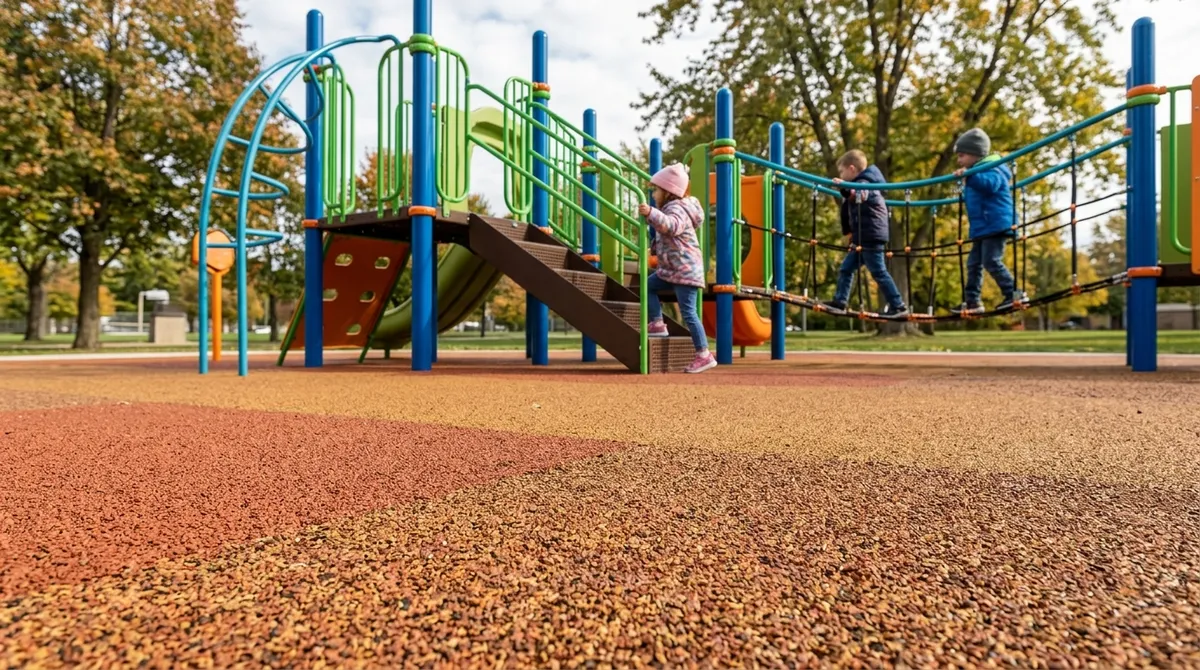
This is the gold standard for playground surfacing. Poured-in-place rubber is installed in two layers—a base layer of recycled rubber and a top wear course—creating a seamless, cushioned surface. It meets ASTM F1292 standards for impact attenuation and is fully ADA-compliant, meaning it eliminates tripping hazards and is accessible for children of all abilities.
One of its biggest advantages in Illinois is its performance in our variable climate. Quality poured-in-place rubber is UV-resistant and designed with drainage systems that prevent water pooling after heavy Chicago-area rainstorms. It also holds up beautifully through freeze-thaw cycles. The downside? It tends to have a higher upfront cost, but many families find the low maintenance and long lifespan make it worth every penny. You can see examples of professional landscape installations in our Gallery of our work.
2. Rubber Mulch
Rubber mulch is a fantastic option for budget-conscious homeowners who still want serious safety performance. Here’s a stat that might surprise you: rubber mulch provides up to 2.5 times more fall height protection than grass, dirt, sand, pea gravel, wood mulch, or engineered wood fiber. Over a 12-year period, rubber mulch can offer up to 59% cost savings compared to wood mulch or engineered wood fiber when you factor in replacement and maintenance costs.
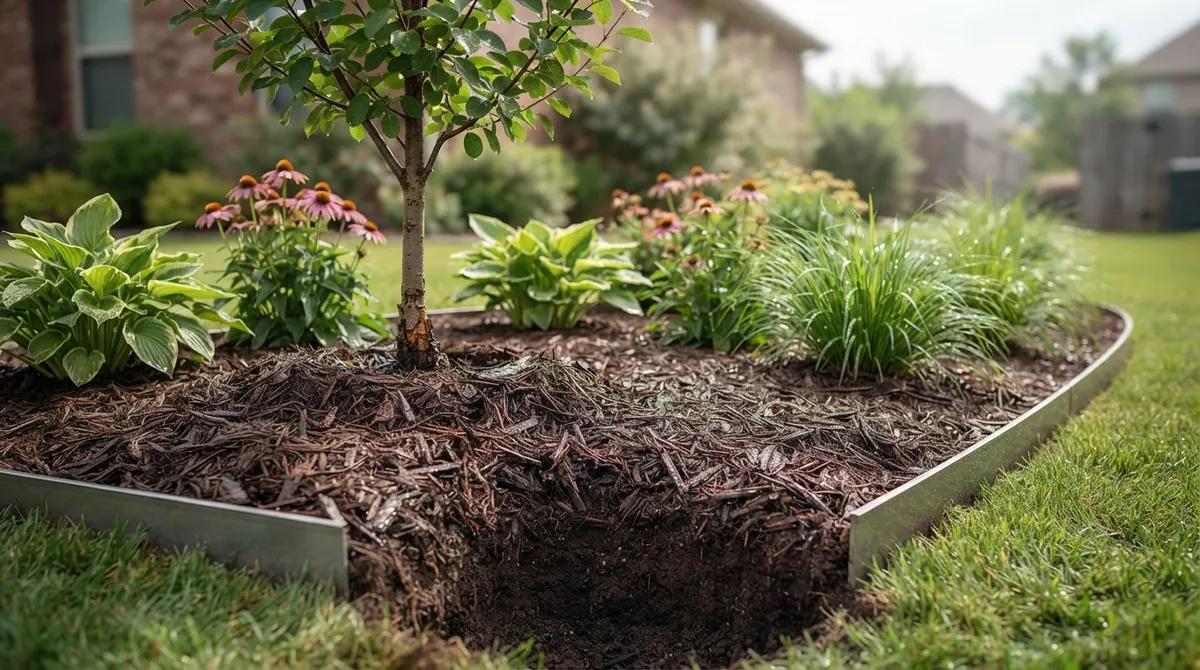
It’s also resistant to mold, insects, and decomposition—a big plus given Illinois’s humid summers. Rubber mulch does require occasional raking and top-off as it shifts, but overall maintenance is minimal. It’s a popular choice for both residential backyards and commercial property play areas.
3. Engineered Wood Fiber (EWF)
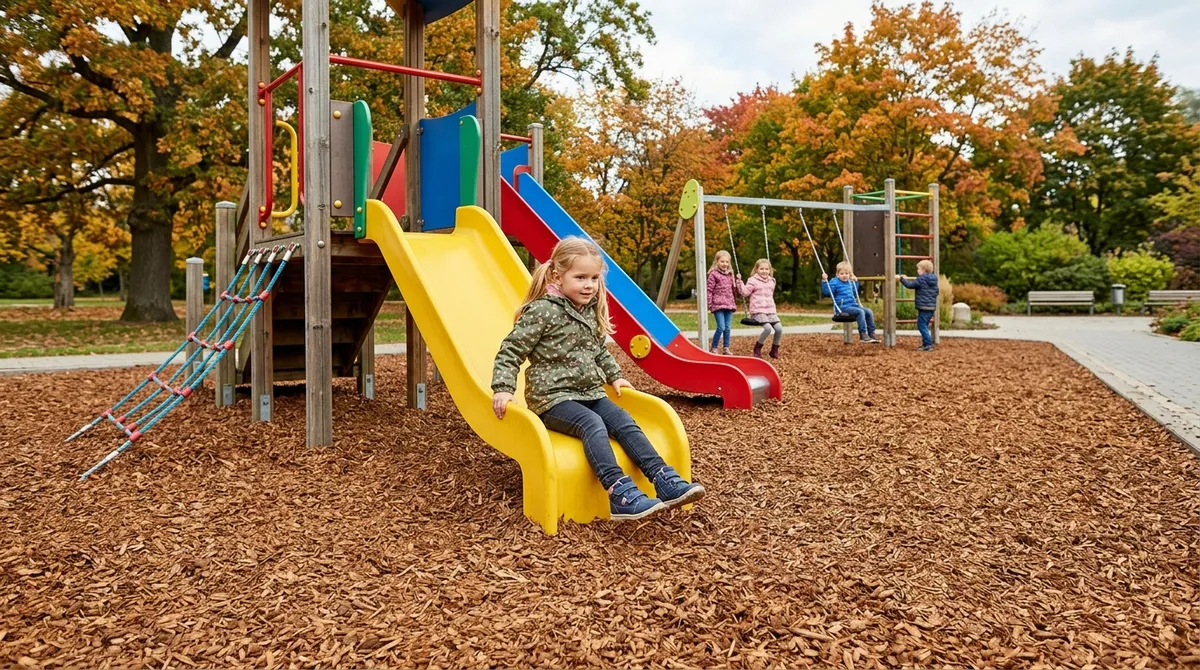
Engineered wood fiber is a natural-looking option that meets CPSC and IPEMA safety standards when installed at the correct depth. It provides good impact protection and drains reasonably well. However, in Illinois’s wet springs and heavy rainfall seasons, EWF can compact over time and may require more frequent replenishment than rubber alternatives. It also needs to be kept free of debris and raked regularly to maintain its protective qualities.
4. Synthetic Grass
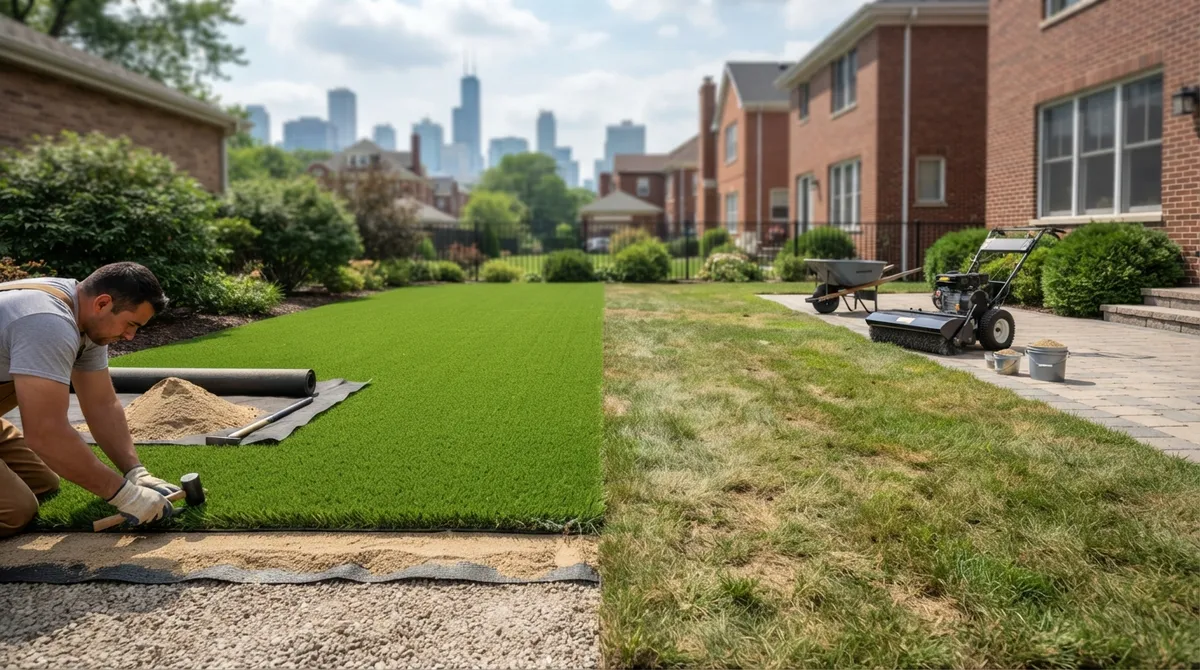
Synthetic grass with an appropriate shock-absorbing pad underneath offers a clean, green look that blends beautifully with the rest of your landscape. It’s easy to clean, doesn’t get muddy, and stays looking fresh through the seasons. Our team at Serenity Landscape Group offers professional Artificial Turf Installation services that can incorporate the right infill materials and padding to meet safety standards for play areas.
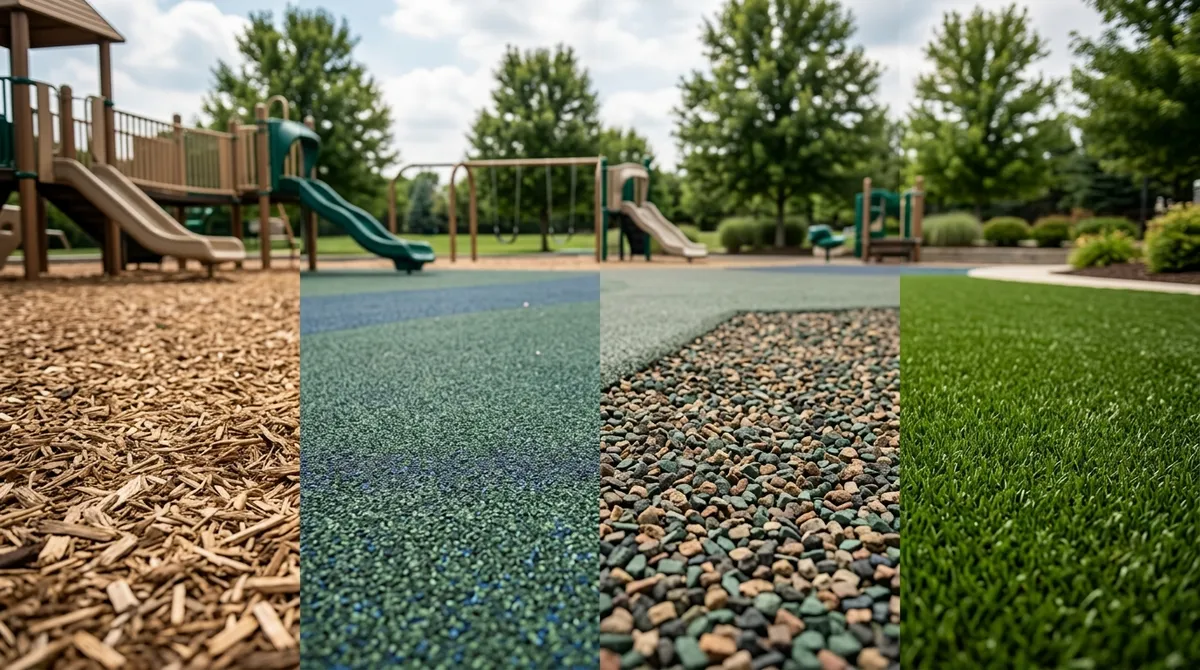
Comparing Playground Surfacing Options Side by Side
To help you make a quick comparison, here’s a handy overview of your main options:
| Surface Type | Safety Rating | ADA Compliant | Illinois Climate Performance | Maintenance Level |
|---|---|---|---|---|
| Poured-in-Place Rubber | Excellent (ASTM F1292) | Yes | Excellent | Low |
| Rubber Mulch | Very Good (IPEMA) | Partial | Very Good | Low–Medium |
| Engineered Wood Fiber | Good (CPSC/IPEMA) | Partial | Moderate | Medium–High |
| Synthetic Grass + Pad | Good (pad-dependent) | Yes | Good | Low |
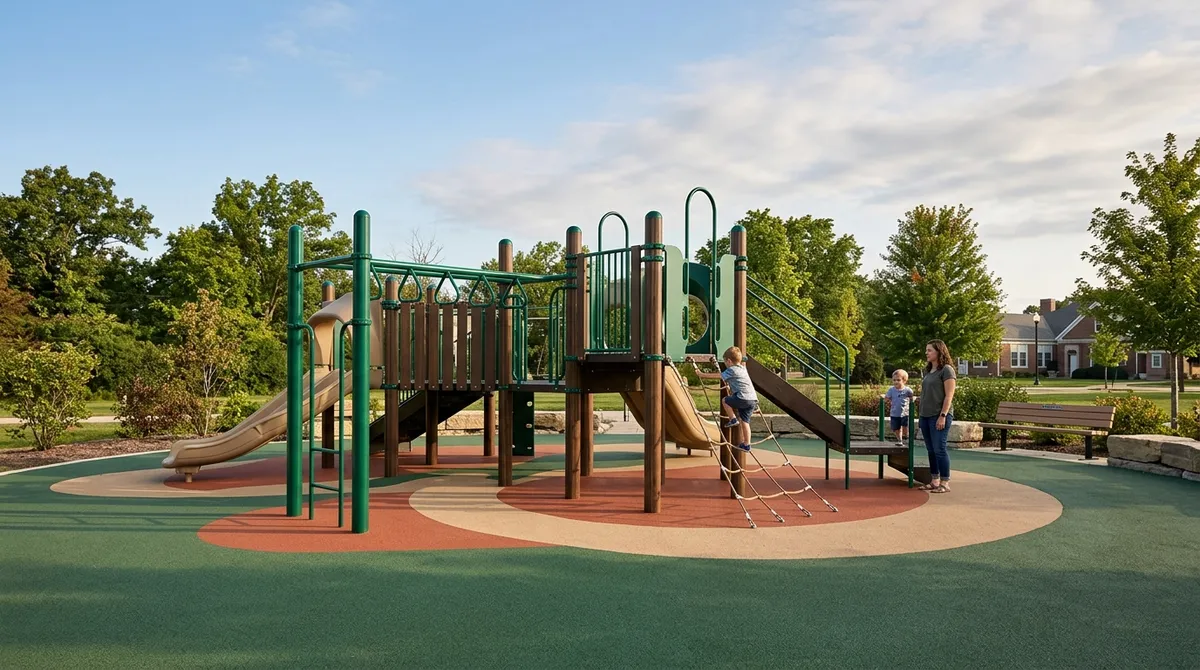
Key Illinois Standards You Need to Know
Before you install any surface, it’s worth understanding the guidelines that apply in Illinois. Being informed helps you ask the right questions and make confident choices.
- ASTM F1292 — This standard measures a surface’s ability to absorb impact and is directly tied to “critical fall height” ratings. Your surfacing must meet this standard based on the height of the play equipment above it.
- CPSC Handbook for Public Playground Safety — The Consumer Product Safety Commission’s guidelines specify minimum surface depth, maintenance requirements, and acceptable materials. Illinois has adopted these guidelines statewide.
- ADA Accessibility Guidelines — The Americans with Disabilities Act requires that at least one accessible route connects playground equipment, meaning surfaces like poured-in-place rubber and properly installed synthetic turf are often preferred for public or commercial spaces.
- IPEMA Certification — The International Play Equipment Manufacturers Association provides third-party certification verifying that surfacing products meet ASTM and CPSC standards. Look for this certification when sourcing materials.
Working with a knowledgeable professional installer—one who understands both safety codes and local climate challenges—ensures your project checks every box. You can learn more about what to expect when working with a professional by exploring our Process page.
How Illinois Weather Affects Your Surface Choice
Let’s talk about Chicago-area weather for a moment, because it genuinely shapes which surfacing options will last and which ones will disappoint. Here’s what to keep in mind for each season:
- Winter: Freeze-thaw cycles can crack or shift loose-fill surfaces. Rubber-based options hold up far better through repeated freezing and thawing than wood-based materials.
- Spring: Heavy rainfall and snowmelt demand excellent drainage. Poured-in-place rubber and rubber mulch both shed water efficiently, reducing waterlogging and mold risks.
- Summer: Illinois summers can be brutally hot. UV-resistant rubber surfaces help prevent fading and degradation. Be aware that dark rubber mulch can absorb heat—light-colored options or synthetic turf with cooling infill may be more comfortable for bare feet on hot days.
- Fall: Leaves and debris can collect in loose-fill surfaces. Regular raking keeps EWF and rubber mulch performing well and looking tidy.
Step-by-Step: How to Plan Your Playground Surfacing Project
Ready to get started? Here’s a simple roadmap to guide your planning process from start to finish.
- Measure your fall zone. Determine the critical fall height of your equipment. Your surfacing must extend at least 6 feet in every direction from the equipment’s edge (more for swings and slides).
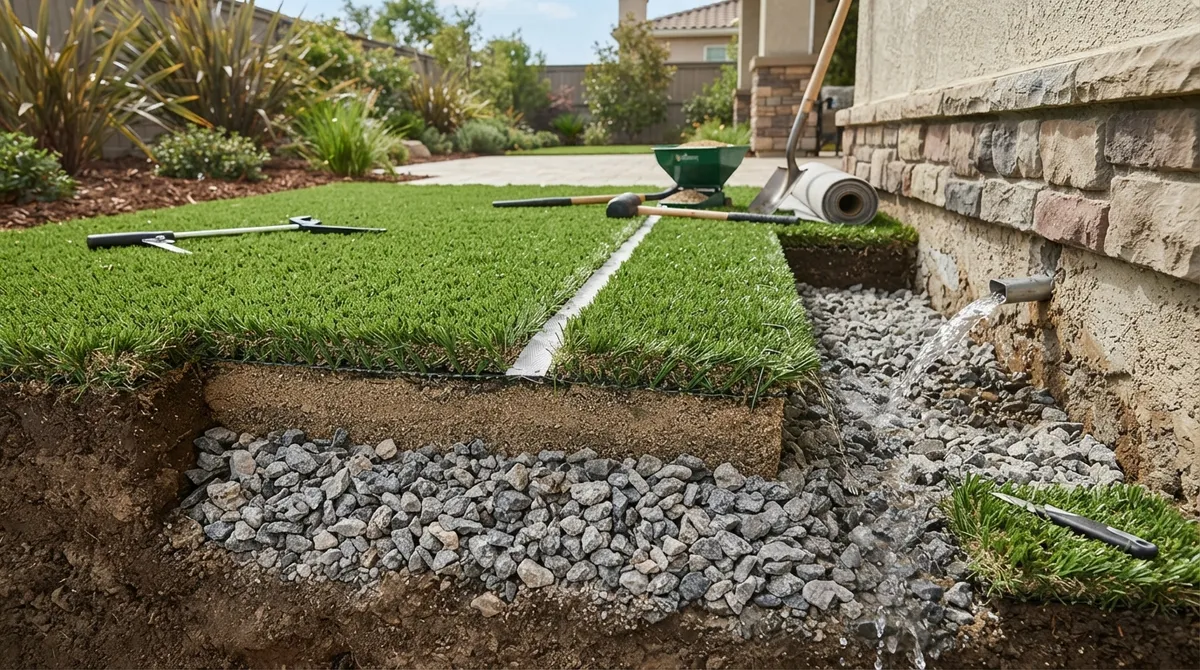
- Assess your drainage situation. Walk your yard after a rain. Areas that stay wet need a surface with strong drainage built in—or drainage infrastructure installed underneath. Our Softscapes team can assess your yard’s grading and drainage needs.
- Set your budget. Factor in not just installation costs but long-term maintenance. Rubber mulch’s 59% savings over wood mulch across 12 years is a compelling argument for the upfront investment.
- Choose your surface material. Use the comparison table above and weigh safety ratings, ADA needs, climate performance, and aesthetics. If your play area is part of a larger landscape design, consider how the surface will look alongside your Pavers or Retaining Walls.
- Hire a qualified professional installer. Look for experience with playground surfacing standards in Illinois. An ICPI Certified Installer with landscaping expertise will bring the technical knowledge needed to install your surface correctly and safely.
- Plan for regular inspection and maintenance. Even the best surfaces need periodic inspection. Check for surface displacement, compaction, foreign objects, and drainage issues at least monthly during active play seasons.
Tips for Maintaining Safe Playground Surfaces in Illinois
Installation is just the beginning. Keeping your surface in top shape protects your investment and, most importantly, your kids. Here are some easy maintenance habits to build into your routine:
- Rake loose-fill surfaces like rubber mulch or EWF after heavy use or wind to redistribute material evenly.
- Inspect the surface depth regularly—loose-fill materials compress and shift over time and may need top-offs to maintain safe depth.
- Clear leaves, sticks, and debris that could create tripping hazards or introduce pests.
- Check for drainage issues after every heavy rain. Standing water is both a safety hazard and a sign of potential surface degradation underneath.
- Inspect poured-in-place or bonded rubber surfaces for cracks or seam separation, especially after harsh winters.
- Keep records of your inspections—especially important for commercial properties and HOA-managed spaces.
For commercial properties, your Commercial Lawn Maintenance plan can incorporate scheduled playground surface inspections as part of a comprehensive outdoor care program.
Integrating Play Areas Into Your Overall Landscape Design
One thing we love about playground surfacing projects is how naturally they can tie into a larger outdoor design vision. A play area doesn’t have to look like an afterthought tacked onto your backyard. With thoughtful planning, it can flow seamlessly into a beautiful, cohesive landscape that the whole family enjoys.
Imagine a backyard where a rubber-surfaced play zone transitions smoothly into a paver patio area with a Fire Pit for evening family gatherings, shaded by a nearby Pergola, and lit beautifully with Landscape Lighting for safe after-dusk playtime. That kind of integrated design is exactly what the team at Serenity Landscape Group specializes in—and it transforms an ordinary yard into a true outdoor living experience.
If you’re curious about how a complete landscape design comes together, check out our guide on How To Create A Landscape Design That Transforms Your Space for inspiration and practical tips.
A Quick Note on Costs
We know cost is always part of the conversation, so here’s a straightforward breakdown to help you budget wisely:
| Surface Type | Estimated Upfront Cost (per sq ft) | Lifespan | Long-Term Value |
|---|---|---|---|
| Poured-in-Place Rubber | $10–$18 | 10–20 years | Excellent |
| Rubber Mulch | $5–$10 | 10–15 years | Very Good |
| Engineered Wood Fiber | $2–$6 | 2–5 years (with replenishment) | Moderate |
| Synthetic Grass + Pad | $8–$15 | 10–20 years | Very Good |
Remember that a higher upfront cost often means lower ongoing maintenance expenses. Talk through the numbers with your landscaping professional to find the sweet spot for your budget and long-term goals. A quick consultation with our team can help you get accurate estimates tailored to your specific yard size and needs.
Conclusion
Choosing safe playground surfacing in Illinois is one of the best investments you can make for your family, your property, and your peace of mind. The right surface protects children from serious falls, meets Illinois safety standards, handles our unpredictable climate, and looks great as part of a thoughtfully designed landscape. Whether you’re leaning toward poured-in-place rubber, rubber mulch, synthetic turf, or engineered wood fiber, the most important step is working with a knowledgeable professional who understands both safety requirements and landscaping best practices.
At Serenity Landscape Group, we bring over two decades of experience to every project—and we’d love to help you create an outdoor space that’s safe, beautiful, and built to last through every Illinois season. Get a Free Estimate today and let’s start designing the perfect play space for your property.
FAQs
Q: What playground surfacing materials meet Illinois safety standards?
A: Illinois has adopted CPSC and ASTM playground safety guidelines, so you’ll want to look for materials certified to meet ASTM F1292 and IPEMA standards. Great options include poured-in-place rubber, rubber mulch, engineered wood fiber, and synthetic grass with an appropriate shock-absorbing pad—all of which can be installed by a qualified landscaping professional to ensure full compliance.
Q: How does Illinois weather affect which playground surface I should choose?
A: Illinois’s freeze-thaw winters, wet springs, and hot summers can really put surfacing materials to the test! Rubber-based surfaces—like poured-in-place rubber and rubber mulch—tend to outperform wood-based options because they resist moisture, don’t decompose, and hold up beautifully through temperature swings. Make sure any surface you choose has proper drainage built in to handle heavy Chicago-area rainfall.
Q: Is rubber mulch really safer than traditional wood mulch for playgrounds?
A: Yes, and the data backs it up! Rubber mulch provides up to 2.5 times more fall height protection than wood mulch, grass, sand, or pea gravel. It also lasts much longer—up to 15 years compared to wood mulch’s 2–5 years—and can save you up to 59% in costs over a 12-year period. It’s a smart, safety-first choice for Illinois families.
Q: Does playground surfacing need to be ADA compliant in Illinois?
A: For public playgrounds and commercial properties, yes—ADA accessibility is required, meaning at least one accessible route must connect to playground equipment. Poured-in-place rubber and properly installed synthetic turf are the top choices for ADA compliance because they create smooth, seamless surfaces that are easy for all children to navigate. A professional landscaping team can help ensure your installation meets all local requirements.
Q: How often should I inspect my playground surface in Illinois?
A: We recommend inspecting your playground surface at least once a month during active play seasons, and always after major weather events like heavy rainstorms or windstorms. Check for surface displacement, compaction, drainage issues, and any foreign objects. Commercial property managers should keep written records of all inspections to demonstrate ongoing compliance with safety guidelines.