Key Takeaways
-
Landscape contractors build, install, and maintain outdoor spaces, while landscape architects focus on planning and design; many projects benefit from both, but simple upgrades usually need only a contractor.
-
Licensing rules for landscape contractors vary by state and city, so check local requirements and always confirm the contractor carries general liability insurance and workers' compensation where required.
-
Get at least two or three written estimates and compare them line by line, avoiding vague one-line quotes like 'landscaping: $8,000' that hide what you are actually paying for.
-
A strong contract should detail scope of work, materials, timeline, payment terms, permit responsibility, change-order process, and warranty coverage before any work begins.
-
Hire a landscape architect for sites with major slope or drainage problems, city-required stamped plans, stormwater rules, or large commercial and multi-lot developments.
-
Red flags include no license or insurance, demands for full upfront payment, unusually low bids, refusal to put terms in writing, and no references or photos of past work.
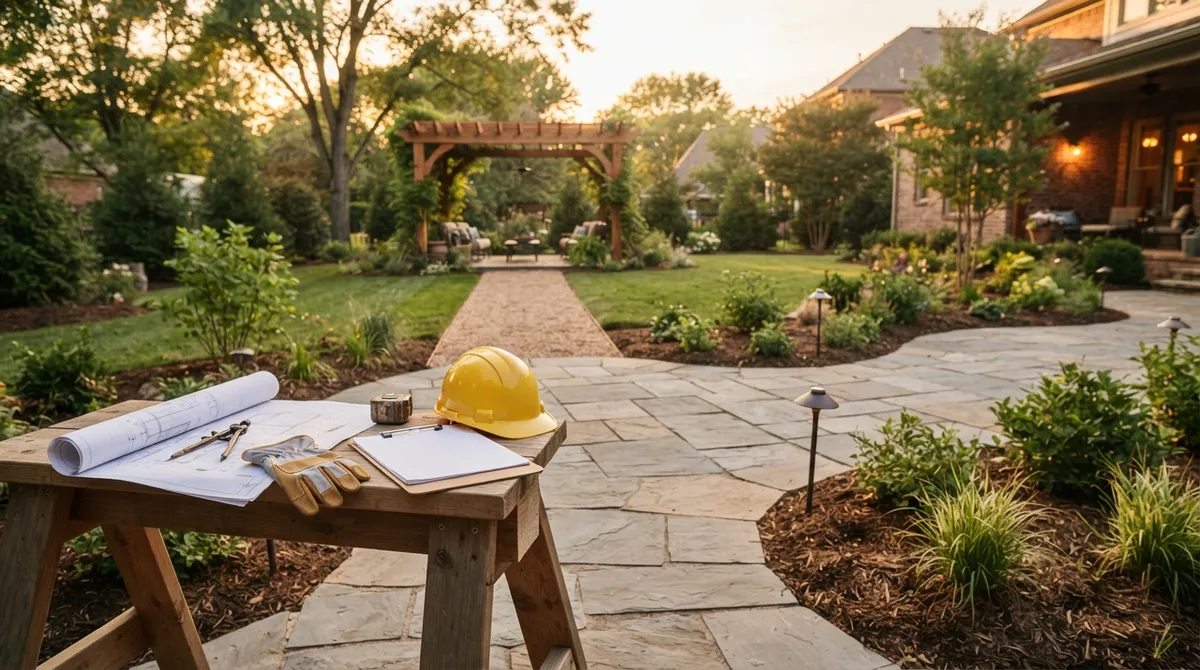
Picture your yard a year from now. Maybe it has a stone patio, a glowing fire pit, and a lawn that stays green without a fight. Now ask yourself a question: who do you call first? A landscape contractor? A landscape architect? Or both?
It’s a question we hear a lot, and it’s a good one. The two roles sound alike, but they do different jobs. Picking the wrong one can mean delays, extra costs, and a plan that never quite fits your property.
This guide breaks it all down in plain language. You’ll learn what landscape contractors do, how they differ from landscape architects, and how to choose the right pro for your project. Whether you own a suburban home, a city condo, a retail shop, or a development site, you’ll walk away ready to hire with confidence.
What Do Landscape Contractors Actually Do?
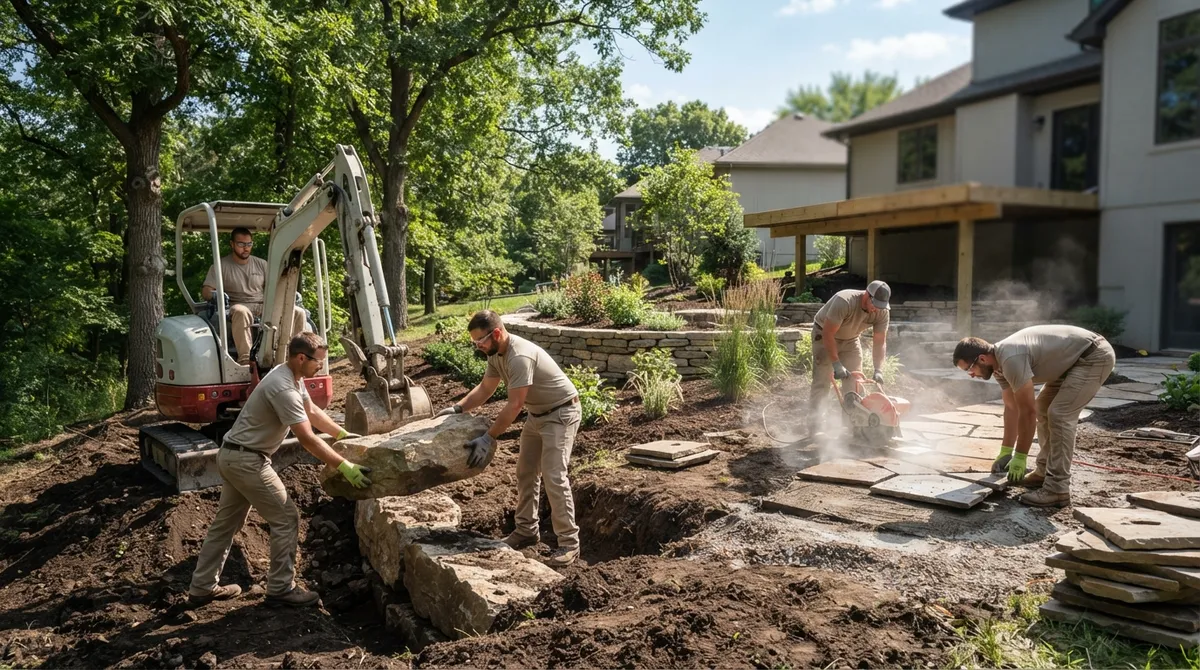
Landscape contractors are businesses that install, improve, and maintain outdoor spaces. They work on homes, offices, stores, schools, and public properties. Think of them as the builders and caretakers of your outdoor space.
Common services include:
- Planting trees, shrubs, flowers, and sod
- Lawn and garden care
- Irrigation and drainage work
- Hardscaping, such as patios, walkways, and retaining walls
- Seasonal cleanups
Not every contractor does everything. Some focus on maintenance. Others handle design-build installation. A few specialize in areas like irrigation, tree care, or turf. The exact mix depends on the company and the region.
The industry is big, too. The National Association of Landscape Professionals, citing IBISWorld, reports a U.S. landscaping services market of $188.8 billion in 2025, with more than 1.4 million workers and 692,777 businesses. Other sources give different totals, because each uses its own methods. Still, they all point to a large and growing field.
What Does a Landscape Architect Do?
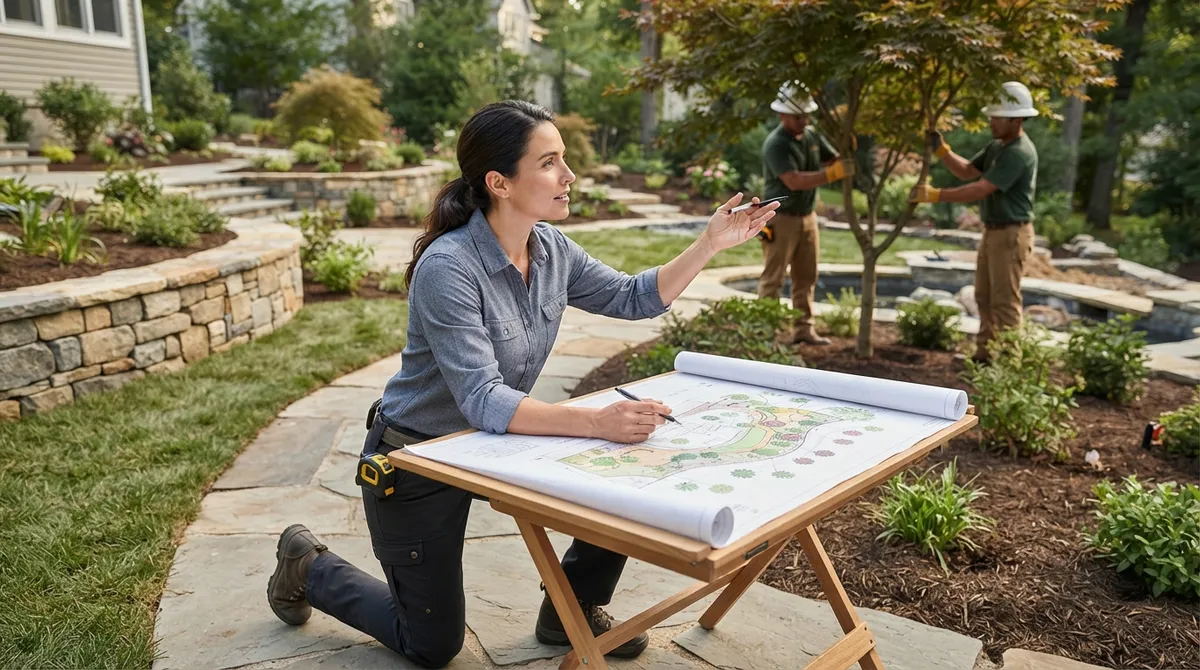
A landscape architect is a licensed design professional in many places. They plan outdoor spaces on paper before any shovel hits the ground. Their work often includes site analysis, grading plans, stormwater planning, and detailed drawings.
In many jurisdictions, landscape architecture is a regulated profession. That means a person needs a license to offer certain planning and design services. The rules vary by state and city, so it’s smart to check with your local authority.
Here’s the key idea. An architect usually focuses on the plan. A contractor usually focuses on building and caring for what’s in the plan. Some projects need only one. Many benefit from both.
Landscape Contractors vs. Landscape Architects: Side-by-Side
Let’s put the two roles next to each other so the differences are easy to see.
| Factor | Landscape Contractor | Landscape Architect |
|---|---|---|
| Main role | Builds, installs, and maintains | Plans and designs |
| Typical work | Planting, patios, irrigation, lawn care | Site plans, grading, drainage design, drawings |
| Licensing | Varies by state and city | Regulated in many jurisdictions |
| Best for | Installation and ongoing care | Complex or regulated site planning |
| Ongoing service | Often offers maintenance contracts | Usually project-based |
| Cost structure | Priced by scope, materials, and labor | Often priced by design fee or project percentage |
One note on the gray area. A landscape contractor is not automatically a licensed landscape architect. In some places, contractors can offer basic design as part of a build. In others, certain design work is limited to licensed architects. Always ask what your local rules allow.
When a Landscape Contractor Is the Right Choice
Many everyday projects fit squarely in the contractor’s wheelhouse. If your goal is to build or improve something you can already picture, a contractor can often take you from idea to finished space.
A contractor is usually a great fit when you want:
- A new paver patio or walkway
- Fresh planting beds and mulch
- A fire pit or outdoor seating area
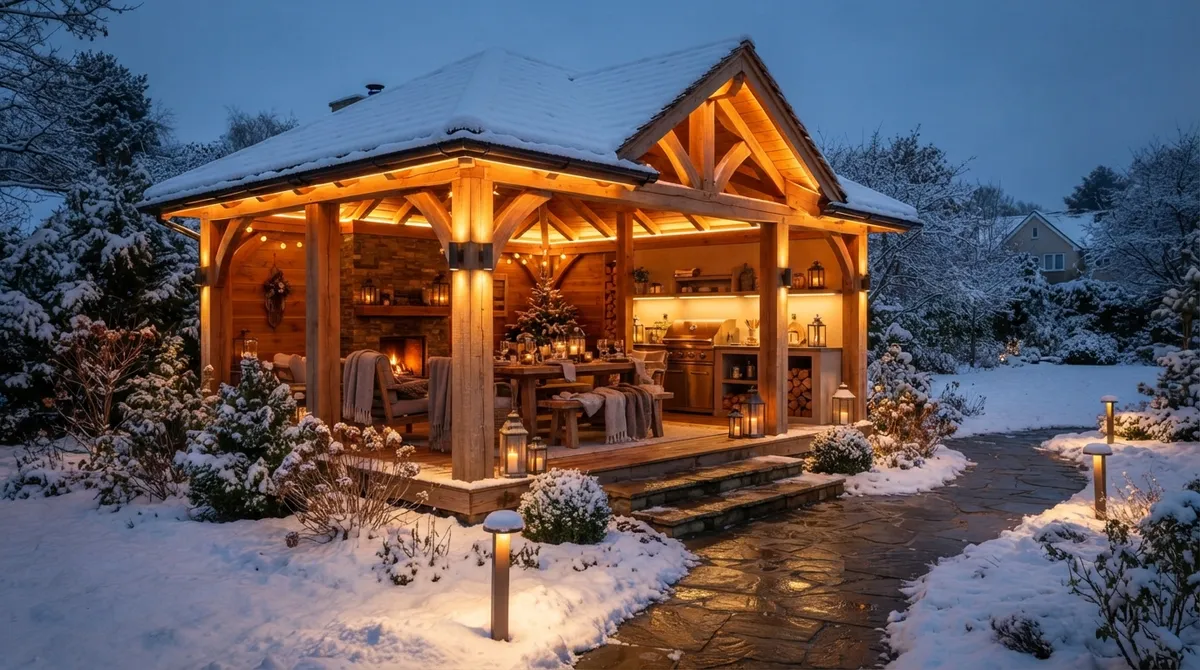
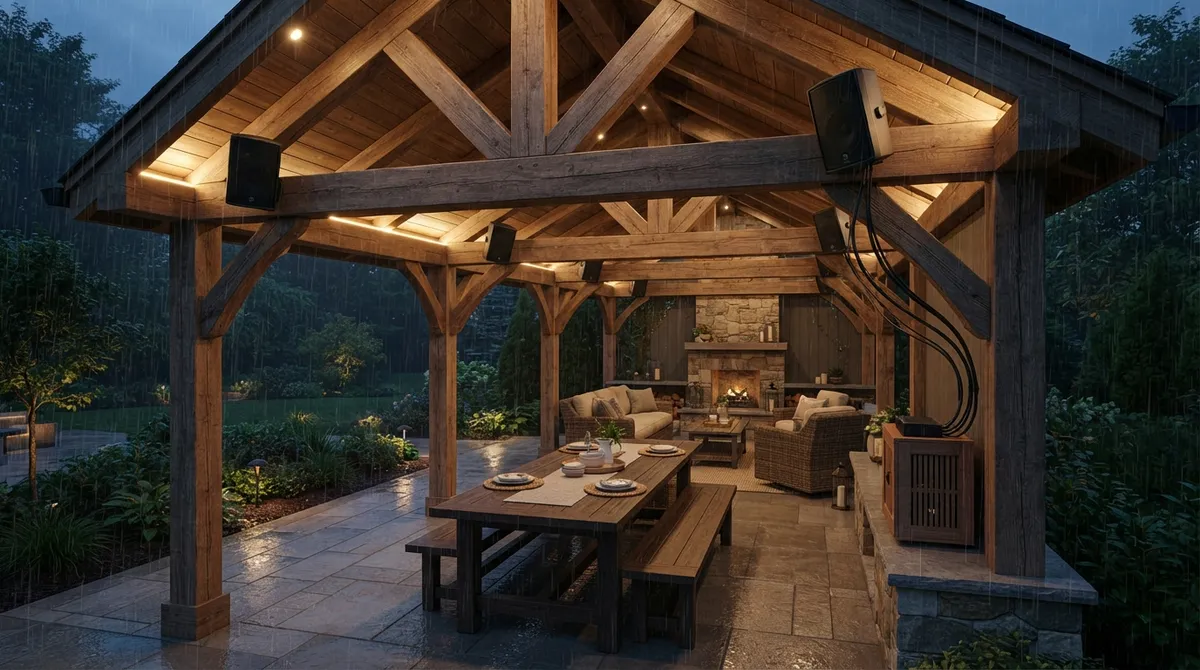
- A pergola or pavilion
- Regular mowing and seasonal care
- Landscape lighting for evening charm
Design-build contractors are especially handy. They handle the design and the installation under one roof. That can save you time and cut down on finger-pointing between separate teams. At Serenity Landscape Group, we’ve spent over two decades helping Chicago-area clients with this kind of start-to-finish work, from softscapes to pavers and beyond.
When You May Need a Landscape Architect
Some projects call for a licensed planner first. This is common when a site is complex or when local rules require stamped drawings.
Consider a landscape architect when:
- Your property has major slope or drainage problems
- A city or village requires formal plans for approval
- You’re developing a large commercial or multi-lot site
- Stormwater rules affect your design
- You want a detailed master plan before choosing builders
For example, a commercial property manager dealing with stormwater requirements may need engineered, permit-ready plans. A builder developing several homes may want a consistent design across lots. In these cases, an architect’s plan gives everyone the same roadmap.
Working With Both Together
Here’s a secret: the best results often come from teamwork. An architect creates the vision and technical plan. A contractor brings it to life with skilled crews and quality materials.
If you go this route, clarify who handles what before work starts. Ask about:
- Who is responsible for design changes
- Who pulls permits
- Who calls for utility-location checks
- Who manages drainage and irrigation details
- Who coordinates any subcontractors
Putting these answers in writing keeps the project smooth and helps avoid surprises. If you want a peek at how a clear, step-by-step project can run, take a look at our process.
Do Landscape Contractors Need a License?
This one trips up many homeowners. The honest answer is: it depends on where you live.
Licensing differs a lot by state and by city. Some places require a landscape-specific contractor license. Others regulate certain activities separately, such as pesticide application, irrigation, or construction work. A few have very light rules for basic lawn care.
So what should you do? Check with your state and local authorities. In Illinois, industry groups like Landscape Illinois can be a helpful place to learn about local standards and professional resources. For paver work, the ICPI Certified Installer program is another trusted marker of quality installation.
Also ask about insurance. A reliable contractor should carry general liability coverage and, where required, workers’ compensation. This protects you if something goes wrong on your property.
How to Choose a Reliable Landscape Contractor
Good news: you don’t need to be an expert to hire well. You just need a simple checklist. Here’s a step-by-step approach that works for homes and businesses alike.
- Define your goals. Write down what you want, your must-haves, and a rough budget.
- Verify credentials. Confirm licenses (where required) and proof of insurance.
- Check references and past work. Ask to see projects like yours. Browsing a gallery of finished work is a great way to judge style and quality.
- Get written estimates. Collect at least two or three, and compare them line by line.
- Review the contract. Make sure it spells out scope, materials, schedule, payment terms, and permits.
- Ask about warranties. Learn what’s covered and for how long.
If you’re searching close to home, our guide on how to find the best landscaping near me in Chicago adds even more local tips.
What a Good Estimate or Contract Should Include
A clear contract is your best friend. It keeps both sides on the same page. Here’s what to look for:
- Detailed scope of work: exactly what will be built or maintained
- Materials list: brands, sizes, and types of plants, pavers, or stone
- Timeline: start date, key milestones, and expected finish
- Payment terms: deposit, progress payments, and final payment
- Permit responsibility: who applies for and pays for permits
- Change-order process: how added work is priced and approved
- Warranty details: what’s covered, and for how long
Be wary of vague one-line quotes. If an estimate just says “landscaping: $8,000,” you can’t tell what you’re getting. For a deeper look at reading bids, check out how to read landscape quotes and compare them fairly.
Installation Projects vs. Maintenance Contracts
Landscape contractors usually work in two modes. Knowing the difference helps you ask for the right thing.
| Service Type | What It Covers | Typical Pricing Style |
|---|---|---|
| Installation project | Grading, planting, patios, retaining features, new irrigation | One-time project quote |
| Maintenance contract | Mowing, pruning, fertilization, irrigation checks, seasonal work | Recurring monthly or seasonal fee |
With a maintenance plan, confirm which tasks and follow-up visits are included. Does the price cover spring cleanup? Fall leaf removal? Irrigation startup and winterizing? In Chicago, where seasons swing hard, these details matter. Commercial owners may want to explore commercial lawn maintenance options that keep a property looking sharp year-round.
What Does It Cost to Hire a Landscape Contractor?
Costs vary widely. The size of your yard, the materials you pick, site conditions, and local labor rates all play a role. A simple planting refresh costs far less than a full patio with a retaining wall and lighting.
Here are the biggest cost drivers:
- Project size and complexity
- Material choices, such as natural stone versus concrete pavers
- Site prep needs, like grading or drainage fixes
- Permit requirements
- Seasonal demand and scheduling
Industry benchmarks can give a loose sense of scale. NALP’s 2025 Financial Benchmark Study reported that participating companies had a median of 355 customers and generated $14,682 per customer. Keep in mind that’s a study-participant figure, not a price list. Your project will be priced on your own scope, so the best move is always to request a detailed, written estimate.
Tips for Different Property Types
Every property has its own needs. Here’s how the choice can shift depending on who you are.
Suburban Homeowners
You may be juggling HOA rules, tricky clay soil, and a wish list for entertaining. A design-build contractor can keep everything coordinated. Ask about fire pits, pergolas and pavilions, and plants that handle Illinois winters.
Urban Condo Owners
Space is tight, so every inch counts. Look for a contractor who understands rooftop and small-space design, low-maintenance plantings, and city rules. Even a small terrace can feel like a retreat with the right planters and lighting.
Commercial Property Managers
You need durable, low-maintenance, good-looking results. Ask about stormwater management, retaining walls, and ongoing service contracts. A strong first impression helps tenants and customers feel welcome.
New Home Builders
Turnkey landscape installation can help homes sell faster. Look for a contractor who can deliver on schedule and keep a consistent look across lots.
Small Business Owners
Curb appeal brings people through your door. Seasonal plantings, pedestrian-friendly paths, and warm lighting and sound can make a restaurant patio or storefront feel inviting.
Red Flags to Watch For
Most contractors are honest, hardworking folks. Still, a few warning signs are worth knowing:
- No license or insurance when your area requires it
- Pressure to pay the full amount upfront
- A very low bid that’s far below all others
- Refusal to put anything in writing
- No references or photos of past work
Trust your gut. A good contractor welcomes your questions and explains things clearly.
The Bottom Line: Which One Should You Hire?
So, who wins the matchup? Honestly, it depends on your project. For most home and business upgrades, a skilled landscape contractor, especially a design-build team, can handle the job from plan to finish. For complex, regulated, or large-scale sites, a landscape architect may lead the planning, with a contractor building the result.
Either way, the keys are the same: verify credentials, compare written estimates, and put everything in a clear contract. Do that, and you’ll set yourself up for an outdoor space you’ll enjoy for years.
Ready to take the next step? Get a free estimate from the Serenity Landscape Group team, or call us at (630) 359-5139 to talk through your ideas. We’d love to help you create an outdoor space that feels like home.
FAQs
Q: What does a landscape contractor do?
A: A landscape contractor installs, improves, and maintains outdoor spaces. That can include planting, lawn care, irrigation, drainage, patios, walkways, and seasonal cleanups. Services vary by company, so always confirm what’s included.
Q: What is the difference between a landscape contractor and a landscape architect?
A: A landscape contractor mostly builds and maintains outdoor spaces, while a landscape architect focuses on planning and design. In many places, architects are licensed and certain design work is regulated. Local law decides what each can offer, so check your area’s rules.
Q: Do landscape contractors need to be licensed?
A: It depends on your state and city. Some places require a landscape-specific license, while others regulate things like pesticide use, irrigation, or construction separately. Check with your local authority and ask any contractor for proof of insurance too.
Q: What should a landscaping contract or estimate include?
A: A good contract spells out the scope of work, materials, schedule, payment terms, and who handles permits. It should also explain the change-order process and any warranty. Having it all in writing protects you and the contractor.
Q: Can a landscape contractor design and install a complete yard?
A: Many can, especially design-build companies that handle both steps. For complex sites or areas where design is regulated, you may also need a licensed landscape architect. Ask your contractor what they can legally and comfortably take on.