Key Takeaways
-
Obtain at least three landscape quotes to compare scope, materials, and pricing side-by-side; this helps identify fair pricing and red flags rather than chasing the cheapest bid.
-
Always insist on an in-person site visit before accepting a firm quote; contractors who price over the phone without inspecting your yard are unreliable since yard-specific factors like drainage, slopes, and soil dramatically affect costs.
-
A detailed quote should specify exact scope of work, material types and quantities, labor costs, timeline, payment schedule, warranty details, and cleanup responsibilities; vague proposals indicate an unprofessional contractor.
-
Basic landscaping costs $4-12 per square foot, but complex projects like outdoor kitchens reach $40 per square foot; understanding what drives price differences helps you evaluate true value beyond the bottom-line number.
-
Ask specific questions before signing: what's included/excluded, warranty details, change order procedures, permit responsibility, and debris removal plans; good contractors expect and appreciate detailed client inquiries.
-
Watch for red flags: quotes without property visits, vague descriptions, no warranty mention, pressure to sign immediately, or costs drastically lower than competitors; these signal potential quality or transparency issues.
Getting a landscape quote can feel a little like reading a foreign language. One company says $3,000. Another says $8,000. Are they even bidding on the same yard? Take a deep breath, friend. You’re not alone in feeling confused by this, and we’re here to make it simple and even a little fun to figure out.
Whether you’re a homeowner in Naperville dreaming of a new patio, a condo owner in the city wanting a rooftop retreat, or a property manager overseeing a commercial site, understanding landscape quotes helps you make smart choices. In this guide, we’ll walk through what goes into a quote, why prices vary so much, and how to compare offers without losing your mind. By the end, you’ll feel confident sitting down with any contractor, ready to ask the right questions.
What Exactly Is a Landscape Quote?
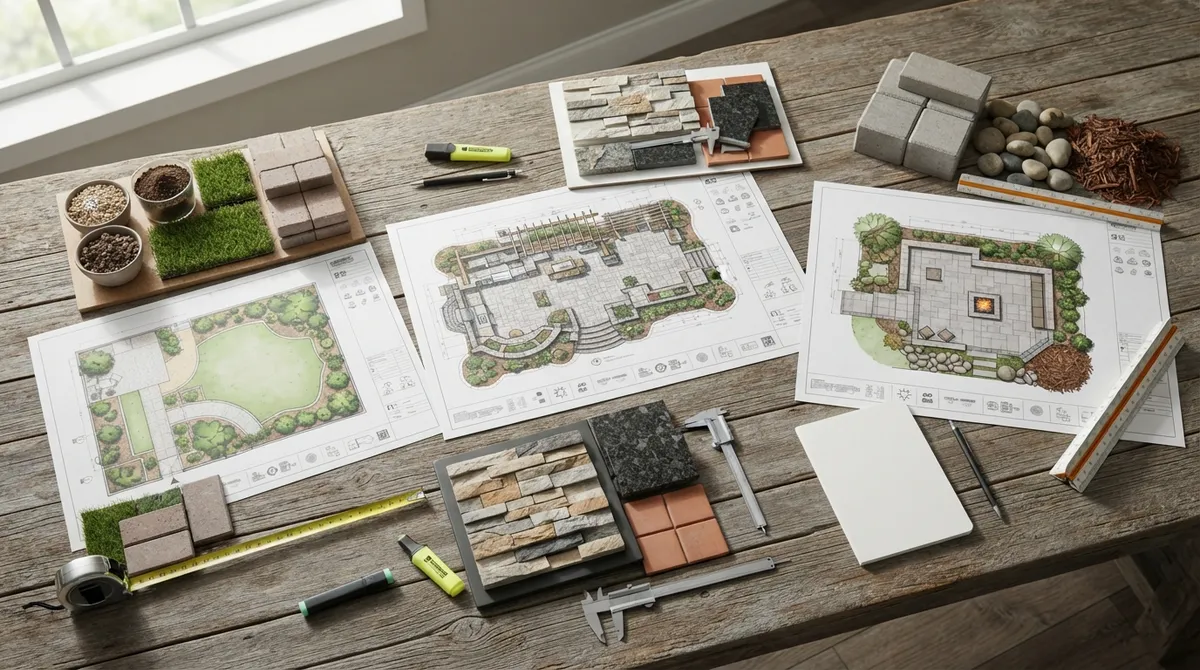
A landscape quote is simply a written estimate. It lays out the work a company plans to do, the materials they’ll use, and how much it will all cost. Think of it as a roadmap for your project, from the first shovel of dirt to the final walkthrough.
Quotes can cover many types of projects. Maybe you want a full landscape design overhaul. Maybe you just need new pavers for a walkway. Or perhaps you’re looking for ongoing lawn care. Each of these needs its own kind of quote, and good contractors will tailor theirs to your specific goals.
Why an On-Site Visit Matters
Here’s a friendly tip: be wary of any company willing to give you a firm price over the phone without seeing your yard. A reliable quote almost always follows an in-person visit. During that visit, the contractor checks things like:
- Yard size and shape, including tricky corners or slopes
- Drainage issues and grading needs
- Soil quality and sunlight exposure
- Access for trucks and equipment
- Existing plants, trees, or structures to work around
- Utility lines that need marking before digging
These details matter more than you might think. Two yards that look similar in size can cost very differently to landscape once you factor in a steep slope or poor drainage. That’s why we always recommend a proper site visit before locking in numbers.
What Drives the Price in a Landscape Quote
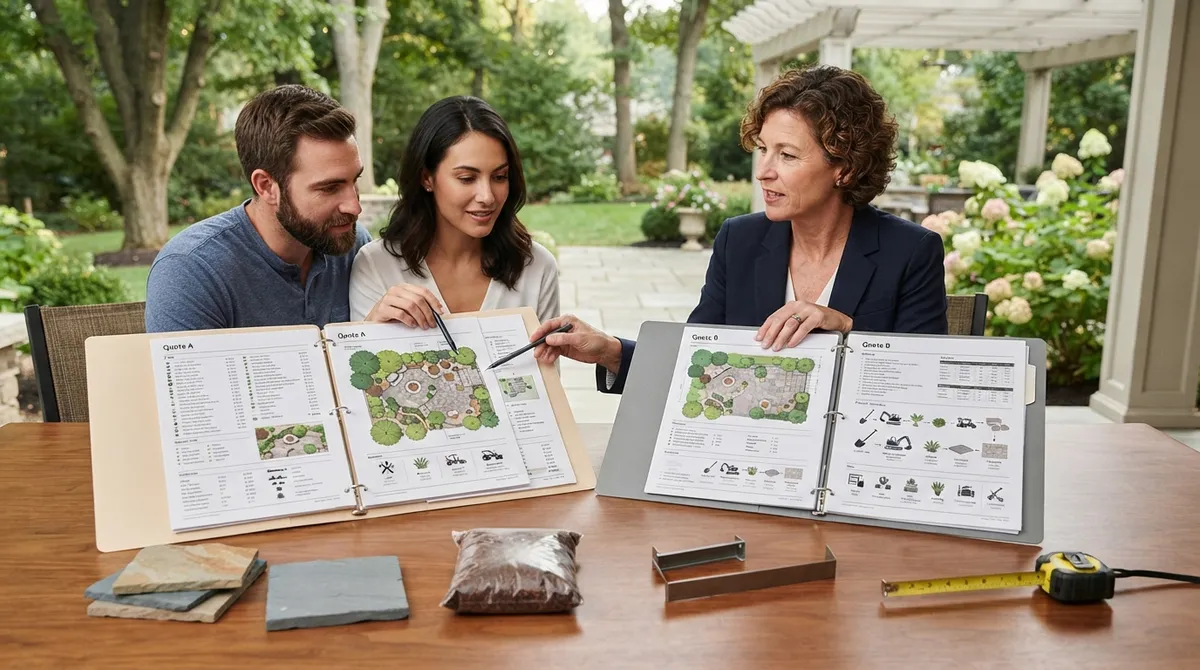
So why do two quotes for the same project sometimes look wildly different? It usually comes down to a handful of factors. Understanding these will help you see past the sticker price and evaluate the real value being offered.
- Project scope: A full backyard renovation costs more than a simple mulch refresh.
- Property size and access: Bigger yards need more material and labor. Tight access can mean extra equipment costs.
- Material choices: Natural stone costs more than basic gravel. Premium plants cost more than young starter shrubs.
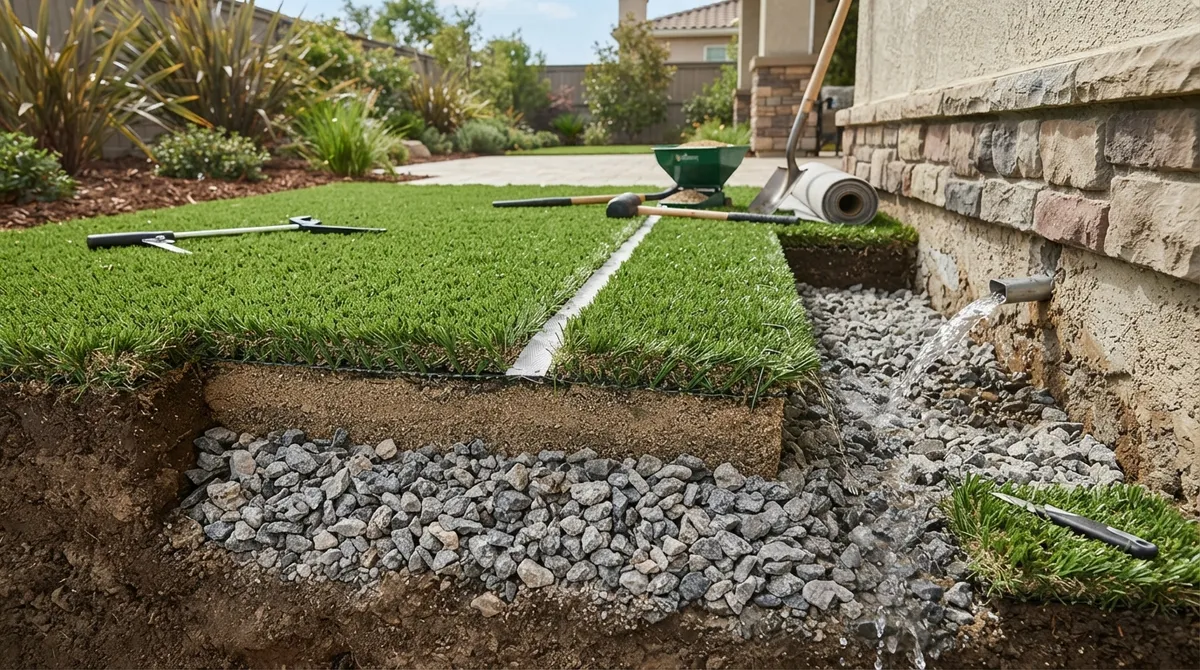
- Grading and excavation: Sloped or uneven yards often need extra site prep before any planting or paving begins.
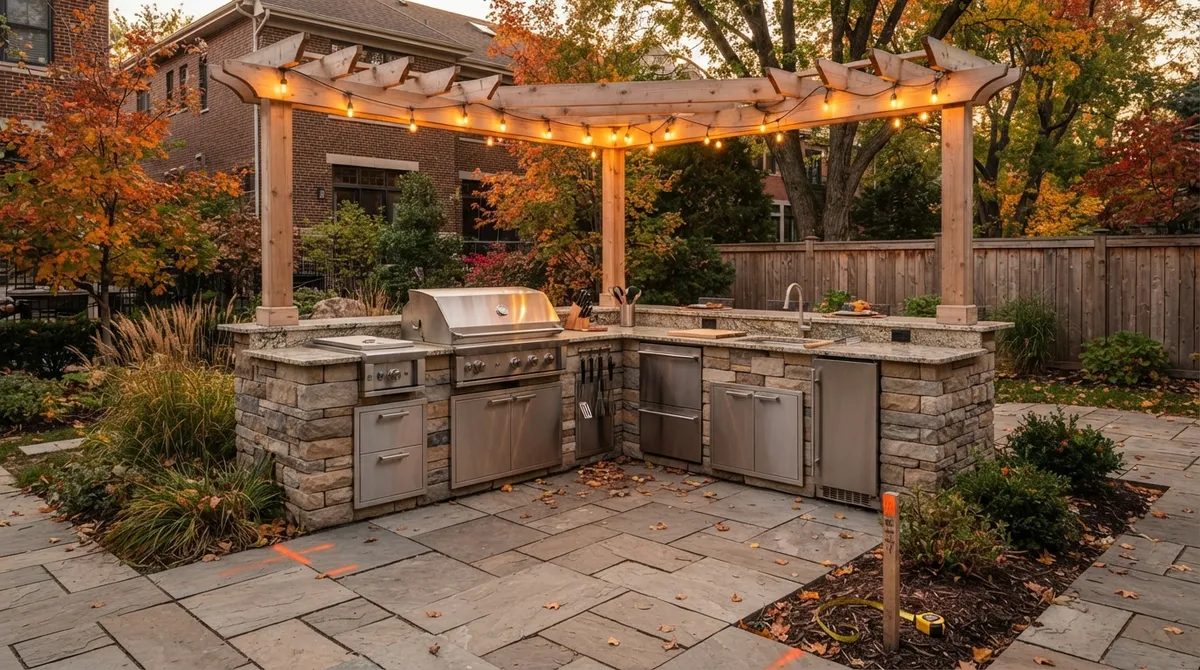
- Hardscape complexity: Features like retaining walls, fire pits, or pergolas and pavilions add design and labor time.
- Drainage and irrigation: Adding sprinkler systems or French drains raises costs but saves headaches later.
- Permits and disposal fees: Some projects need permits, and removing old materials costs money too.
Labor rates also vary by region and by company experience. A crew with two decades of hands-on know-how, like our team at Serenity Landscape Group, may price differently than a newer outfit. That difference often reflects training, insurance, and the quality of the finished work.
Common Pricing Models You’ll See
Landscaping companies use a few different ways to price their work. Knowing these models helps you understand what you’re actually paying for.
| Pricing Model | How It Works | Best For |
|---|---|---|
| Fixed project price | One flat total for the entire job | Larger installs, full landscape design |
| Per-square-foot pricing | Cost based on the square footage of the area | Sod, pavers, mulch beds |
| Hourly labor | Billed by the hour for crew time | Small repairs or odd jobs |
| Unit pricing | Priced per item, like per plant or per cubic yard of mulch | Material-heavy projects |
| Monthly maintenance package | Recurring fee for ongoing care | Lawn mowing, seasonal upkeep |
Many quotes actually blend a few of these methods. For example, a quote might use per-square-foot pricing for sod but a flat fee for a new fire pit installation. That’s normal, and it usually means the contractor is trying to price fairly rather than force everything into one formula.
What Should Be in a Solid Landscape Quote
A trustworthy quote should never feel vague. It should read like a clear promise of what you’re getting. Here’s what a strong, detailed proposal typically includes:
- Exact scope of work, spelled out step by step
- Material types, grades, and quantities
- Labor costs, taxes, and any extra fees
- Expected start date and completion timeline
- Payment schedule and deposit requirements
- Warranty details for plants, hardscapes, or workmanship
- How change orders will be handled if plans shift midway
- Cleanup and debris removal responsibilities
- Irrigation or utility coordination details
- What is specifically excluded from the price
If a quote skips several of these, don’t be afraid to ask questions. A good contractor will happily explain every line. This is your yard, your money, and your peace of mind, so it’s okay to be thorough.
How Much Does Landscaping Actually Cost?
Let’s talk numbers, because we know that’s what you’re really here for. According to 2026 cost guides from HomeAdvisor and Angi, the average landscaping project runs around $3,515, though the full range stretches from about $200 to $14,750 depending on scope. That’s a huge range, so treat any published average as a starting point, not a promise.
Basic landscaping work often falls between $4 and $12 per square foot, according to HomeAdvisor’s 2026 guide. So a modest 1,000-square-foot project might land somewhere between $4,500 and $12,000 before adjustments for site conditions. More complex work, like outdoor kitchens or major grading, can climb toward $40 per square foot.
Here’s a quick breakdown of typical costs pulled from several 2026 consumer guides:
| Service or Material | Typical Cost Range |
|---|---|
| General landscaping minimum fee | $62 – $96 (Thumbtack, 2026) |
| Lawn mowing and trimming | $56 – $163 (Thumbtack, 2026) |
| Hourly labor rate | About $51/hour average, ranging $38-$70 (Taskrabbit, 2026) |
| Mulch installation | $35 – $100 per cubic yard (Taskrabbit, 2026) |
| Pathway installation | $8 – $22 per square foot (Taskrabbit, 2026) |
| Patio installation | $2,000 – $5,800 (Taskrabbit, 2026) |
| Retaining wall | $1,500 – $6,000 (Taskrabbit, 2026) |
| Sod installation | $950 – $4,000 (Taskrabbit, 2026) |
| Monthly maintenance | $100 – $500 per month (HomeBuddy, 2026) |
Remember, these are general benchmarks. Your actual price depends on your yard’s unique quirks, from soil conditions common in Chicago suburbs to access limits for urban rooftop spaces.
How Many Quotes Should You Collect?
We always tell homeowners and property managers the same thing: get at least three quotes before deciding. This isn’t about shopping for the cheapest bid. It’s about understanding the range of options and spotting red flags.
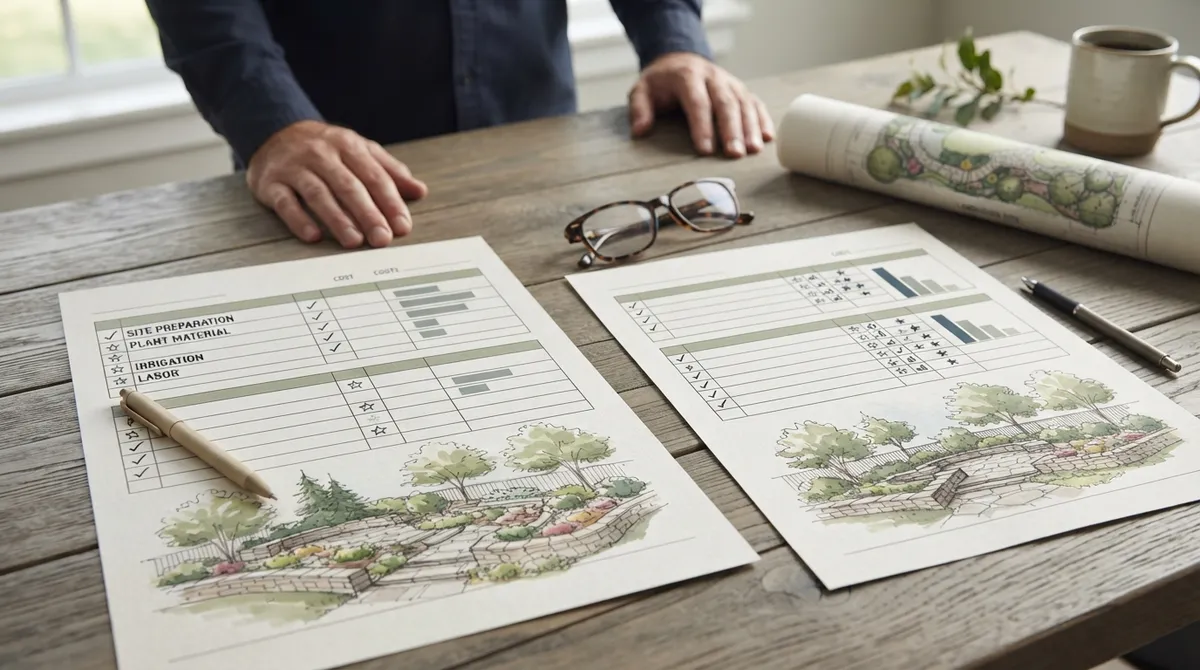
When you compare quotes side by side, look beyond the bottom-line number. Check whether each proposal includes the same scope of work. One company might skip cleanup fees, while another bakes them in. That difference can make a “cheaper” quote actually cost more once the job is done.
Questions to Ask Before You Sign
A little curiosity goes a long way here. Before accepting any landscape quote, consider asking:
- What exactly is included, and what’s left out?
- How long is this quote valid?
- What happens if we need to change something mid-project?
- Is there a warranty on plants, hardscape, or labor?
- Who handles permits, if needed?
- How will debris and old materials be removed?
- What’s the payment schedule, and is a deposit required?
Asking these questions isn’t rude or pushy. Good contractors expect them and appreciate clients who care about the details. It’s one more sign you’re working with a professional who values transparency.
Tailoring Quotes to Your Property Type
Different properties come with different needs, and your quote should reflect that. Suburban homeowners often need quotes that balance curb appeal with HOA rules and tricky Midwest soil. Urban condo owners usually want quotes focused on small-space efficiency, like rooftop greenery or compact patios that fight the summer heat.
Commercial property managers typically need quotes covering large-scale commercial lawn maintenance, stormwater management, and low-upkeep hardscaping. New home builders in Aurora and nearby suburbs often request turnkey packages that bundle softscapes, pavers, and lighting into one streamlined proposal. Small business owners, meanwhile, may want a quote centered on inviting, pedestrian-friendly landscaping with seasonal color and outdoor lighting and sound to boost foot traffic.
No matter which category fits you best, a good landscaping partner will adjust the quote structure to match your goals, not force you into a one-size-fits-all template. That flexible approach is part of what has guided our design and installation process for over 20 years across the Chicago area.
Red Flags to Watch For
Not every quote deserves your trust. Here are a few warning signs worth noting:
- A price given without ever seeing your property
- Vague descriptions like “landscaping work” with no specifics
- No mention of warranty or cleanup responsibilities
- Pressure to sign immediately without time to compare
- Costs dramatically lower than every other quote you received
Trust your gut. If something feels rushed or unclear, it’s okay to ask for more detail or walk away. Reputable companies, including members of organizations like Landscape Illinois, follow industry standards that protect both the contractor and the client.
Maintenance Quotes Work a Little Differently
If you’re looking for ongoing care instead of a one-time project, your quote will look different too. Recurring maintenance pricing usually depends on:
- How often the crew visits (weekly, biweekly, monthly)
- Total lawn and planting bed size
- Services included, like mowing, edging, pruning, and fertilization
- Seasonal extras, like leaf removal or snow prep
- Whether green waste disposal is part of the package
These quotes often land between $100 and $500 per month, though commercial properties with larger footprints may see higher totals. It helps to ask whether irrigation checks and weed control are bundled in, since these add-ons can shift the monthly price noticeably.
Why Certified, Experienced Crews Matter
When you’re comparing quotes, experience and credentials count for a lot. Contractors who follow guidelines set by groups such as the ICPI Certified Installer program tend to bring stronger technical know-how to paver and hardscape projects. That training often shows up in the durability and appearance of the final result.
At Serenity Landscape Group, our team draws on more than two decades of hands-on experience across softscapes, pavers, retaining walls, and more. We’ve seen firsthand how a well-built gallery of completed projects can help homeowners picture what’s possible for their own yard. Browsing real examples before requesting your quote can make conversations with any contractor much easier.
Ready to Get Your Own Landscape Quote?
You’ve made it through the numbers, the terms, and the red flags, and honestly, that’s the hardest part. From here, the process gets a lot more enjoyable. Picture the finished patio, the glowing fire pit, or the freshly mowed lawn that makes your whole property shine.
We’d love to walk your property with you and put together a clear, honest quote built around your goals and your budget. Get a Free Estimate today, or if you’d rather chat first, feel free to call us at (630) 359-5139. Either way, we’re genuinely excited to help you create an outdoor space you’ll love coming home to.
FAQs
Q: How much does landscaping cost per square foot?
A: Basic landscaping typically runs about $4 to $12 per square foot, based on 2026 cost guides. More complex projects, like outdoor kitchens or major grading, can climb closer to $40 per square foot, so it really depends on what you’re dreaming up for your yard.
Q: What should be included in a landscaping quote?
A: A solid quote spells out the exact scope of work, materials and quantities, labor costs, timeline, payment schedule, warranty details, and cleanup responsibilities. If a quote feels vague or skips these details, it’s totally fair to ask for more clarity before you sign anything.
Q: How many landscaping quotes should I get before hiring a contractor?
A: We recommend gathering at least three quotes so you can compare scope, materials, and pricing side by side. This helps you spot outliers and understand what a fair price really looks like for your specific project.
Q: Do landscapers charge for an on-site consultation or quote?
A: It varies by company, but many landscapers offer free initial consultations, especially for standard residential projects. It’s always worth asking upfront so there are no surprises before the crew even steps foot on your property.
Q: Why do landscaping quotes vary so much between companies?
A: Quotes differ based on material choices, labor rates, site conditions, and the scope of services included. A quote that seems dramatically lower may be leaving out cleanup, permits, or warranty coverage, so it’s worth comparing the fine print, not just the bottom line.