Key Takeaways
-
Backyard putting greens typically cost $3,500-$9,000 ($4-$40 per sq ft), with smaller greens under 400 sq ft costing $25-$40 per sq ft due to fixed installation costs not scaling as efficiently.
-
Use specialized synthetic turf with short, dense pile instead of natural grass; it requires no mowing, watering, or fertilizing while providing consistent ball roll in all weather conditions.
-
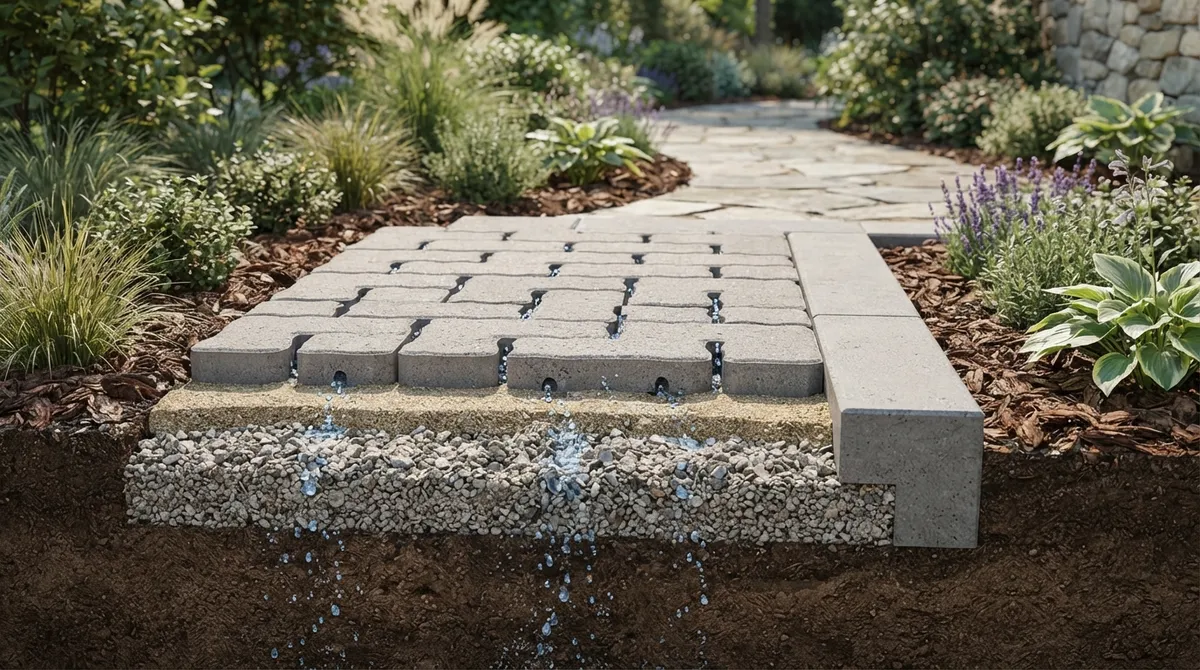
Proper drainage is critical, especially in Chicago’s climate with heavy rains and snow; a compacted base layer must allow water to pass through quickly to prevent pooling and uneven spots.
-
Installation typically takes 3-14 days and follows a clear process: consultation, site inspection, custom design, excavation, base layer installation, turf installation, and final walkthrough.
-
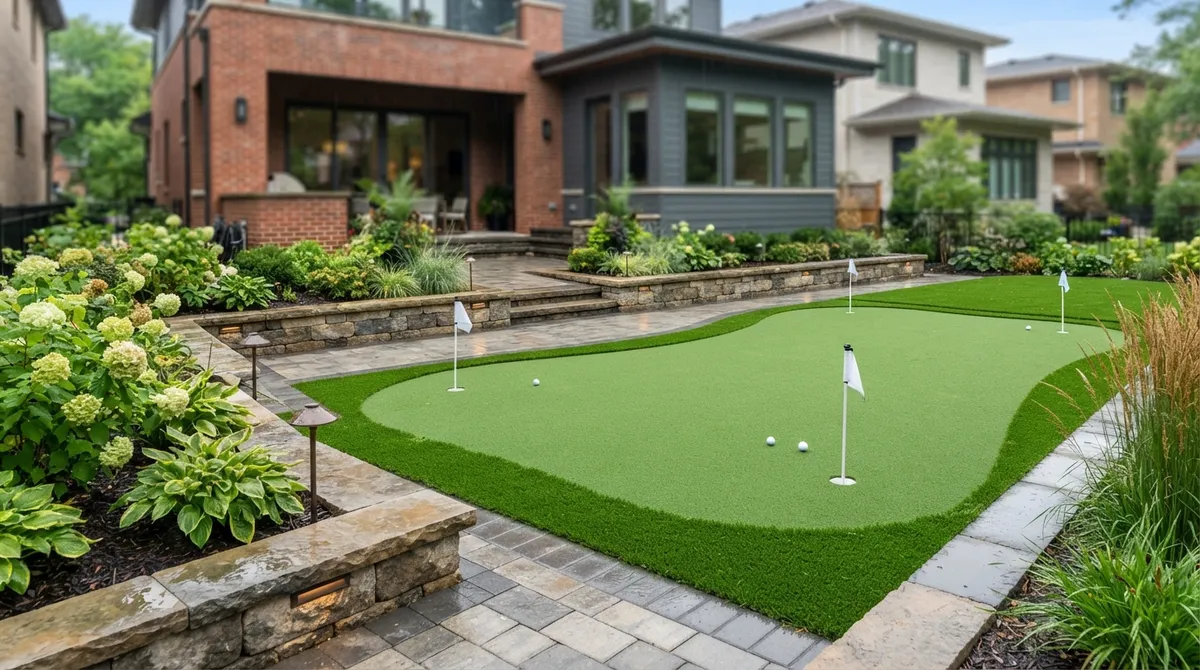
Putting greens work in any yard size and integrate well with other landscaping features like paver patios, retaining walls, lighting systems, and plantings to create cohesive outdoor living spaces.
-
Synthetic turf requires minimal maintenance compared to natural lawns—just occasional brushing, rinsing, leaf removal, and drainage checks versus weekly mowing, watering, and fertilizing.
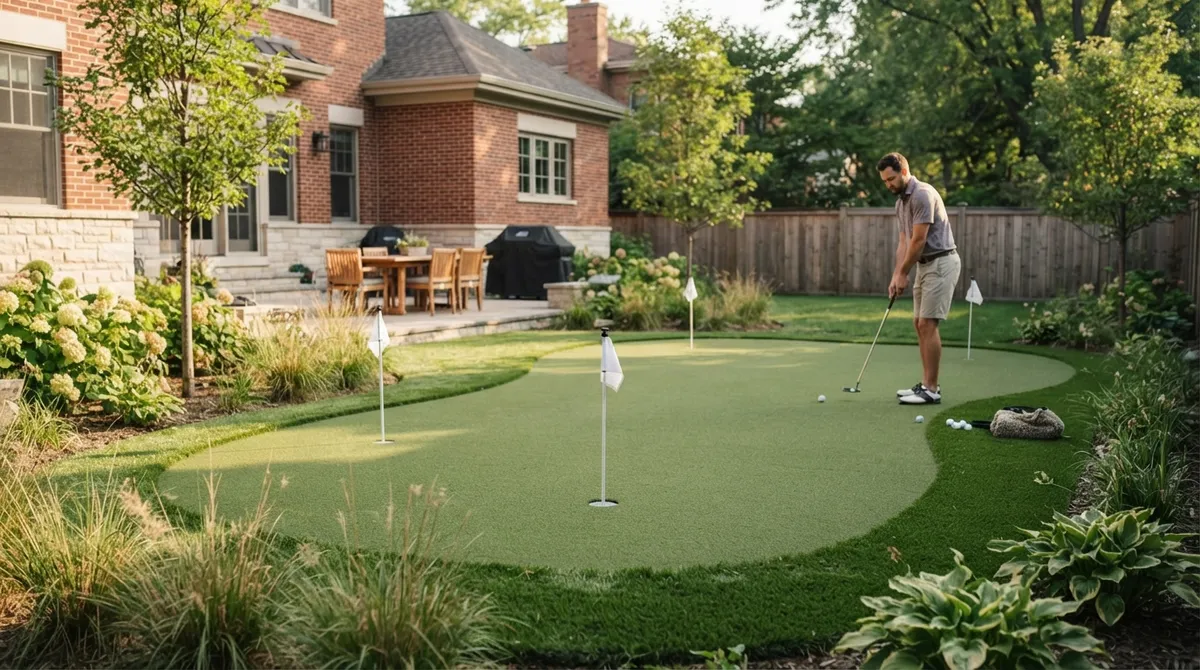
Picture this: it’s a calm Saturday morning, coffee in hand, and instead of driving to the golf course, you walk out your back door. You sink a few putts before breakfast, right in your own yard. That’s the simple joy behind the growing trend to install putting green backyard features across Chicagoland. Whether you’re a weekend golfer or just love a beautifully finished lawn, a backyard putting green adds fun, function, and value to your property.
At Serenity Landscape Group, we’ve watched this trend grow steadily among our neighbors in the suburbs, city condos, and even commercial properties. It’s not just for golf pros anymore. Families use these greens for weekend games, businesses use them to impress clients, and homeowners love how low-maintenance they are compared to a regular lawn. In this guide, we’ll walk you through everything you need to know before you install putting green backyard features of your own, from cost to materials to the exact steps involved.
What Does It Really Mean to Install a Putting Green Backyard Feature
When landscapers talk about installing a backyard putting green, they mean building a custom practice surface using synthetic turf designed specifically for golf. It’s not the same turf used for regular lawns. This turf is engineered with a shorter, denser pile so a golf ball rolls smoothly and true, just like on a real green.
The process is more involved than simply rolling out a rug of fake grass. It requires careful planning, proper base preparation, and attention to drainage. Done right, a putting green backyard installation can last for many years with very little upkeep, which is a big reason it’s become such a popular addition to outdoor living spaces.
Why Homeowners Are Choosing This Upgrade
There are a few clear reasons this feature keeps showing up in backyard renovation requests:
- It offers a fun, private way to practice golf skills any time of day
- It requires far less water and mowing than natural grass
- It holds up well through Chicago’s unpredictable weather, including snow and rain
- It adds a unique, memorable feature that can boost curb appeal and resale value
- It pairs nicely with other outdoor living upgrades like fire pits and pergolas
- It works well in small yards, large yards, and even rooftop spaces
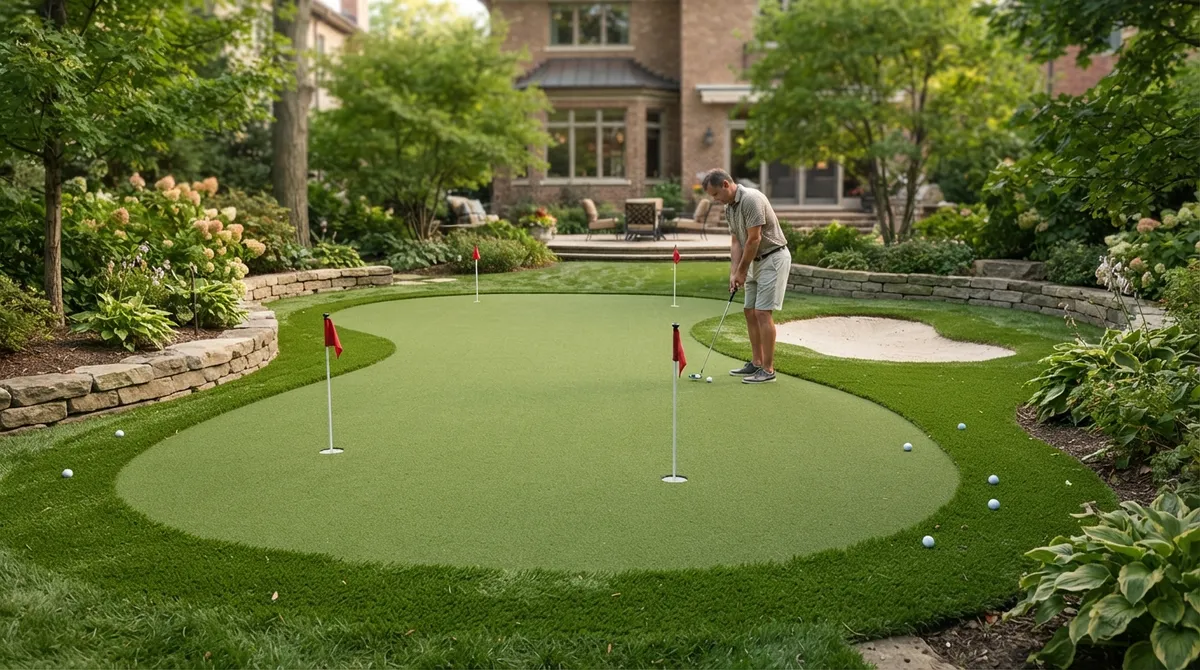
How Much Does It Cost to Install a Backyard Putting Green
This is usually the first question we hear, and it’s a fair one. According to Angi, backyard putting green projects typically run between $3,500 and $9,000, or roughly $4 to $40 per square foot depending on size and complexity. Some larger or more custom projects can range as high as $75,000, though the average project tends to land closer to $4,300.
Smaller greens under 400 square feet often cost more per square foot, usually between $25 and $40, because there’s less area to spread out fixed costs like grading and edging. Larger greens over 2,000 square feet often cost less per square foot, sometimes between $15 and $25, since labor and materials scale more efficiently.
| Putting Green Size | Estimated Cost Per Square Foot | Typical Total Cost Range |
|---|---|---|
| Small (under 400 sq ft) | $25 – $40 | $10,000 – $16,000 |
| Medium (400 – 2,000 sq ft) | $15 – $30 | $6,000 – $60,000 |
| Large (over 2,000 sq ft) | $15 – $25 | $30,000+ |
As an example, Angi notes that a 250-square-foot putting green might cost $1,250 to $5,000 in materials, plus $750 to $2,250 in installation labor. Because every yard is different, we always recommend an on-site consultation before locking in a number. You can get a free estimate to see what your specific project might cost.
What Materials Are Used for a Backyard Putting Green
Most professional installers, including our team, use synthetic turf rather than natural grass. Real grass greens require constant mowing, watering, and pest control to stay smooth enough for putting. Synthetic turf skips all of that while still giving you a realistic, consistent surface.
Key Materials in a Typical Installation
- Putting green turf with a short, dense pile designed for accurate ball roll
- A compacted aggregate base layer for stability and drainage
- Optional infill material to help the turf hold its shape and cushion foot traffic
- Edging materials to create clean borders around the green
- Cups and flagsticks for realistic practice holes
Many companies also pair putting greens with other artificial turf installation services, so the surrounding lawn matches the low-maintenance look and feel of the green itself.
How Does the Installation Process Actually Work
If you’ve never had a putting green installed before, the process might sound complicated. In reality, most reputable landscaping companies follow a clear, step-by-step approach to keep things simple for you.
Typical Steps to Install Putting Green Backyard Features
- Initial consultation to discuss your goals, budget, and available space
- On-site inspection to evaluate soil, drainage, and yard layout
- Custom design proposal, including green shape, contours, and hole placement
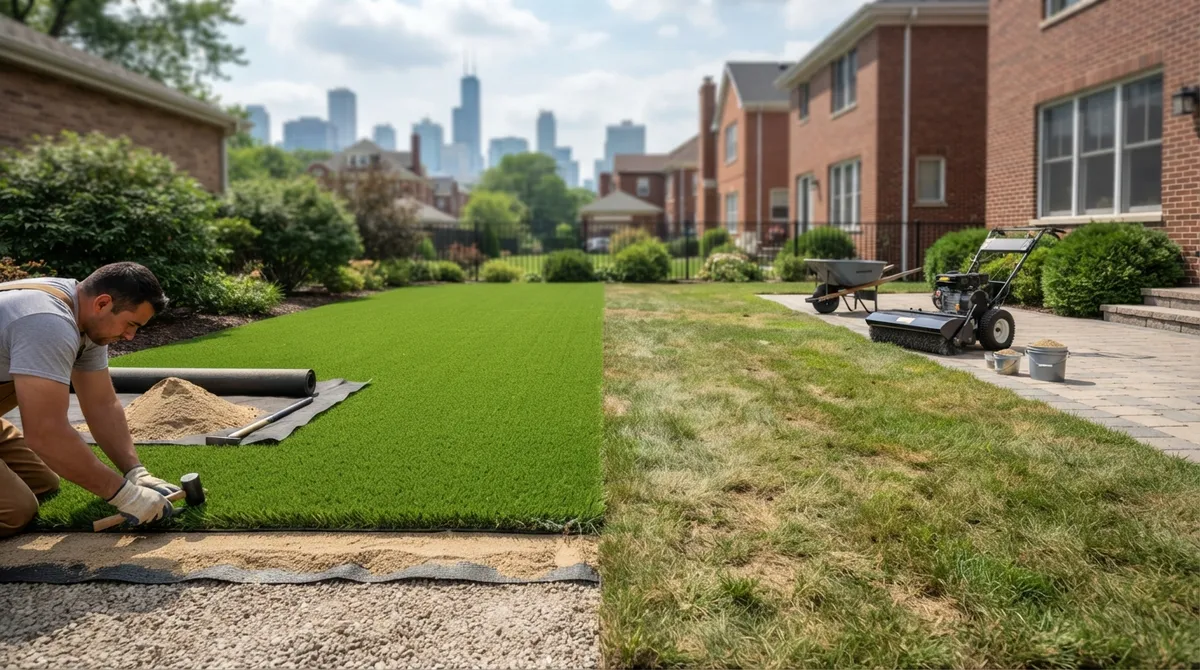
- Excavation and grading to prepare a level, stable foundation
- Installation of a compacted base layer for long-term stability
- Turf installation, including seaming, stretching, and securing edges
- Final walkthrough to confirm everything meets your expectations
This process typically takes anywhere from a few days to about two weeks, depending on the size and complexity of the project. Larger greens with multiple tiers or slopes naturally take more time than a simple flat putting surface.
Do Backyard Putting Greens Require Drainage
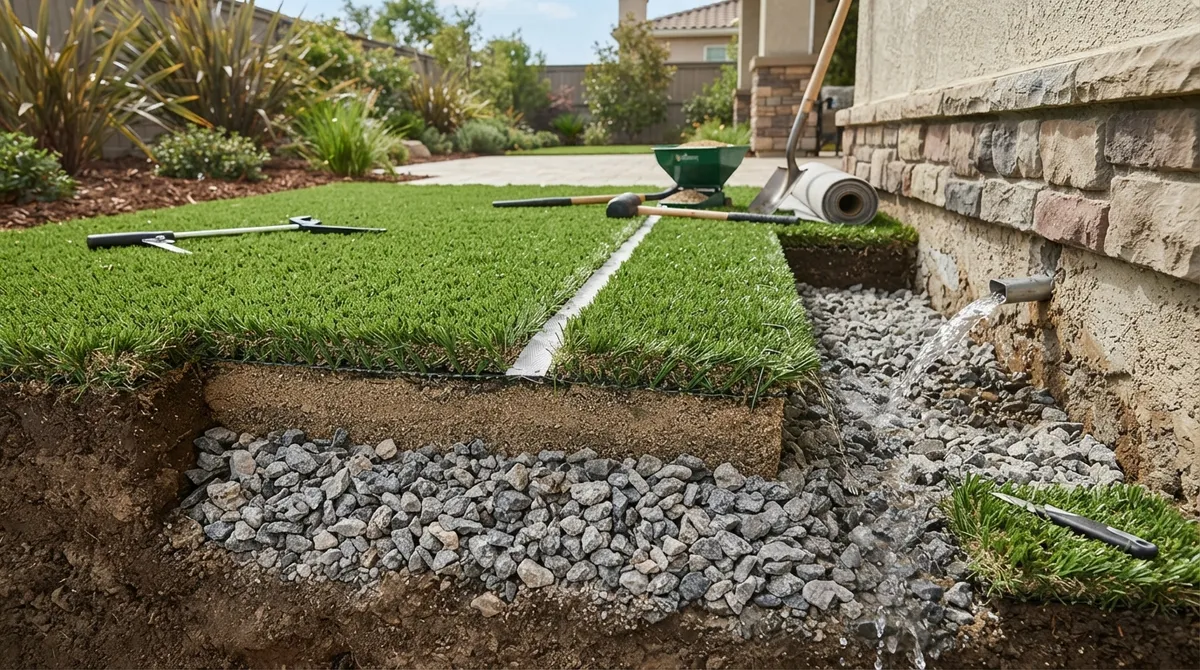
Yes, and this is one of the most important parts of the entire project. Without proper drainage, water can pool under the turf, causing uneven spots, mold, or premature wear. This matters even more here in Chicago, where we deal with heavy spring rains and snowy winters.
A well-built putting green includes a base designed to let water pass through quickly. Many installers also grade the yard slightly to direct water away from the green entirely. This attention to detail is part of why professional installation tends to outperform DIY kits in the long run, especially in our regional climate.
Is Synthetic Turf Better Than Natural Grass for a Putting Green
For most homeowners, the answer is yes. Natural grass greens require specialized mowing equipment, frequent watering, and constant pest and disease monitoring. That’s a lot of extra work just to keep a small practice area playable.
Synthetic turf offers a few clear advantages:
- Consistent ball roll in all weather conditions
- No mowing, fertilizing, or watering required
- Resistance to pests, weeds, and disease
- Durability through freeze-thaw cycles common in the Midwest
- Long lifespan with minimal upkeep
If you’re also considering artificial turf for other parts of your yard, our article on synthetic vs. natural backyard golf practice greens breaks this comparison down in more detail.
What Size Backyard Is Needed for a Putting Green
Good news here: you don’t need a massive yard to enjoy this feature. Putting greens can be customized to fit almost any space, from a small urban courtyard to a sprawling suburban lot.
Common Size Considerations
- Small yards can accommodate compact greens with one or two holes
- Medium yards allow for gentle slopes and multiple cup placements
- Large yards can support tiered designs, fringe areas, and even short chipping zones
- Rooftop and condo spaces can use specially designed lightweight systems
Urban condo owners in Chicago are increasingly asking about rooftop options too. If that sounds like your situation, take a look at our guide on rooftop putting greens in Chicago for ideas suited to smaller footprints.
How Do You Maintain a Backyard Putting Green
One of the best parts of choosing synthetic turf is how little maintenance it needs compared to a natural lawn. Still, a bit of routine care keeps your green looking and playing its best.
Simple Maintenance Tips
- Brush the turf occasionally to keep fibers standing upright
- Rinse off dirt, pollen, or debris with a garden hose
- Remove leaves and branches promptly, especially in fall
- Check drainage areas periodically to ensure water flows freely
- Inspect edges and seams once or twice a year for wear
Compare that short list to the weekly mowing, watering, and fertilizing a natural lawn demands, and it’s easy to see why so many homeowners make the switch.
Can a Putting Green Be Combined With Other Landscaping Features
Absolutely, and this is one of our favorite parts of the design process. A putting green rarely stands alone in a well-planned backyard. It often becomes part of a larger outdoor living space.
Popular combinations we’ve built for clients include:
- Putting greens paired with paver patios for entertaining space nearby
- Greens bordered by retaining walls to manage sloped yards
- Ambient lighting and sound systems for evening practice sessions
- Surrounding softscape plantings for a polished, finished look using softscape design
This kind of integrated approach is part of why working with an experienced Landscape Illinois member matters. A cohesive design plan ensures your putting green looks like a natural part of your yard, not an afterthought.
Choosing the Right Team for Your Project
Not every landscaping company has real experience with putting green construction. This is a specialized skill that combines golf course knowledge with solid hardscape and drainage expertise.
What to Look for in an Installer
- Experience with both residential and commercial putting green projects
- Knowledge of proper base preparation and drainage design
- Portfolio examples you can review, like our own gallery of completed work
- Clear communication about timelines and installation process
- Certifications or affiliations, such as being an ICPI Certified Installer
For those weighing costs before committing, our detailed breakdown on how much a backyard golf putting green costs is a great next read.
Putting Greens for Businesses and New Developments
It’s not just homeowners jumping on this trend. Commercial property managers are adding putting greens to office courtyards and retail spaces to create a memorable, relaxing amenity for tenants and customers. New home builders in Aurora and nearby suburbs are also including putting greens as a turnkey upgrade to attract buyers looking for move-in-ready outdoor entertainment features.
According to the United States Golf Association, interest in at-home golf practice has grown steadily as more people look for convenient ways to improve their game without a trip to the course. That trend lines up perfectly with what we’re seeing across our service area, from Aurora new builds to established Chicago suburbs.
Bringing Your Backyard Putting Green Vision to Life
Installing a backyard putting green is one of those upgrades that keeps giving back, whether you’re sinking putts solo, hosting friends, or just enjoying a lower-maintenance yard. With the right design, proper drainage, and quality turf, this feature can become one of your favorite spots at home for years to come.
At Serenity Landscape Group, we’ve spent over two decades helping Chicago-area homeowners and businesses create outdoor spaces they truly love. If you’re ready to explore what a custom putting green could look like in your own backyard, we’d love to help you plan it from start to finish. Reach out today to get a free estimate, or simply call us at (630) 359-5139 to start the conversation.
FAQs
Q: How much does it cost to install a backyard putting green?
A: Most backyard putting green projects cost between $3,500 and $9,000, though prices can range from $2,500 to $75,000 depending on size and design. Smaller greens often cost more per square foot, while larger ones tend to average out lower. We always recommend a free on-site consultation so you get an accurate number for your yard.
Q: What materials are used for a backyard putting green?
A: Most installers use specialized synthetic turf designed just for putting, along with a compacted base layer for stability and drainage. Some designs also include infill material, edging, and realistic cups and flagsticks. This combination creates a smooth, consistent surface that plays like a real green.
Q: How long does backyard putting green installation take?
A: Most projects take anywhere from a few days to about two weeks, depending on size and complexity. Larger greens with slopes or multiple holes naturally take a bit longer to build correctly. Our team walks you through the full timeline during your initial consultation.
Q: Do backyard putting greens require drainage?
A: Yes, proper drainage is essential, especially here in Chicago with our heavy rains and snowy winters. A well-built base allows water to pass through quickly, preventing pooling or uneven spots. Skipping this step is one of the biggest mistakes in DIY putting green projects.
Q: Can a putting green be combined with other landscaping features?
A: Absolutely, and it’s one of our favorite things to design. Putting greens pair beautifully with paver patios, retaining walls, outdoor lighting, and softscape plantings. This creates a cohesive backyard that feels like a complete outdoor living space, not just a single feature.