Key Takeaways
-
Fire pit rules are set locally and can differ sharply between neighboring towns, so confirm your exact classification (recreational fire, outdoor fireplace, gas appliance, or open burning) before you buy or build.
-
Wood-burning pits face stricter smoke, burn-ban, and size rules, while gas pits often need gas-line permits and inspections and may be restricted under combustible roofs, trellises, or patio covers.
-
Clearance requirements vary widely, from NFPA's general guidance of at least 10 feet to local rules of 15, 25, or 50 feet, so measure distances to your home, fences, decks, trees, and property lines early.
-
Check with your HOA or condo board, since they can impose stricter rules than your city, including design approval, size limits, and smoke restrictions, even when local law allows a fire pit.
-
Permitted fire pits can still be paused by burn bans or air-quality alerts, so check your fire department's alerts before every fire and ask for approvals in writing.
Picture this: you have spent weeks dreaming about a cozy fire pit. You have picked the stones, chosen the seating, and even pinned a few marshmallow-roasting photos. Then a neighbor mentions that your town might not allow it. Ouch. The good news is that a little homework up front keeps your dream on track. The local fire pit rules to check before installation are not as scary as they sound, and they can save you real money and stress.
Here is the big twist. The rules often change based on what kind of fire pit you choose. A wood-burning pit and a gas pit can be treated very differently by your city, your fire department, and your HOA. In 2026, more towns are tightening smoke and burn-ban rules, so it pays to know where you stand.
In this friendly guide, we compare wood-burning and gas fire pits side by side. You will learn which questions to ask, who to call, and how to plan your landscape around the rules. Think of it as a checklist from neighbors who care about your backyard.
Why Fire Pit Rules Differ So Much From Town to Town
Fire pit rules are set locally. That means two neighboring suburbs can have very different requirements. One village might welcome a wood fire in your yard. The next one over might ban it or require a permit.
Your town may also label your fire pit in different ways. It could be a recreational fire, an outdoor fireplace, a gas appliance, or open burning. That label matters. It can change the permit you need, the fuel you can use, how big the fire can be, and how far it must sit from your home.
Do not assume a small or portable fire pit is exempt. Some places allow recreational fires without a permit but require approval for permanent builds or gas lines. Others restrict fire pits altogether. The only safe move is to ask.
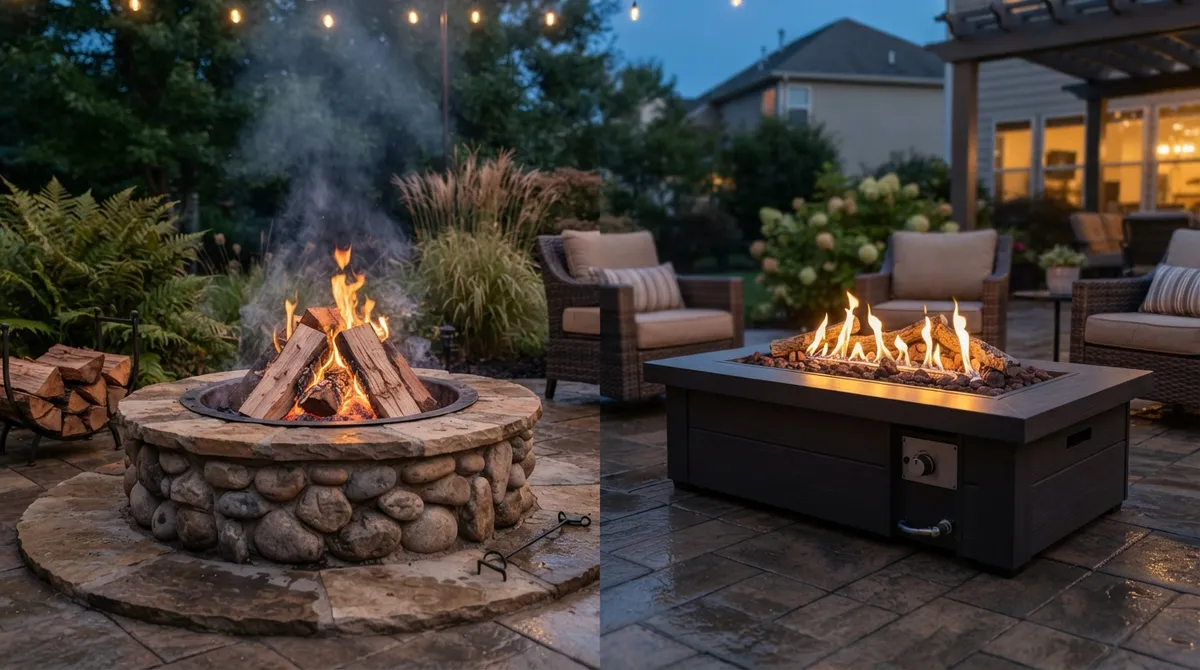
Wood-Burning vs. Gas Fire Pits: A Quick Comparison
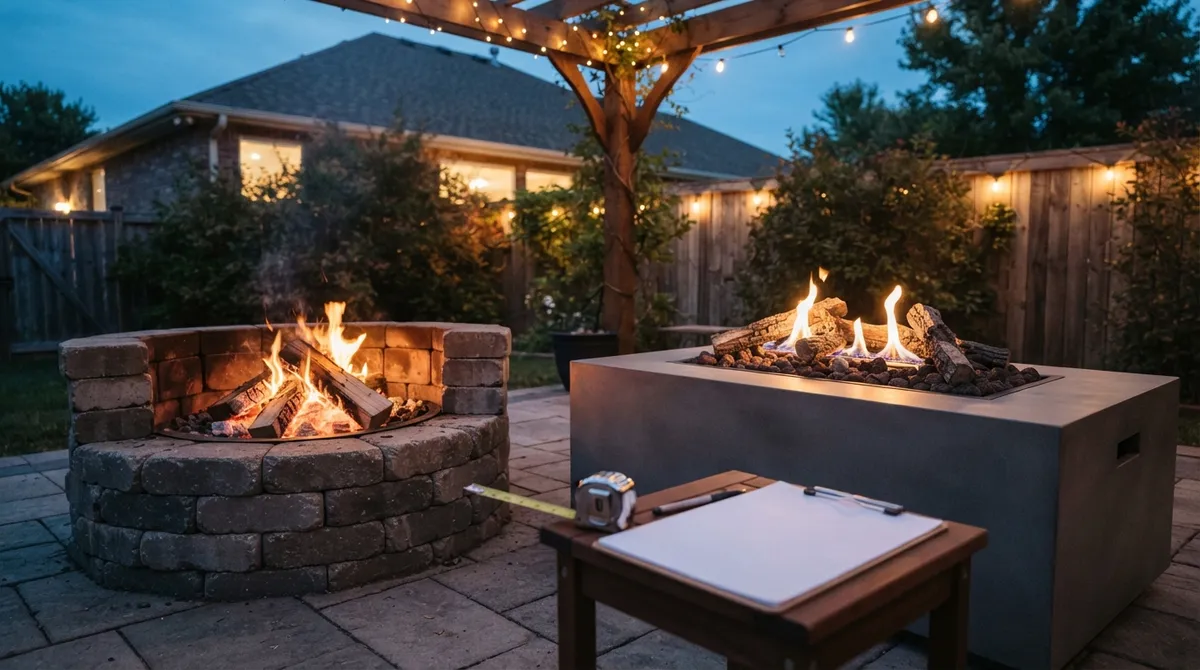
Both options can look gorgeous and create a warm gathering spot. But from a rules point of view, they often play by different books. Here is a simple side-by-side look. Keep in mind these are general patterns, not promises, since every town is different.
| Rule Area | Wood-Burning Fire Pit | Gas Fire Pit |
|---|---|---|
| Typical classification | Recreational fire or open burning | Gas appliance or outdoor fireplace |
| Permit likelihood | Varies; some towns require one or limit use | Often needs a building or gas permit for permanent installs |
| Smoke concerns | High; subject to nuisance-smoke and air-quality rules | Low; burns cleaner with little smoke |
| Burn-ban impact | Usually restricted during bans | May be allowed, but check local wording |
| Size limits | Often capped (some towns limit to about 3 ft wide, 2 ft tall) | Usually governed by appliance specs and clearances |
| Covered areas | Generally not allowed under roofs or trellises | Often restricted under combustible construction |
| Utility work | None | Gas-line permit and inspection may apply |
So which is easier? Gas often wins on smoke and burn-ban flexibility. Wood often wins on simple setup, since there is no gas line. But gas can bring extra permits, so neither one is a free pass.
Who to Call Before You Break Ground
Rules can live in several places at once. Before you finalize a design, reach out to these offices. A few quick calls now beat a stop-work order later.
- Local fire department or fire marshal. They can tell you about recreational fire rules, burn bans, and clearances.
- Planning and zoning office. They handle setbacks, property-line rules, and whether permanent features are allowed.
- Building-permit department. They confirm whether a permanent pit or gas connection needs plans, permits, or inspections.
- Gas utility or plumbing authority. If you want a gas line, they explain connection rules and who can do the work.
- Your HOA or condo board. Even if the city says yes, your community may need to approve it first.
State air-quality rules may also come into play, so ask whether anything beyond local code applies. When you call, describe the exact fire pit: fuel type, size, and whether it is built-in or portable. Then ask for the answer in writing if you can.
Clearance Rules: How Far Is Far Enough?
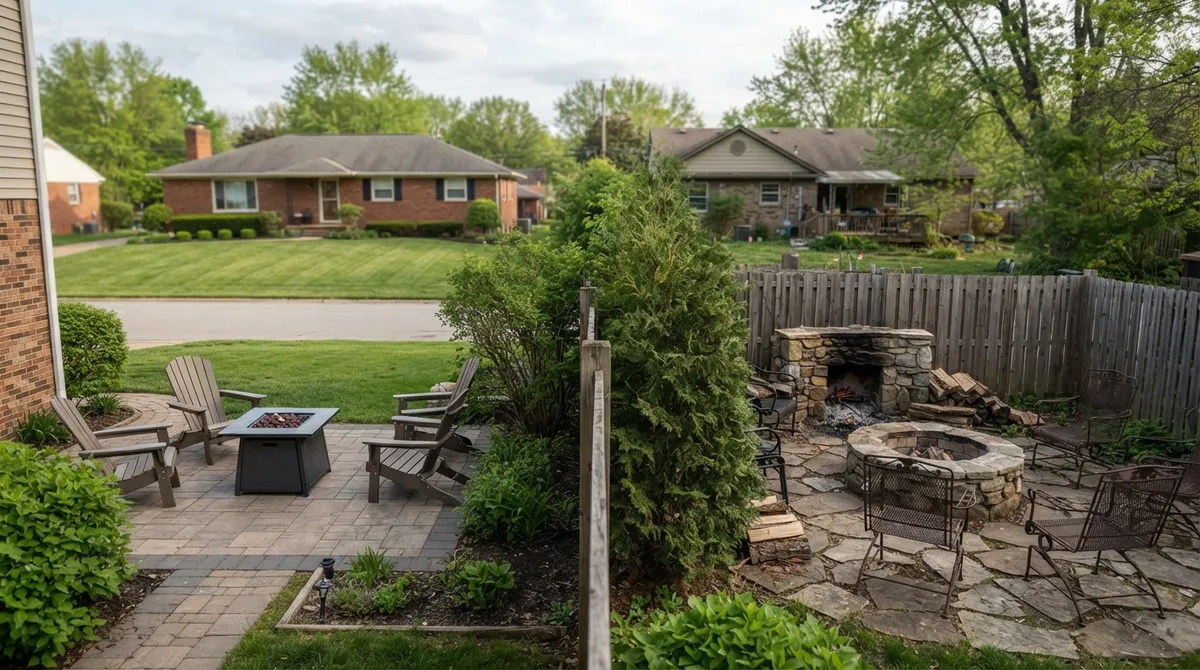
Clearance is where many homeowners get tripped up. Local codes often set a minimum distance between the fire and things that can burn. That includes your house, fence, deck, trees, and property lines.
The numbers vary a lot. The National Fire Protection Association (NFPA) offers general safety guidance of at least 10 feet from anything that can burn. But local rules can be stricter. Some published examples list 15 feet for certain fire pits. Others set 25 feet for recreational fires. Open-burning rules may require 50 feet or more from structures. These are examples, not universal standards, so confirm your own town’s number.
Here are the spots to measure when you plan your layout:
- Distance from your home and any attached structures
- Distance from fences, sheds, and detached garages
- Distance from decks, pergolas, and patio covers
- Distance from trees, overhanging branches, and dry shrubs
- Distance from neighboring property lines
In a typical suburban Chicago lot, space can run tight. If your yard is small, a gas pit with smaller clearance needs may fit better. A good landscape plan builds these distances in from day one instead of squeezing them in later.
Size, Fuel, and Safety Equipment Limits
Many towns do not just care where your fire pit goes. They also care what it looks like and what you burn in it. Check these details before you buy or build.
- Size limits. Some places cap recreational fires at about 3 feet in diameter and 2 feet in height. Always check the current local rule before you pick a design.
- Approved materials. You may need a noncombustible enclosure, such as stone, brick, or steel.
- Spark screens. Many codes require a spark-arresting screen on wood-burning pits.
- Fuel rules. Seasoned firewood is usually fine. Trash, yard waste, treated wood, and construction debris are commonly prohibited.
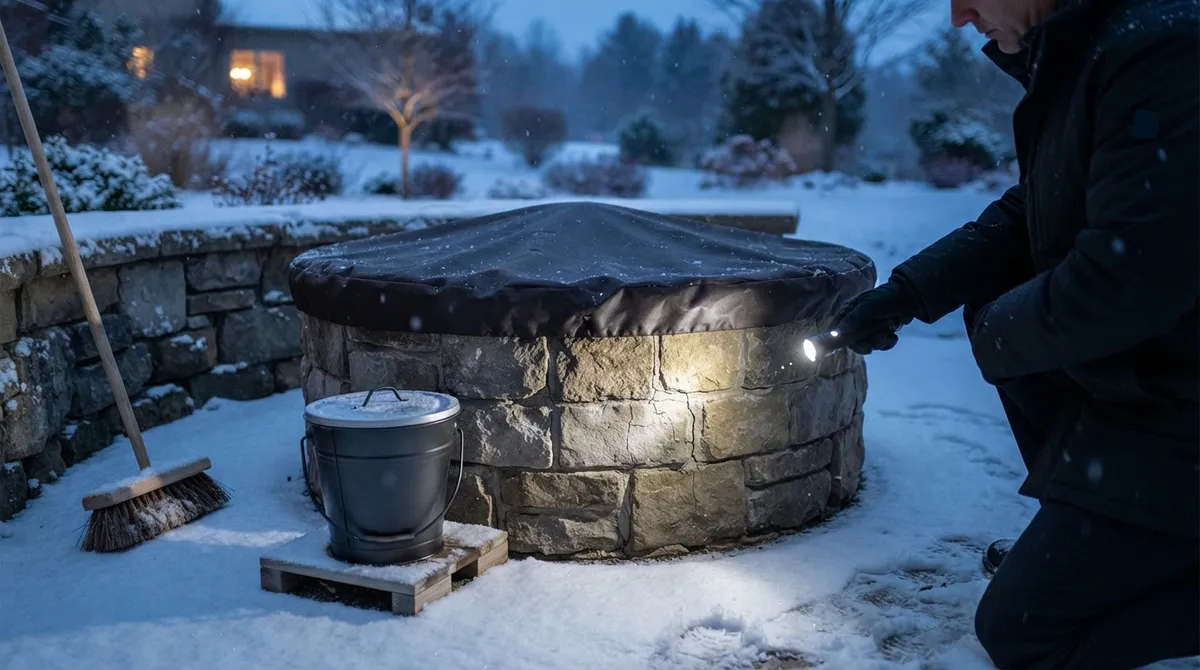
- Extinguishing tools. Keep a hose, bucket of water, or fire extinguisher close by.
If you are weighing a built-in pit, our guide to custom fire pit installation cost factors in 2026 can help you budget for materials and permits together.
Burn Bans, Air Quality, and Nuisance Smoke
Here is a point that surprises many people. A permitted fire pit does not always mean you can light it anytime. Burn bans, seasonal limits, and air-quality alerts can pause fires on short notice. Wind limits and nuisance-smoke rules can matter too.
Wood smoke can drift into a neighbor’s open windows and upset folks fast. Some towns can ask you to put the fire out if smoke becomes a problem. That is one reason gas pits are popular in close-knit suburbs and condo-style settings. They burn cleanly and tend to keep the peace.
Before every fire, take a quick look at your local fire department’s website or alerts. It takes a minute and keeps you on the right side of the rules.
Gas Fire Pits: Extra Permits and Placement Rules
Gas fire pits feel simple, but the installation side can bring extra steps. If you are tying into a gas line, you may need a plumbing or gas permit, plus an inspection. Always use a licensed professional for that work.
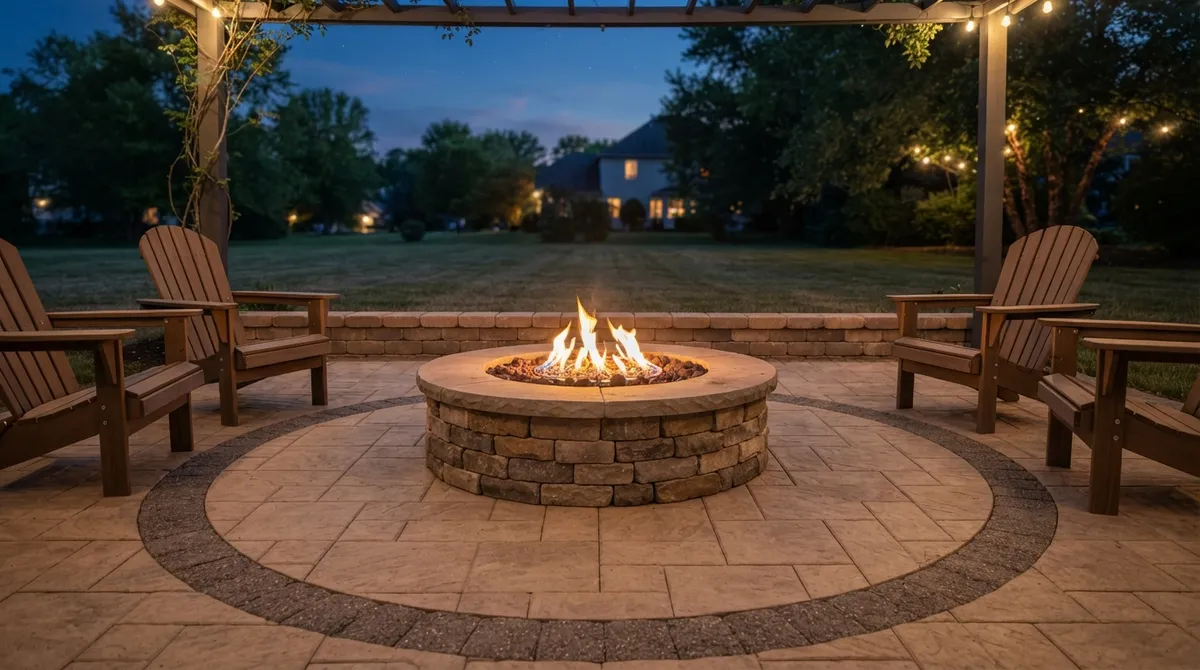
Placement matters, too. Many towns do not allow gas fire pits under combustible roofs, trellises, or patio covers. For example, Irvine, California, says gas fire pits may not sit under combustible construction and requires permit-plan review for covered installations. That is one town’s rule, but it shows why you should ask before tucking a pit under a cover.
If you love the idea of a pit near a shade structure, plan it carefully. Our article on integrating a pergola with a paver patio shows how to keep a design beautiful and spaced with safety in mind.
Do Not Forget HOA, Condo, and Lease Rules
Public rules are only half the story. Many suburban homeowners live under HOA covenants. Condo owners and renters may face building or lease rules as well. An HOA can say no even when your city says yes.
Ask your HOA these questions:
- Are fire pits allowed at all, and is there a preferred fuel type?
- Do I need written approval or a design review before building?
- Are there rules on size, height, color, or materials?
- Are there quiet hours or limits on smoke?
Urban condo owners should also check building rules about balconies and rooftops. Many buildings ban open flames there. A tabletop gas unit may be allowed in some cases, but ask first.
Plan Your Landscape Around the Rules
Once you know your limits, the fun part begins. Smart landscape design turns rules into a layout that feels natural and safe. Here is how a good plan comes together:
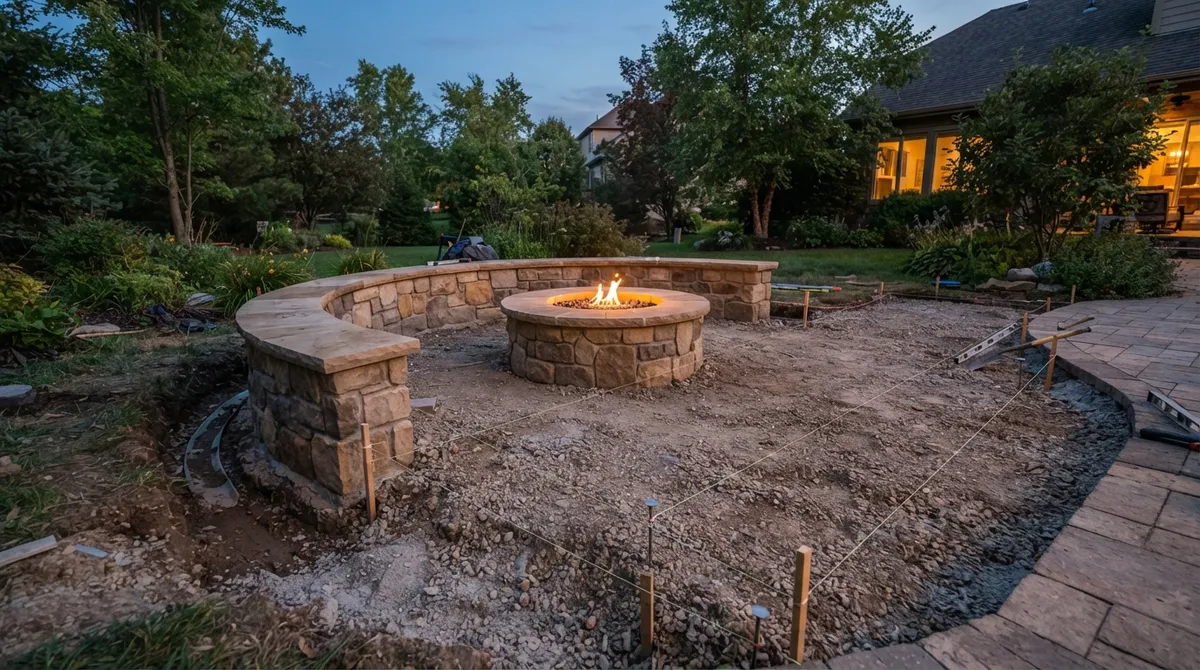
- Start with a level, noncombustible base. Pavers, stone, or compacted gravel make a stable foundation. See how paver patio ideas for fire pits can set the stage.
- Keep plants and mulch outside the clearance zone. Dry shrubs, bark mulch, and low branches do not belong near open flame.
- Leave room to move. Seating should sit a comfortable distance back, with clear paths for guests and for putting out the fire.
- Think about smoke direction. Notice the prevailing wind so smoke drifts away from your windows and your neighbors.
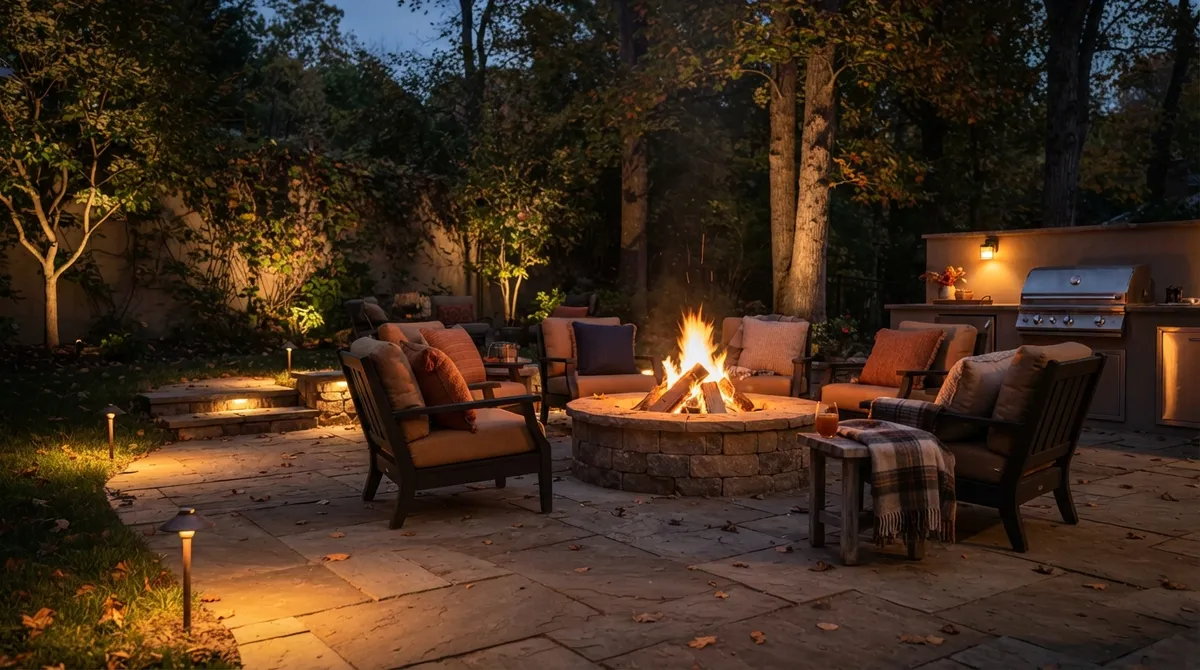
- Add layered lighting. Soft path and accent lights make evening gatherings safer and more welcoming.
For built-in seating ideas that respect safe spacing, check out these tips on fire pit area with built-in seating mistakes to skip.
Document Everything Before You Build
Here is a pro tip that pays off later. Keep a paper trail. Ask your installer to record the approvals, the final location, the fuel type, the appliance specs, and the measured clearances. Save copies of permits and any emails from city staff or your HOA.
Why does this matter? If a neighbor complains, or if you sell your home, you can show you did it by the book. It also helps because code adoption and local amendments change. Asking the local authority to confirm requirements before construction keeps you protected.
At Serenity Landscape Group, we have spent more than two decades helping Chicago-area homeowners and businesses build outdoor spaces that are both beautiful and well planned. Our team can help you think through the design side while you confirm the rules with your local officials. If you want a broader look at your options, browse our fire pit services.
Which Is Easier to Permit? Our Friendly Take
So, wood or gas? Here is our honest take. If your town is relaxed about recreational fires and you want a simple, rustic feel, a wood-burning pit can be a great fit. If you live in a tight lot, deal with burn bans, or answer to an HOA, gas often feels easier to live with day to day.
But gas can add permit steps for the gas line and placement rules for covered areas. Neither choice is automatically easier. The best path is to ask your local officials about your exact plan before you spend a dime.
For general guidance on safe outdoor fire practices, the National Fire Protection Association offers helpful resources. You can also find trusted local pros through Landscape Illinois, and if your fire pit sits on a paver patio, the ICPI Certified Installer network is a good place to learn about qualified paver installers.
Ready to Plan Your Fire Pit the Right Way?
Checking the rules is not a chore. It is the first step toward a fire pit you can enjoy for years without worry. Once you know your limits, you can design with confidence and focus on the fun part: gathering your favorite people around the glow.
If you are ready to turn your idea into a safe, stunning backyard centerpiece, we would love to help. Get a free estimate from our team, or call us at (630) 359-5139 to chat about your space. Let’s build something you will love.
FAQs
Q: Do I need a permit to install a fire pit in my backyard?
A: It depends on where you live and what kind of fire pit you choose. Some towns allow small recreational fires without a permit, while others require approval for permanent builds or gas lines. A quick call to your fire department and building office will give you a clear answer.
Q: How far does a fire pit need to be from a house, fence, or deck?
A: There is no single national number. NFPA general guidance suggests at least 10 feet from anything that can burn, but local rules may require 15 feet, 25 feet, or more. Always confirm the exact distance with your local fire official before you plan your layout.
Q: Can I put a fire pit under a pergola or patio cover?
A: Often, no. Many towns restrict fire pits, especially gas ones, from sitting under combustible roofs, trellises, or patio covers. Check with your building department first so your design stays safe and approved.
Q: Are fire pits allowed during burn bans or air-quality alerts?
A: Wood-burning fire pits are usually restricted during burn bans and poor air-quality days. Gas pits may be treated differently, but the wording varies by town. Always check current local alerts before you light up.
Q: Do HOA rules apply if my city allows a backyard fire pit?
A: Yes, they can. An HOA can set stricter rules than your city, including approval steps, size limits, or fuel restrictions. Get written approval from your HOA before you start building so there are no surprises.