Key Takeaways
-
Anchored retaining walls use tiebacks or deadman anchors driven into stable ground to transfer soil pressure, making them essential for walls over 4 feet tall, steep slopes, or sites with heavy load demands like driveways and patios.
-
Proper drainage with gravel backfill and perforated drain pipe is critical to prevent hydrostatic pressure buildup, which can crack or topple walls; skipping this step is one of the costliest hardscaping mistakes homeowners make.
-
Professional site assessment evaluating soil type, frost depth, slope geometry, and local codes is non-negotiable; clay-heavy Chicago-area soil and deep Illinois frost lines require specialized planning that DIY approaches cannot adequately address.
-
Retaining walls over 30 inches typically require permits and engineering reviews; local municipalities have varying rules on setbacks and safety requirements, so checking with your building department before construction is essential to avoid fines or forced removal.
-
Material selection should balance durability with aesthetics; natural stone and concrete block are most popular in Chicago because they withstand freeze-thaw cycles while providing timeless or modern design options that add genuine property value.
-
Well-constructed anchored walls transform unusable sloped yards into functional outdoor living spaces—patios, tiered gardens, and defined pathways—that add measurable curb appeal and real estate value to residential and commercial properties.
If your yard has a slope, you already know the struggle. Soil shifts after heavy rain. Erosion nibbles away at your garden beds. And that uneven terrain makes it nearly impossible to enjoy your outdoor space. Anchored retaining wall construction is one of the smartest solutions available — especially for challenging sites where a standard wall just won’t cut it. These engineered systems hold back soil with impressive strength, turning problem slopes into beautiful, usable outdoor living areas.
Whether you’re a suburban homeowner in Naperville, a commercial property manager in downtown Chicago, or a new home builder in Aurora, understanding how anchored retaining walls work can save you time, money, and a lot of headaches. In this guide, we’re breaking down six essential facts about anchored retaining wall construction — so you can move forward with confidence and get the outdoor space you’ve always imagined.

1. Anchored Retaining Walls Are Built to Handle Heavy Loads
A standard gravity retaining wall relies on its own weight to hold soil in place. That works fine for shorter walls on gentle slopes. But when you’re dealing with taller walls, steep grades, or significant soil pressure, you need something stronger. That’s where anchored retaining wall construction comes in.
Anchored walls use tiebacks, deadman anchors, or cable anchors driven into the slope behind the wall. These fasteners transfer the lateral earth pressure away from the wall face and deep into stable ground. The result is a wall that stays firmly in place even under heavy load conditions.
- Ideal for slopes with significant grade changes
- Handles heavy soil pressure without bowing or shifting
- Supports surcharge loads like driveways or patios built above the wall
- Works well for both residential and commercial properties
For commercial property managers dealing with steep parking lot grades or hillside erosion, this type of wall delivers the structural reliability you need. You can learn more about how these systems work for business properties by reading about earth retention systems on commercial properties.

2. Drainage Is the Hidden Hero of Every Successful Wall
Here’s something many homeowners don’t realize: water is a retaining wall’s biggest enemy. When water builds up behind a wall, it creates hydrostatic pressure. That pressure pushes outward — and over time, it can crack, tilt, or even topple a poorly built wall.
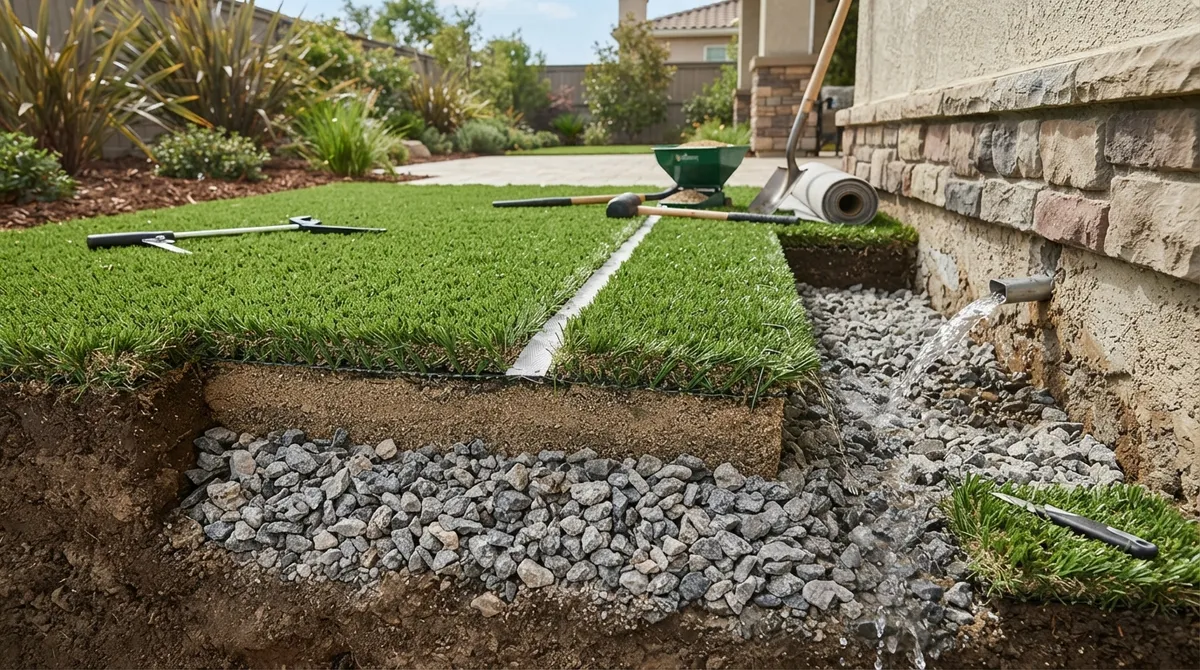
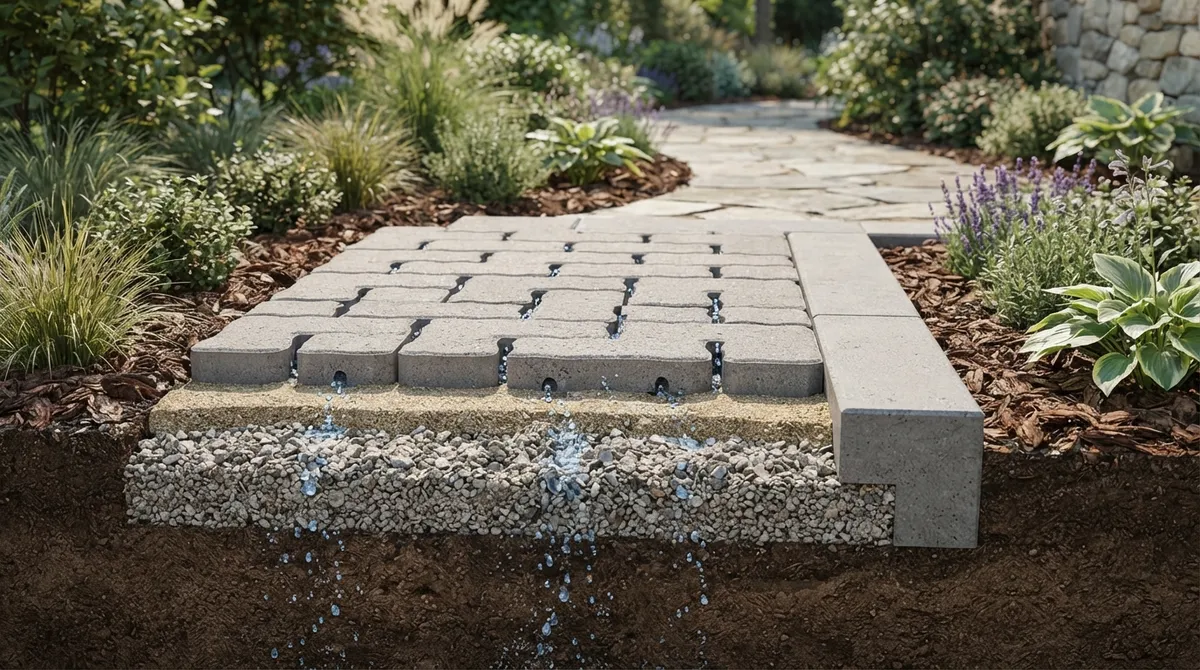
Proper drainage is one of the most critical parts of anchored retaining wall construction. The best practice involves a layer of gravel backfill placed directly behind the wall, combined with a perforated drain pipe wrapped in landscape fabric. This system collects water and moves it safely away before pressure builds up.
- Excavate the area behind the planned wall location
- Install gravel backfill to allow water to flow freely
- Place perforated drain pipe wrapped in fabric at the base
- Direct drainage away from the wall and the structure it protects
- Compact soil in layers to prevent future settling
Skipping drainage is one of the most common — and costly — hardscaping mistakes homeowners make. Getting it right from the start protects your investment for decades to come.
3. Material Choice Shapes Both Function and Beauty
Anchored retaining walls come in a wide variety of materials. The right choice depends on your site conditions, your budget, and the look you’re going for. Good news — you don’t have to sacrifice beauty for strength. Today’s materials offer both.
| Material | Best For | Aesthetic Style | Durability |
|---|---|---|---|
| Concrete Block | Tall walls, heavy loads | Clean, modern | Excellent |
| Natural Stone | Residential gardens, terraces | Rustic, timeless | Very Good |
| Pavers | Decorative walls, patios | Elegant, versatile | Very Good |
| Timber | Shorter walls, natural settings | Warm, organic | Good (with treatment) |
Natural stone and concrete block are the most popular options in the greater Chicago area because they hold up well through freeze-thaw cycles. Stonework in particular brings a timeless elegance to any landscape. If you’re interested in how pavers can complement your retaining wall design, check out how pavers can transform your outdoor space with style and durability.
4. Professional Planning Is Not Optional
We get it — DIY projects are tempting. But anchored retaining wall construction is one area where professional planning makes all the difference. There are simply too many variables at play to wing it.
A qualified landscaping professional will evaluate several key factors before a single block is placed:
- Soil conditions: Clay-heavy soil (common in the Chicago suburbs) behaves very differently than sandy loam
- Frost depth: Illinois frost lines go deep, and footings must be set below that depth
- Slope geometry: The angle and height of the slope determines anchor type and spacing
- Load demands: Driveways, patios, or structures above the wall add significant pressure
- Local codes: Permits may be required, and walls over 30 inches may trigger additional safety requirements
Skipping professional evaluation puts your investment — and your property — at risk. The Serenity Landscape Group design and installation process starts with a thorough site assessment so nothing gets overlooked. Industry resources like Landscape Illinois also highlight the importance of working with certified professionals for structural landscape work.
5. Permits and Codes Affect Your Project More Than You Think
Here’s a fact that surprises many homeowners: retaining walls often require permits. And in many municipalities, walls over 30 inches tall trigger additional code requirements — including guard or railing standards to prevent falls.
In the greater Chicago metropolitan area, local building departments have varying rules. Some suburbs require engineering drawings for walls above a certain height. Others have specific setback requirements from property lines or structures. Ignoring these rules can result in fines, forced removal, or complications when you sell your home.
- Check with your local municipality before any work begins
- Determine if an engineering review is required for your wall height
- Pull the appropriate permits and display them during construction
- Schedule required inspections at each phase of the build
Working with a licensed landscaping contractor simplifies this entire process. A seasoned team knows local codes and handles the paperwork, so you can focus on the exciting part — designing your new outdoor space. For a deeper look at what these walls can do, read our guide on what a retaining wall is and whether you need one.
6. A Well-Built Wall Adds Real Value to Your Property
Here’s the fun part. Anchored retaining wall construction isn’t just about solving a problem — it’s about unlocking potential. A slope that was once unusable becomes a beautiful terrace, a raised garden bed, a patio, or a pathway. That transformation adds genuine curb appeal and real property value.
Think about what a sloped Chicago-area backyard could become with the right retaining wall system:
- A flat entertaining area perfect for a fire pit or outdoor seating
- Tiered garden beds with softscape plantings that add color all season long
- A level space for a pergola or pavilion to extend your living area outdoors
- Clean, defined pathways using pavers that connect different zones of your yard
- Improved drainage that protects your home’s foundation and landscaping
For small business owners, a polished retaining wall along a commercial entrance or parking area signals professionalism and boosts customer impressions. If you’re curious how all these elements come together, browse the gallery of our completed work for real-life inspiration from projects across Chicagoland.
Working with a certified installer also ensures the job meets industry standards. The ICPI Certified Installer program is one benchmark that signals professional-level skill in hardscape installation. And Serenity Landscape Group’s retaining wall services bring that same level of expertise and care to every project we take on.
How Anchored Retaining Walls Compare to Standard Walls
Not every retaining wall needs anchors. It helps to know when to upgrade from a standard gravity or segmental wall to a fully anchored system. Here’s a quick comparison to guide your thinking:
| Feature | Standard Gravity Wall | Anchored Retaining Wall |
|---|---|---|
| Wall Height | Up to 3–4 feet | 4 feet and above |
| Soil Pressure Resistance | Moderate | High |
| Best Use Case | Gentle slopes, garden borders | Steep slopes, heavy load sites |
| Engineering Required | Often not required | Typically recommended or required |
| Long-Term Performance | Good on suitable sites | Excellent on challenging sites |
| Permit Likelihood | Lower for shorter walls | Higher — especially over 30 inches |
Understanding this distinction helps you have a more informed conversation with your landscaping contractor. If you’re still deciding between different landscape approaches, our guide on landscaping vs. hardscaping is a great starting point. You can also explore why retaining walls transform sloped yards into usable spaces in ways other solutions simply can’t.
What to Expect During the Construction Process
If you’ve never had a retaining wall installed, the process can seem a little mysterious. Here’s a straightforward look at what happens from start to finish:
- Site Assessment: A professional evaluates soil type, slope, drainage patterns, and load requirements
- Design and Permitting: Wall height, material, and anchor placement are planned; permits pulled if needed
- Excavation: The area is dug out to the required depth, below frost line for Illinois projects
- Foundation and Base: A compacted gravel base or concrete footing is set to support the wall
- Wall Construction: Courses of block, stone, or other material are laid with careful attention to level and alignment
- Anchor Installation: Tiebacks or deadman anchors are installed at specified intervals within the wall structure
- Drainage System: Gravel backfill and perforated drain pipe are placed behind the wall
- Backfill and Finish: Soil is compacted in layers behind the wall; surface grade is restored and finished
The timeline varies based on wall size and site complexity, but most residential projects are completed within a few days to a week. A trusted resource like the Landscape Illinois association recommends verifying contractor credentials and checking references before any work begins. That’s advice we wholeheartedly support.
Ready to Transform Your Slope Into Something Beautiful?
Anchored retaining wall construction is one of the most rewarding investments you can make in your outdoor space. It solves real problems — erosion, unusable terrain, drainage headaches — while creating stunning new opportunities for outdoor living. Whether you’re envisioning a tiered garden, a level patio, or a polished commercial entrance, a well-built anchored wall makes it possible.
At Serenity Landscape Group, we’ve spent over two decades helping homeowners and businesses across the greater Chicago area unlock the full potential of their outdoor spaces. We handle everything — design, permitting, construction, and finishing touches — so the process is smooth and stress-free for you. If you’re ready to get started, we’d love to schedule your free estimate and show you what’s possible on your property.
FAQs
Q: What is an anchored retaining wall in landscaping?
A: An anchored retaining wall is an engineered structure that uses tiebacks or anchors driven into the slope behind the wall to resist soil pressure. It’s the go-to solution for taller walls, steep grades, or sites where extra reinforcement is needed to keep everything stable and looking great for years.
Q: When should I choose an anchored wall over a standard retaining wall?
A: If your wall needs to be taller than about three to four feet, or if there are heavy loads above the slope like a driveway or patio, an anchored system is likely the right call. It’s also the smarter choice on sites with clay-heavy soil or poor drainage conditions — which are pretty common in the Chicago suburbs!
Q: Do I need a permit for anchored retaining wall construction?
A: In many Chicago-area municipalities, yes — especially for walls over 30 inches tall. Permit requirements vary by location, so it’s always best to check with your local building department before construction begins. A professional landscaping contractor can handle this process for you and make sure everything is up to code.
Q: How important is drainage behind a retaining wall?
A: Drainage is absolutely critical — we’d say it’s just as important as the wall itself! Without proper drainage, water builds up behind the wall and creates pressure that can cause serious damage over time. A gravel backfill combined with a perforated drain pipe is the industry-standard solution that keeps your wall performing beautifully.
Q: How long does an anchored retaining wall last?
A: A well-built anchored retaining wall with proper drainage and quality materials can last 50 years or more. Concrete block and natural stone hold up especially well through Illinois freeze-thaw cycles. Regular inspections every few years help catch any minor issues before they become bigger problems.