Key Takeaways
-
Combine retaining walls with vegetation-based solutions for optimal results; use walls at slope bases for structural support and plants above for surface stabilization and natural aesthetics.
-
Proper drainage behind retaining walls is critical to prevent water pressure buildup that can cause wall failure; incorporate French drains, swales, or permeable surfaces into your design.
-
Choose retaining walls for steep slopes threatening infrastructure, repeated washouts, or severe grade changes; reserve vegetation-only approaches for gentle slopes (under 3:1 ratio) without infrastructure risk.
-
Use native grasses and ground cover in the Chicago area as they handle freeze-thaw cycles better than non-native species and require less maintenance once established.
-
Select wall materials based on slope height and site visibility: segmental concrete blocks for large projects, natural stone for high-end visible sites, and timber for lower-cost, shorter walls.
-
Conduct thorough site evaluations examining slope angle, soil type (clay vs. sandy), drainage patterns, and permit requirements before recommending any erosion control solution.
If you manage a commercial property in the Chicago area, you’ve probably seen what erosion can do. Slopes wash out after heavy rain. Soil creeps toward parking lots. Foundations get exposed over time. It’s frustrating, and it’s expensive to ignore. The good news? There are great solutions available, and the best results often come from choosing the right combination of approaches for your specific site.
Two of the most common erosion control strategies in commercial landscaping are commercial erosion control walls (like retaining walls) and vegetation-based stabilization (like native grasses, ground cover, and sod). Both have real strengths. Both have limitations. And understanding how they compare — and when to combine them — can save your property from costly damage down the road.
Let’s break it all down in a friendly, practical way so you can make the best choice for your site.

What Are Commercial Erosion Control Walls?
Commercial erosion control walls are structures built into a slope or along a grade change to hold soil in place. In the landscaping world, these are most commonly retaining walls designed to resist the pressure of soil and water moving downhill. They’re used on commercial properties with steep grades, heavy runoff zones, areas near parking lots, and anywhere soil loss could damage infrastructure or plantings.
These walls can be built from a variety of materials including concrete blocks, natural stone, timber, or segmental retaining wall systems. The right material depends on the height needed, soil conditions, and the visual style of the property. One great feature of modern retaining wall systems is that they can be built to virtually any height, making them flexible for large commercial projects.
Beyond holding soil, retaining walls transform sloped areas into usable, functional spaces. They create terraces, define planting zones, and add a polished, professional look to your landscape. For commercial property managers looking to boost curb appeal while solving an engineering problem, that’s a real win.

What Is Vegetation-Based Erosion Control?
Vegetation-based erosion control uses plants to stabilize soil naturally. Roots grip the ground and hold particles in place. Leaves and stems slow water runoff. Organic matter builds up over time and improves soil structure. It’s a softer, more natural approach — and it works really well in the right conditions.
Common vegetation methods in commercial landscaping include:
- Sod installation on gentle slopes
- Native grasses and wildflowers for erosion-prone embankments
- Ground cover plants like creeping juniper or pachysandra
- Mulching to protect bare soil between plantings
- Bioswales planted with moisture-tolerant species to slow and filter runoff
For a deeper look at how softscape solutions work alongside hardscape features, check out our softscapes services and see how the two work together beautifully.
Head-to-Head: Retaining Walls vs. Vegetation
Let’s put these two approaches side by side so you can see exactly how they compare across the factors that matter most to commercial property owners.
| Factor | Commercial Erosion Control Walls | Vegetation-Based Control |
|---|---|---|
| Slope steepness | Works on steep and severe slopes | Best for gentle to moderate slopes |
| Speed of protection | Immediate after installation | Takes time for roots to establish |
| Visual appeal | Structured, polished, defined | Natural, soft, organic feel |
| Maintenance needs | Low (inspect drainage annually) | Moderate (watering, pruning, replanting) |
| Cost upfront | Higher initial investment | Lower initial cost |
| Long-term durability | Decades with proper drainage | Variable based on climate and care |
| Drainage integration | Requires planned drainage behind wall | Plants naturally absorb and slow water |
| Best for | Severe grade changes, infrastructure protection | Gentle slopes, naturalized areas, buffers |
When Do You Need a Commercial Erosion Control Wall?
Not every erosion problem calls for a wall, but some situations clearly do. Here are the top signs your commercial property needs a structural solution like a retaining wall:
- Your slope is steep. If the grade is too severe for plants to grip reliably, a wall is your best bet for immediate, lasting protection.
- Soil loss is threatening infrastructure. When erosion is creeping toward a foundation, parking lot edge, or utility line, you need a hard barrier fast.
- You’ve had repeated washouts. If the same slope washes out every spring, vegetation alone isn’t cutting it. A wall stops the cycle.
- You want to create usable terraced areas. Retaining walls don’t just stop erosion — they unlock land that would otherwise be unusable on a sloped site.
- Water is pooling and damaging your site. A wall combined with proper drainage redirects water flow and protects the property from ongoing damage.
Curious whether your property qualifies? Learn why commercial properties need slope stabilization and what the warning signs look like before serious damage sets in.
When Is Vegetation the Better Choice?
Vegetation shines in situations where the slope is manageable and the goal is a natural, low-profile solution. Consider a plant-based approach when:
- The slope is gentle (less than a 3:1 ratio)
- You want a naturalized buffer zone along a property edge
- The area doesn’t have direct infrastructure at risk
- You’re working with a water-adjacent site where a softer shoreline is preferred
- You want to improve biodiversity and support pollinators on your commercial grounds
Native plantings are especially effective in the Chicago metro area, where seasonal freeze-thaw cycles can stress non-native species. Deep-rooted native grasses handle Illinois winters much better and require far less irrigation once established. You can explore how choosing the right commercial landscaping services makes all the difference in plant selection and long-term results.
The Real Winner: Combining Both Approaches
Here’s the honest truth — the most effective commercial erosion control plans don’t pick one method over the other. They use both together. A well-designed system might include a retaining wall at the base of a steep slope, topped with a planted terrace of native grasses and ground cover above it. The wall handles the heavy lifting. The vegetation handles the surface and softer upper slopes.
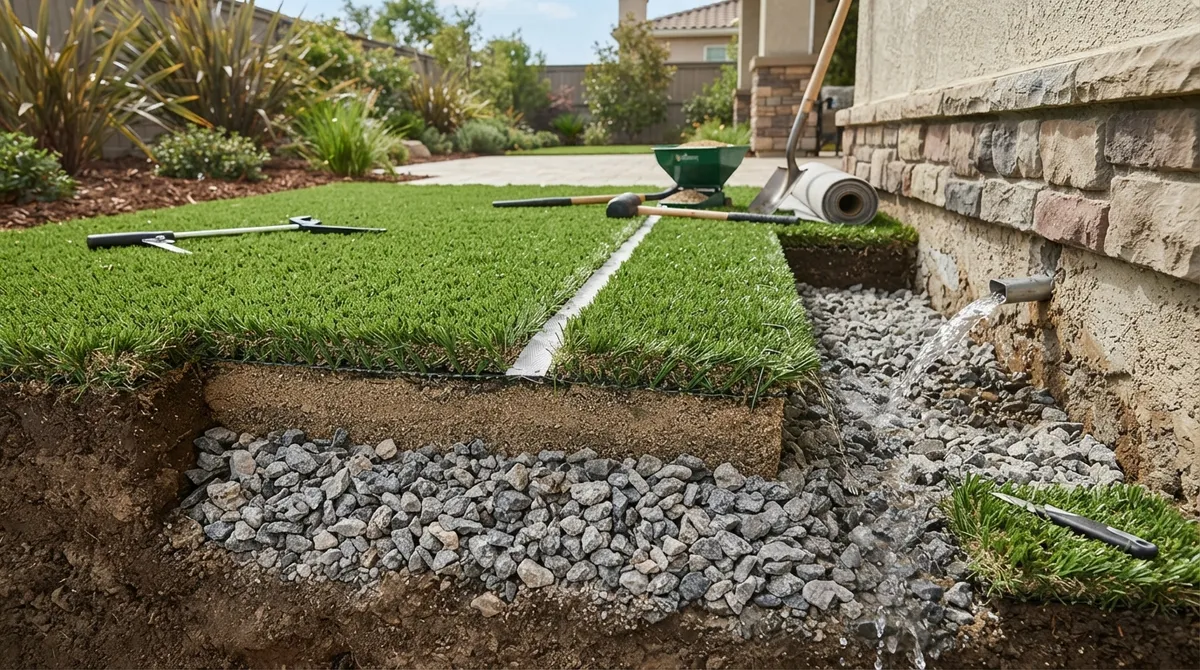
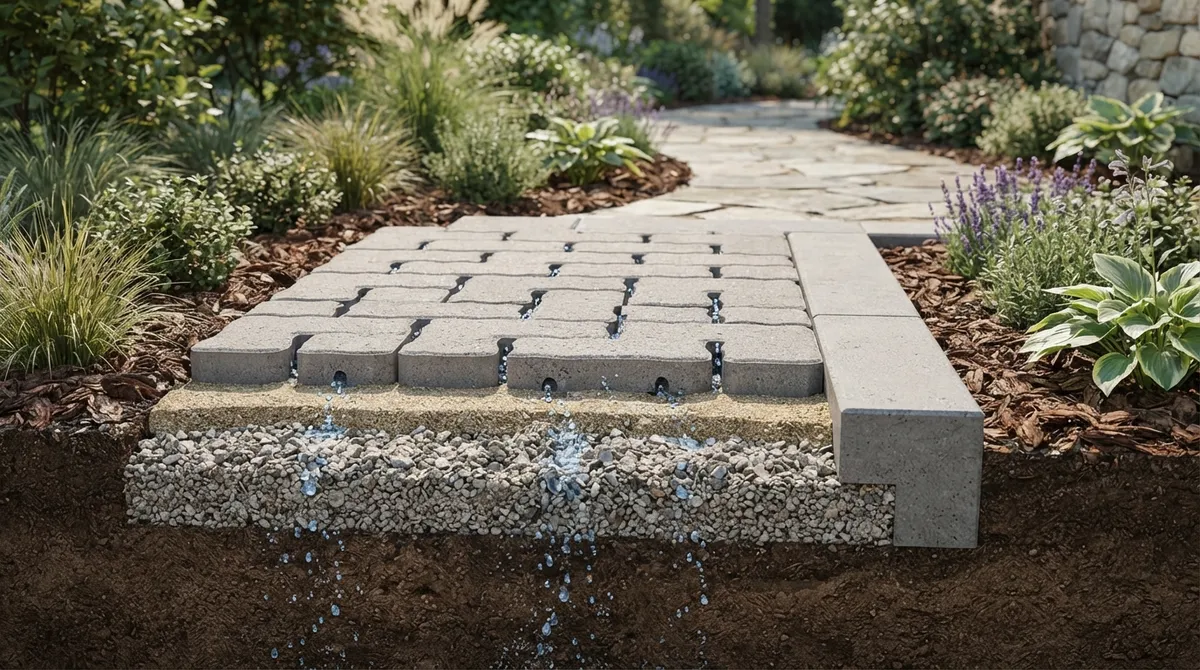
Effective drainage ties the whole plan together. Without proper drainage behind and around your erosion control walls, water pressure can build up and cause even a well-built wall to fail over time. That’s why experienced landscapers pair walls with French drains, swales, retention basins, or permeable surfaces to manage water before it causes problems. See how retaining walls and drainage systems work together for commercial stormwater management to understand just how important this combination is.
For water-adjacent commercial sites — think retention ponds, shorelines, or drainage channels — riprap or stone bedding may also be added to slow water flow and protect embankments. Learn more about retaining walls for retention ponds and how they protect your investment.
Materials Used for Commercial Erosion Control Walls
Choosing the right wall material matters a lot for both performance and appearance. Here’s a quick look at the most common options used in commercial landscaping:
- Segmental concrete block: Durable, versatile, and available in many styles. Great for large commercial projects that need height and strength.
- Natural stone: Timeless look, very strong, and blends beautifully with planted areas. Often used for visible, high-end commercial sites.
- Boulders and riprap: Excellent for shoreline protection and informal, natural-looking applications. Cost-effective for larger areas.
- Timber: More affordable for lower walls, though it has a shorter lifespan than masonry in wet Illinois conditions.
- Poured or precast concrete: Common for large infrastructure-adjacent walls where maximum strength is needed.
For a deeper dive into how structural materials transform outdoor commercial spaces, explore why stonework is the secret to a stunning outdoor space. Industry resources like ICPI Certified Installer also provide standards for properly installed segmental retaining wall systems, which is worth knowing when vetting your contractor.
What to Expect From a Site Evaluation
No two commercial erosion control projects are the same. Before recommending a wall, terrace system, or vegetation plan, a good landscaping team will evaluate your site carefully. Here’s what that process typically covers:
- Slope angle and grade changes across the property
- Soil type and compaction levels (Chicago-area clay soils behave very differently from sandy soils)
- Existing drainage patterns and any known water pooling issues
- Proximity to buildings, parking lots, utilities, or water features
- Local permit requirements for walls above a certain height
This kind of thoughtful, customized approach is exactly what Serenity Landscape Group brings to every commercial project. With over two decades of experience across the greater Chicago metro area, our team understands local soils, climate patterns, and the specific challenges that come with Illinois properties. You can also explore our design and installation process to see how we move from evaluation to a finished, beautiful landscape.
If you’re researching contractors, Landscape Illinois is a great resource for finding qualified professionals and staying up to date on industry standards in our state.
Common Mistakes to Avoid
Even well-intentioned erosion control projects can go sideways. Here are the most common mistakes we see on commercial properties:
- Building a wall without adequate drainage behind it, leading to pressure buildup and eventual failure
- Choosing vegetation that can’t handle Illinois winters or the specific soil conditions on site
- Installing a wall that’s too short for the slope, allowing water and soil to spill over the top
- Skipping a site evaluation and guessing at the cause of erosion instead of diagnosing it properly
- Ignoring stormwater flow patterns that redirect erosion problems to a neighboring area
Want to avoid costly missteps? Read about the top commercial landscape grading wall mistakes before your project gets started. For more general hardscape guidance, 7 hardscaping mistakes to avoid is also a helpful read.
The EPA’s stormwater management guidelines for construction activities also provide useful context for commercial property owners who want to stay compliant with local regulations while managing erosion effectively.
Choosing the Right Partner for Your Commercial Property
Commercial erosion control walls are a meaningful investment. The right solution protects your infrastructure, improves site usability, and honestly, makes your property look fantastic. The wrong solution — or no solution at all — leads to ongoing damage that gets more expensive every season.
Whether your property needs a bold stone retaining wall, a terraced hillside planted with native grasses, or a full drainage-and-wall system, the key is working with a team that takes the time to understand your specific site. You can see examples of completed commercial and residential projects in our gallery of our work and get inspired by what’s possible.
If your Chicago-area commercial property has slopes, runoff issues, or areas where soil loss is a concern, let’s talk. Request your free estimate today and let our team help you find the right erosion control solution — one that looks great, lasts for decades, and gives you real peace of mind every time it rains.
FAQs
Q: What is a commercial erosion control wall?
A: A commercial erosion control wall is a structural feature — most often a retaining wall — built to hold soil in place on a commercial property. It’s designed to prevent slope failure, stop washouts, and protect infrastructure like foundations and parking lots from soil movement and stormwater runoff.
Q: Do erosion control walls need drainage behind them?
A: Absolutely, and this is one of the most important parts of a well-built wall! Without proper drainage behind the wall, water pressure builds up in the soil and can cause even a sturdy wall to crack or shift over time. French drains, gravel backfill, and drainage pipes are commonly used to keep that pressure in check.
Q: What materials are used for commercial erosion control walls?
A: The most common materials include segmental concrete block, natural stone, boulders, riprap, timber, and poured concrete. The best choice depends on your slope height, soil type, site aesthetics, and budget — which is why a proper site evaluation is so important before selecting a material.
Q: When does a commercial property need an erosion control wall instead of just plants?
A: If your slope is steep, soil loss is threatening a building or parking area, or you’ve experienced repeated washouts, a structural wall is likely your best solution. Vegetation works great on gentler slopes, but severe grade changes need the strength and immediacy that a retaining wall provides.
Q: Can retaining walls and vegetation be used together for erosion control?
A: Yes — and honestly, this combination often delivers the best results! A retaining wall handles the heavy structural work at the base of a slope, while native grasses and ground cover stabilize the surface above it. Together, they create a complete, beautiful erosion control system that protects your site from multiple angles.