Key Takeaways
-
Choose commercial-grade artificial turf with 60-80 ounces per square yard face weight, 1.5-2 inch pile height, and at least 30 inches per hour drainage capacity to withstand heavy restaurant foot traffic without matting or wearing out.
-
Invest in proper base preparation with 3-4 inches of compacted crushed aggregate, grading at 1-2% slope, weed barriers, and leveling to prevent buckling, uneven surfaces, and drainage problems that lead to costly repairs.
-
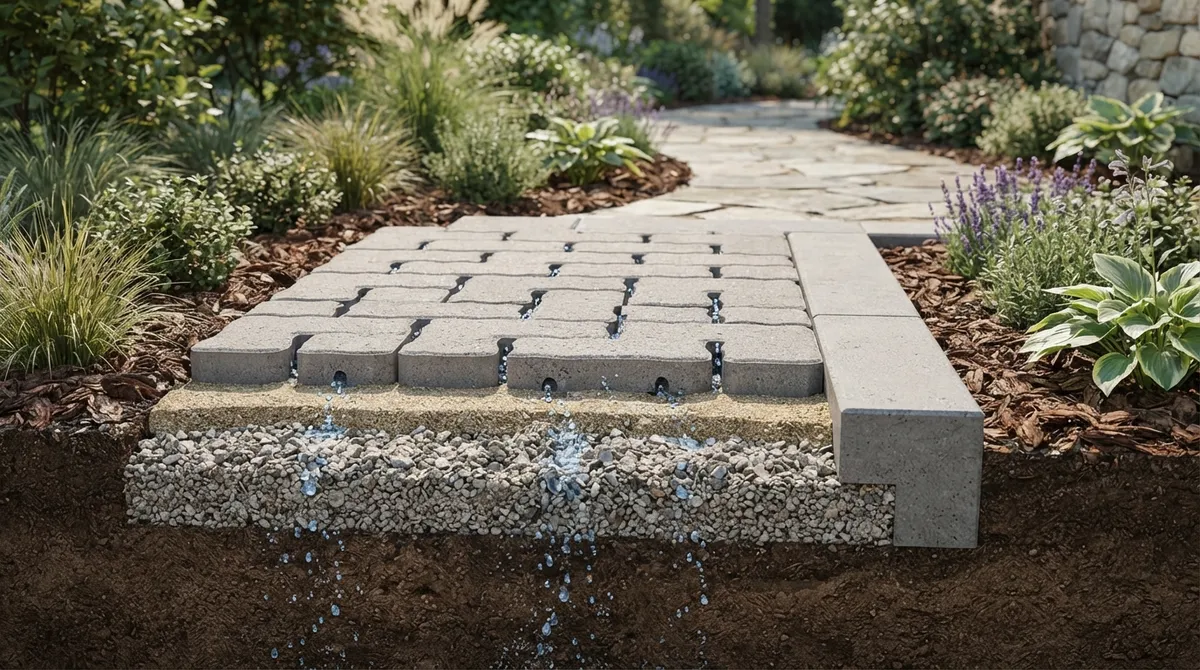
Plan drainage carefully with graded subbase, perforated turf backing, and drainage channels to prevent standing water, odors, and soggy surfaces that drive customers away during rainy weather and Chicago freeze-thaw cycles.
-
Use professional-grade seaming tape, secure perimeter edges at 3-inch intervals, and run seams in the turf’s natural grain direction to create invisible, durable seams that enhance the finished look from day one.
-
Implement a simple maintenance schedule including daily debris removal, weekly rinsing, monthly brush-ups, and quarterly deep cleaning to keep artificial grass fresh and functional while still reducing water usage by 70% versus natural grass.
-
Manage summer heat by selecting lighter-colored turf blends, adding shade structures like pergolas, and using heat-reducing infill materials to keep surfaces comfortable for barefoot guests and families during hot Chicago summers.
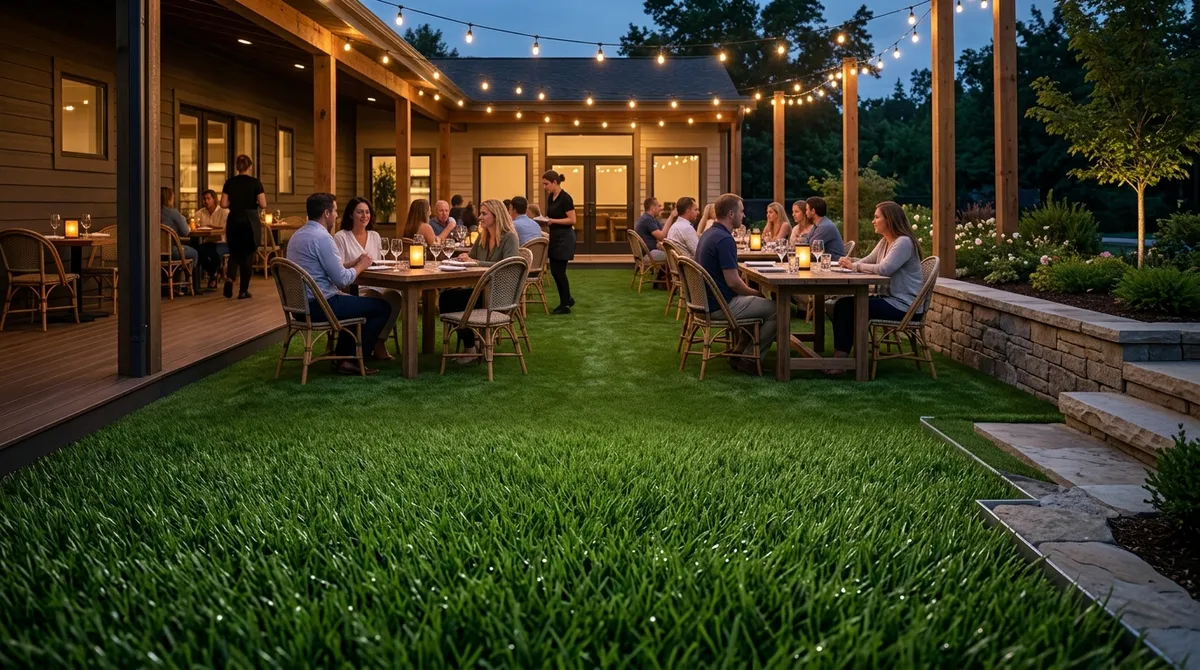
Picture this: a restaurant patio with lush, green grass underfoot, happy diners enjoying their meals, and zero mud tracked inside. Sounds dreamy, right? Restaurant patio artificial grass has become one of the hottest trends in commercial landscaping — and for very good reason. It transforms bland concrete or worn-out pavement into a warm, inviting outdoor dining space that customers absolutely love.
But here’s the thing — not all artificial turf installations are created equal. When done wrong, synthetic grass can look fake, wear out quickly, or create drainage headaches. The good news? These mistakes are completely avoidable. Whether you manage a restaurant, own a local café, or oversee a commercial property in the Chicago area, this guide will walk you through the most common pitfalls and how to sidestep them like a pro.
Let’s jump in and make sure your patio project is a success from day one.
Mistake 1: Choosing the Wrong Type of Artificial Turf
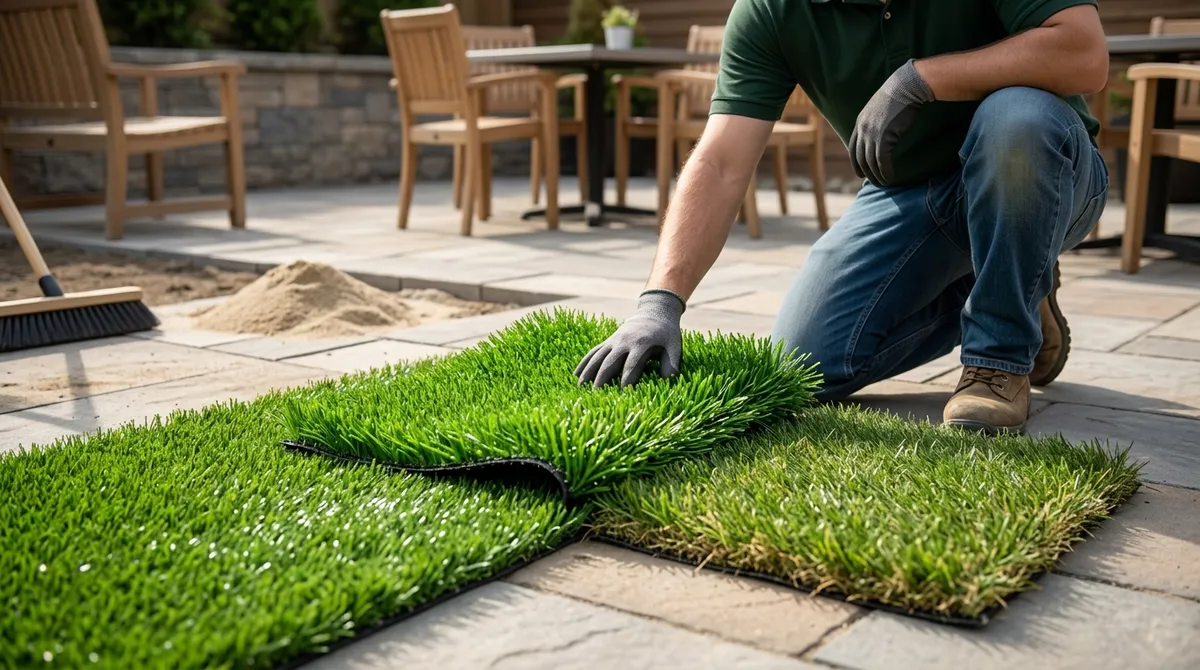
Not all artificial grass products are designed for commercial use. Residential turf is built for lighter foot traffic. Restaurant patios see hundreds of guests, staff, and delivery workers daily. Using the wrong product will leave you with matted, worn-out turf in just a few months.
Here’s what to look for when selecting turf for a restaurant patio:
- Pile height: 1.5 to 2 inches works best for outdoor dining areas
- Face weight: Choose 60–80 ounces per square yard for high-traffic zones
- Blade shape: C-shaped or W-shaped blades hold their shape under pressure
- UV protection: Outdoor turf must resist fading from sun exposure
- Drainage rate: Look for at least 30 inches per hour drainage capacity
Investing in commercial-grade restaurant patio artificial grass pays off big in the long run. It stays lush, resilient, and beautiful through years of heavy use. Check out our artificial turf installation services to see the commercial-grade options we recommend.
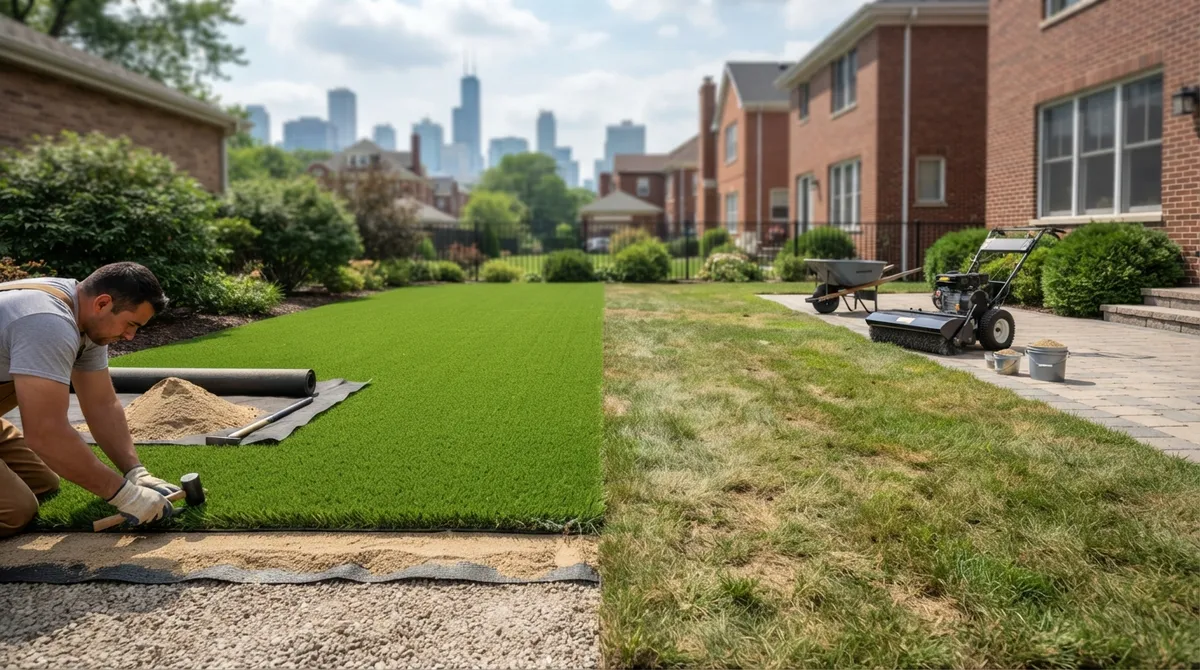
Mistake 2: Skipping Proper Base Preparation
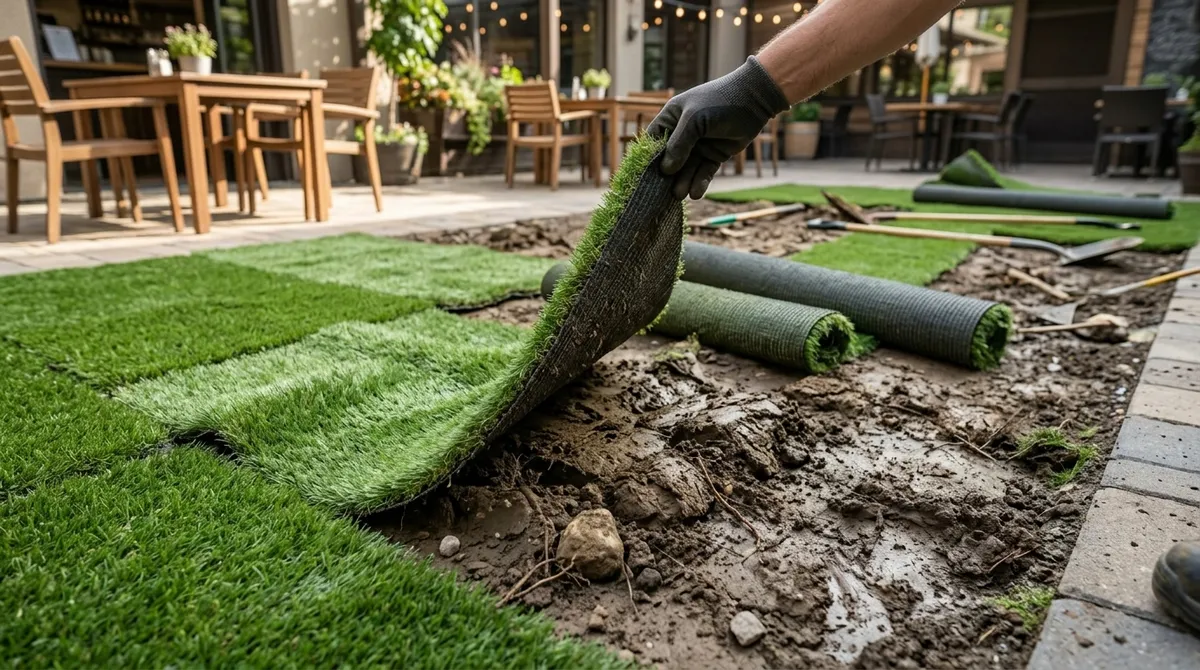
This is probably the most damaging mistake of all. Without a solid, well-prepared base, even the best artificial turf will shift, buckle, or develop drainage problems. Poor base prep leads to uneven surfaces that look terrible and create tripping hazards for your guests.
A proper base installation involves several important steps:
- Remove existing materials like old pavement, soil, or organic debris
- Grade and level the surface to ensure proper water runoff
- Compact a crushed aggregate base (typically 3–4 inches deep for commercial sites)
- Install a weed barrier to prevent unwanted growth underneath
- Secure and smooth the surface before rolling out the turf
Skipping any one of these steps can result in costly repairs down the road. Professional landscapers with commercial experience know exactly how to prep a base for long-term performance. Resources like Landscape Illinois highlight the importance of quality installation standards for commercial outdoor spaces.
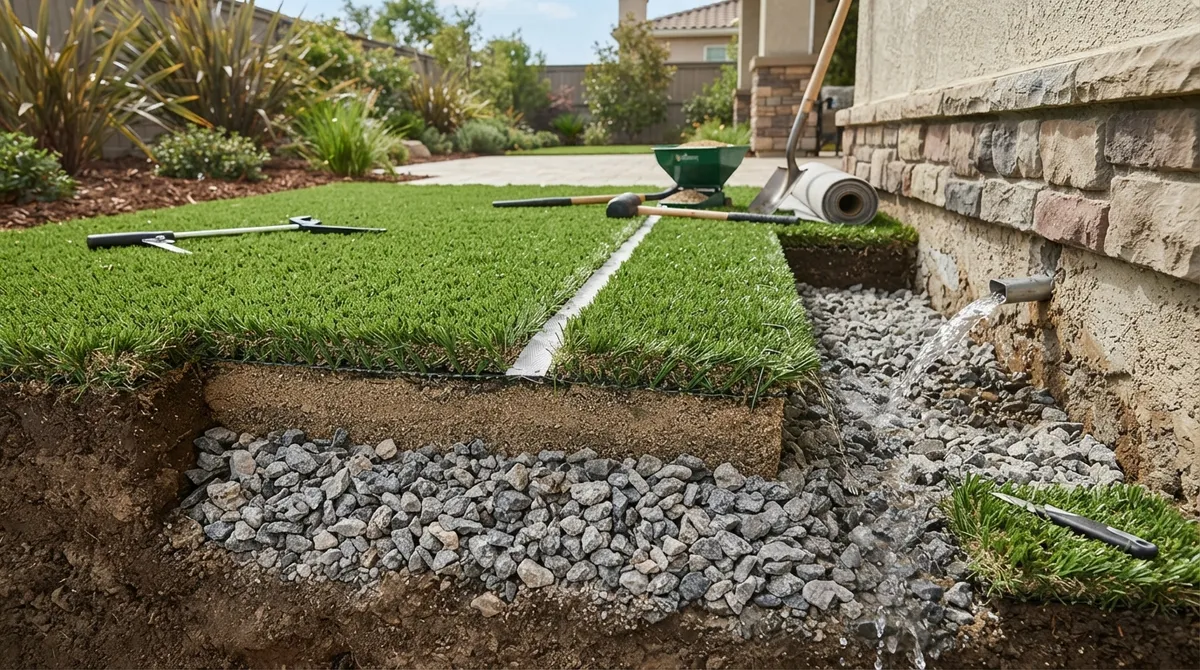
Mistake 3: Ignoring Drainage Planning
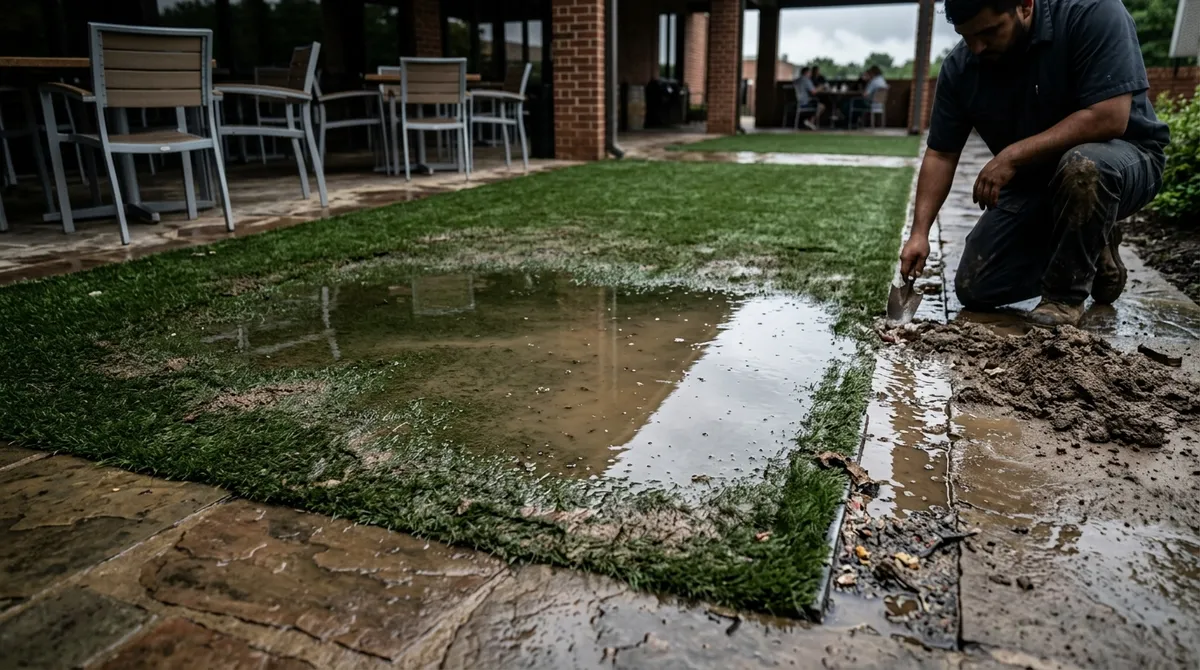
Restaurant patios get heavy use during rain and humid Chicago summers. If your synthetic turf can’t drain properly, you’ll end up with standing water, unpleasant odors, and a soggy surface that drives customers away fast.
Good drainage planning includes:
- Grading the subbase at a slight slope (1–2%) to direct water flow
- Using perforated backing on the turf product itself
- Installing drainage channels or catch basins where needed
- Avoiding low spots where water can pool near seating areas
In the Chicago climate, freeze-thaw cycles in winter also stress poorly drained installations. A well-drained restaurant patio artificial grass setup stays safe and functional all year long. This is a key reason why working with experienced commercial landscapers matters so much.
Mistake 4: Forgetting About Seams and Edges
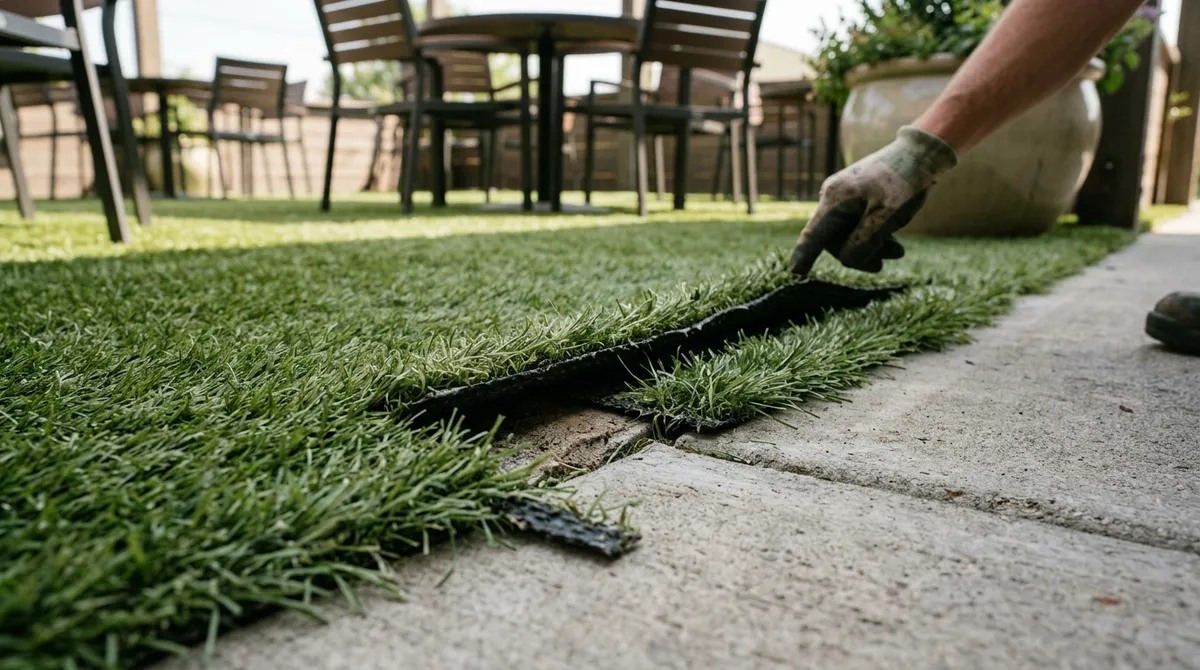
Nothing ruins the look of a beautiful artificial grass patio faster than visible, poorly placed seams or fraying edges. Unfortunately, this is a common DIY mistake and even happens with inexperienced installers.
Here’s how to ensure clean, invisible seams and durable edges:
- Always run seams in the same direction as the turf’s natural grain
- Use professional-grade seaming tape and adhesive rated for commercial use
- Secure perimeter edges with nails or staples at 3-inch intervals
- Tuck edges neatly under border materials like pavers or bender board
- Allow proper overlap before cutting for precise seam alignment
Combining artificial grass with quality pavers creates a stunning, polished border that enhances the overall look and locks edges in place naturally. It’s a design detail that instantly elevates a patio from ordinary to outstanding.
Mistake 5: Underestimating Maintenance Needs
One of the biggest selling points of restaurant patio artificial grass is low maintenance. And it’s true — you’ll never need to mow, water, or fertilize it. But “low maintenance” doesn’t mean “zero maintenance.” Many restaurant owners make the mistake of assuming once it’s installed, it’s completely hands-off forever.
Here’s a simple maintenance schedule to keep your patio looking great:
| Task | Frequency | Why It Matters |
|---|---|---|
| Remove debris (leaves, food scraps) | Daily or after service | Prevents buildup and odors |
| Rinse with water | Weekly | Removes dust and light soiling |
| Brush infill upright | Monthly | Keeps blades standing tall |
| Deep clean with enzyme cleaner | Every 3 months | Eliminates bacteria and odors |
| Inspect seams and edges | Twice yearly | Catches issues before they grow |
Following a simple routine like this keeps your restaurant patio artificial grass looking sharp and smelling fresh all season long. Switching to artificial turf can reduce outdoor water usage by up to 70%, so even with regular rinsing, you’re still saving significantly compared to natural grass.
Mistake 6: Overlooking Heat Considerations
Artificial turf can get hotter than natural grass on sunny summer days. In Chicago’s hot summer months, surface temperatures on dark-colored synthetic turf can climb high enough to be uncomfortable for barefoot guests or small children. This surprises many restaurant owners who didn’t factor it in during planning.
Smart ways to manage heat on your patio include:
- Choosing lighter-colored turf blends that reflect more sunlight
- Adding shade structures like pergolas or shade sails over the patio
- Selecting infill materials with heat-reduction properties (such as cork or coated silica sand)
- Installing misting systems that cool the air and the turf surface
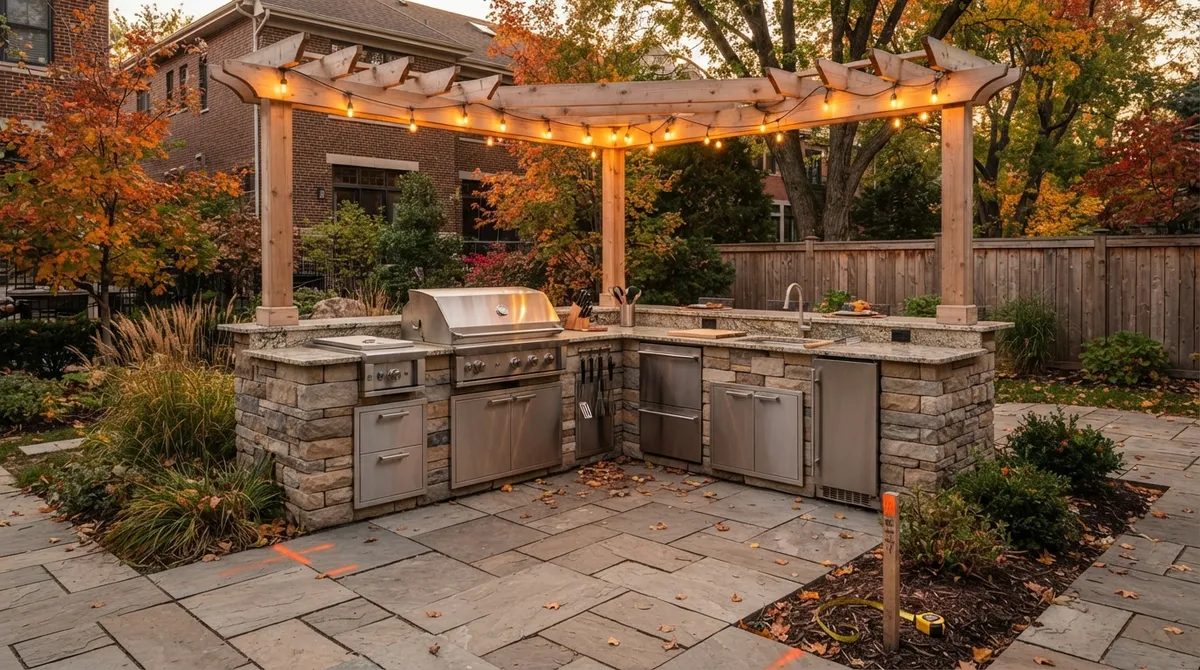
Pairing your artificial grass installation with a pergola or pavilion is a fantastic way to handle heat while also creating a gorgeous, shaded dining atmosphere. It’s a win-win for comfort and curb appeal. For even more ambiance after sunset, outdoor lighting and sound can turn your patio into an unforgettable dining destination.
Mistake 7: Hiring an Inexperienced Installer
This mistake ties all the others together. You could choose the right turf, plan the drainage, and design the perfect layout — but if the installation is done by someone without commercial landscaping experience, all that planning can fall apart in execution.
When hiring a contractor for restaurant patio artificial grass, look for these qualifications:
- Proven experience with commercial turf installations (not just residential)
- Portfolio of completed restaurant or retail outdoor spaces
- Knowledge of Chicago-specific climate challenges
- Proper licensing and insurance for commercial work
- Clear warranty terms for both materials and workmanship
Industry-certified professionals, like those recognized by the ICPI Certified Installer program, demonstrate a commitment to installation standards that protect your investment. At Serenity Landscape Group, we bring over two decades of commercial and residential landscaping expertise to every project across the greater Chicago area. You can explore our gallery of our work to see the quality we deliver firsthand.
The Real Benefits When You Get It Right
When restaurant patio artificial grass is installed correctly, the benefits are genuinely impressive. Here’s a quick snapshot of what a well-executed installation delivers:
| Benefit | Impact on Your Business |
|---|---|
| Year-round usability | No mud or brown patches, even in off-seasons |
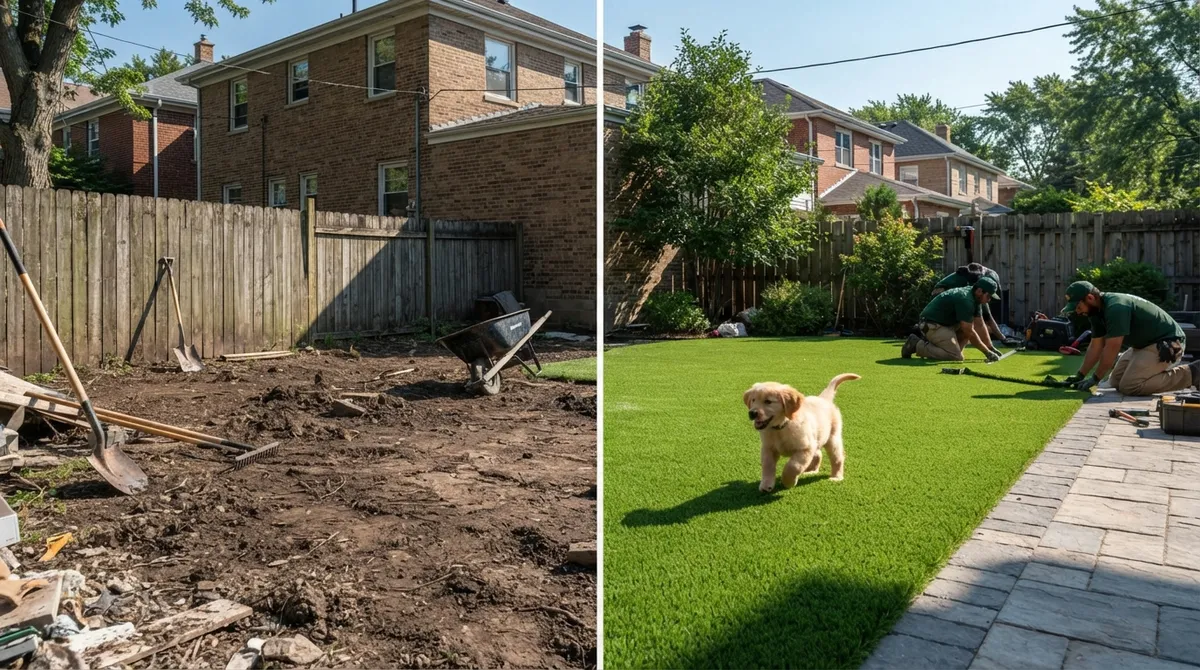
| Pet-friendly surface | Attracts dog-friendly diners (a growing market!) |
| No irrigation needed | Up to 70% water savings vs. natural grass |
| Reduced maintenance costs | Eliminates mowing, fertilizing, pest control |
| Enhanced curb appeal | Draws foot traffic and creates positive first impressions |
| Comfortable seating surface | Softer underfoot than concrete or pavers alone |
Commercial artificial turf eliminates routine maintenance costs associated with natural lawns — including watering, mowing, and fertilizing — leading to substantial long-term savings. For restaurant owners watching every dollar, that’s a meaningful advantage. You might also consider pairing your turf with commercial lawn maintenance services to keep the surrounding landscape looking equally polished.
Design Ideas to Inspire Your Patio Transformation
Beyond avoiding mistakes, a little creative vision can take your patio to the next level. Here are some popular design combos that work beautifully with restaurant patio artificial grass:
- Turf + Pavers: Alternate grass panels with stone or concrete pavers for a modern, geometric look
- Turf + Fire Pit: Create a cozy, social atmosphere with a central fire pit surrounded by turf seating areas
- Turf + Pergola: Frame the patio with a stunning overhead structure for shade and style
- Turf + Softscape Borders: Add softscape plantings like ornamental grasses or flowering shrubs around the perimeter
- Turf + Lighting: Use pathway lights and string lights to make the space magical at night
The design possibilities are truly exciting, and combining elements creates a cohesive outdoor experience that keeps guests coming back. If you’d like inspiration on how these elements come together, our guide to creating a landscape design that transforms your space is a great starting point.
Conclusion
Restaurant patio artificial grass is one of the smartest investments a commercial property owner or restaurant manager can make in 2026. It boosts curb appeal, reduces maintenance costs, welcomes pet-loving customers, and creates an outdoor dining experience guests rave about. But getting it right requires the right product, proper installation, and smart planning from the start.
Avoiding the seven mistakes we’ve covered here puts you firmly on the path to a patio that looks gorgeous, performs brilliantly, and pays for itself over time. You don’t have to figure it all out alone, either. Our team at Serenity Landscape Group is here to guide you through every step of the process — from design to installation and beyond. Request your free estimate today and let’s start turning your outdoor space into something truly special.
FAQs
Q: Is restaurant patio artificial grass durable enough for heavy daily use?
A: Absolutely! Commercial-grade artificial turf is specifically engineered to handle heavy foot traffic from guests, staff, and deliveries day after day. When you choose the right product — with a high face weight and UV protection — your restaurant patio artificial grass can look great for 15 years or more with minimal care.
Q: How does artificial grass save money for restaurant and bar owners?
A: The savings add up fast! Synthetic turf eliminates ongoing costs like mowing, fertilizing, watering, and pest control that natural grass demands. You can also reduce outdoor water usage by up to 70%, which really shows up on your utility bills over time — money that’s much better spent on your menu or your team!
Q: Can pets use restaurant patios with artificial grass?
A: Yes, and that’s one of its most popular perks! Restaurant patio artificial grass is pet-friendly, meaning no digging, no muddy paw prints, and no brown patches from pet waste. It actually helps dog-friendly restaurants attract more customers, since pet owners are always looking for welcoming outdoor dining spots.
Q: Does artificial turf get too hot for outdoor restaurant seating in summer?
A: It can warm up on very sunny days, but the good news is there are smart solutions! Choosing lighter-colored turf blends, adding shade structures like pergolas, or using infill materials with heat-reduction properties all keep the surface comfortable. A well-designed patio with some shade keeps guests happy even on the hottest Chicago summer afternoons.
Q: How long does restaurant patio artificial grass installation take?
A: Most commercial restaurant patio artificial grass installations are completed within 1 to 3 days, depending on the size and complexity of the space. Proper base preparation is the most time-intensive part, but it’s what makes the finished result last for many years. A professional landscaping team can give you a clear timeline during your free estimate consultation.