Key Takeaways
-
Paver patios transform ordinary yards into extraordinary outdoor living spaces with durable, low-maintenance hardscaping solutions.
-
Choose from diverse paver materials like brick, concrete, and natural stone to match your home’s architectural style and personal aesthetic.
-
Multi-level paver designs solve landscape challenges by creating functional, defined zones for dining, lounging, and entertaining in sloped yards.
-
Professional installation is critical, as 80% of a successful paver project happens in the foundational layers beneath the visible surface.
-
Circular and coordinated paver systems enhance curb appeal and property value by creating visually cohesive outdoor spaces.
Picture stepping outside your home onto a beautifully crafted paver patio where friends gather around a fire pit on cool Chicago evenings, or walking along a charming stone pathway that guides guests through your garden. These aren’t just dreams—they’re exactly what paver patios and walkways can bring to your outdoor space. Whether you’re sipping morning coffee on your new patio or welcoming visitors along an elegant walkway, these hardscape features transform ordinary yards into extraordinary retreats.
Over the past two decades, we’ve seen countless Chicago-area homeowners fall in love with their outdoor spaces all over again after adding pavers. The beauty of these installations goes beyond aesthetics—they add real value to your property, create functional living areas you’ll use year-round, and require surprisingly little upkeep once they’re in place. Let’s explore seven stunning paver designs that could be perfect for your home.
At Serenity Landscape Group, we’ve been creating these transformative outdoor spaces for over 20 years throughout the greater Chicago area, and we understand what works in our unique climate and soil conditions.
1. The Classic Brick Paver Patio
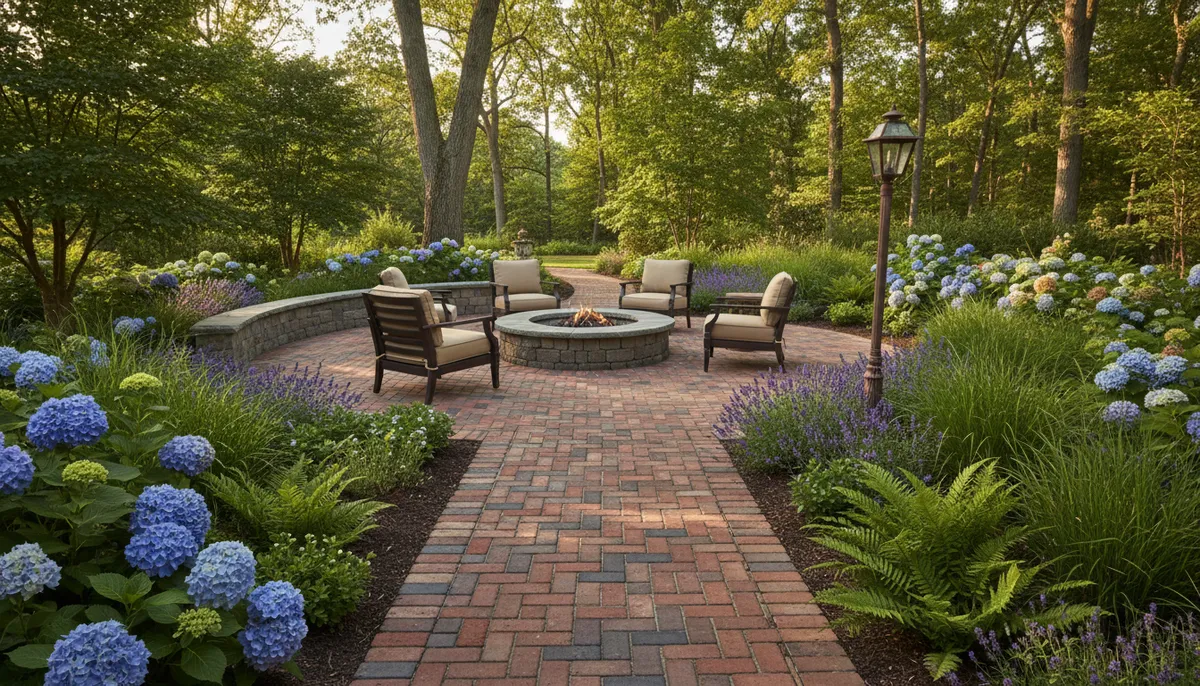
Brick pavers bring timeless charm that never goes out of style. These traditional rectangular pavers create warm, inviting spaces that complement almost any home architecture, from historic bungalows to modern suburban homes. The natural clay colors—ranging from soft reds to rich browns—add character that blends beautifully with Chicago’s residential neighborhoods.
What makes brick pavers particularly appealing is their proven durability. When installed correctly with proper foundation work, brick paver patios last for decades without cracking or fading. They handle our harsh Chicago winters remarkably well, resisting freeze-thaw cycles that can damage lesser materials. Many homeowners choose brick because it develops a beautiful patina over time, adding even more character to outdoor living areas.
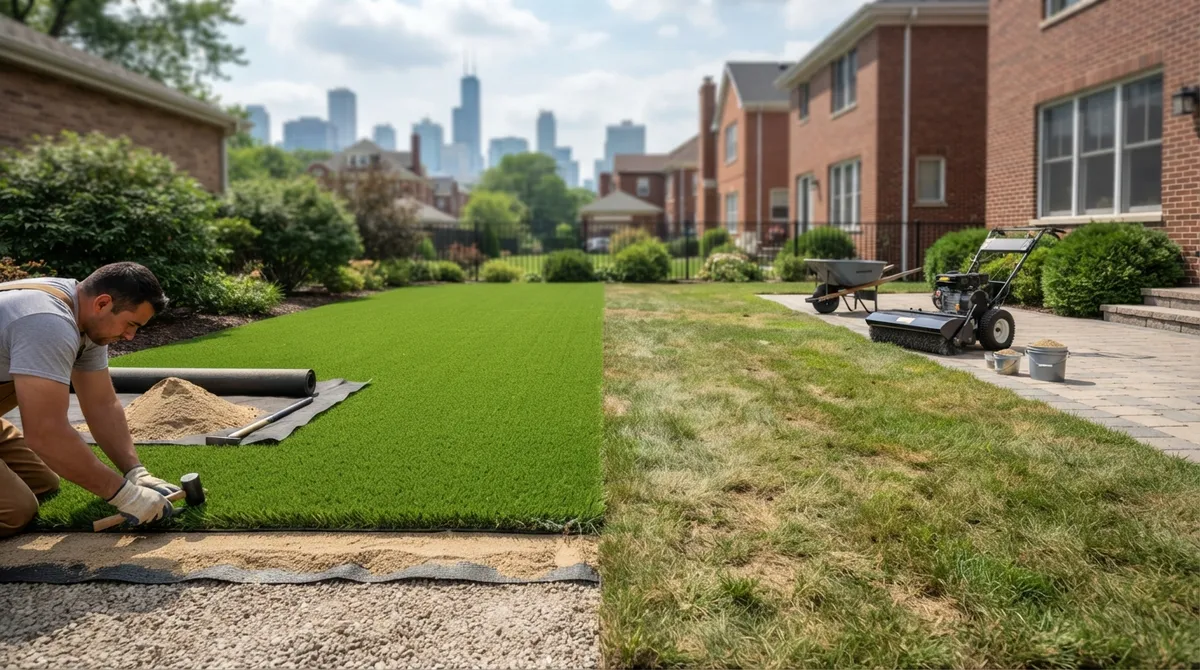
The installation process for brick pavers involves several important steps:
- Initial design consultation to map out your space and choose patterns
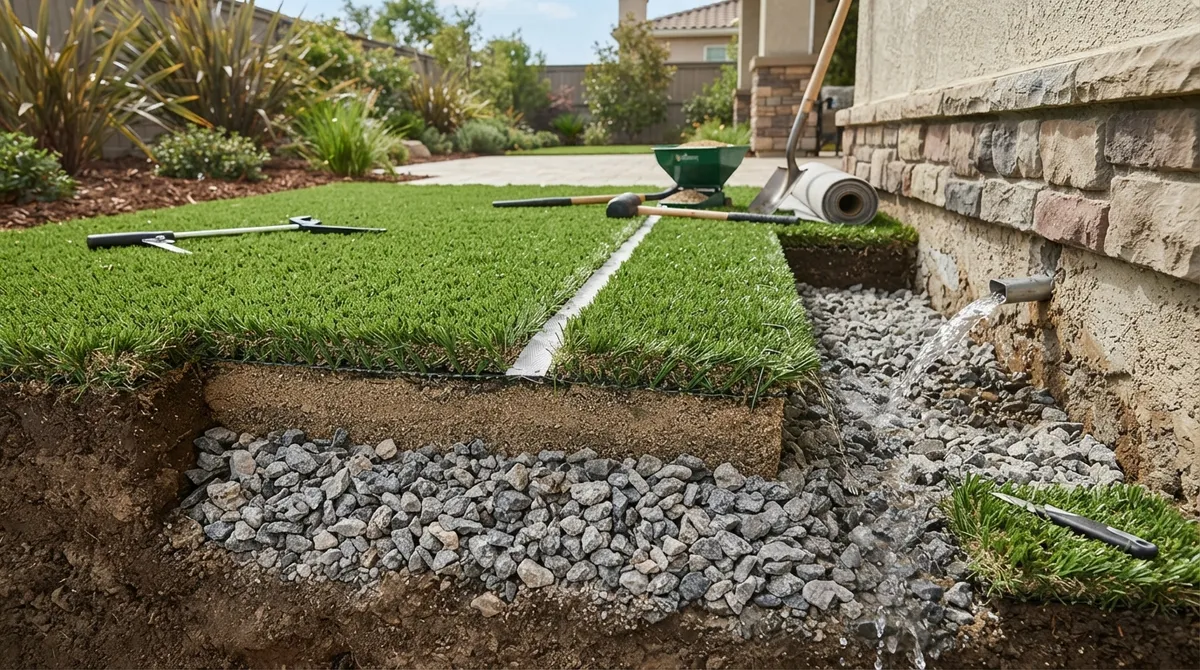
- Site preparation including excavation and proper grading for drainage
- Foundation laying with crushed limestone base material
- Adding landscape fabric to prevent weed growth
- Creating a leveling sand bed for paver placement
- Carefully placing each brick in your chosen pattern
- Cutting edge pieces to fit perfectly around borders
- Applying polymeric sand between joints for stability
Brick pavers work wonderfully for both patios and walkways. For patios, popular patterns include herringbone, basket weave, and running bond designs. Walkways often feature simpler running bond or soldier course patterns that create clear pathways through your landscape.
2. Contemporary Concrete Paver Designs
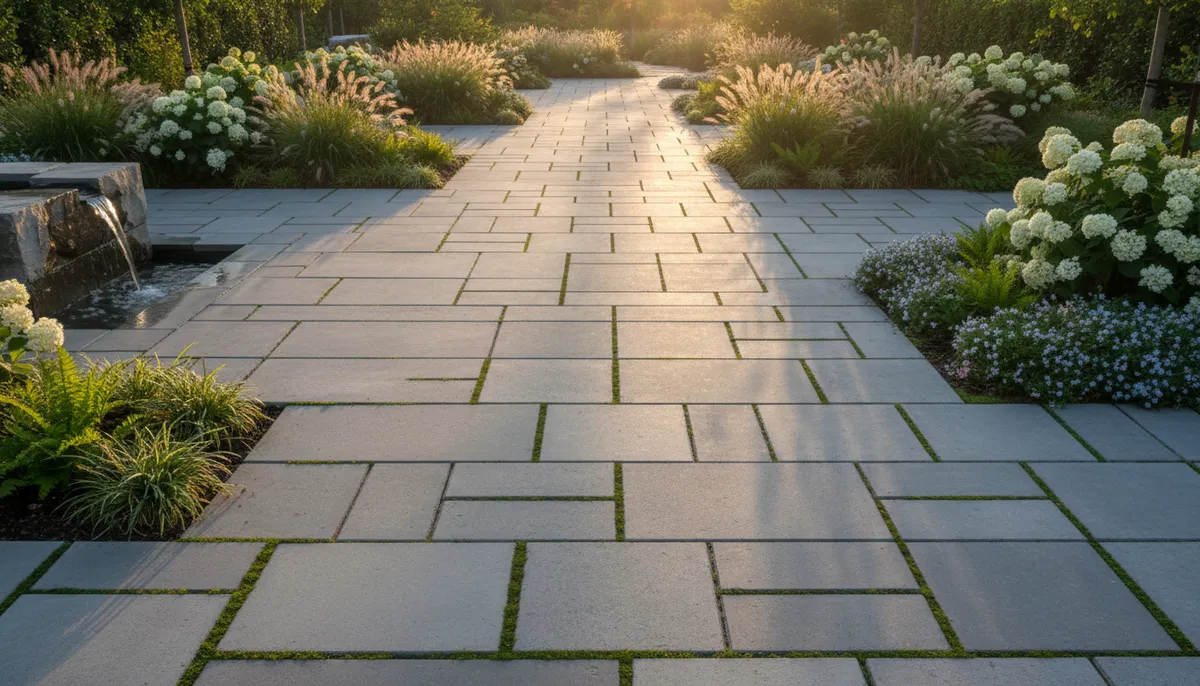
Concrete pavers have come a long way from basic gray squares. Today’s concrete paver options offer incredible variety in colors, textures, and sizes, making them one of the most versatile choices for modern outdoor spaces. You can find concrete pavers that mimic natural stone, weathered wood, or sleek contemporary tiles.
One significant advantage of concrete pavers is their affordability compared to natural stone options. Stone pavers are among the hardest and most affordable building materials available, and concrete versions provide similar durability at an even lower price point. This makes them ideal for larger patio areas or extensive walkway systems where budget matters.
Concrete pavers also excel in customization. Manufacturers can create pavers in virtually any color, allowing you to match your home’s exterior or create stunning contrasts. Some homeowners choose multi-colored patterns that add visual interest, while others prefer uniform colors for a clean, minimalist look.
Here are key benefits of concrete pavers:
- Wide range of colors, shapes, and textures available
- More affordable than natural stone while maintaining durability
- Consistent sizing makes installation more predictable
- Resistant to cracking when properly installed
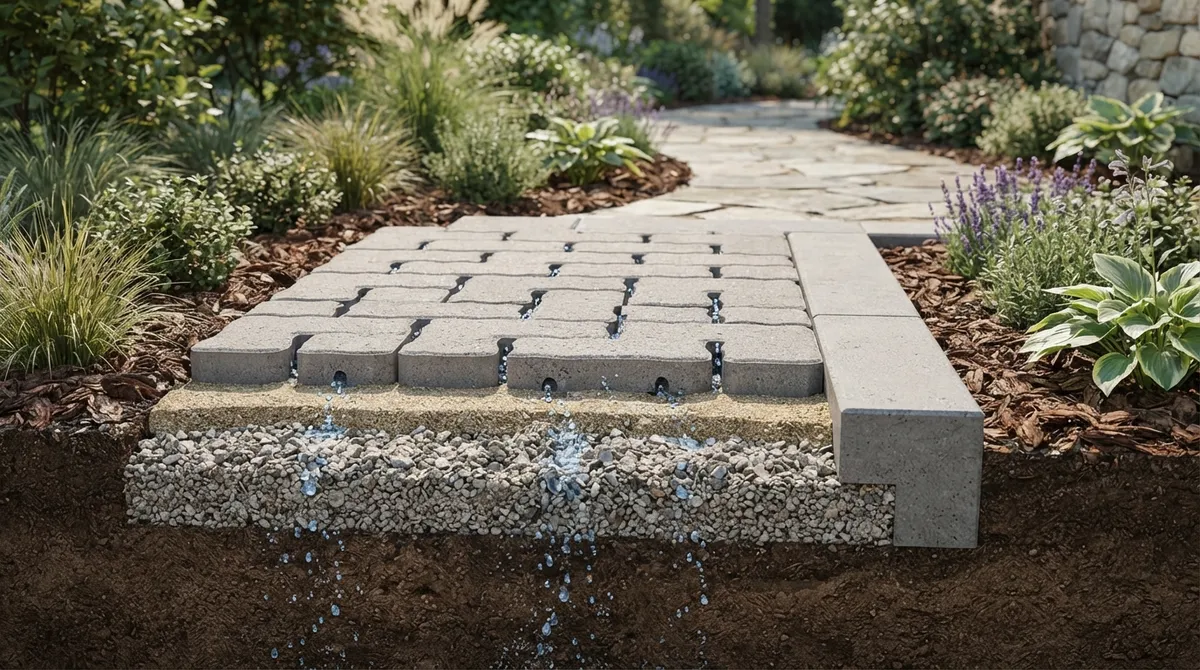
- Can be manufactured with permeable surfaces for better drainage
- Low maintenance requirements with occasional cleaning
For commercial properties, concrete pavers offer excellent cost-effectiveness for large areas like employee courtyards, customer walkways, or outdoor dining spaces. Property managers appreciate that these pavers maintain their appearance with minimal upkeep, keeping maintenance budgets under control.
Permeable Paver Options
Environmental concerns have driven innovation in concrete paver technology. Permeable pavers allow rainwater to filter through the surface into the ground below, reducing runoff and helping prevent flooding. This feature is particularly valuable in urban Chicago areas where stormwater management is crucial. Many municipalities now encourage or require permeable surfaces for new hardscape installations, making these pavers both eco-friendly and code-compliant.
3. Natural Stone Paver Walkways
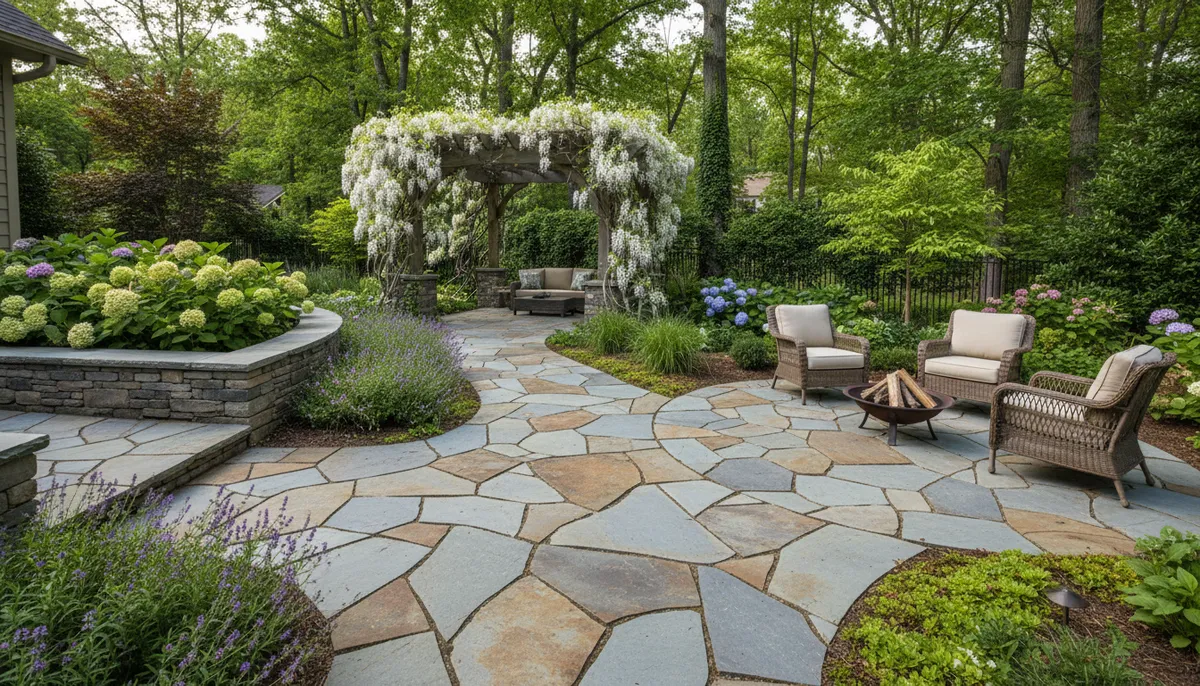
Natural stone pavers create a unique look that simply can’t be replicated with manufactured materials. Each stone carries its own distinct patterns, colors, and textures, ensuring your walkway or patio becomes a true one-of-a-kind feature. Popular natural stone options include bluestone, flagstone, limestone, and slate—each bringing different aesthetic qualities to your landscape.
Natural stone provides a unique look that brick pavers cannot match, offering organic beauty that connects your outdoor space with nature. The irregular shapes and natural color variations create visual interest that catches the eye and sparks conversation. When guests arrive at your home along a natural stone walkway, they immediately sense they’re entering somewhere special.
The durability of natural stone is exceptional. These materials have literally stood the test of time for thousands of years. Properly installed natural stone pavers withstand Chicago’s weather extremes without deteriorating. Unlike concrete or asphalt, stone doesn’t fade in sunlight and actually looks better as it ages, developing character that enhances your landscape’s maturity.
Natural stone works beautifully for:
- Meandering garden paths that wind through plantings
- Grand entrance walkways that make impressive first impressions
- Rustic patio spaces with an organic, natural feel
- Pool surrounds that stay cool underfoot in summer heat
- Stepping stone paths through lawn areas
The installation of natural stone requires particular expertise. Because each stone is unique in shape and thickness, professional installers must carefully select and position each piece. This craftsmanship ensures proper stability, drainage, and visual appeal. The ICPI Certified Installer program trains professionals in these specialized techniques, ensuring quality workmanship.
4. Multi-Level Paver Patio Systems
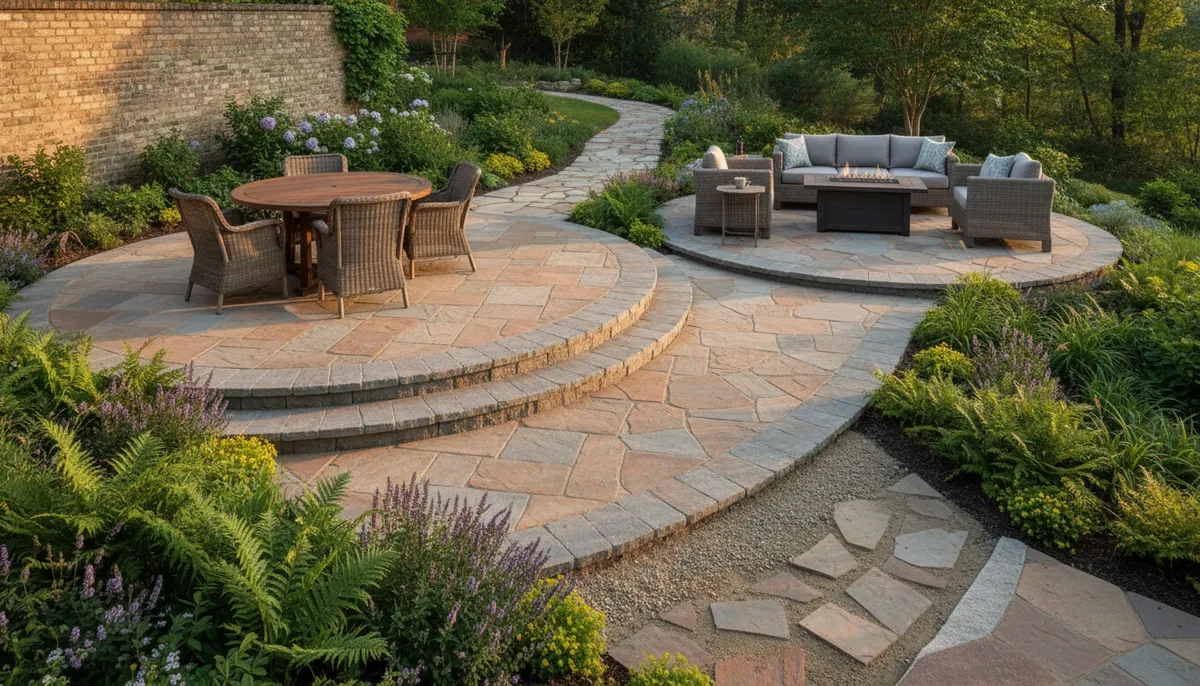
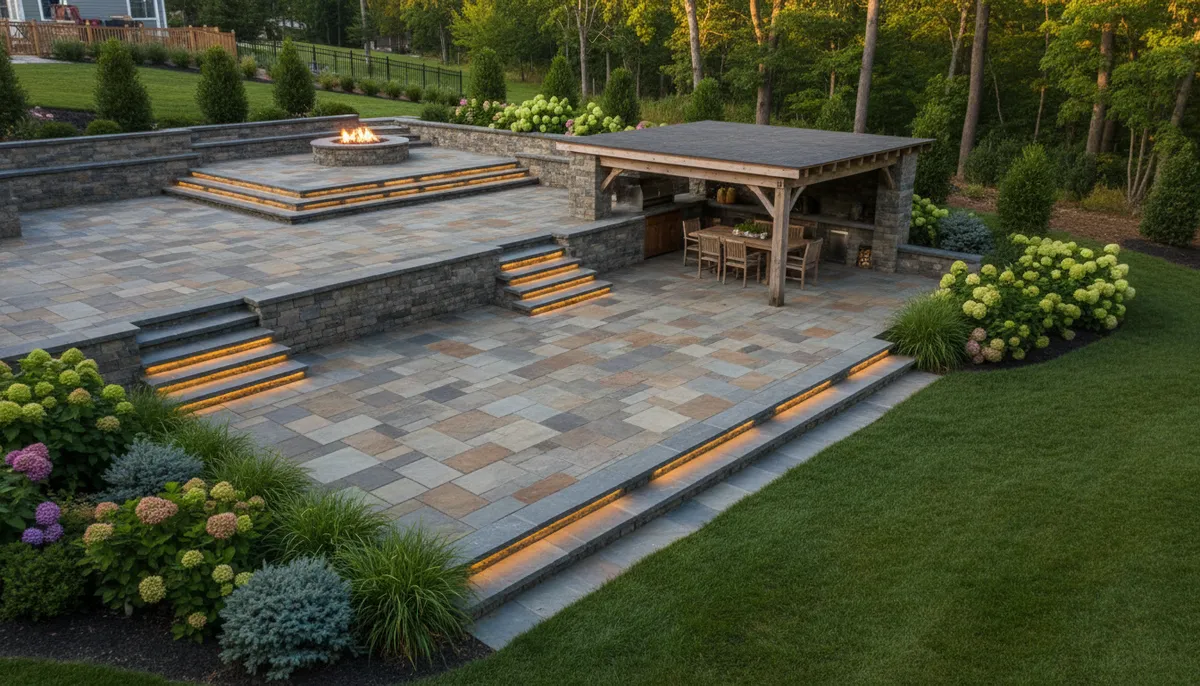
For properties with sloped yards or homeowners who want defined outdoor zones, multi-level paver patios create functional beauty. These designs use retaining walls to create distinct elevation changes, separating your outdoor space into different areas for various activities—dining, lounging, cooking, or entertaining.
Multi-level designs solve practical challenges while adding architectural interest. If your yard slopes away from your house, a multi-level patio system creates usable flat spaces where you can place furniture and enjoy outdoor living. The retaining walls that support these levels also provide built-in seating, planters, or decorative features that enhance your landscape’s overall design.
Consider these popular multi-level configurations:
- Upper dining level near the house with lower lounge area around a fire pit
- Main entertainment patio with raised planter beds for privacy
- Tiered walkway descending through a hillside garden
- Split-level design separating cooking area from seating space
- Stepped patio leading to pool or lawn areas
The key to successful multi-level paver installations is proper engineering. Each retaining wall must be structurally sound with appropriate drainage systems behind it. The paver surfaces at each level need proper grading to prevent water pooling. This complexity is why professional paver installation is recommended rather than DIY attempts—certified professionals understand the structural requirements that ensure longevity.
We’ve designed countless multi-level paver systems throughout the Chicago suburbs, working with each property’s unique topography to create functional outdoor rooms that flow naturally from one to another.
Integrating Fire Features
Multi-level patios often incorporate fire pits or fireplaces, creating cozy gathering spots on lower levels. This separation between dining areas and fire features allows smoke to disperse while keeping warmth concentrated where you want it. The combination of natural stone or brick pavers with flickering firelight creates ambiance that makes cool Chicago evenings absolutely magical.
5. Circular Paver Patio Designs
Breaking away from rectangular layouts, circular paver patios offer graceful curves that soften landscape lines and create intimate gathering spaces. These designs work wonderfully for dedicated entertainment areas, outdoor dining rooms, or as focal points in larger yard designs. The circular shape naturally draws people together, making conversations feel more connected and welcoming.
Circular paver patios require skilled craftsmanship because each paver must be cut to fit the curved pattern precisely. The result, however, is worth the extra effort—a stunning centerpiece that becomes the heart of your outdoor living space. Many homeowners position circular patios around central fire pits or outdoor kitchens, with the curved design radiating outward like ripples on water.
Popular uses for circular paver designs include:
- Intimate seating areas surrounded by garden beds
- Outdoor dining spaces with curved built-in seating
- Fire pit gathering areas with concentric paver circles
- Focal points at pathway intersections
- Meditative spaces in private garden corners
The patterns within circular patios can vary dramatically. Some designs use pavers of the same size arranged in concentric circles, while others incorporate different sizes or colors to create spoke patterns radiating from the center. The paver colors and textures you choose dramatically affect the final appearance—earth tones create natural, organic looks, while contrasting colors make bold contemporary statements.
6. Paver Walkway and Driveway Combinations
Coordinated paver systems that extend from driveways through walkways to front entrances create cohesive designs that significantly boost curb appeal. This comprehensive approach makes your property look thoughtfully planned and professionally maintained—qualities that potential buyers notice and appreciate if you ever decide to sell.
Paver patios add more value to homes than concrete alternatives and are preferred by buyers from both aesthetic and longevity perspectives. When you extend this value-adding approach to include walkways and driveway borders, you’re making smart investments that enhance daily living while building equity.
Combining paver elements throughout your front yard offers several advantages:
- Visual continuity that ties your landscape together
- Clear definition of walking paths versus driving surfaces
- Reduced maintenance compared to mixed materials
- Enhanced drainage when permeable pavers are used
- Distinctive character that sets your home apart
- Flexibility to expand or modify designs later
For driveways, heavy-duty pavers rated for vehicle traffic are essential. These thicker pavers rest on deeper base materials to support vehicle weight without shifting or cracking. The walkways can then use standard pavers that match or complement the driveway design, creating coordinated beauty from street to front door.
Many Chicago-area homeowners also add paver accents like borders, medallions, or contrasting patterns that personalize their installations. These custom touches make your property memorable and reflect your personal style.
Coordinating with Landscaping
The most successful paver installations integrate seamlessly with softscapes—the plantings, lawns, and garden beds that bring life and color to your yard. Strategic placement of flowering plants along paver edges, ornamental grasses in borders, or ground covers between walkway stones creates harmony between hardscape and landscape elements.
7. Covered Paver Patios with Pergolas
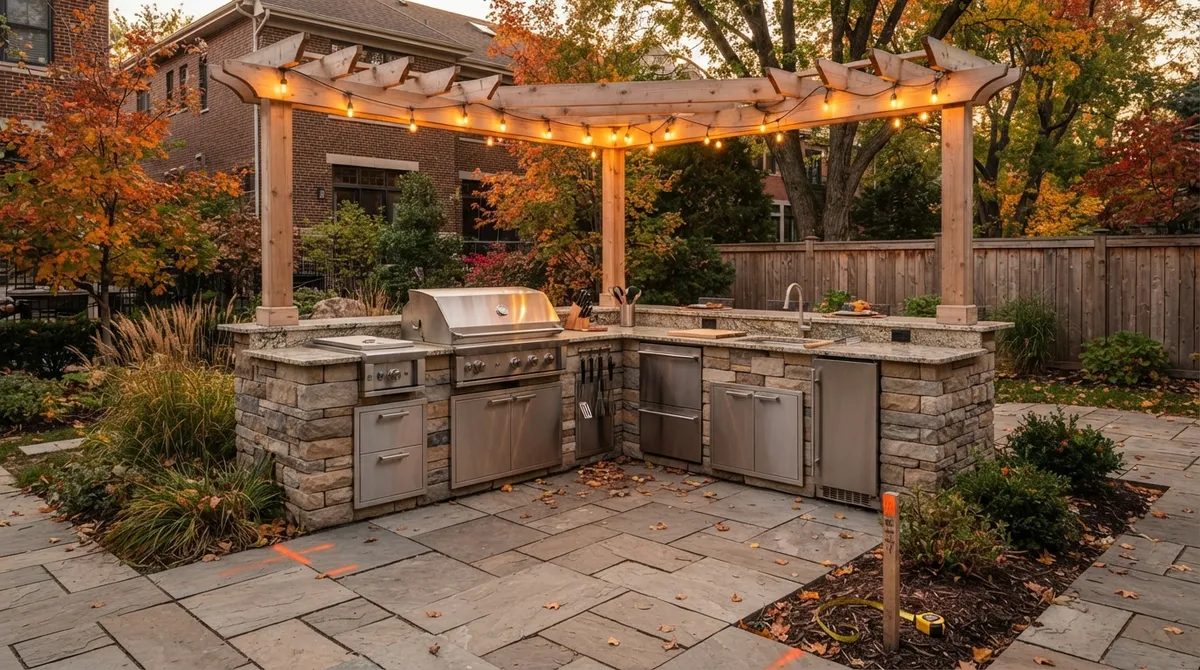
Taking paver patios to the next level, adding pergolas or pavilions creates partially covered outdoor rooms that you can enjoy in various weather conditions. The combination of durable paver flooring and overhead structures extends your outdoor living season significantly, providing shade in summer and shelter from light rain.
Covered paver patios function as true outdoor rooms where you can place comfortable furniture, install ceiling fans, and hang decorative lighting without weather concerns. These spaces bridge the gap between indoor and outdoor living, giving you extra square footage that feels like a natural extension of your home.
The paver selection for covered patios can differ from fully exposed areas. Since these pavers receive less direct sunlight and rain, you have more flexibility with finishes and colors that might fade or show water spots in full sun. Many homeowners choose premium natural stone or decorative concrete pavers for these protected spaces, knowing they’ll maintain their beauty longer under cover.
Consider these features for covered paver patios:
- Outdoor kitchens with permanent grilling stations
- Comfortable seating areas with weatherproof furniture
- Dining spaces for family meals and entertaining
- Ceiling fans for air circulation on warm evenings
- Integrated lighting systems for ambiance and functionality
- Screens or curtains for privacy and insect protection
The pergola or pavilion structure itself becomes an architectural feature that adds vertical interest to your landscape. Whether you choose rustic timber beams, classic white columns, or modern metal frameworks, these overhead structures define your outdoor room while allowing climbing vines or hanging plants to add natural beauty.
For homeowners who want to enjoy their outdoor spaces year-round, adding heating elements like infrared heaters or enclosed fire features extends usability well into Chicago’s cooler months. Combined with proper lighting and sound systems, these covered paver patios become favorite family gathering spots regardless of season.
Professional Installation Matters
While paver patios and walkways look beautiful in pictures, their long-term performance depends entirely on proper installation. The finished surface you see represents only about 20 percent of the work—the real craftsmanship happens in the foundation layers below. This is why professional paver installation is strongly recommended rather than attempting DIY projects that often fail within a few years.
Professional installation involves multiple critical steps that ensure your pavers remain level, stable, and beautiful for decades:
| Installation Phase | What It Involves | Why It Matters |
|---|---|---|
| Design Consultation | Meeting with clients to discuss vision, needs, and budget | Ensures final design matches your lifestyle and property |
| Site Preparation | Excavating to proper depth and establishing correct grading | Prevents water pooling and ensures proper drainage |
| Foundation Work | Installing crushed limestone base in compacted layers | Provides stable support that prevents settling and shifting |
| Fabric Installation | Laying landscape fabric over compacted base | Prevents weed growth and separates base from sand layer |
| Sand Leveling | Creating perfectly level sand bed for paver placement | Ensures pavers sit flat and uniform across entire surface |
| Paver Placement | Carefully positioning each paver in chosen pattern | Creates the visual design and walking surface |
| Edge Restraints | Installing borders to hold pavers in place | Prevents spreading and maintains pattern integrity |
| Joint Filling | Sweeping polymeric sand into gaps between pavers | Locks pavers together and prevents weed growth |
The complexity of proper paver installation explains why certified professionals consistently deliver better results than DIY attempts. Organizations like Landscape Illinois set industry standards that protect homeowners and ensure quality work throughout our region.
At Serenity Landscape Group, we follow proven installation processes refined over 20 years of creating beautiful outdoor spaces throughout the Chicago area. Our team understands local soil conditions, drainage challenges, and climate factors that affect paver performance.
Maintaining Your Paver Investment
One of the biggest advantages of paver patios and walkways is their low maintenance requirements compared to other hardscape options. Unlike wooden decks that need annual staining or concrete that cracks and stains permanently, pavers remain beautiful with minimal care. This makes them ideal for busy homeowners who want gorgeous outdoor spaces without constant upkeep.
Basic paver maintenance includes:
- Regular sweeping to remove debris and prevent staining
- Occasional pressure washing to refresh appearance
- Reapplying polymeric sand in joints every few years
- Sealing pavers to enhance color and protect surfaces (optional)
- Replacing individual damaged pavers if necessary
- Controlling weeds along edges with landscape fabric
The modular nature of paver installations means repairs are straightforward. If a single paver cracks or stains, you can lift it out and replace just that one piece without disturbing surrounding pavers. This differs dramatically from concrete patios where a single crack often spreads, eventually requiring complete replacement.
For commercial properties requiring regular maintenance, paver surfaces hold up remarkably well under foot traffic while maintaining professional appearances that reflect positively on businesses.
Winter Care in Chicago
Chicago winters present special challenges for outdoor surfaces, but properly installed pavers handle freeze-thaw cycles better than most alternatives. The gaps between pavers allow for slight movement without cracking, while the permeable base layers prevent ice buildup underneath. When snow clearing, use plastic shovels rather than metal to avoid scratching or chipping paver surfaces. Avoid using harsh de-icing chemicals that can damage paver finishes—sand or calcium chloride products work better for traction without causing harm.
Your Outdoor Space Awaits
Paver patios and walkways represent more than just functional hardscaping—they’re investments in your property value, your lifestyle, and your enjoyment of home. Whether you envision elegant natural stone pathways guiding guests through your garden, a spacious brick patio perfect for weekend barbecues, or a multi-level entertainment space with integrated fire features, the right paver design transforms your outdoor space into something truly special.
The seven paver designs we’ve explored offer starting points for your imagination. Maybe you’re drawn to the timeless appeal of brick, the versatility of concrete, or the unique beauty of natural stone. Perhaps a multi-level design solves your sloped yard challenges, or a circular patio creates the intimate gathering space you’ve always wanted. Each option brings its own character and functionality to your landscape.
What matters most is choosing pavers that match your lifestyle, complement your home’s architecture, and work within your budget. Professional landscape designers can help you explore options and create custom designs that perfectly suit your property and preferences. They’ll consider factors like existing drainage patterns, sun exposure, traffic flow, and integration with other landscape elements to ensure your paver installation enhances your entire outdoor environment.
For over two decades, we’ve helped countless Chicago-area homeowners and businesses discover the joy of beautifully crafted outdoor spaces. From initial design concepts through professional installation and ongoing care, we’re committed to creating landscapes that exceed expectations and stand the test of time. Your outdoor space holds incredible potential—potential we’d love to help you realize.
Ready to transform your yard with stunning paver patios or walkways? We invite you to get your free estimate and start your journey toward the outdoor living space you’ve been dreaming about. Let’s create something beautiful together.
FAQs
Q: How long do paver patios and walkways typically last?
A: When properly installed by certified professionals, paver patios and walkways can last 30 years or more with minimal maintenance. The key is having a solid foundation with proper drainage and using quality materials suited to Chicago’s climate. Individual pavers can be replaced if damaged, which means your installation can essentially last indefinitely with basic care.
Q: What’s the best paver material for Chicago’s harsh winters?
A: Brick and concrete pavers specifically rated for freeze-thaw resistance perform beautifully in Chicago winters. Natural stone like bluestone and flagstone also handles temperature extremes well. The most important factor isn’t just the paver material—it’s the proper installation with adequate drainage that prevents ice buildup underneath, which causes most winter damage.
Q: Do paver patios really add value to my home?
A: Absolutely! Paver patios add more value than concrete alternatives and are strongly preferred by homebuyers. They’re seen as premium features that require less maintenance and look better over time. Many real estate agents report that well-designed paver patios and walkways help homes sell faster and at higher prices, especially in competitive markets.
Q: Can I install pavers myself to save money?
A: While DIY paver installation is technically possible, it’s genuinely complicated and professional installation is strongly recommended. The foundation work requires specialized knowledge about grading, drainage, and soil compaction—mistakes in these hidden layers cause pavers to shift, settle, or fail within a few years. Professional installers have the equipment and expertise to ensure your investment lasts decades.
Q: How much maintenance do paver patios require?
A: Paver patios need surprisingly little maintenance compared to other hardscape options. Basic care includes occasional sweeping, yearly pressure washing, and reapplying joint sand every few years. There’s no staining required like wooden decks, and damaged pavers can be individually replaced rather than redoing entire sections. This low-maintenance quality makes pavers ideal for busy homeowners who want beautiful outdoor spaces without constant upkeep.