Key Takeaways
-
Clay brick pavers offer unmatched durability, with compressive strengths over 10,000 psi and the potential to last 200+ years under proper installation.
-
Color in clay brick pavers is inherent to the material, ensuring vibrant hues that never fade even after decades of exposure to sunlight.
-
Herringbone pattern provides maximum structural integrity for high-traffic areas like driveways, distributing vehicle weight across multiple pavers to prevent shifting.
-
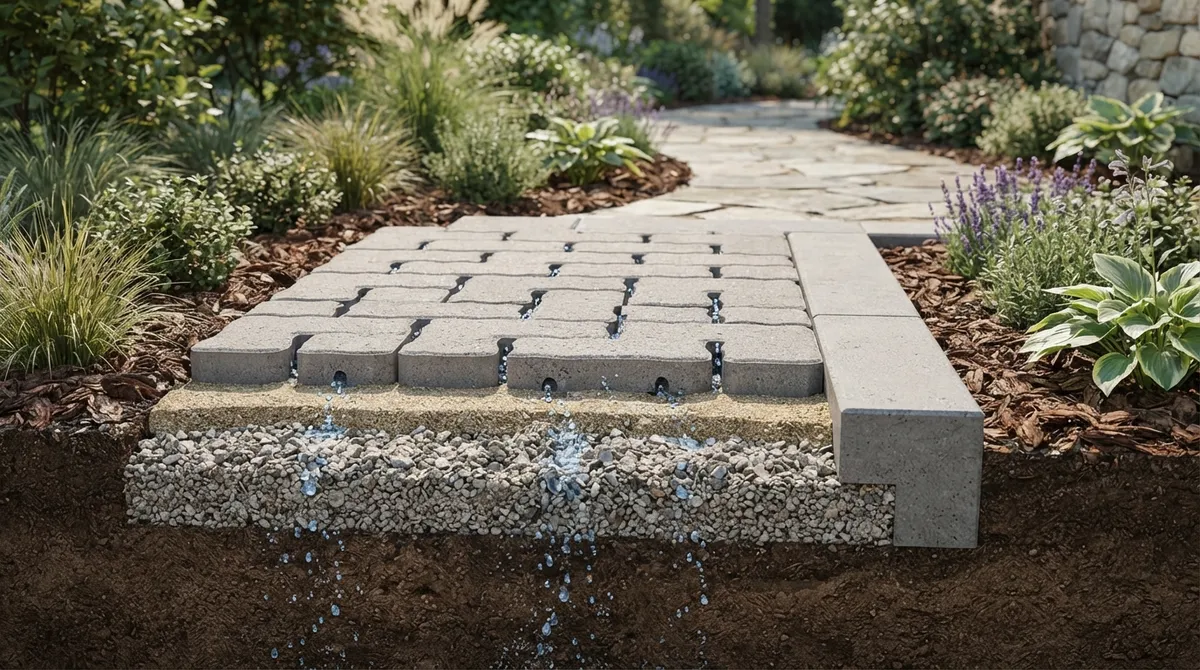
Clay pavers are environmentally friendly, allowing water permeability, reducing heat island effect, and made from natural earth materials with minimal environmental impact.
-
Professional installation is critical to ensure long-term performance, with proper base preparation, edge restraints, and joint filling being essential for paver longevity.
When you’re planning a new patio, driveway, or walkway, the materials you choose can make or break the entire project. You want something that looks beautiful today and still turns heads decades from now. That’s where clay brick pavers come into the picture. These natural, fired-clay beauties have been gracing outdoor spaces for centuries, and they continue to be a top choice for homeowners and businesses across the Chicago area who want durability, timeless style, and virtually zero maintenance.
Unlike concrete alternatives that fade and crack over time, clay brick pavers actually get better with age. They develop a rich patina that adds character to your landscape while maintaining their structural integrity for generations. Whether you’re creating an inviting entrance to your business, designing a cozy backyard retreat, or adding curb appeal to your suburban home, clay pavers offer unmatched benefits that make them worth every penny of your investment.
In this guide, we’ll explore everything you need to know about clay brick pavers—from their incredible durability and color retention to the stunning patterns you can create and the practical applications that make sense for your property. Let’s discover why these classic materials remain the gold standard in outdoor design.
The Unbeatable Durability of Clay Brick Pavers
When you invest in your outdoor space, you want materials that last. Clay brick pavers deliver on that promise in ways that might surprise you. These fired-clay marvels boast compressive strengths exceeding 10,000 psi, making them among the strongest paving materials available today. To put that in perspective, they can withstand tremendous weight without cracking, chipping, or breaking down.
What’s truly remarkable is their longevity. Some clay pavers installed during colonial times in America are still in place after 200 years, bearing witness to countless seasons and generations. That’s not just durability—that’s a legacy. When properly installed, your clay brick pavers can easily last a lifetime and beyond, making them an investment that pays dividends for decades.
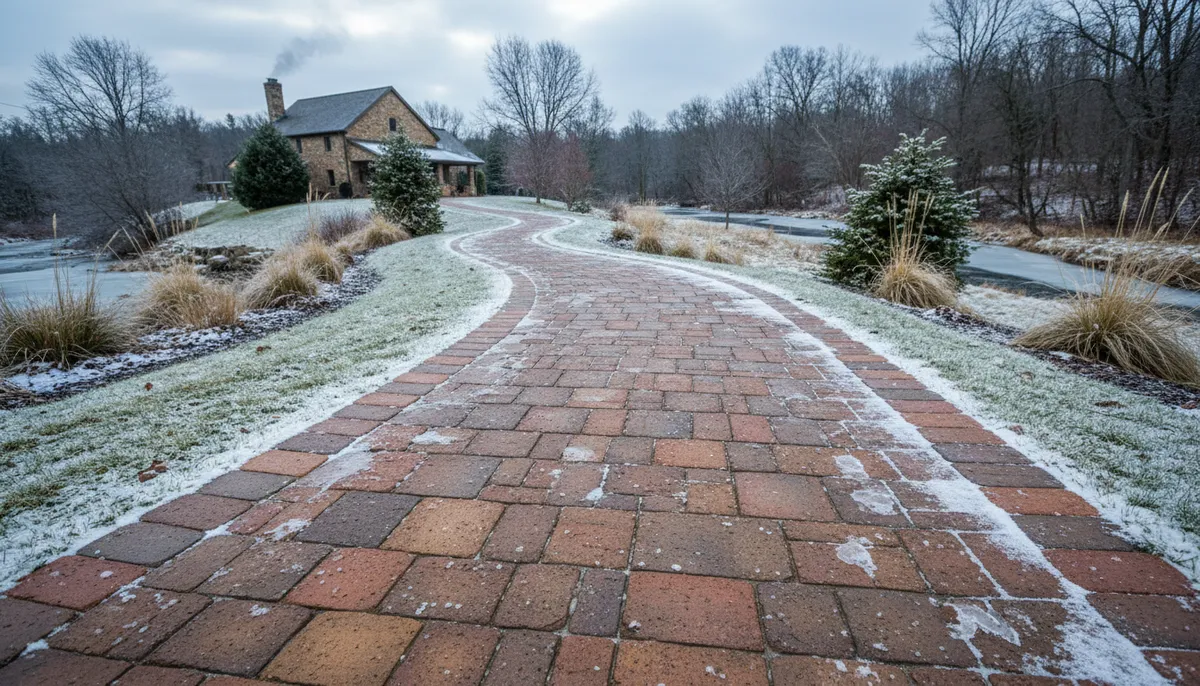
The secret lies in the firing process. Clay pavers are made from natural clay materials that are shaped and then fired at extremely high temperatures. This process creates a dense, nearly impervious material that resists weathering, freeze-thaw cycles, and the harsh Chicago winters we know so well. Unlike materials that rely on surface treatments or sealants, clay pavers are solid through and through, so there’s no coating to wear off or reapply.
Color That Never Fades
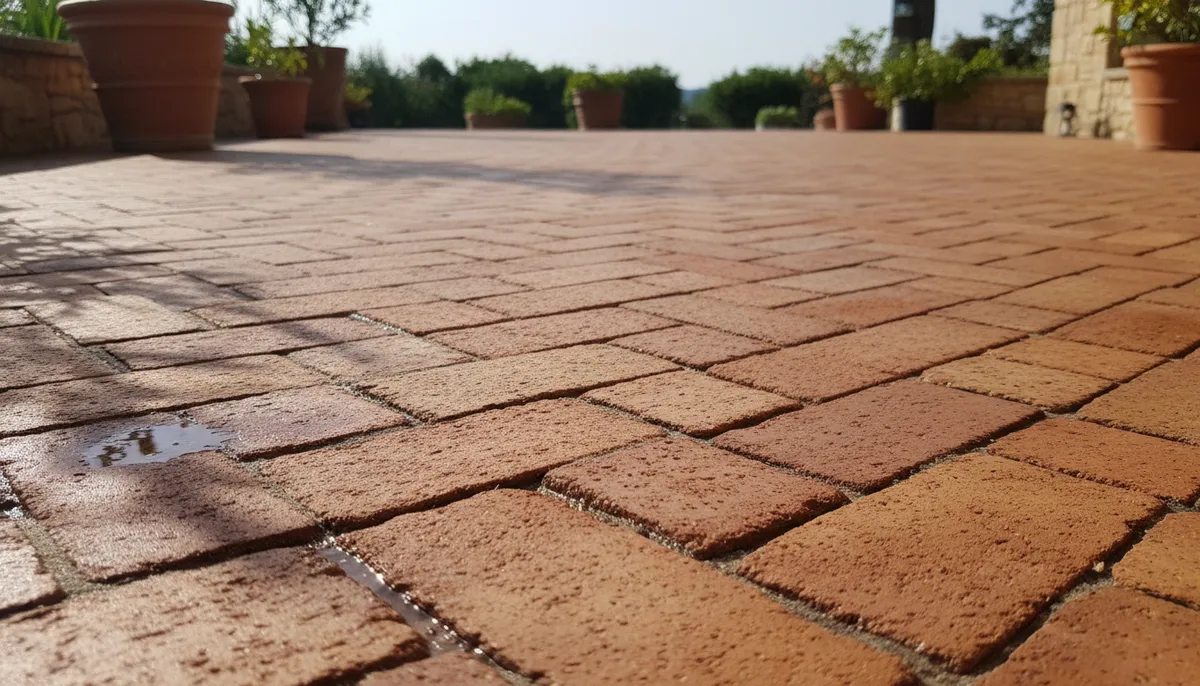
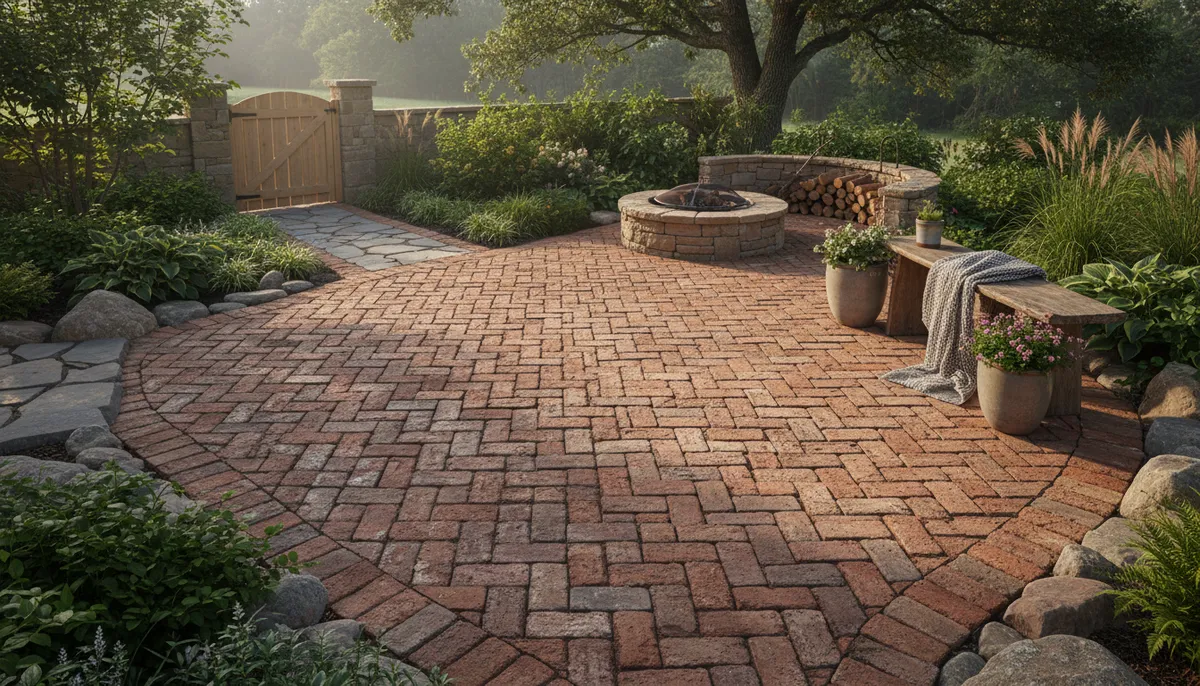
Here’s something that sets clay brick pavers apart from virtually every other paving option: they don’t fade. Ever. The rich reds, warm browns, and earthy tones you see when your pavers are first installed will look essentially the same decades later. Even under intense sunlight and through countless Chicago summers, the color remains true and vibrant.
This happens because the color in clay pavers isn’t added—it’s inherent to the material itself. The hues come from the natural iron content and minerals in the clay, which are permanently set during the firing process. There’s no pigment to wash away, no surface color to wear down, no need for periodic resealing to maintain appearance. What you see is literally baked into every molecule of the paver.
For homeowners and business owners alike, this means your outdoor space maintains its beauty year after year with minimal effort. Your patio still looks inviting for that summer barbecue ten years down the line. Your commercial entrance continues to make a strong first impression without constant upkeep. The colors may develop a subtle patina over time, but this only adds character and depth to your landscape design.
Popular Clay Brick Paver Patterns
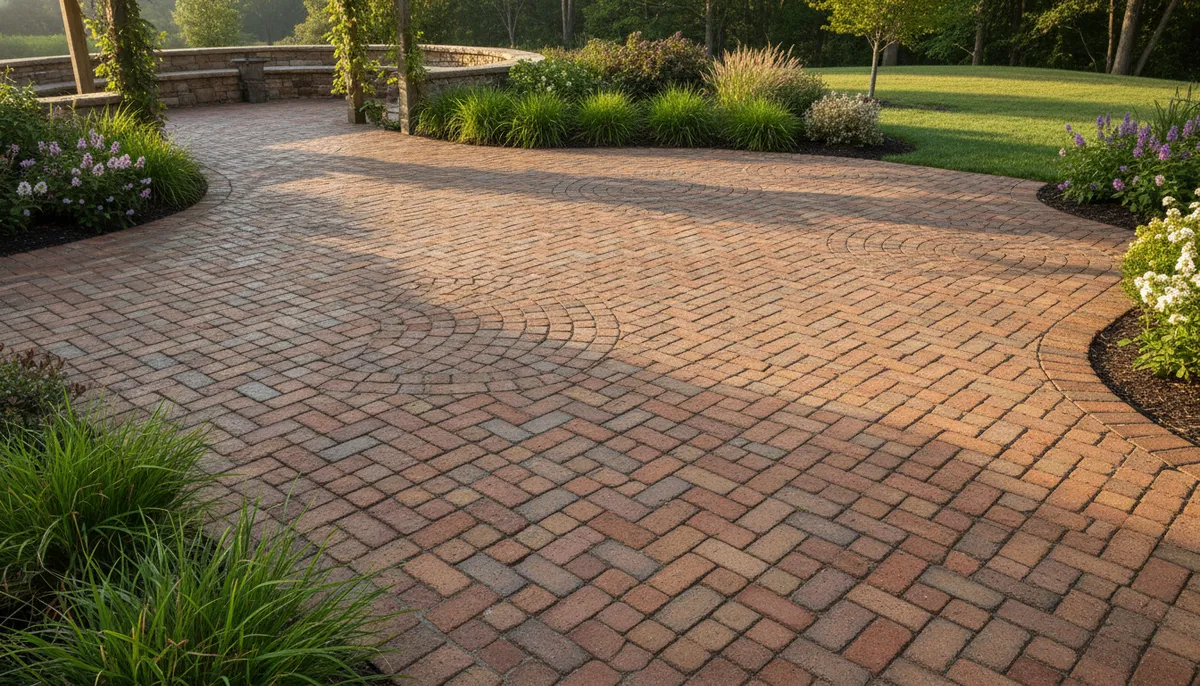
One of the most exciting aspects of working with clay brick pavers is the creative freedom they offer. The pattern you choose can dramatically change the look and feel of your outdoor space. Here are the most popular patterns that landscape professionals use to create stunning results.
Herringbone Pattern
The herringbone pattern is the gold standard for driveways and areas that handle heavy vehicle traffic. In this design, pavers are laid at 45-degree or 90-degree angles in a distinctive zigzag pattern that resembles the skeleton of a herring fish. This isn’t just about aesthetics—the herringbone pattern promotes even load bearing and significantly reduces pavement movement under stress.
When vehicles drive over herringbone-patterned pavers, the force is distributed across multiple pavers simultaneously, preventing individual units from shifting or sinking. This makes herringbone ideal for driveways, parking areas, and commercial loading zones. The 45-degree herringbone offers maximum interlocking strength, while the 90-degree version provides a slightly different visual effect with nearly equal structural benefits.
Stretcher Bond (Running Bond)
The stretcher bond pattern, also called running bond, is one of the simplest and most classic designs. Pavers are laid in straight rows with each row offset by half a paver length, similar to traditional brick wall construction. This creates clean, horizontal lines that can make narrow spaces appear wider and works beautifully for walkways, patios, and garden paths.
This pattern is relatively easy to install and requires minimal cutting, which can help control project costs. It’s an excellent choice for creating a traditional, timeless look that complements both historic and contemporary architecture. The stretcher bond works particularly well for residential paver installations where you want understated elegance.
Basket Weave Pattern
The basket weave pattern creates a charming, woven appearance by alternating pairs of pavers laid horizontally and vertically. This classic design evokes a sense of craftsmanship and tradition, making it perfect for courtyards, entryways, and sitting areas where you want to create visual interest without overwhelming the space.
Basket weave patterns work especially well in square or rectangular areas and can help define different zones within your landscape. They’re moderately durable for foot traffic and light vehicle use, though herringbone remains the better choice for heavy-traffic driveways. The basket weave strikes a beautiful balance between visual complexity and clean organization.
Practical Applications for Clay Brick Pavers
Clay brick pavers shine in numerous outdoor applications, each bringing unique benefits to your property. Let’s explore where these versatile materials make the biggest impact.
1. Driveways That Make a Statement
Your driveway is often the first thing visitors notice about your property. Clay brick pavers transform this purely functional space into a design feature that enhances your home’s curb appeal. When installed in a herringbone pattern, they can handle daily vehicle traffic, parking, and turning without showing wear for decades. The natural color variations in clay pavers add depth and character that plain concrete simply can’t match.
2. Patios That Become Your Favorite Room
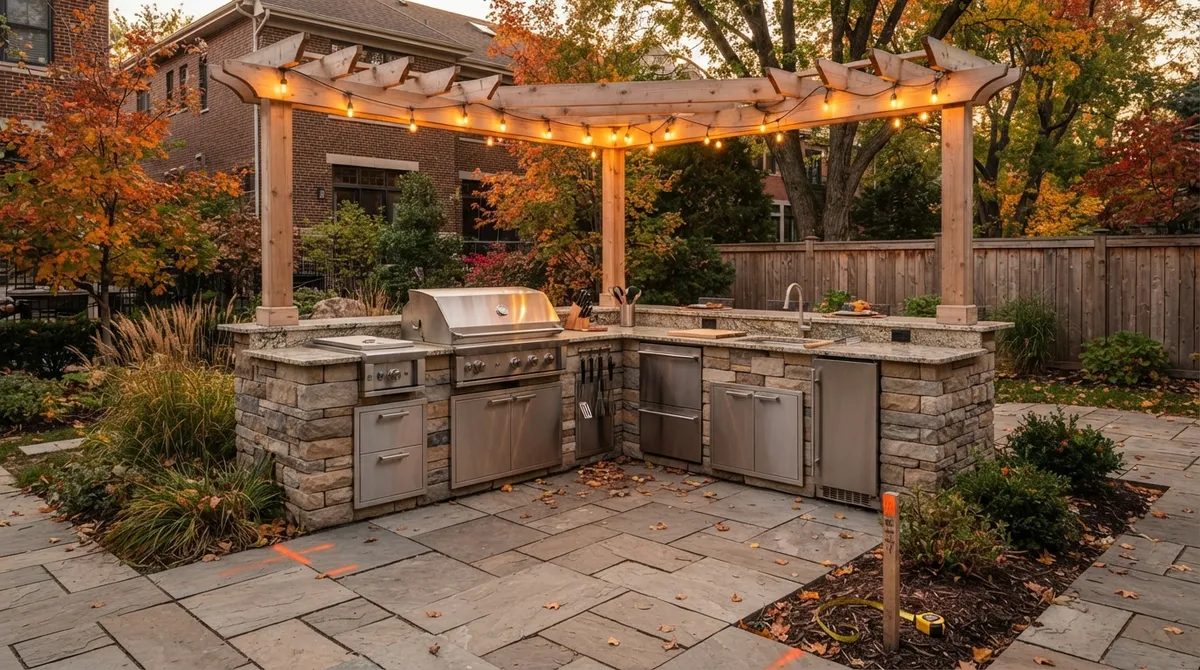
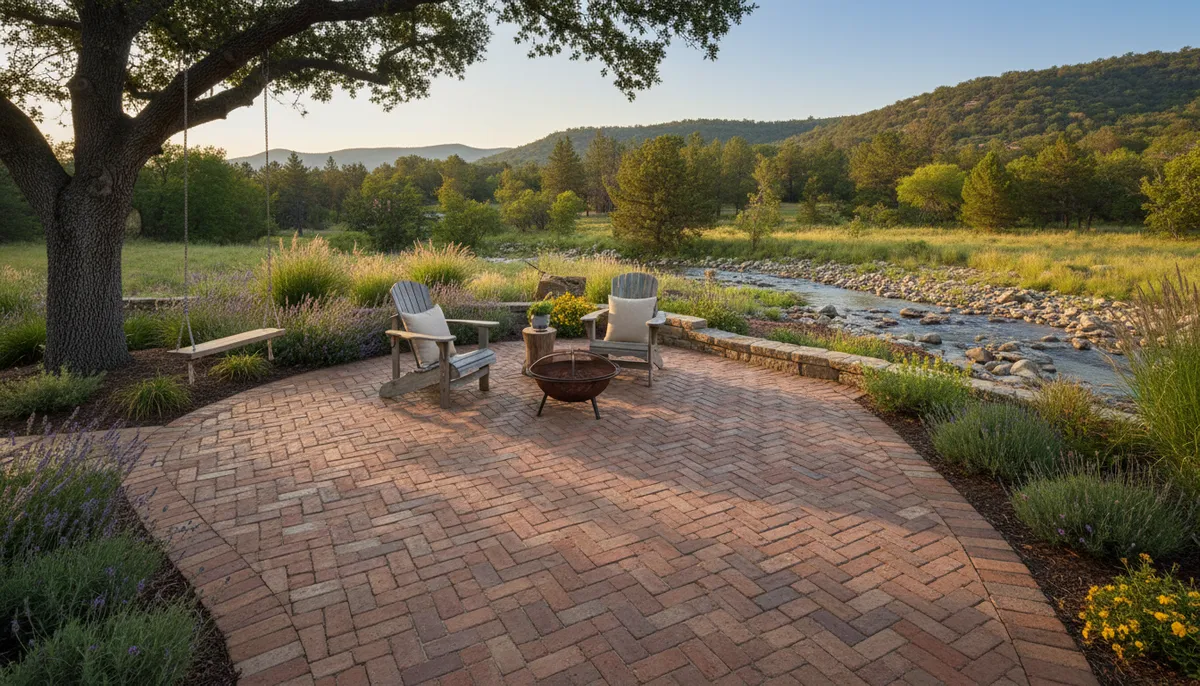
A clay brick paver patio extends your living space outdoors and creates an inviting area for relaxation and entertainment. These pavers provide a stable, level surface that’s comfortable underfoot and perfect for outdoor furniture. When sand-set, they’re permeable, allowing rainwater to pass through to the earth beneath rather than creating puddles. This makes them an environmentally friendly choice that supports healthy vegetation around your patio. Many of our clients tell us their paver patios have become their favorite places to unwind with morning coffee or host evening gatherings. Consider pairing your patio with beautiful custom fire pit installations to extend your outdoor season.
3. Walkways and Garden Paths
Clay brick pavers create beautiful pathways that guide visitors through your landscape while protecting your lawn and plantings. These walkways can curve gracefully through garden beds, connect different outdoor areas, or provide practical access to sheds and gates. The warm tones of clay pavers complement surrounding greenery beautifully and create visual continuity throughout your property.
4. Pool Decks That Stay Cool and Safe
Pool areas demand materials that can handle moisture, resist slipping, and stay comfortable underfoot. Clay brick pavers excel in all three areas. They’re naturally slip-resistant when wet, don’t retain heat like darker materials, and resist the constant wet-dry cycles that occur around pools. They also resist pool chemicals and won’t deteriorate from exposure to chlorine or salt. The result is a safe, attractive pool deck that enhances your backyard oasis.
5. Commercial Landscaping Projects
Business owners appreciate clay brick pavers for their ability to create inviting, professional outdoor spaces that require minimal maintenance. From restaurant patios to office building entrances, retail courtyards to pedestrian walkways, clay pavers communicate quality and permanence. They can handle constant foot traffic without showing wear and maintain their appearance year after year with simple cleaning. For businesses looking to enhance their exterior spaces, our commercial landscaping services can help create a cohesive design that makes the right impression.
Maintenance Requirements: Less Is More
One of the greatest advantages of clay brick pavers is how little they demand from you. Unlike wooden decks that need annual sealing or concrete that requires crack repair and resurfacing, clay pavers are remarkably low-maintenance. Here’s what minimal care looks like:
Regular cleaning: Sweep or blow off debris as needed. For deeper cleaning, a simple spray with your garden hose removes dirt and grime. For stubborn stains, a pressure washer on a gentle setting works wonders without damaging the pavers.
Weed control: Occasionally, weeds may sprout in the joints between pavers. Pull them out or use a natural herbicide. Maintaining proper joint sand levels helps minimize this issue.
Joint sand replenishment: Every few years, you might need to add polymeric sand to the joints between pavers. This takes an afternoon and helps keep pavers stable and weeds at bay.
That’s essentially it. Clay pavers resist stains naturally, don’t support mold or mildew growth, and never require sealing or chemical treatments. They’re virtually maintenance-free, which means more time enjoying your outdoor space and less time working on it.
Environmental Benefits of Clay Brick Pavers
Beyond their beauty and durability, clay brick pavers offer significant environmental advantages that align with sustainable landscaping practices. These benefits matter more than ever as we all work to reduce our environmental impact.
Permeability: When installed with sand joints rather than mortar, clay pavers allow rainwater to pass through to the soil beneath. This natural infiltration reduces stormwater runoff, helps recharge groundwater supplies, and supports healthy root systems for surrounding plants and trees. In Chicago’s suburbs, where stormwater management is increasingly important, permeable pavers help prevent flooding and reduce strain on municipal drainage systems.
Heat island reduction: Unlike asphalt and dense concrete, clay brick pavers don’t absorb and retain excessive heat. Their lighter colors reflect more sunlight, and their permeable installation allows moisture to evaporate from below, naturally cooling the surrounding area. This makes your outdoor spaces more comfortable during summer months and contributes to lower ambient temperatures in your neighborhood.
Natural materials: Clay pavers are made from natural earth materials without synthetic chemicals or petroleum products. They’re fired using efficient kiln technology and can be recycled or repurposed at the end of their very long lifespan. When you choose clay pavers, you’re investing in a product with minimal environmental impact from production through disposal.
Cost Considerations: Investment vs. Value
Let’s be honest: clay brick pavers typically cost more upfront than concrete alternatives. But here’s what that investment buys you: a lifetime of beauty without the ongoing costs that other materials demand. While concrete pavers might need replacement after 15-25 years, your clay pavers will still look beautiful and function perfectly after 50, 100, or even 200 years.
Consider the total cost of ownership. Concrete requires periodic sealing, regular repairs, and eventual replacement. Clay pavers need almost nothing. There’s no sealing to pay for every few years, minimal repairs over their lifetime, and replacement simply isn’t part of the conversation. When you factor in these long-term savings, clay pavers often prove more economical than supposedly “cheaper” alternatives.
For business owners, clay pavers also deliver value through reduced maintenance costs and continued aesthetic appeal. Your entrance, patio, or walkway continues making a positive impression year after year without the need for costly renovations or updates. That’s value that compounds over time.
Professional Installation Makes All the Difference
Even the highest-quality clay brick pavers won’t perform as they should without proper installation. The foundation, base preparation, edge restraints, and jointing materials all play critical roles in the longevity and performance of your paver surface. This is where professional expertise becomes invaluable.
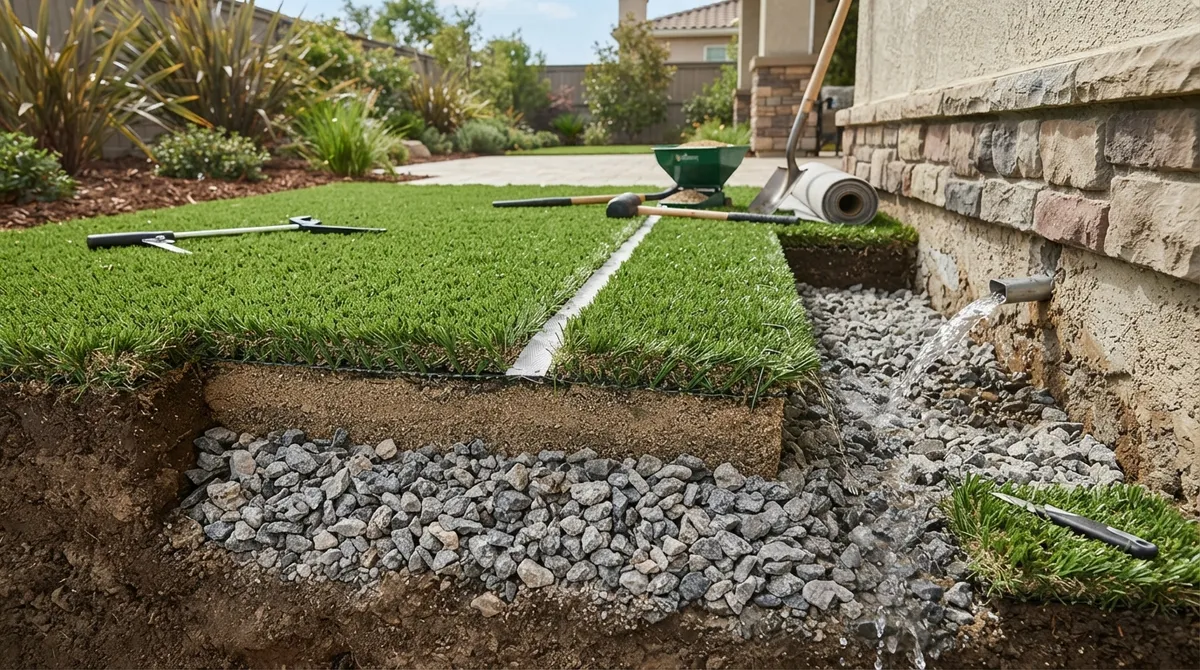
Proper installation begins with excavation to the correct depth and soil stabilization. Next comes a carefully graded base of compacted aggregate that provides drainage and support. Edge restraints keep pavers from migrating over time. Finally, proper joint filling and surface compaction lock everything together into a unified, stable surface.
Skipping steps or cutting corners during installation can lead to problems down the road: uneven settling, shifting pavers, poor drainage, or premature failure. Professional installers bring the experience, equipment, and attention to detail that ensures your clay pavers perform beautifully for generations. At Serenity Landscape Group, we’ve refined our installation process over two decades, and we stand behind every project with the confidence that comes from expertise. Our design and installation process ensures your vision becomes reality with quality craftsmanship at every step.
Design Flexibility and Customization
Clay brick pavers offer remarkable design flexibility that allows you to create truly custom outdoor spaces. Beyond the standard patterns we discussed earlier, you can mix colors to create borders, accents, or geometric designs that reflect your personal style. You can combine different paver sizes for added visual interest or use contrasting colors to define different functional areas within your landscape.
This flexibility extends to integration with other landscape elements. Clay pavers pair beautifully with natural stone retaining walls, complement lush softscape plantings, and provide the perfect foundation for elegant pergolas and pavilions. They work equally well in formal, symmetrical designs and casual, organic layouts.
The warm, earthy tones of clay pavers create a natural backdrop that enhances rather than competes with surrounding plantings and architectural features. They’re versatile enough to complement Victorian homes, modern commercial buildings, and everything in between. This timeless quality means your paver installation will look appropriate and attractive regardless of changing design trends.
Making Your Clay Paver Dreams Reality
Transforming your outdoor space with clay brick pavers is an exciting journey that begins with a clear vision and ends with an inviting landscape you’ll love for decades. Whether you’re dreaming of a welcoming driveway, an entertaining-ready patio, or professional commercial walkways, clay pavers offer the perfect combination of beauty, durability, and low maintenance that makes them worth every penny.
The key to success lies in choosing quality materials, selecting patterns that suit your needs and style, and working with experienced professionals who understand the nuances of proper installation. When these elements come together, you get an outdoor space that enhances your property value, elevates your daily experience, and requires minimal effort to maintain its beauty.
At Serenity Landscape Group, we’ve spent over 20 years helping homeowners and business owners throughout the greater Chicago area create stunning outdoor spaces with clay brick pavers and comprehensive landscaping solutions. We understand the local climate challenges, soil conditions, and design preferences that make projects successful in our region. From initial consultation through final installation and beyond, we’re committed to bringing your vision to life with craftsmanship and attention to detail that shows in every paver. Check out our portfolio of completed projects to see the transformations we’ve created for clients throughout Chicagoland.
Ready to transform your outdoor space with timeless clay brick pavers? We’d love to hear about your vision and show you how we can make it reality. Contact us today to schedule your free consultation and take the first step toward creating an outdoor space that brings you joy for generations to come.
FAQs
Q: How long do clay brick pavers typically last?
A: Clay brick pavers can last 100-200+ years with proper installation! Some clay pavers from colonial America are still in place today after two centuries. Their incredible durability comes from the high-temperature firing process that creates a dense, weather-resistant material with compressive strengths exceeding 10,000 psi. Unlike concrete pavers that may need replacement after 15-25 years, clay pavers are truly a lifetime investment that can outlast your home itself.
Q: Do clay brick pavers fade in color over time?
A: No, clay brick pavers do not fade! This is one of their biggest advantages over concrete alternatives. The rich colors in clay pavers come from natural minerals and iron content in the clay itself, which are permanently set during firing. Since the color goes all the way through the paver rather than being a surface treatment, even decades of intense sunlight won’t cause fading. Your pavers will look as vibrant in 20 years as they do today.
Q: What’s the best clay brick paver pattern for a driveway?
A: The herringbone pattern is hands-down the best choice for driveways and heavy vehicle areas! Both 45-degree and 90-degree herringbone patterns promote even load distribution across multiple pavers, which prevents individual units from shifting, sinking, or cracking under vehicle weight. This interlocking design provides maximum stability and durability for areas that handle cars, trucks, and frequent traffic. It’s why professional installers consistently recommend herringbone for driveways.
Q: Are clay brick pavers slippery when wet?
A: Clay brick pavers are naturally slip-resistant, even when wet! Their slightly textured surface provides good traction for safe walking in rain or around pool areas. Unlike smooth concrete or polished stone that can become dangerously slippery, clay pavers maintain their grip in wet conditions. This makes them an excellent choice for pool decks, patios, and walkways where safety is a priority, especially in rainy climates or areas that get wet frequently.
Q: Do clay brick pavers require sealing or special maintenance?
A: Nope, clay brick pavers are wonderfully low-maintenance and never require sealing! Unlike concrete pavers that need periodic sealing to maintain appearance and durability, clay pavers are naturally resistant to stains, weathering, and fading. Basic maintenance involves occasional sweeping, hosing off dirt, and replenishing joint sand every few years. That’s it! The dense, fired-clay material doesn’t support mold growth and maintains its beauty with minimal effort, giving you more time to enjoy your outdoor space.