Key Takeaways
-
Start hardscaping projects first (patios, walls, walkways), then add softscaping around them to prevent plant damage during construction and ensure cohesive design.
-
Hardscaping costs more upfront but reduces long-term maintenance expenses by minimizing mowing and plant care, making it a smart investment despite higher initial costs.
-
Chicago properties need hardscaping with proper drainage to handle spring rains and freeze-thaw cycles, plus native plants that survive harsh winters without extra care.
-
Balance both elements by using plants to soften hard edges, choosing low-maintenance plantings near high-use areas, and adding lighting to highlight both hardscape features and plantings.
-
Assess your maintenance tolerance honestly: busy schedules favor more hardscaping, while garden enthusiasts benefit from more softscaping with regular pruning and seasonal planting.
-
Choose a full-service contractor offering both softscaping and hardscaping services, as hardscaping requires specialized construction skills that not all landscaping companies possess.
Dreaming of a beautiful outdoor space but not sure where to start? You’re not alone. Many Chicago-area homeowners and property managers feel overwhelmed when they hear the terms landscaping vs hardscaping. What’s the difference? Which one do you need? Can you have both?
The good news is that both landscaping and hardscaping work together to create stunning, functional outdoor spaces. Think of them as two sides of the same coin. Once you understand what each one does, choosing the right mix for your yard becomes much easier — and a lot more fun.
Whether you want a cozy backyard retreat, a welcoming front entrance, or a polished commercial property, this guide will walk you through everything you need to know. Let’s dig in!
What Is Landscaping?
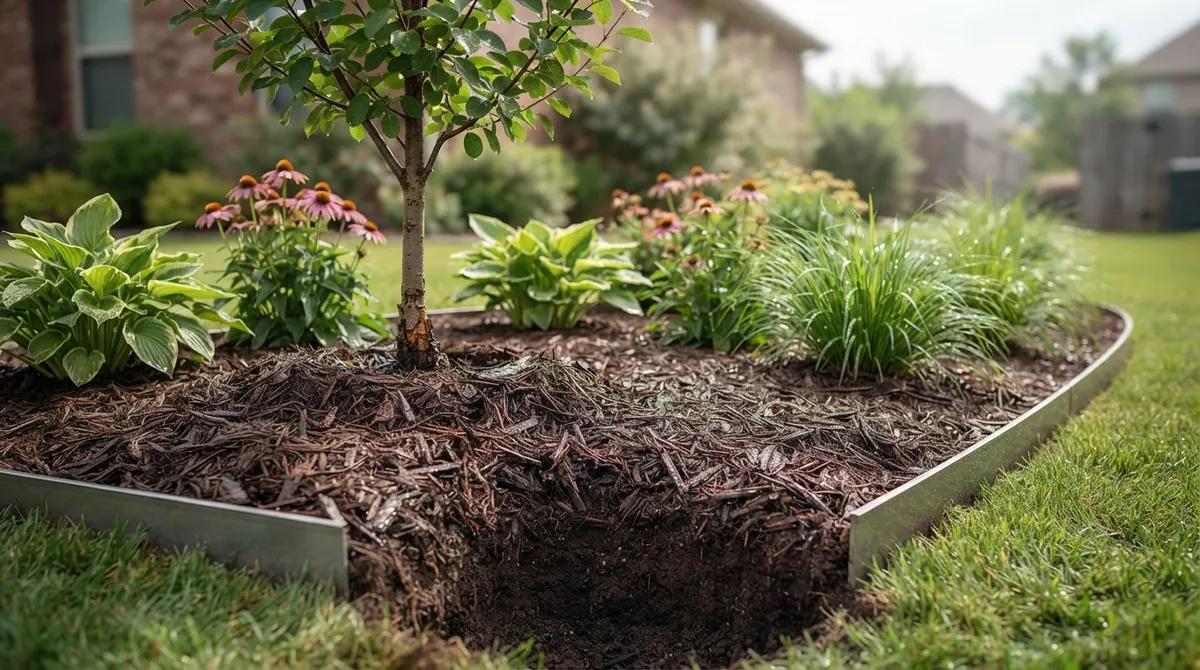
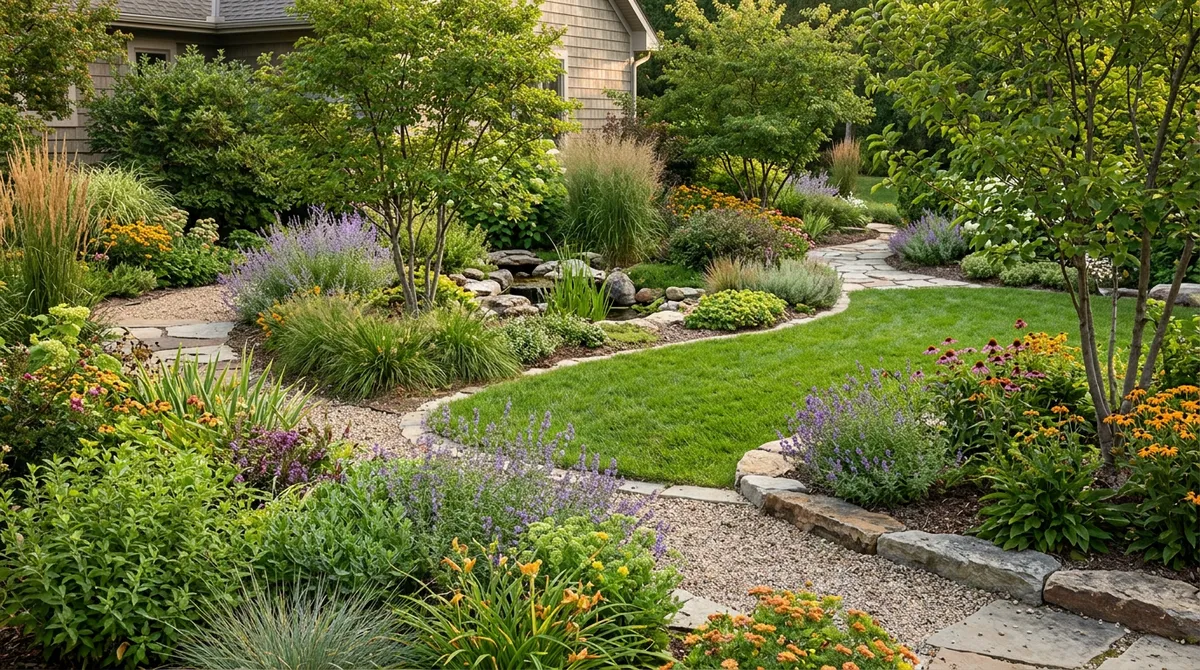
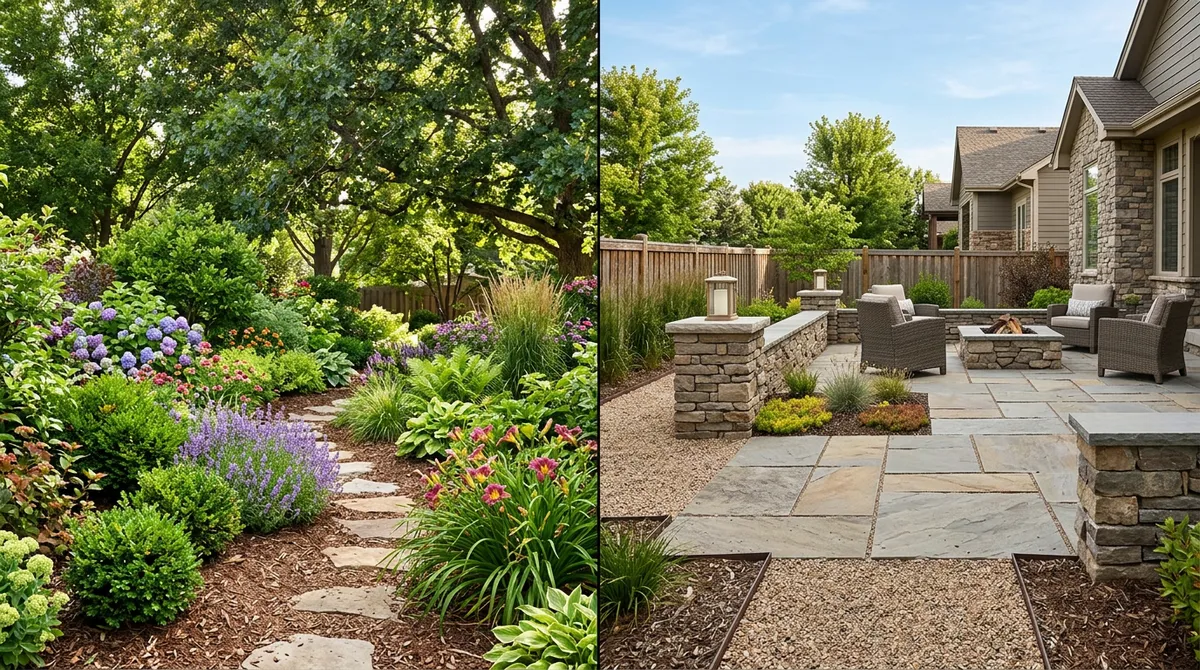
Landscaping is all about living elements. It includes the plants, trees, shrubs, flowers, grass, mulch, and soil that make your outdoor space feel alive and vibrant. When you see a yard bursting with color and texture, that’s landscaping at work.
Our softscapes service is a great example of this. Softscaping focuses on all the organic, growing components of your yard. It adds seasonal interest, natural beauty, and that warm, welcoming feel that makes a house look like a home.
Here are the key elements of landscaping:
- Trees and shrubs for shade, privacy, and structure
- Flowers and perennials for color and seasonal interest
- Lawn grass and ground covers for open, green spaces
- Mulch and soil amendments for healthy plant growth
- Native plants that thrive in Chicago’s climate
- Seasonal plantings that refresh your space throughout the year
Landscaping does require ongoing care. That means regular watering, pruning, fertilizing, and pest control. But the payoff — a lush, living landscape that changes beautifully with the seasons — is absolutely worth it. Resources like Landscape Illinois can help you learn more about plant choices that thrive in the Midwest.
What Is Hardscaping?
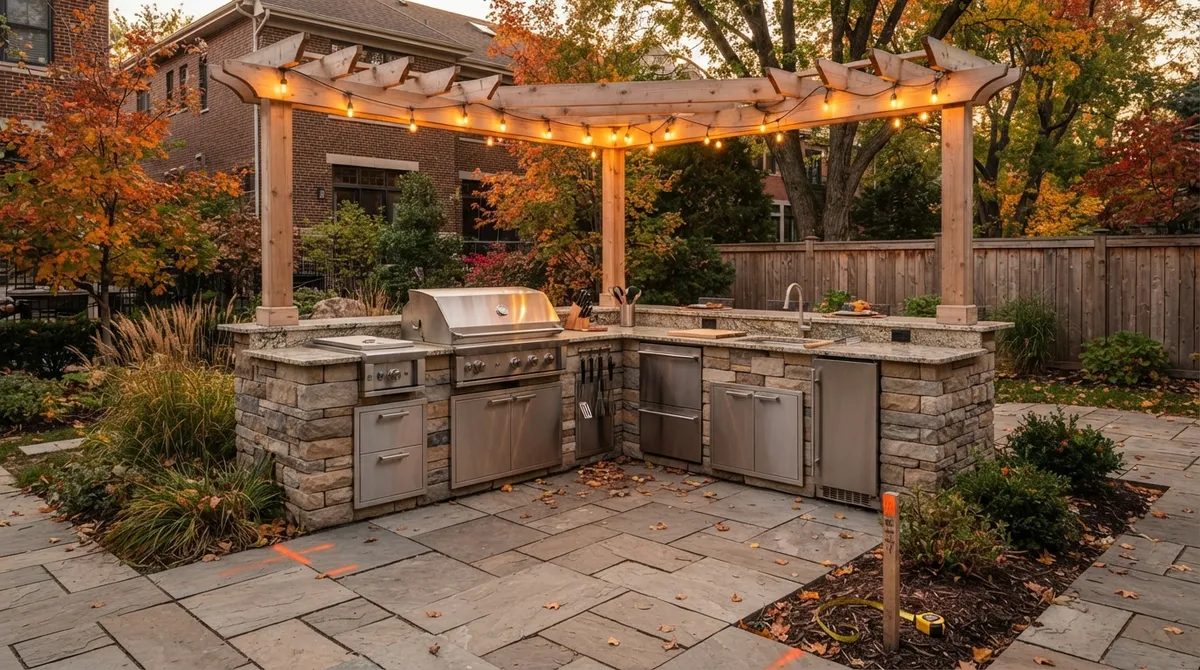
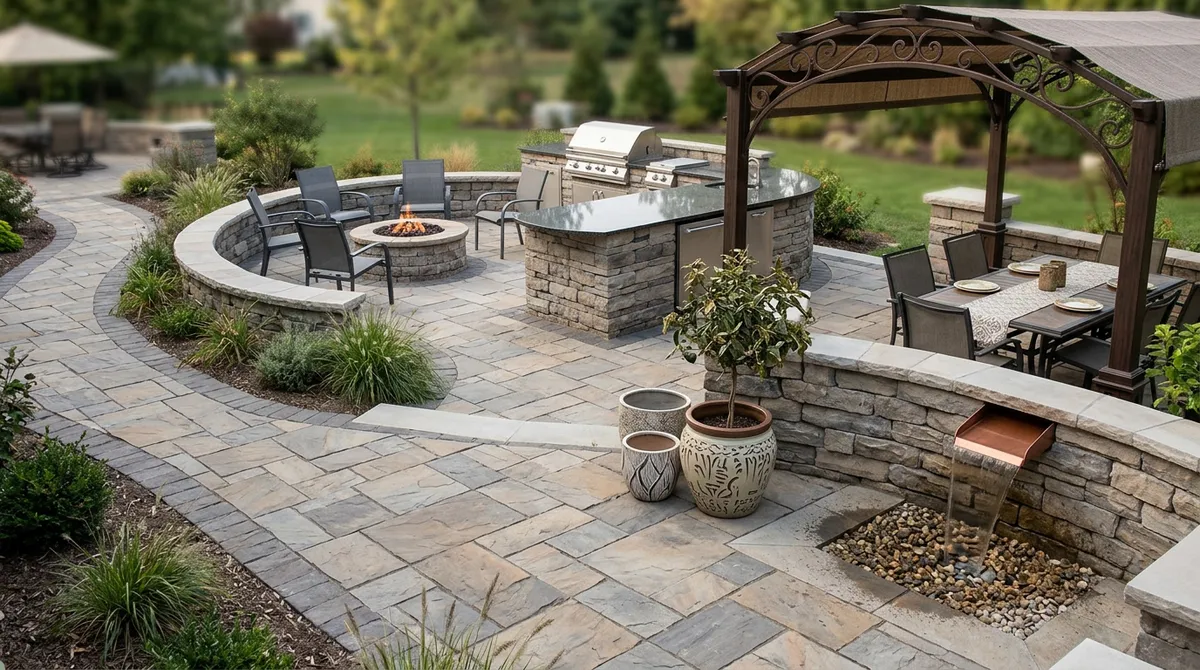
Hardscaping is the opposite of softscaping. It uses hard, non-living materials to create structure and function in your outdoor space. Think patios, walkways, retaining walls, fire pits, and outdoor kitchens. These are the bones of your landscape design.
Hardscaping materials include concrete, stone, brick, pavers, wood, and gravel. These elements are built to last and require very little upkeep once installed. That’s great news for busy homeowners and commercial property managers who want beautiful results without constant maintenance.
Here are common hardscaping features you’ll find in a well-designed outdoor space:
- Pavers for driveways, patios, and walkways
- Retaining walls for erosion control and terracing
- Fire pits for warmth and outdoor entertaining
- Pergolas and pavilions for shade and shelter
- Outdoor kitchens and dining areas
- Landscape lighting for ambiance and safety
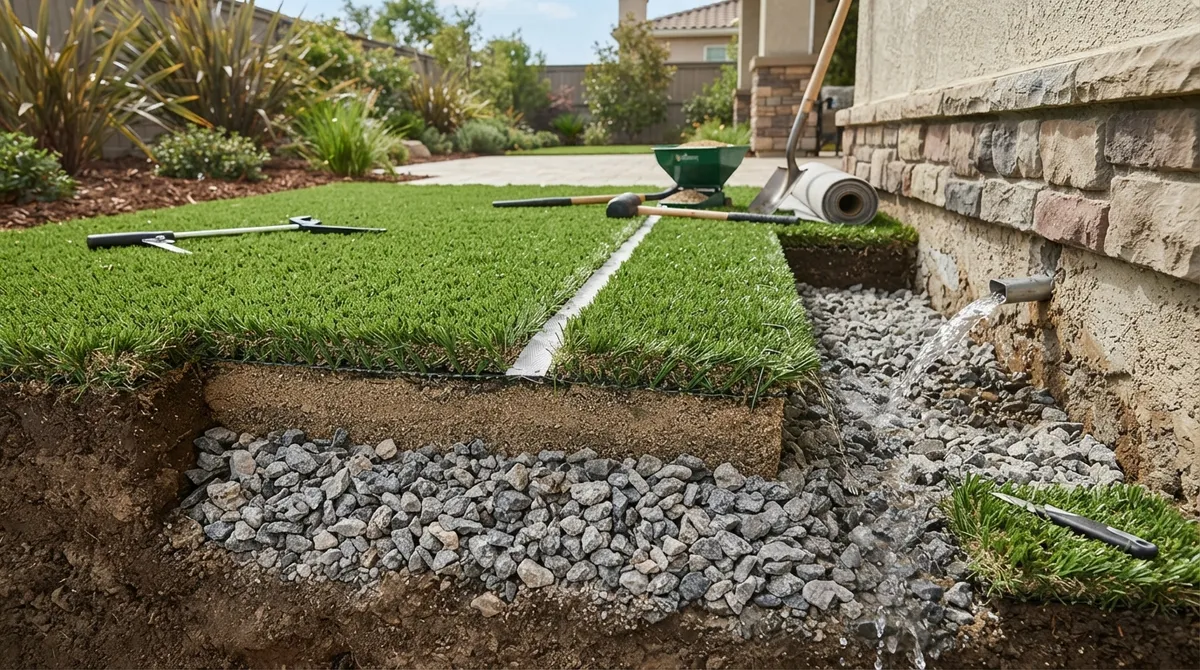
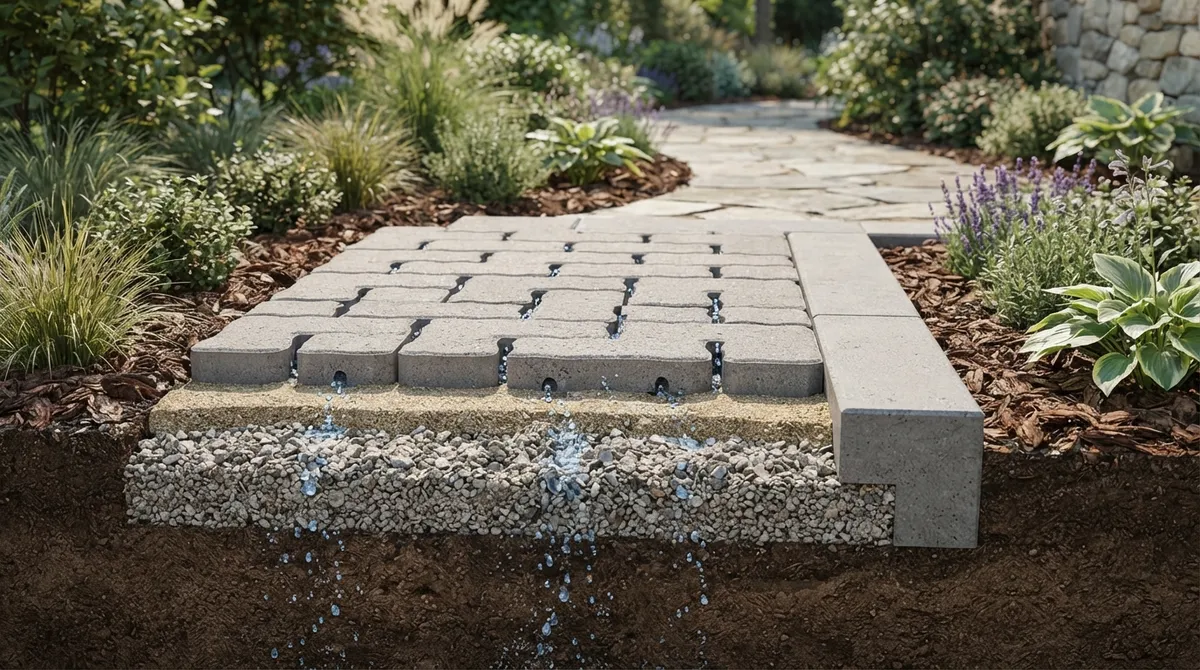
Hardscaping also improves the practical side of your property. It helps with drainage, reduces erosion, defines zones, and makes your outdoor space usable year-round — even during Chicago’s chilly winters.
Landscaping vs Hardscaping: A Side-by-Side Comparison
Still not sure how they stack up? This quick comparison table makes it easy to see the key differences at a glance.
| Feature | Landscaping (Softscape) | Hardscaping |
|---|---|---|
| Main Materials | Plants, trees, soil, mulch, grass | Stone, pavers, concrete, wood, brick |
| Maintenance Level | High (watering, pruning, fertilizing) | Low (occasional cleaning, sealing) |
| Upfront Cost | Generally lower | Generally higher |
| Durability | Seasonal changes, replacement needed | Long-lasting, permanent structures |
| Aesthetic Benefit | Color, texture, natural beauty | Structure, elegance, defined spaces |
| Functional Benefit | Shade, air quality, soil stabilization | Drainage, erosion control, usable zones |
| Best For | Curb appeal, seasonal interest | Outdoor living, entertaining spaces |
How to Decide What Your Outdoor Space Needs
Now that you know the difference, how do you choose? The honest answer is — you probably need both. But the right balance depends on your goals, lifestyle, and budget. Here’s a simple step-by-step approach to figuring it out.
Step 1: Define Your Goals
Start by asking yourself what you want your outdoor space to do. Do you want to entertain guests? Grow a garden? Add curb appeal? Create a play area for kids? Your goals will guide every decision you make.
For example, if you want an outdoor dining area, you’ll need hardscaping like a patio and lighting. If you want a peaceful garden, softscaping takes center stage. Most people want a little of both.
Step 2: Assess Your Current Space
Take a good look at your yard. Note the slopes, drainage issues, sun exposure, and existing features. Properties in the Chicago suburbs often deal with clay-heavy soil, harsh winters, and freeze-thaw cycles — all factors that influence your design choices.
Sloped yards may need retaining walls to prevent erosion. Flat, open yards might benefit from defined walkways and planting beds. Understanding your space helps you prioritize where to invest first. You can also check out our landscape design guide for more helpful tips.
Step 3: Consider Your Maintenance Tolerance
Be honest about how much time and energy you can dedicate to upkeep. If you travel frequently or have a busy schedule, lean toward more hardscaping. It’s durable, low-maintenance, and always looks polished.
If you love spending time in the garden and enjoy the seasonal rhythm of planting and pruning, softscaping is your happy place. Many of our clients love a mix — beautiful plantings around a low-maintenance paver patio, for instance.
Step 4: Set a Realistic Budget
Hardscaping projects typically cost more upfront. They involve skilled labor, heavy materials, and precision installation. However, they also reduce long-term maintenance costs by minimizing areas that need mowing or plant care.
Landscaping is generally more affordable to install but has ongoing costs like fertilizer, seasonal plantings, and professional maintenance. A balanced investment in both often delivers the best long-term value. You can explore our project process page to understand how we approach planning and budgeting.
Step 5: Plan the Layout Together
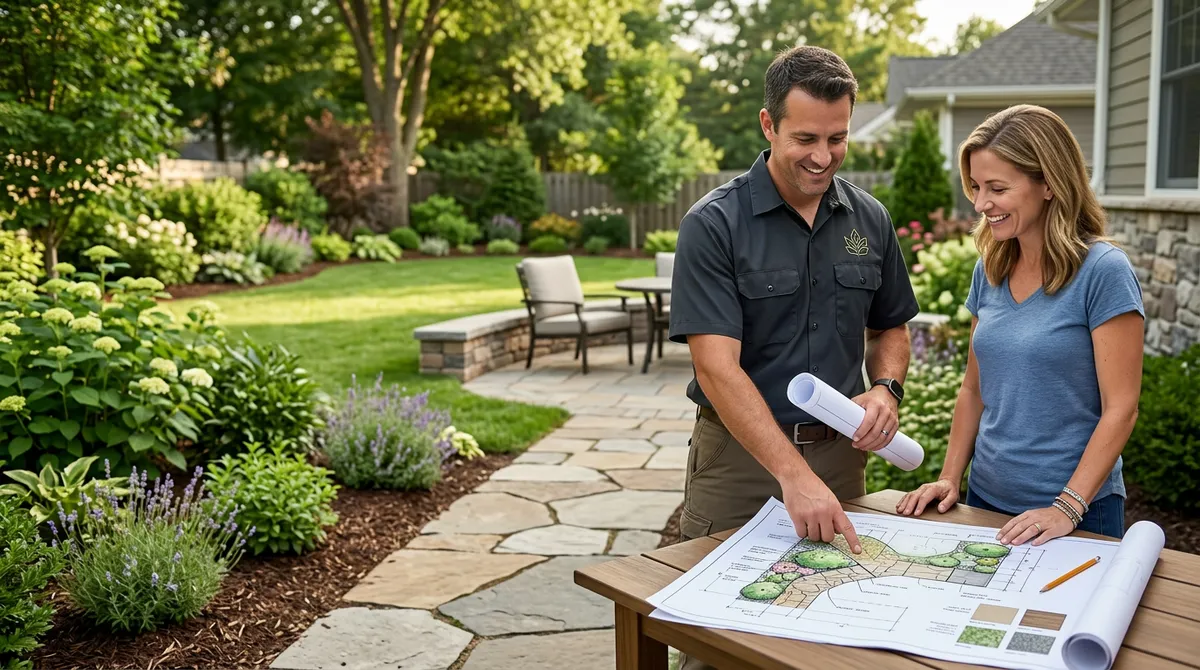
The magic really happens when hardscaping and softscaping are planned together. Hardscape elements form the framework — the structure and flow of your space. Landscaping then softens those hard edges with greenery, color, and natural texture.
For example, a stone retaining wall looks stunning when paired with cascading ornamental grasses and flowering perennials. A paver patio feels more inviting when bordered by lush shrubs and seasonal flowers. See how this comes to life in our gallery of our work.
Special Considerations for Chicago-Area Properties
Living in the greater Chicago area comes with unique challenges and opportunities for outdoor design. Winters are cold and long. Summers can be hot and humid. Spring brings heavy rainfall. Your landscape needs to handle all of it gracefully.
Here’s how landscaping vs hardscaping plays out in the Chicago climate:
- Hardscaping with proper drainage prevents water pooling during spring rains
- Native plants in your softscape survive harsh winters without extra care
- Pavers withstand freeze-thaw cycles better than poured concrete
- Retaining walls prevent soil erosion on slopes during heavy storms
- Fire pits and pergolas extend your outdoor season well into fall
If you’re curious about the best paver options for Chicago’s climate, our article on landscape pavers for Chicago homes is a great read. For hardscape installation standards, the ICPI Certified Installer program ensures contractors meet rigorous quality benchmarks — something worth looking for when hiring.
Tips for Balancing Landscaping and Hardscaping
Getting the right balance is an art. Here are some tried-and-true tips to help you create a cohesive, beautiful outdoor space that works hard and looks great.
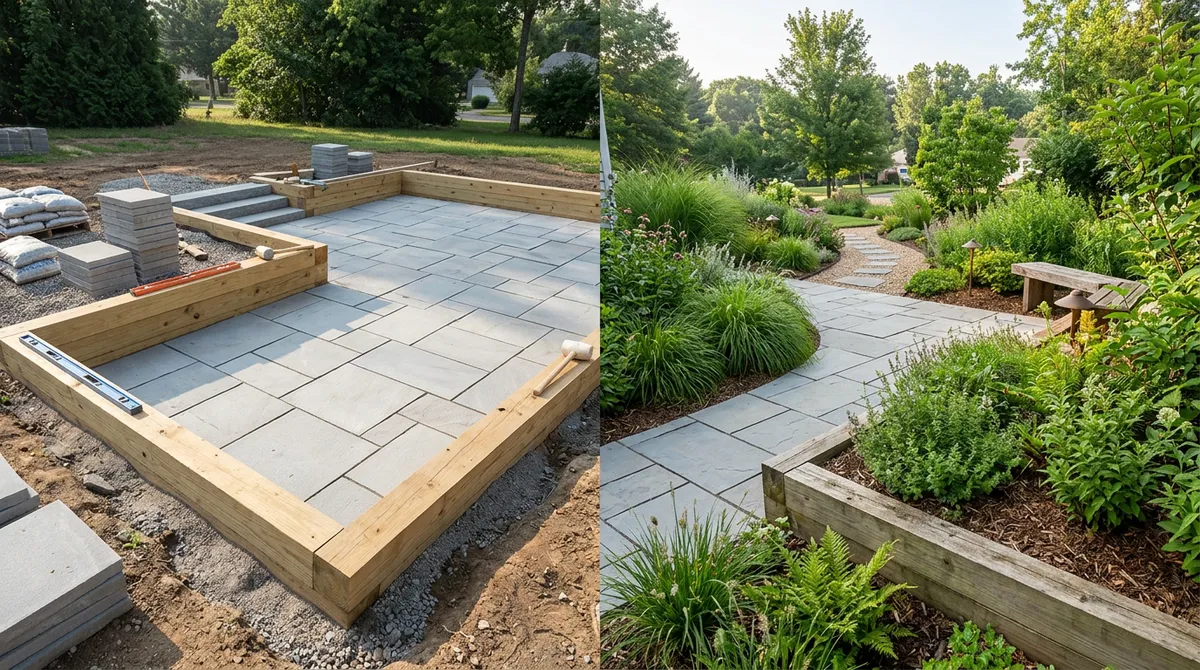
- Start with hardscaping. Build patios, walkways, and retaining walls first. Then fill in the softscape around them. This prevents plants from being damaged during construction.
- Use plants to soften hard edges. Greenery along a wall or pathway makes the space feel natural and welcoming. It connects the structural elements to the living landscape.
- Choose low-maintenance plants near high-use areas. Shrubs and ornamental grasses near your patio require less care than flower gardens and still look polished year-round.
- Add lighting to both elements. Landscape lighting highlights both hardscape features and beautiful plantings. It also extends your evening outdoor time. Explore our lighting and sound services for inspiration.
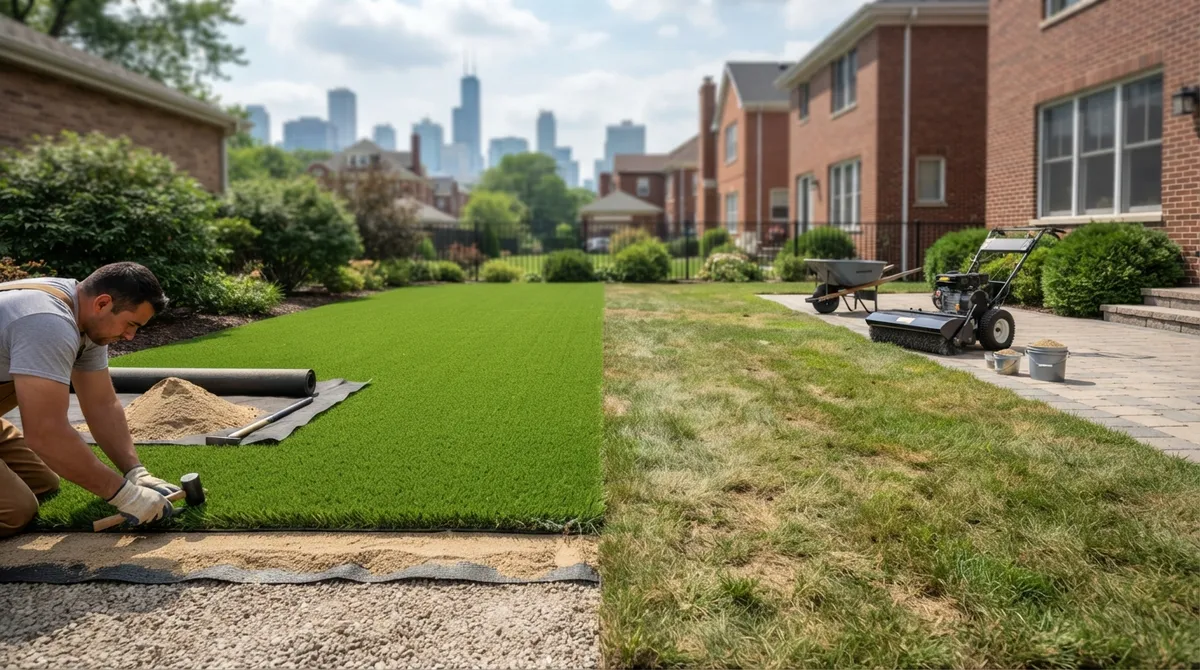
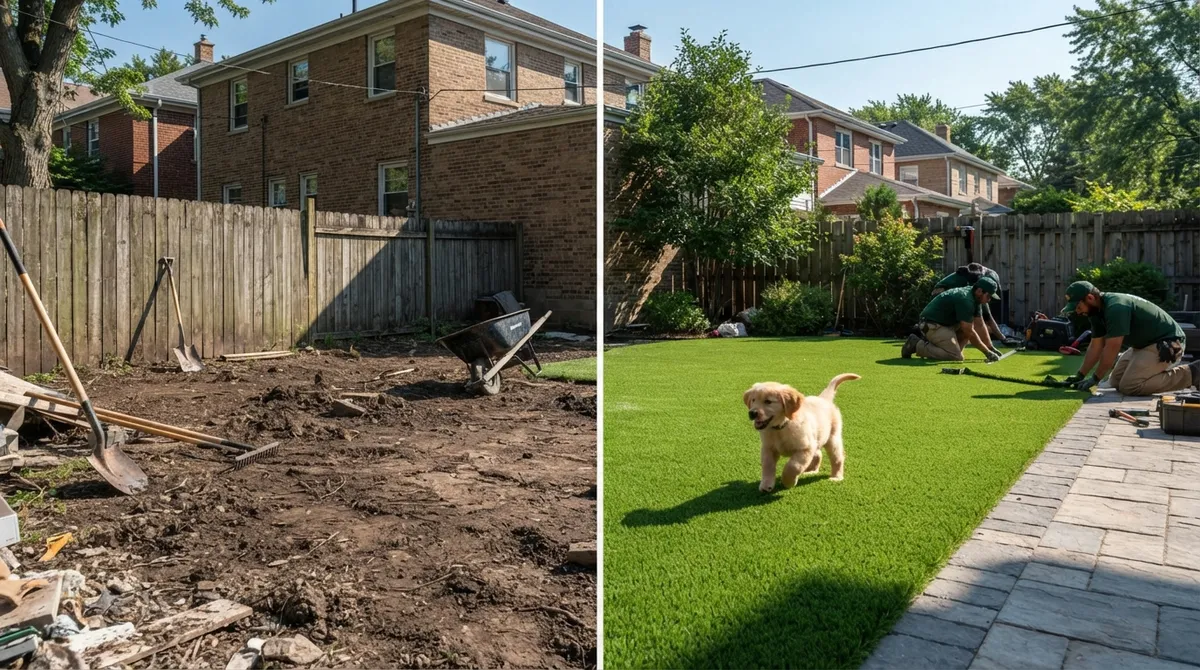
- Consider artificial turf in problem areas. In spots where grass struggles to grow, artificial turf installation bridges the gap between hard and soft elements beautifully.
- Think year-round, not just summer. Choose hardscaping that functions in winter and plants with multi-season interest so your space looks great all year long.
Who Should Handle Your Project?
Not all landscaping companies offer full hardscaping services. Hardscaping is more like construction — it requires precision cutting, heavy lifting, and specialized skills. When evaluating who to hire, look for a team that can handle both sides of the equation.
At Serenity Landscape Group, we’ve been serving residential and commercial clients across the greater Chicago area for over two decades. We offer a complete suite of services — from softscapes and pavers to retaining walls, fire pits, pergolas, and commercial lawn maintenance. Our team can design and build your entire outdoor vision under one roof, making the process smooth and stress-free.
For commercial property managers, our commercial lawn maintenance program keeps your property looking its best through every season. And for new home builders in Aurora and the surrounding suburbs, we deliver turnkey outdoor features that make properties truly stand out.
The Bottom Line on Landscaping vs Hardscaping
The landscaping vs hardscaping debate doesn’t have to be a battle — it’s really a partnership. Hardscaping gives your outdoor space structure, durability, and function. Landscaping brings it to life with beauty, color, and natural energy. Together, they create an outdoor experience you’ll love every single day.
The key is knowing your goals, understanding your space, and working with a team that can bring both elements together seamlessly. Whether you’re starting from scratch or refreshing an existing yard, the right balance of landscaping and hardscaping will transform your property in ways that truly delight.
Ready to bring your outdoor vision to life? Request your free estimate today and let’s start designing a space you’ll love for years to come.
FAQs
Q: What is the main difference between landscaping and hardscaping?
A: Great question! Landscaping focuses on living elements like plants, trees, grass, and soil, while hardscaping uses non-living materials like stone, pavers, concrete, and wood for features like patios and walkways. Think of hardscaping as the structure and landscaping as the beauty that fills it in — they’re a dream team!
Q: Is hardscaping more expensive than landscaping?
A: Hardscaping typically costs more upfront because it involves heavy materials and skilled labor for installation. However, it can actually save you money over time by reducing ongoing maintenance needs like mowing and watering. It’s a smart long-term investment for most outdoor spaces.
Q: Can a landscaping company handle hardscaping projects?
A: Not all landscaping companies do — hardscaping is more like construction and requires specialized skills! That’s why it’s important to look for a full-service team that handles both softscaping and hardscaping. A company like Serenity Landscape Group can manage your entire project from start to finish, so everything works together beautifully.
Q: How does hardscaping help with drainage and erosion in Chicago?
A: Hardscaping features like retaining walls, graded patios, and paver walkways are designed with drainage in mind. They help direct water away from your home and prevent soil erosion, which is especially important in Chicago where spring rains and freeze-thaw cycles can really put your yard through the wringer!
Q: How do I balance landscaping and hardscaping in my outdoor design?
A: The best approach is to start with your hardscaping — build the patios, walkways, and walls first — then layer in your softscaping around those structures. This protects your plants during construction and ensures everything flows naturally. Working with an experienced landscape designer makes this process so much easier and more enjoyable!