Key Takeaways
-
Skip proper site assessment of Chicago’s clay-heavy soil and drainage patterns before installation, as poor drainage causes water pooling and long-term turf damage.
-
Choose eco-friendly infill systems like MONDO’s Ecofill Star instead of crumb rubber from recycled tires to ensure athlete safety and meet school district health standards.
-
Install comprehensive drainage infrastructure including permeable sub-base, drainage pipes, and proper grading to handle Chicago’s heavy rainfall and prevent field closures.
-
Schedule turf installation during summer break with a design-build contractor experienced in Chicago projects to avoid school-year disruptions and ensure compliance with local permits.
-
Plan complementary landscape features like fencing, lighting, storage buildings, and paved pathways alongside turf installation to create a cohesive, functional athletic environment.
-
Hire contractors with proven Chicago experience, local certifications, and portfolio of completed athletic field projects rather than general landscaping companies.
If your school or facility is thinking about installing athletic field turf in Chicago, you’re making a smart move. A quality turf field means kids can play year-round, rain or shine. It eliminates muddy conditions, reduces maintenance headaches, and creates a safe space for sports and recreation. But here’s the thing — many schools and property managers make costly mistakes during the planning and installation process. These mistakes can lead to poor drainage, unsafe playing surfaces, and wasted budgets.
Whether you manage a school campus, a community park, or a commercial property in the Chicago area, this guide will help you avoid the most common pitfalls. From choosing the wrong infill to skipping drainage prep, we’ve got you covered. Let’s walk through seven mistakes you really don’t want to make when planning school athletic field turf in Chicago.
Mistake 1: Skipping Proper Site Assessment
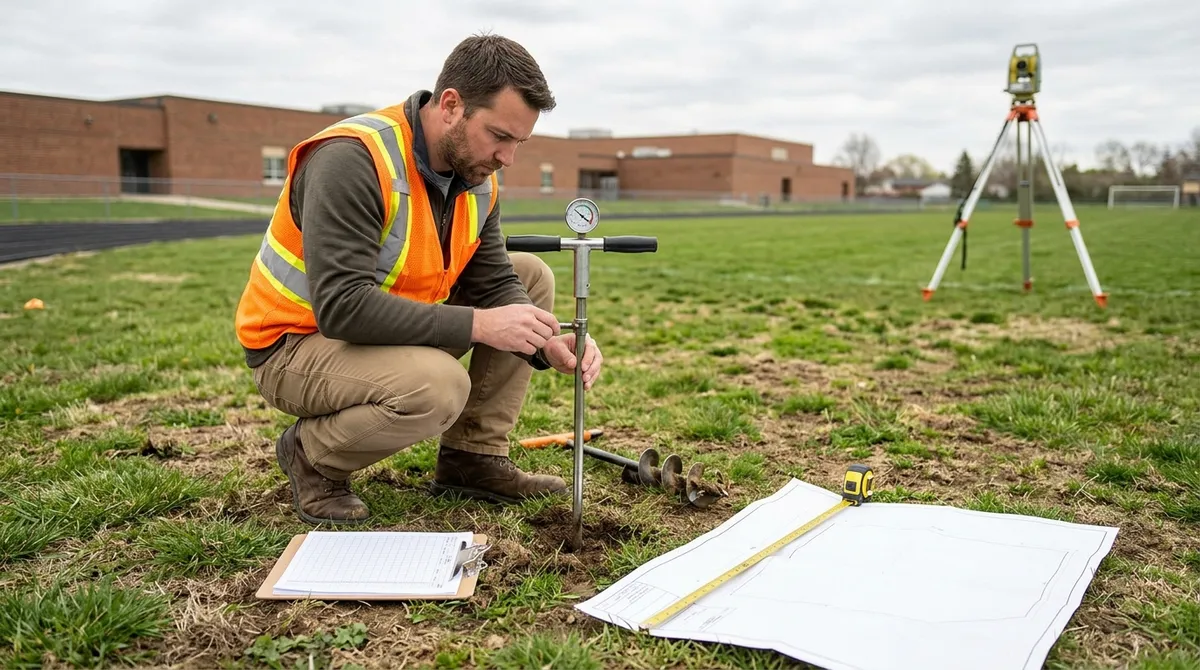
One of the biggest mistakes is jumping into installation without a thorough site assessment first. Chicago’s clay-heavy soil doesn’t drain well naturally. If you skip this step, water can pool under the turf and cause long-term damage.
A proper site assessment looks at soil composition, existing drainage patterns, and grading. It also checks for underground utilities and any city water detention requirements. This step protects your investment from day one. Certified landscaping professionals, like those recognized by Landscape Illinois, always recommend starting here.
Before any turf goes down, make sure your landscaping team has done a full walkthrough and soil analysis. It’s a small step that saves big headaches later.
Mistake 2: Choosing the Wrong Turf Infill
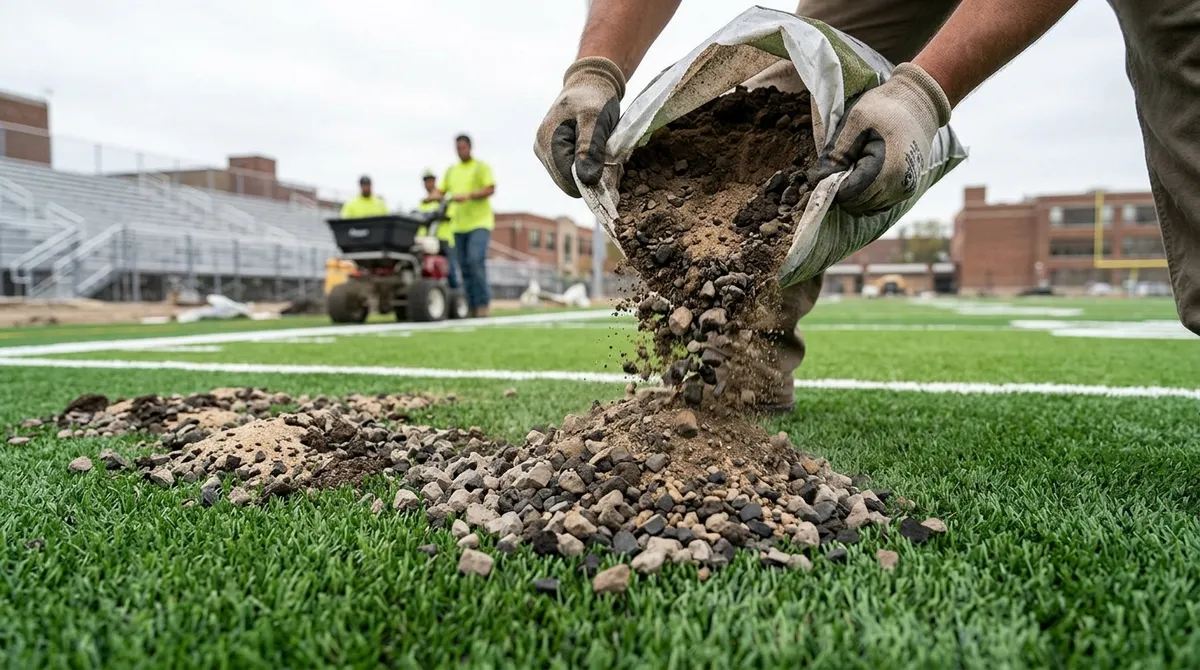
Not all turf infill is created equal — especially for school athletic fields where kids are playing every day. Some older infill systems use crumb rubber from recycled tires. While cost-effective, these materials have raised health concerns among parents and administrators.
In 2026, the preferred choice for school athletic field turf in Chicago is eco-friendly infill. Systems like MONDO’s Ecofill Star avoid harmful materials while still delivering great performance. These infills keep the surface cool, provide cushioning, and are safer for young athletes.
Here are the key things to look for in a turf infill system:
- Free from harmful chemicals or recycled tire rubber
- Good heat management to keep surfaces cooler in summer
- Strong cushioning for fall protection
- Durability that holds up through Chicago’s harsh winters
- Compliance with city and school district health standards
Talking to your landscaping contractor about infill options early in the process makes a big difference. Check out artificial turf installation services to learn more about what eco-friendly options look like in practice.
Mistake 3: Ignoring Drainage Infrastructure
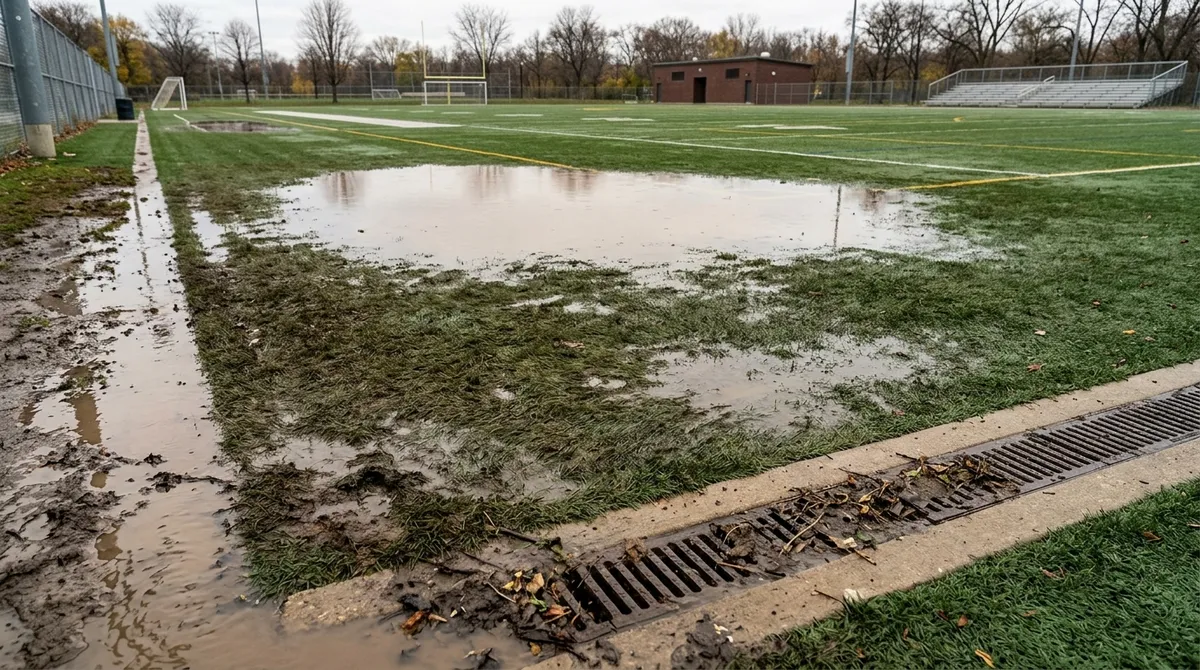
Chicago gets a lot of rain. A school athletic field without proper drainage is a recipe for puddles, field closures, and turf damage. Many projects focus on the turf itself but forget about what happens underneath it.
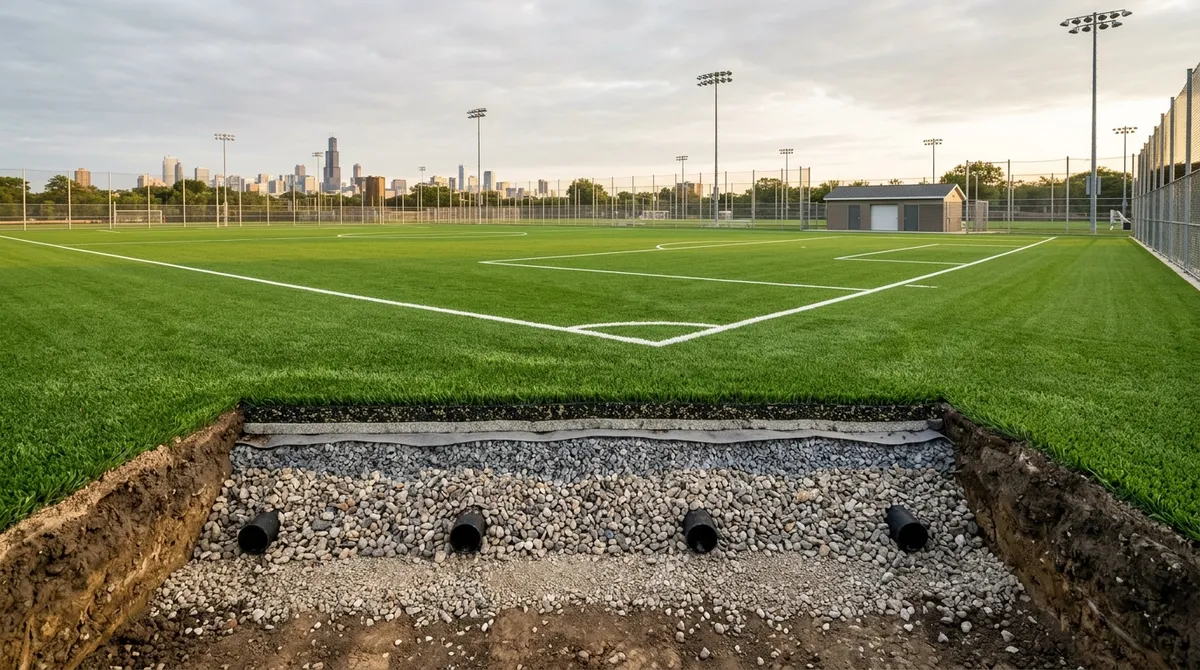
Good drainage infrastructure includes:
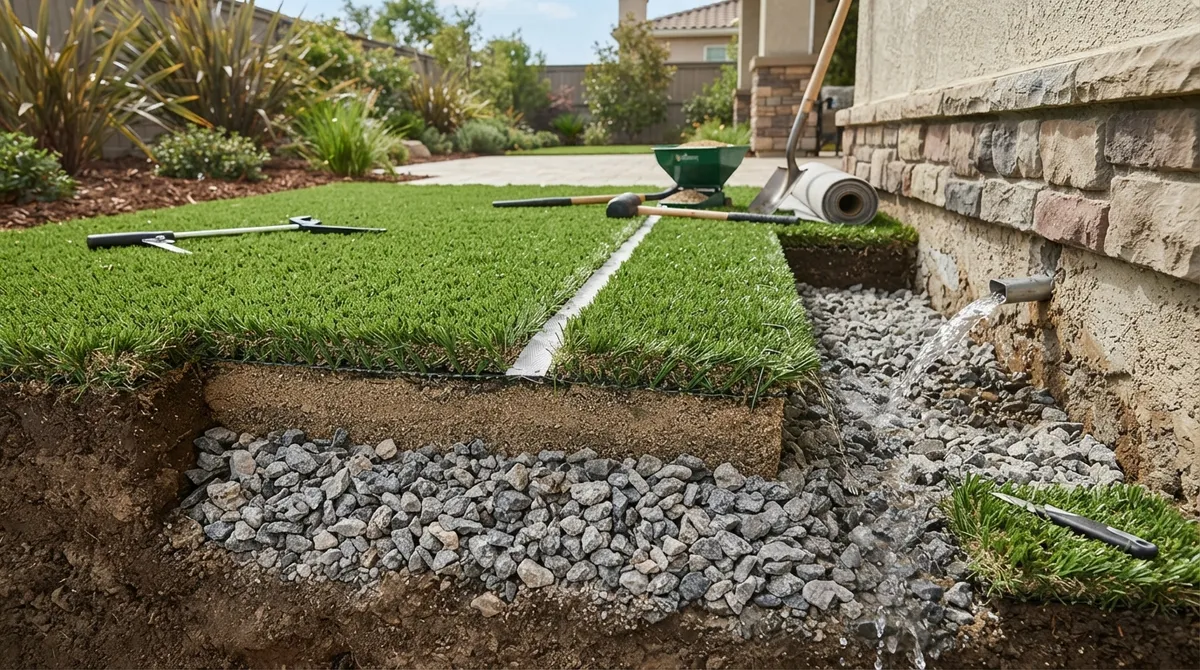
- A properly graded base layer that channels water away from the field
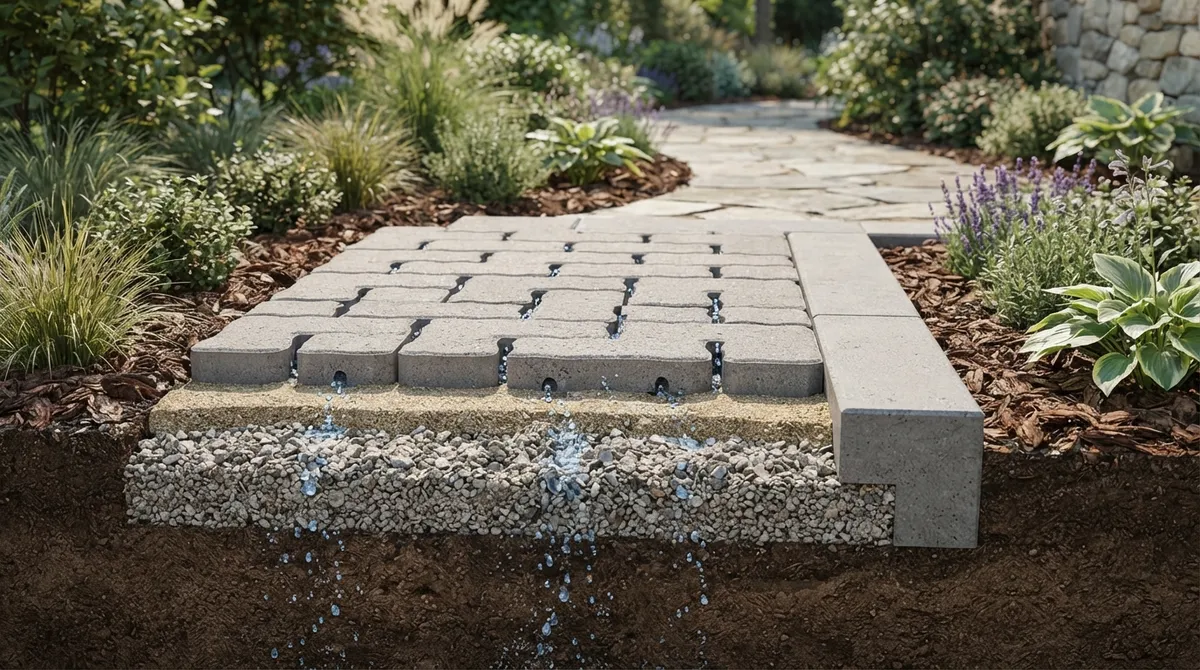
- A permeable sub-base material, such as crushed stone or gravel
- Drainage pipes or channels at field edges to manage heavy rainfall
- Compliance with Chicago’s stormwater detention requirements
Recent projects in Chicago, like the Winnemac Park turf installation that debuted on March 25, 2026, included full drainage upgrades alongside the turf. This ensures the fields stay playable even after heavy spring rains. Good drainage also means fields are ready faster after wet weather, reducing event cancellations.
Mistake 4: Poor Planning Around the Project Timeline
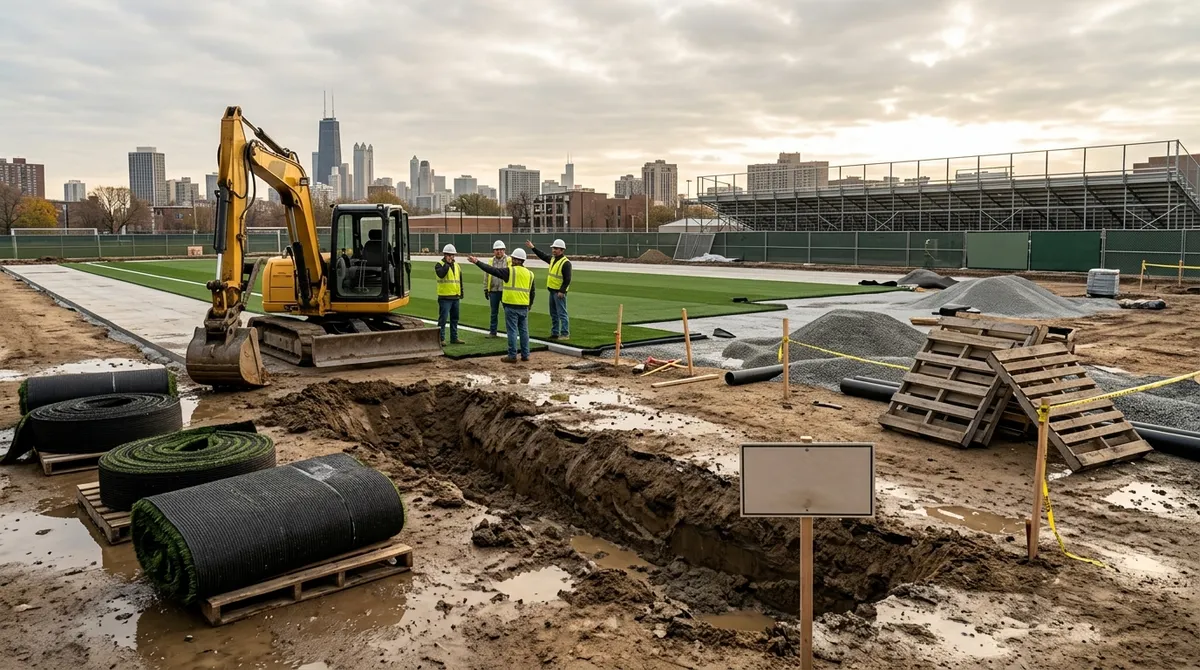
Athletic field turf installation is a big job. For a school, the timing has to be right. Many schools make the mistake of not planning far enough ahead, which leads to rushed installs or work that interrupts the school year.
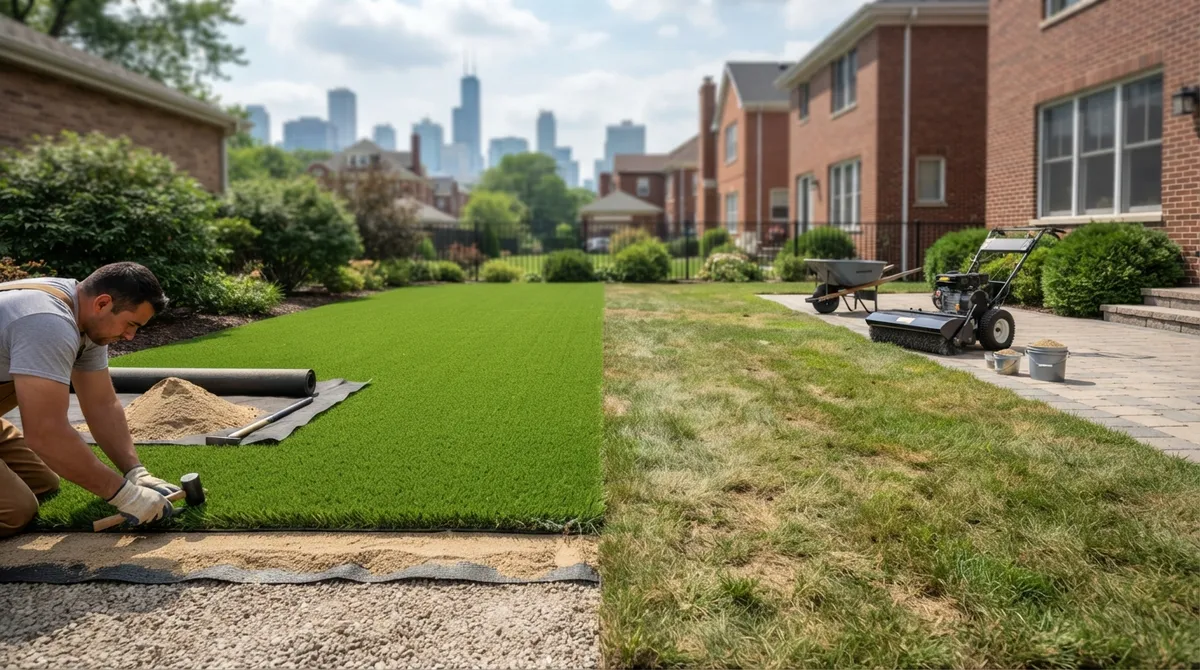
The best approach is to schedule installation during summer break. Large turf field installations can move quickly — some contractors can complete up to 20,000 square feet of turf per day. But preparation work, drainage installation, and landscaping features take additional time.
Here’s a simple project timeline checklist to follow:
- Start planning in fall for a summer installation
- Complete your site assessment and design by early spring
- Secure permits and city approvals before the school year ends
- Begin site prep work in early June
- Install turf and complementary features through July
- Complete final inspections and walkthroughs before fall semester
Working with an experienced landscaping team that uses a design-build approach keeps things efficient. You can learn more about how a professional team manages a project from start to finish by reviewing a detailed project process.
Mistake 5: Forgetting Complementary Landscape Features
A turf field alone doesn’t make a great athletic space. Many schools and property managers forget to plan for the features that surround the field. These extras are what turn a basic installation into a functional, welcoming outdoor environment.
Think about these complementary features when planning school athletic field turf in Chicago:
- Fencing: Keeps balls in bounds and defines the space
- Lighting: Allows for evening games and events — lighting and sound solutions can transform an athletic space
- Running tracks: Adds multi-use functionality for PE and athletics
- Storage buildings: Keeps equipment organized and protected
- Landscaping borders: Softscape plantings and softscape services improve the visual appeal and reduce erosion
- Paved pathways: Paver installation around the field improves access and reduces mud tracked indoors
The Francis W. Parker School project in Lincoln Park is a great example of this done right. The installation included not just turf but surrounding landscape improvements that created a cohesive, polished athletic environment. Planning these elements together saves money and ensures everything works as one unified design.
Mistake 6: Not Checking Local Regulations and Permits
Chicago has specific regulations for school and park athletic field installations. Skipping the permit process is a serious mistake that can halt your project mid-construction or require costly rework.
Key regulatory areas to address include:
- City of Chicago stormwater detention requirements
- Chicago Department of Transportation access and safety standards
- School district guidelines for athletic field surfaces
- Environmental compliance for turf materials and infill
Working with contractors who are familiar with local codes is essential. ICPI Certified Installers understand how hardscape and landscape installations must comply with municipal standards. An experienced local team handles permitting as part of the project workflow, so nothing gets overlooked.
If you’re managing a commercial property or school campus in the Chicago area, partnering with a team that offers commercial lawn maintenance and landscaping services ensures you stay compliant year after year, not just during installation.
Mistake 7: Choosing a Contractor Without Relevant Experience
Not every landscaping company has experience with school athletic field turf in Chicago. This is a specialized type of installation that requires knowledge of turf systems, drainage engineering, local regulations, and large-scale project management.
Here’s what to look for when choosing a turf landscaping contractor:
- Proven portfolio: Ask to see completed athletic field projects — reviewing a gallery of work tells you a lot about quality and scope
- Local experience: A contractor who knows Chicago soil, weather, and regulations is a major asset
- Design-build capability: One team handling design through installation ensures consistency and efficiency
- Client references: Talk to schools or property managers who have used their services
- Licensing and certifications: Verify they carry proper insurance and hold relevant certifications
At Serenity Landscape Group, we bring over two decades of experience to every project in the greater Chicago metropolitan area. From athletic fields to full commercial landscape design, our team handles complex projects with care and precision. We understand what Chicago properties need to look great and perform well through every season.
Comparing Turf Field Features: What to Include in Your Project
| Feature | Why It Matters | Priority Level |
|---|---|---|
| Eco-Friendly Infill | Protects athlete health, meets school standards | High |
| Drainage Infrastructure | Prevents puddles, extends turf life | High |
| Fencing | Safety and field boundary definition | Medium-High |
| Field Lighting | Enables evening use and events | Medium |
| Running Track | Multi-sport functionality | Medium |
| Paved Pathways | Reduces mud, improves accessibility | Medium |
| Softscape Borders | Aesthetics, erosion control | Low-Medium |
| Storage Building | Equipment organization and protection | Low-Medium |
The Real Benefits of Getting It Right
When school athletic field turf in Chicago is installed correctly, the benefits are outstanding. Fields become usable year-round, even through Chicago’s rainy springs and early autumns. Weather-related event cancellations drop dramatically. Students get more time outdoors for recess, PE, soccer, field hockey, and organized athletics.
Here are the top benefits of a well-executed turf field project:
- Year-round usability for multiple sports and recreational activities
- No more muddy conditions canceling games or outdoor time
- Lower long-term maintenance costs compared to natural grass
- Safer, consistent playing surface for student athletes
- Improved curb appeal and community pride for the school campus
- Environmental benefits with properly selected eco-friendly systems
The Winnemac Park installation that debuted in March 2026 is a great local example. The new turf fields were ready just in time for spring sports, giving the Lincoln Square community a reliable, high-quality athletic space. Projects like this show what’s possible when planning, drainage, landscaping, and turf come together under one well-managed approach.
If you’re thinking about how this could work for your school or property, it also helps to understand what a full landscape design process looks like from concept to completion.
Don’t Let These Mistakes Slow You Down
School athletic field turf in Chicago is a worthwhile investment. But it’s only worth it when the planning, materials, drainage, and contractor selection are done right. Avoid these seven mistakes, and you’ll end up with a field that students, coaches, and the whole community can enjoy for years to come.
Ready to start your project on the right foot? The team at Serenity Landscape Group is here to help you plan, design, and install a turf field that meets Chicago’s standards and exceeds your expectations. Request your free estimate today and let’s create an athletic space that your school community will be proud of — or give us a ring directly at (630) 359-5139 to talk through your project.
FAQs
Q: What are the main benefits of artificial turf for school athletic fields in Chicago?
A: Artificial turf allows Chicago school fields to be used year-round, even through rainy springs and cold falls. It eliminates muddy conditions, reduces maintenance costs, and provides a consistent, safe surface for sports like soccer, field hockey, and PE activities. It’s a game-changer for keeping kids active no matter the weather!
Q: How long does it take to install school athletic field turf in Chicago?
A: Installation timelines vary by field size, but experienced teams can lay up to 20,000 square feet of turf per day. Most school athletic field projects are planned during summer break to avoid disruption, with full projects — including drainage and landscaping features — typically completed within two to three months.
Q: What eco-friendly turf infill options are available for Chicago school fields?
A: In 2026, eco-friendly infill options like MONDO’s Ecofill Star are popular choices for school athletic fields because they avoid harmful crumb rubber from recycled tires. These systems prioritize athlete safety, manage heat well, and provide excellent cushioning — perfect for keeping young players safe and comfortable.
Q: Do school athletic field turf installations in Chicago require city permits?
A: Yes, most school and park turf field installations in Chicago require permits and must meet city stormwater detention requirements. Working with an experienced local landscaping contractor ensures all permits are secured and the project stays compliant with Chicago’s regulations from start to finish.
Q: How does artificial turf improve drainage on Chicago athletic fields?
A: A well-installed turf field includes a permeable sub-base layer, proper grading, and drainage channels that direct water away from the playing surface. This setup handles Chicago’s heavy spring rains far better than natural grass, keeping fields playable and reducing weather-related event cancellations significantly.