Key Takeaways
-
Natural grass requires 4-6 hours of direct sunlight daily and fails in shaded areas by turning yellow, thinning out, and dying, while synthetic grass stays lush and green year-round without any sunlight.
-
Synthetic grass lasts 15-20 years in shaded environments and eliminates the need for watering (saving 30-50 gallons per week), mowing, fertilizing, and constant reseeding that natural grass demands.
-
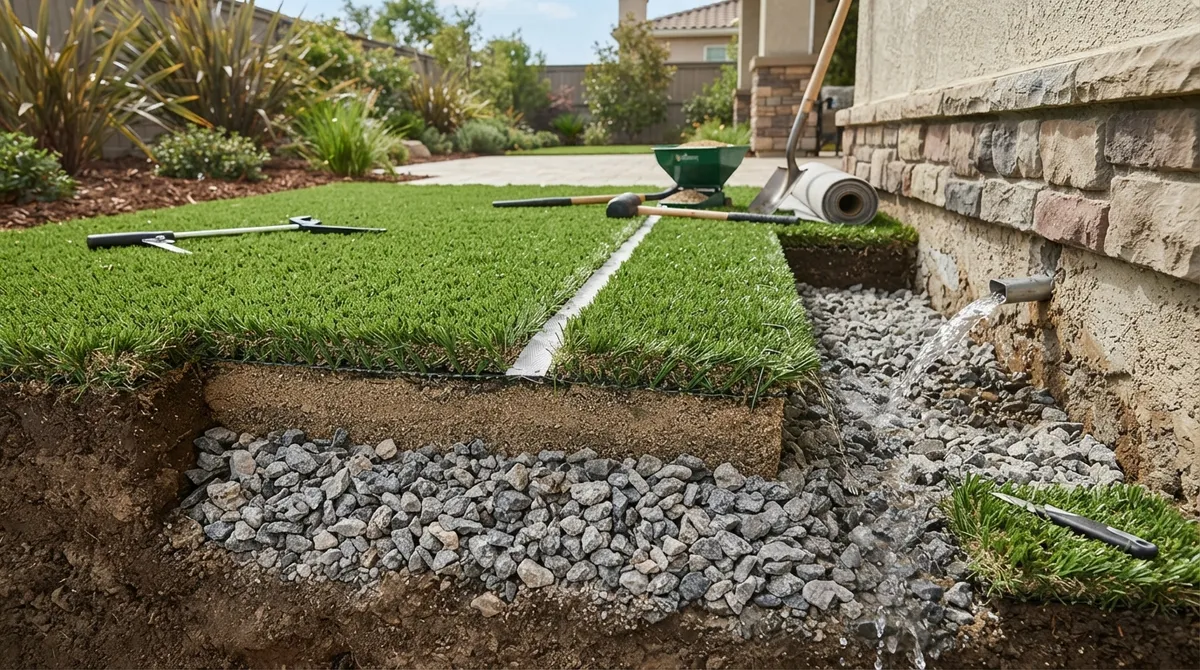
Shaded areas with poor drainage create ideal conditions for mold and moss growth, but synthetic grass with permeable backing prevents standing water and moisture buildup that damages natural lawns.
-
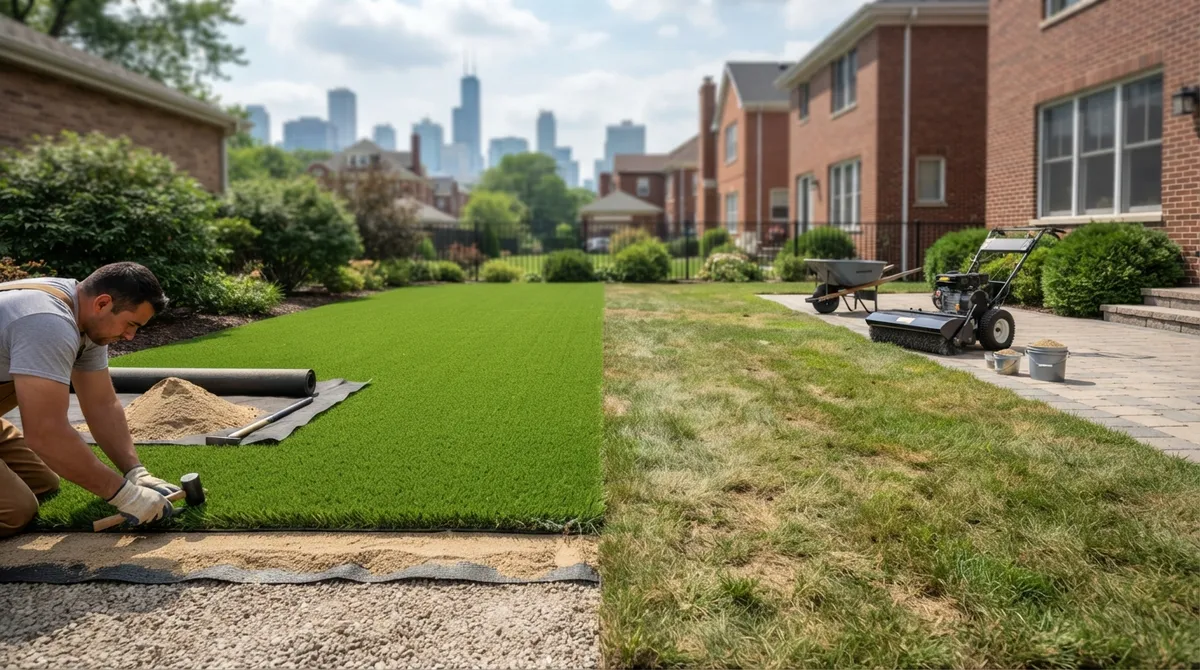
Professional installation involves site assessment, ground preparation with crushed aggregate base, weed barrier fabric, proper turf fitting with sealed seams, and infill application to ensure long-term durability.
-
Maintenance for synthetic grass in shaded spots is minimal: occasional rinsing, leaf removal, fiber brushing, and drainage checks—eliminating the constant upkeep burden of natural grass in low-light areas.
-
Synthetic grass works effectively in diverse shaded applications including under tree canopies, north-facing yards, narrow side yards, pool surrounds, and urban courtyards without disturbing root systems or requiring sunlight.
If you have a shady spot in your yard that looks more like a mud patch than a lawn, you are not alone. Natural grass simply struggles without sunlight. Whether it is under a tree, along the side of your house, or in a north-facing yard, low-light areas are a constant headache for homeowners and property managers alike. The good news? Synthetic grass for shaded areas is one of the smartest landscaping solutions available in 2026. It stays lush, green, and beautiful year-round — no sunlight required. In this guide, we will walk you through everything you need to know about using artificial turf in shady spots, from its benefits and applications to maintenance tips and installation considerations.
Why Natural Grass Fails in Shaded Areas
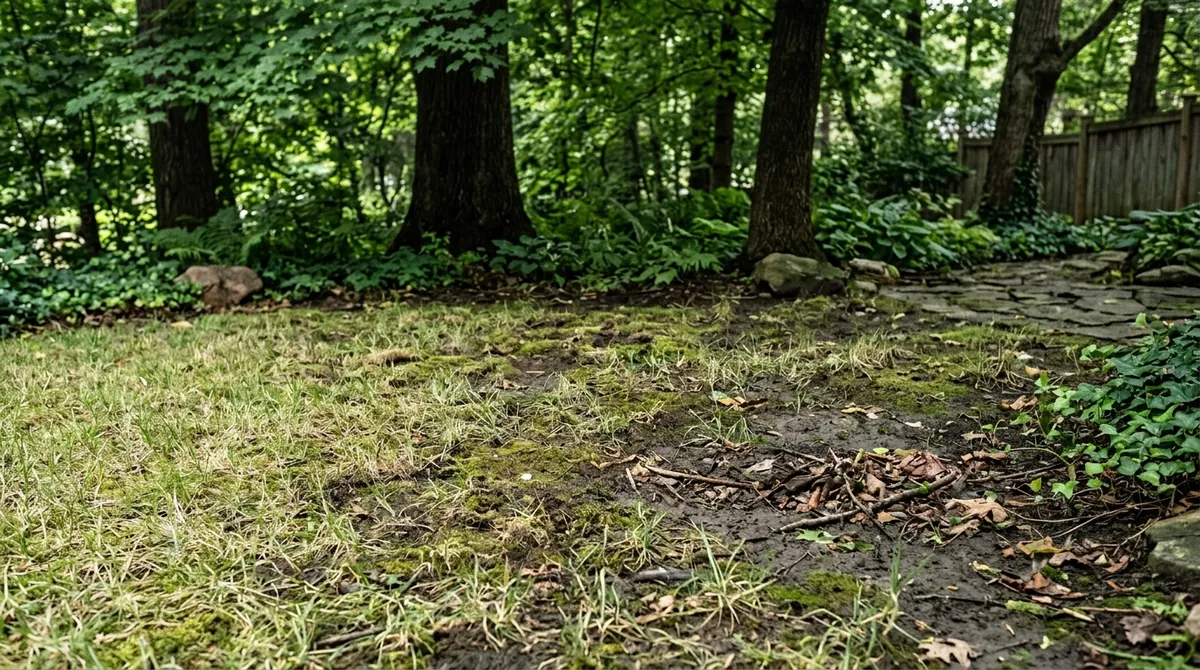
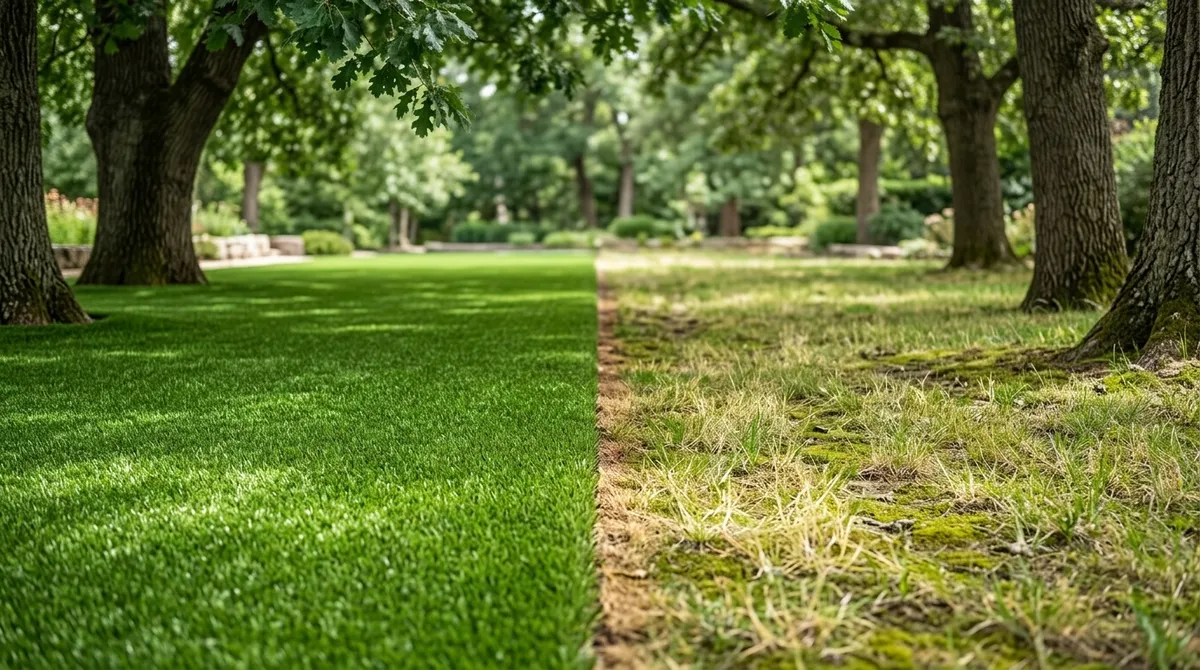
Natural grass needs sunlight to survive. It relies on photosynthesis to produce food and grow. Without enough light, it turns yellow, thins out, and eventually dies. Most grass varieties need at least 4 to 6 hours of direct sunlight every day to stay healthy. When they do not get it, you end up with patchy, bare, or muddy spots that are frustrating to look at and difficult to fix.
Shaded areas also tend to stay damp longer. That moisture creates the perfect environment for moss, mold, and fungal growth. You can try reseeding every spring, but without fixing the root problem — lack of light — natural grass will keep failing in those spots. That is where synthetic grass steps in as a game-changer.
What Makes Synthetic Grass Perfect for Shaded Spots
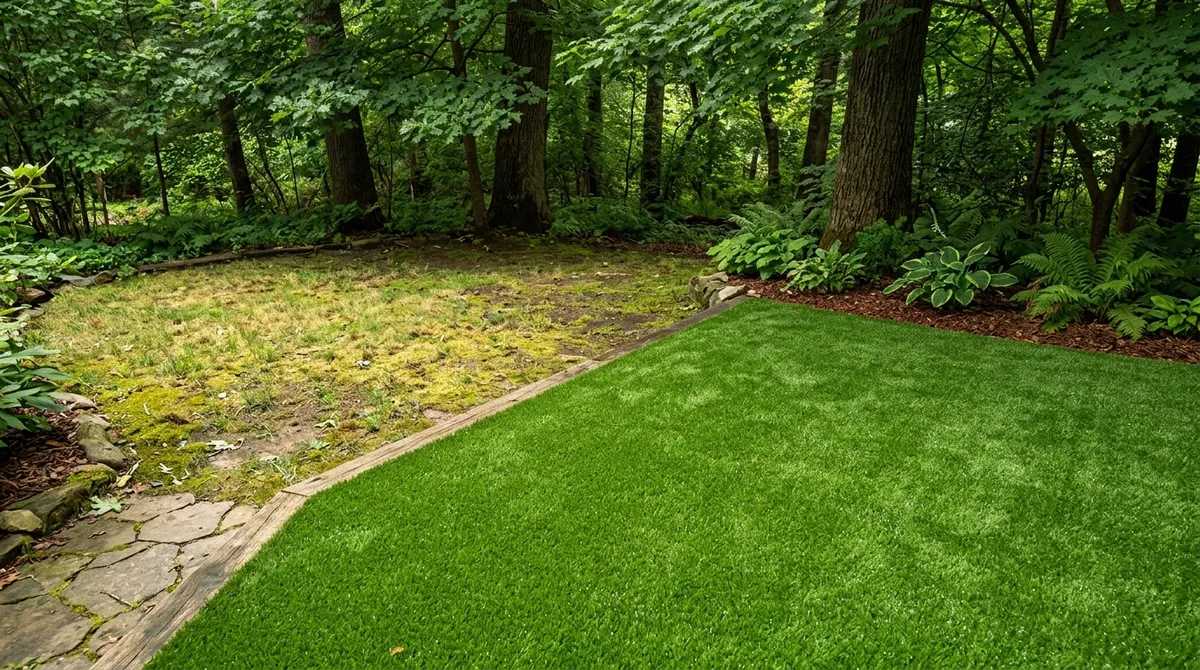
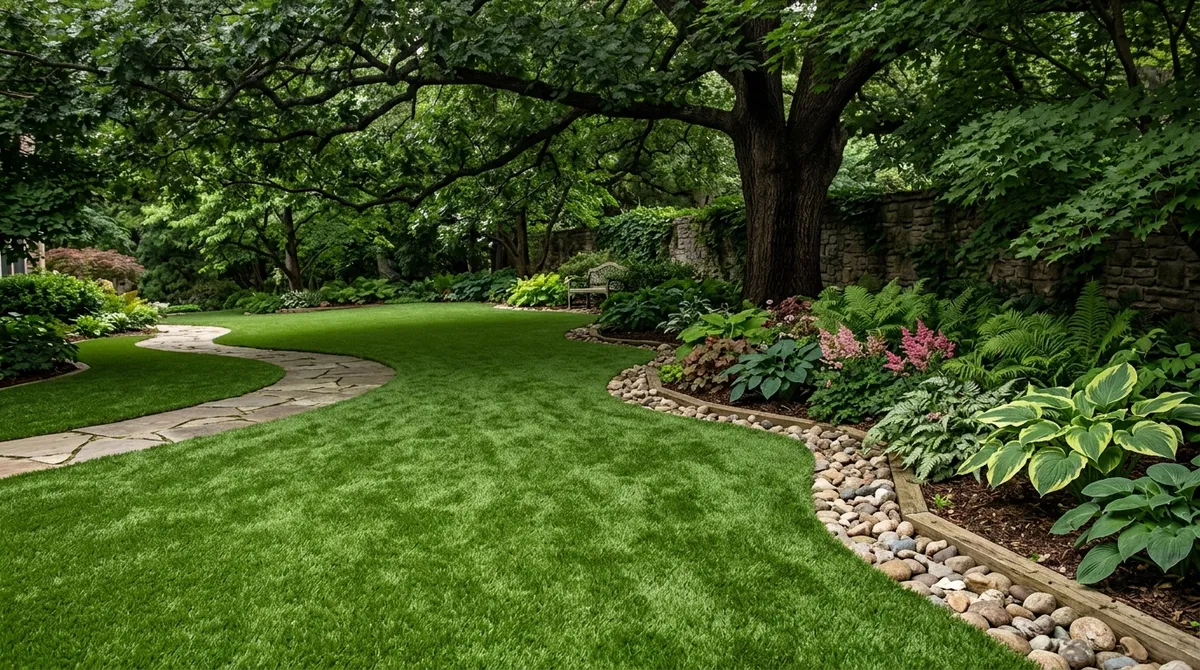
Synthetic grass does not need sunlight at all. It is made from durable materials like polyethylene and polypropylene, which hold their color and shape regardless of how much shade they receive. Whether your yard is shaded all day or just part of the day, artificial turf will look just as green and vibrant.
Here is why synthetic grass for shaded areas is such a popular choice among homeowners and commercial property managers in the Chicago area:
- No sunlight needed: Artificial turf stays green without any photosynthesis.
- Consistent appearance: No patchy, bare, or yellow spots — ever.
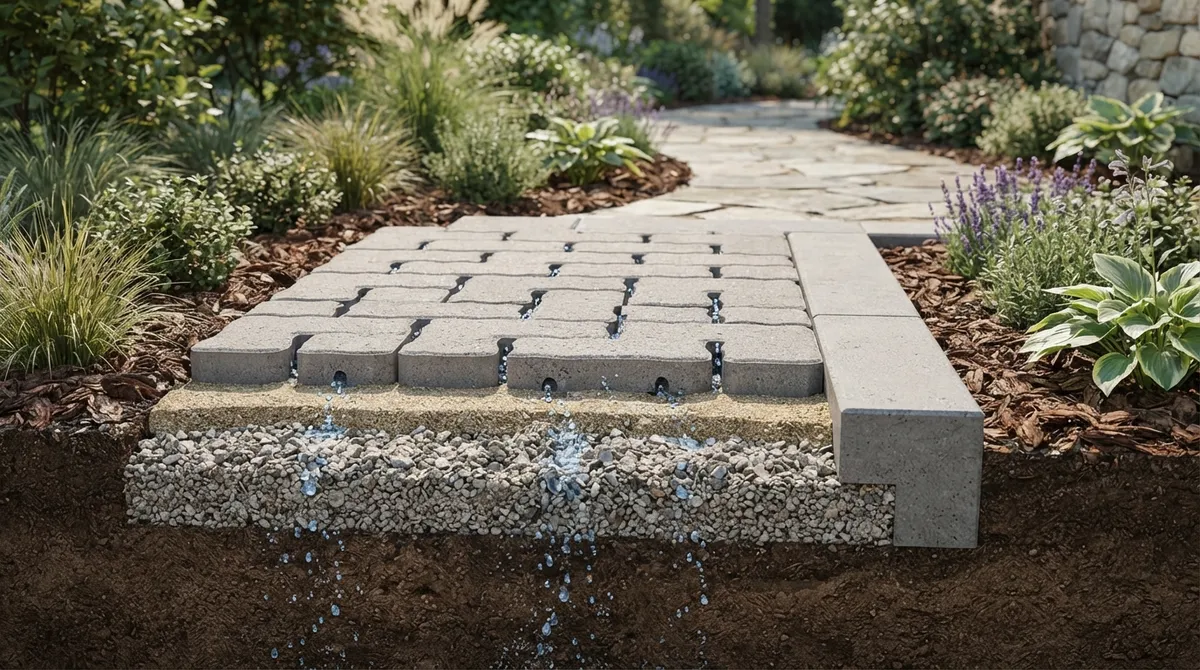
- Excellent drainage: Permeable backing prevents standing water, mud, and moss buildup.
- Durable materials: Resists UV fading, moisture, and heavy foot traffic.
- Long lifespan: Quality synthetic turf lasts 15 to 20 years, even in damp, shaded environments.
- Zero watering needed: Natural grass uses 30 to 50 gallons of water per week; artificial turf uses none.
For those interested in softscape landscaping solutions that complement artificial turf, there are plenty of design options to enhance shaded spaces beautifully.
Top Applications for Synthetic Grass in Low-Light Areas
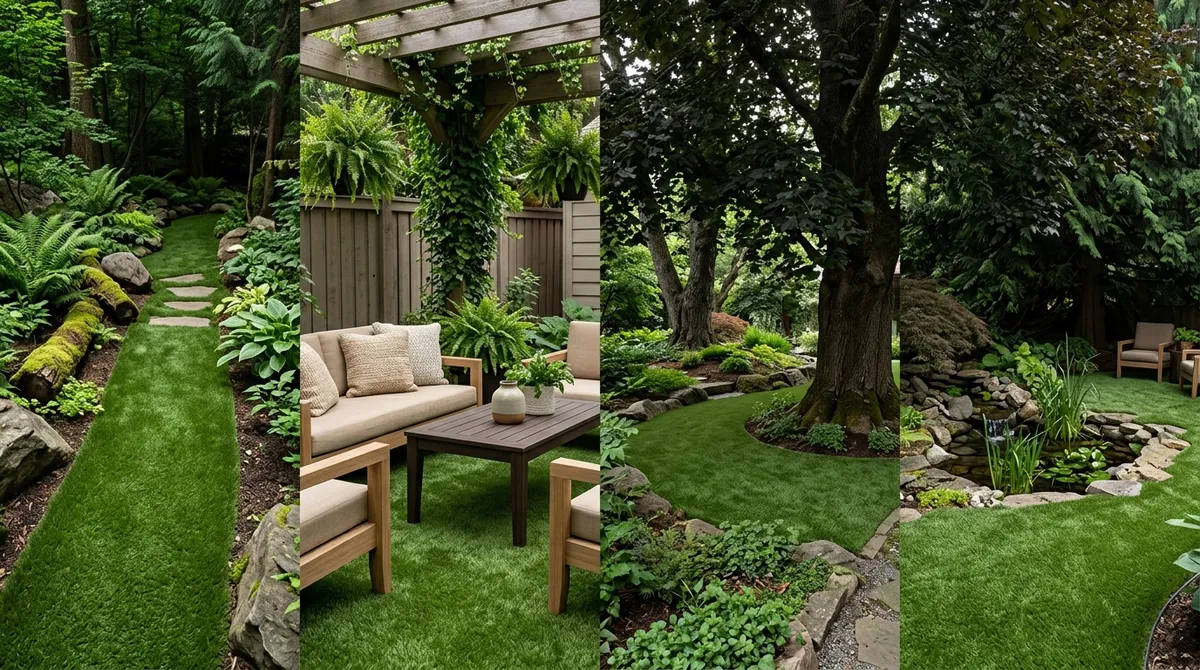
Synthetic grass is incredibly versatile. It works well in many challenging spots where natural grass has given up. Here are the most common applications:
1. Under Large Trees
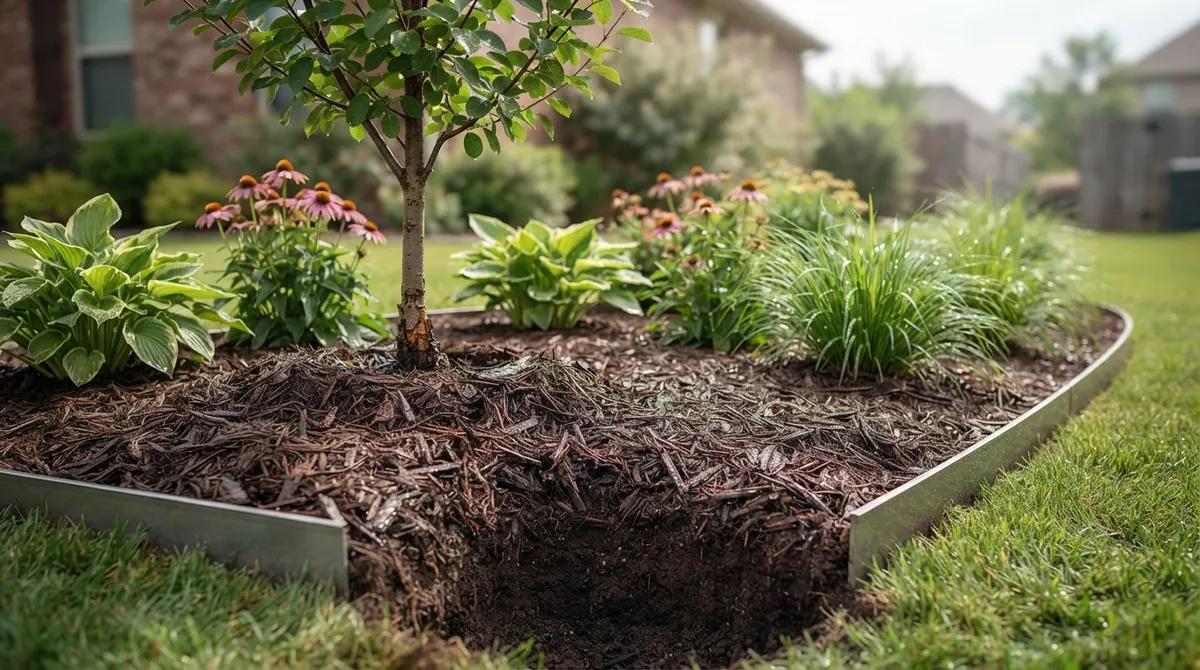
Tree canopies block sunlight and compete with grass for water and nutrients. Artificial turf solves both problems instantly. It lays flat around the base of trees without disturbing root systems, and it looks neat and tidy all year long.
2. North-Facing Yards and Lawns
North-facing outdoor spaces receive very little direct sunlight, especially during Chicago’s long winters. Synthetic grass thrives here, giving homeowners a green lawn even when the sun barely reaches the yard.
3. Side Yards and Narrow Passages
Side yards are notorious trouble spots. They are narrow, often shaded by fences or walls, and see little foot traffic — yet they still look messy with dead or patchy grass. Synthetic turf transforms these forgotten spaces into clean, attractive areas.
4. Pool Surrounds and Patios
Even shaded pool areas and outdoor patios benefit from synthetic grass. It provides a non-slip, clean surface that looks polished. You can pair it beautifully with professionally installed pavers for a cohesive outdoor design.
5. Urban Courtyards and Rooftop Spaces
For urban condo owners and commercial property managers in Chicago, shaded courtyards and rooftop terraces are tricky to landscape. Synthetic grass offers a lightweight, low-maintenance green solution that looks fantastic in compact city spaces.
Synthetic Grass vs. Natural Grass in Shaded Areas: A Comparison
| Feature | Natural Grass (Shaded) | Synthetic Grass (Shaded) |
|---|---|---|
| Sunlight Required | 4–6 hours/day minimum | None |
| Water Use | 30–50 gallons/week | 0 gallons |
| Lifespan | Seasonal, often dies in shade | 15–20 years |
| Maintenance | Mowing, watering, fertilizing | Minimal — occasional rinse |
| Mold/Moss Risk | High in damp, shaded areas | Low with proper drainage |
| Year-Round Appearance | Brown/patchy in fall and winter | Consistently green |
| Eco-Friendly | Requires chemicals and water | No irrigation, recycled materials |
As you can see, synthetic grass wins in almost every category when it comes to shaded environments. According to Landscape Illinois, sustainable landscaping practices like reducing water use and eliminating chemical treatments are increasingly important for both residential and commercial properties.
Key Benefits of Synthetic Grass for Homeowners and Businesses
Let us break down the benefits in a way that speaks to your specific needs — whether you own a home in the Chicago suburbs or manage a commercial property downtown.
For Suburban Homeowners
- Say goodbye to reseeding shaded patches every spring.
- Meet HOA standards with a consistently manicured lawn.
- Create safe play areas for kids under tree canopies.
- Save time on mowing and lawn care in hard-to-reach spots.
For Commercial Property Managers
- Maintain a polished, professional curb appeal year-round.
- Reduce landscaping maintenance costs significantly.
- Manage stormwater effectively with permeable turf backing.
- Create inviting outdoor spaces for employees and visitors.
If you manage a commercial property, you may also want to explore commercial lawn maintenance services to keep your full property looking sharp alongside your synthetic turf installation.
For New Home Builders and Developers
- Install turnkey, low-maintenance lawns that appeal to buyers.
- Solve landscaping challenges in shaded lots without extra cost.
- Deliver a finished, beautiful outdoor space from day one.
How Synthetic Grass Is Installed in Shaded Areas
Proper installation is key to getting the most out of your synthetic turf investment. Here is a step-by-step overview of how a professional installation typically works:
- Site assessment: A landscaping expert evaluates the shaded area, noting drainage patterns, soil type, and any tree roots or obstacles.
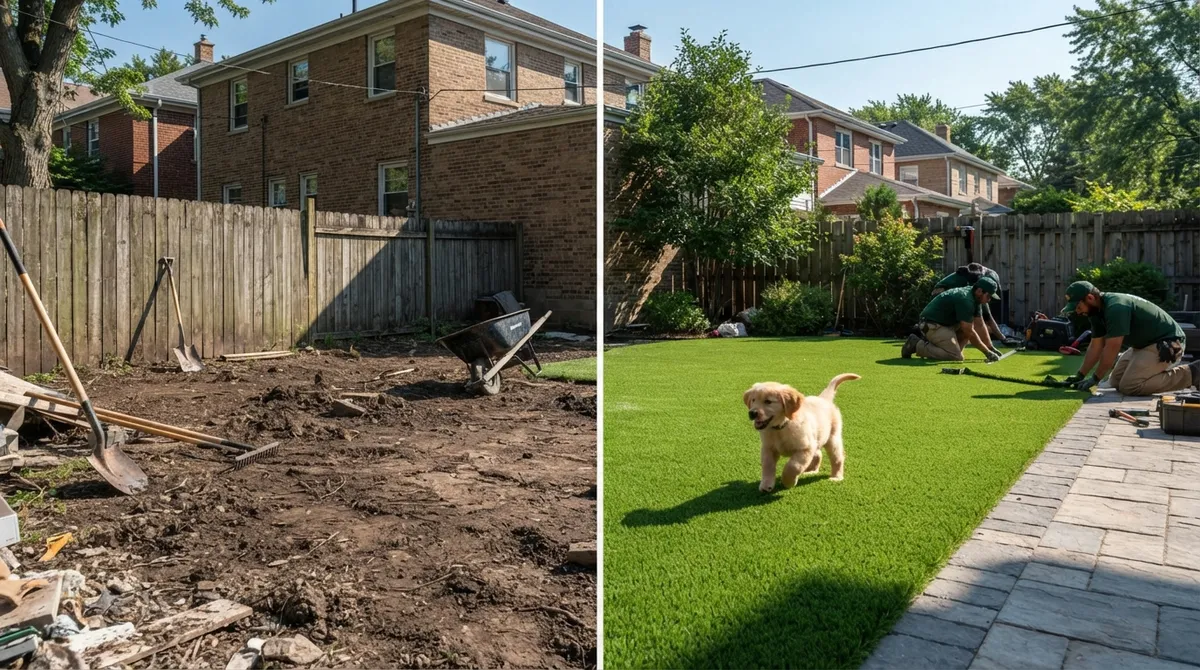
- Ground preparation: Existing grass, weeds, and debris are removed. The soil is leveled and compacted to create a stable base.
- Base layer installation: A crushed aggregate base is laid down to improve drainage and create a firm, even surface.
- Weed barrier: A permeable weed barrier fabric is placed to prevent unwanted growth beneath the turf.
- Turf installation: The synthetic grass is cut, fitted, and secured. Seams are joined carefully for a seamless look.
- Infill application: Sand or rubber infill is brushed into the turf fibers to add weight, stability, and a natural feel underfoot.
- Final grooming: The turf is brushed and inspected to ensure an even, natural appearance.
At Serenity Landscape Group, we follow a thorough installation process that ensures every synthetic turf project is completed with care and precision. We work with residential and commercial clients across the greater Chicago area to deliver results that look stunning and last for decades.
Maintenance Tips for Synthetic Grass in Shaded Areas
One of the biggest perks of synthetic grass is how little upkeep it requires. But shaded areas do have a few specific considerations to keep in mind. Here are some simple maintenance tips:
- Rinse regularly: Use a garden hose to wash away debris, dust, and bird droppings — especially important under tree canopies.
- Remove fallen leaves promptly: Leaves can accumulate on synthetic turf and hold moisture, so rake or blow them off regularly.
- Brush the turf fibers: Use a stiff-bristled broom to keep fibers upright and looking natural.
- Check drainage: Ensure the drainage system stays clear and functional, especially after heavy Chicago rainstorms.
- Inspect for damage: Occasionally check edges and seams to make sure everything stays secure over time.
With these simple steps, your synthetic grass will look great for 15 to 20 years with very little effort. That is a huge win for busy homeowners and property managers!
Pairing Synthetic Grass With Other Landscaping Features
Synthetic grass in shaded areas looks even better when combined with complementary landscaping elements. Here are some great pairings to consider:
- Pavers and pathways: Frame your synthetic turf with beautifully designed walkway pavers to create a polished, intentional look.
- Retaining walls: In sloped shaded areas, retaining walls can level the ground and create tiered spaces perfect for synthetic turf installation.
- Outdoor lighting: Since shaded areas can be dim, adding landscape lighting brightens the space and makes it usable at night.
- Pergolas and shade structures: If you are designing a shaded seating area, pergolas and pavilions paired with synthetic grass create a stunning, cohesive outdoor room.
You can see some inspiring examples of these combinations in our gallery of completed projects — we think you will love what is possible!
Is Synthetic Grass the Right Choice for Your Shaded Space?
If you have a shaded area that refuses to grow healthy natural grass, synthetic turf is almost always the right answer. It is durable, eco-friendly, low-maintenance, and beautiful. According to the ICPI Certified Installer standards, proper surface preparation and drainage are critical to the longevity of any outdoor surface installation — and that applies to synthetic turf as much as it does to hardscaping.
Whether you are a homeowner tired of looking at bare patches, a business owner wanting a polished commercial exterior, or a developer looking to deliver a beautiful finished property, synthetic grass for shaded areas is a smart, long-term investment. To explore more about creating a landscape design that transforms your space, we have plenty of resources to inspire you.
Conclusion: Transform Your Shaded Spaces With Synthetic Grass
Shaded areas no longer have to be the eyesore of your property. With synthetic grass, those tricky low-light spots become lush, clean, and inviting spaces you will actually enjoy. From under trees and along fences to urban courtyards and north-facing lawns, artificial turf delivers a beautiful, worry-free solution that lasts for decades. It saves water, eliminates maintenance headaches, and stays green through every Chicago season.
Ready to make your shaded outdoor spaces shine? Our team at Serenity Landscape Group would love to help you design and install the perfect synthetic turf solution for your home or business. Request your free estimate today and let us turn your problem spots into your favorite parts of the yard!
FAQs
Q: Why does natural grass struggle so much in shaded areas?
A: Natural grass needs at least 4 to 6 hours of direct sunlight per day to photosynthesize and grow properly. Without enough light, it thins out, turns yellow, and eventually dies — leaving you with bare, muddy patches that are really tough to fix!
Q: How long does synthetic grass last in shaded environments?
A: Great news — synthetic grass is incredibly durable! Quality artificial turf typically lasts 15 to 20 years, even in damp, shaded conditions. Its polyethylene and polypropylene fibers resist UV fading, moisture, mold, and heavy foot traffic, so you will enjoy a beautiful lawn for decades.
Q: Does synthetic grass prevent mold and moss in shady, damp spots?
A: Yes! One of the biggest advantages of synthetic grass for shaded areas is its excellent drainage system. The permeable backing allows rainwater to filter through quickly, preventing the standing moisture that causes mold, moss, and muddy conditions in natural lawns.
Q: Can synthetic grass be installed on slopes or narrow side yards?
A: Absolutely — synthetic grass is wonderfully versatile! It can be installed on slopes, narrow side yards, and other tricky spaces where natural grass fails. In sloped areas, combining synthetic turf with retaining walls creates a level, attractive surface that looks intentional and polished.
Q: How much maintenance does artificial turf need in shaded areas?
A: Very little — and that is one of the best parts! You will want to rinse the turf occasionally, remove fallen leaves promptly, and brush the fibers upright every now and then. No mowing, watering, or fertilizing is ever needed, which saves you a ton of time and money throughout the year.